




























Laser engraving has become one of the fastest-growing opportunities for Canadian makers, crafters, and personalization businesses. xTool laser engravers use a focused beam of light to permanently mark, engrave, and cut materials like wood, acrylic, leather, and metal - creating custom products that command premium prices in online shops, craft markets, and retail stores across Canada.
The challenge for many beginners is simple: where do you start? Laser machines can seem technical or intimidating if you've never operated one. You might worry about the learning curve, whether you can produce sellable products quickly, or if the investment will actually pay off before your first few customers walk away.
xTool makes that entry point easier. Their machines are built with beginners in mind but deliver professional results that small businesses can sell with confidence. Whether you're engraving tumblers for corporate clients, cutting custom signage, producing personalized gifts, or expanding an existing sublimation or vinyl business, xTool gives you the tools to start producing and profiting faster.
This guide walks you through how laser engraving works, what xTool offers for Canadian personalization businesses, which machines fit different business models, and what products deliver the strongest margins. If you're ready to add laser engraving to your revenue stream, this guide will help you choose the right equipment and avoid expensive mistakes.
What Is Laser Engraving and Why It Works for Personalization Businesses

Laser engraving uses a focused beam of light to remove material from a surface, creating permanent marks, textures, and designs. Unlike vinyl decals that peel or printed graphics that fade, laser engraving produces results that last as long as the product itself. For personalization businesses, this permanence justifies higher prices and reduces customer complaints about durability.
The process works through controlled heat. The laser beam raises the material's surface temperature beyond its vaporization point, removing microscopic layers to create visible marks. Different materials absorb different wavelengths, which is why laser type matters when choosing equipment - diode lasers excel at wood and leather, CO2 lasers cut thick acrylic cleanly, and infrared lasers mark bare metal directly.
Engraving vs. Cutting vs. Etching
Understanding the difference helps you communicate capabilities to customers and price services accurately.
Laser engraving removes material to create depth you can see and feel.
- Works for detailed graphics, text, and photographs
- Best on wood, leather, and coated metals
- Depth ranges from 0.1mm to 0.5mm depending on power and material hardness
Laser cutting slices completely through material.
- Creates custom shapes, dimensional signage, puzzle pieces, and component parts
- Requires higher power than engraving
- Works best on materials under 10mm thick for most desktop laser systems
Laser etching changes the surface without removing significant material.
- Produces lighter marks suitable for serial numbers and barcodes
- Ideal for subtle branding on metal and glass products
xTool machines handle all three processes depending on model and laser power, which means you can offer multiple service tiers without buying separate equipment for each technique.
Why Canadian Personalization Businesses Choose xTool
xTool has become the go-to option for new engravers in Canada because of three key advantages:
- Accessible software that reduces the learning curve
- Strong safety features that meet CSA requirements for home and commercial spaces
- Material compatibility with products that personalization businesses actually sell
You don't need technical training to start producing. xTool's software guides you through material selection, power settings, and design placement so your first engraving looks professional enough to sell. This speed to market matters when you're building a customer base and need consistent results before word-of-mouth kicks in.
Understanding the xTool Lineup: Which Machine Fits Your Business Model

Choosing the right xTool machine depends on three factors: your physical workspace, the products you want to sell, and how many orders you expect to process weekly. Buying too small limits your product range and creates bottlenecks when orders increase. Buying too large inflates costs and complicates setup if you're working from home or a small studio.
Quick Comparison: xTool Models for Canadian Personalization Businesses
| Model | Best For | Working Area | Key Advantage | Business Fit |
|---|---|---|---|---|
| xTool M1 Ultra | Home-based crafters starting out | 300mm × 400mm | 4-in-1: laser, inkjet, blade, pen | Testing products before scaling |
| xTool F1 | Events, markets, mobile engraving | 110mm × 110mm | Portable, ultra-fast (4000mm/s) | Live personalization, craft fairs |
| xTool S1 | Growing businesses, daily orders | 498mm × 330mm | Enclosed, swappable laser modules | 20-50 orders weekly, mixed materials |
| xTool P2 | Production shops, commercial use | 635mm × 419mm | 55W CO2 laser, passthrough cutting | 100+ weekly orders, thick materials |
| xTool F1 Ultra | Metal engraving specialists | 400mm × 400mm | Dual laser: 20W fiber + 20W diode | Corporate branding, jewelry, industrial |
xTool M1 Ultra: Testing Products Before You Scale

The M1 Ultra combines laser engraving, inkjet printing, blade cutting, and pen drawing in one compact machine. This versatility suits home-based businesses testing different product categories before committing to specialized equipment.
What you can do with the M1 Ultra:
- Engrave wooden coasters, cutting boards, and signs
- Print custom designs directly on leather and wood
- Cut vinyl decals and paper crafts
- Draw detailed designs on cardstock and fabric
Technical capabilities:
- 10W or 20W laser modules handle wood up to 8mm thick
- Cuts acrylic up to 5mm and leather of any thickness
- Inkjet module prints directly onto porous materials
- Compact footprint (roughly 60cm × 50cm) fits on a standard desk
xTool F1: Portable Engraving for Live Events

The F1 weighs less than 5 kilograms and fits in a carry bag, making it ideal for craft markets, corporate events, retail pop-ups, and mobile personalization services.
Key features for mobile businesses:
- Dual-laser system (10W diode + 2W infrared)
- Engraving speed up to 4000mm per second
- Fast enough to personalize products while customers wait
- 110mm × 110mm working area for keychains, dog tags, small signs, and tumblers
- Set up takes under 10 minutes
- Integrated battery option for outdoor markets without electrical outlets
xTool S1: Daily Production for Growing Businesses

The S1 provides a 498mm × 330mm working area with interchangeable laser modules: 10W, 20W, 40W diode, or 2W infrared.
Production capabilities:
- 40W module cuts 18mm plywood in a single pass
- Engraves at 600mm per second for daily order processing
- Handles 20 to 50 custom orders weekly
- Auto-focus system eliminates manual height adjustment between jobs
Safety and convenience features:
- Enclosed design with integrated ventilation
- Meets CSA safety standards for indoor home operation
- No external ducting required for residential use
- Swappable laser modules change in under 5 minutes without recalibration
Best for:
- Businesses that have validated product-market fit
- Growing order volume requiring consistent daily output
- Capturing revenue from outsourced laser work
xTool P2: Commercial Production Volume

The P2 delivers 55W CO2 laser power across a 635mm × 419mm cutting bed.
Commercial production capabilities:
- CO2 laser cuts acrylic up to 20mm thick and wood up to 15mm
- Cleaner edges than diode lasers for professional finish
- Auto-passthrough conveyor extends cutting length to 3 metres
- Continuous processing of door signs, banners, and repeated patterns
- One operator can handle loading, monitoring, and packaging
Installation requirements:
- Requires 240V power supply
- External ventilation ducting needed
- Higher setup costs but faster cutting speeds
- Broader material compatibility than diode systems
Ideal for businesses producing:
- Acrylic awards for corporate clients
- Architectural models for contractors
- Retail store laser-cut décor (100+ units weekly)
- Component parts requiring precise fit
xTool F1 Ultra: Metal Marking and Industrial Applications

The F1 Ultra combines 20W fiber laser with 20W diode laser, enabling bare metal marking and organic material engraving in one system.
Dual-laser capabilities:
- Fiber laser permanently marks stainless steel, titanium, aluminum, and brass
- Works through oxide layer disruption on bare metal
- Diode laser handles wood, acrylic, leather, and other organic materials
- No equipment changes needed when switching between metal and wood projects
Industrial and specialty markets:
- Serialized part marking for manufacturers
- Medical device identification and traceability
- Jewelry engraving on precious metals
- Corporate promotional metal products
- Permanent identification on metal components
Materials You Can Engrave and What Sells Best

Understanding material capabilities helps you choose profitable product categories and communicate accurately with customers about what you can produce.
Wood
Wood delivers strong contrast between engraved areas and natural surface, making it ideal for cutting boards, signs, ornaments, and home décor.
- Maple and birch: Light backgrounds with dark engraving, excellent contrast
- Walnut and cherry: Subtle contrast with premium aesthetic appeal
- Plywood: Works for dimensional projects, use Baltic birch for cleanest edge quality
Acrylic
- Clear acrylic: Engraves white with frosted effect, perfect for illuminated signage and awards
- Coloured acrylic: Engraving reveals base colour underneath for two-tone designs
- Cast vs extruded: Cast acrylic cuts cleaner but costs more, choose based on whether edge quality matters
Leather
- Natural leather: Darkens when engraved, producing brown-to-black contrast
- Ideal products: Wallets, belts, keychains, and patches
- Synthetic leather: Also engraves well but test first (some melt instead of mark)
- Vegetable-tanned leather: Produces strongest contrast, accepts additional finishing like dyes or oils
Metal
- Anodized aluminum and powder-coated metals: Mark with any laser type by removing surface coating
- Bare metal: Requires fiber laser (F1 Ultra) or marking spray with diode/CO2 lasers
- Best results: Stainless steel, brass, and titanium with fiber systems for permanent industrial-grade marking
Glass and Ceramic
- Glass engraving: Creates frosted effects suitable for glassware, mirrors, and decorative panels
- Results: Permanent but lack colour contrast, best for elegant subtle branding
- Ceramic: Tiles and mugs engrave well, glazed surfaces require higher power than unglazed clay
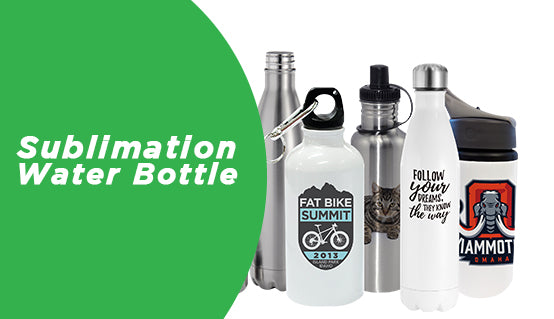
Coated Tumblers and Drinkware
Powder-coated stainless steel tumblers are the highest-volume laser product in Canadian personalization businesses.
- Coating removes cleanly to reveal shiny metal underneath
- Creates permanent designs that withstand daily use and dishwashing
- Requires rotary attachment for cylindrical engraving
- Essential accessory if tumblers represent significant revenue
What You Can Make and What Actually Sells
Product profitability depends on material cost, production time, and market demand. Focus on items that balance all three factors rather than chasing every possible application.
High-Volume Personalization Products
These products sell consistently and allow batch processing for efficiency:
- Engraved tumblers for corporate gifts and events
- Wooden cutting boards for weddings and housewarmings
- Acrylic keychains and ornaments for retail displays
- Leather patches and tags for branding and pet accessories
- Custom wooden signs for homes and businesses
Premium Margin Products
These items command higher prices but require more setup or specialized materials:
- Layered wooden or acrylic dimensional signs
- Illuminated acrylic awards and trophies
- Leather wallets and passport covers with custom engraving
- Metal business cards and corporate gifts (fiber laser required)
- Personalized jewelry boxes and keepsake items
Event and Corporate Products
These generate bulk orders with predictable timelines:
- Corporate gifts with company logos
- Wedding favours and signage
- Event badges and nameplates
- Promotional items for trade shows
- Branded merchandise for retail businesses
The most successful personalization businesses build inventory around 3 to 5 core products they can produce efficiently, then expand into specialty items as demand emerges. Trying to offer everything immediately spreads your learning curve too thin and complicates material inventory management.
Software, Setup, and Your First Engraving
xTool machines operate through xTool Creative Space (XCS) software, compatible with Windows and macOS. The software imports vector files (SVG, DXF, AI) for cutting paths and raster images (JPG, PNG) for engraving gradients. Unlike vinyl cutting software requiring outlined text, XCS processes text layers directly - reducing file preparation time.
The material settings library contains pre-tested parameters for 500+ substrate combinations. Select your material type and thickness, and XCS suggests optimal power, speed, and pass count. This eliminates trial-and-error testing but you should still run test engraves on production materials to verify settings match your specific inventory before processing customer orders.
Running Your First Engraving
- Step 1: Import your design into XCS software
- Step 2: Use the material selector to load appropriate settings
- Step 3: Position your material on the work bed and secure it to prevent shifting
- Step 4: Run the framing function to preview where the laser will mark
- Step 5: Adjust design placement if needed
- Step 6: Start the engraving and monitor the first few seconds
- Step 7: Let the machine complete the job without opening the enclosure
- Step 8: Remove the finished product and clean any residue with a soft cloth or compressed air
This process takes under 10 minutes once you understand the workflow. Most beginners produce sellable results within their first three attempts - faster than vinyl cutting or sublimation where colour management and heat press technique require more experience to master.
Common Beginner Mistakes and How to Avoid Them
Most early mistakes stem from incorrect power settings, poor material preparation, or skipping test runs on production materials.
Burn marks and scorching:
- Reduce power by 10% and increase speed slightly
- Enable air assist to clear debris during engraving
- Mask wood surfaces with transfer tape before engraving to prevent soot staining
Misalignment between preview and final engraving:
- Secure thin materials with masking tape or magnetic hold-downs
- Use the framing function before every job to verify laser positioning
- Ensure machine sits on stable, level surface
Weak engraving depth:
- Increase power by 10% or run a second engraving pass
- Remember: material hardness varies between suppliers
- Hardwood requires more power than softwood even within same species
Blurry or low-detail results:
- Use auto-focus if your machine includes it
- Manually measure focal distance with the provided gauge
- Clean laser optics regularly (dust buildup reduces power and precision)
Maintenance That Prevents Expensive Repairs
Laser systems degrade through contamination and thermal stress. Regular maintenance prevents gradual power loss that reduces cutting capability and forces you to increase settings that accelerate component wear.
Daily maintenance:
- Inspect work bed for debris
- Check air assist nozzles for blockage
- Verify lens covers remain clean
Weekly maintenance:
- Clean focus lenses and mirrors with optical-grade wipes and isopropyl alcohol
- Lubricate linear rails
- Empty ventilation filters
Monthly maintenance:
- Inspect timing belts for tension
- Calibrate auto-focus accuracy
- Test emergency stops
Preventive cleaning every 40 to 60 operating hours prevents lens replacement costs of $200 to $400 CAD plus recalibration downtime. Most Canadian personalization businesses schedule cleaning at the end of each week to maintain consistent quality.
Safety Requirements for Canadian Businesses
Laser systems generate combustible particulates requiring active ventilation during operation. Canadian facilities must comply with WHMIS regulations regarding airborne contaminants from wood, acrylic, and leather processing.
Safety classifications:
- Enclosed systems (S1, P2): Meet Class 1 safety classification, laser beam fully contained during normal operation
- Desktop systems (F1, M1): Require adequate room ventilation but not dedicated ducting if operated intermittently in spaces larger than 20 square metres
- Opening enclosures during operation requires safety goggles rated for your laser's specific wavelength
Fire prevention essentials:
- Maintain clear work areas and remove flammable debris between jobs
- Never operate laser systems unattended
- Keep Class ABC dry chemical fire extinguisher rated for electrical fires within 3 metres of laser station
- Most home insurance policies cover small laser engravers under existing coverage (verify with your provider)
Building a Profitable Laser Engraving Business
Equipment costs for xTool systems vary by capability tier. Calculate break-even by dividing equipment cost by additional margin per product. If laser engraving adds $15 margin per item compared to vinyl-only decoration, a machine reaches break-even at 200 units - achievable within 3 to 6 months for active businesses processing 10 to 15 orders weekly.
The calculation shifts when laser capability enables entirely new product categories. Engraved wooden signs, cut acrylic awards, and dimensional leather goods represent markets unavailable to sublimation-only operations. These new revenue streams compound faster than incremental improvements to existing products.
Most successful Canadian laser businesses follow this progression:
- Phase 1: Start with high-volume products (tumblers, cutting boards) to validate demand and recover equipment costs
- Phase 2: Expand into premium margin items (dimensional signs, custom leather) as skills improve
- Phase 3: Diversify into event and corporate markets for bulk orders with predictable revenue
- Phase 4: Add specialty services (metal marking, jewelry) to differentiate from local competition
FAQ: xTool Laser Engravers for Canadian Businesses
Can I run an xTool laser engraver from home in Canada?
Yes, enclosed models like the S1 meet residential safety standards and operate quietly enough for home use. Verify your municipality allows home-based businesses and check if additional permits are required for operating laser equipment commercially.
Do xTool machines work with sublimation products?
Yes, laser engraving complements sublimation by adding contrast to polyester-coated products. You can sublimate full-colour graphics onto aluminum, then laser-engrave text or borders. You can also use lasers to cut custom sublimation blanks from aluminum sheets or hardboard.
How long does it take to learn laser engraving?
Most beginners produce sellable products within their first week of operation. Material testing and design optimization continue for months as you refine techniques, but the basic workflow is accessible to anyone comfortable with graphic design software.
What's the typical return on investment for laser engraving equipment?
Active businesses typically recover equipment costs within 6 to 12 months through increased product margins and new revenue categories. Faster ROI occurs when adding laser services to existing customer bases rather than building from zero.
Can xTool lasers engrave photographs?
Yes, through grayscale dithering that converts continuous-tone images into dot patterns. Import photos as JPG or PNG files and the software converts tonal values into variable power settings. Light-coloured wood like maple produces subtle gradients while dark walnut delivers high-contrast photographic reproduction.