












Aller au contenu
fr
CAD

🌨️ Des retards sont à prévoir en raison des conditions météorologiques. ❄️

Encres DTF

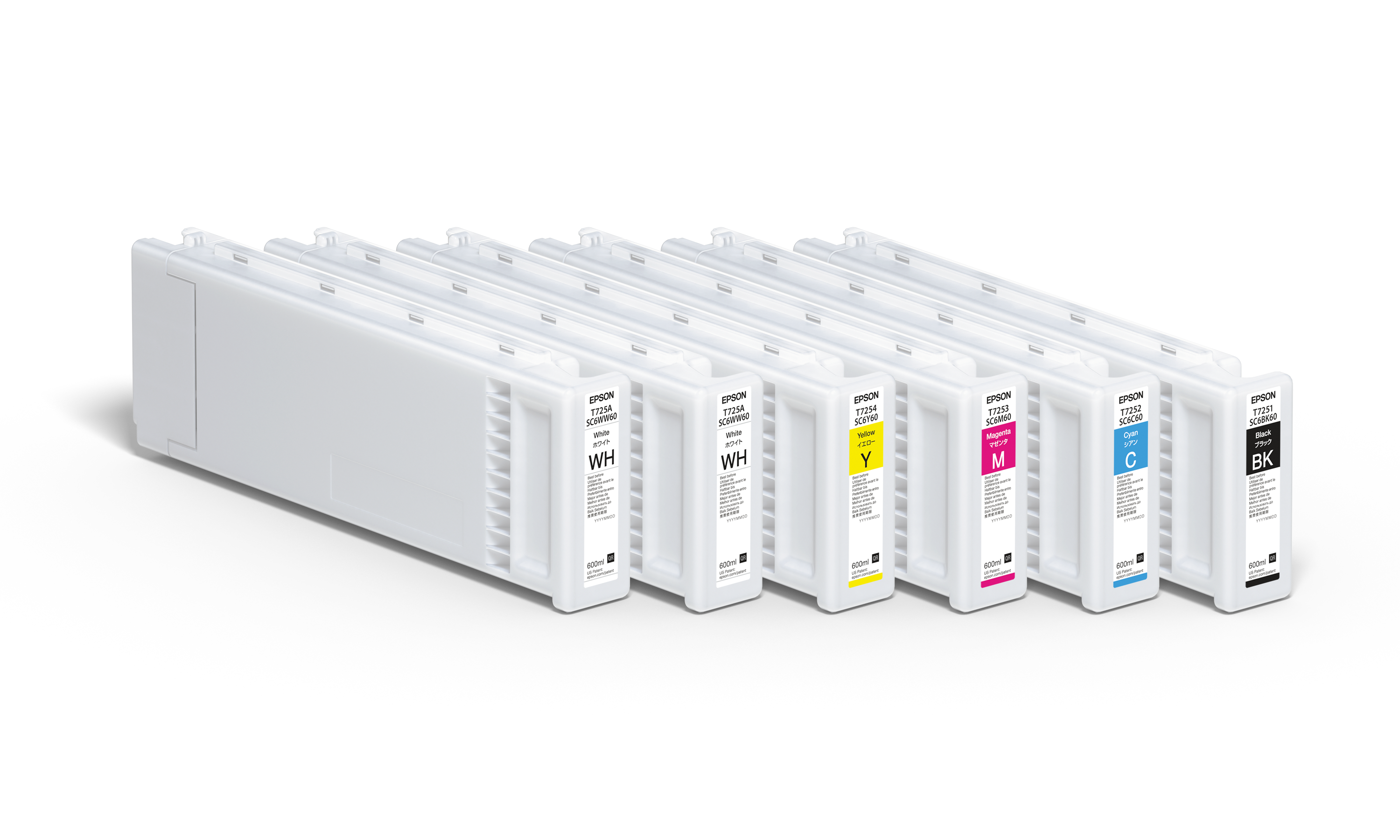
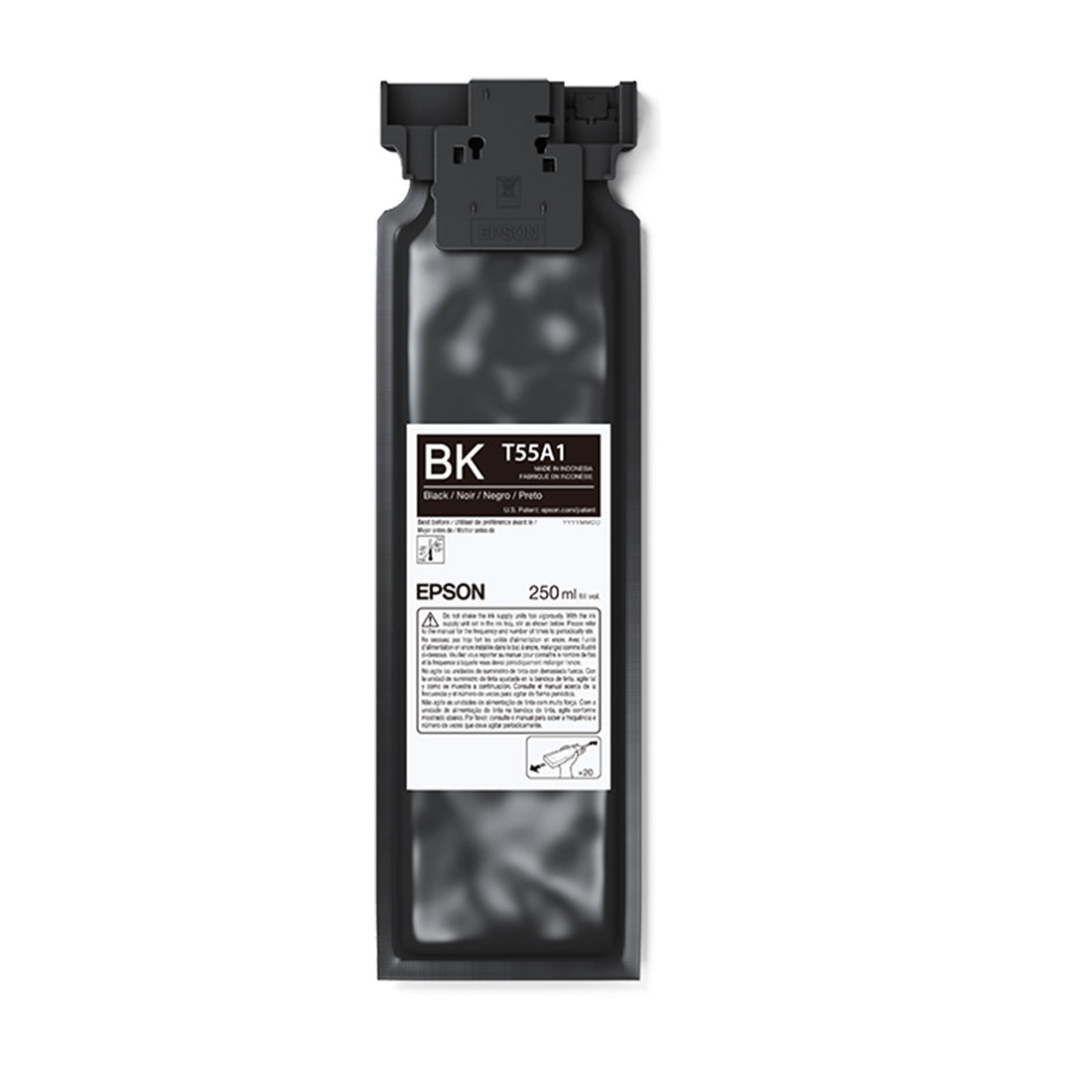
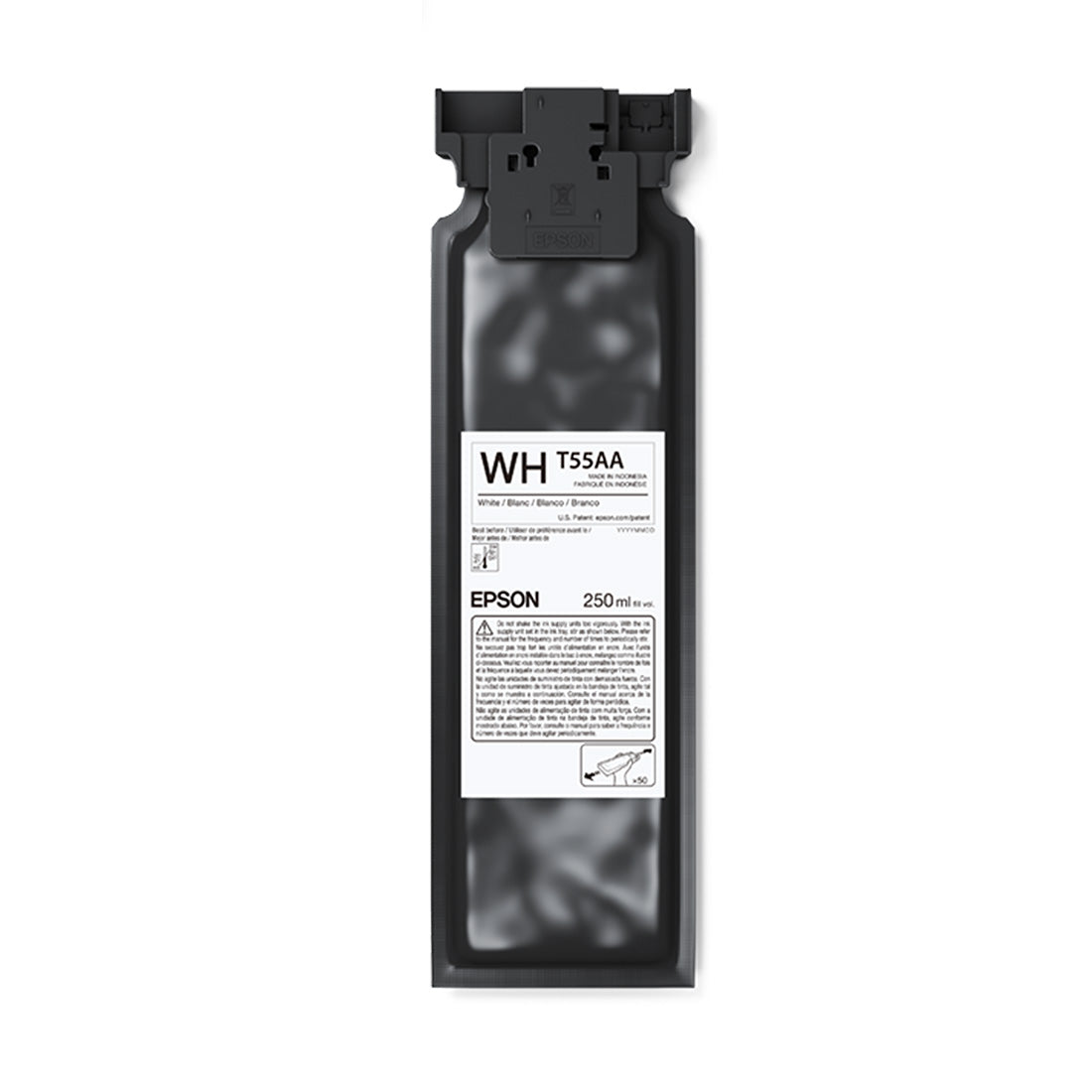
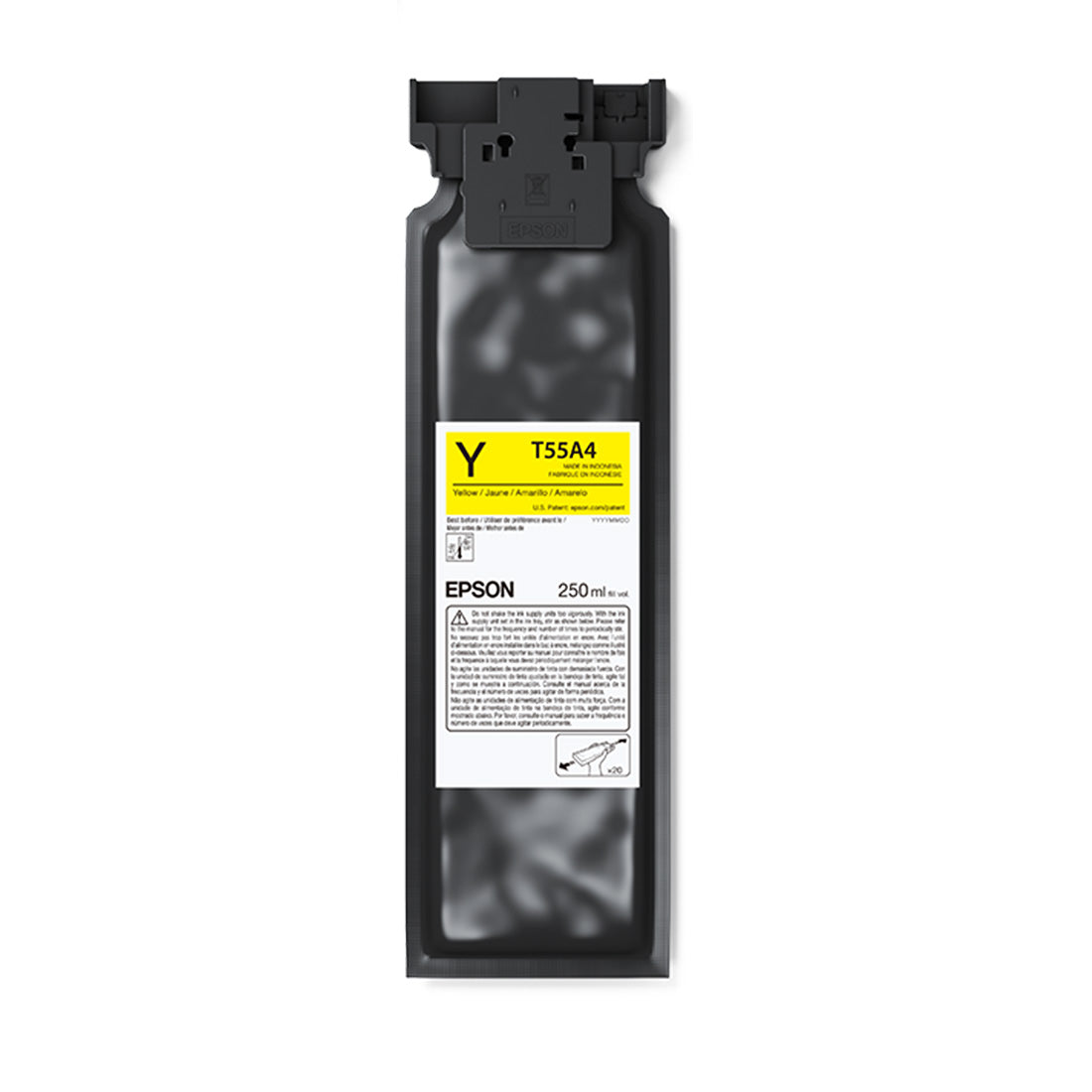
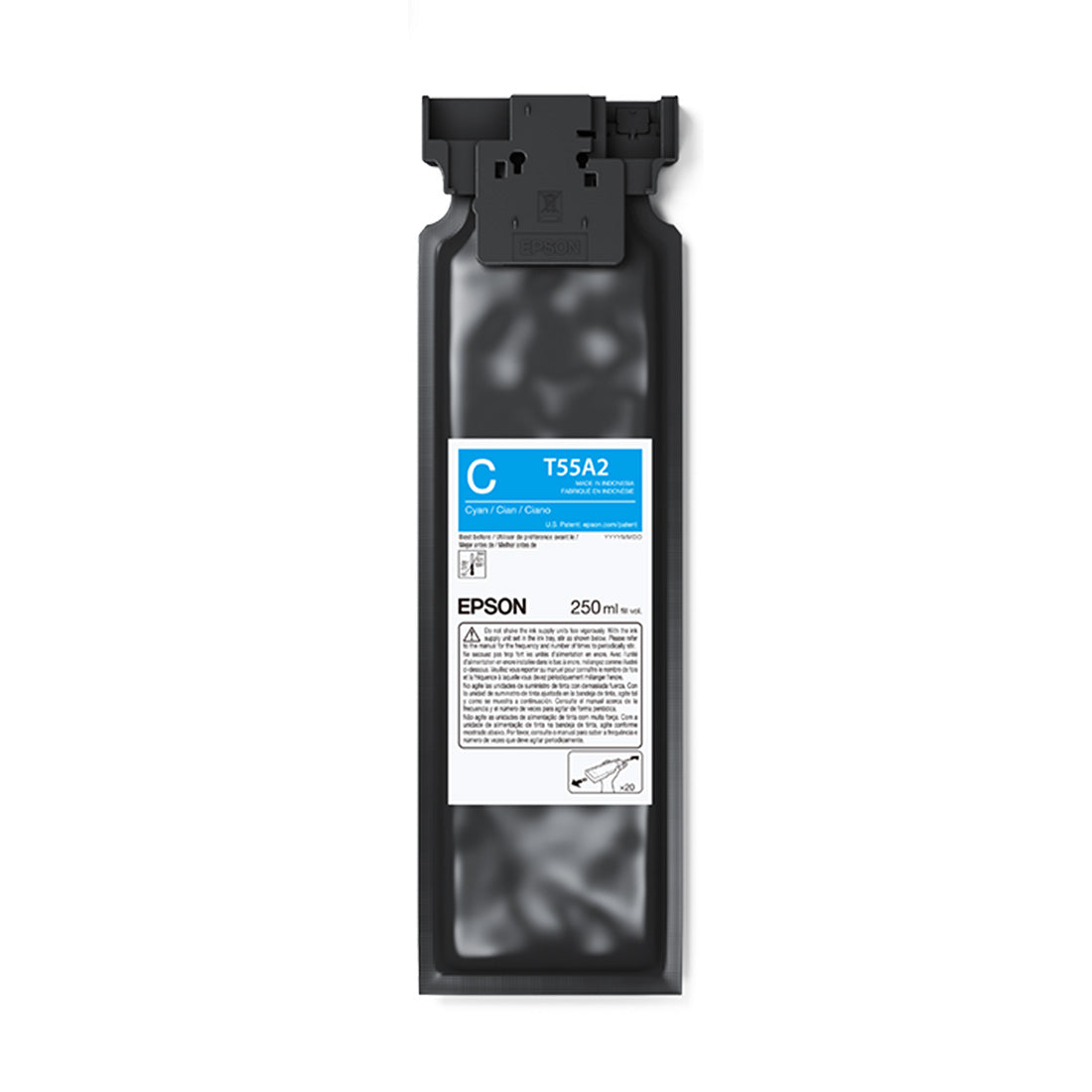
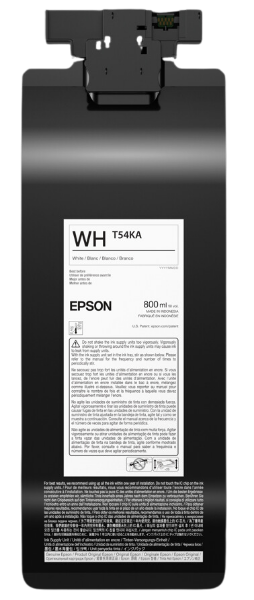
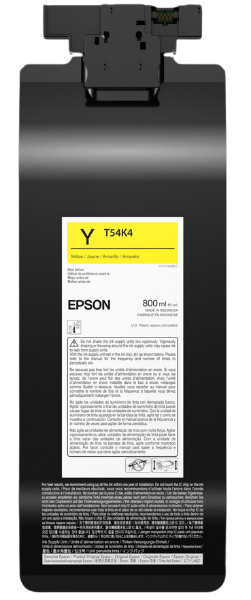
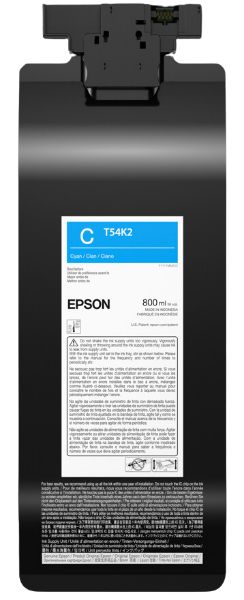
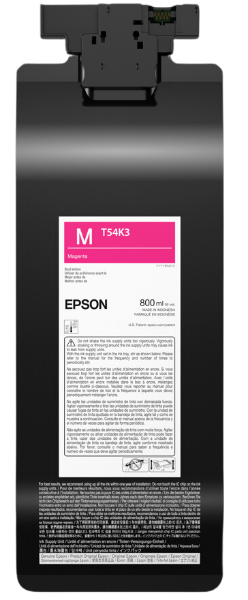
Encres DTF pour une impression textile brillante

Obtenez des couleurs époustouflantes, des dégradés fluides et des impressions durables avec les encres DTF haut de gamme de Joto, conçues pour des performances fiables sur les vêtements et au-delà.

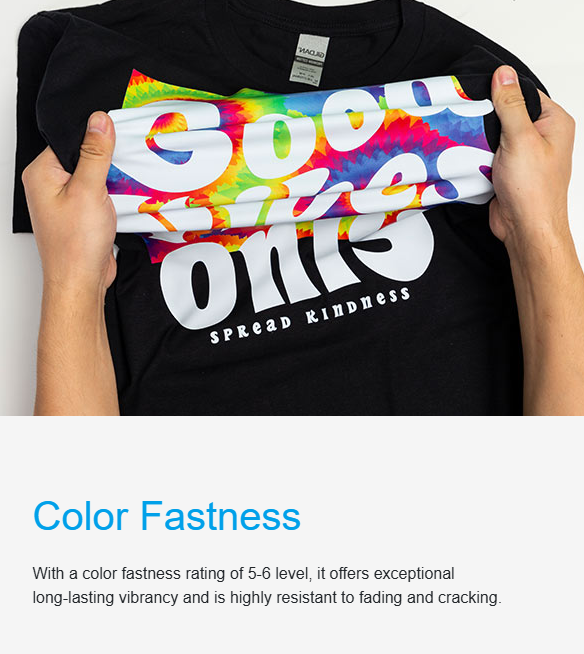
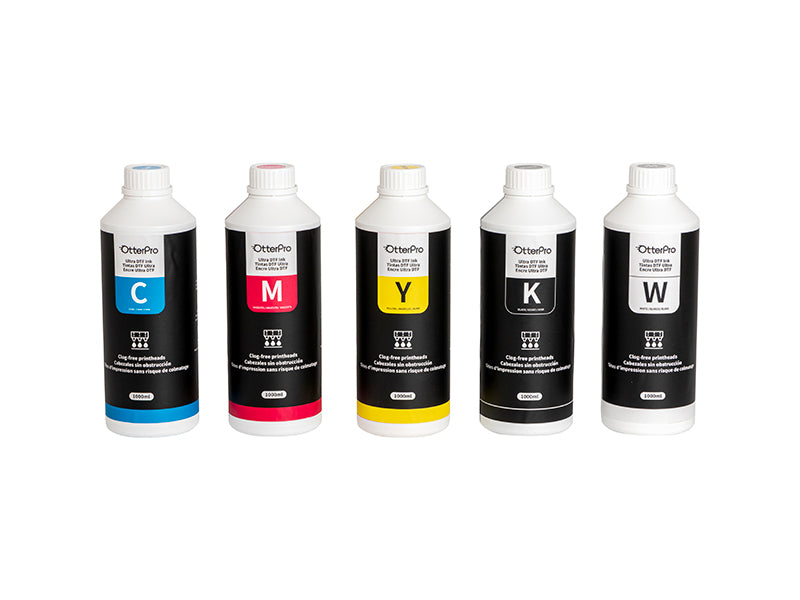
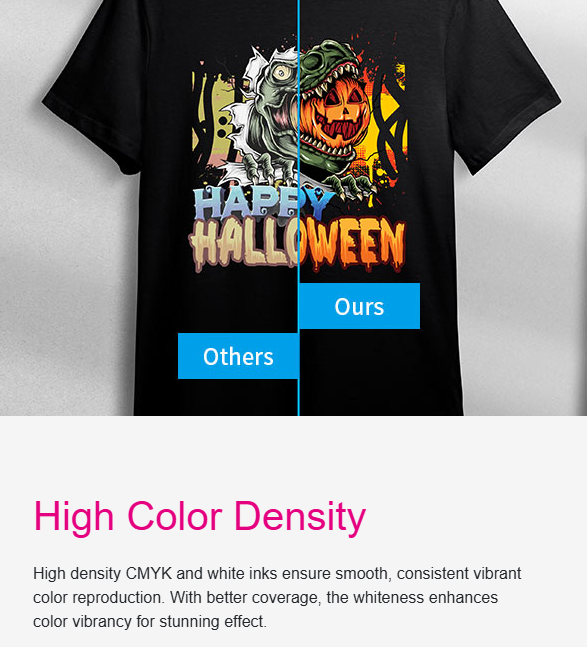
Les encres DTF de Joto sont spécialement conçues pour adhérer parfaitement aux films de transfert, produisant des motifs éclatants qui s'impriment parfaitement sur le coton, le polyester, les mélanges, etc. Leur forte concentration en pigments garantit des détails nets et une couverture uniforme, tout en conservant leur souplesse pour que les impressions résistent aux craquelures et à la décoloration après de nombreux lavages. Idéales pour la création de t-shirts, sweats à capuche, vêtements de sport et textiles promotionnels personnalisés, elles vous permettent d'obtenir des résultats de qualité professionnelle qui raviront vos clients. Ces encres fonctionnent parfaitement sur les imprimantes Direct to Film compatibles, minimisant ainsi les encrassements et les temps d'arrêt pour maintenance. Que vous gériez de petits lots ou des volumes importants, elles offrent la stabilité et la fidélité des couleurs nécessaires à une production efficace. Bénéficiant de l'expertise et de la rapidité d'approvisionnement de Joto, les encres DTF sont un choix fiable pour élargir votre offre, améliorer la qualité et développer votre activité d'impression en toute confiance.

Filtre

10 des produits

  • Trier par

Frequently Asked Questions:

What is DTF Ink and how is it used for high-quality fabric printing?

DTF Ink is a specialized aqueous pigment-based ink engineered specifically for direct-to-film printing on a wide variety of textiles, including cotton, polyester, and synthetic blends. The process involves printing high-resolution designs onto a PET transfer film, followed by the application of a TPU adhesive powder that bonds the ink to the fabric during a controlled heat press cycle. This professional-grade ink system provides exceptional opacity through a high-density white base layer, ensuring vibrant color reproduction and superior wash durability without the need for garment pretreatment. By utilizing advanced resin technology, DTF inks deliver a flexible, soft-hand finish that resists cracking and peeling, making them the ideal choice for high-quality custom apparel production.

What fabric types and printer systems are compatible with DTF Inks for optimal transfer results?

DTF Inks from Joto Imaging Supplies are specifically formulated for compatibility with inkjet printers utilizing piezoelectric printheads, such as Epson L1800, XP600, i3200, and DX5/DX7 models. These high-pigment inks deliver exceptional results across a wide range of textiles, including 100% cotton, polyester, poly-cotton blends, and even more challenging materials like nylon, leather, and denim. For optimal transfer performance, ensure your printer system includes a white ink circulation mechanism and uses professional RIP software to manage high-density layers and color accuracy. This technical synergy ensures vibrant, durable graphics with superior wash fastness and a soft-hand feel on virtually any fabric substrate.

How can I ensure the long-term durability and proper wash care of custom apparel made with DTF Inks?

Something went wrong. Try again.

How do you properly print and apply DTF Inks to achieve high-quality, professional apparel transfers?

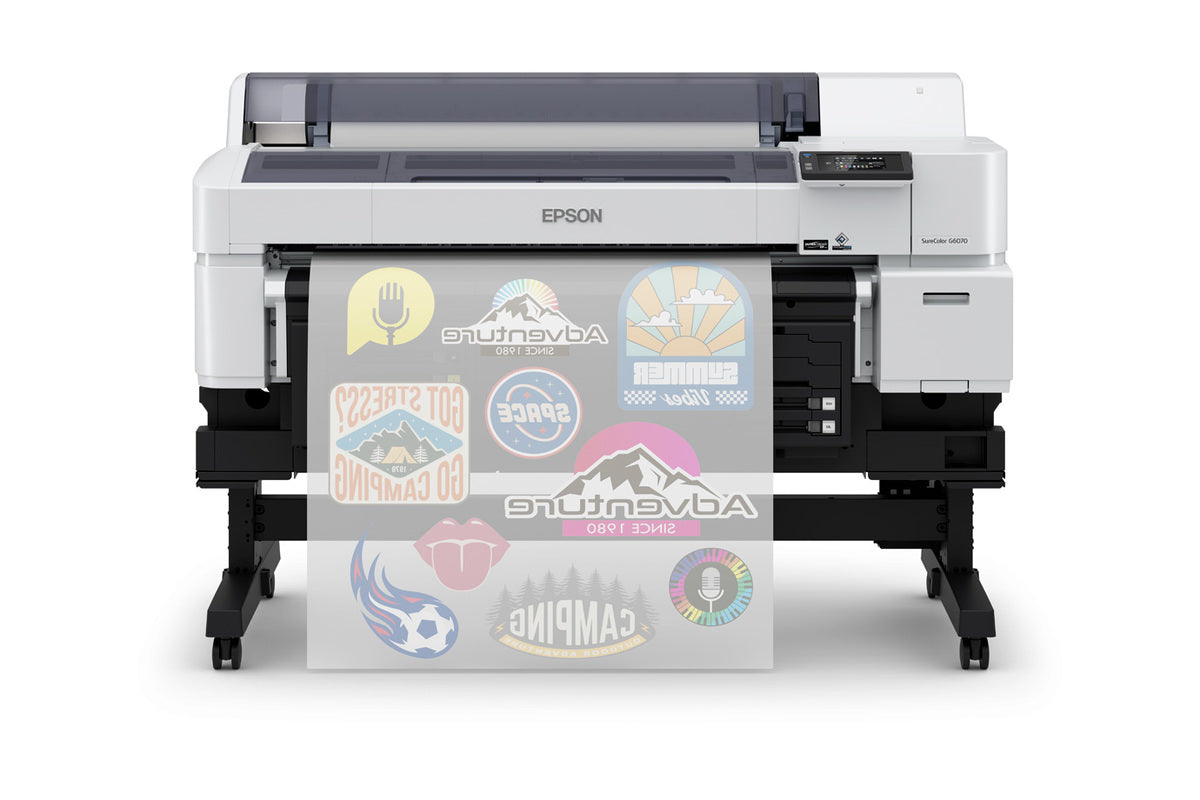
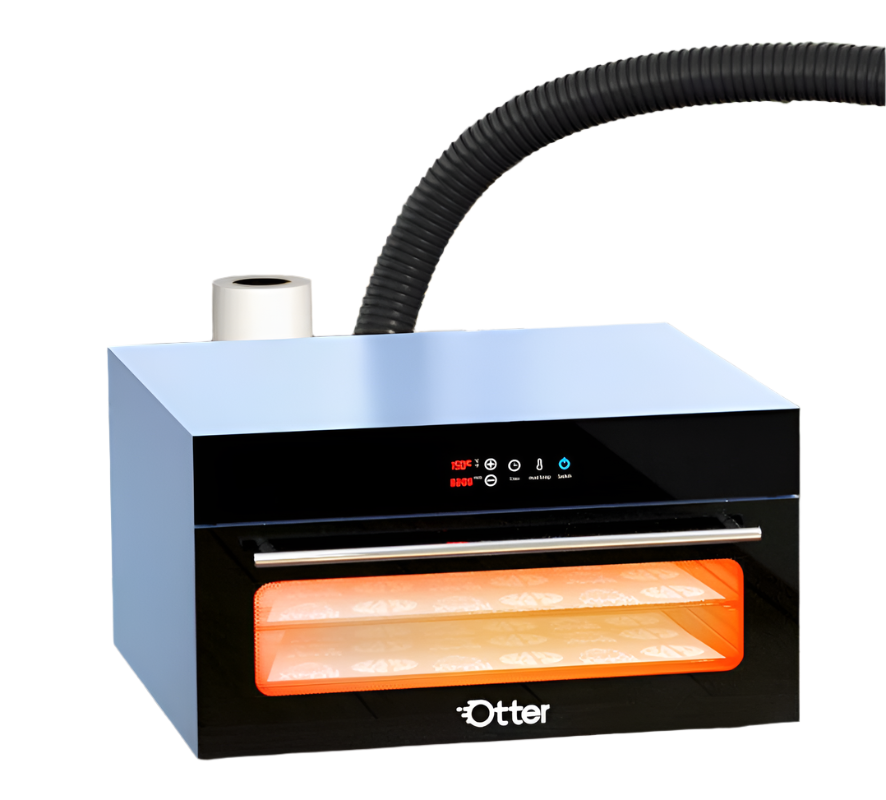
To achieve professional results with DTF Inks, first print your design in reverse onto PET film, applying a high-opacity white ink layer over the CMYK pigments. Immediately apply TPU hot-melt adhesive powder to the wet ink and heat-cure it in a DTF oven until the adhesive reaches a consistent "orange peel" texture. Finally, use a commercial heat press at 275–320°F with medium-to-firm pressure for 10–15 seconds to permanently bond the transfer to the garment. This technical workflow ensures superior wash fastness, vibrant color density, and a soft-hand feel on various fabrics including cotton, polyester, and synthetic blends.

What are the most common causes of poor ink adhesion or nozzle clogging when using DTF Inks?

Poor ink adhesion and nozzle clogging with DTF Inks primarily result from inconsistent heat press settings, such as incorrect temperature or insufficient pressure, which prevent the TPU adhesive powder from fully bonding to the garment fibers. Nozzle blockages are frequently caused by a lack of regular maintenance or environmental factors like low humidity and improper temperatures that lead to premature ink drying and pigment sedimentation, especially with high-density white ink. To ensure professional results and printhead longevity, it is essential to maintain a stable climate-controlled environment, perform daily nozzle checks, and ensure even powder application and curing. Adhering to these technical standards ensures the high-quality, durable transfers that Joto Imaging Supplies products are designed to deliver.

How can I achieve maximum color vibrancy and professional print quality with DTF Inks?

To achieve maximum color vibrancy and professional results with DTF Inks, ensure your designs are high-resolution and utilize the correct ICC color profiles within your RIP software to match your specific printer and film. Optimize your printer settings by using a resolution of at least 1440 DPI and applying a solid white underbase to provide an opaque foundation that makes CMYK layers pop on dark textiles. Maintain consistent hardware performance through regular printhead cleanings and nozzle checks to ensure smooth, clog-free ink flow and even saturation. Finally, precisely calibrate your curing temperature and dwell time to ensure the adhesive powder melts into a uniform finish without scorching or dulling the vibrant pigment.

How can switching to DTF Inks help your business reduce production costs and improve overall profit margins?

Switching to DTF Inks significantly reduces production costs by eliminating the need for pre-treatment, expensive screens, and complex weeding processes associated with traditional decoration methods. This direct-to-film workflow enhances labor efficiency and throughput, allowing your business to fulfill custom apparel orders with minimal setup time and reduced material waste. By utilizing high-yield aqueous pigment inks that are compatible with various fabric types, you can achieve higher profit margins on short-run projects while maintaining professional-grade wash fastness and color vibrancy. This streamlined system ensures a faster turnaround for customers, solidifying your brand authority in the competitive custom imaging market.

How should DTF Inks be stored to maintain their quality and ensure user safety?

DTF Inks should be stored in a cool, dry environment with temperatures maintained between 15°C and 25°C and humidity levels between 55% and 65% to prevent sediment buildup and premature degradation. To ensure maximum shelf life and print quality, keep the ink bottles tightly sealed in a dark, well-ventilated area away from direct sunlight or UV exposure. For user safety and to avoid contamination, always handle the inks with protective gloves and store them in their original opaque containers on stable, corrosion-resistant shelving. Following a first-in, first-out (FIFO) inventory system will ensure you are utilizing the freshest ink for your high-volume direct-to-film production.

How do DTF Inks compare to traditional screen printing or DTG for custom apparel decoration?

DTF inks offer superior versatility over DTG by providing vibrant, high-opacity results on a wide range of fabrics, including polyester, nylon, and dark cotton, without the need for pretreatment. While screen printing remains the industry standard for high-volume durability and low-cost bulk production, DTF technology excels in short-run efficiency and the ability to produce complex, full-color gradients with significantly less setup. Unlike DTG, which absorbs into natural fibers for a soft hand feel, DTF inks utilize a TPU adhesive powder to create a durable, stretch-resistant transfer that sits on top of the substrate for enhanced color pop. Choosing DTF inks ensures a professional-grade, high-resolution finish that bridges the gap between the soft detail of digital printing and the rugged longevity of traditional screen methods.

How can you optimize the ink-to-powder ratio and heat press dwell times for DTF Inks to ensure maximum stretchability and prevent cracking on high-elastane performance textiles?

To optimize DTF Inks for high-elastane performance textiles, adjust your RIP software to apply thinner ink layers and pair them with a specialized fine-grain TPU adhesive powder to ensure the transfer remains flexible and moves with the fabric. For these heat-sensitive materials, utilize a "low and slow" heat press approach by setting the temperature between 250°F and 275°F and increasing the dwell time to 15–20 seconds to achieve a complete adhesive melt without scorching. Always perform a pre-press to remove moisture and de-coat performance fibers, followed by a cold peel and a 5-second post-press to lock in the design for maximum stretchability and wash durability. This technical calibration prevents the brittle finish that leads to cracking, ensuring your custom apparel maintains a soft-hand feel even under significant mechanical stress.

Drawer Title
produits similaires