






Aller au contenu
fr
CAD

🌨️ Des retards sont à prévoir en raison des conditions météorologiques. ❄️

Autres blancs de sublimation

Autres produits vierges de sublimation pour une créativité sans fin

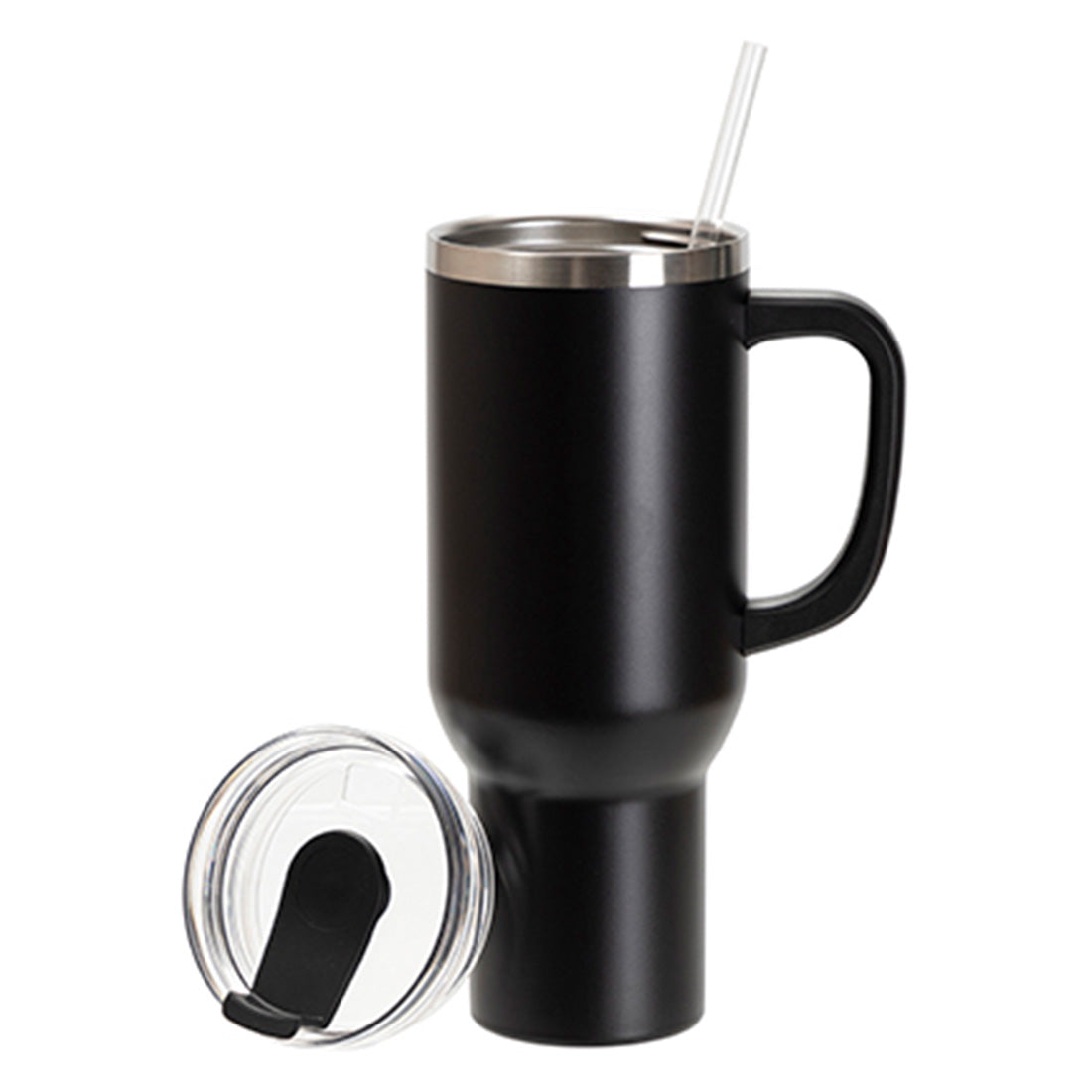
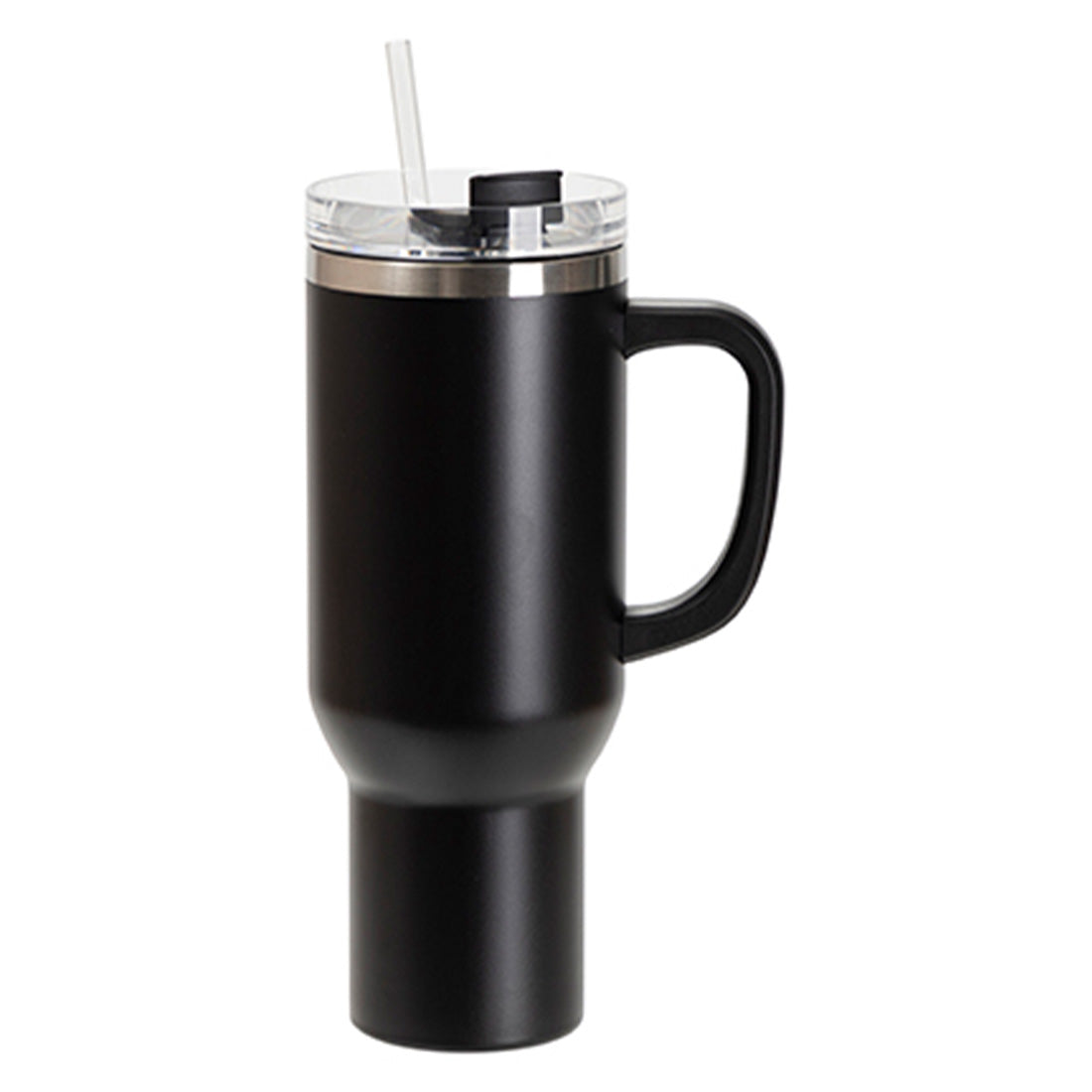
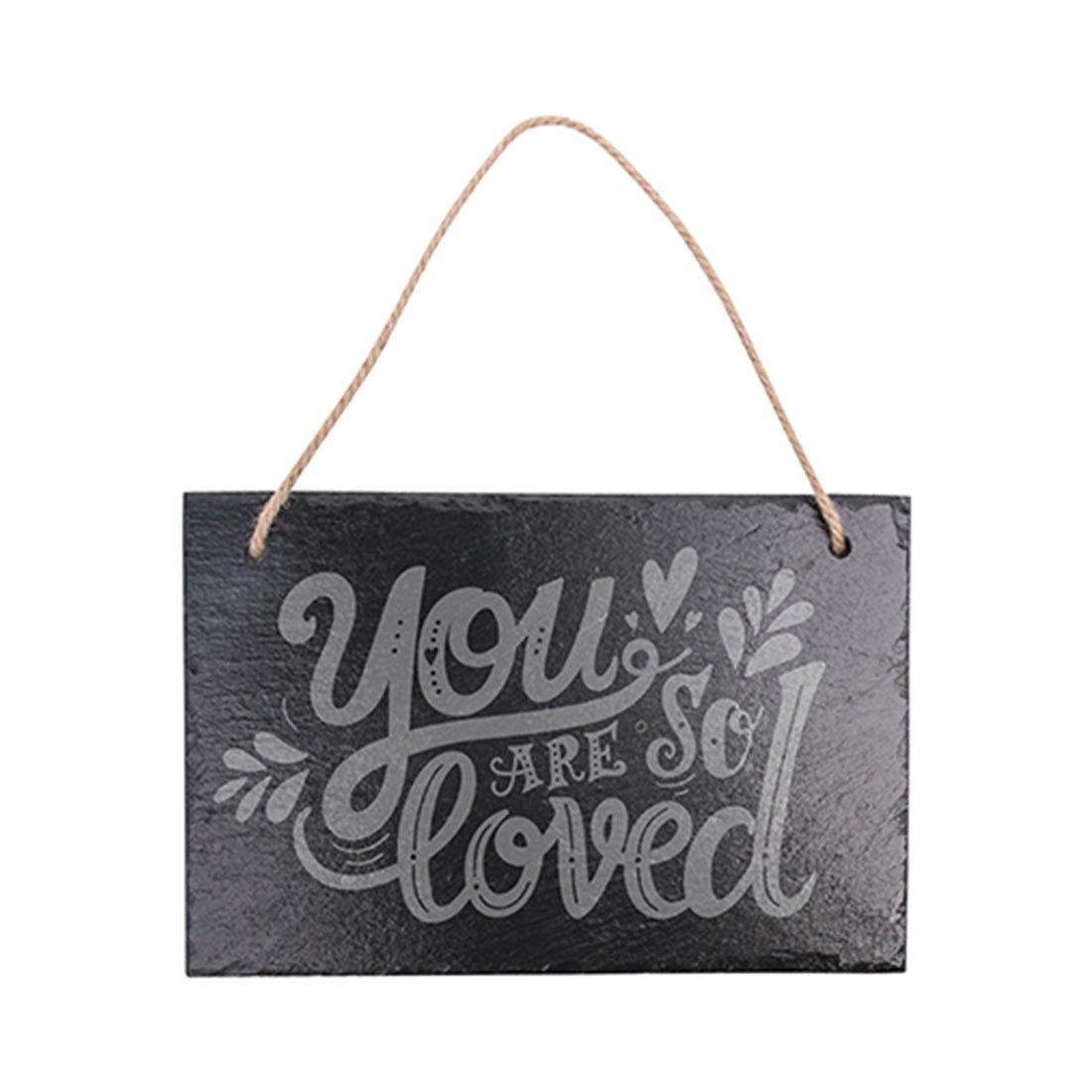
Découvrez une large gamme de supports de sublimation qui vont au-delà des options traditionnelles. Fonctionnels, polyvalents et personnalisables, ils inspirent de nouvelles idées pour tout catalogue.

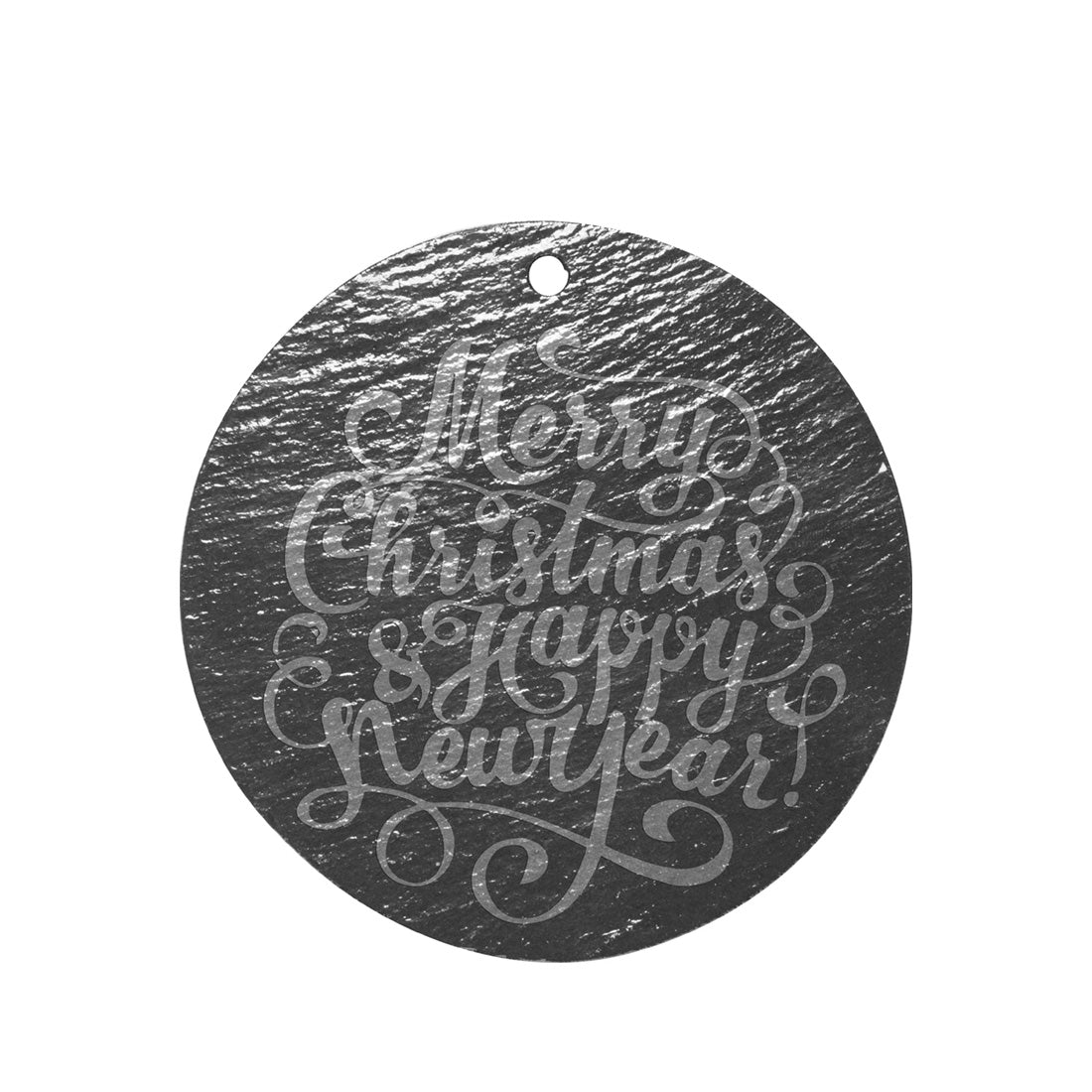
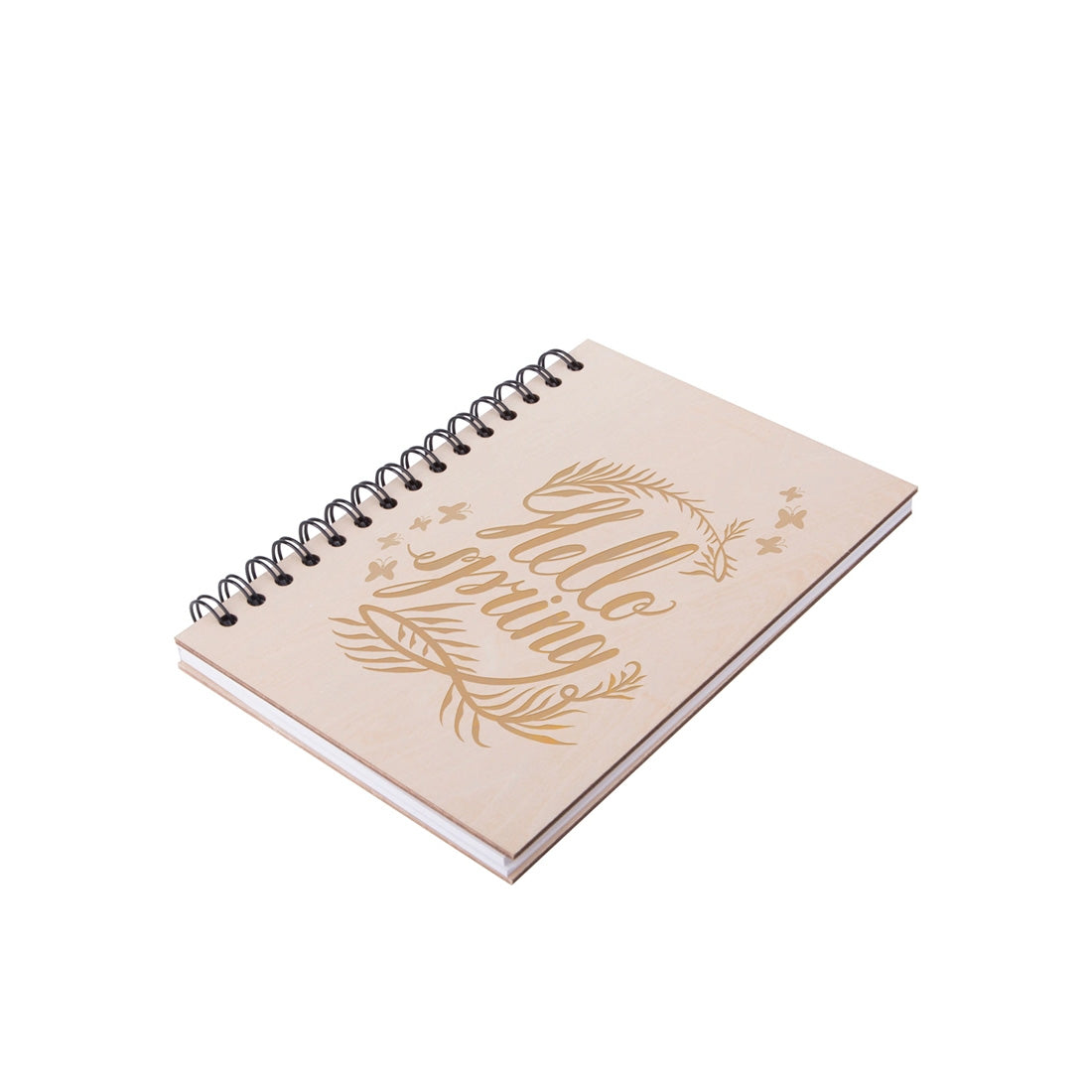
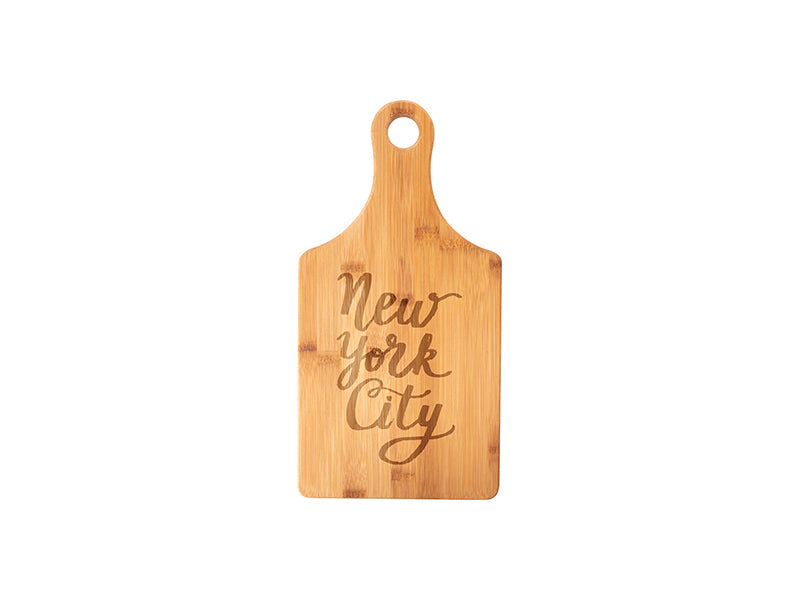
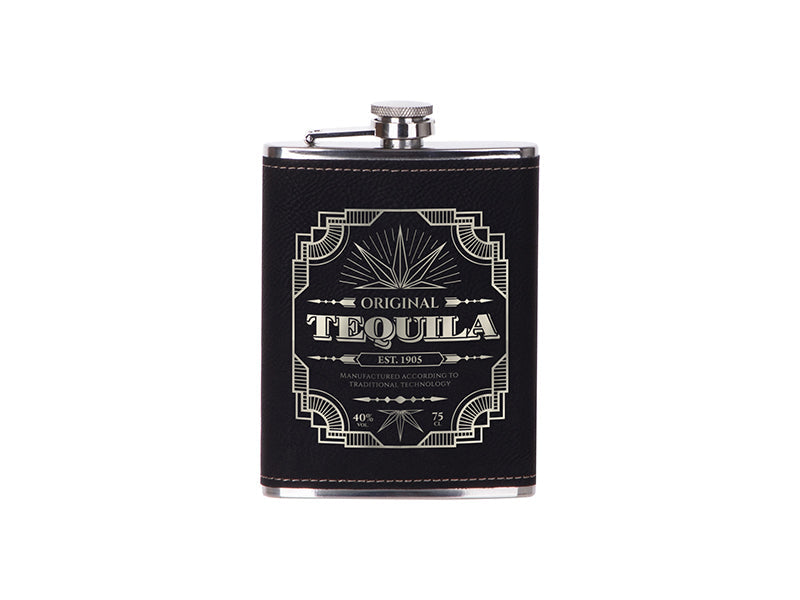
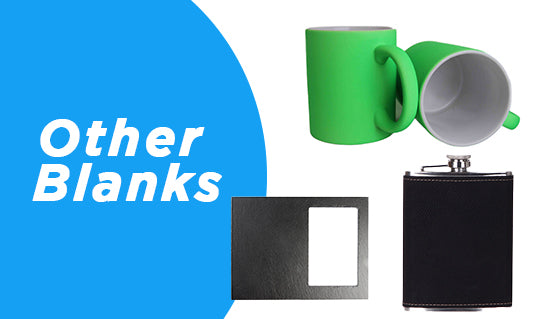
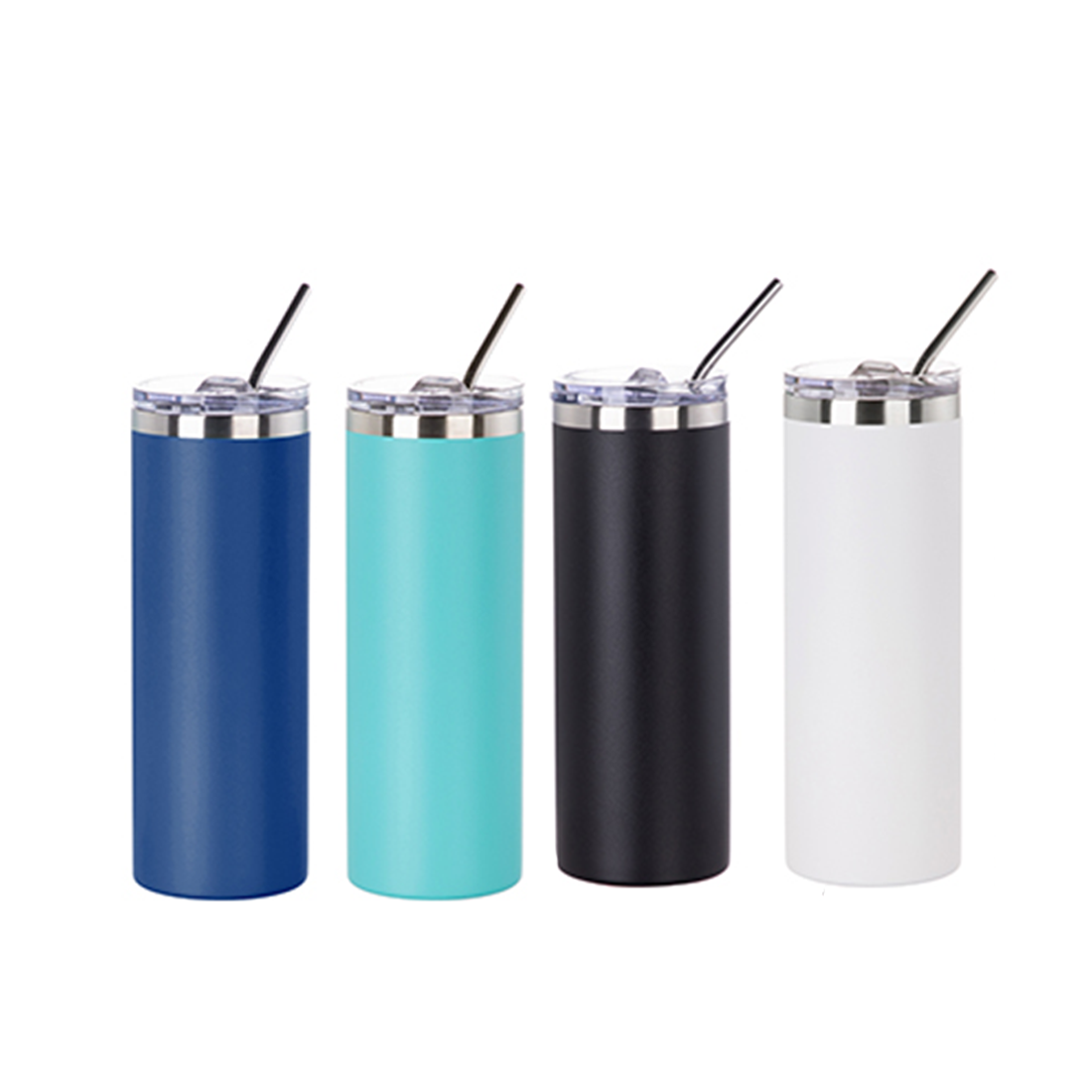
Cette collection propose des articles spécialisés tels que des porte-clés, des plaques d'immatriculation, des coques de téléphone, des bijoux, des miroirs et des produits fantaisie, tous fabriqués avec des surfaces prêtes à la sublimation pour des impressions éclatantes et durables. Parfaits pour les boutiques de cadeaux, les campagnes promotionnelles ou les entreprises souhaitant se démarquer, ces supports vierges offrent des opportunités créatives à forte marge. Leur polyvalence permet aux boutiques d'explorer de multiples marchés, des accessoires personnalisés aux cadeaux d'entreprise, tout en garantissant une qualité de production constante. Faciles à imprimer avec les presses Joto, les fours à convection et le papier de sublimation, ils garantissent des résultats fiables pour chaque commande. Disponibles en Amérique du Nord, avec une livraison rapide et des remises sur volume, ces produits contribuent à la croissance rentable des imprimeries. Ajoutez-les à votre catalogue et proposez à vos clients des articles personnalisés, à la fois fonctionnels et mémorables.
Filtre

23 des produits

  • Trier par

FAQs

What are sublimation blanks and what types of products can be decorated beyond standard mugs and shirts?

Sublimation blanks are products pre-coated with a polymer or polyester layer that accepts sublimation dye through heat transfer. Beyond mugs and apparel, popular sublimation blanks include phone cases, keychains, ornaments, puzzle panels, cutting boards, aluminium photo panels, coasters, mouse pads, tote bags, pillowcases, pet tags, and wood plaques. Joto's Other Sublimation Blanks collection covers specialty and niche items beyond the most common categories.
What heat press temperature and dwell time are recommended for sublimating onto aluminium photo panels?

Aluminium sublimation panels press at 375–400°F (190–204°C) for 60–90 seconds at firm pressure. Aluminium conducts heat quickly and evenly, making it one of the most consistent sublimation substrates. Remove the panel from the press immediately after the dwell time and peel the transfer paper while still hot — aluminium cools rapidly and the ink will re-solidify in the paper rather than the substrate if you wait too long to peel.
Are sublimation blanks made from different materials compatible with standard sublimation inks, or do results vary significantly by substrate?

Sublimation results vary significantly by substrate material and coating quality. Polyester-coated hard substrates (aluminium, ceramic, MDF) produce the most vibrant, detail-sharp results. Polymer-coated softgoods like tote bags and pillow covers produce good results on the coated surface but do not sublimate on uncoated areas. Always source blanks with a confirmed sublimation-grade coating — blanks marketed as 'sublimation ready' without coating documentation may have inconsistent or non-functional coatings.

Why are my sublimation prints on coasters or ceramic tiles showing a yellow tint in the white areas?

A yellow tint in white areas of sublimation prints on hard substrates is caused by insufficient outgassing of the substrate during pressing. Some ceramic and coated wood substrates contain moisture or organic compounds that vaporise during pressing and stain the white areas yellow. Pre-press the blank at sublimation temperature for 15–20 seconds before placing the transfer to outgas the substrate surface, then apply the transfer and press at full dwell time. This single step eliminates yellowing on most hard sublimation blanks.

How durable are sublimation prints on outdoor-use blanks like aluminium signs and keychains?

Sublimation prints on aluminium panels with a quality polymer coating typically last 3–5 years outdoors with minimal UV fading — comparable to digital print on vinyl with UV laminate. Keychains and small items see faster wear from mechanical abrasion and handling than UV exposure. Indoor sublimation blanks like coasters and photo panels are essentially permanent under normal indoor conditions, as there is no UV exposure or mechanical wear to degrade the dye bond in the polymer coating.

Is producing custom sublimation blanks in small batches profitable compared to buying pre-decorated items at wholesale?

Custom sublimation blanks produced in-house carry a material cost of $0.50–$3.00 per item (blank plus ink and paper) and retail at $10–$40+ depending on the product. Pre-decorated items at wholesale typically run 50–70% of retail, leaving minimal margin for resellers. In-house sublimation production captures the full decorator margin and enables personalisation — the primary driver of premium pricing. Even at 20–30 pieces per week, the economics strongly favour in-house production over wholesale resale.

What is the trick to getting a sharp, crease-free sublimation transfer on curved or contoured blanks like phone cases?

Print the design with a 2–3mm bleed beyond the case boundary to ensure full coverage without white edges. Use a silicone phone case mould or 3D vacuum press if available, which conforms the transfer paper to the case curvature under heat and pressure. For flat press sublimation on cases, secure the paper tightly to the case with heat-resistant tape on all edges, then press with a silicone pad on top to help the paper conform to minor surface contours during pressing.

What is the difference between polyester-coated and polymer-coated sublimation blanks, and does the coating type affect colour vibrancy?

Polyester-coated blanks use a woven polyester surface (common in softgoods like bags and pillowcases), which provides good sublimation results but with a slight fabric texture visible in the print. Polymer-coated blanks use a smooth, hard coating (common on ceramics, aluminium, and MDF) that produces sharper detail and more vibrant, high-contrast colour because the smooth surface reflects light evenly without fabric texture diffusion. For photographic reproduction quality, polymer-coated hard substrates consistently outperform polyester-coated softgoods.

Are sublimation blanks safe for food contact applications like mugs, coasters, and cutting boards?

Food-contact safety for sublimation blanks depends entirely on the blank manufacturer's coating specification, not on the sublimation inks. Sublimation dye is embedded within the polymer coating — not on the surface — but whether the coating itself is food-safe is a function of the coating chemistry. For mugs and drinkware, source blanks explicitly certified as food-safe. Sublimated cutting boards are decorative items and should not be marketed as food-safe surfaces for direct food cutting contact unless certified as such by the blank manufacturer.

How should sublimation blanks be stored before use to prevent coating contamination and printing defects?

Store sublimation blanks in their original packaging or sealed plastic bags in a clean, dust-free environment away from direct sunlight and humidity. Contamination of the coating surface with fingerprints, dust, or cleaning product residue causes white spots and adhesion failures in the sublimated print. Handle blanks with clean cotton gloves or by their edges. Wipe hard substrates with a lint-free cloth before pressing if they have been handled or stored for an extended period to remove surface debris before applying the transfer.

Drawer Title
produits similaires