
























Aller au contenu
fr
CAD

🌨️ Des retards sont à prévoir en raison des conditions météorologiques. ❄️

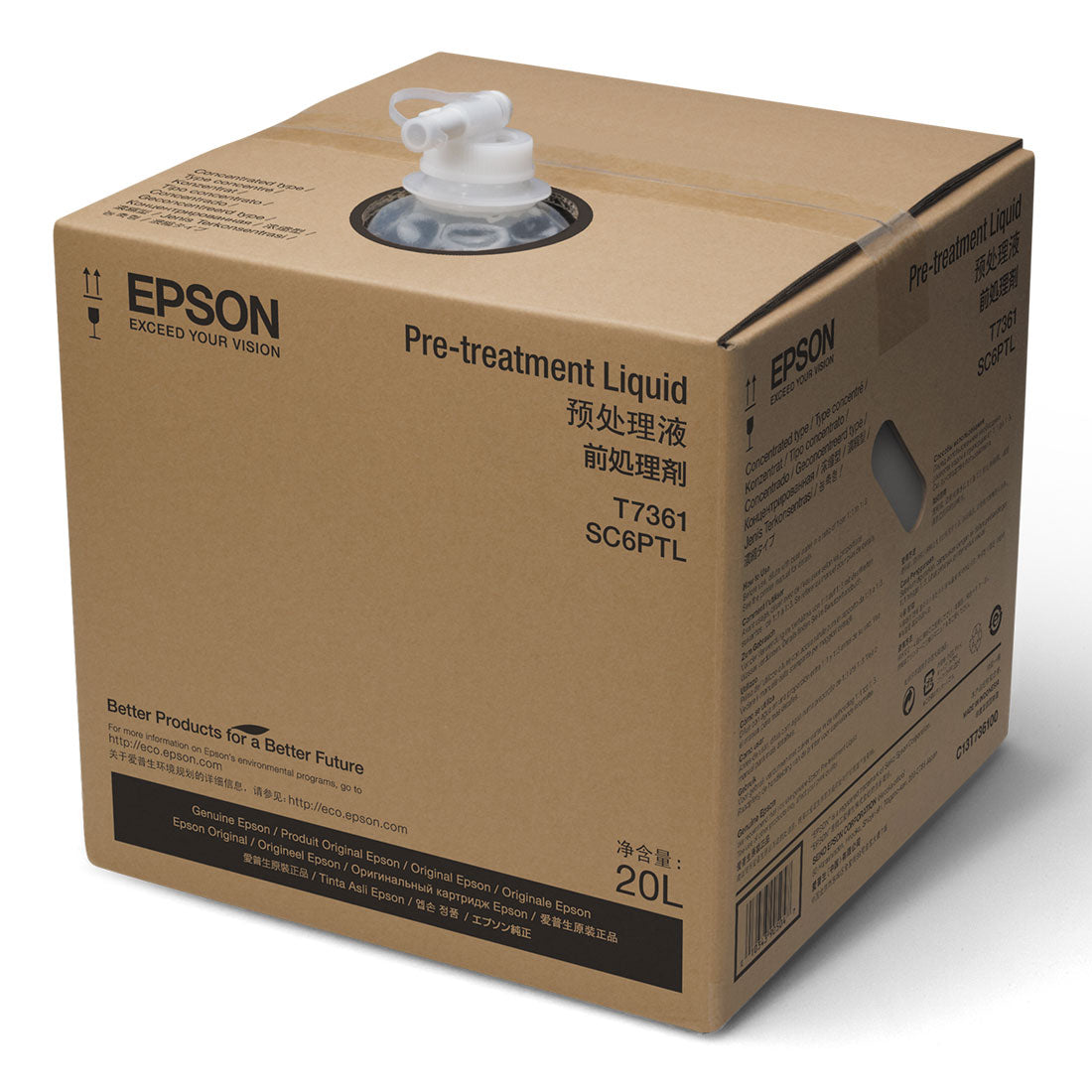
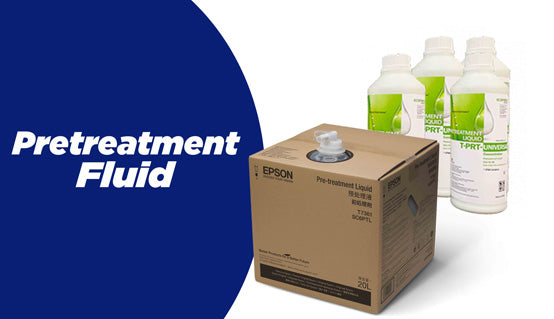
Fluide de prétraitement DTG

Fluide de prétraitement DTG pour des impressions éclatantes

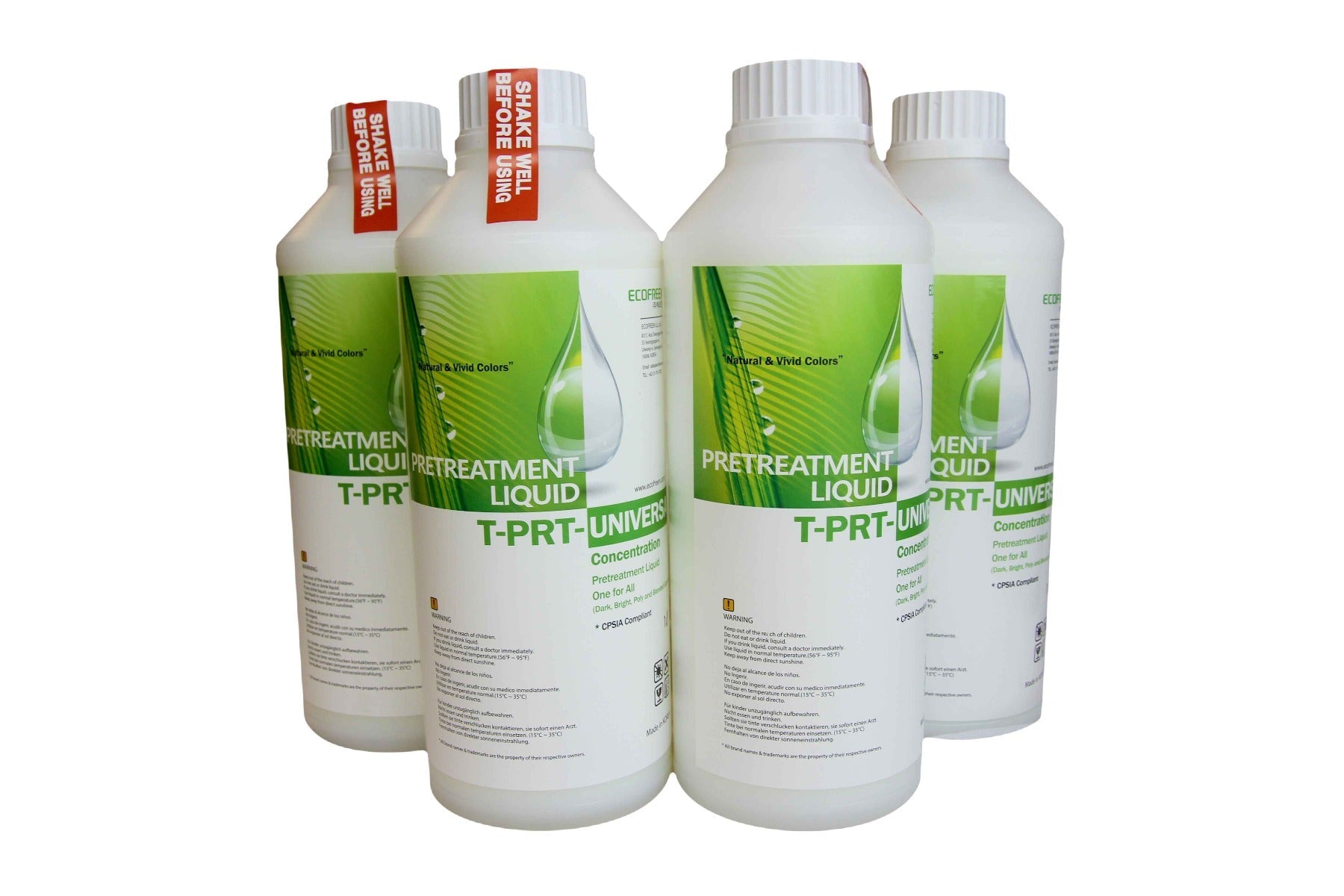
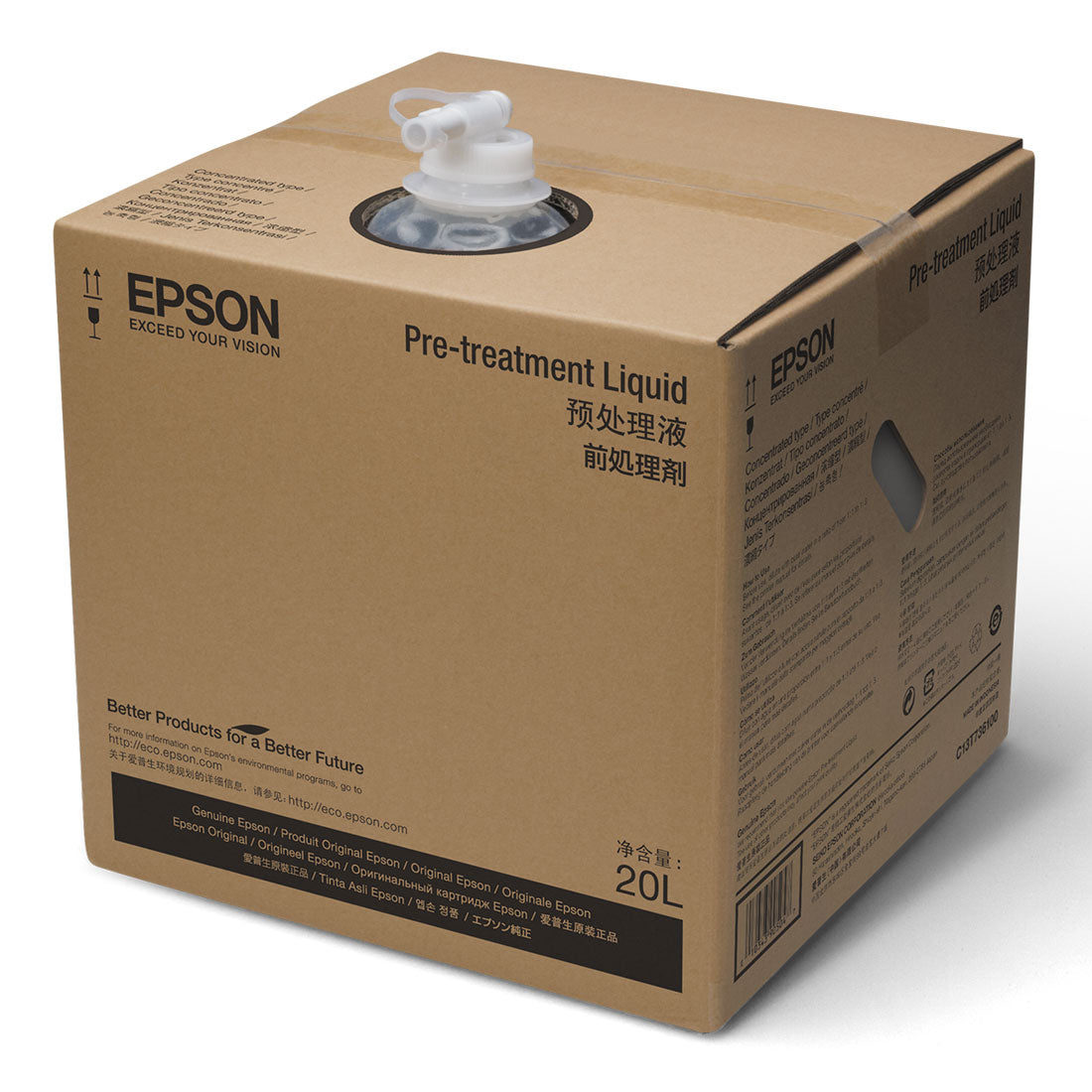
Obtenez des couleurs plus vives et des détails plus nets avec le liquide de prétraitement DTG qui prépare les vêtements pour des résultats durables et de qualité professionnelle.

Le liquide de prétraitement est une étape cruciale du processus d'impression directe sur vêtement, garantissant une adhérence optimale des encres sur le coton et les tissus mélangés. En appliquant cette solution avant l'impression, vous obtenez une surface lisse qui rehausse l'éclat des couleurs, prévient les bavures et préserve la netteté des détails. Résultat : des vêtements d'une beauté exceptionnelle et d'une qualité constante, même après de nombreux lavages. Adapté aux t-shirts, sweats à capuche et vêtements spéciaux, le liquide de prétraitement DTG s'adapte aussi bien aux petites séries personnalisées qu'aux grandes séries. Facile à appliquer manuellement ou avec des machines de prétraitement, il réduit les erreurs et optimise les flux de travail. Pour les ateliers souhaitant obtenir des résultats constants et professionnels, le liquide de prétraitement est le secret pour se démarquer sur un marché concurrentiel. Grâce aux fournitures de qualité et à la livraison fiable de Joto, vous êtes assuré de produire des vêtements qui impressionneront vos clients et propulseront votre activité d'impression.
3 des produits

  • Trier par

Frequently Asked Questions:

What is DTG pretreatment fluid and why is it required for printing on dark cotton garments?

DTG pretreatment fluid is a liquid solution applied to cotton garments before direct-to-garment printing. It prepares the fabric surface to hold the white ink underbase firmly, which is essential for producing bright, opaque prints on dark and black garments. On light garments, pretreatment improves colour vibrancy and wash durability even without a white underbase. Skipping pretreatment on dark garments results in a dull, grey print that fades within a few washes.

What spray volume per garment and heat cure settings are recommended for full-front print areas on dark shirts?

Apply 18–22ml of pretreatment fluid to a full-front adult print area (approximately 14x16 inches) using a spray machine or spray bottle. After application, cure the treated area in a heat press at 330–350°F (165–177°C) for 35–45 seconds until the fabric feels dry and slightly stiff to the touch. Under-cured pretreatment remains tacky, repels ink, and produces white residue marks in the finished print.

Is pretreatment fluid compatible with all cotton percentages, including tri-blend and performance fabrics?

Standard DTG pretreatment is optimised for 100% cotton and performs well on cotton-rich blends (80%+ cotton). As polyester and synthetic content increases, pretreatment absorption decreases, resulting in weaker white underbase adhesion and reduced wash durability. Specialty pretreatment formulas are available for polyester-cotton blends and some synthetics — verify fabric content before production and test wash durability on a sample before committing to a large run on non-standard fabric types.

Why is my DTG print showing white spots or blotchy areas on dark garments even after pretreating?

White spots and blotchy areas indicate uneven pretreatment coverage — some areas received too little fluid while others received too much. Too little causes the white ink to absorb into unprotected fibres, producing light spots. Too much causes oversaturation, where pretreatment pools and creates a thick, uneven surface that repels ink unevenly. Calibrate your spray machine to 18–22ml and verify even coverage using UV light, which causes correctly applied pretreatment to glow uniformly on cotton.

How does pretreatment fluid application quality affect the wash durability of DTG prints over 30 wash cycles?

Pretreatment fluid quality and application consistency are the most influential factors in DTG print wash durability, particularly on dark garments. Correctly pretreated and cured garments typically maintain strong colour after 40–60 wash cycles. Under-pretreated garments show significant fading in the white underbase within 10–15 washes, causing all overlying colours to shift. Consistent machine application is far more reliable than manual spray for maintaining durability across a production run.

What is the cost-per-garment comparison between manual pretreatment spray and an automated pretreatment machine for a 200-piece dark shirt order?

Manual pretreatment uses approximately 25–35ml per garment due to inconsistent spray control, costing $0.15–$0.25 per shirt in fluid. An automated machine uses 18–22ml with minimal waste, costing $0.10–$0.15 per shirt. More significantly, manual pretreating 200 shirts takes 2.5–3 hours; a machine does it in 30–40 minutes. The labor savings alone — approximately 2 hours at your shop's hourly rate — recoup the machine investment in months for a shop at this volume.

What is the trick to eliminating the stiff, cardboard-like hand feel that sometimes remains after heat curing pretreatment?

Excessive stiffness after curing is caused by over-application of pretreatment — too much fluid leaves a thick residue even after proper curing. Reduce spray volume by 15–20% and re-test. Also ensure your heat press temperature and dwell time are sufficient — under-cured pretreatment stays wet and stiff. As a final check, if stiffness remains after reducing volume and confirming full cure, the pretreatment formula may not be optimal for your fabric weight — try a formula designed for lighter-weight cotton if you are printing on 4.0–4.5 oz shirts.

What is the difference between cationic and anionic pretreatment formulas, and does it matter which type I use?

Most commercial DTG pretreatment fluids are cationic (positively charged), which attracts and bonds with the negatively charged pigment particles in DTG inks, producing strong colour adhesion. Anionic formulas are less common and can cause ink repulsion rather than adhesion when paired with cationic DTG inks — a common compatibility error. Always verify that your pretreatment formula is chemically compatible with your DTG ink brand before switching suppliers to avoid producing an entire run of garments that fail wash testing.

Are DTG pretreatment fluids regulated under Canadian WHMIS, and what PPE is required during handling?

DTG pretreatment fluids are WHMIS-classified as mild skin and eye irritants in most formulations. Required PPE includes nitrile gloves and safety glasses during handling and refilling operations. Fine spray mist generated during machine operation is an inhalation irritant — ensure adequate ventilation in the pretreatment area, particularly in enclosed spaces. Maintain a current SDS on-site for your specific pretreatment brand as required under WHMIS and applicable provincial occupational health regulations.

How do I clean a pretreatment spray machine after a production session to prevent nozzle blockages overnight?

At the end of each production session, flush all fluid lines and spray nozzles with distilled water until clear water runs through the output. Remove and soak spray nozzle tips in warm water for 5–10 minutes to dissolve any crystallised pretreatment deposits. Do not leave pretreatment solution sitting in the lines or reservoir overnight — the cationic compounds in the fluid crystallise on nozzle surfaces within hours of inactivity and are significantly harder to remove once dried than when flushed immediately after use.

Drawer Title
produits similaires