










Aller au contenu
fr
CAD

🌨️ Des retards sont à prévoir en raison des conditions météorologiques. ❄️

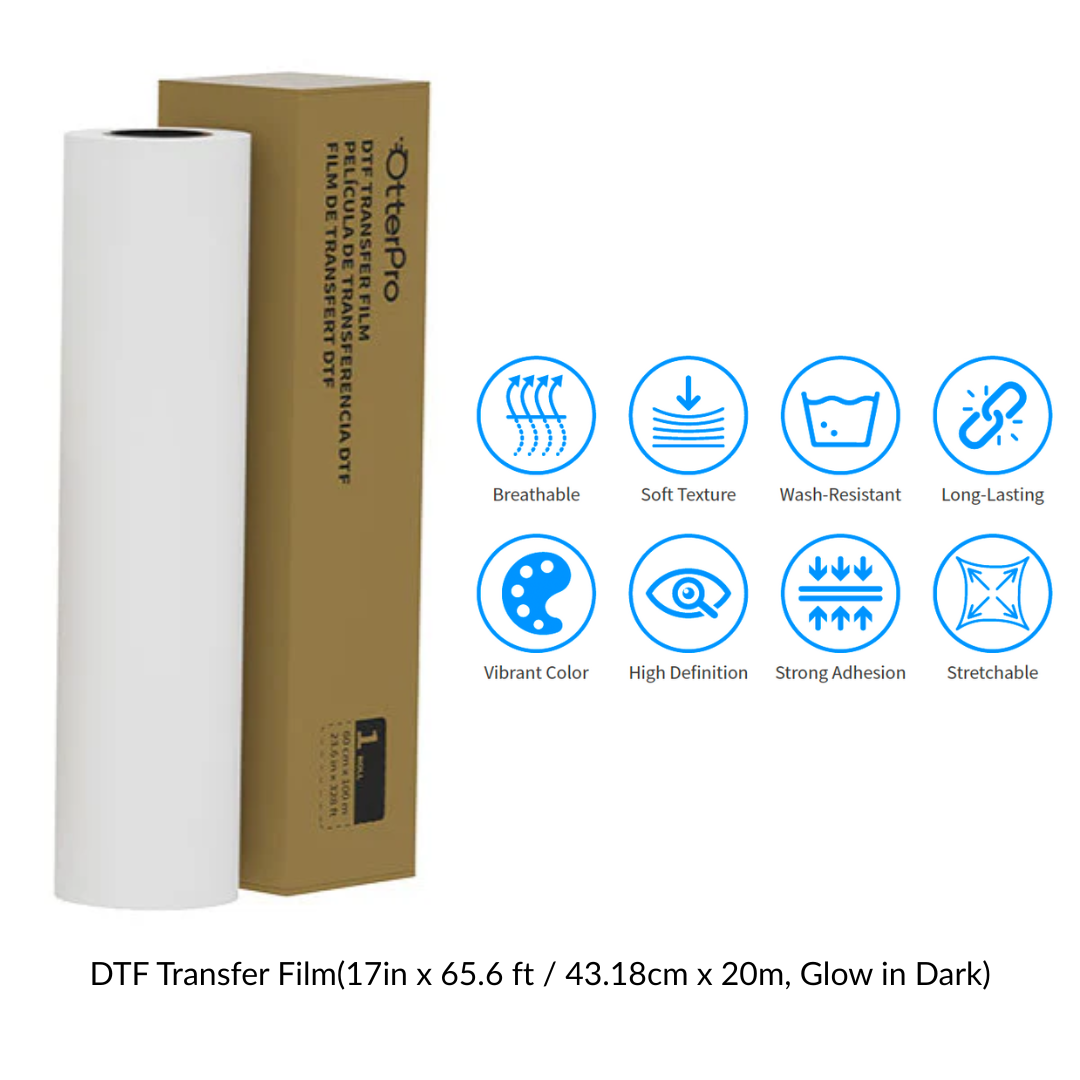
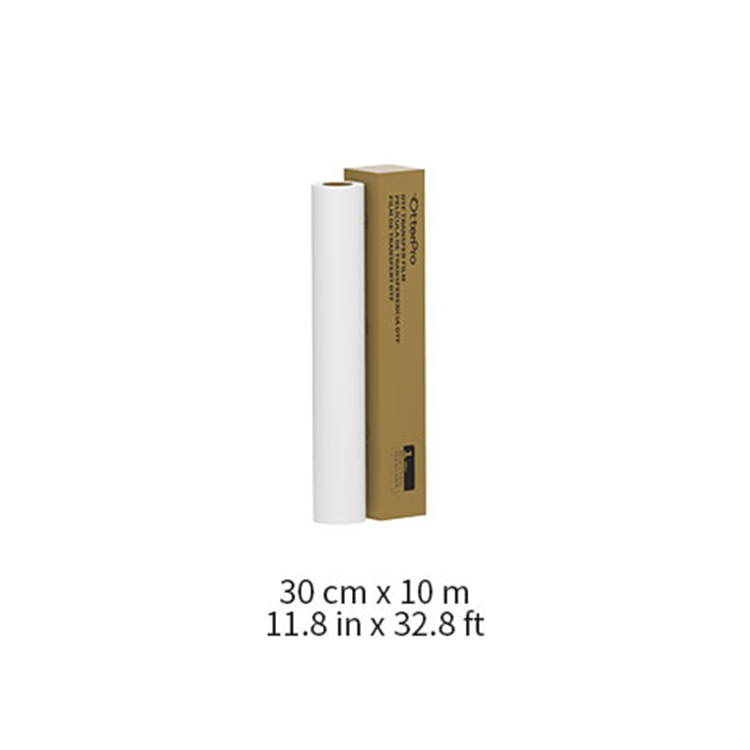
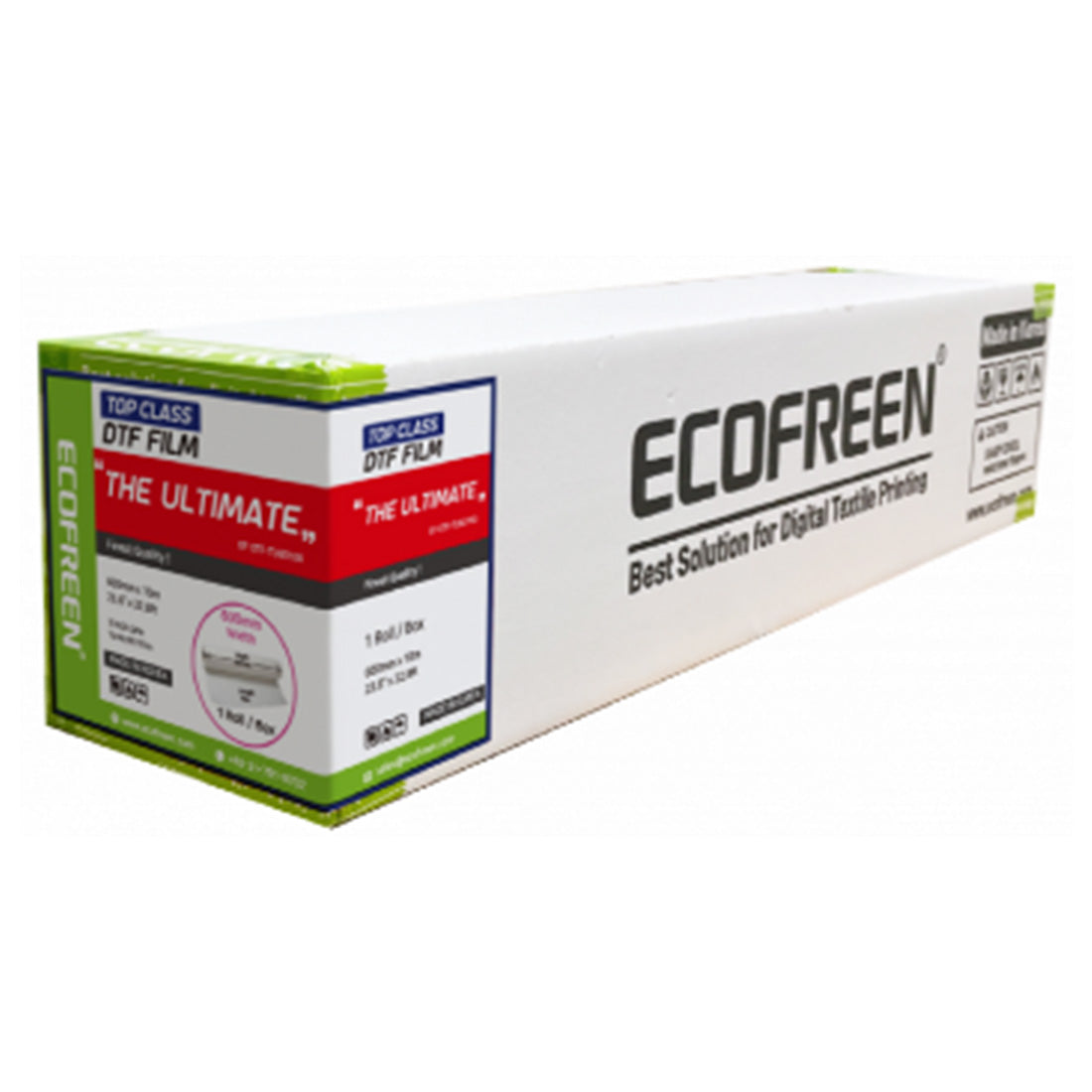
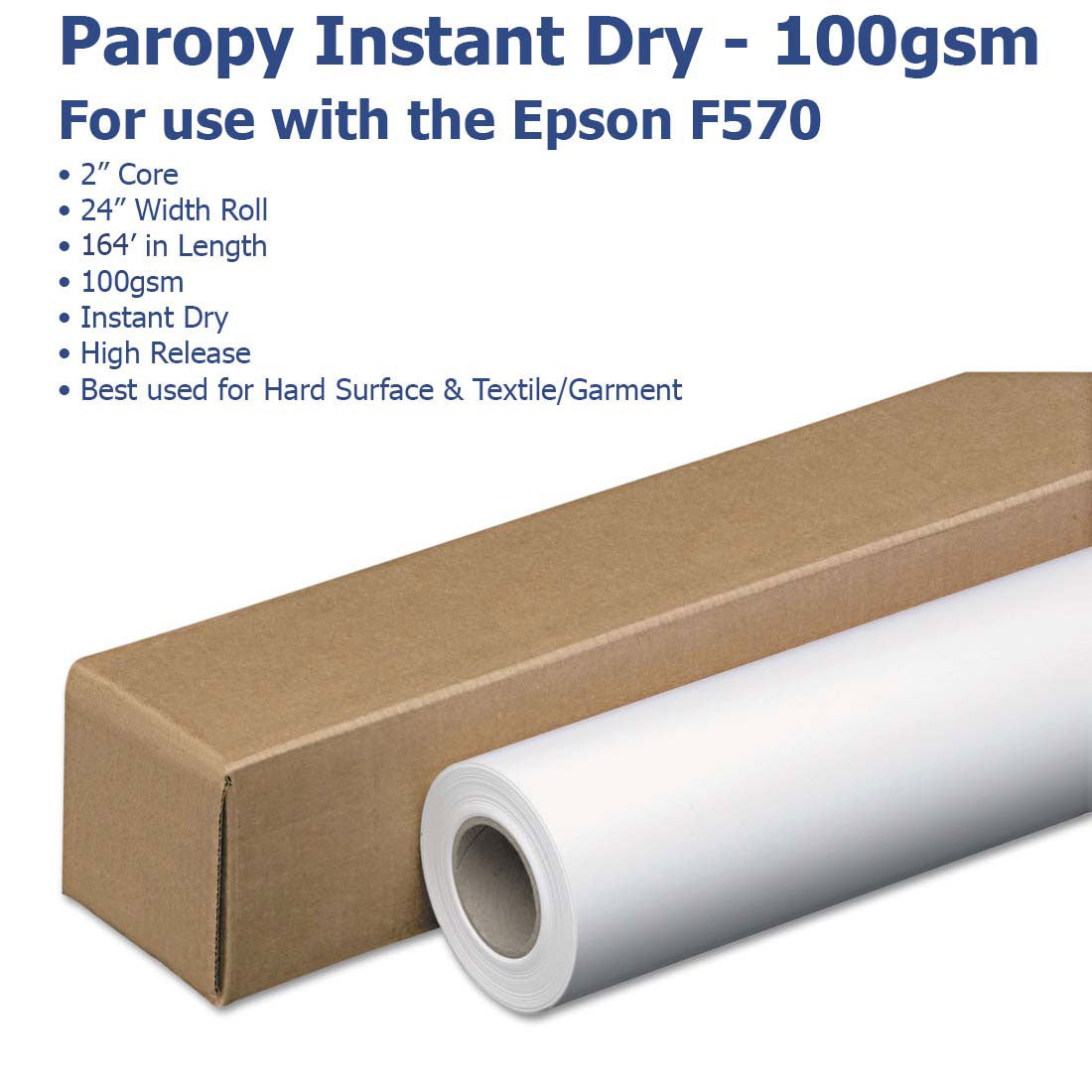
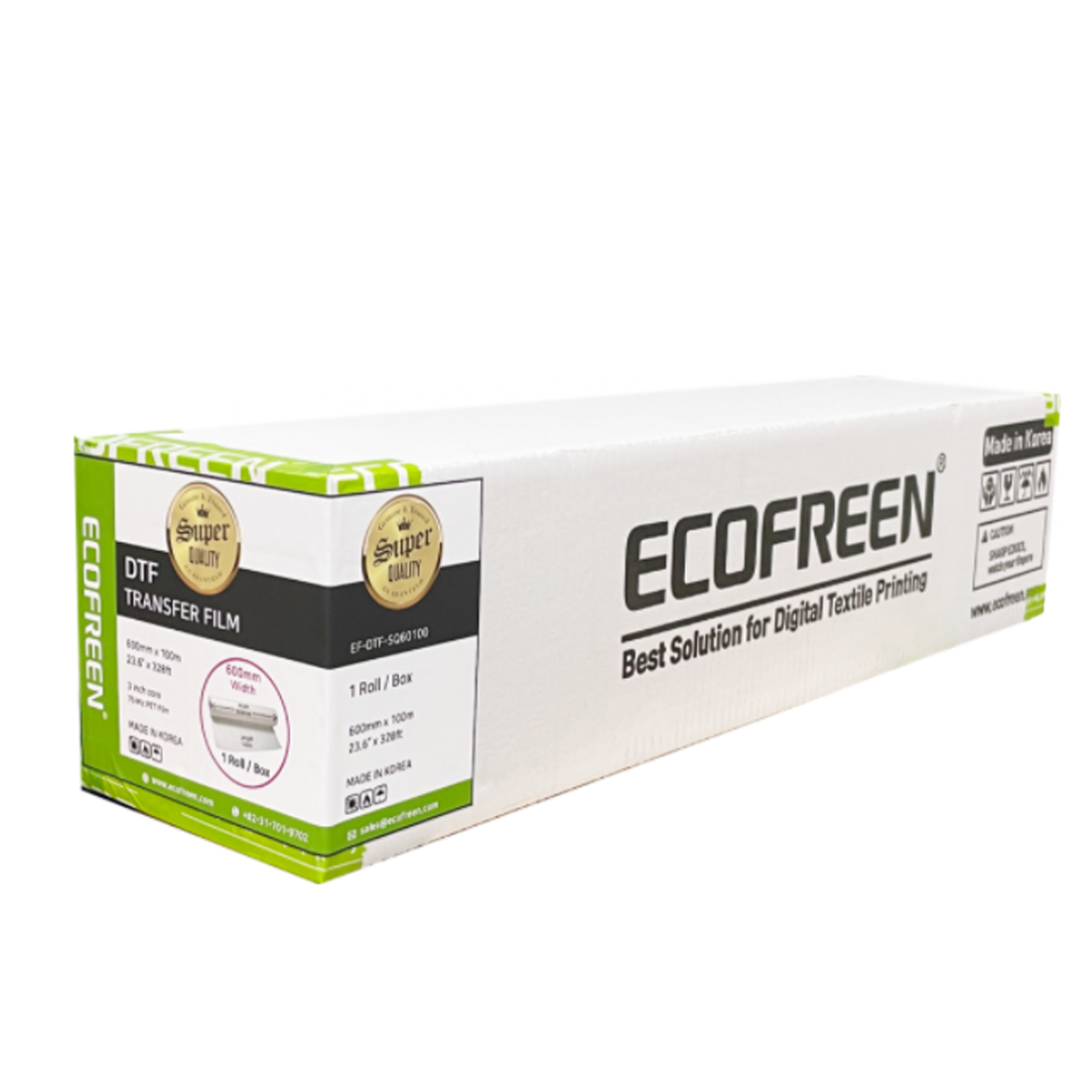
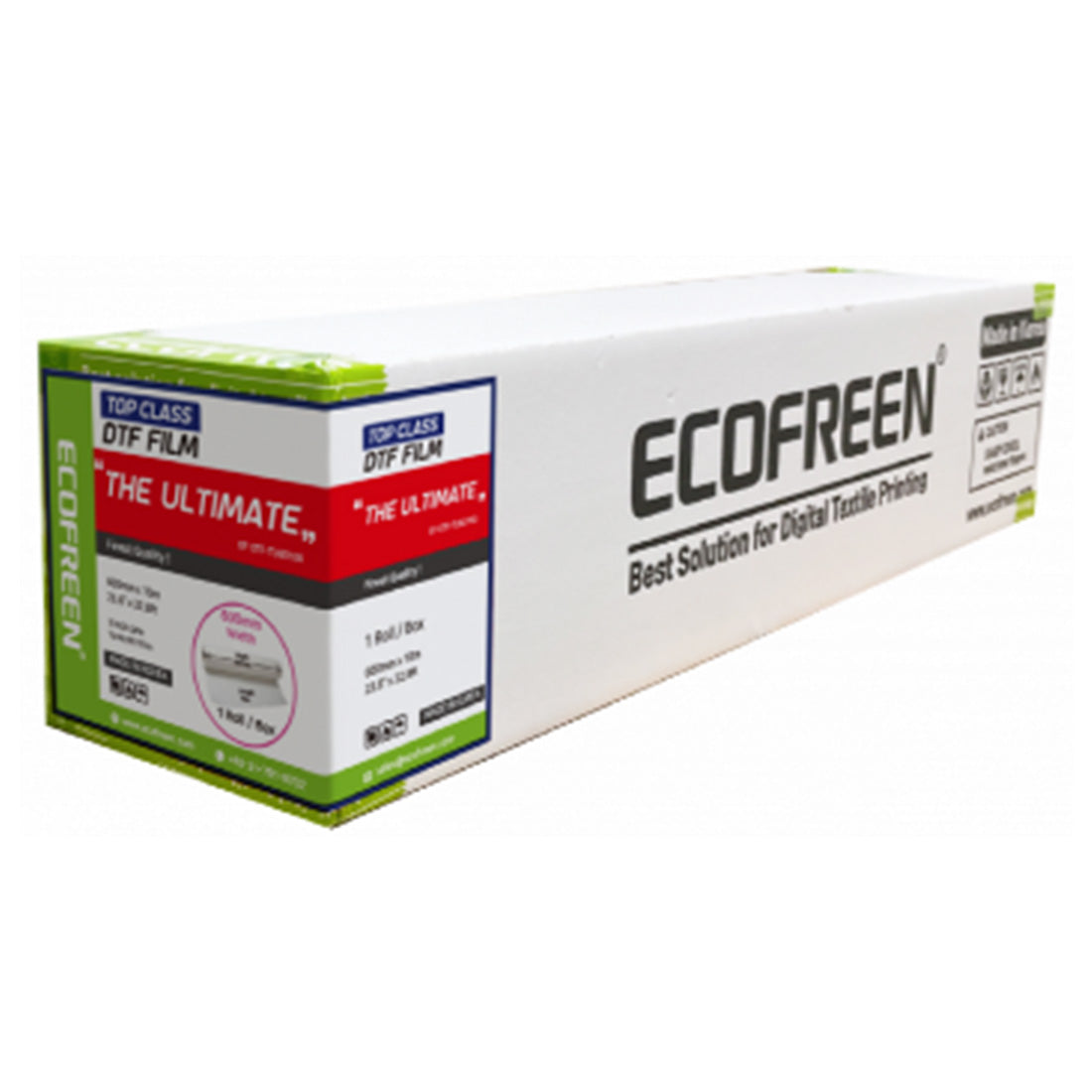
Rouleaux DTF

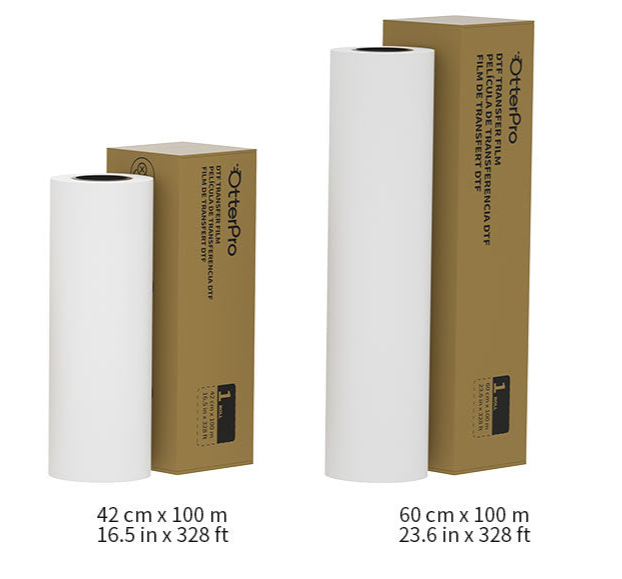
Rouleaux de film DTF pour une production sans faille

Alimentez votre atelier avec des rouleaux de film DTF qui offrent une alimentation fluide, des transferts éclatants et des résultats professionnels du début à la fin.

Assurez le bon déroulement de votre production grâce à nos rouleaux DTF haut de gamme, conçus pour une impression homogène et de haute qualité pour les applications Direct-to-Film. Parfaits pour les imprimeries à forte activité et les projets de grande envergure, ces rouleaux offrent des performances fiables et des résultats éclatants à chaque impression.

Pourquoi choisir nos rouleaux :

  • Impressions brillantes en haute résolution – Capturez des détails nets et des couleurs vives qui restent éclatantes lavage après lavage.
  • Forte adhérence et durabilité – Garantit que les motifs résistent aux fissures, au pelage et à la décoloration au fil du temps.
  • Surface lisse et uniforme – Optimisée pour une couverture d’encre uniforme et des transferts impeccables.
  • Idéal pour la production à haut volume – Le format de rouleau continu réduit les temps d’arrêt et augmente l’efficacité.
  • Large compatibilité avec les imprimantes – Fonctionne parfaitement avec les principaux modèles d’imprimantes DTF.

Que vous produisiez des vêtements personnalisés, des produits promotionnels ou des commandes importantes, nos rouleaux offrent la fiabilité et la qualité professionnelle qu'exigent vos projets. Achetez dès maintenant et optimisez vos performances de production DTF !
Filtre

6 des produits

  • Trier par

FAQs

Que sont les rouleaux DTF et comment fonctionnent-ils ?

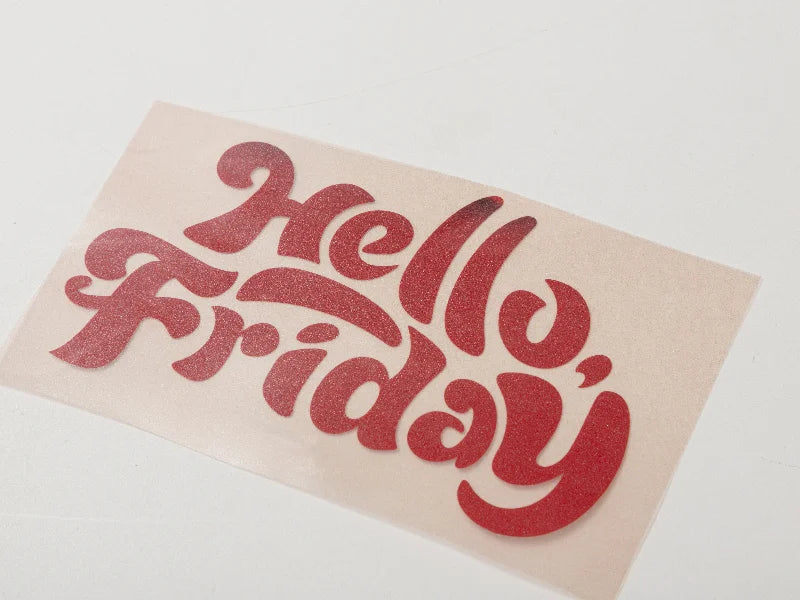
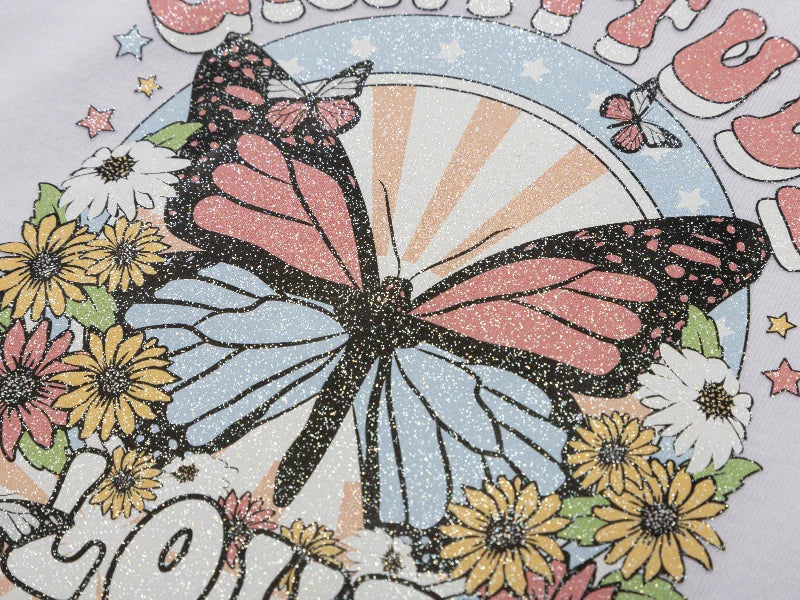
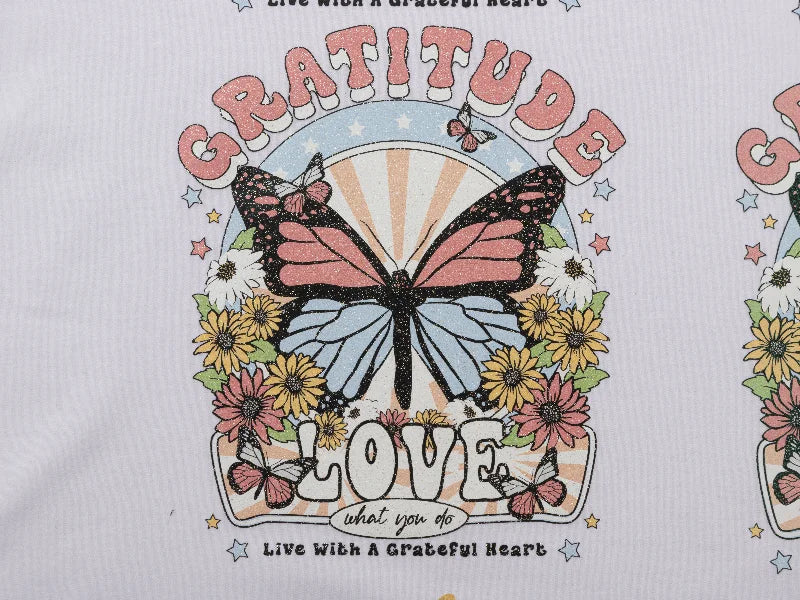
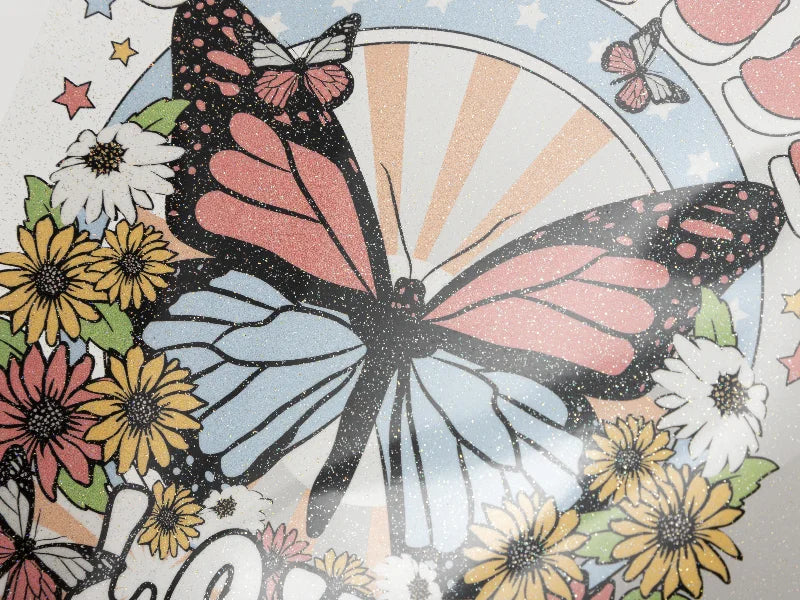
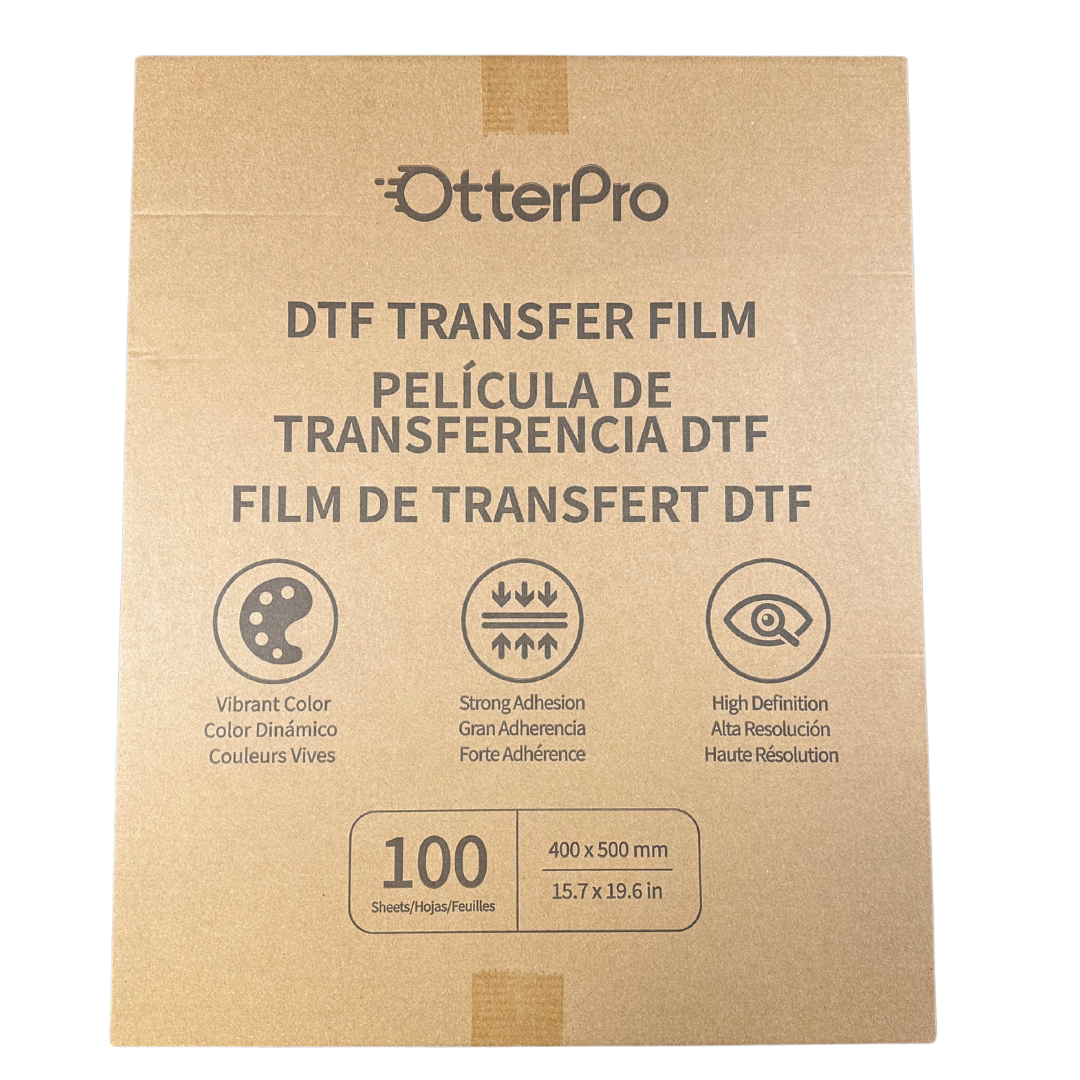
Les rouleaux DTF (Direct-to-Film) sont des films de transfert spécialisés utilisés en impression DTF. Les motifs sont imprimés sur le film, enduits de poudre adhésive, puis thermocollés sur les tissus. Ce procédé permet d'obtenir des transferts éclatants, durables et doux au toucher, parfaits pour la personnalisation de vêtements et d'objets promotionnels.

Avec quels tissus les rouleaux DTF sont-ils compatibles ?

Les rouleaux DTF conviennent à une large gamme de tissus, notamment le coton, le polyester, les mélanges et même certaines surfaces non textiles. Ils sont parfaits pour les t-shirts, les sweats à capuche, les sacs fourre-tout et bien plus encore.

Les transferts DTF sont-ils durables et lavables ?

Oui, les transferts DTF sont très durables et résistent à la décoloration, aux craquelures et au décollement. Ils supportent de nombreux lavages sans perdre leur éclat ni leur qualité, ce qui les rend parfaits pour des créations durables.

Quelles imprimantes et encres sont compatibles avec les rouleaux DTF ?

Les rouleaux DTF sont compatibles avec la plupart des imprimantes DTF et des encres spécifiques. Assurez-vous que votre imprimante est configurée pour l'impression DTF et suivez les instructions du fabricant pour des résultats optimaux.

Les débutants peuvent-ils utiliser les rouleaux DTF ou sont-ils réservés aux professionnels ?

Les rouleaux DTF sont conçus pour les débutants comme pour les professionnels. Le processus est simple et nécessite une configuration minimale, ce qui le rend accessible aux amateurs, aux petites entreprises comme aux grandes entreprises.

How can I achieve maximum color vibrancy and professional print quality when using DTF Rolls?

To achieve maximum color vibrancy and professional print quality with DTF Rolls, ensure your artwork is high-resolution at 300 DPI and utilize calibrated ICC profiles within your RIP software to maintain color accuracy. Optimize your printer settings by adjusting white ink density to provide a solid base for CMYK layers, which prevents the garment color from dulling the final graphic. Maintain consistent environmental controls for temperature and humidity to ensure smooth ink flow and prevent nozzle clogging during high-volume production runs. Finally, pair your PET film rolls with premium TPU adhesive powder and high-pigment textile inks from Joto Imaging Supplies to guarantee a durable, high-gloss finish with exceptional wash fastness.

How can using DTF Rolls help my business reduce production costs and increase profit margins?

Using DTF rolls significantly reduces production costs by enabling continuous, automated printing and curing cycles that minimize manual labor and machine downtime. The roll-to-roll format optimizes film utilization and reduces material waste compared to sheet-fed systems, allowing for higher density nesting of designs. By streamlining workflows with integrated powder application and heating, businesses can achieve faster turnaround times and higher throughput, directly increasing profit margins on large-volume custom apparel orders. These industrial-grade PET film rolls ensure consistent quality and scalability, making them a cost-effective solution for growing print shops looking to maximize ROI.

What are the recommended storage conditions and safety precautions for DTF Rolls to ensure optimal performance and shelf life?

To ensure optimal performance and an extended shelf life, DTF Rolls should be stored in a cool, dry environment with temperatures between 60°F and 80°F and relative humidity levels maintained at 40-60%. Keep the PET film rolls in their original protective packaging when not in use to prevent dust contamination and moisture absorption, which can lead to film tunneling or ink rejection. For maximum safety and material integrity, store rolls horizontally on a flat surface to avoid pressure marks or edge damage and keep them away from direct sunlight or heat sources. Following these technical storage protocols at Joto Imaging Supplies ensures your direct-to-film transfers maintain superior ink absorption and dimensional stability for high-volume production.

How do DTF Rolls compare to traditional screen printing or vinyl transfers for custom apparel decoration?

DTF Rolls offer a superior alternative to traditional screen printing and vinyl transfers by providing high-resolution, full-color graphics without the need for expensive screens, emulsions, or time-consuming weeding. Unlike vinyl, which can feel heavy and peel over time, the roll-to-roll direct-to-film process creates thin, stretchable transfers with a soft-hand feel that bond exceptionally well to various textiles. This automated workflow significantly reduces production costs and labor time, making it more efficient for complex, multi-color designs even in high-volume runs. By utilizing industrial-grade PET film rolls and premium TPU adhesive powder, businesses can achieve professional-grade durability and vibrant color output that surpasses the limitations of conventional decoration methods.

How can you optimize tension settings and curing temperatures on DTF Rolls to prevent film tunneling and ensure dimensional stability during high-volume production runs?

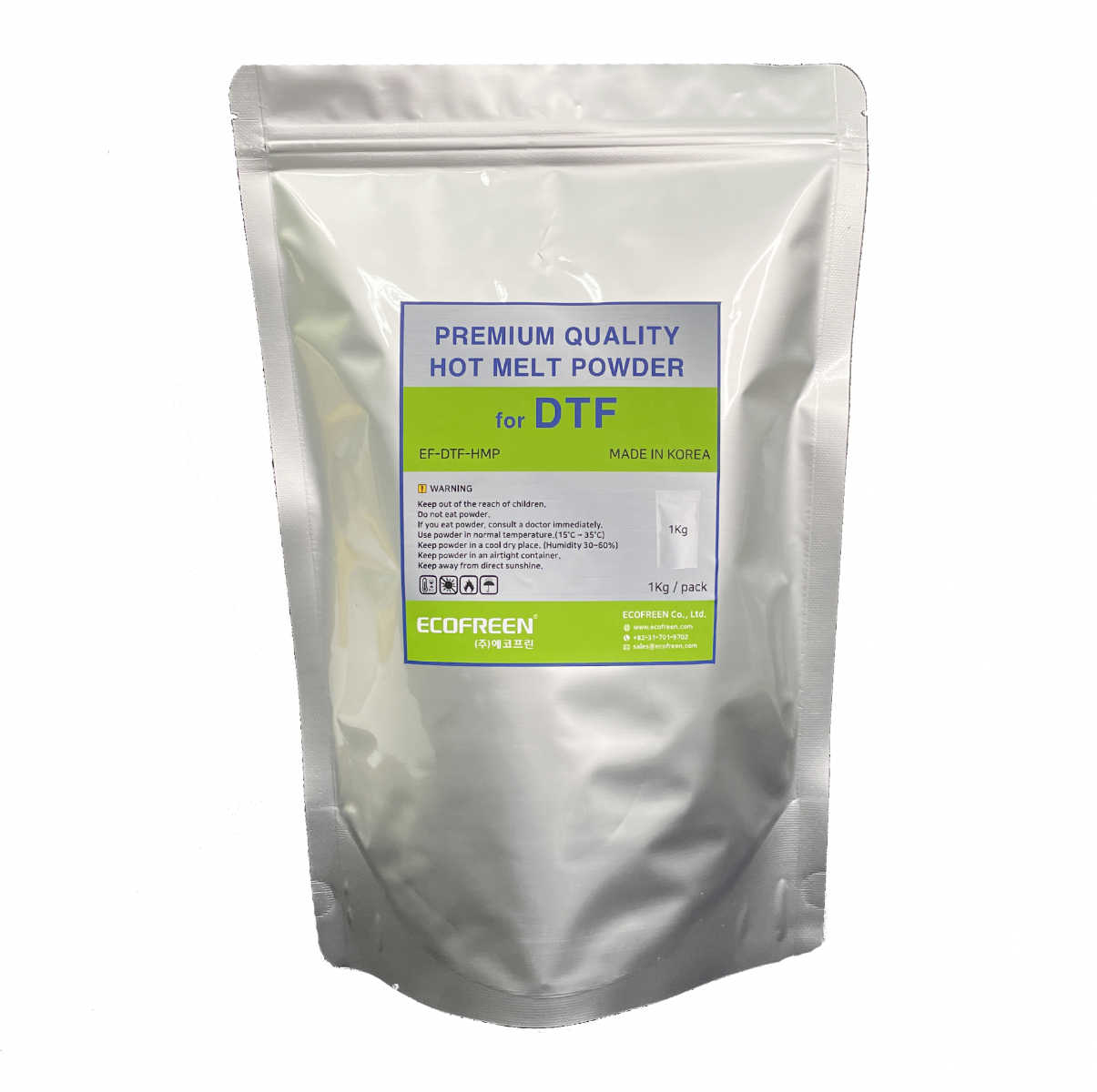
To prevent film tunneling and ensure dimensional stability in high-volume DTF Roll production, maintain consistent rewind tension that matches the feed rate of your automated shaker-dryer system. Precisely calibrate your curing temperatures between 110°C and 130°C to ensure a complete melt of the TPU adhesive without subjecting the PET film to excessive thermal stress. Coordinating these parameters prevents the film from expanding or contracting unevenly, which is vital for maintaining registration accuracy across continuous print runs. This technical balance ensures that your Joto Imaging Supplies transfers remain flat and dimensionally stable for a professional, high-quality finish.

Drawer Title
produits similaires