






Aller au contenu
fr
CAD

🌨️ Des retards sont à prévoir en raison des conditions météorologiques. ❄️

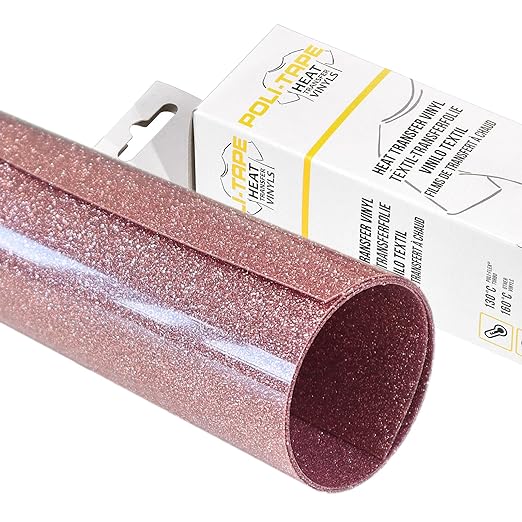
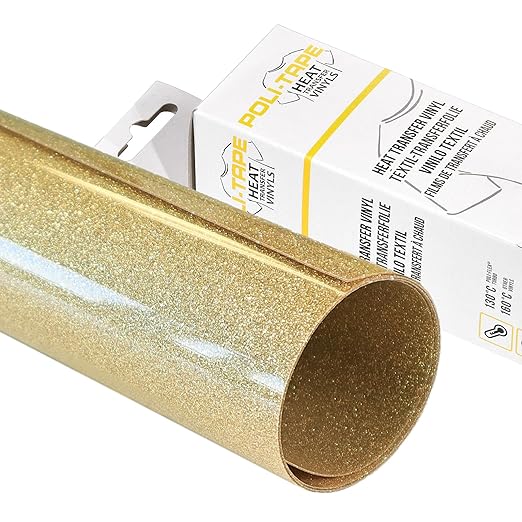
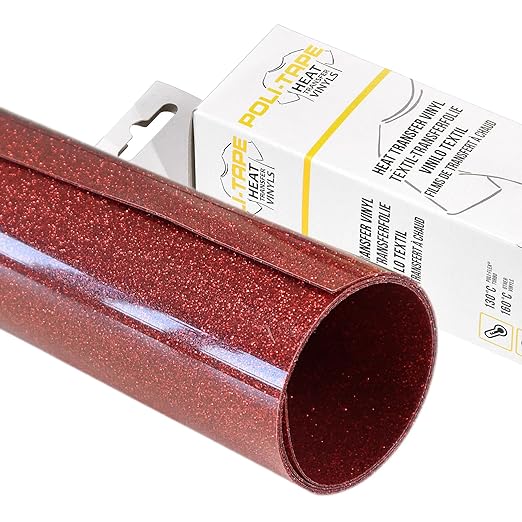
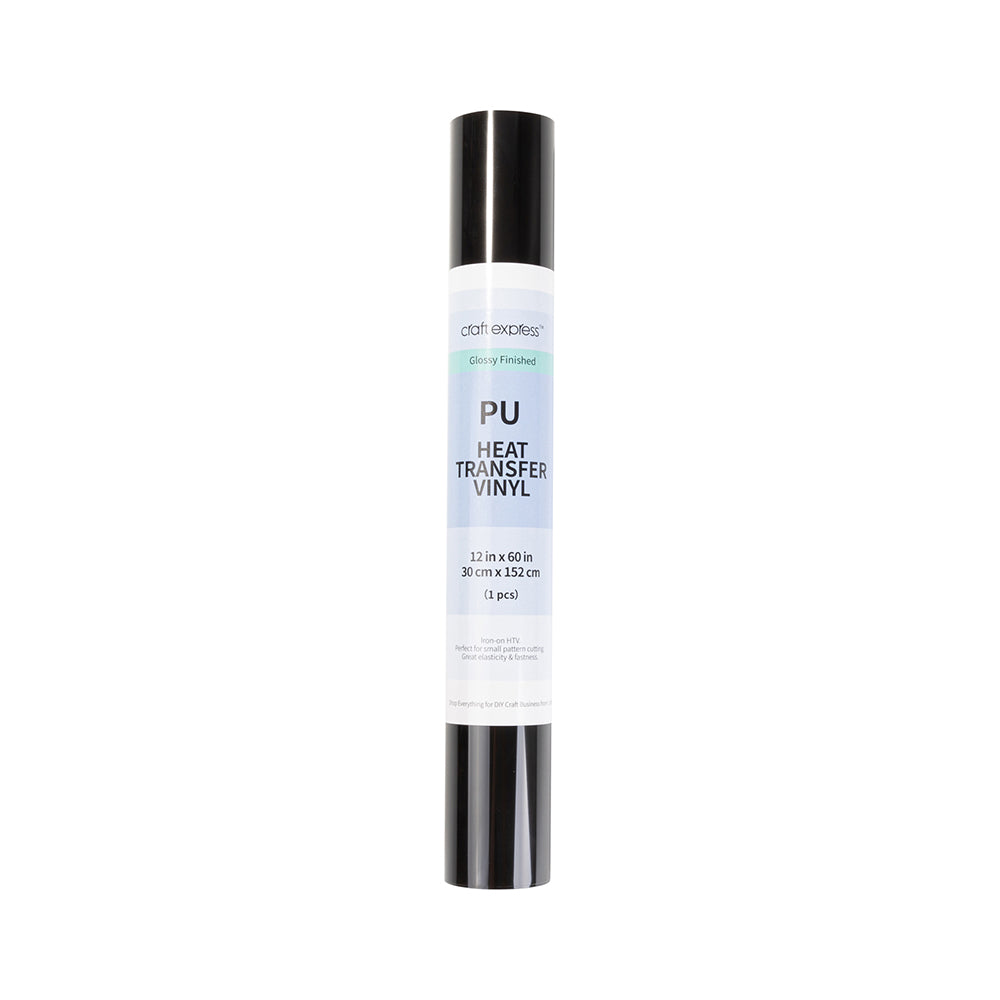
Vinyles de transfert thermique

Vinyles thermocollants : des designs dynamiques et durables pour des vêtements personnalisés

Créez des vêtements et accessoires personnalisés de qualité professionnelle avec nos vinyles de transfert thermique (HTV) haut de gamme. Conçus pour une découpe, un échenillage et une application faciles, ces vinyles produisent des motifs éclatants et durables qui se démarquent.

Pourquoi choisir notre HTV :

  • Couleurs brillantes et résistantes à la décoloration – Obtenez des motifs vifs et accrocheurs qui restent brillants lavage après lavage.

  • Coupe lisse et désherbage facile – Parfait pour les motifs complexes et les graphiques détaillés.

  • Durable et flexible – Une forte adhérence et un toucher doux garantissent un confort durable et une qualité professionnelle.

  • Variété de finitions et d’effets – Choisissez parmi des textures mates, brillantes, scintillantes, métalliques et spéciales pour s’adapter à n’importe quel projet.

  • Compatible avec la plupart des découpeuses et presses à chaud – Fonctionne parfaitement avec les équipements artisanaux et professionnels.

Que vous souhaitiez personnaliser des t-shirts, des uniformes d'équipe ou créer des produits promotionnels, nos vinyles de transfert thermique vous offrent la qualité et la polyvalence nécessaires pour donner vie à vos créations. Achetez dès maintenant et créez facilement des vêtements personnalisés éclatants et durables !
Filtre

46 des produits

  • Trier par

Roland_GS2-24_Front
Roland_GS2-24_-_Specifications
workflow customization in Roland_GS2-24
$749.00 RABAIS produits similaires
Ventes

FAQs

Que sont les vinyles de transfert thermique

Heat transfer vinyl (HTV) is a thin, pressure-sensitive material applied to fabric and other surfaces using heat and pressure from a heat press. It is used to create custom designs on t-shirts, hoodies, bags, hats, and accessories. HTV comes in solid colors and specialty finishes, making it one of the most accessible and versatile decoration methods for both hobbyists and production print shops.

What temperature, dwell time, and pressure settings work for most standard HTV on cotton?

For most standard HTV on 100% cotton, press at 305–320°F (152–160°C) for 10–15 seconds at firm, even pressure. Specialty finishes like glitter, metallic, or flock require slightly different settings — always consult the manufacturer's data sheet for the specific product. Pre-press the garment for 3–5 seconds to remove moisture and wrinkles before applying the transfer.

Is heat transfer vinyl compatible with polyester, nylon, and performance fabrics, or only cotton?

HTV adheres to cotton, polyester, cotton-poly blends, nylon, canvas, and denim. Pure polyester requires lower press temperatures (270–300°F) to prevent scorching the synthetic fibres. Stretch HTV is specifically formulated for athletic and spandex fabrics that flex during wear. Standard HTV on high-stretch garments will crack — always match the HTV type to the fabric's stretch level.

Why is my HTV peeling at the edges after just a few washes?

Edge peeling is caused by one or more of three issues: insufficient press pressure, too-short dwell time, or pressing onto a wrinkled or damp surface. Pre-press the garment to eliminate moisture and flatten seams. Apply firm, consistent pressure across the full platen, and verify your press temperature with an infrared thermometer — many presses read 15–25°F lower than the actual platen surface temperature, leading to under-pressed transfers that appear bonded but fail quickly in the wash.

How many wash cycles should a correctly applied HTV design survive before showing visible wear?

A properly applied HTV transfer on cotton should withstand 50+ wash cycles with minimal degradation. Wash garments inside out in cold water on a gentle cycle and tumble dry on low heat. Never iron directly on HTV — use a pressing cloth or press from inside the garment if touch-up is needed. Exposing HTV to high dryer heat and harsh detergents are the two fastest ways to shorten transfer lifespan.

Is HTV more cost-effective than DTF or screen printing for small custom orders of 1–12 pieces?

For small runs of 1–12 pieces with single-color or simple layered designs, HTV is typically the most cost-effective decoration method. Material cost per piece is low (under $1.50 for a standard chest print), there are no setup fees, and no minimum quantities. DTF becomes more competitive for complex multi-color designs at similar quantities. Screen printing requires screen setup costs that make it uneconomical below 24–36 pieces.

What is the professional technique for perfectly aligning layered multi-color HTV designs every time?

Print a full-size alignment guide on regular paper using your design software and tape it to the garment as a positioning reference. Press and cool the first color layer completely before positioning the second layer — warm HTV stretches slightly and causes misalignment. Use a heat-erasable pen to mark the center point of the print area on the garment, and align your transfer to that mark rather than estimating by eye. This method produces consistent alignment across an entire production run.

What is the difference between heat transfer vinyl and sublimation, and when should I choose HTV over sublimation?

Sublimation produces a softer, embedded print with no surface feel, but requires white or light polyester substrates. HTV sits on the fabric surface with a slight raised texture and works on any fabric color including black, on cotton, polyester, and blends. Choose HTV when decorating dark garments, cotton apparel, or when creating bold single-color or cut-text designs. Choose sublimation when you need photorealistic full-color prints on white or light polyester items.

Is heat transfer vinyl safe for children's clothing, and does it contain restricted substances like phthalates or lead?

Reputable HTV brands formulated for apparel decoration are manufactured without phthalates, lead, and other substances restricted under CPSIA (US) and equivalent Canadian children's product safety regulations. Look for products that provide a signed Children's Product Certificate (CPC) or equivalent documentation. Always verify compliance with the specific HTV brand and product line — do not assume compliance based on general marketing language.

How should I store HTV rolls and sheets to prevent adhesive degradation and curling?

Store HTV rolls vertically or flat in a cool, dry environment at 60–75°F (15–24°C), away from direct sunlight and humidity. Keep vinyl in the original packaging or a resealable bag — exposure to air and UV light degrades the adhesive backing over time. Never store rolls horizontally with heavy items stacked on top, which causes permanent curl that prevents accurate cutting. Properly stored HTV maintains adhesive quality for 2+ years from the manufacturing date.

Drawer Title
produits similaires