












Aller au contenu
fr
CAD

🌨️ Des retards sont à prévoir en raison des conditions météorologiques. ❄️

Blancs laser

Plaques vierges laser : surfaces haut de gamme pour une gravure laser de précision

Créez des designs époustouflants de qualité professionnelle avec nos flans premium. Spécialement conçus pour des résultats nets et détaillés, ces flans sont parfaits pour la gravure laser, la découpe et les projets de personnalisation.

Pourquoi choisir nos flans :

  • Matériaux de haute qualité – Conçu pour une gravure et une découpe propres et précises.
  • Résultats clairs et détaillés – Obtenez des designs nets et professionnels à chaque fois.
  • Large gamme de produits – Des plaques et enseignes aux verres et articles spécialisés.
  • Idéal pour les cadeaux et les entreprises – Idéal pour les cadeaux personnalisés, les articles promotionnels ou les produits prêts à être vendus au détail.

Que vous dirigiez une entreprise de gravure au laser ou que vous créiez des cadeaux uniques et personnalisés, nos ébauches laser constituent la toile parfaite pour votre créativité. Achetez maintenant et donnez vie à vos créations avec une qualité professionnelle !
Filtre

4 des produits

  • Trier par

Frequently Asked Questions:

What are laser blanks and what makes them different from standard sublimation blanks?

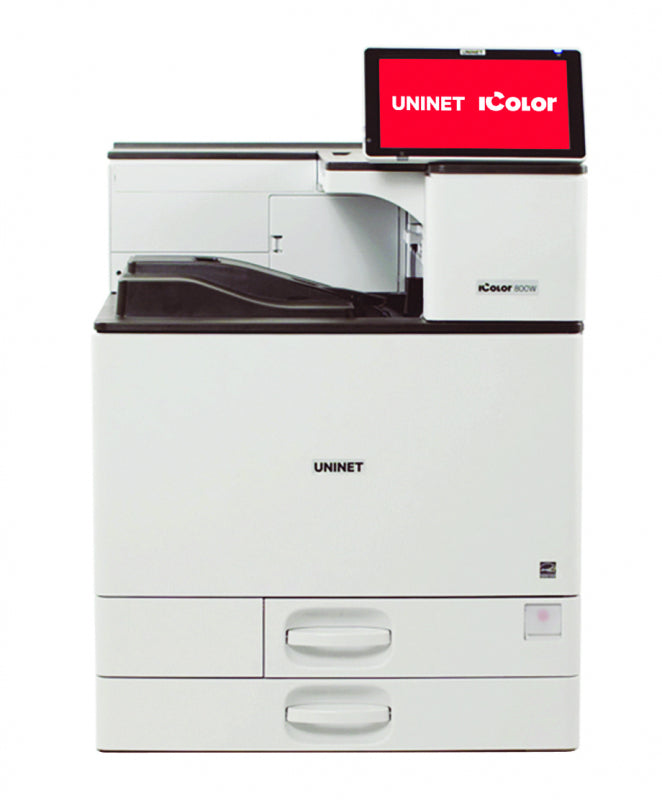
Laser blanks are substrates specifically designed to receive white toner laser transfers rather than sublimation dye. They include garments, hard goods, and specialty materials compatible with the Uninet iColor and similar white toner transfer systems. Unlike sublimation blanks — which require a polymer coating and polyester content — laser blanks can include 100% cotton garments, dark fabrics, uncoated ceramics, and other substrates that standard sublimation cannot decorate.

What heat press temperature, pressure, and peel timing produce the best adhesion on dark cotton laser blanks?

For dark cotton garments using iColor transfer media, press at 320–350°F (160–177°C) for 15–20 seconds at firm pressure. Peel timing depends on the transfer media type — cold peel media requires cooling for 20–30 seconds before carrier removal; hot peel media peels immediately. Follow the specific media instructions exactly: peeling cold-peel media while still hot causes the transfer to lift off with the carrier rather than bonding to the fabric.

Are laser blanks compatible with both hot-peel and cold-peel white toner transfer media?

Most laser blanks are compatible with both hot-peel and cold-peel white toner media — the peel type is a characteristic of the transfer media, not the blank. The blank's fabric content, weave, and any chemical finishing treatments affect how well the adhesive layer in the transfer bonds during pressing. Always test a sample transfer on any new blank brand before production, particularly on athletic fabrics and performance textiles with moisture-management finishes that can inhibit adhesion.

Why is the white toner transfer cracking or flaking on a laser blank after the first few washes?

Cracking after washing indicates the transfer was not pressed at sufficient temperature or pressure to fully activate the adhesive layer, or that the garment was washed in hot water or dried on high heat immediately after purchase. Ensure press temperature reaches the media-specified minimum at the actual platen surface — many presses read 15–25°F lower than actual surface temperature. Recommend cold-water, inside-out washing and low-heat or air drying to customers for all white toner decorated garments.

How does wash durability of white toner laser blanks compare to DTG-printed garments over 40 wash cycles?

White toner transfers on cotton laser blanks typically show good colour retention for 25–40 wash cycles before cracking or edge lifting becomes visible. DTG prints on 100% cotton, when properly pretreated and cured, typically maintain stronger adhesion for 50–75 cycles. For applications requiring maximum wash durability, DTG is the better technology. White toner laser blanks offer an advantage in substrate flexibility — they work on cotton, polyester, dark fabrics, and non-textile surfaces where DTG is not viable.

What is the cost per decorated laser blank for a shop producing 100 dark cotton shirts per month using white toner?

At 100 dark shirts per month, white toner transfer material cost (toner, media) runs approximately $2.50–$4.50 per letter-size transfer, plus $8–$15 for the blank garment. Total cost per decorated shirt is approximately $10.50–$19.50 before overhead. At typical retail prices of $25–$45 per custom dark shirt, gross margin per piece is $15–$25. Increasing monthly volume reduces per-piece material cost through better toner cartridge yield and bulk media pricing.

What is the trick to getting sharp, fine-detail text and line work on dark laser blanks?

Fine detail on dark laser blanks is most affected by white toner underbase spread. Add a 0.5–1pt spread to the white layer in your RIP to prevent hairline gaps between the white base and CMYK colours, which appear as dark halos around fine lines. For text below 8pt, convert to outlines and use bold weight fonts — very fine strokes in white toner can break during transfer application. Test fine-detail designs on a sample blank and inspect under magnification before committing to a production run.

What is the difference between using a laser blank for white toner transfer versus using a DTF transfer on the same dark garment?

White toner on a laser blank uses a paper-based carrier transfer applied directly from the laser printer output — the workflow is print, press, peel. DTF on the same garment uses a PET film carrier with hot-melt adhesive powder, requiring an additional powder and curing step. DTF produces a softer hand feel and higher wash durability on most fabrics. White toner transfers are faster to produce for small quantities with lower upfront equipment investment if you already own a white toner printer.

Are laser blanks treated with any chemicals that could affect the safety of decorated garments worn by children?

Laser blanks — particularly cotton garments — are subject to the same chemical finishing processes as standard garments, which can include formaldehyde-based wrinkle resistance treatments and optical brighteners. These are not specific to laser blank designation. For children's garments, source blanks from suppliers who provide CPSIA compliance documentation and OEKO-TEX Standard 100 certification. The white toner transfer layer itself uses toner and adhesive formulations from the printer manufacturer, whose certifications should be verified separately.

How should laser blanks be stored and prepared before pressing to ensure consistent transfer results?

Store laser blanks in sealed packaging away from dust, humidity, and sunlight. Before pressing, lint-roll the print surface and pre-press the garment at your target press temperature for 3–5 seconds to remove moisture and flatten the fabric surface. A slightly damp or wrinkled blank surface creates inconsistent adhesion across the transfer area. For dark garments stored in a humid environment, extend the pre-press to 5–8 seconds to ensure the surface is fully dry before applying the transfer.

Drawer Title
produits similaires