











Aller au contenu
fr
CAD

🌨️ Des retards sont à prévoir en raison des conditions météorologiques. ❄️

OtterPro DTF

OtterPro DTF – Fournitures d'impression directe sur film haut de gamme

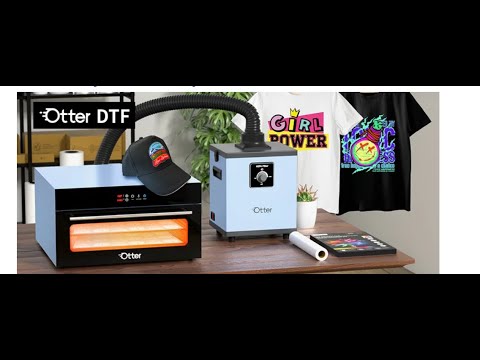
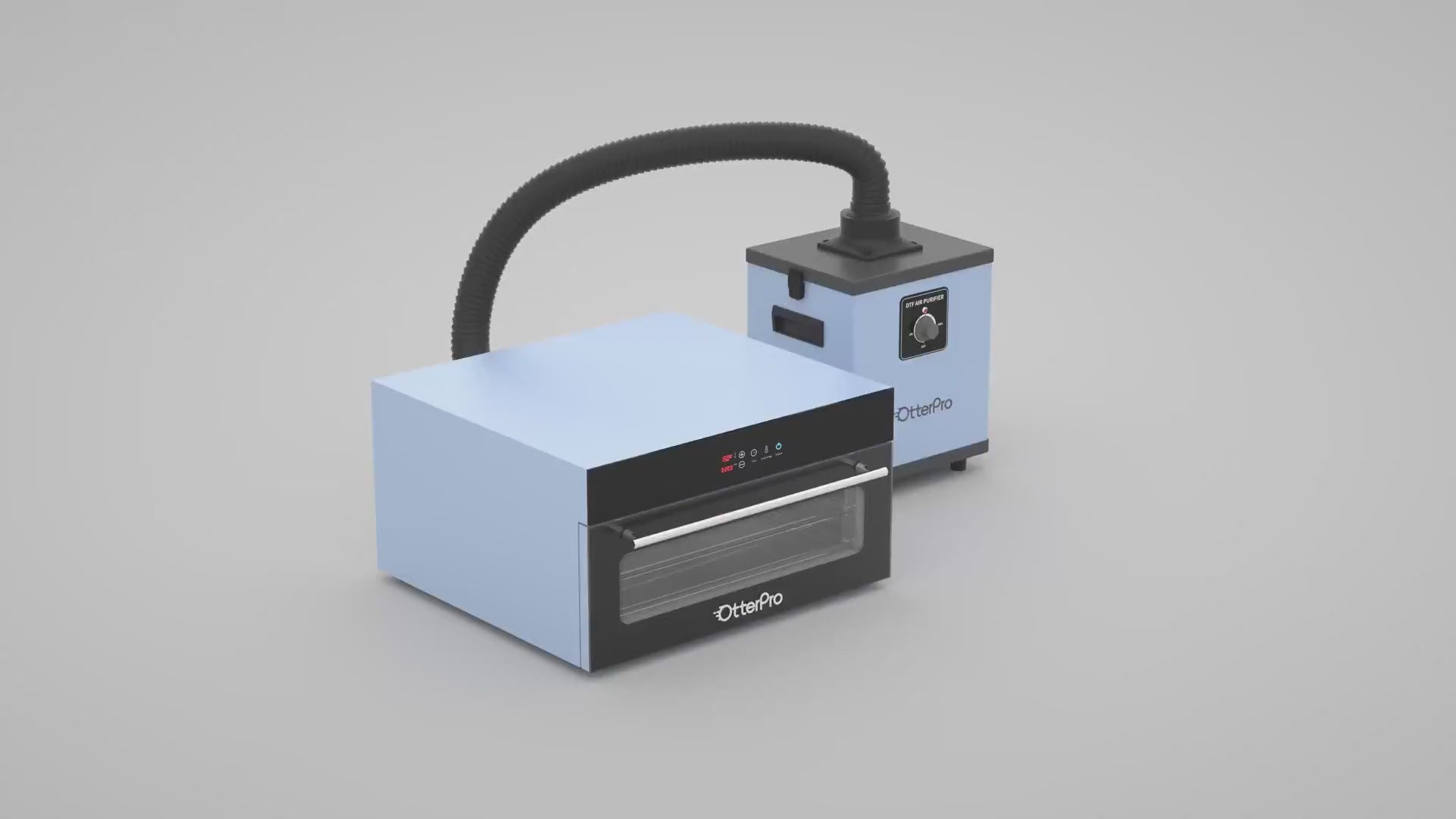
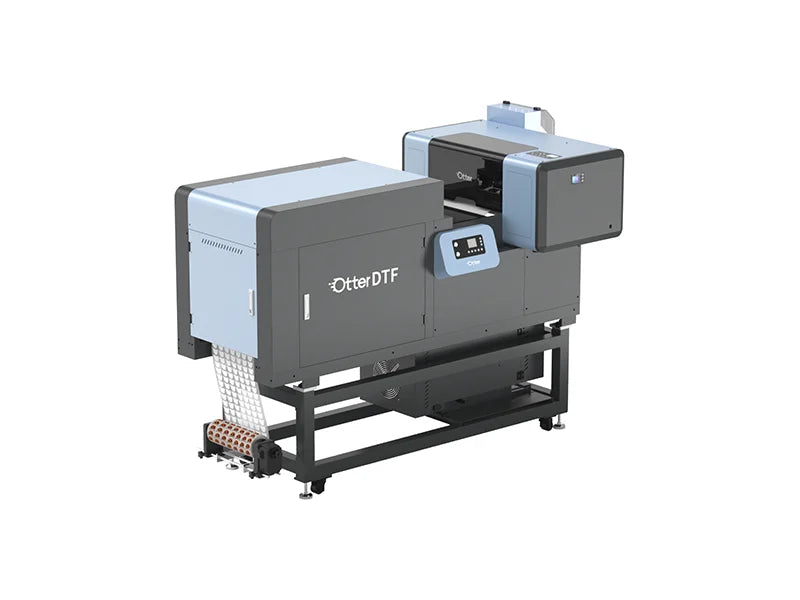
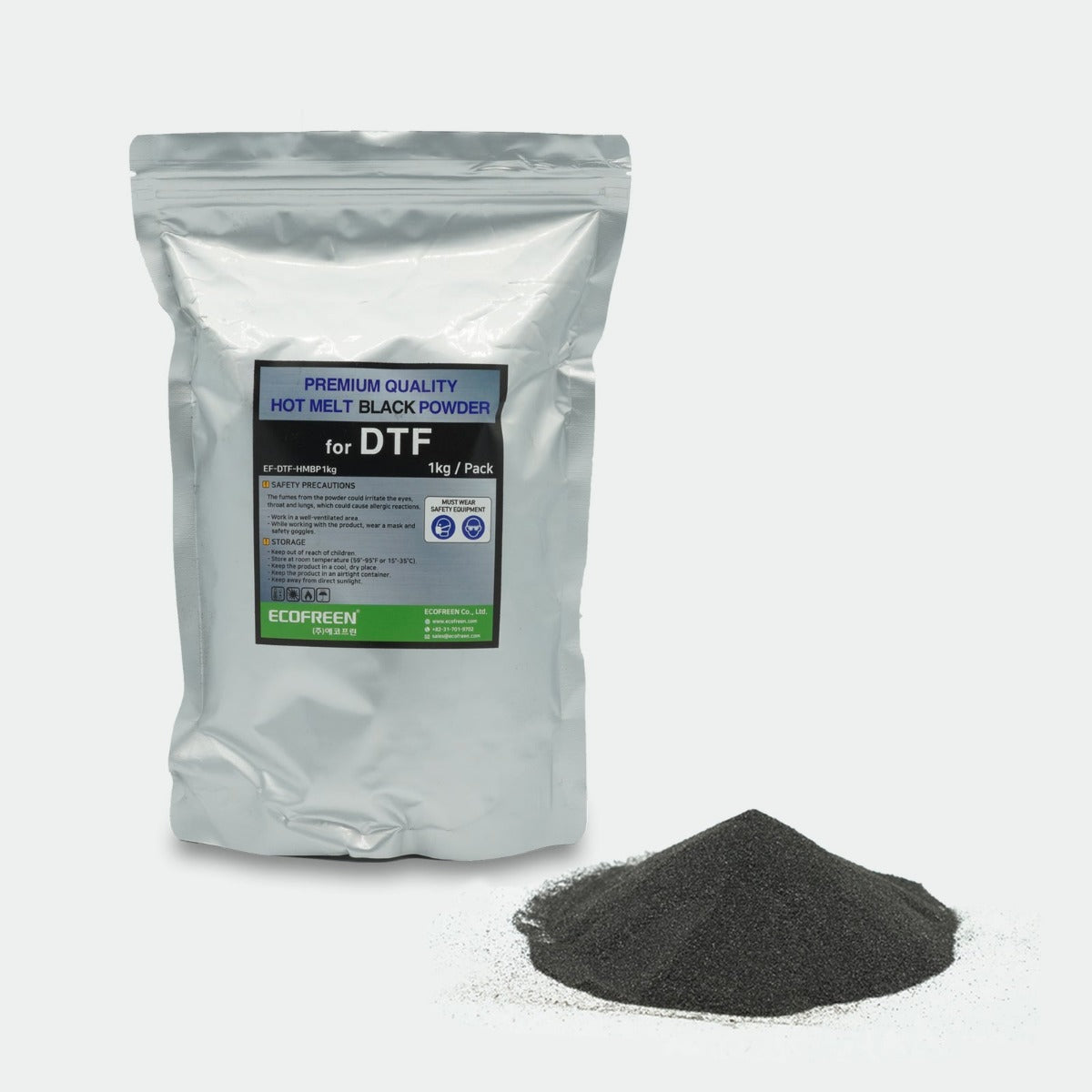
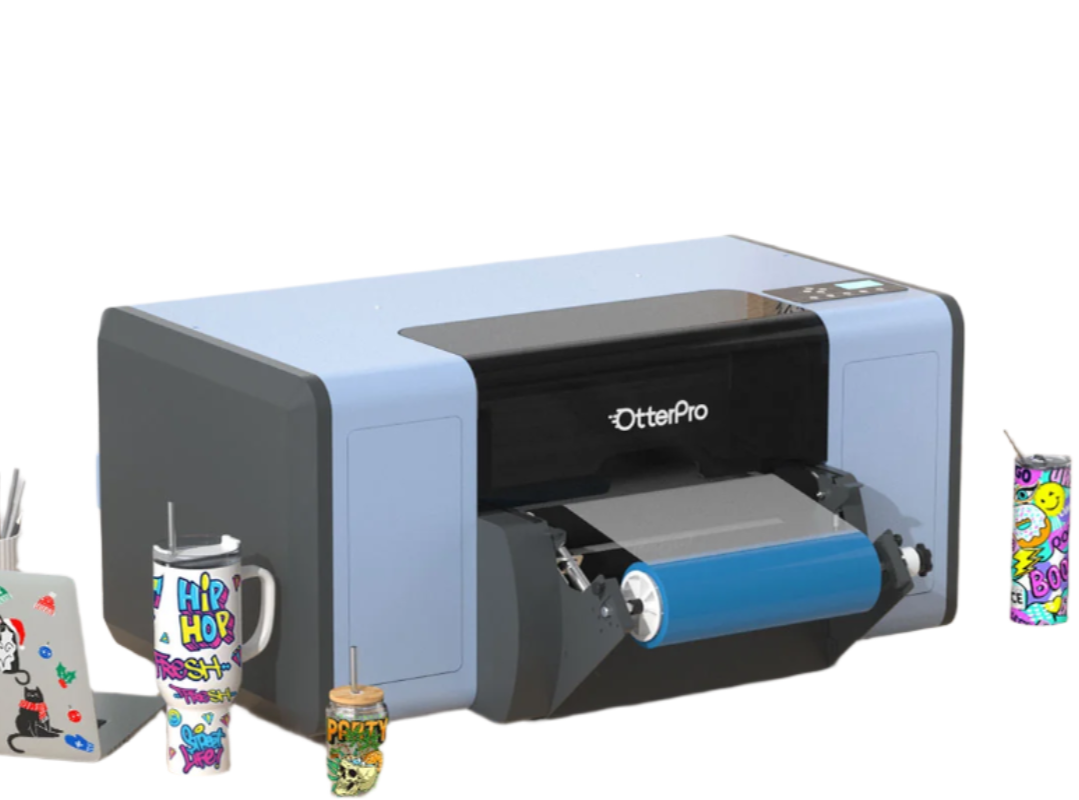
Passez au niveau supérieur avec l'impression directe sur film OtterPro DTF , une marque de confiance pour les matériaux et accessoires DTF haute performance. Conçu pour des transferts éclatants et durables, OtterPro offre les résultats professionnels que vos vêtements et produits promotionnels personnalisés méritent.

Pourquoi choisir OtterPro DTF :

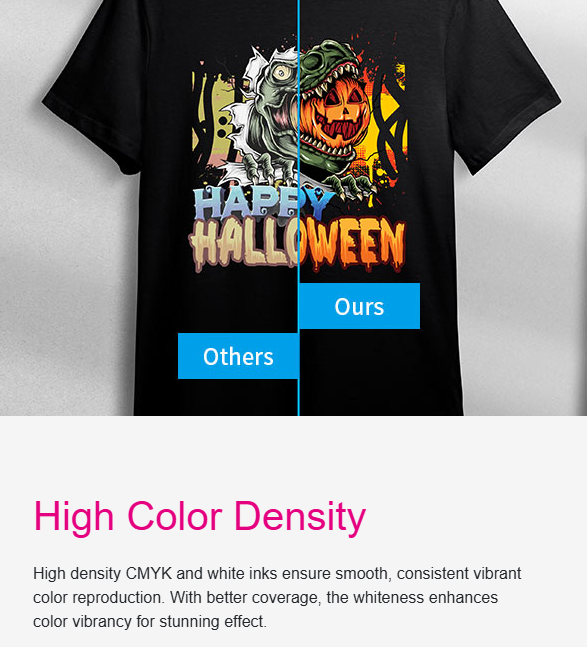
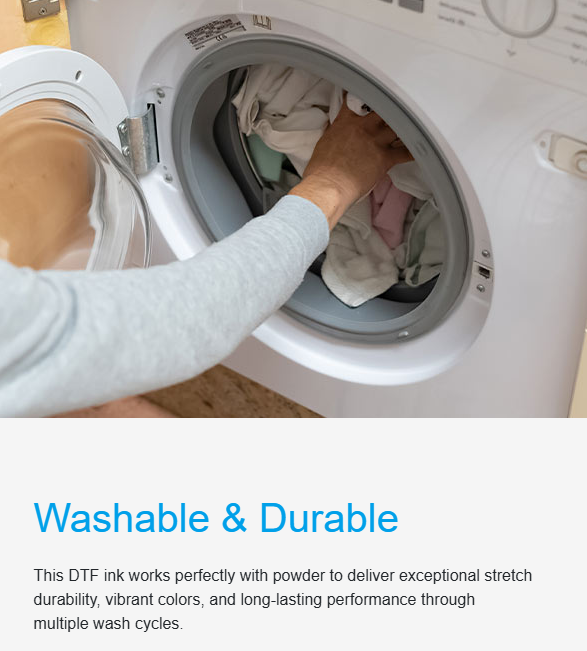
  • Couleurs brillantes et résistantes à la décoloration – Obtenez des impressions éclatantes qui restent nettes lavage après lavage.
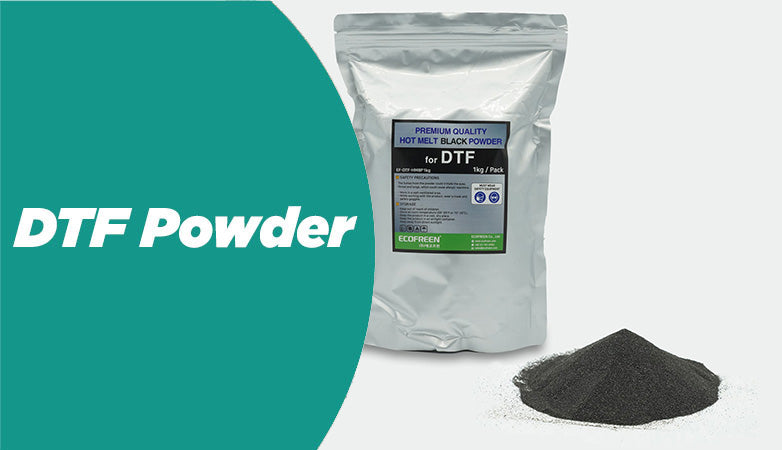
  • Solutions DTF complètes – Films, encres, poudres et accessoires conçus pour un flux de travail fluide.
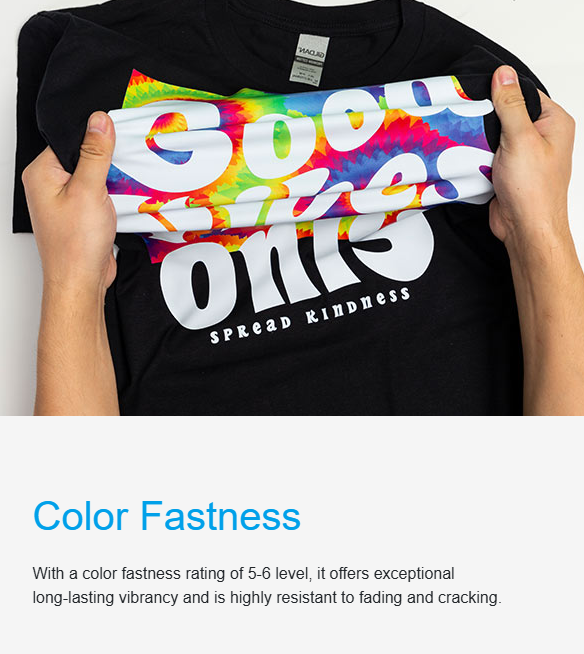
  • Forte adhérence et durabilité – Les transferts résistent aux fissures, au pelage et à la décoloration au fil du temps.
  • Idéal pour les entreprises et les créateurs – Idéal pour les boutiques de vêtements personnalisés, les produits promotionnels et la production à grand volume.

Que vous produisiez des t-shirts, des sweats à capuche ou des vêtements spéciaux, OtterPro DTF vous offre la qualité professionnelle et la fiabilité dont vous avez besoin. Achetez dès maintenant et donnez vie à vos projets DTF avec des couleurs éclatantes et durables !

Filtre

19 des produits

  • Trier par

Frequently Asked Questions:

What are the primary applications for Joto's OtterPro DTF printing system?

The Joto OtterPro DTF printing system is engineered for the high-volume production of durable digital transfers compatible with a diverse range of textiles, including cotton, polyester, and synthetic blends. This versatile technology is primarily utilized for professional garment decoration, enabling vibrant, full-color graphics on both light and dark substrates with exceptional wash fastness and a soft-hand feel. Beyond apparel, the system is ideal for customizing promotional products such as hats, tote bags, and other difficult-to-print items that require precision and efficiency. By eliminating the need for weeding and pre-treatment, the OtterPro system provides a streamlined workflow for businesses seeking to deliver high-quality custom imaging.

What types of fabrics and garment materials are compatible with the OtterPro DTF printing system?

The OtterPro DTF printing system is engineered for maximum versatility, offering exceptional compatibility with a wide range of natural and synthetic textiles. This professional-grade solution delivers superior adhesion and vibrant results on 100% cotton, polyester, nylon, silk, denim, and canvas, as well as various 50/50 poly-cotton blends. Beyond standard apparel like t-shirts and hoodies, the system is ideal for decorating complex items such as safety vests, hats, bags, and leather products without the need for fabric pretreatment. By utilizing OtterPro’s specialized PET films and high-density powders, decorators can achieve durable, high-resolution transfers across nearly any soft fabric substrate.

How should I maintain and care for my OtterPro DTF equipment to ensure long-term durability and consistent print quality?

To ensure the long-term durability and consistent print quality of your OtterPro DTF system, perform daily printhead nozzle checks and maintain a stable production environment with humidity levels between 40% and 60%. It is critical to regularly agitate the white ink circulation system and clean the capping station and wiper blade using professional-grade DTF cleaning solutions to prevent pigment sedimentation and clogging. Adhering to these technical maintenance protocols preserves the mechanical integrity of the printer while ensuring high-resolution detail and superior color vibrancy for professional garment transfers. Consistent upkeep of your direct-to-film equipment minimizes downtime and optimizes the reliability of your digital imaging workflow.

How do you properly print and transfer high-quality designs using the Joto OtterPro DTF printing system?

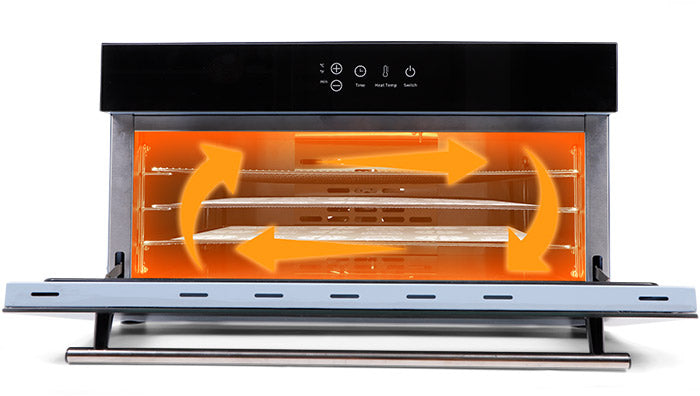
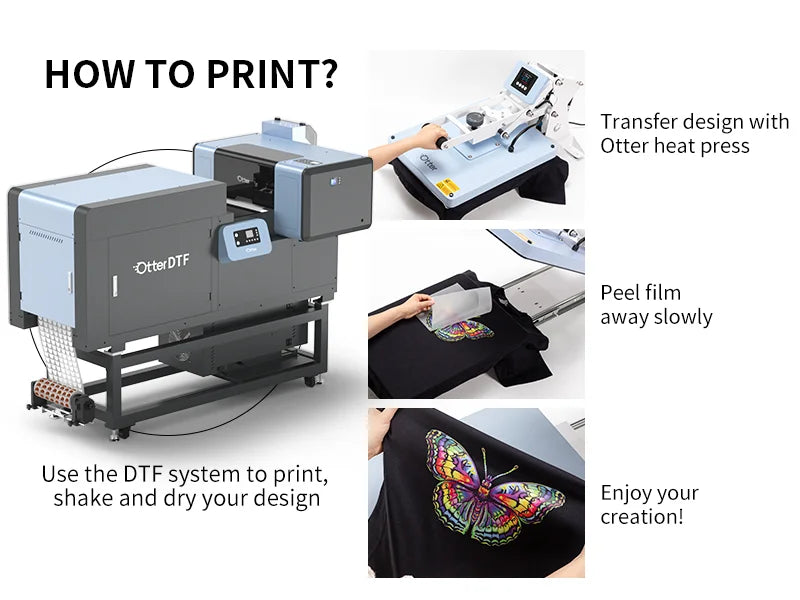
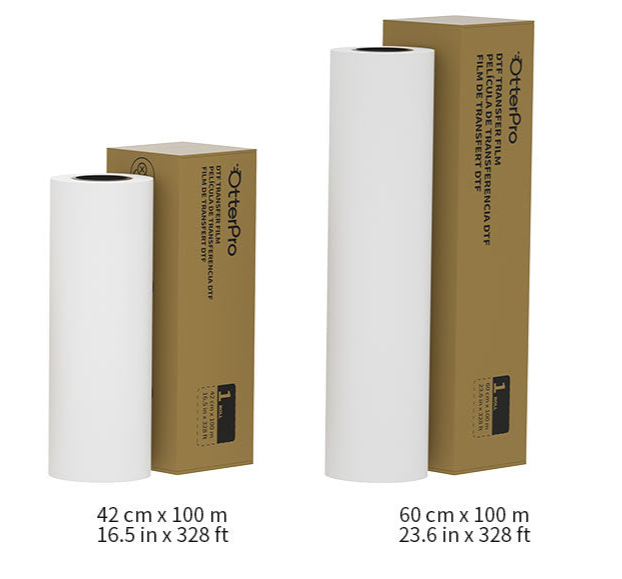
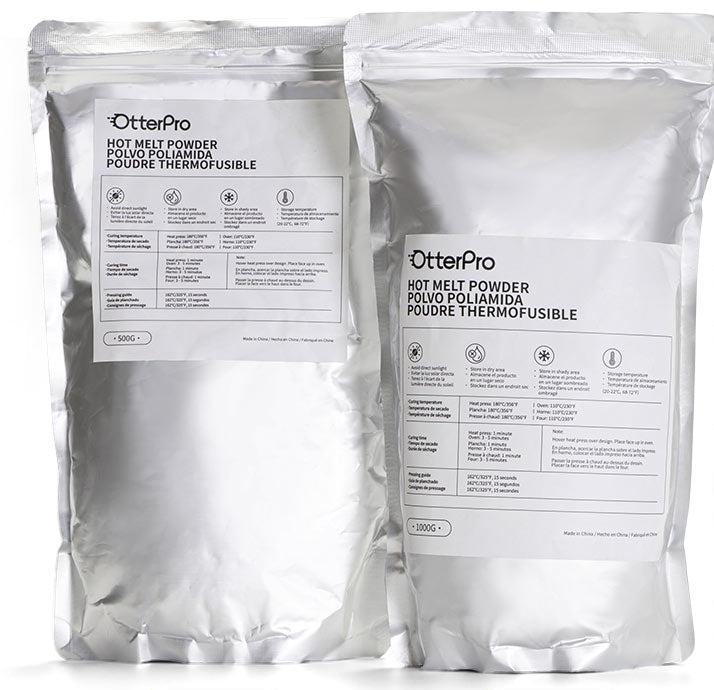
To properly print with the OtterPro DTF system, begin by utilizing high-resolution RIP software to output your design onto premium DTF film using specialized pigment inks and a high-opacity white layer. Once printed, evenly apply the TPU adhesive powder across the wet ink and cure it using the integrated three-stage heating system or a dedicated DTF oven to ensure a durable, stretchable bond. Finally, transfer the cured film to your textile using a professional heat press calibrated to the recommended time and temperature settings, followed by a precise hot or cold peel to maintain design integrity. This technical workflow ensures vibrant, industrial-grade transfers on a wide variety of fabrics, including cotton, polyester, and blended textiles.

What are the most common causes of poor ink adhesion or image cracking when using the OtterPro DTF printing system?

Common causes of poor ink adhesion and image cracking in the OtterPro DTF system typically involve improper curing temperatures or insufficient application of the TPU adhesive powder. If the white ink layer is too thin or the oven settings are not calibrated correctly, the transfer will lack the flexibility needed to prevent cracking on stretchable fabrics. Ensure your heat press pressure is set to medium-firm and verify that moisture levels in the film are minimized through proper storage. Consistently maintaining these technical parameters ensures durable, high-quality DTF transfers with excellent wash fastness.

How can I achieve professional-grade color vibrancy and high-resolution image clarity when using the OtterPro DTF printing system?

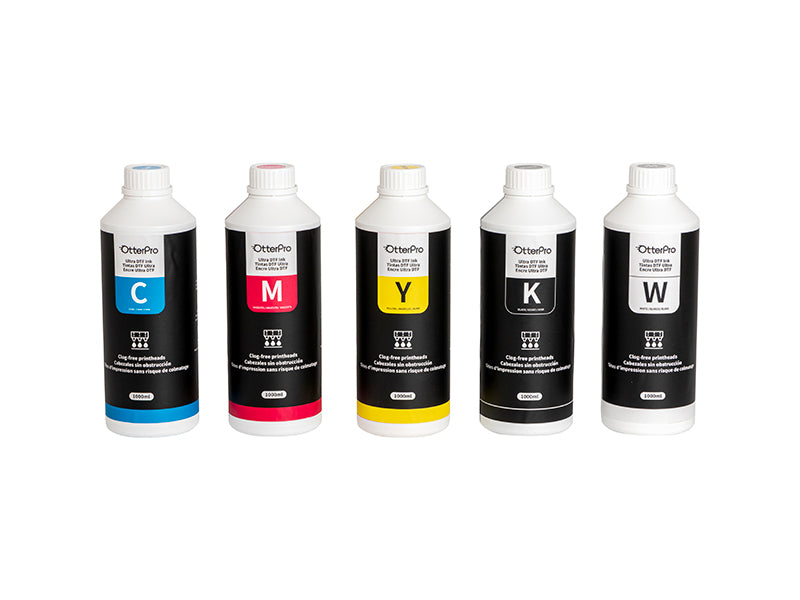
To achieve professional-grade color vibrancy and high-resolution clarity with the OtterPro DTF system, it is essential to utilize high-density pigment inks paired with precision-engineered PET transfer films. Ensure your printer is calibrated using custom ICC profiles within the OtterPro RIP software to optimize ink deposition and maintain accurate CMYK color reproduction. Regular maintenance, including nozzle checks and utilizing the automatic white ink circulation system, is critical to prevent clogging and ensure consistent, sharp output. By following these technical parameters and using certified consumables, you can produce durable, vivid transfers that meet industrial standards for garment decoration.

How does investing in the Joto OtterPro DTF printing system improve production cost-effectiveness and overall business profitability for professional garment decorators?

The Joto OtterPro DTF printing system significantly improves production cost-effectiveness by automating the printing, powdering, and curing stages, which reduces labor overhead and minimizes material waste. Its high-speed output and superior ink efficiency allow professional decorators to handle high-volume orders with lower per-unit costs compared to traditional methods like DTG or screen printing. By delivering durable, high-resolution transfers that are compatible with a vast range of fabrics, the OtterPro system enhances business profitability through expanded product offerings and faster turnaround times. Integrating this advanced direct-to-film technology ensures a scalable, high-margin solution that maximizes your overall return on investment.

What are the recommended storage conditions and safety precautions for OtterPro DTF to ensure its long-term durability?

To maintain the long-term durability and performance of OtterPro DTF supplies, store films and adhesive powders in a temperature-controlled environment between 59°F and 77°F with relative humidity levels below 50%. Utilize airtight containers or resealable bags with silica gel packets to prevent moisture absorption and clumping, while keeping all consumables away from direct sunlight and heat sources to avoid premature adhesive activation. For safety and quality assurance, handle powders with gloves and a mask in a well-ventilated workspace to prevent skin contact or inhalation, and ensure ink bottles are tightly sealed to prevent evaporation and clogging. Following these technical storage protocols protects your investment and ensures consistent, professional-grade transfers with optimal bond strength.

How does OtterPro DTF compare to other decoration methods in terms of final output and application efficiency?

OtterPro DTF systems offer superior application efficiency compared to DTG by eliminating the need for fabric pre-treatment and achieving significantly higher production speeds for large-scale runs. The final output provides exceptional durability and stretchability that rivals traditional screen printing, effectively resisting cracking and fading through repeated wash cycles. Unlike sublimation, which is restricted to polyester, OtterPro DTF technology allows professional decorators to produce vibrant, high-resolution designs on cotton, dark fabrics, and various synthetic blends. By integrating automated printing, powdering, and curing into one streamlined workflow, these systems maximize throughput while maintaining the technical precision required for commercial garment decoration.

How can you optimize the RIP software queue and white ink density settings for the OtterPro DTF system to maximize throughput while maintaining wash fastness on high-stretch synthetic fabrics?

To maximize throughput on the OtterPro DTF system, utilize professional RIP software to manage batch processing and automate white underbase creation for efficient queue management. For high-stretch synthetic fabrics, optimize white ink density to approximately 60% and utilize a 2-pass print mode to ensure superior opacity and prevent dye migration. Maintaining these precise ink layers, combined with a specialized TPU adhesive powder, creates a durable mechanical bond that ensures maximum wash fastness and flexibility on performance textiles. This technical calibration allows high-volume shops to produce vibrant, professional-grade transfers that withstand the unique thermal and physical demands of synthetic apparel.

Drawer Title
produits similaires