









Aller au contenu
fr
CAD

🌨️ Des retards sont à prévoir en raison des conditions météorologiques. ❄️

Vinyles de transfert textile

Filtre

25 des produits

  • Trier par


Créez facilement des impressions éclatantes et durables


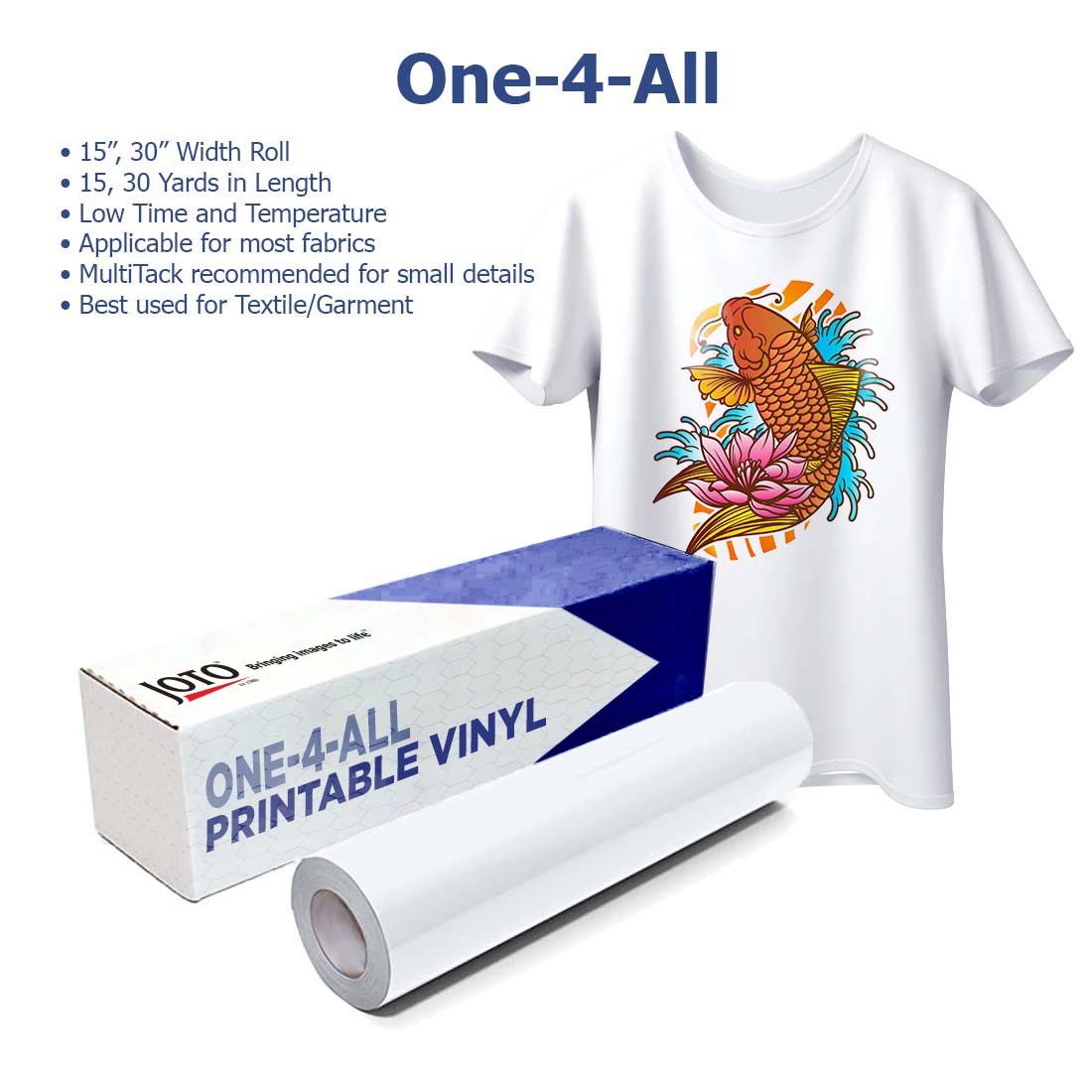
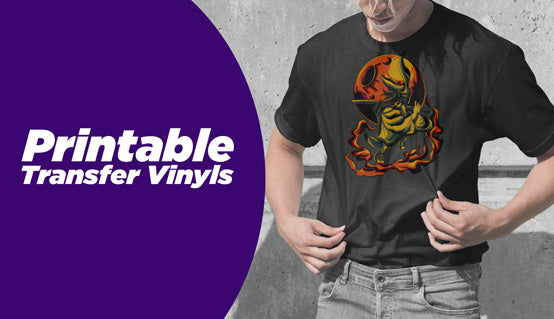
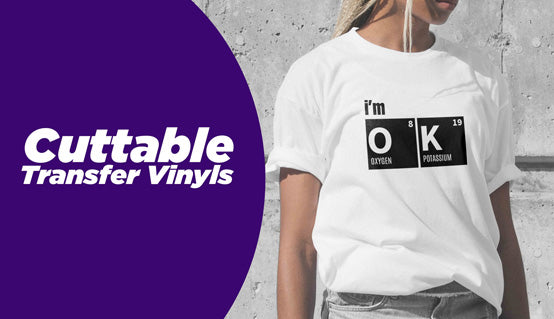
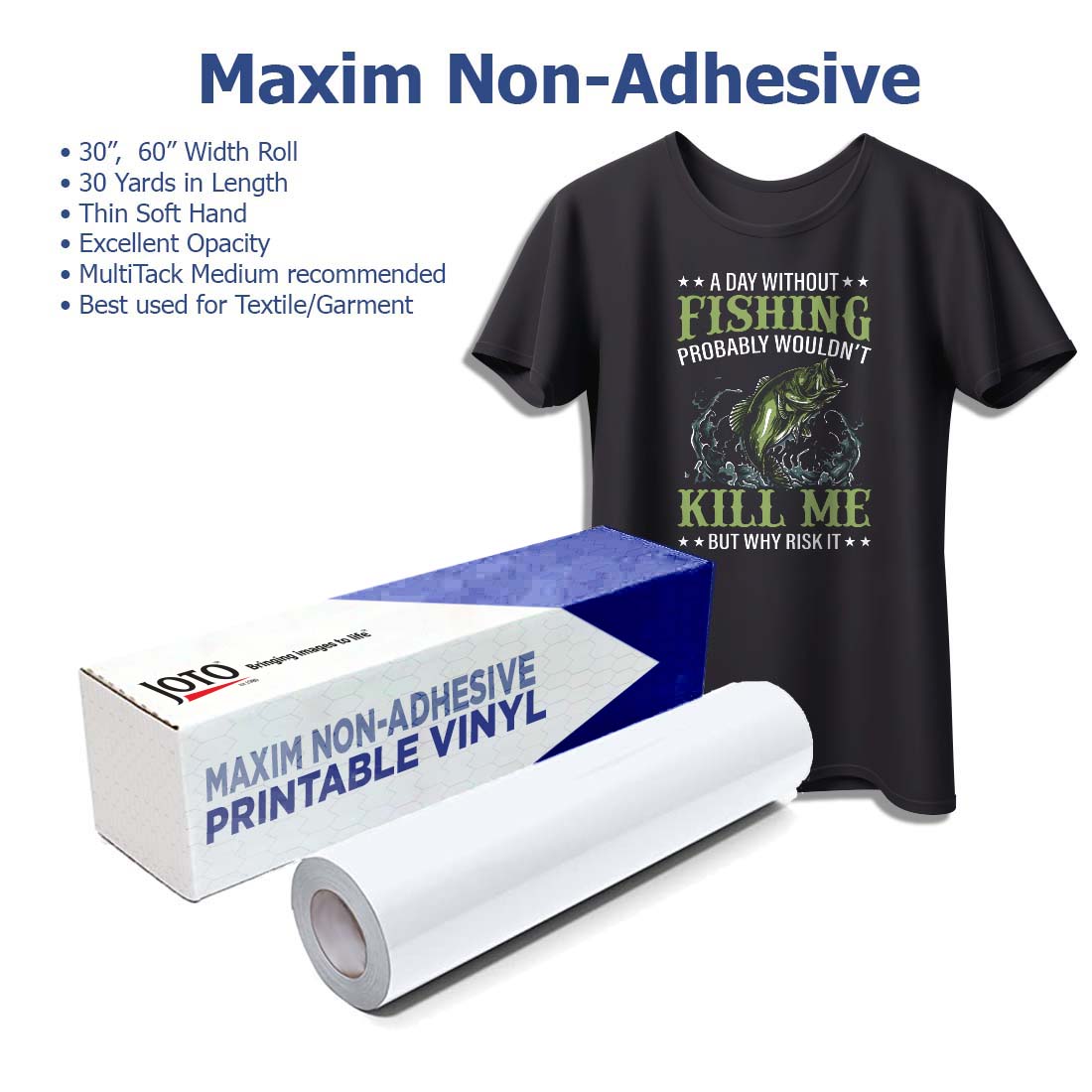
Nos vinyles de transfert textile vous permettent de réaliser des motifs audacieux et attrayants sur une grande variété de tissus. Idéaux pour les t-shirts, les sweats à capuche, les sacs et bien plus encore, ces vinyles de haute qualité garantissent des couleurs éclatantes et des impressions durables qui résistent aux craquelures, au décollement et à la décoloration.


Principales caractéristiques et avantages :


  • Qualité des couleurs exceptionnelle : Profitez de couleurs éclatantes et fidèles à la réalité qui donnent du relief à vos créations.
  • Résistantes et flexibles : les impressions restent lisses et intactes même après de nombreux lavages, conservant ainsi leur aspect et leur toucher.
  • Application facile : Transférez vos motifs sans effort à l'aide d'une presse à chaud ou d'un fer à repasser domestique, ce qui le rend parfait pour les débutants comme pour les professionnels.
  • Compatibilité étendue : Idéal pour le coton, le polyester et les mélanges polycoton, vous offrant la possibilité d’imprimer sur une grande variété de vêtements.


Applications :


  • Personnalisez des t-shirts, des sweats à capuche, des sacs fourre-tout et bien plus encore avec des designs exceptionnels.
  • Idéal pour les marques de mode, les articles promotionnels et les cadeaux personnalisés.
  • Idéal pour les amateurs, les petites entreprises ou la production à grande échelle.

What are textile transfer vinyls used for?

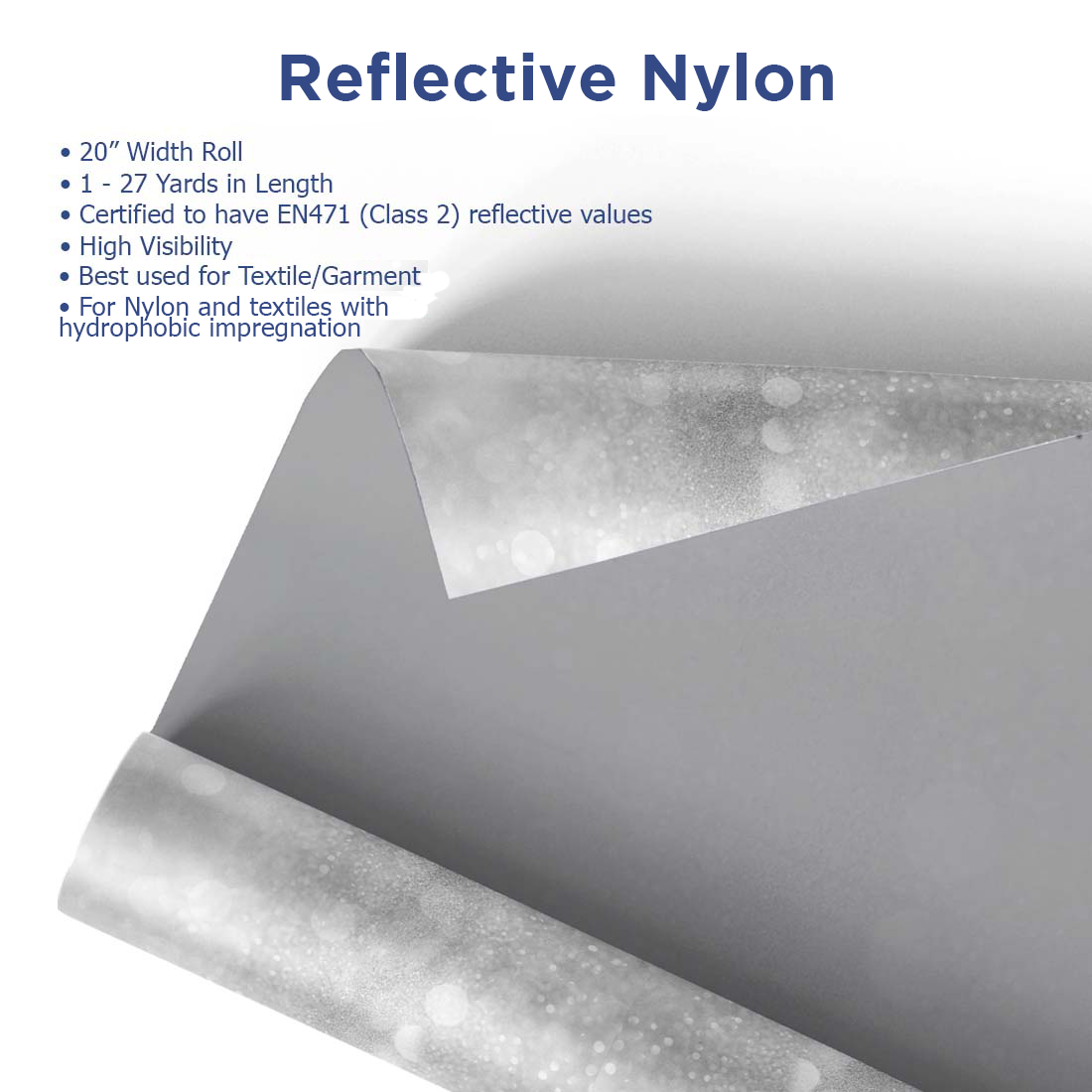
Textile transfer vinyls, or heat transfer vinyl (HTV), are specialized polymer films used to create high-quality, durable designs on apparel, bags, and promotional soft goods. These materials feature a heat-activated adhesive that permanently bonds to fabrics like cotton, polyester, and performance blends when applied with a professional heat press. Available in various finishes such as matte, glitter, and reflective, they are ideal for personalizing jerseys, corporate wear, and custom accessories with precision and vibrant color. By utilizing Joto’s premium vinyls, businesses can achieve a professional-grade finish that resists peeling and fading through repeated wash cycles.

What fabric types and materials are compatible with textile transfer vinyls?

Textile transfer vinyls are highly compatible with a wide range of fabrics, most notably 100% cotton, polyester, and poly-cotton blends, which provide an ideal surface for permanent adhesive bonding. Technical-grade HTV also extends to specialized substrates such as denim, canvas, leather, and even certain hard surfaces like wood or treated ceramics when applied with calibrated heat and pressure. For performance apparel containing spandex or lycra, it is essential to utilize stretchable polyurethane (PU) vinyls to ensure the design maintains its integrity and prevents cracking during physical activity. By matching the specific vinyl chemistry to the material's heat sensitivity and texture, businesses can achieve professional, high-durability results across diverse product lines.

How can I ensure the long-term durability and proper care of textile transfer vinyls?

To ensure the long-term durability of textile transfer vinyls, it is critical to allow the adhesive to cure for at least 24 to 48 hours before the first wash or wear. Always launder garments inside out using cold or lukewarm water and a mild detergent, specifically avoiding bleach and fabric softeners which can compromise the chemical bond. For optimal results, air drying is highly recommended, as excessive dryer heat can lead to premature peeling, cracking, or warping of the HTV design. Following these professional maintenance protocols ensures that your personalized apparel maintains its vibrant color and structural integrity through repeated wash cycles.

How do I apply textile transfer vinyls to different types of fabrics?

To apply textile transfer vinyl (HTV), first mirror your design and cut it using a professional vinyl cutter before weeding away the excess material from the carrier sheet. Pre-press your fabric for several seconds to remove moisture and wrinkles, then position the HTV and apply firm pressure using a calibrated heat press at the specified temperature and dwell time. Once the pressing cycle is complete, carefully peel the carrier sheet while hot or cold, as required by the specific material, to ensure a permanent bond with the textile fibers. Utilizing premium textile transfer vinyls from Joto Imaging Supplies ensures professional-grade durability and vibrant results across various fabric types like cotton, polyester, and performance blends.

How can I prevent my textile transfer vinyl from peeling or lifting after washing?

To prevent textile transfer vinyl from peeling or lifting after washing, ensure you apply the precise combination of temperature, firm pressure, and dwell time recommended by the manufacturer for your specific HTV type and fabric. Always pre-press your garment to remove moisture and wrinkles, and wait at least 24 to 48 hours before the first launder to allow the heat-activated adhesive to cure fully. For maximum durability, wash the finished apparel inside out in cold water and air dry or tumble dry on a low-heat setting to avoid compromising the adhesive bond. Using high-quality Joto textile transfer vinyl on compatible fabrics like cotton or polyester ensures a professional-grade finish that resists cracking and peeling over time.

How can I achieve professional-quality color vibrancy and durability with textile transfer vinyls?

To achieve professional-grade color vibrancy and long-term durability, you must calibrate your heat press to the precise temperature and pressure settings specified for the textile transfer vinyl being used. Using a high-quality cutter with the correct blade depth ensures clean, sharp edges that resist lifting, while strictly adhering to the recommended hot or cold peel instructions is critical for securing a permanent bond to the fabric. Additionally, pre-pressing your garment to remove moisture and wrinkles creates an optimal surface for the heat-activated adhesive to anchor into the textile fibers. Laundering the finished product inside out after a 24-hour cure period will further preserve the vinyl’s integrity and prevent fading or cracking over time.

How can incorporating textile transfer vinyls into your product line increase your business's profit margins?

Incorporating textile transfer vinyls into your product line significantly enhances profit margins by allowing for high-value customization on a wide variety of fabric types with minimal setup costs. These technical-grade HTV films offer exceptional durability and weeding precision, enabling your business to fulfill small-batch or on-demand orders for personalized apparel that command premium retail pricing. By utilizing Joto Imaging Supplies' premium vinyls, you reduce material waste and overhead while delivering professional, long-lasting results that differentiate your brand in the competitive custom garment market. Precise application using a professional heat press ensures a permanent bond, driving customer loyalty and repeat business through superior product performance.

How should I store and handle textile transfer vinyls to ensure long-term quality and safe application?

To maintain the technical integrity of textile transfer vinyls, store rolls horizontally in a climate-controlled environment away from direct sunlight and heat sources to prevent premature adhesive activation or plasticizer migration. Always handle the vinyl with clean hands or lint-free gloves to avoid surface contamination from oils and dirt, which can compromise the bond during the heat press process. For pre-cut designs, utilize clear protective sleeves or binders to keep the tacky carrier sheets free of dust and debris before application. Following these professional storage protocols ensures consistent weeding performance and long-lasting durability for all your custom apparel projects.

How does using textile transfer vinyls compare to other decoration methods for apparel and fabric?

Textile transfer vinyl (HTV) offers a budget-friendly entry into apparel decoration, excelling in simple, bold designs and specialty finishes like glitter or metallic that methods like sublimation cannot easily replicate. While sublimation provides unmatched wash durability by molecularly bonding with polyester fibers, HTV is highly versatile for various fabric types, including 100% cotton and dark garments. Unlike DTF or sublimation which handle complex gradients, HTV requires manual weeding and layering for multi-color graphics, making it ideal for low-volume, high-impact customization. Using high-quality Joto textile vinyls ensures professional-grade adhesion and a soft hand-feel that remains durable across numerous wash cycles.

How can I calibrate cutting force and blade depth to ensure consistent weeding performance across complex, multi-layered textile transfer vinyl applications?

To ensure consistent weeding of complex heat transfer vinyl designs, perform a test cut to verify the blade depth only penetrates the HTV layer and its adhesive without scoring the carrier sheet. Adjust your cutter's force settings based on the specific thickness and density of the material, as specialty vinyls like glitter or flock require higher pressure than standard films. For multi-layered applications, calibrate your equipment for each individual material type to maintain precision and detail across the entire project. Proper calibration minimizes material waste and ensures that intricate designs remain intact during the weeding process for professional-grade results.

Drawer Title
produits similaires