























saltar al contenido
es
CAD

Bienvenido al nuevo sitio web de Joto Imaging Supplies

Prensas de almejas 16x20

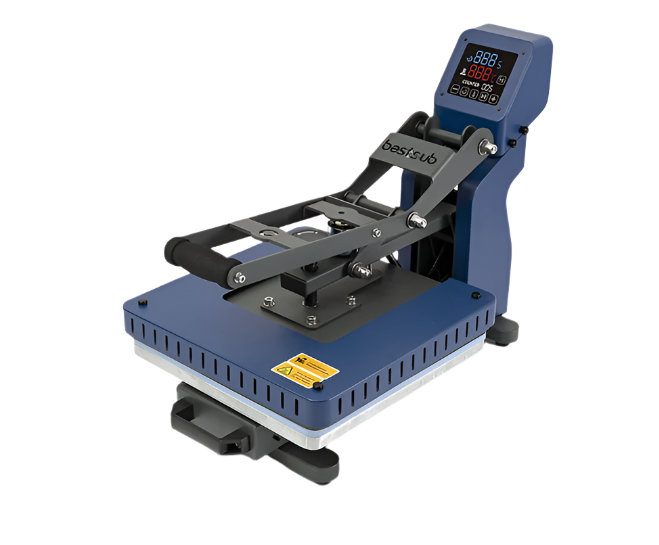
Prensas térmicas de alto rendimiento Clam Presses 16x20

Platina de gran tamaño, flujo de trabajo más rápido y resultados profesionales en todo momento.

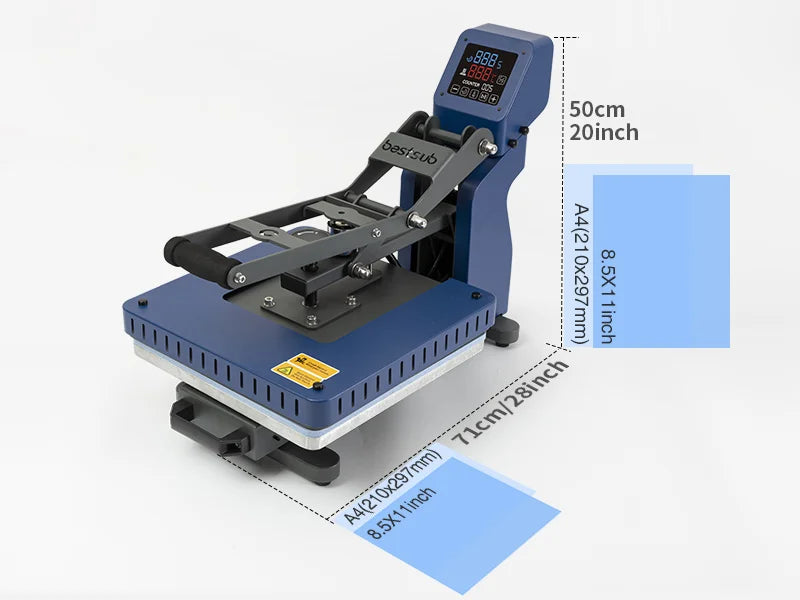
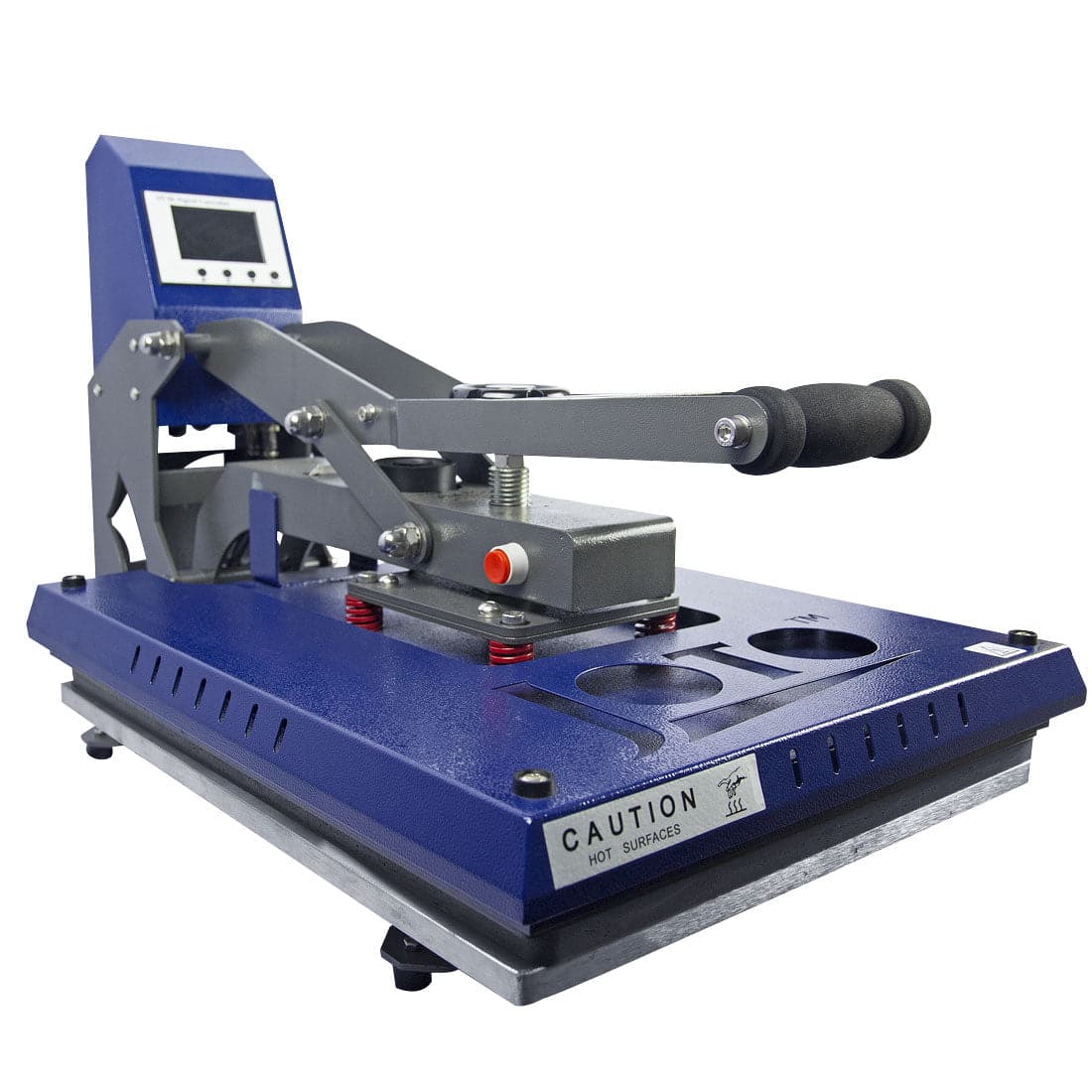
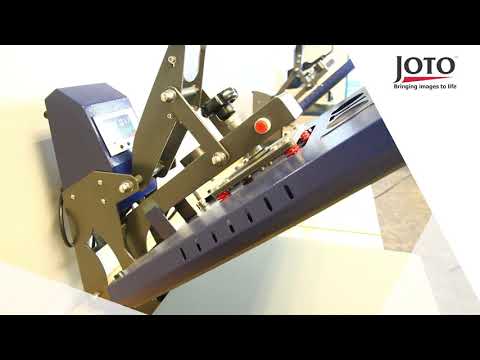
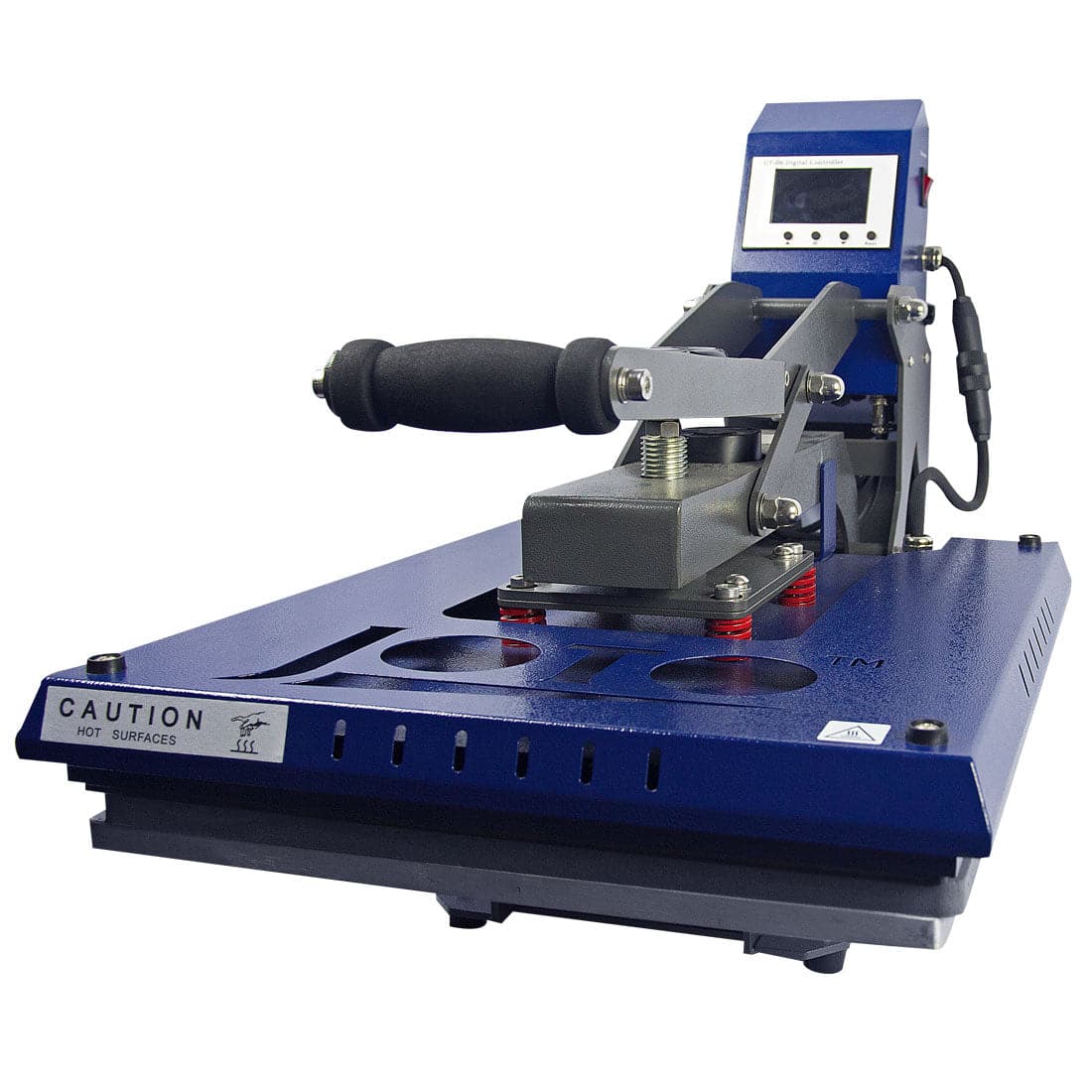
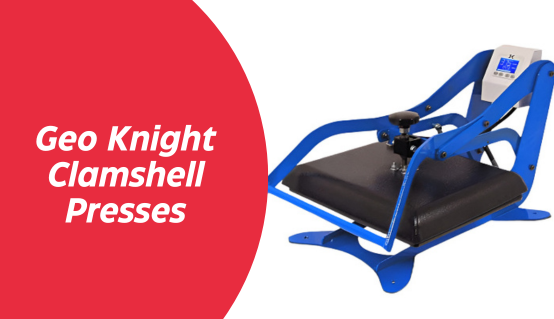
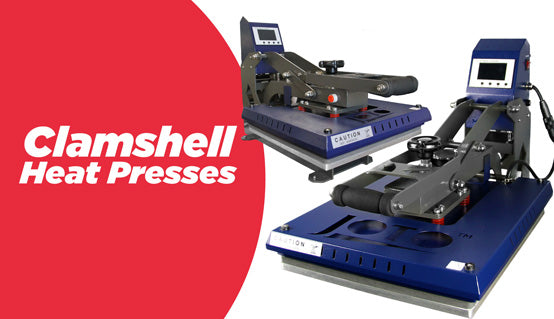
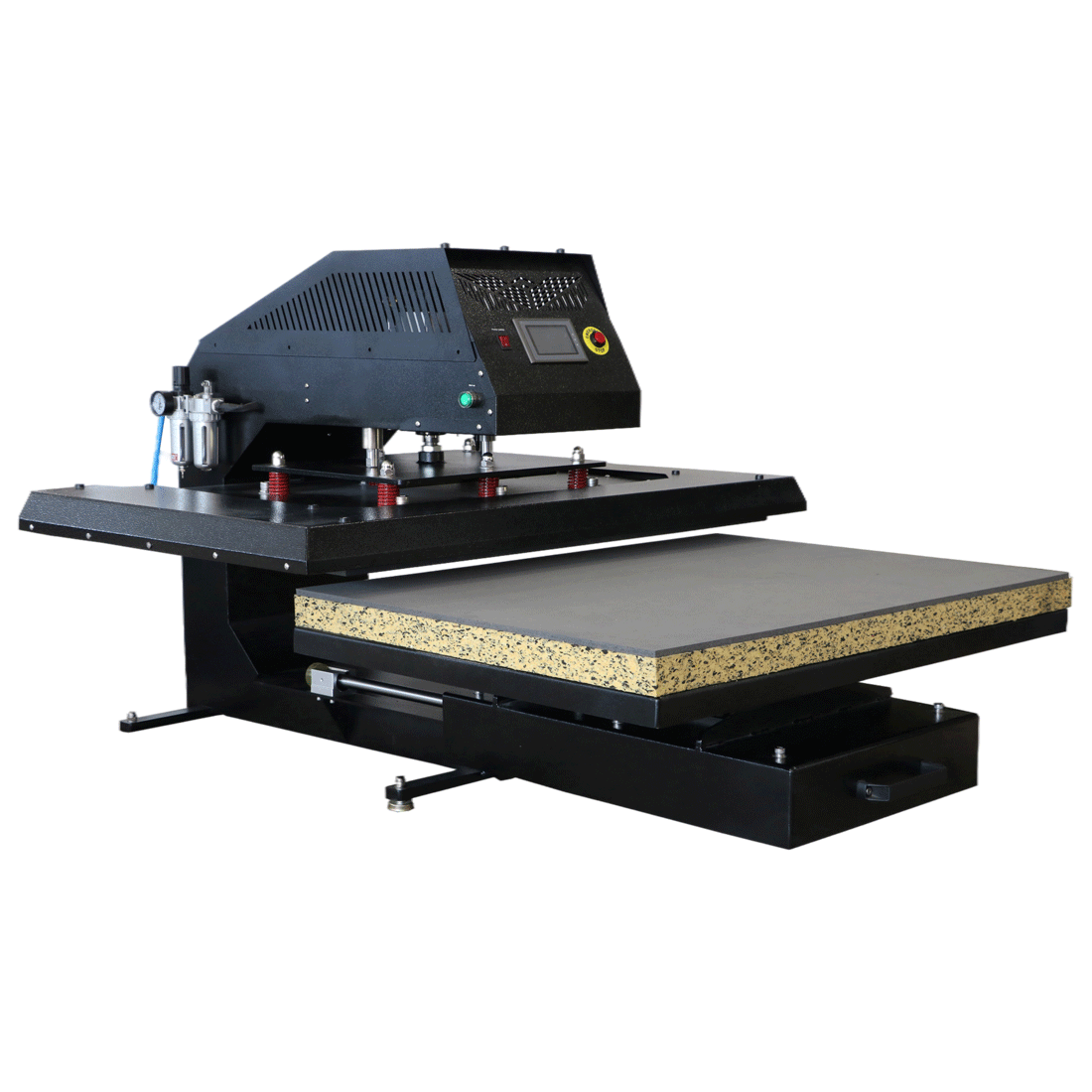
Las prensas Clam de 16x20 ofrecen a los talleres de impresión la capacidad de manejar gráficos de gran tamaño con calor y presión constantes. Perfectas para uniformes, prendas de gran tamaño y productos promocionales, ayudan a los operadores a obtener transferencias nítidas con rapidez y confianza. La amplia platina simplifica la configuración y reduce los errores, mientras que el diseño tipo almeja ahorra espacio y aumenta la eficiencia. Fabricadas con componentes duraderos, estas prensas garantizan fiabilidad a largo plazo y un rendimiento constante, incluso en entornos de producción con mucha actividad. Al mejorar la precisión y reducir la tensión del operador, hacen que cada trabajo sea más fluido y rápido. Con la calidad confiable y el soporte experto de Joto, las prensas Clam de 16x20 se convierten en herramientas esenciales para el crecimiento exitoso de su negocio.
Frequently Asked Questions:

What are 16x20 clam presses and what are their primary benefits for heat transfer applications?

A 16x20 clam press is a professional-grade heat transfer machine featuring a large 16" x 20" platen and a space-saving clamshell design that opens upward, making it ideal for small production environments. These presses provide a significant surface area for oversized garments and flat substrates, ensuring edge-to-edge heat and pressure consistency for DTF, HTV, and sublimation applications. Primary benefits include high-pressure output for durable transfers, digital precision for time and temperature control, and enhanced workflow efficiency through features like magnetic auto-open technology. By utilizing a 16x20 clam press, businesses can achieve professional results on a versatile range of custom apparel and promotional items with minimal floor space requirements.

What transfer sizes and garment materials are compatible with 16x20 Clam Presses?

The 16x20 Clam Presses are engineered to accommodate large-format heat transfers up to 16" x 20", making them ideal for full-front apparel graphics and oversized designs. These professional-grade heat presses are compatible with a wide range of garment materials, including cotton, polyester, and various synthetic blends used in performance wear. By providing consistent heat and edge-to-edge pressure, these units ensure reliable bonding for DTF, sublimation, and heat transfer vinyl applications. This versatile platen size allows decorators to maximize production efficiency by pressing multiple smaller designs simultaneously or handling large jerseys with ease.

How can I ensure the long-term durability and proper maintenance of the Clam Presses 16x20 to maintain consistent performance?

Something went wrong. Try again.

How do you properly operate a 16x20 clam heat press to ensure even pressure and temperature for professional-grade transfers?

To operate a 16x20 clamshell heat press effectively, start by adjusting the pressure knob to accommodate the specific thickness of your substrate, ensuring a firm and level contact across the entire platen surface. Once the desired temperature and time are programmed into the digital controller, allow the machine to preheat fully to guarantee stable thermal distribution for high-quality transfers. During application, lock the handle securely to activate the consistent mechanical pressure required for professional-grade bonding on apparel or hard surfaces. Finally, always perform regular calibration with an infrared thermometer to verify heat accuracy and maintain the long-term reliability of your Joto Imaging Supplies equipment.

What are the most common causes of cold spots or uneven pressure when using a 16x20 clam press?

Cold spots in a 16x20 clam press are typically caused by failing heating elements or a degraded silicone lower pad that no longer provides a level surface for heat transfer. Uneven pressure often stems from a misaligned upper platen or an over-compressed lower pad that has lost its resiliency, preventing uniform contact across the large 16x20 surface area. To maintain peak performance, technical experts recommend regularly inspecting your heat press for physical wear and ensuring the pressure adjustment knob is calibrated for the specific thickness of your substrate. Utilizing high-quality equipment and replacement parts from Joto Imaging Supplies ensures consistent heat distribution and professional-grade results for every transfer.

How can I achieve maximum color vibrancy and professional print quality with Clam Presses 16x20?

To achieve maximum color vibrancy and professional results with Clam Presses 16x20, ensure you utilize the digital time and temperature controls to match the specific "recipe" required for your transfer material. The patented over-the-center pressure adjustment is critical for maintaining even, edge-to-edge heat distribution, which prevents cold spots and ensures a complete bond across the entire 16x20 platen. For optimal print quality, always use high-quality transfer media and verify that your heat platen is clean and providing consistent pressure regardless of the substrate thickness. Following these technical parameters will preserve rich color saturation and ensure a durable, scratch-resistant finish on all your custom apparel and hard surface projects.

How can using 16x20 clam presses help your business reduce production costs and increase profit margins?

Utilizing a 16x20 clam press significantly reduces production costs by providing a large heat platen that allows for gang-printing multiple designs or completing large-format transfers in a single cycle. The high-pressure clamshell design and precise digital controls ensure consistent heat distribution across the entire surface, minimizing costly reprints and material waste caused by uneven transfers. By streamlining the application of DTF, sublimation, and heat transfer vinyl, businesses can increase throughput and speed up order turnaround times to boost overall profit margins. Investing in this industrial-grade equipment ensures long-term reliability and professional-quality results for high-volume apparel decoration and personalized products.

How should Clam Presses 16x20 be stored and maintained to ensure operator safety and long-term equipment reliability?

To ensure the long-term reliability of your 16x20 clam press, regularly clean the heating platen with a non-abrasive cleaner and lubricate pivot points with high-temperature lithium grease to prevent mechanical wear. For optimal operator safety, always conduct a pre-use inspection of the grounded 15-amp power cord and operate the unit in a well-ventilated workspace to mitigate heat and fumes. When not in use, store the heat press in a cool, dry environment in the open position or with the pressure fully loosened to protect the structural integrity of the silicone pad and internal components. Consistent calibration of temperature and pressure settings using a digital pyrometer will further enhance production quality and extend the lifespan of your professional equipment.

How do 16x20 clam presses compare to other heat transfer methods like swing-away presses or vacuum heat presses for high-volume decoration?

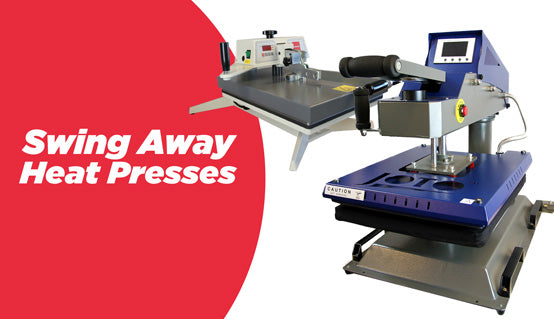
A 16x20 clam press offers superior speed and efficiency for high-volume flat garment production, outperforming swing-away models in compact workspaces due to its vertical opening design. While swing-away presses provide more even pressure for thicker substrates and vacuum heat presses are essential for irregular 3D objects like phone cases, the clam press remains the industry standard for rapid t-shirt and flat media decoration. Choosing a 16x20 clam press ensures maximum throughput for high-demand apparel projects, whereas swing-away or vacuum systems are better suited for specialized, multi-dimensional applications. This technical balance of size and functionality allows professional decorators to optimize their workflow based on specific production volume and substrate thickness.

How can you calibrate the pressure and temperature settings on a 16x20 clam press to eliminate cold spots and ensure consistent edge-to-edge adhesion on oversized high-density transfers?

To eliminate cold spots on a 16x20 clam press, use a digital pyrometer to verify that heat distribution is uniform across the entire platen, adjusting the temperature slightly higher to compensate for any thermal dissipation. Calibrate the pressure by placing paper strips at each corner and the center; the resistance should be equal when the press is locked to ensure consistent edge-to-edge adhesion on oversized transfers. For high-density media, preheating the lower platen is a critical technical step that minimizes the temperature drop during the initial contact phase. This precise calibration of heat and mechanical force ensures professional, durable results without the risk of adhesive failure.

Drawer Title
productos similares