






























saltar al contenido
es
CAD

Bienvenido al nuevo sitio web de Joto Imaging Supplies

Herramientas y accesorios de corte

Herramientas y accesorios de corte: equipos de precisión para proyectos perfectos de vinilo y papel

Mejore su taller de manualidades o impresión con nuestras herramientas de corte premium, diseñadas para cortes limpios y precisos en vinilo, papel y materiales especiales. Ya sea que cree calcomanías, diseños de transferencia térmica o manualidades complejas con papel, estas herramientas le ayudan a lograr resultados profesionales con facilidad.

¿Por qué elegir nuestras herramientas de corte y accesorios?

  • Precisión y exactitud : cuchillas, tapetes de corte y guías de alta calidad para obtener resultados impecables en todo momento.

  • Durable y confiable : diseñado para soportar un uso frecuente tanto en entornos profesionales como de aficionados.

  • Amplia compatibilidad : accesorios diseñados para funcionar con cortadores de vinilo y máquinas artesanales populares.

  • Aumente la eficiencia y la creatividad : simplifique su flujo de trabajo y permita diseños más complejos y detallados.

Tanto si gestionas una imprenta con mucha actividad como si haces manualidades en casa, nuestros accesorios de corte te ofrecen el rendimiento y la fiabilidad que necesitas. ¡Compra ahora y crea proyectos nítidos y de calidad profesional con confianza!
Frequently Asked Questions:

What cutting tools and accessories does Joto carry for vinyl and heat transfer applications?

Joto's cutting tools and accessories include replacement blades for vinyl cutters, weeding tools, craft knives, cutting mats, blade holders, and specialty accessories for precision cutting tasks. These items support both electronic vinyl cutter operation and hand-cutting workflows for HTV, adhesive vinyl, sublimation paper masking, and specialty media preparation.

What blade angle and depth setting are optimal for hand-cutting heat transfer vinyl cleanly without tearing?

For hand-cutting HTV, use a fresh 30-degree craft knife blade for straight lines and gentle curves. Hold the blade at 45–60 degrees to the surface for controlled depth — perpendicular cuts tend to skip. Use a metal ruler as a guide for straight cuts and replace the blade after every 30–40 minutes of use, as HTV adhesive dulls blades rapidly. A self-healing cutting mat beneath the vinyl prevents blade deflection from hard surfaces and extends blade sharpness.

Are Joto replacement blades compatible with all major vinyl cutter brands, or brand-specific?

Blade compatibility is determined by the blade holder format for each cutter brand. Graphtec, Roland, and Silhouette each use different holder designs, though some blade profiles cross-compatible between brands. Joto supplies blades in the most common formats — verify your cutter brand and blade holder type before ordering. Blade angle (30°, 45°, 60°) is a separate specification that determines cutting performance on different material thicknesses, regardless of holder compatibility.

Why does my craft knife blade skip or jump across the vinyl surface instead of cutting smoothly?

Blade skipping is caused by a dull blade, insufficient downward pressure, or cutting on an uneven surface. Replace the blade first — dull blades drag rather than slice, causing the tip to skip across the material rather than penetrating it cleanly. Ensure your cutting mat is flat with no raised areas. For hand-cutting, apply consistent, even downward pressure throughout the stroke and pull the knife toward you rather than pushing it away for better control.

How long does a quality cutting mat last in a daily production hand-cutting workflow?

A quality self-healing cutting mat used in daily production lasts approximately 6–12 months before deep groove accumulation causes blade deflection. Extend mat life by rotating usage area — do not always cut in the same spot. Clean the mat monthly with a plastic scraper to lift embedded vinyl and adhesive residue. Replace the mat when cutting lines consistently stray from the blade path due to grooves in the surface.

What is the cost difference between using quality cutting accessories versus generic alternatives for a vinyl production shop?

Quality cutting mats and precision weeding tools cost 2–3x more than generic alternatives but last 3–5x longer in production use. A quality weeding hook that costs $12 and lasts 2 years versus a $4 generic that bends after 3 months represents better economics at production volume. More importantly, dull blades and cheap mats cause material waste and rework — a $0.50 blade upgrade that prevents one ruined sheet of specialty HTV pays for itself immediately.

What is the professional technique for weeding intricate multi-layer HTV designs without losing small interior pieces?

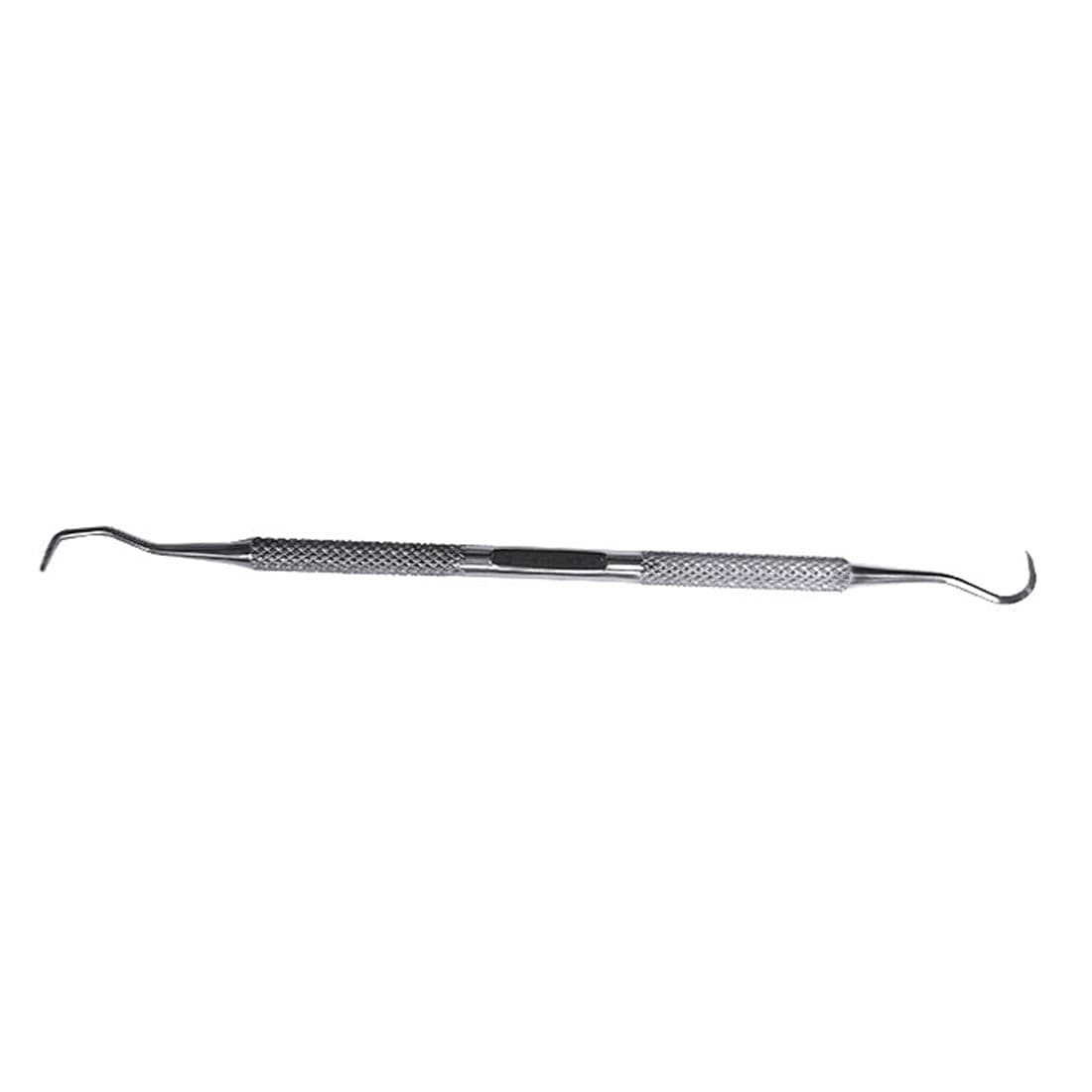
Apply low-tack transfer tape over the design before weeding — this holds small interior pieces (counters in letters like O, A, B) in place while you remove surrounding material. Use a precision weeding hook rather than a standard pick to lift only the unwanted vinyl without disturbing adjacent design elements. Work under good lighting, weed from the outside in toward fine details, and use a magnifying glass for designs with elements smaller than 5mm.

What is the difference between a standard craft knife and a precision swivel knife for cutting complex vinyl designs?

A standard craft knife cuts in one fixed direction — you rotate the material or reposition your hand for curves. A swivel knife has a rotating blade head that automatically follows the direction of the cut, eliminating the need to reposition and producing cleaner curves and corners in complex designs. For intricate freehand cutting of lettering and curved motifs, a swivel knife reduces cutting time and improves accuracy significantly compared to a fixed blade.

Are cutting blades classified as sharp waste and how should they be disposed of safely in a Canadian workplace?

Used cutting blades are sharp metal waste and must not be placed loose in recycling bins or general waste containers, where they pose injury risk to waste handlers. Wrap used blades tightly with tape before disposal, or collect them in a puncture-resistant sharps container approved for metallic blades. Under Canadian workplace safety regulations, sharp waste must be managed to prevent worker injury — maintain a designated blade disposal container in your cutting area and dispose of it as sharps waste when full.

How should precision cutting tools and weeding hooks be stored to keep blades sharp and tips protected?

Store craft knives with blade covers installed when not in use — exposed blades dull rapidly from contact with other tools in a drawer or toolbox. Store weeding tools in a foam-lined case or with tip protectors to prevent bending the precision hook tips. Keep cutting tools away from moisture, which accelerates corrosion on blade edges. A dedicated cutting tool roll or organised tray keeps blades accessible, protected, and identifiable by type without the safety risk of reaching into a drawer of loose sharp tools.

Drawer Title
productos similares