

























saltar al contenido
es
CAD

Bienvenido al nuevo sitio web de Joto Imaging Supplies

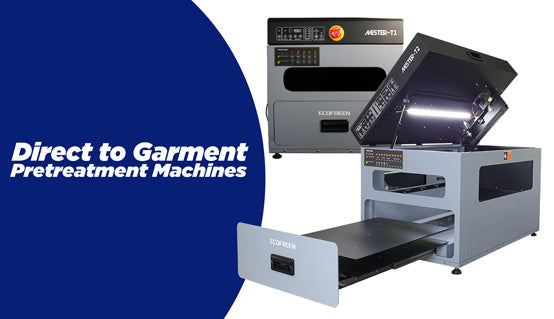
Máquinas de pretratamiento DTG

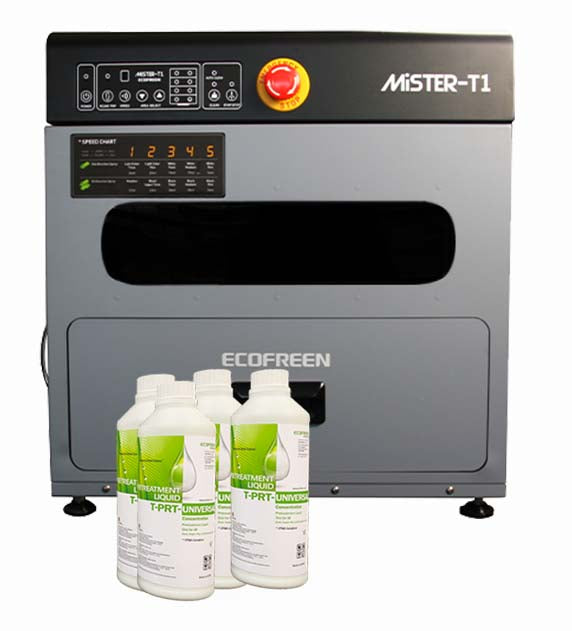
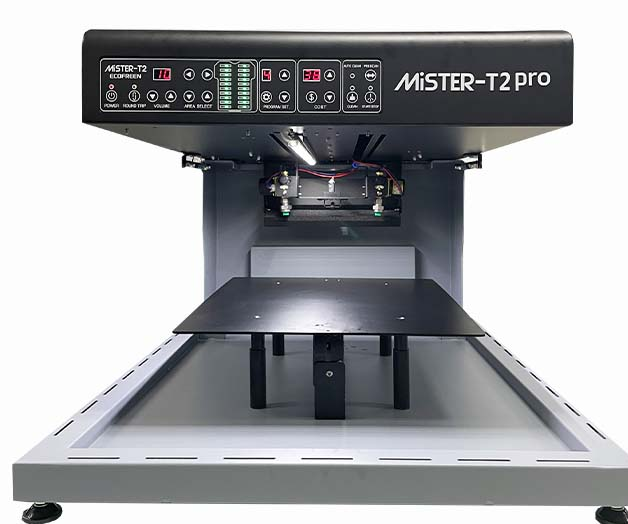
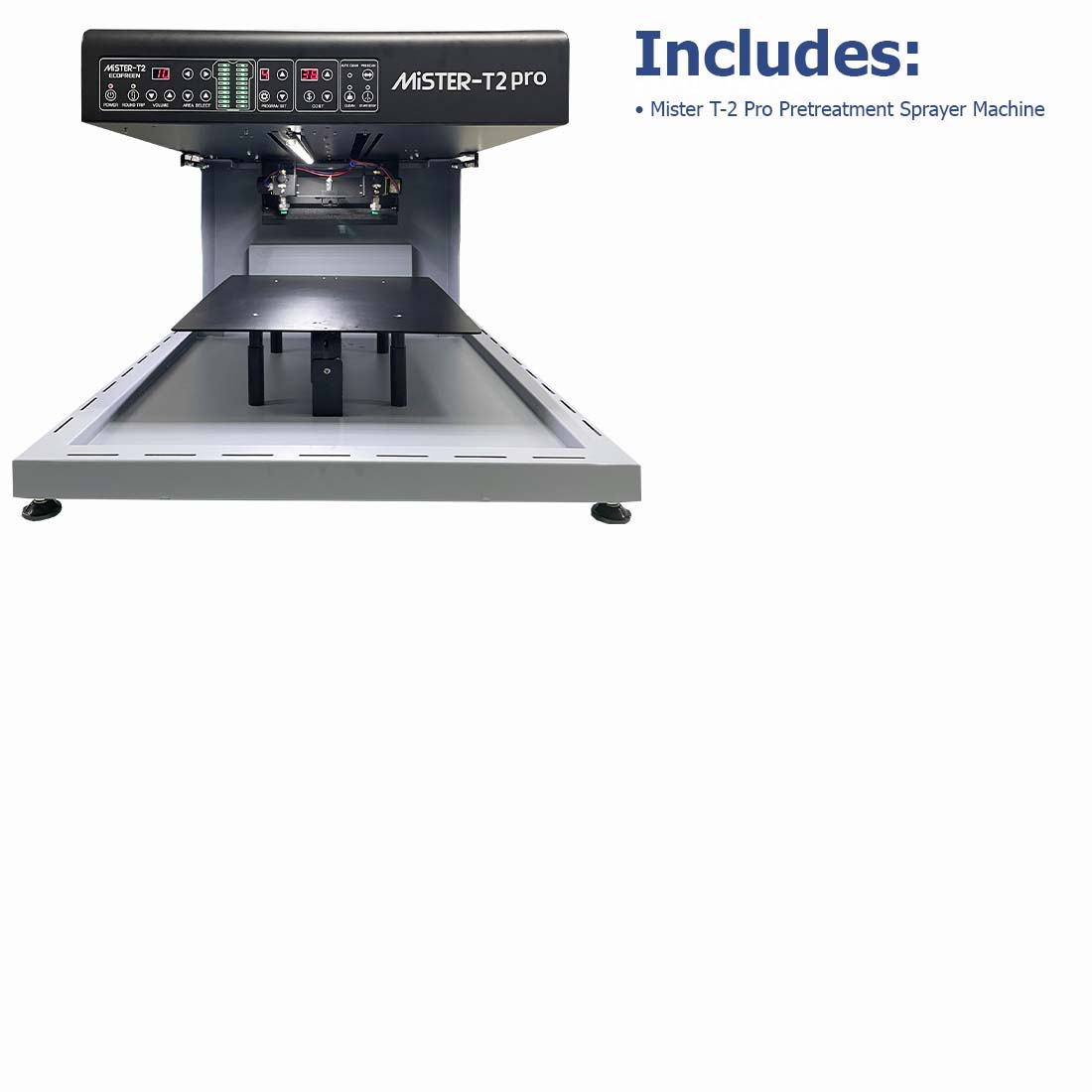
Máquinas de pretratamiento DTG para impresiones impecables

Prepare las prendas de la manera correcta con máquinas de pretratamiento DTG que garantizan colores más brillantes, detalles más nítidos y resultados duraderos.

El pretratamiento es clave para aprovechar al máximo el potencial de la impresión directa sobre prenda, y estas máquinas agilizan, uniformizan y simplifican el proceso. Al aplicar la cantidad correcta de pretratamiento en cada aplicación, crean una superficie ideal para la adhesión de las tintas, evitando la decoloración y preservando la calidad de la imagen. Diseñadas para la eficiencia, las máquinas de pretratamiento DTG reducen los errores manuales y ahorran tiempo, lo que las hace esenciales para los talleres que valoran la calidad profesional. Ya sea que produzca camisetas, sudaderas o telas especiales personalizadas, el pretratamiento garantiza que los colores resalten y que los detalles se mantengan nítidos después de múltiples lavados. Los diseños compactos se adaptan fácilmente a cualquier espacio de trabajo y ofrecen un rendimiento fiable tanto para tiradas pequeñas como grandes. Con los equipos y el soporte de Joto, puede lograr resultados excepcionales, aumentar la productividad y entregar prendas que superen las expectativas del cliente en cada pedido.
Filtrar

3 productos

  • Ordenar por

FAQs

What is a DTG pretreatment machine and why is it needed for dark garment printing?

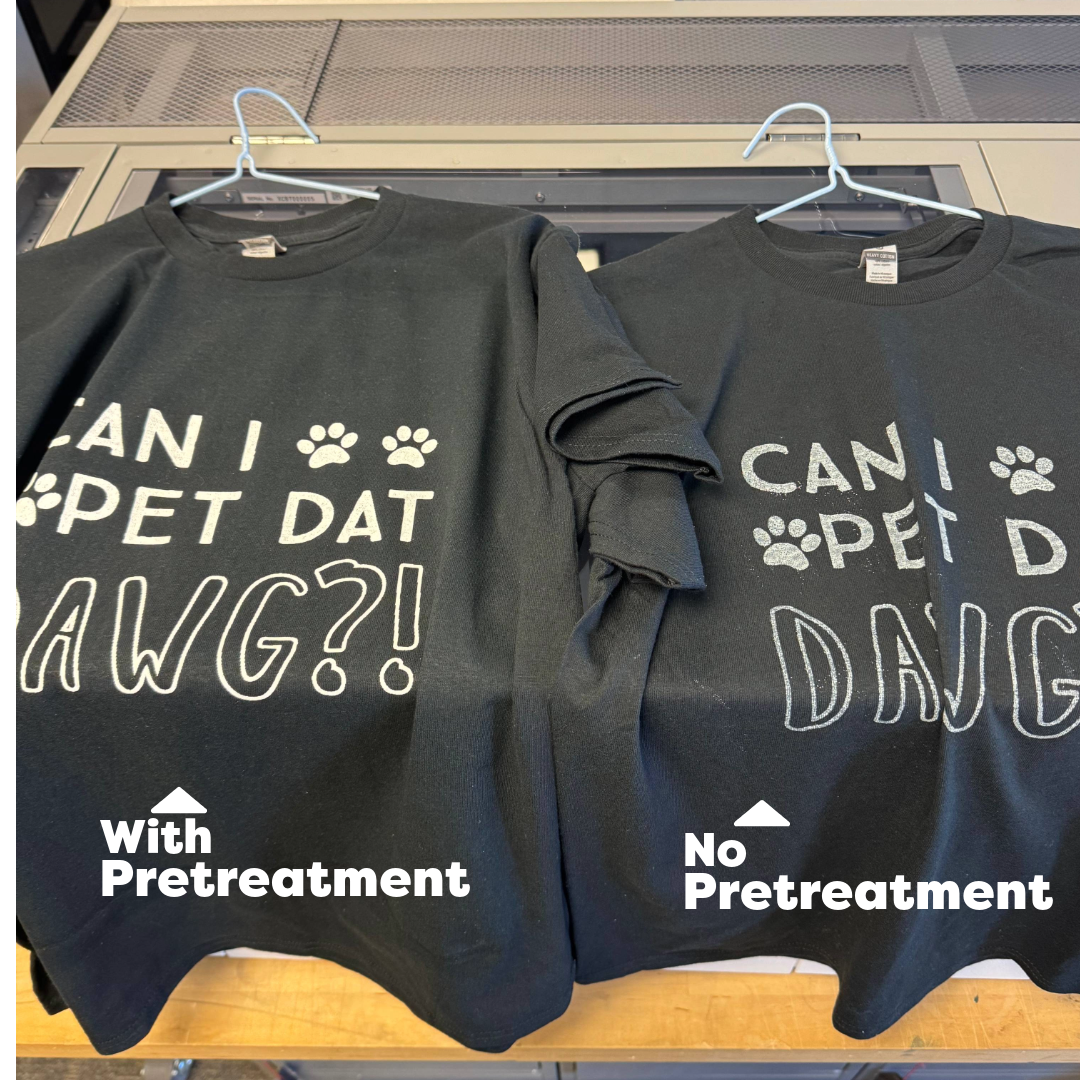
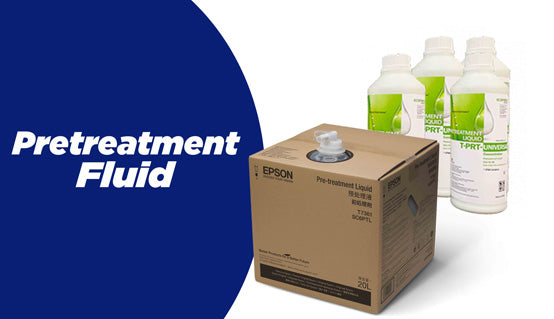
A DTG pretreatment machine applies a liquid pretreatment solution to garments before DTG printing. Pretreatment is essential for dark garments because it creates a surface that holds the white ink underbase firmly in place — without it, white ink soaks into the fabric and produces a dull, gray result instead of a bright white foundation. On light garments, pretreatment improves color vibrancy and wash durability even when a white underbase is not used.

What spray volume and platen speed settings produce even pretreatment coverage on a standard t-shirt?

Start with 18–22ml of pretreatment for a full-front print area on a standard adult t-shirt (approximately 14x16 inches). Run the platen at medium speed — too fast causes thin coverage with dry patches, too slow causes oversaturation that leads to a stiff hand feel and ink repelling. Print test garments under UV light to visualize coverage before committing spray volume settings to production.

Is a dedicated pretreatment machine compatible with all pretreatment solution brands, or is it formula-specific?

Most pretreatment machines are compatible with a range of pretreatment solutions as long as the viscosity falls within the machine's spray nozzle specification. However, some DTG printer manufacturers recommend or require their own branded pretreatment for warranty compliance. Always verify compatibility and test a sample garment before switching pretreatment brands in production — formula changes can affect spray behavior and dry time.

Why is my pretreatment leaving a visible white residue or stiff patch on the garment after heat curing?

Visible residue after curing is caused by over-application of pretreatment — too much solution is being deposited for the fabric weight and weave. Reduce spray volume by 15–20% and re-test. Also check that the heat press temperature and dwell time are sufficient to fully activate the pretreatment: under-cured pretreatment remains tacky and whitish. For stubborn residue, lightly misting the pretreated area with water before pressing can help distribute the solution more evenly into the fabric.

How does properly applied pretreatment affect the wash durability of DTG prints on dark garments?

Correct pretreatment application is the single biggest factor in DTG print wash durability on dark garments. Well-pretreated and properly cured prints typically withstand 40–60 wash cycles before noticeable fading. Under-pretreated prints may fail within 10–15 washes as the white underbase has insufficient bond strength. Consistent pretreatment volume and curing are more important to wash durability than ink brand or press time.

What is the cost-per-garment of automated pretreatment versus manual spray application for a 100-piece dark garment order?

Manual spray application typically uses 25–35ml per garment due to less precise control, adding $0.10–$0.20 per garment in solution cost versus 18–22ml with an automated machine. More importantly, manual pretreatment takes 45–90 seconds per garment versus 8–15 seconds in an automated machine, representing 45–90 minutes of labor time for 100 garments that an automated machine reduces to under 25 minutes. At production volume, the machine pays for itself in labor savings within weeks.

What is the best technique for pretreating garments with pockets or seams that cause coverage gaps?

For garments with chest pockets or seams crossing the print area, insert a piece of thin cardboard or foam behind the pocket and under seams to create a flat surface before pretreating. This prevents the spray from skipping over raised edges, which creates light spots in the final print. Remove the insert before pressing so the garment lies flat during curing.

What is the difference between a spray-based pretreatment machine and a roller-based pretreatment system?

Spray-based machines atomize pretreatment and deposit it uniformly across the garment surface — they are the industry standard for most DTG workflows. Roller-based systems apply pretreatment using a foam or felt roller, which can be more economical on solution but risks uneven coverage on textured fabrics. For high-volume shops prioritizing consistency and speed, spray-based machines are the preferred choice.

Is DTG pretreatment solution safe to handle without protective equipment?

Pretreatment solutions contain cationic compounds that can cause skin and eye irritation on direct contact. Wear nitrile gloves and safety glasses during refilling and maintenance. Ensure the workspace is ventilated, as fine spray mist generated during operation should not be inhaled regularly. Review the SDS for your specific pretreatment brand for full PPE recommendations and emergency response procedures.

How do I prevent pretreatment spray nozzles from clogging during production?

Flush the spray nozzles with distilled water at the end of every production session — never leave pretreatment sitting in the lines overnight. If the machine will be idle for more than 24 hours, run a full water flush through the system. Weekly, remove and soak nozzle tips in warm water to dissolve any mineral buildup. Pretreatment solutions contain salts that crystallize on nozzle tips and are the primary cause of spray inconsistency in pretreatment machines.

Drawer Title
productos similares