






















saltar al contenido
es
CAD

Bienvenido al nuevo sitio web de Joto Imaging Supplies

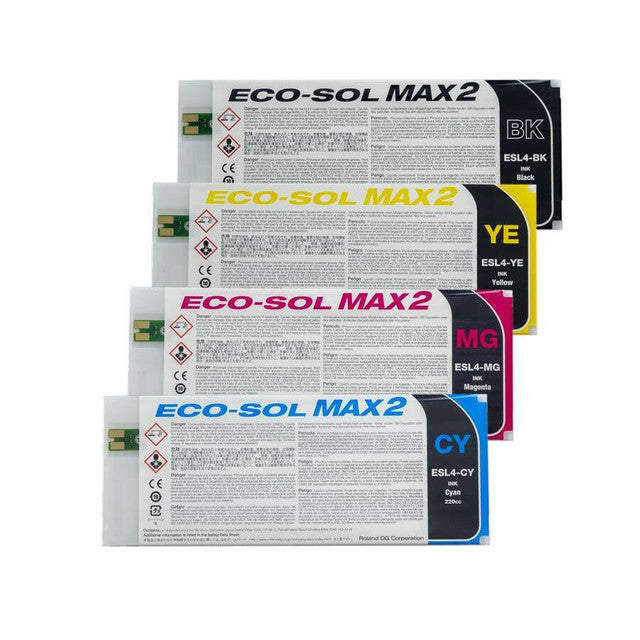
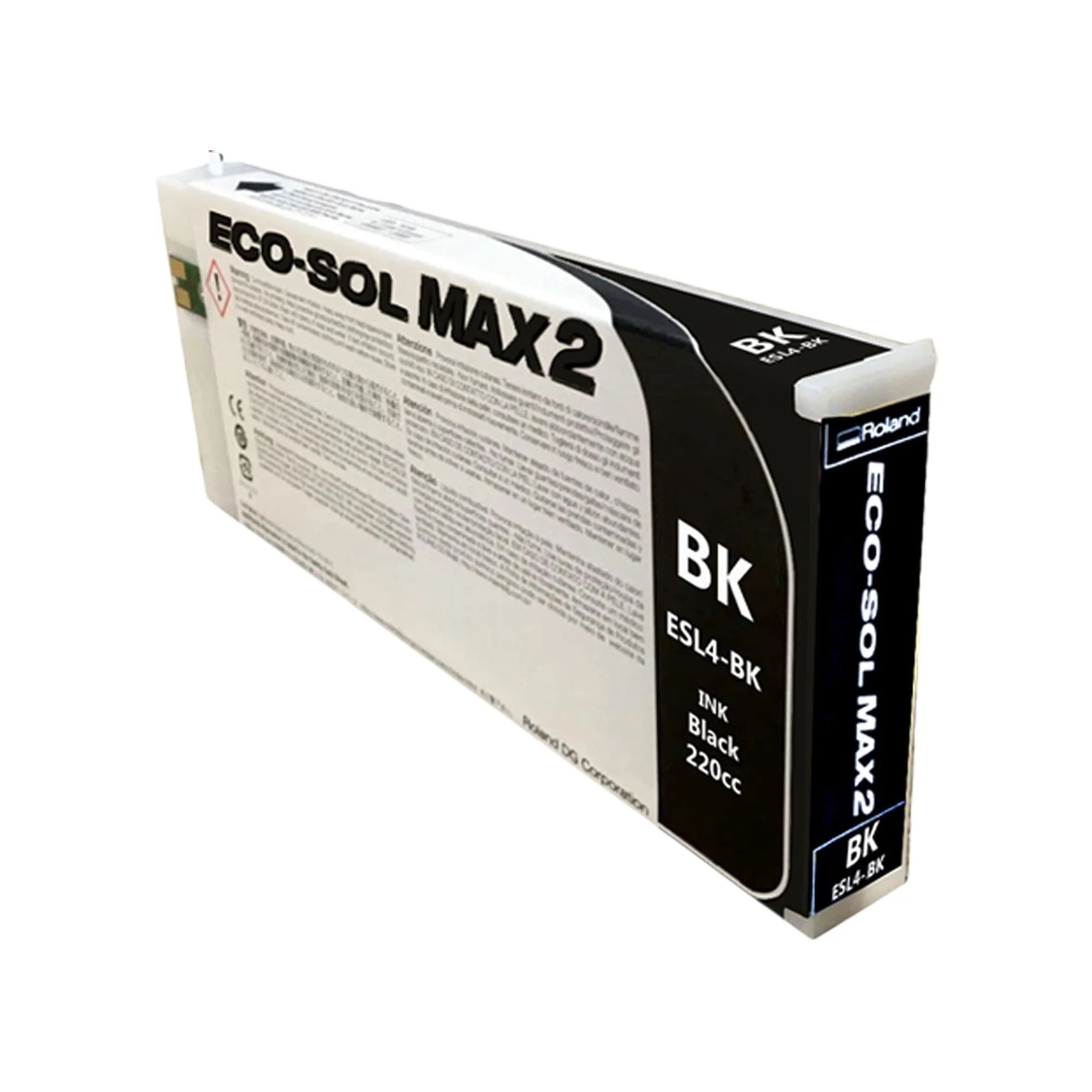
Accesorios Eco Solventes

Impresoras eco solventes para gráficos duraderos

Produzca impresiones vibrantes que resistan el tiempo y el clima con impresoras eco solventes diseñadas para brindar eficiencia, calidad y versatilidad.

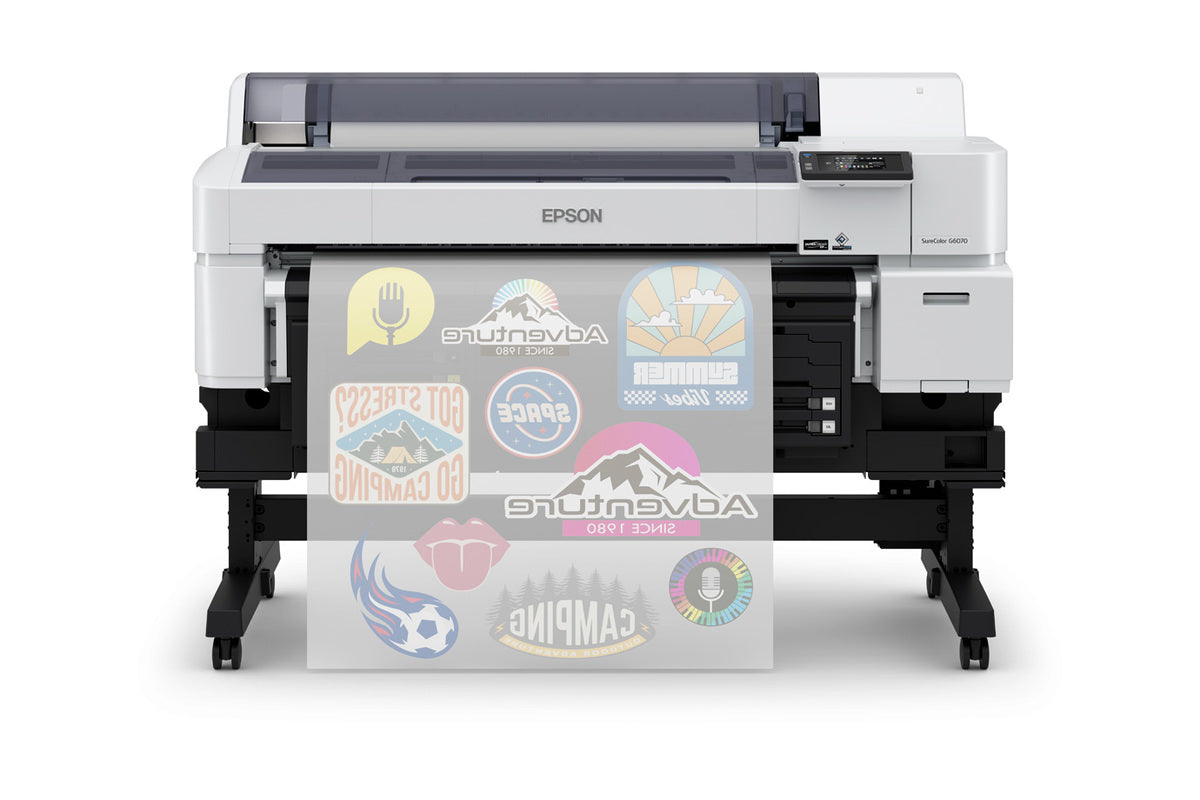
La tecnología ecosolvente combina una reproducción nítida de imágenes con una larga durabilidad, lo que la convierte en la opción preferida para señalización, rotulación de vehículos, pancartas y calcomanías. Estas impresoras utilizan tintas ecológicas que ofrecen colores vivos y resisten la decoloración, los rayones y la humedad. Diseñadas para empresas que exigen resultados profesionales, las impresoras ecosolventes ofrecen la flexibilidad necesaria para manejar aplicaciones tanto en interiores como en exteriores con facilidad. Su ingeniería de precisión garantiza una calidad consistente en diferentes tipos de soportes, desde vinilo hasta papeles estucados y películas especiales. Perfectas para producciones de alto volumen o trabajos únicos personalizados, ofrecen confiabilidad y costos operativos reducidos sin comprometer el rendimiento. Ya sea que esté ampliando sus servicios o actualizando sus equipos existentes, las impresoras ecosolventes abren nuevas oportunidades creativas. Con el respaldo de la experiencia y la rapidez de entrega de Joto, permiten a los talleres de impresión crecer con confianza y satisfacer las necesidades cambiantes de los clientes con gráficos excepcionales.
Frequently Asked Questions:

What are eco solvent accessories and what role do they play in wide-format printing?

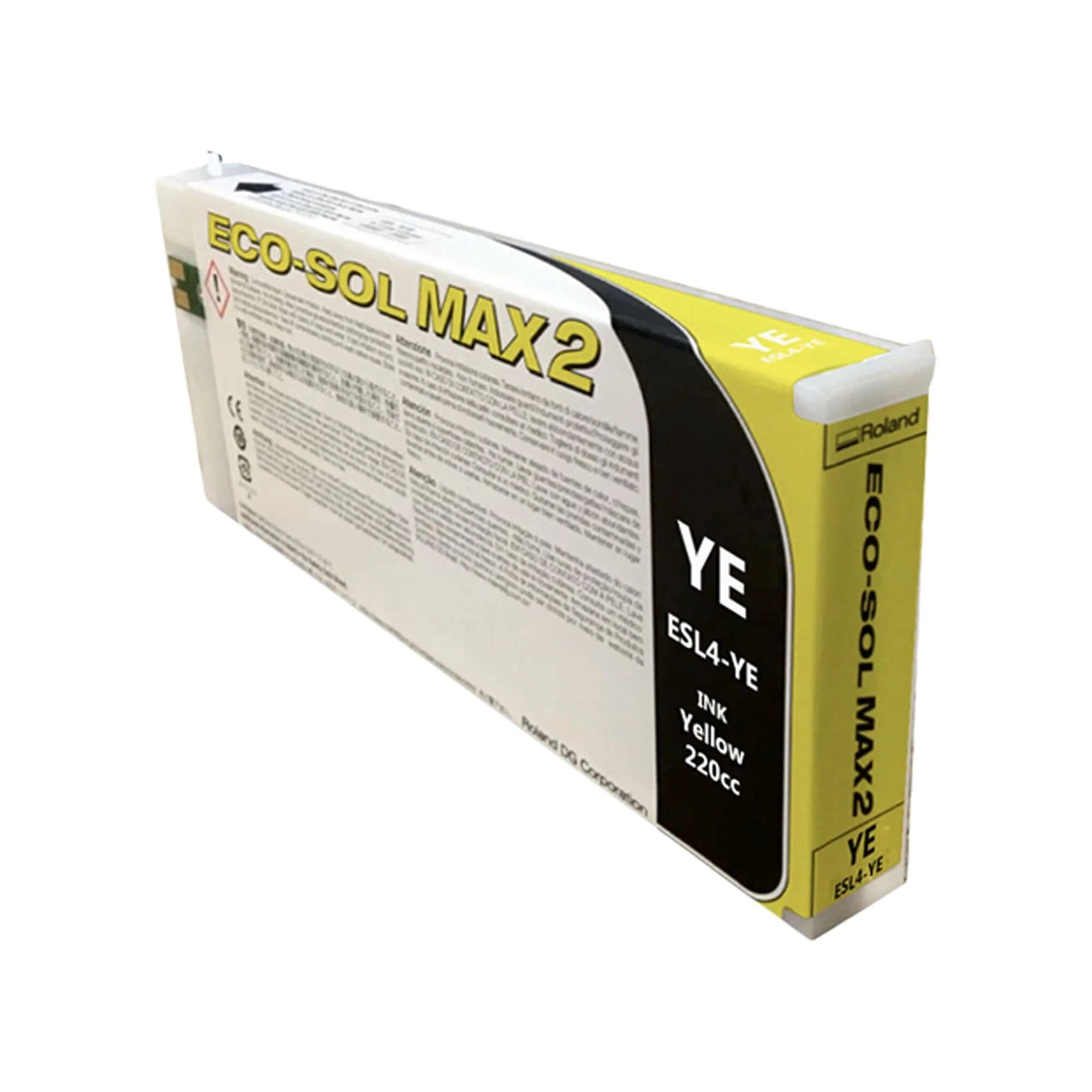
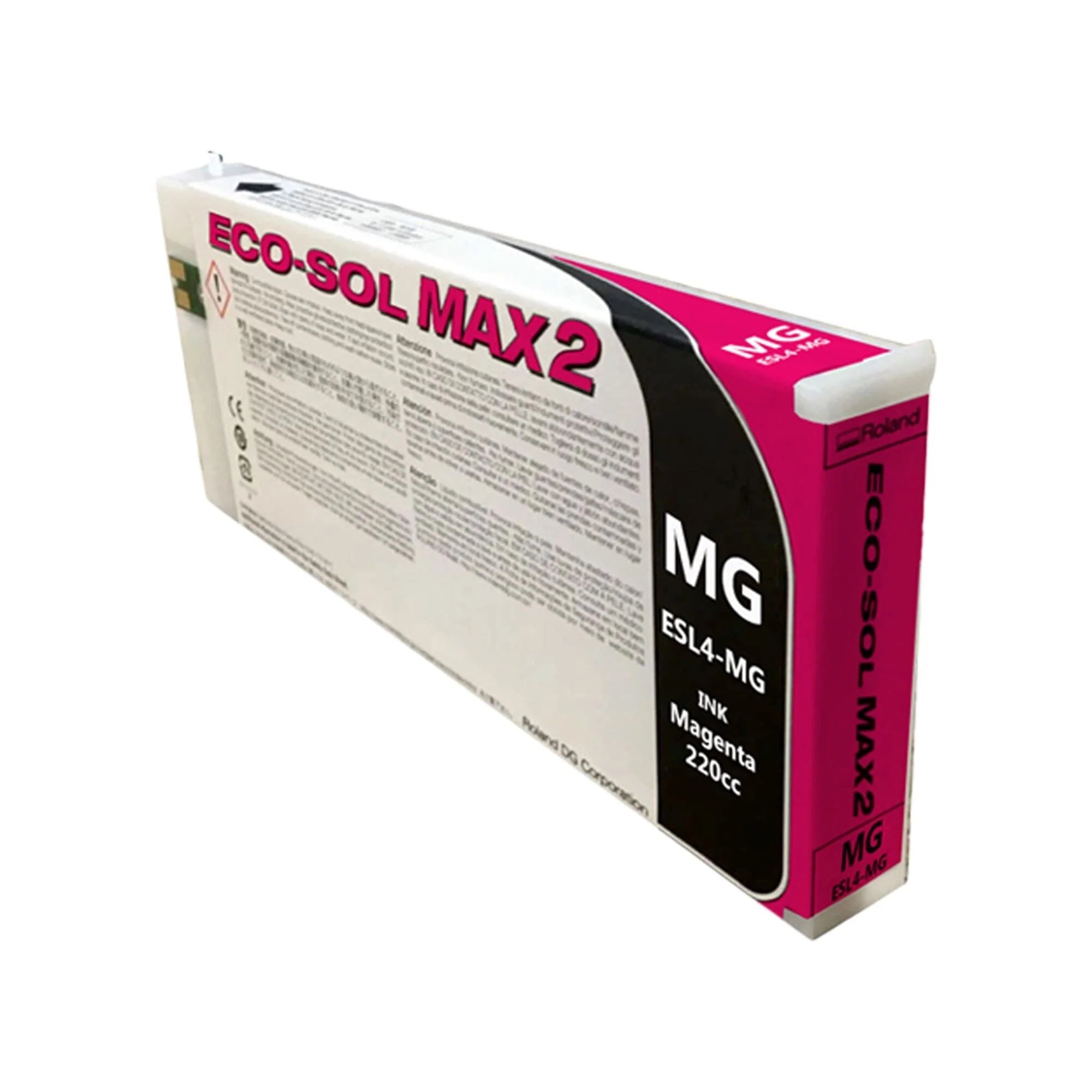
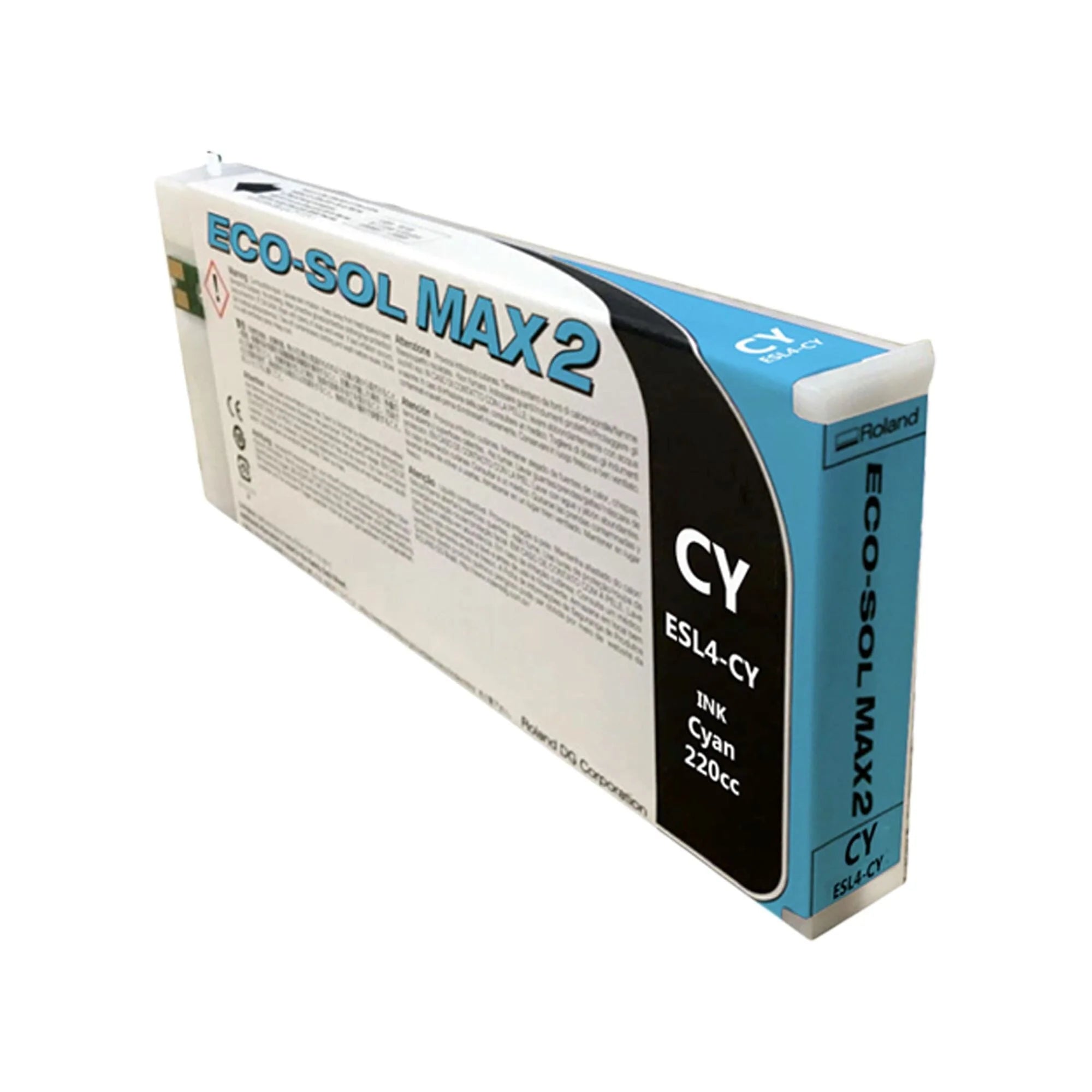
Eco solvent accessories are the consumable and maintenance items that support eco solvent inkjet printers — including cleaning solution, maintenance cartridges, capping station pads, wiper blades, dampers, and specialty media. These items maintain print head health, ink delivery consistency, and output quality on eco solvent printers used for signage, vehicle wraps, decals, and banners.

What cleaning solution viscosity and flushing volume are recommended for a blocked eco solvent print head?

Use the cleaning fluid specifically formulated for your printer brand and ink type — eco solvent cleaners are not universal and using the wrong formulation can damage print head materials. For a partial blockage, run 2–3 standard cleaning cycles before escalating to a powerful flush. For a severe clog, soak the capping station with cleaning fluid for 15–30 minutes before running a deep clean cycle to soften dried ink deposits.

Is eco solvent cleaning solution compatible with all eco solvent ink brands, or does it need to match the ink?

Cleaning solution must be chemically compatible with your specific ink formulation. Eco solvent inks from different manufacturers use different solvent carriers — a cleaning solution designed for one brand may not dissolve dried residue from another and can cause swelling in dampers and seals. Always source cleaning solution from the same supplier as your inks, or verify compatibility explicitly with the ink manufacturer before switching brands.

Why is my eco solvent printer leaving streaks on the output even after running multiple cleaning cycles?

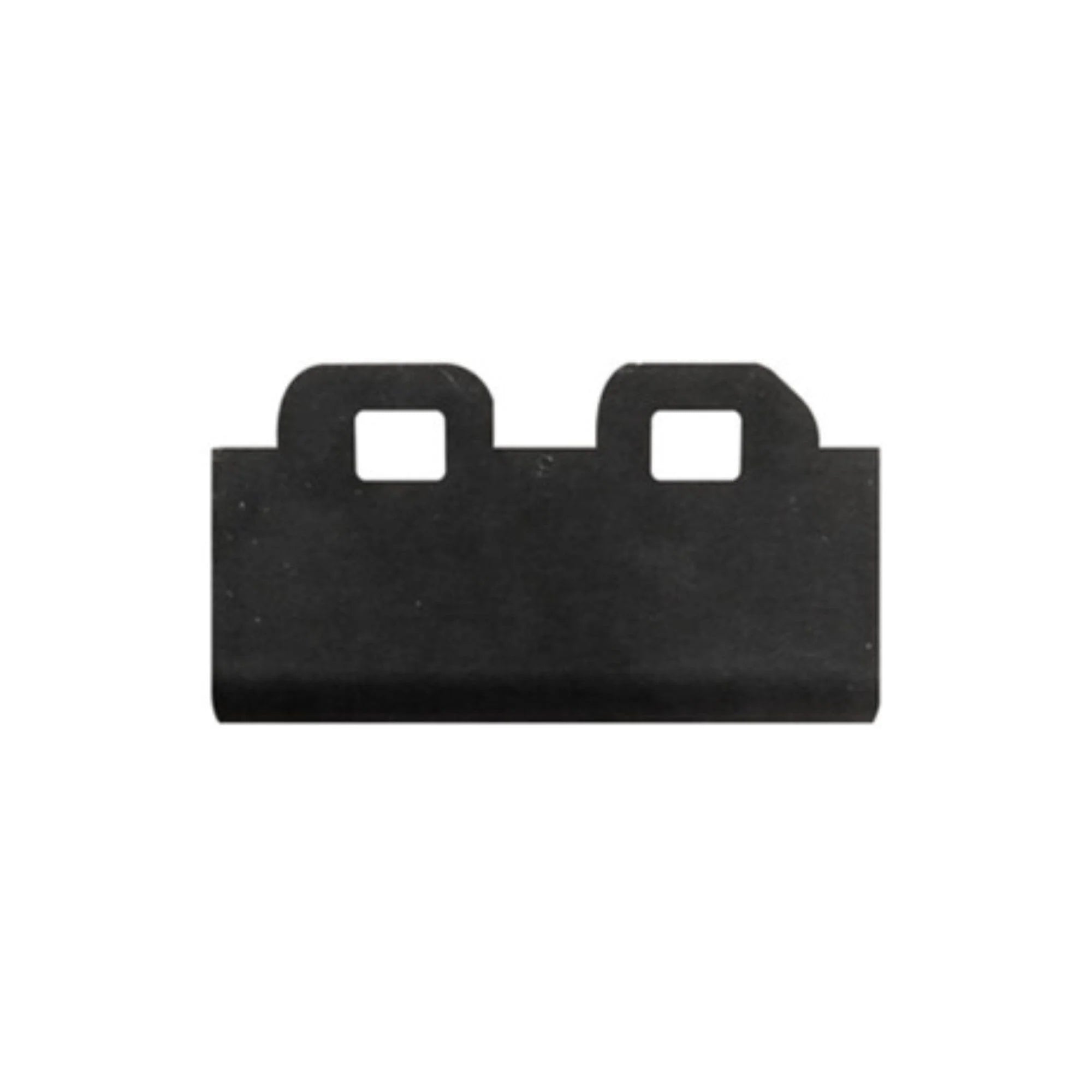
Persistent streaking after cleaning cycles usually indicates a worn wiper blade or a fouled capping station rather than a clogged nozzle. The wiper blade cleans the nozzle plate during maintenance — a worn blade smears ink instead of removing it, leaving deposits that block nozzles. Inspect and replace the wiper blade first. If streaking continues, soak and clean the capping station pads, which can accumulate hardened ink that re-deposits on the nozzle plate during capping.

How long do eco solvent prints on vinyl last outdoors before showing UV fading or edge lifting?

Eco solvent prints on quality cast vinyl with a compatible laminate typically last 3–5 years outdoors with minimal color shift. Unlaminated eco solvent prints on calendared vinyl have a shorter outdoor life of 1–2 years. UV exposure, climate, and surface preparation quality all affect longevity significantly. Prints in high-UV environments like Southern Canada summers or mounted on dark surfaces that absorb heat will show earlier degradation than prints in shaded or interior applications.

What is the cost impact of using genuine OEM maintenance accessories versus compatible aftermarket parts on an eco solvent printer?

OEM dampers, wiper blades, and capping stations cost 2–4x more than quality aftermarket equivalents. For a shop running a printer daily, annual maintenance part costs with OEM components can reach $300–$600; aftermarket reduces this to $100–$200 with comparable performance on proven-compatible parts. The risk with aftermarket is compatibility — an incompatible damper that allows air into the ink line causes print defects worth far more to resolve than the savings on the part.

What is the professional technique for priming new dampers after installation to prevent air bubble artifacts?

After installing new dampers, run a powerful ink charge cycle rather than a standard cleaning — this forces ink through the new dampers under pressure and expels any air trapped during installation. Follow with a nozzle check: any missing nozzle rows after a charge indicate residual air bubbles. Run 2–3 more powerful cleanings until the nozzle check is 100% before printing production jobs. Rushing back to production with partially primed dampers causes banding that is often misdiagnosed as a clogged head.

What is the difference between eco solvent and latex inks, and why would a shop choose eco solvent accessories over a latex workflow?

Eco solvent inks use mild organic solvents that penetrate media for a durable, flexible bond without requiring the high-heat drying infrastructure of latex printing. Eco solvent accessories are typically lower cost and the printers have lower acquisition cost than comparable latex units. Latex printing offers odor-free output and immediate handling after printing, making it better for enclosed environments. Eco solvent is the preferred choice for shops prioritizing media compatibility range and lower equipment investment.

Are eco solvent inks and cleaning solutions classified as hazardous materials under Canadian WHMIS regulations?

Eco solvent inks and cleaning solutions are WHMIS-classified as flammable or combustible liquids in most formulations and require appropriate storage and handling precautions. Store away from ignition sources, in a well-ventilated area, and in original sealed containers. Use nitrile gloves and safety glasses when handling cleaning solutions and performing maintenance. Maintain SDS documents on-site for all chemicals and review them with staff annually as required under WHMIS legislation.

How should I store eco solvent ink cartridges and cleaning solution during extended printer downtime?

For downtime longer than 2 weeks, remove ink cartridges and store them sealed upright at 59–77°F (15–25°C) away from light and heat. Fill the ink lines and capping station with cleaning solution to prevent ink from drying in the system. Store cleaning solution in original containers with caps tightly sealed in a flammable materials storage cabinet if your volume exceeds WHMIS threshold quantities. Never store eco solvent materials in freezing conditions — the solvent carrier separates from pigment permanently when frozen.

Drawer Title
productos similares