































saltar al contenido
es
CAD

Bienvenido al nuevo sitio web de Joto Imaging Supplies

Accesorios DTG

Accesorios DTG para mejorar su flujo de trabajo de impresión

Herramientas confiables que favorecen un funcionamiento más fluido, una mayor eficiencia y resultados profesionales.

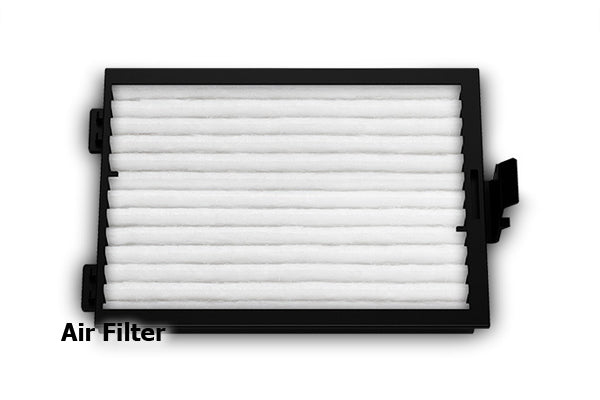
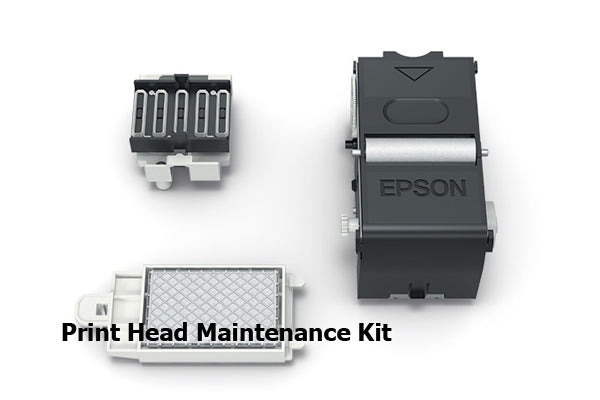
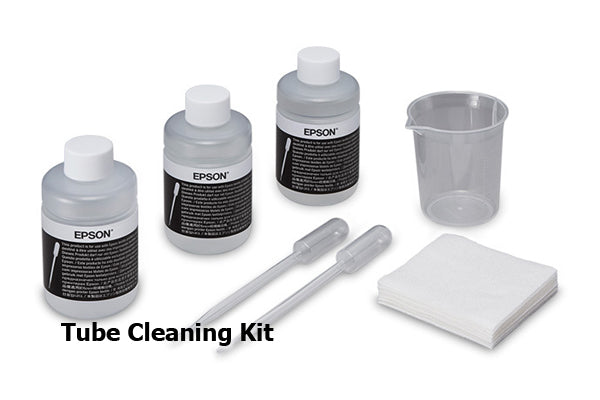
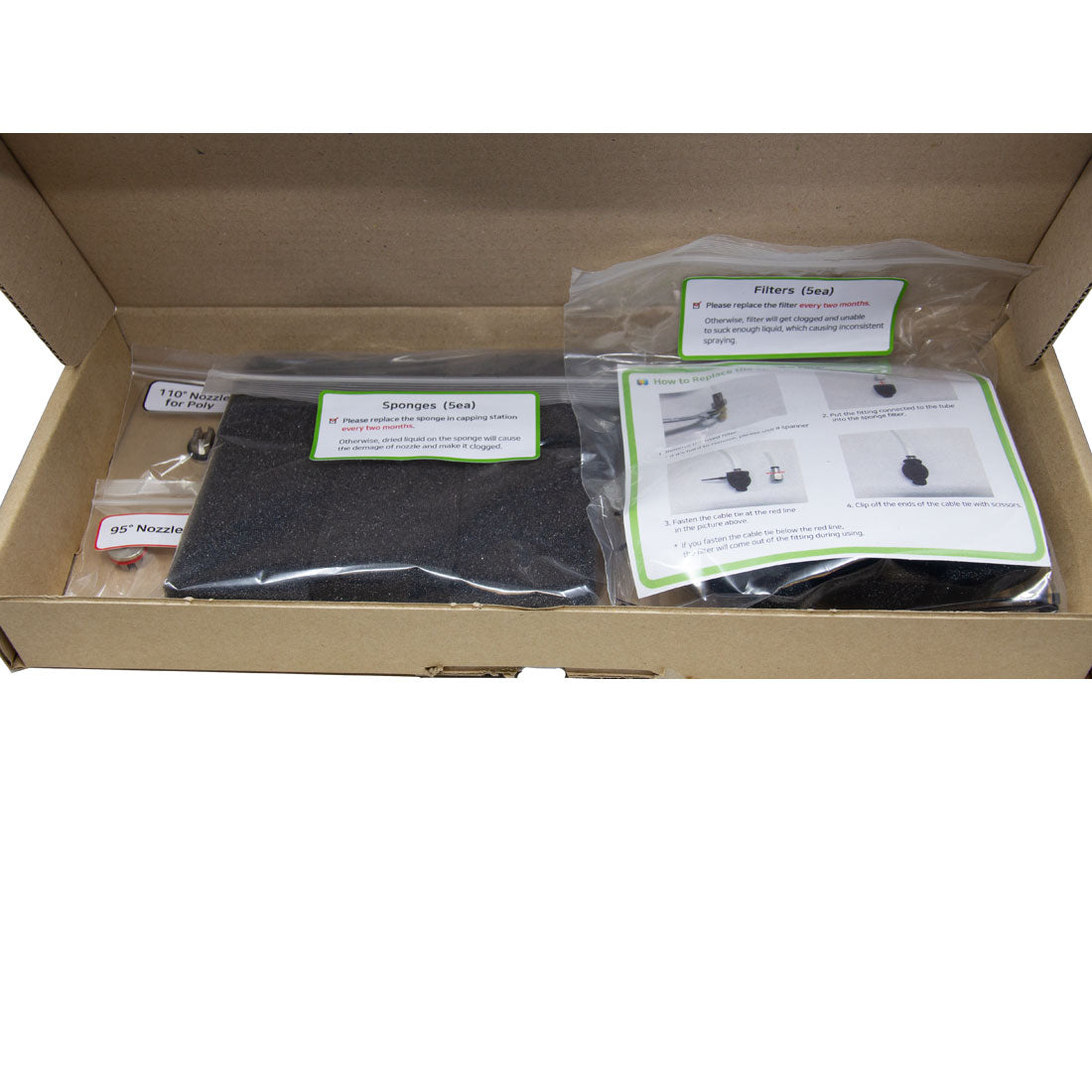
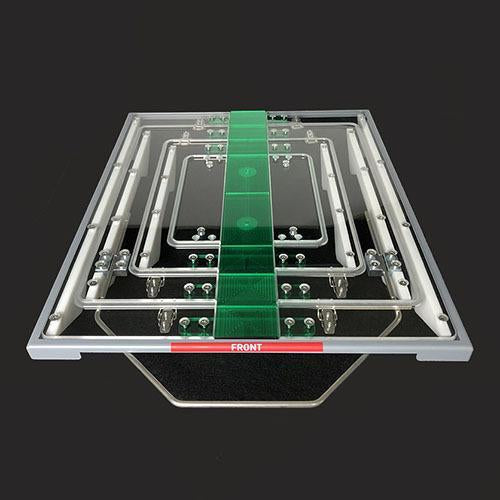
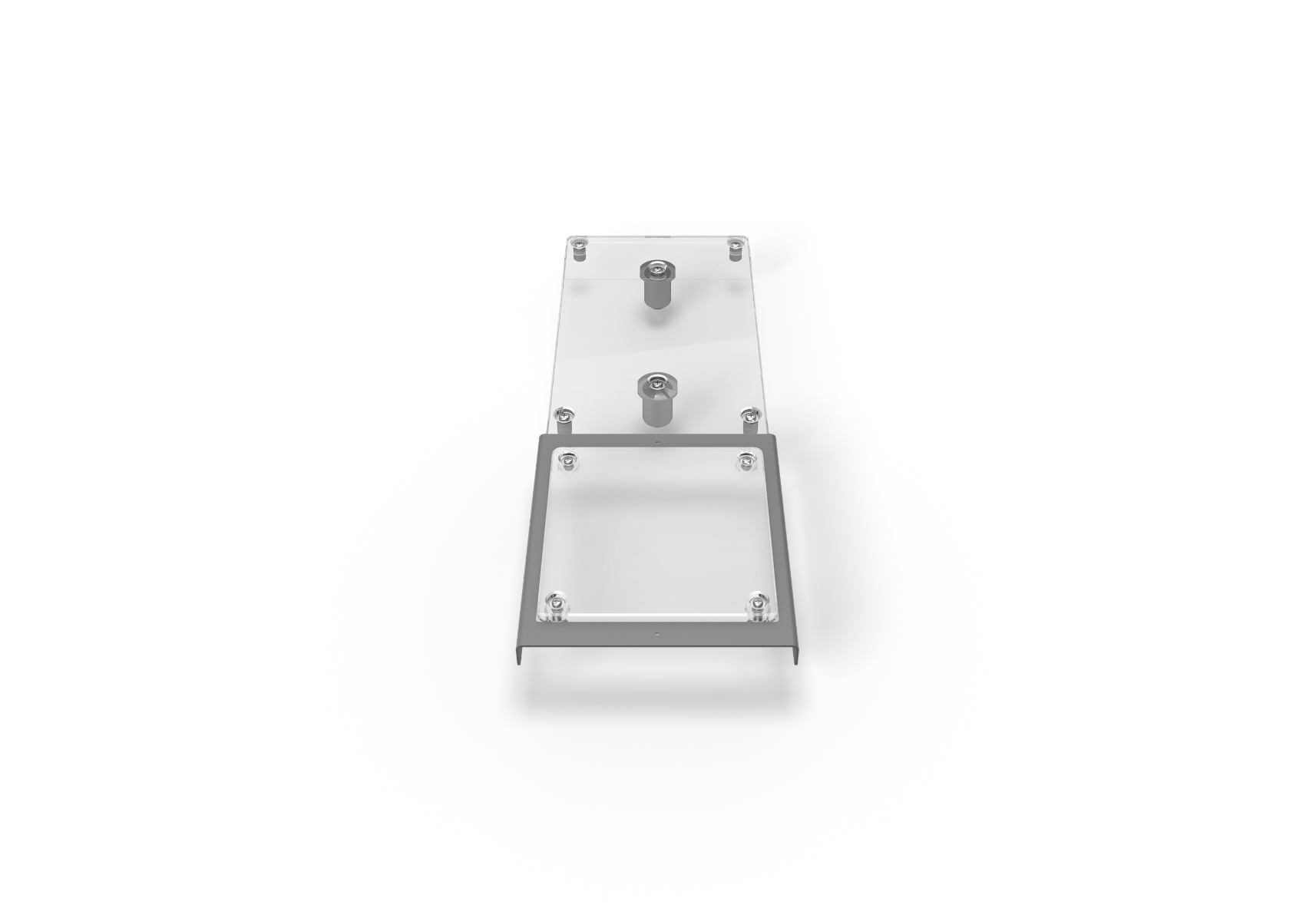
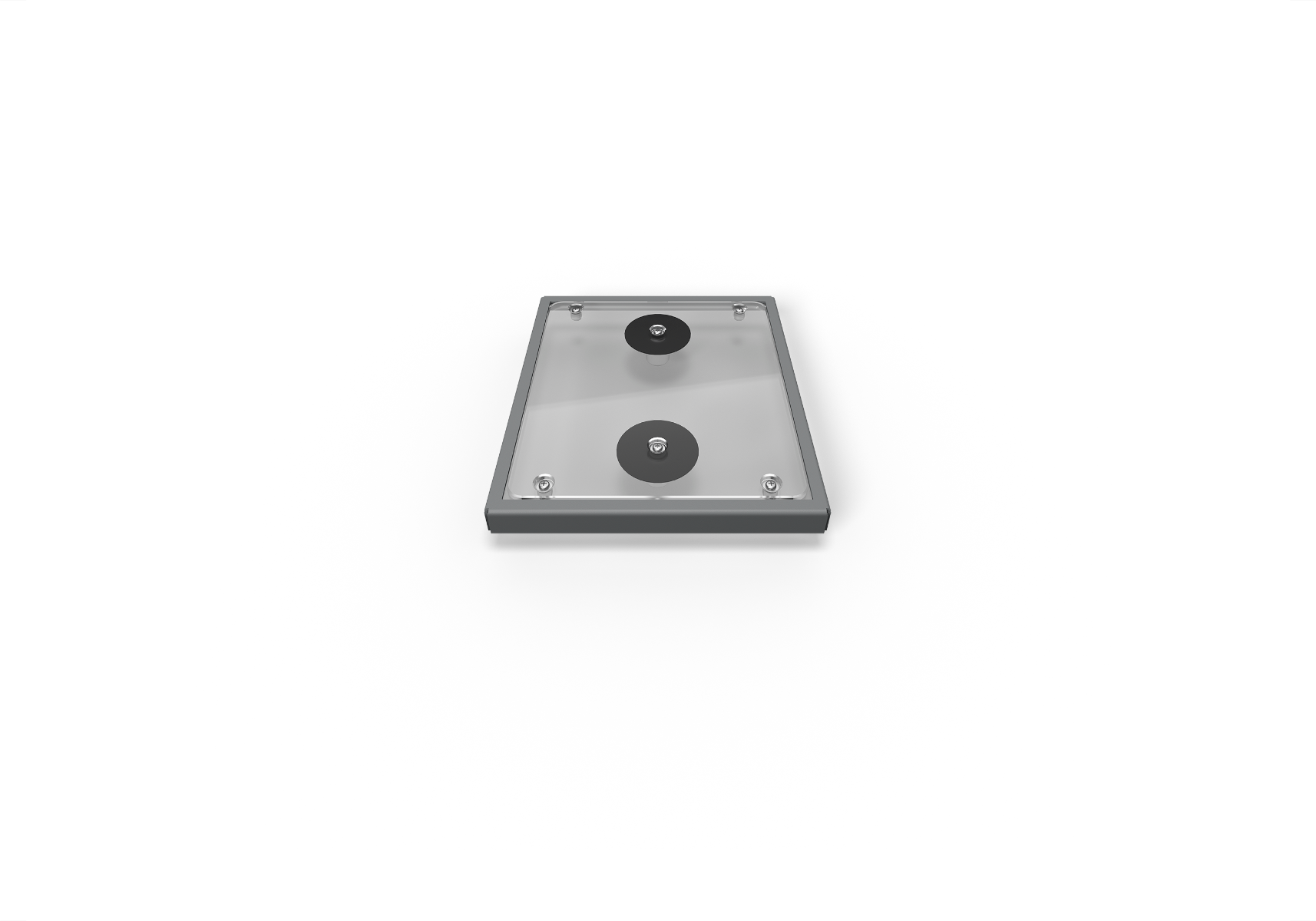
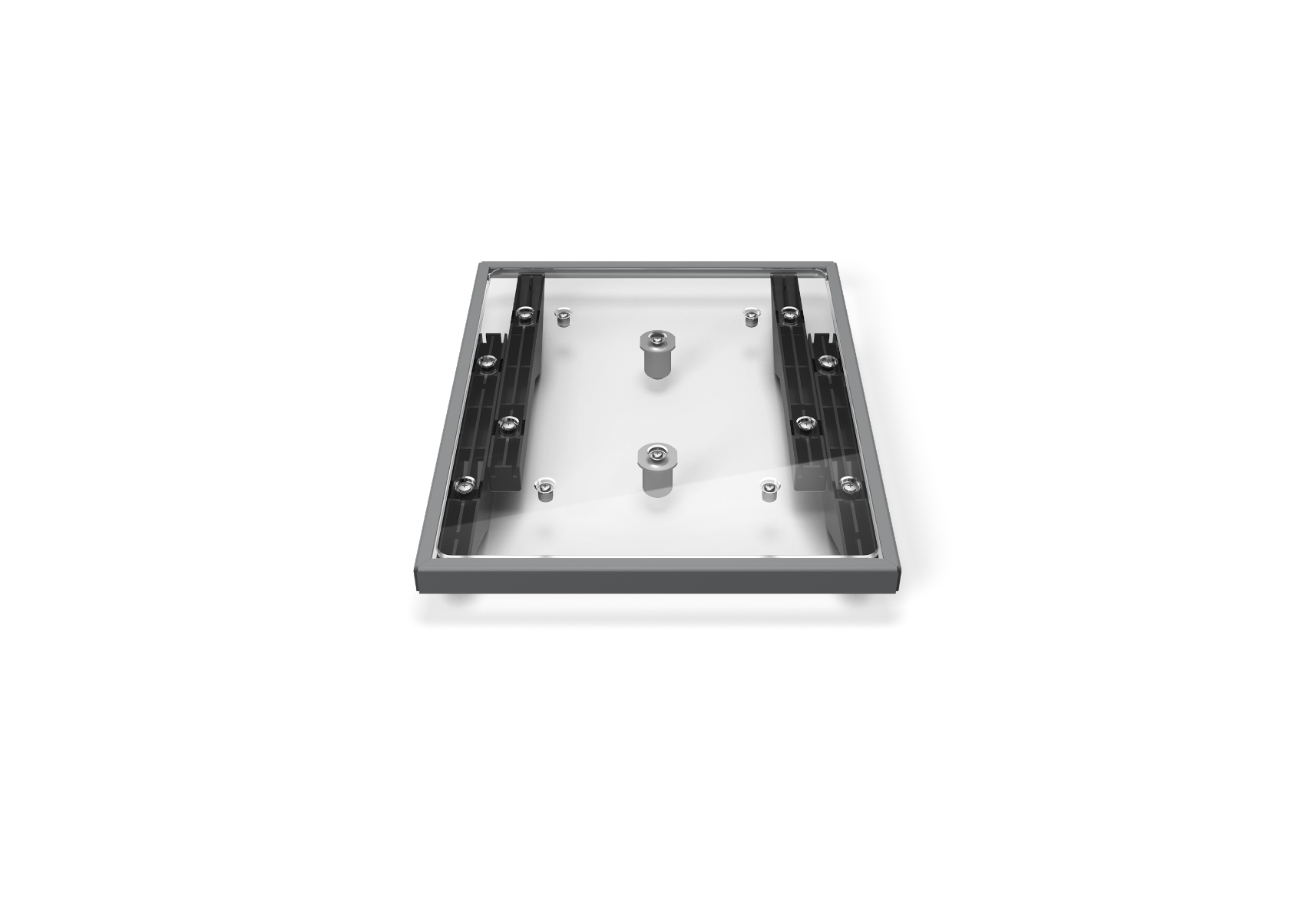
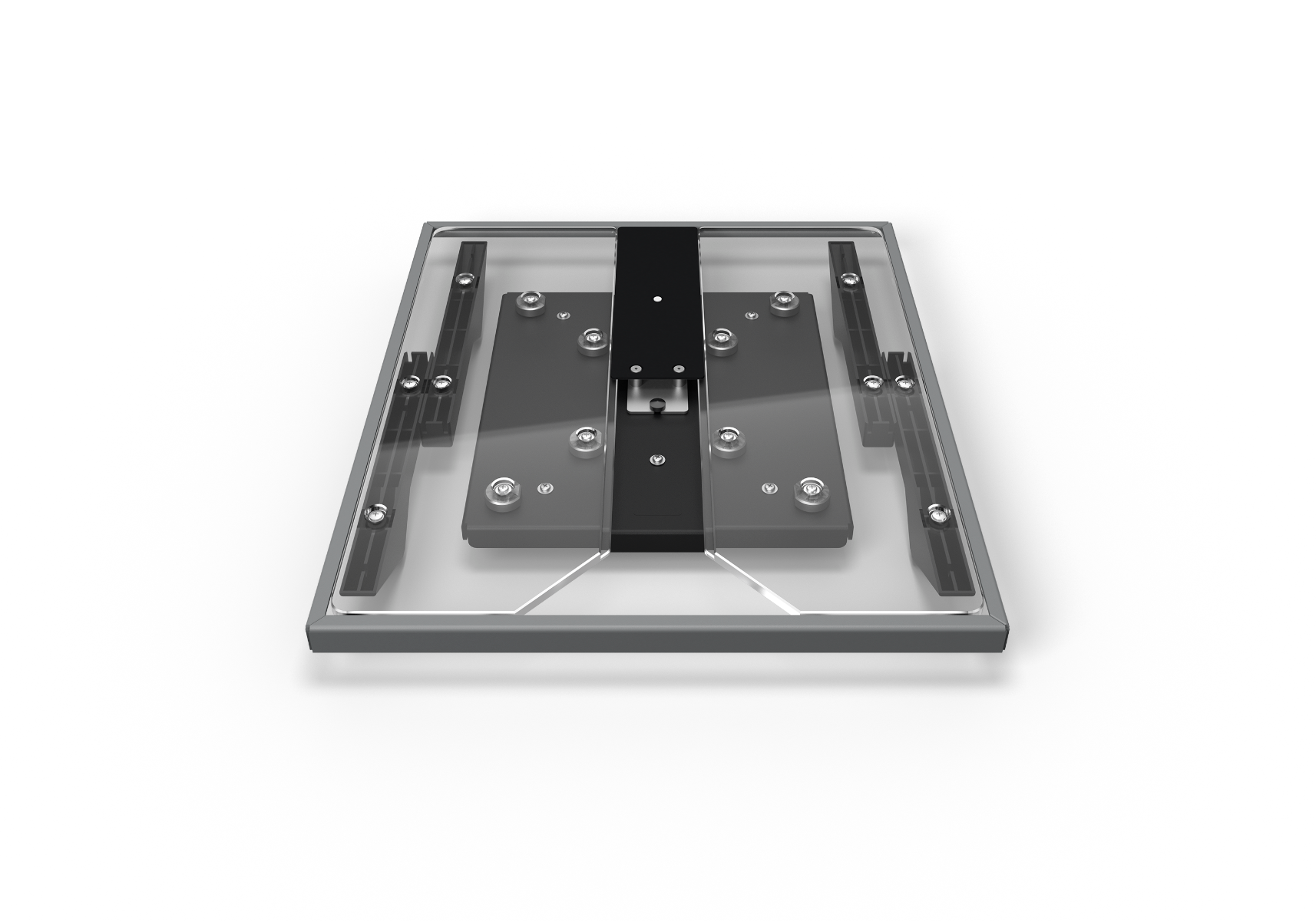
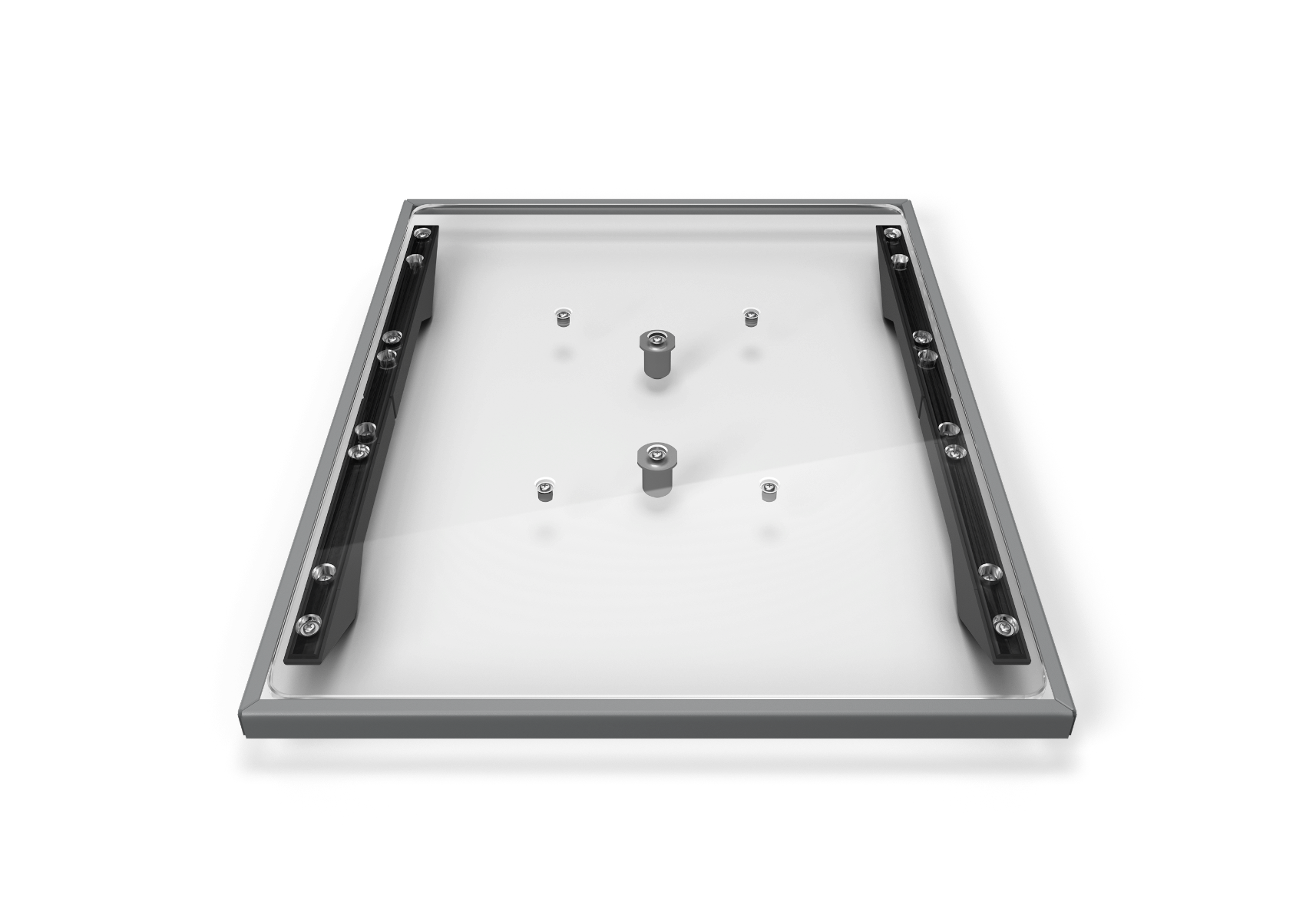
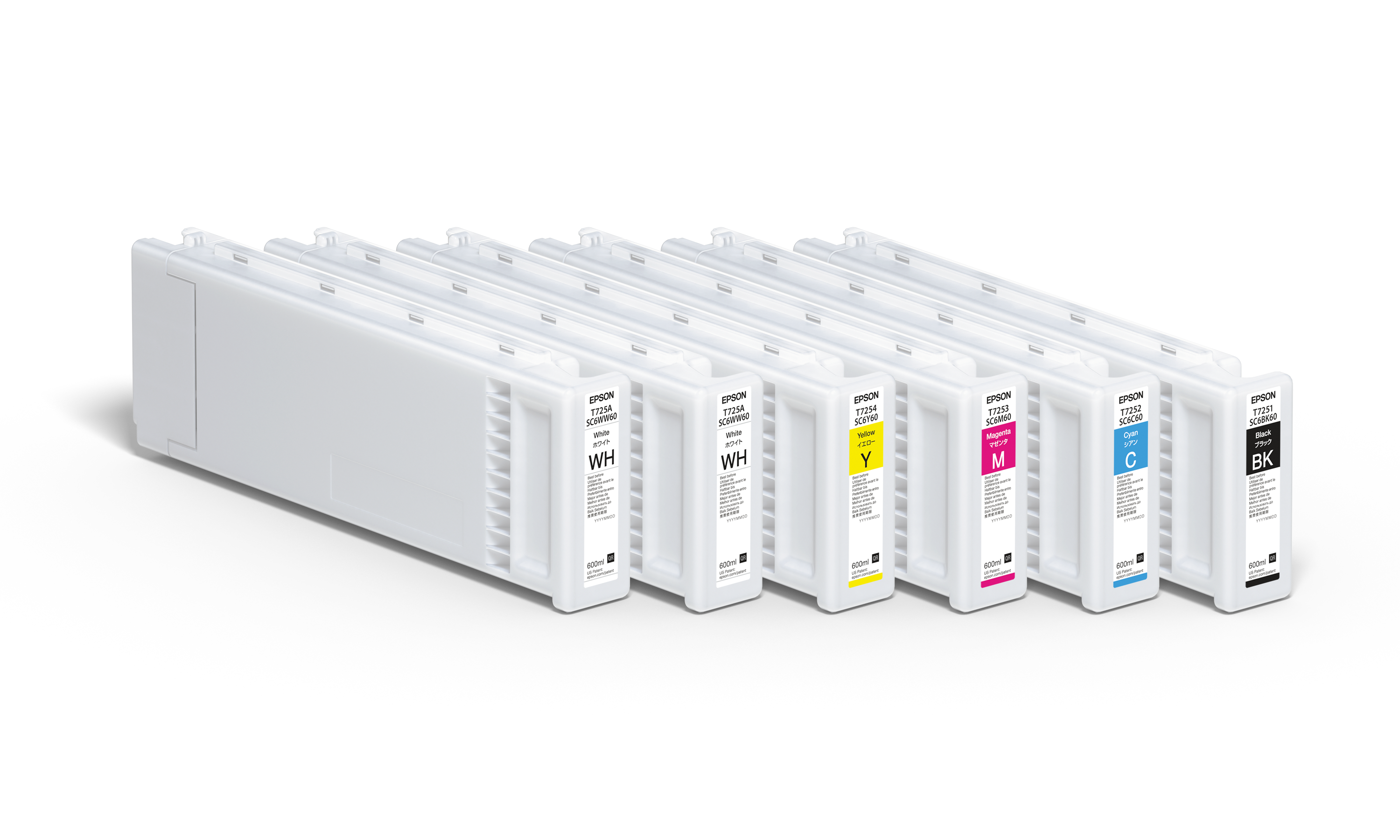
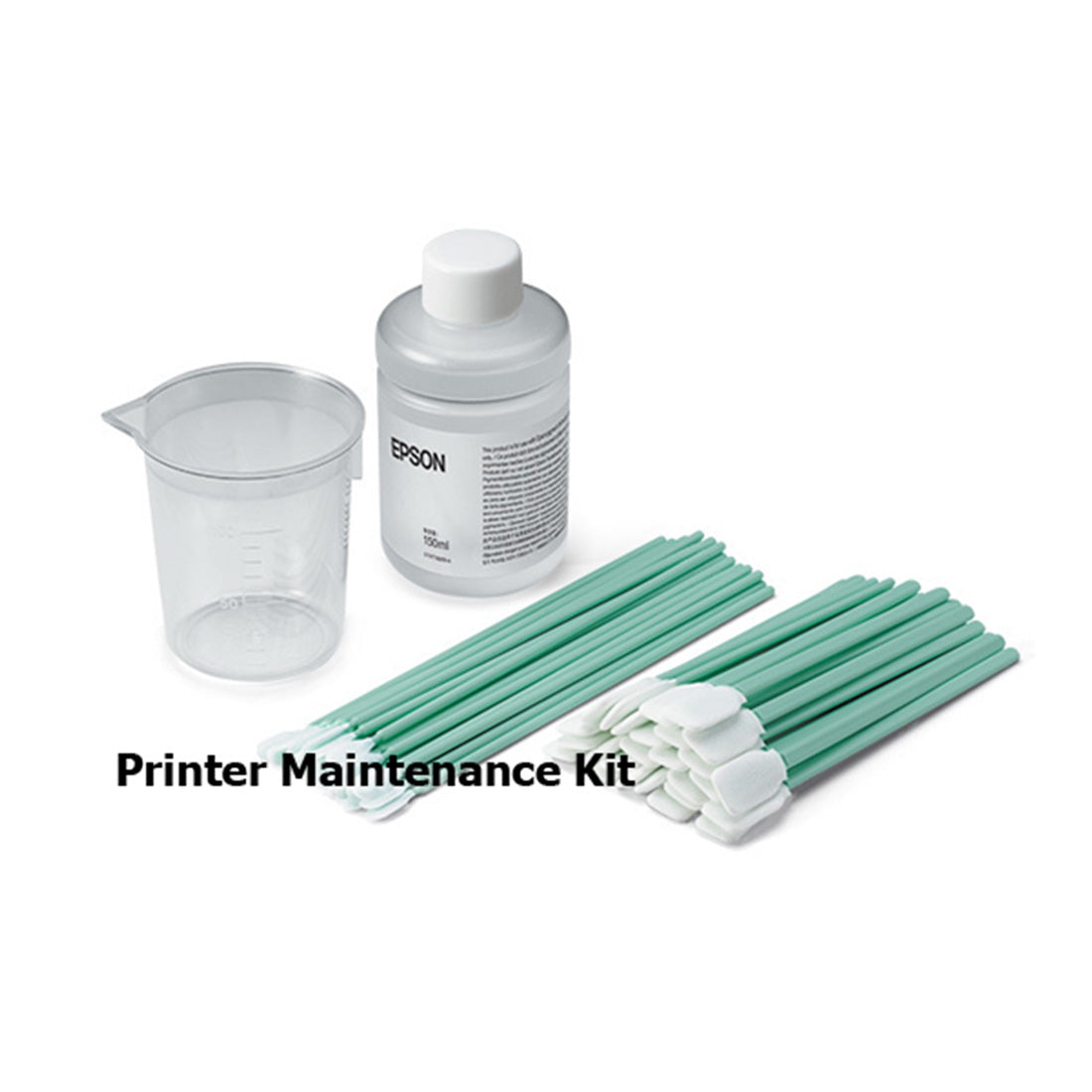
Nuestra colección de accesorios DTG le ofrece los accesorios esenciales para que su impresión de prendas funcione al máximo rendimiento. Estos accesorios DTG incluyen platinas, kits de limpieza y herramientas de mantenimiento que prolongan la vida útil de la máquina y garantizan una calidad constante. Al usar los accesorios adecuados, reduce el tiempo de inactividad, protege su inversión y logra impresiones más nítidas con menos esfuerzo. Ideales para tiendas con mucha actividad o negocios en expansión, simplifican el cuidado rutinario y facilitan el funcionamiento diario. Cada accesorio está diseñado para ofrecer durabilidad y facilidad de uso, lo que los hace indispensables tanto para usuarios principiantes como experimentados. Con el respaldo de la experiencia y la entrega rápida de Joto, esta colección le ayuda a mantener la eficiencia mientras produce impresiones que destacan.
Frequently Asked Questions:

What are DTG accessories and which ones are essential for a new print shop?

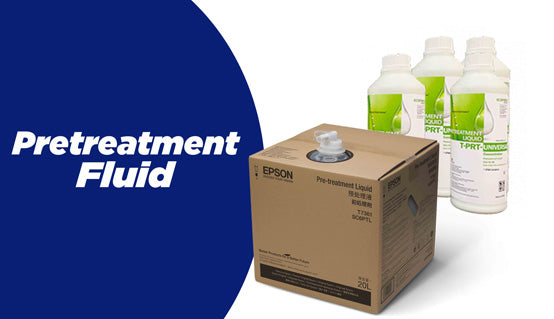
DTG accessories are the consumables and tools that support the DTG printing workflow beyond the printer itself. Essential items include pretreatment solution, platen adhesive spray, lint rollers, a heat press for curing, print head cleaning solution, and maintenance cartridges. Having these stocked before your first production run prevents delays and ensures print quality from day one.

What platen size and adhesive spray coverage are recommended for printing a full-front adult t-shirt?

Use a 16x20 inch adult platen for full-front prints on adult t-shirts. Apply platen adhesive spray in a thin, even coat from 8–10 inches away — heavy spray creates thick residue that transfers to garments and blocks nozzles. Allow the spray to dry for 30–45 seconds until tacky before loading the garment. Reapply spray every 10–15 prints or when the garment begins to shift during printing.

Is platen adhesive spray compatible with all fabric types, or does it leave residue on certain garments?

Platen adhesive spray is formulated to wash out of most cotton and cotton-blend garments without leaving a residue if applied correctly (thin coat, fully dry before loading). However, on moisture-wicking or treated athletic fabrics, residue can persist — test on a scrap piece before production. Never use regular craft adhesive sprays on DTG platens as they are not formulated for fabric contact and can permanently stain garments.

Why is my DTG print showing fibre texture or a rough surface after curing, even though the design looks sharp before pressing?

Surface texture in cured DTG prints is usually caused by pressing the garment flat against a platen without smoothing the fabric fibres first. Use a lint roller immediately before loading to remove loose fibres and flatten the surface. Pre-press the garment for 3–5 seconds at your cure temperature before printing to remove moisture and lay fibres flat — this single step dramatically improves print surface quality on textured or looped-knit fabrics.

How many wash cycles does a DTG-printed garment maintain its original vibrancy when cared for correctly?

A properly pretreated, printed, and cured DTG design on ring-spun cotton typically retains strong vibrancy for 50–75 wash cycles when washed inside out in cold water on a delicate cycle and tumble dried on low. Harsh detergents and high-heat drying accelerate fading significantly. Advise customers to follow care instructions — most DTG warranty complaints trace back to garment care rather than print quality.

What is the cost-per-garment impact of using quality DTG accessories versus generic alternatives?

Cutting costs on accessories like pretreatment and cleaning solution typically costs more than it saves. Under-performing pretreatment leads to reprints, customer complaints, and wasted blank garments — each reprint costs 2–5x more than the saving on solution. Quality cleaning solution protects print heads worth $300–$800+ for replacement. Accessories represent 10–20% of per-garment cost but protect 80–90% of your production investment in inks and blanks.

What is the professional technique for lint-rolling a garment to get a completely clean print surface before DTG printing?

Roll the garment surface in overlapping strokes, working from the top of the print area downward, then across horizontally. Peel the lint roller sheet every 3–4 garments — a full sheet picks up less effectively than a fresh one. For particularly lint-heavy blanks like 100% cotton fleece or heavily napped fabrics, use a stiff-bristle brush in one direction first to lift embedded fibres, then follow with the lint roller for a clean print-ready surface.

What is the difference between a standard maintenance cartridge and a powerful cleaning cartridge for DTG printers?

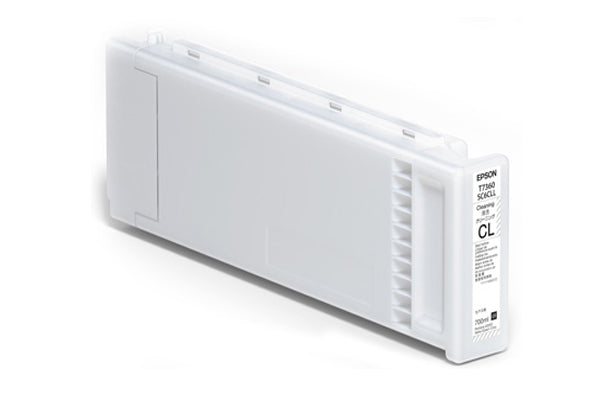
A standard maintenance cartridge contains mild cleaning fluid for routine head cleaning cycles — used daily or weekly to maintain nozzle health. A powerful or deep-cleaning cartridge uses a stronger solvent formulation designed to dissolve dried or semi-dried ink from severely clogged nozzles. Deep-cleaning cartridges should not be used routinely as they can degrade print head components over time — reserve them for recovery situations when standard cleaning cycles fail to restore nozzle pattern.

Are DTG pretreatment solutions and cleaning fluids classified as hazardous materials under Canadian WHMIS regulations?

Most DTG pretreatment solutions are WHMIS-classified as mild irritants requiring standard PPE (gloves, eye protection) during handling — not classified as dangerously hazardous. Cleaning fluids vary by formulation; some contain glycol ethers or other solvents that require ventilation and respiratory protection. Maintain SDS documents for every chemical product in your workspace and review them annually — WHMIS compliance is a legal requirement for Canadian commercial workplaces.

How should I store pretreatment solution and cleaning fluids to maintain their effectiveness through the Canadian winter?

Store all DTG liquid accessories at 59–77°F (15–25°C) in a climate-controlled area — never in an unheated garage or storage room where Canadian winter temperatures will cause freezing. Frozen pretreatment and cleaning fluids suffer permanent chemical degradation and cannot be restored by thawing. Keep containers sealed when not in use to prevent evaporation and contamination, and check expiry dates every 6 months — expired pretreatment is a common cause of unexpected print quality degradation.

Drawer Title
productos similares