











































saltar al contenido
es
CAD

Bienvenido al nuevo sitio web de Joto Imaging Supplies

Tónicos

Tóneres para impresiones vívidas y duraderas

Consiga textos nítidos y colores brillantes con los tóneres de alto rendimiento de Joto, diseñados para mantener su impresión suave, eficiente y profesional.

Los tóneres de calidad son la base de una impresión consistente, garantizando que cada documento y gráfico se vea nítido y vibrante. Joto suministra cartuchos confiables que se adaptan perfectamente a sus impresoras, ayudándole a evitar rayas, manchas y una cobertura desigual. Diseñados para una mayor durabilidad, admiten tiradas largas sin sacrificar el detalle, lo que los hace ideales para oficinas, imprentas y negocios de productos personalizados. Fáciles de instalar y reemplazar, estos tóneres minimizan el tiempo de inactividad y reducen el desperdicio, brindándole eficiencia y control de costos. Ya sea que produzca materiales promocionales, facturas o transferencias personalizadas, puede confiar en el rendimiento confiable del tóner para impresionar a sus clientes y mantener estándares profesionales. Con envíos rápidos, descuentos por volumen y soporte técnico de confianza, las soluciones de tóner de Joto son una inversión práctica para mantener su flujo de trabajo ininterrumpido y resultados excepcionales.
6 productos

  • Ordenar por

Frequently Asked Questions:

What types of toner cartridges does Joto carry, and what printers are they compatible with?

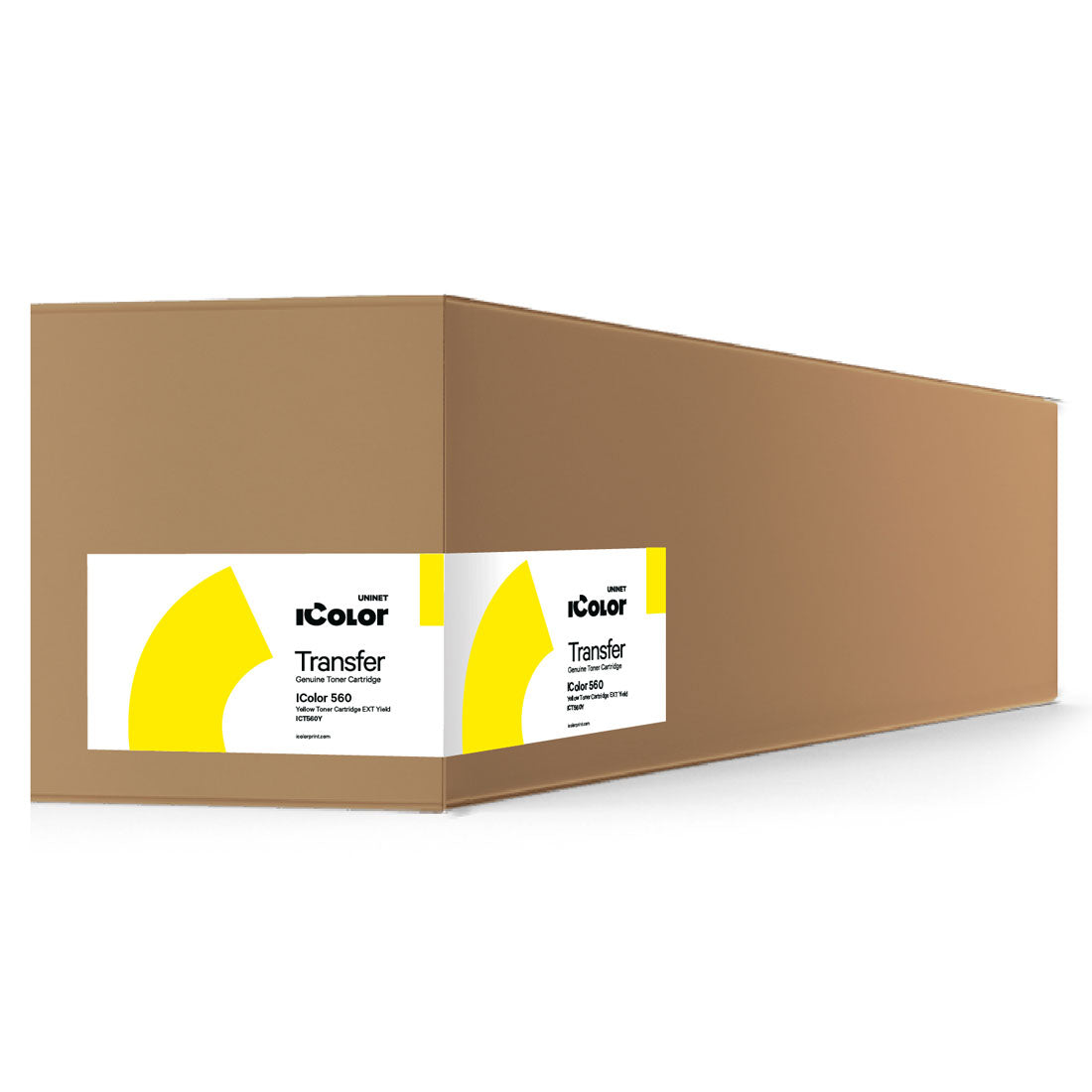
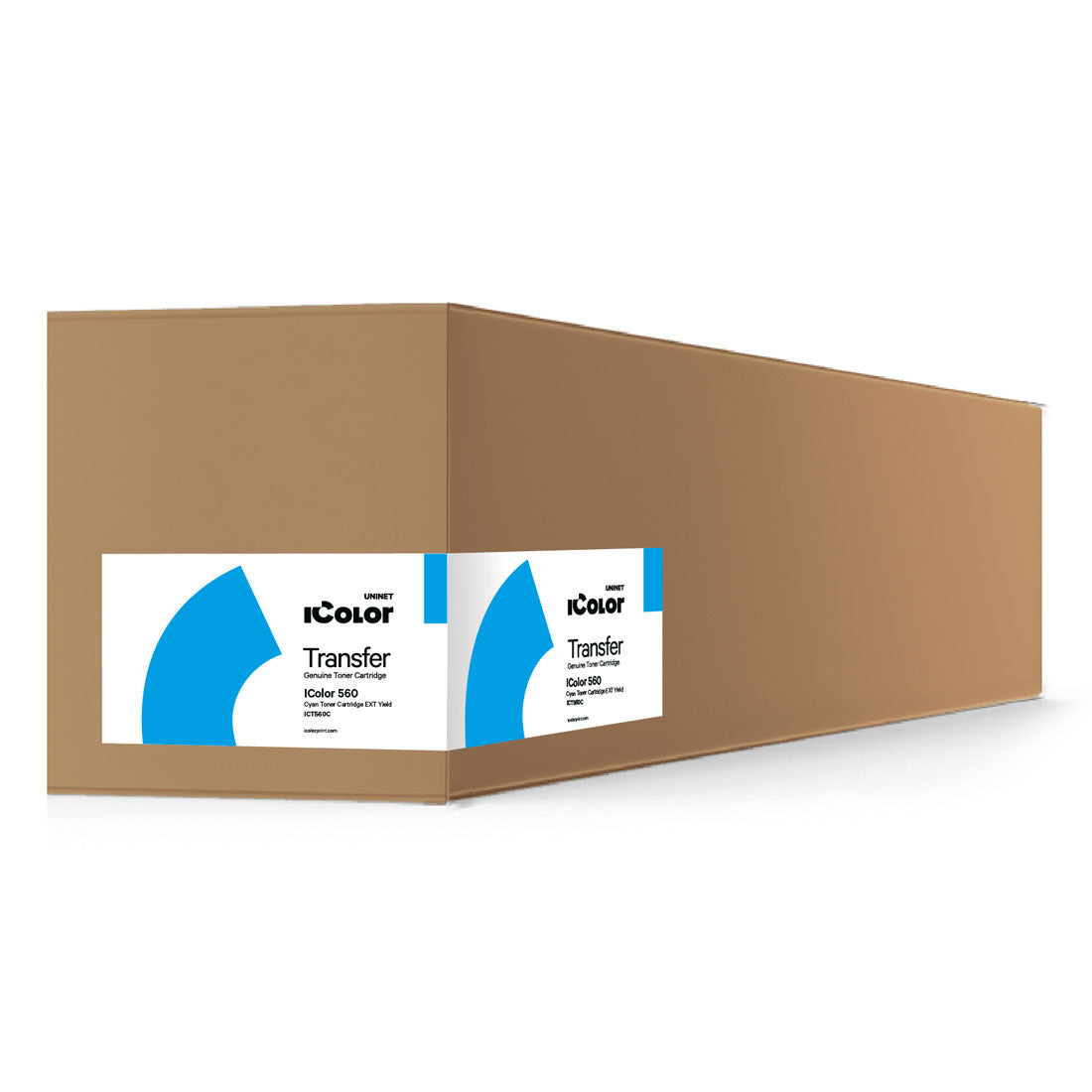
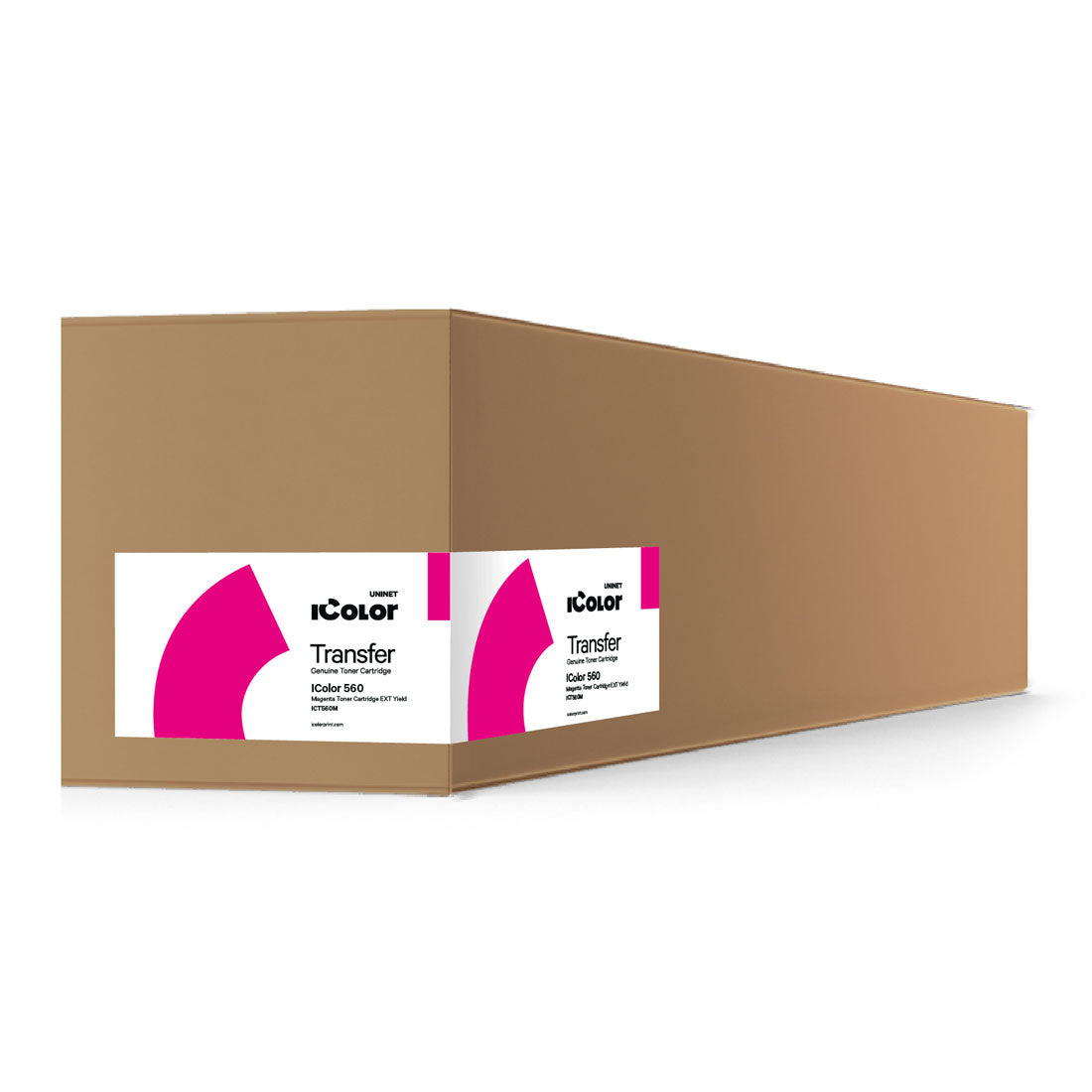
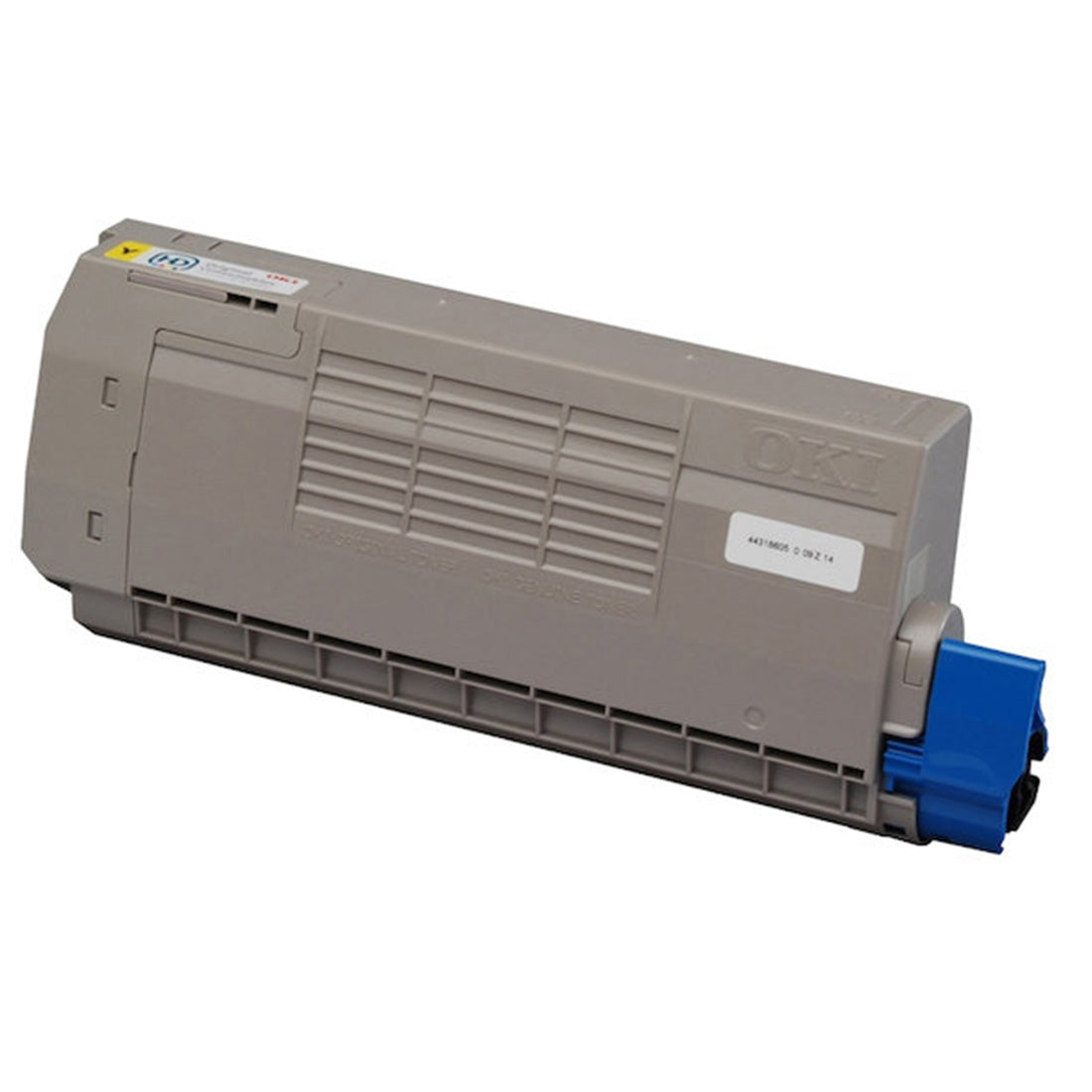
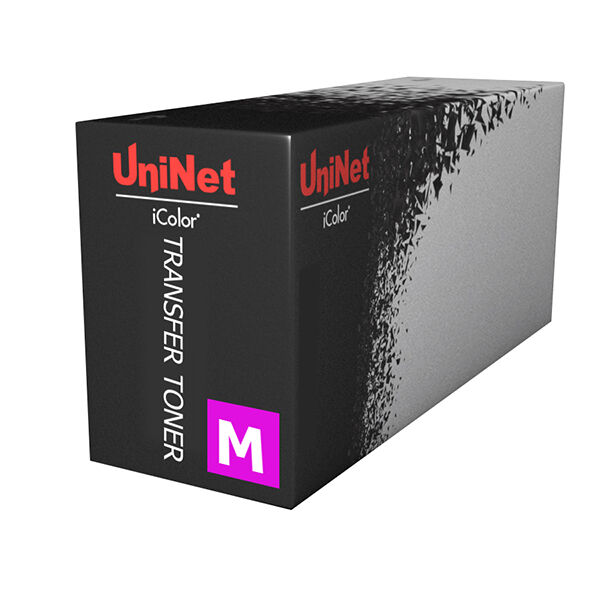
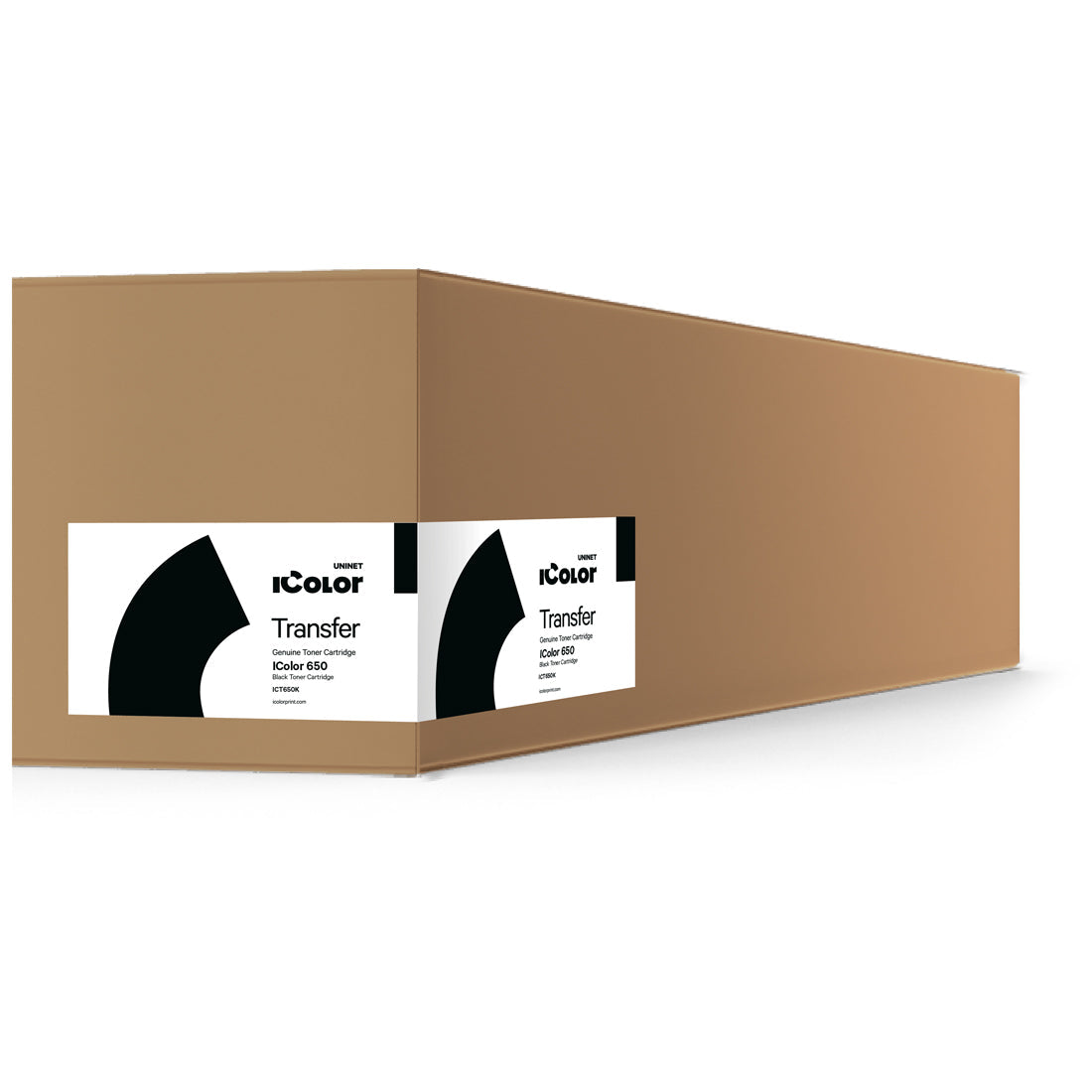
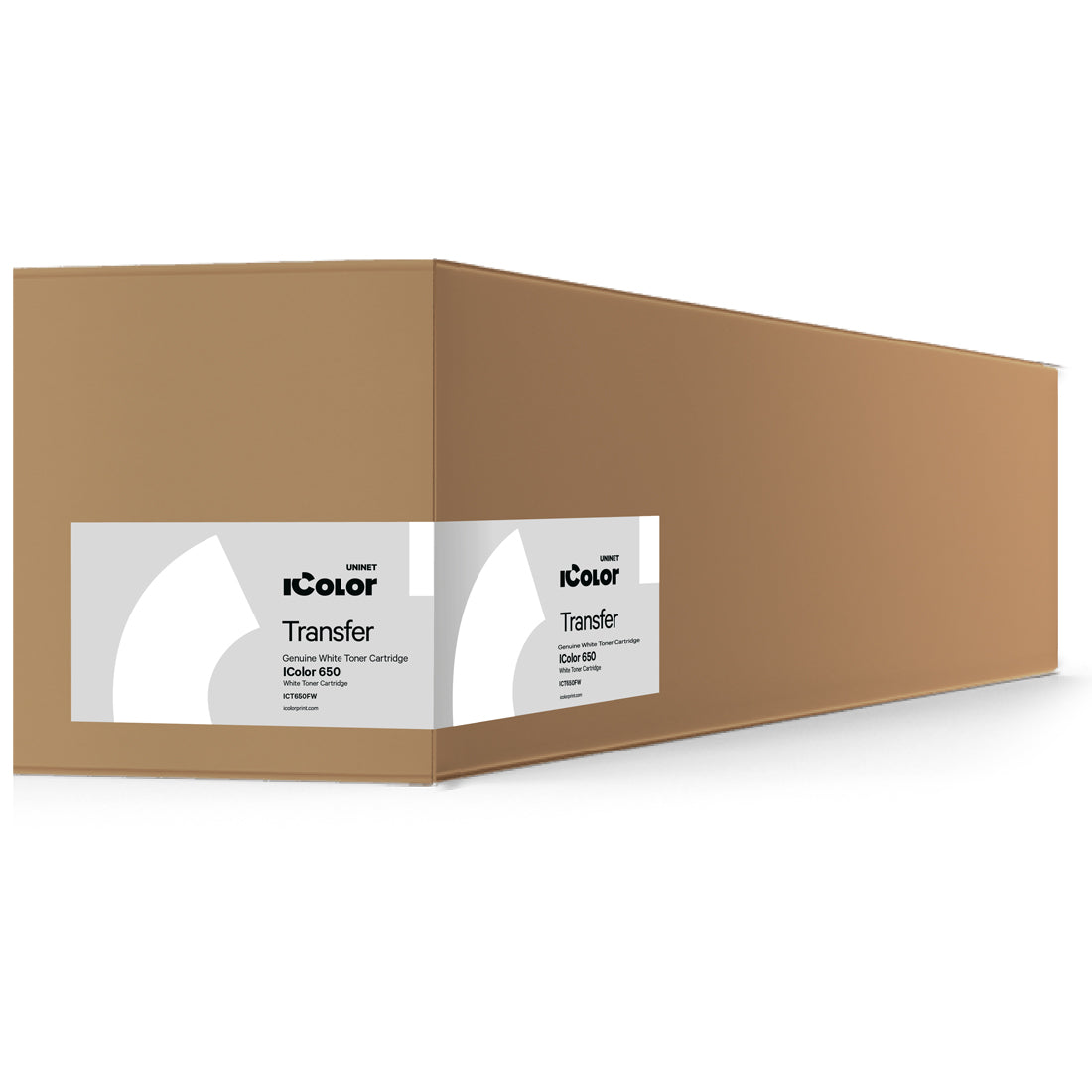
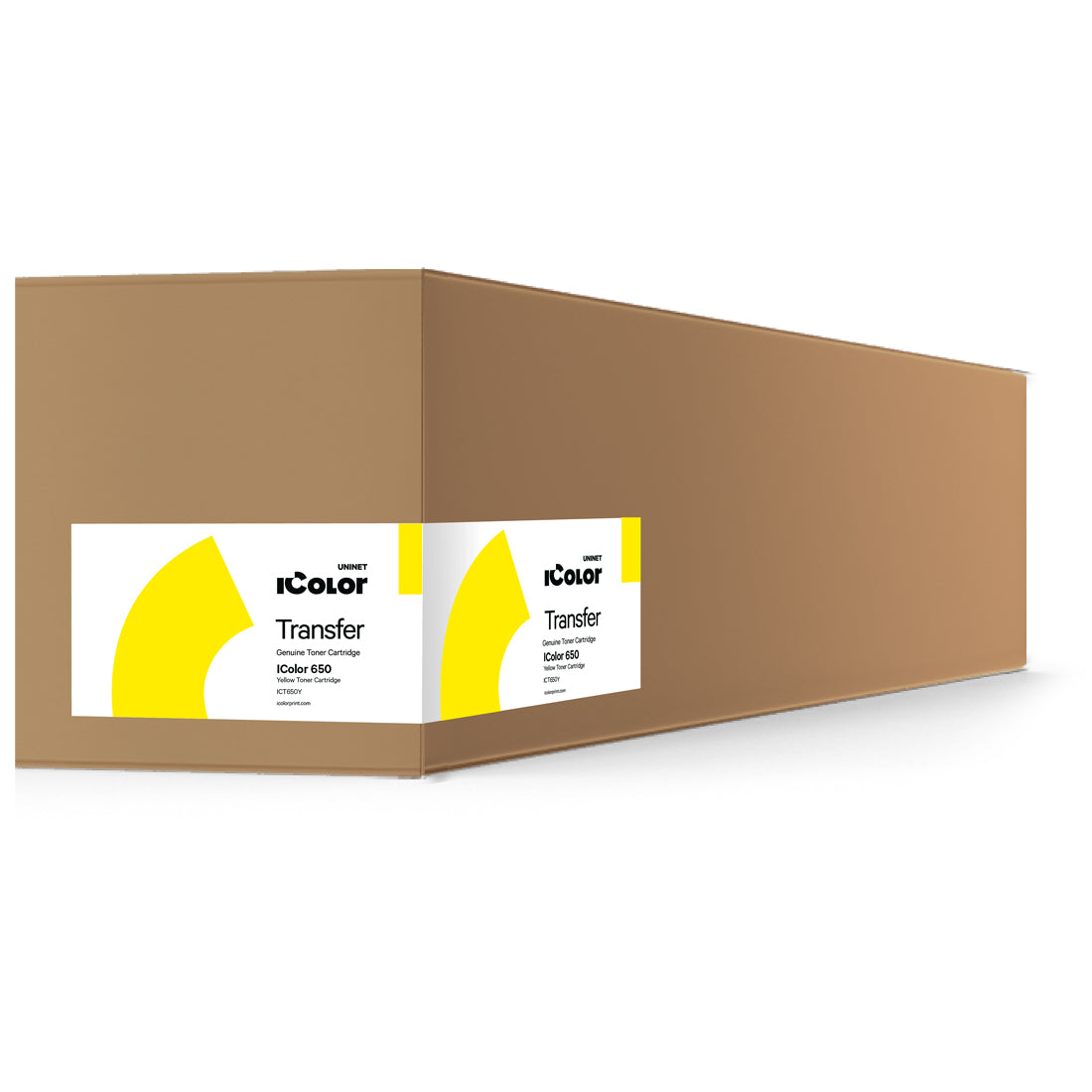
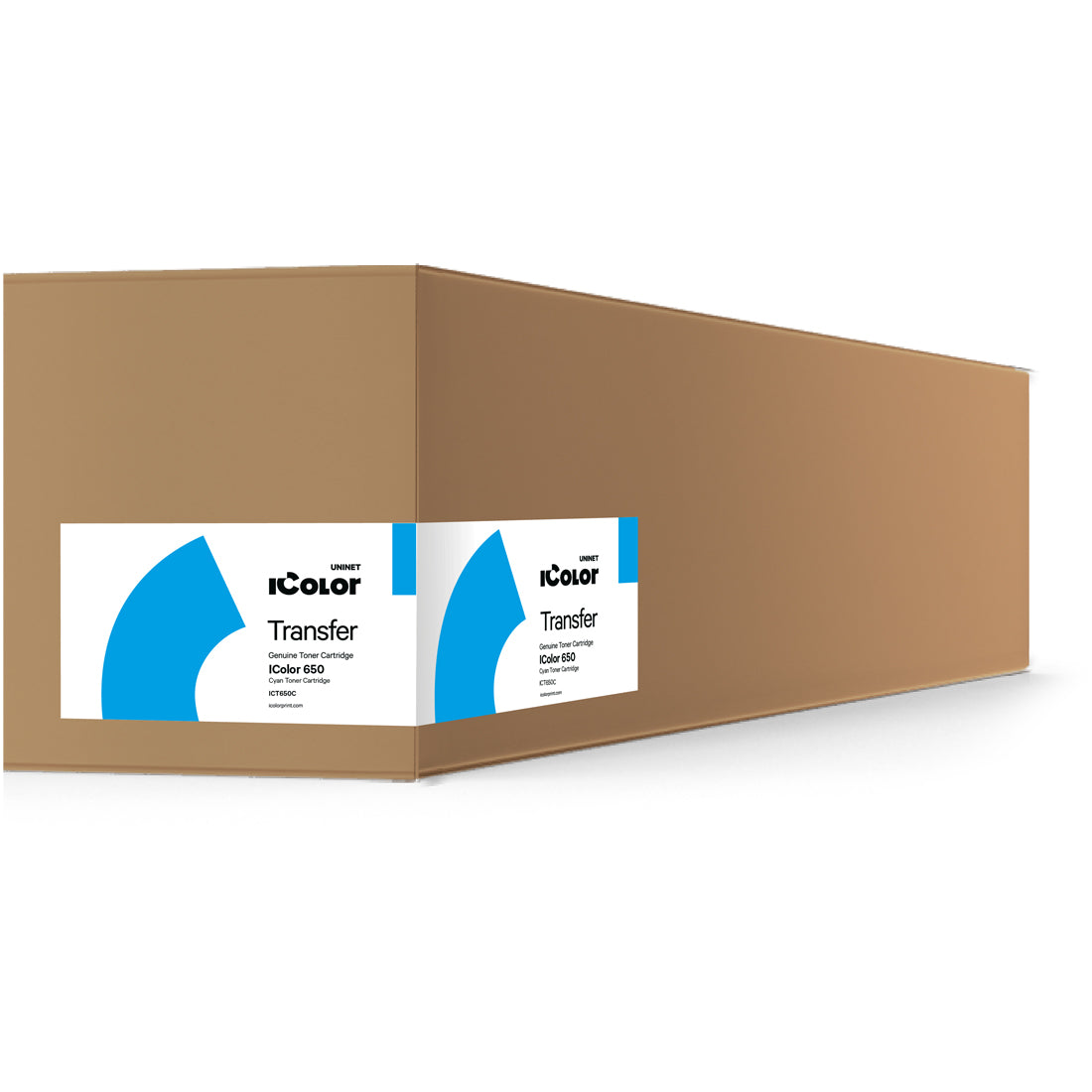
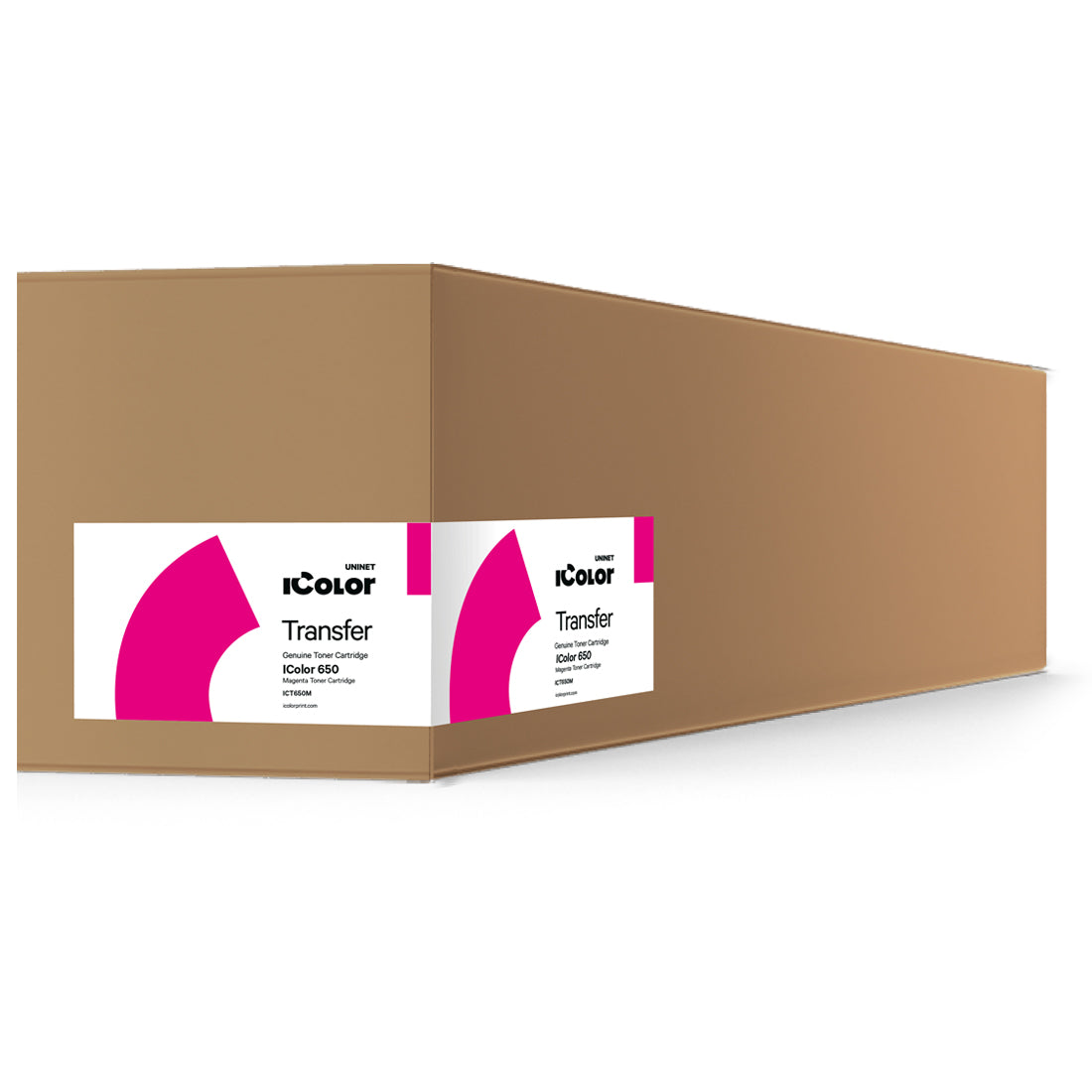
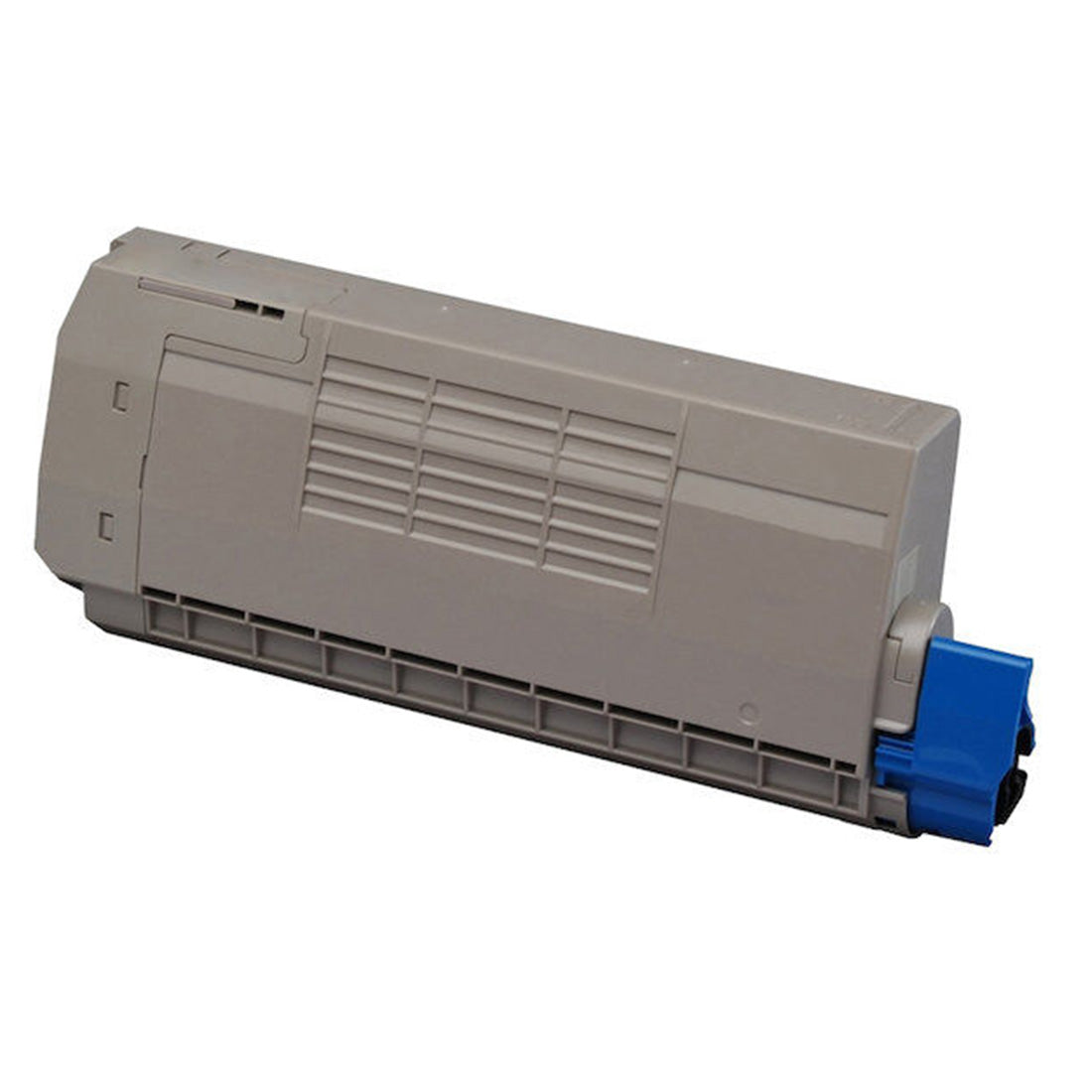
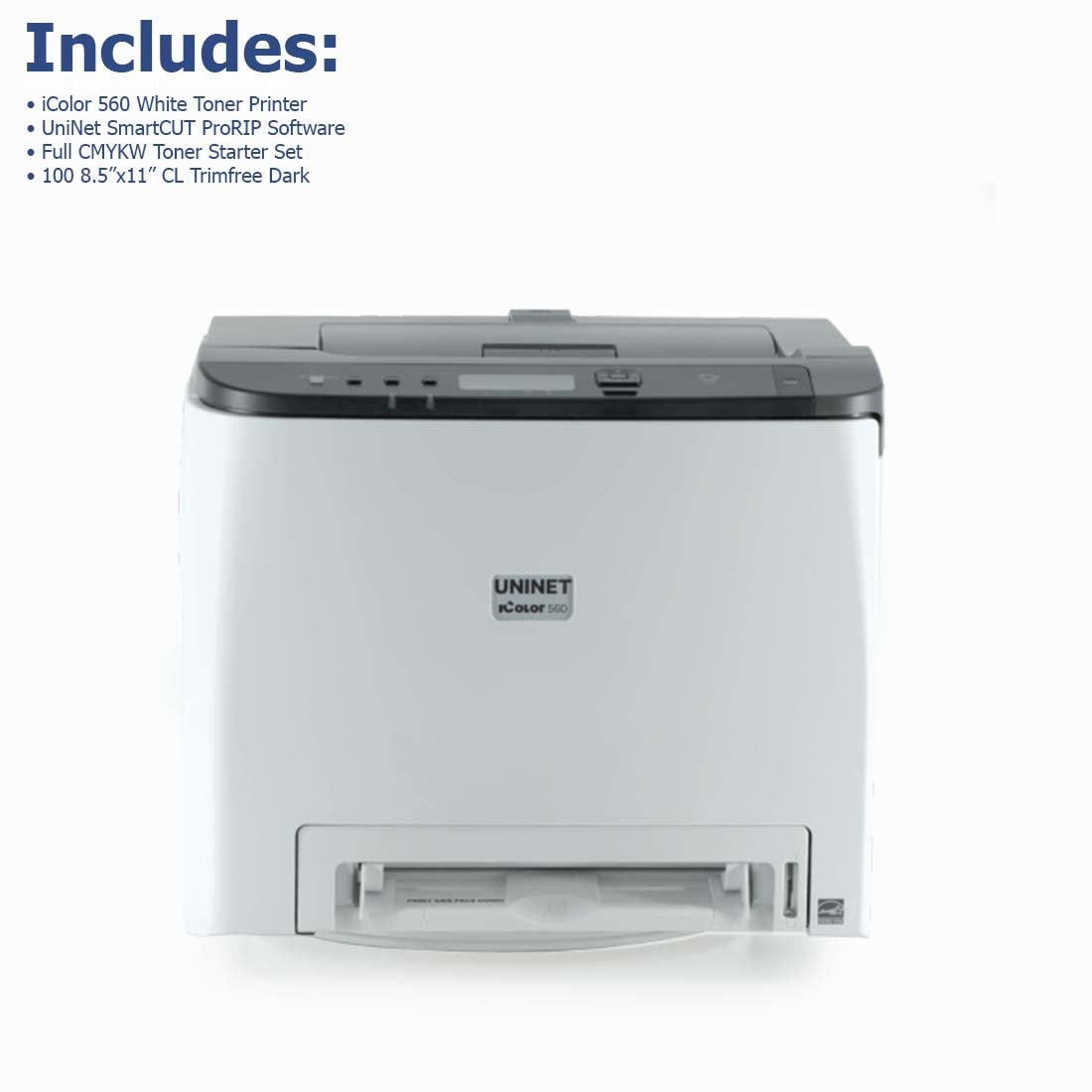
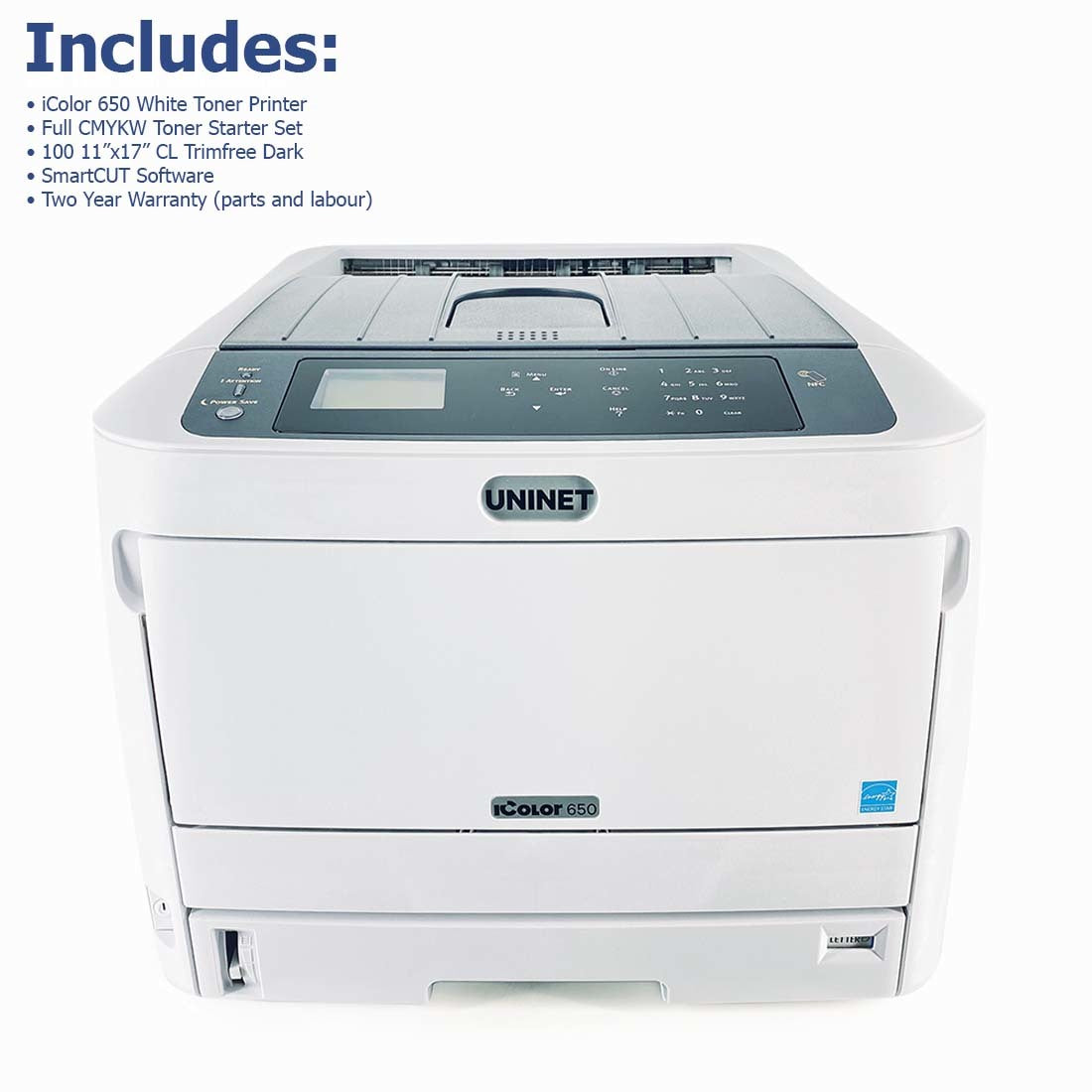
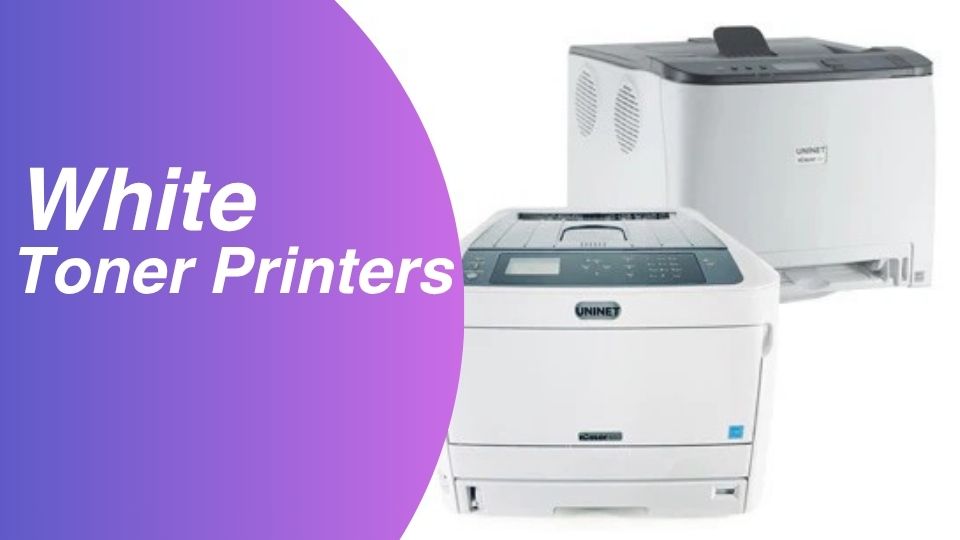
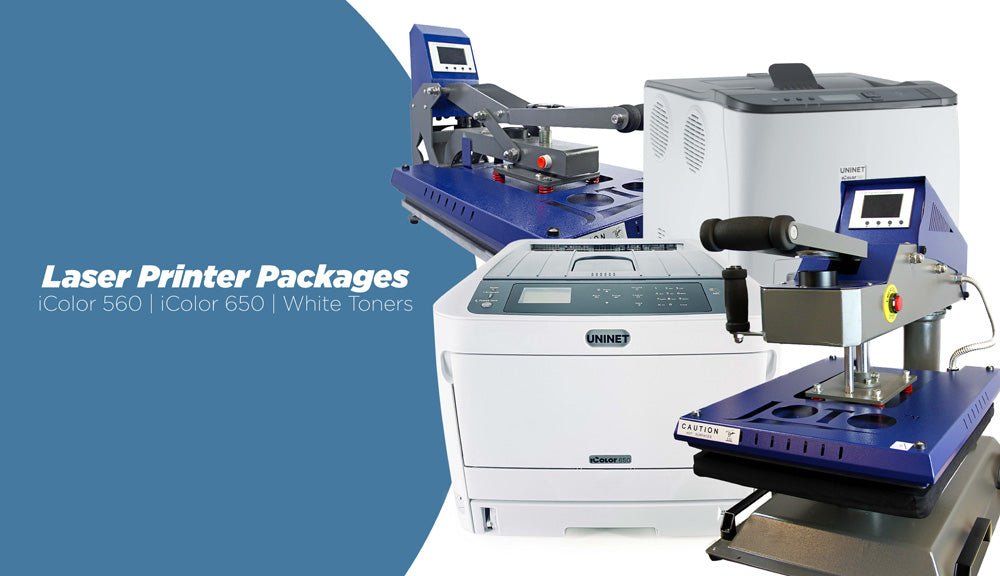
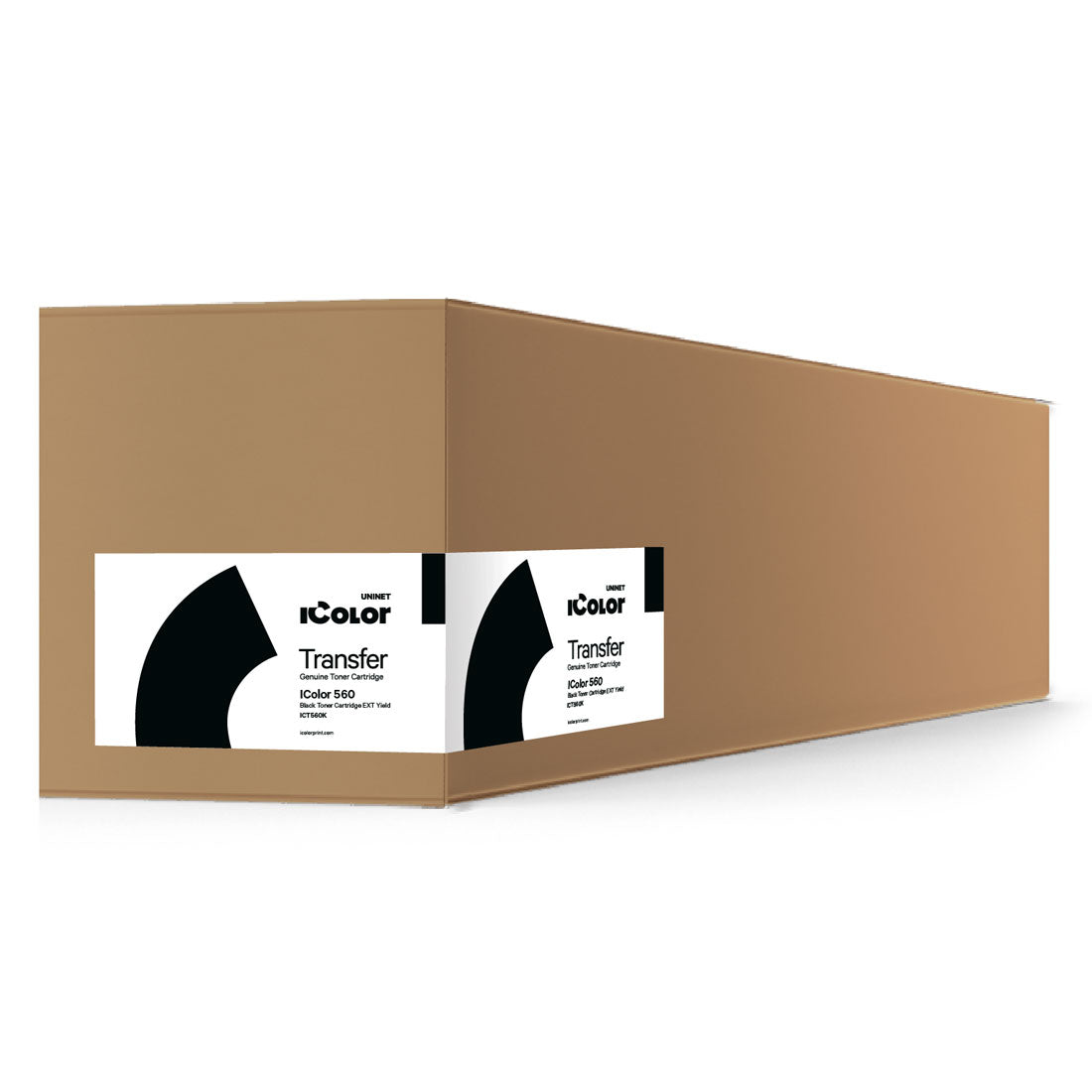
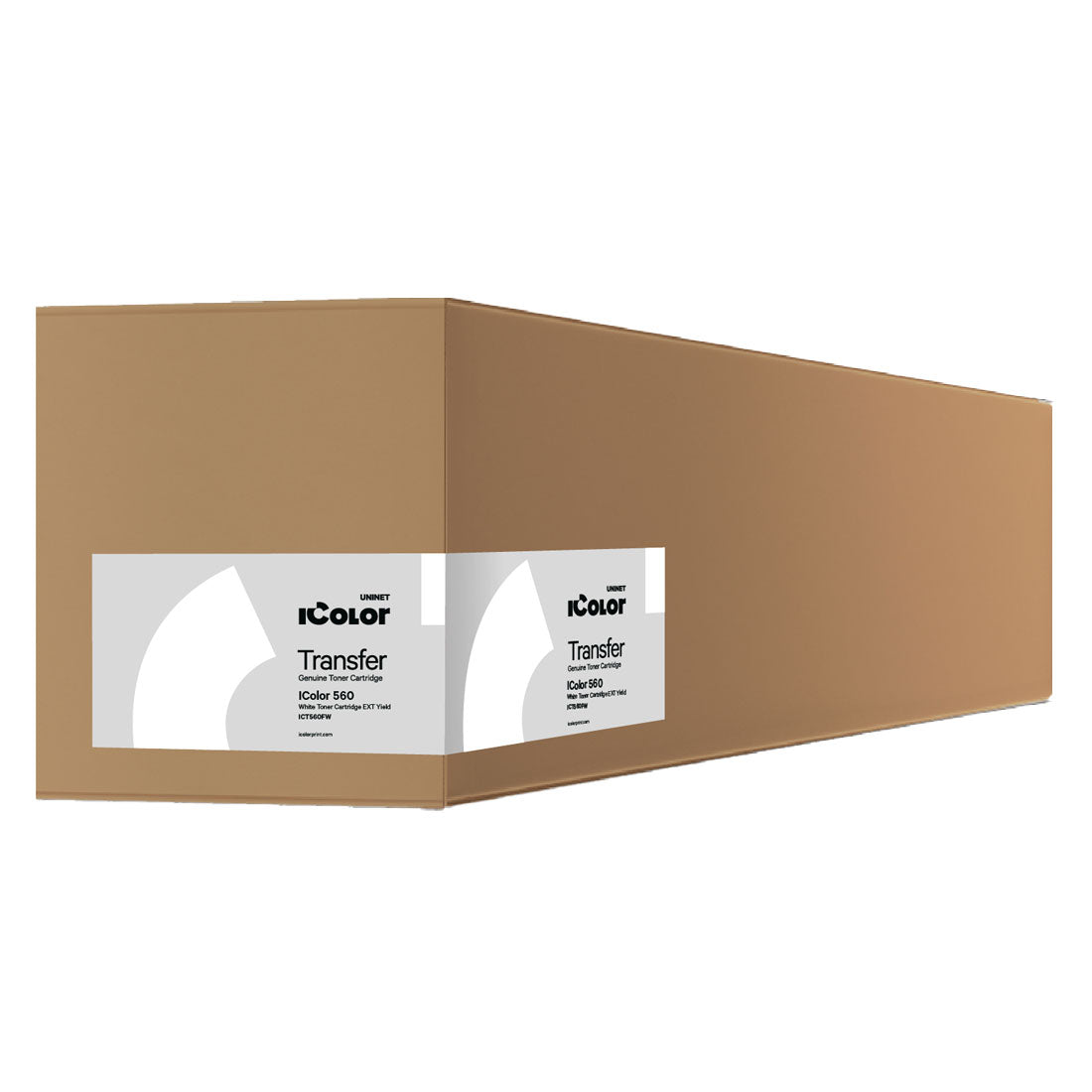
Joto carries toner cartridges for white toner transfer printers including the Uninet iColor 560 and 650 series. These include CMYK colour toners and the critical white toner cartridge that enables printing on dark substrates. Toner cartridges are printer-specific — always verify compatibility with your exact printer model before ordering to ensure the chip, toner formulation, and cartridge form factor are correct.

What fuser temperature range produces optimal toner adhesion on white toner transfer media?

White toner transfer printers fuse toner at temperatures controlled internally by the printer's fuser unit — this is not user-adjustable in the same way as heat press settings. However, the output quality is affected by the media type: always use transfer media rated for your specific printer model, as incorrect media can cause under-fusing (resulting in toner rubbing off) or over-fusing (causing media distortion or jamming). Print a test transfer on each new media batch to confirm fuser compatibility.

Are Joto toner cartridges compatible with third-party white toner printers, or only with Uninet models?

Toner cartridges are highly printer-specific due to chip encoding, toner formulation, and physical form factor differences between brands. Uninet iColor toners are designed exclusively for iColor series printers and are not cross-compatible with other white toner printer brands. Using a cartridge from a different brand or an uncertified third-party cartridge risks printer damage, poor print quality, and void of warranty. Always confirm compatibility before purchasing.

Why is my white toner transfer printing with streaks or light areas across the design?

Streaks or light areas in white toner output are caused by low toner level, a depleted or worn drum unit, or a partially blocked developer roller. Check toner level first — the white toner cartridge depletes faster than CMYK cartridges on designs with large white coverage areas. If toner level is adequate, inspect the drum unit for scratches or contamination. Run a printer self-test to isolate whether the issue is in the toner delivery system or the fuser.

How many transfers can I produce from a standard white toner cartridge before the yield drops noticeably?

Toner cartridge yield varies by design coverage. A standard white toner cartridge for the iColor 560/650 is rated for approximately 2,500 letter-size pages at 5% coverage — but white toner designs typically have 60–100% white coverage, dramatically reducing effective yield. For full-front transfers with heavy white underbase, expect 150–300 transfers per white cartridge. Track yield by recording cartridge changes against transfer count to establish accurate cost-per-transfer data for your specific design mix.

Is stocking multiple toner cartridges cost-effective for a shop producing 300 white toner transfers per month?

At 300 transfers per month with moderate white coverage, a shop typically consumes 1–2 white toner cartridges and 0.5–1 set of CMYK cartridges monthly. Purchasing a 3–6 month supply when cartridges are on promotion reduces per-unit cost by 10–20% and eliminates production stops from cartridge stock-outs. Store excess cartridges correctly (cool, dry, horizontal) and track expiry dates to ensure you use older stock first.

What is the trick to extending white toner cartridge life without sacrificing print opacity?

Reduce background white coverage in designs where the substrate provides sufficient base tone — for example, on light grey fabrics, a 70–80% white underbase often achieves the same visual result as 100%, extending cartridge life by 20–30%. In your RIP, set the white underbase generation to 'auto' or 'smart underbase' if available, which applies white only where CMYK colours require opacity support rather than flooding the entire design area with maximum white.

What is the difference between OEM and compatible third-party toner cartridges for white toner printers, and which should I use?

OEM toner cartridges from Uninet are formulated specifically for iColor print engines and fuser temperatures, ensuring consistent transfer quality and adhesion. Third-party compatible cartridges are available at lower cost but carry variability in toner chemistry and chip encoding. For white toner — where opacity and fusing accuracy are critical to transfer quality — OEM cartridges are strongly recommended. CMYK colour cartridges are less critical and some shops use compatible alternatives successfully, but switching the white cartridge to third-party is a higher risk.

Are toner cartridges classified as hazardous waste under Canadian environmental regulations?

Toner cartridges are not classified as hazardous waste under most Canadian provincial regulations, but they should not be placed in regular recycling streams due to residual toner powder. Most manufacturers and large retailers operate cartridge return programs — check with Joto or the printer manufacturer for the applicable return program. If no program is available, seal the cartridge in a plastic bag before placing in general waste to contain residual toner powder.

How should I store toner cartridges to maintain print quality and prevent toner clumping?

Store toner cartridges horizontally (as they are installed) in a cool, dry location at 50–77°F (10–25°C) away from direct sunlight, humidity, and strong magnetic fields. Before installing a stored cartridge, gently rock it side to side 5–6 times to redistribute any settled toner. Never store cartridges in a vehicle, near a heat press, or in an unheated space where Canadian winter temperatures drop below freezing — toner components lose performance when exposed to freezing temperatures.

Drawer Title
productos similares