






saltar al contenido
es
CAD

Bienvenido al nuevo sitio web de Joto Imaging Supplies

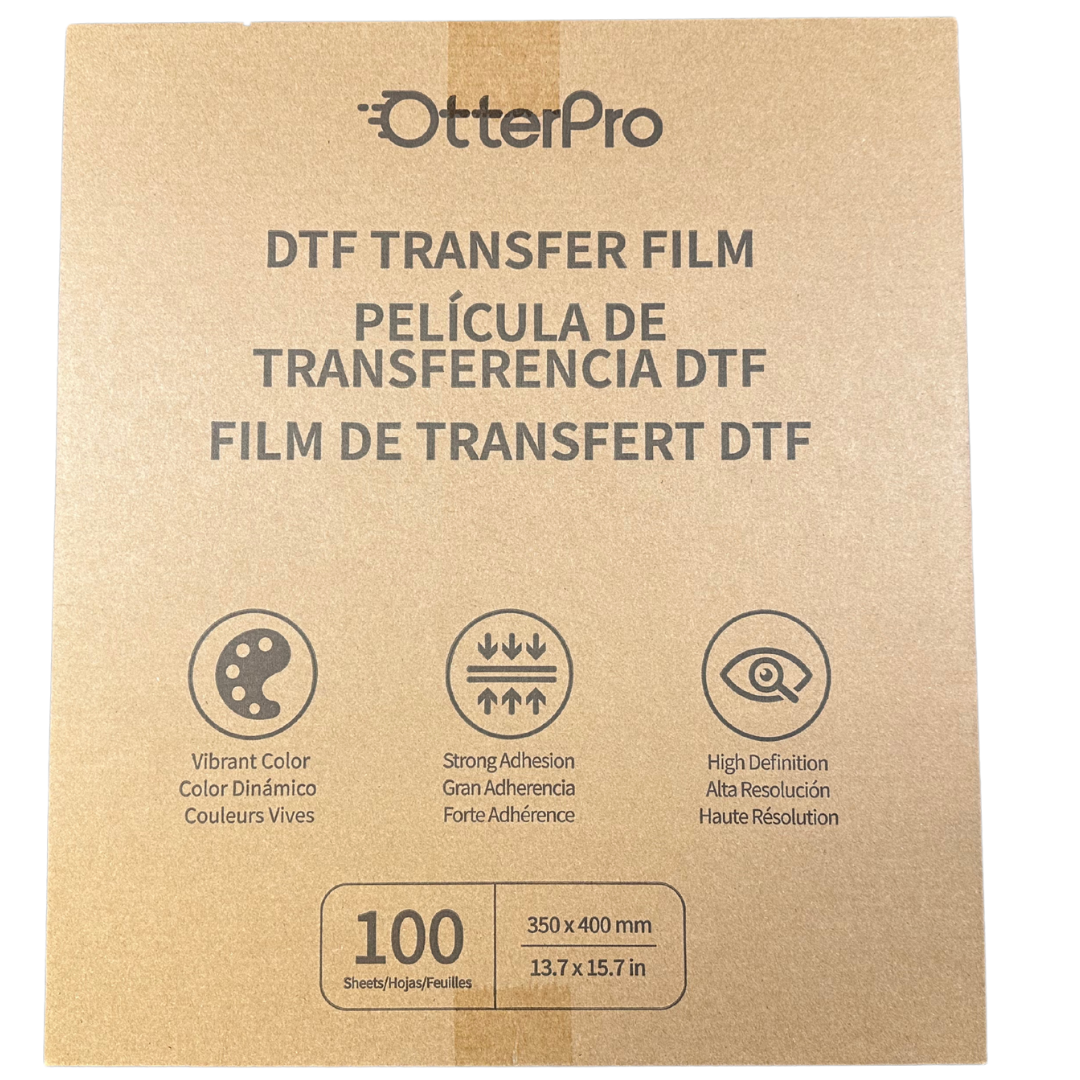
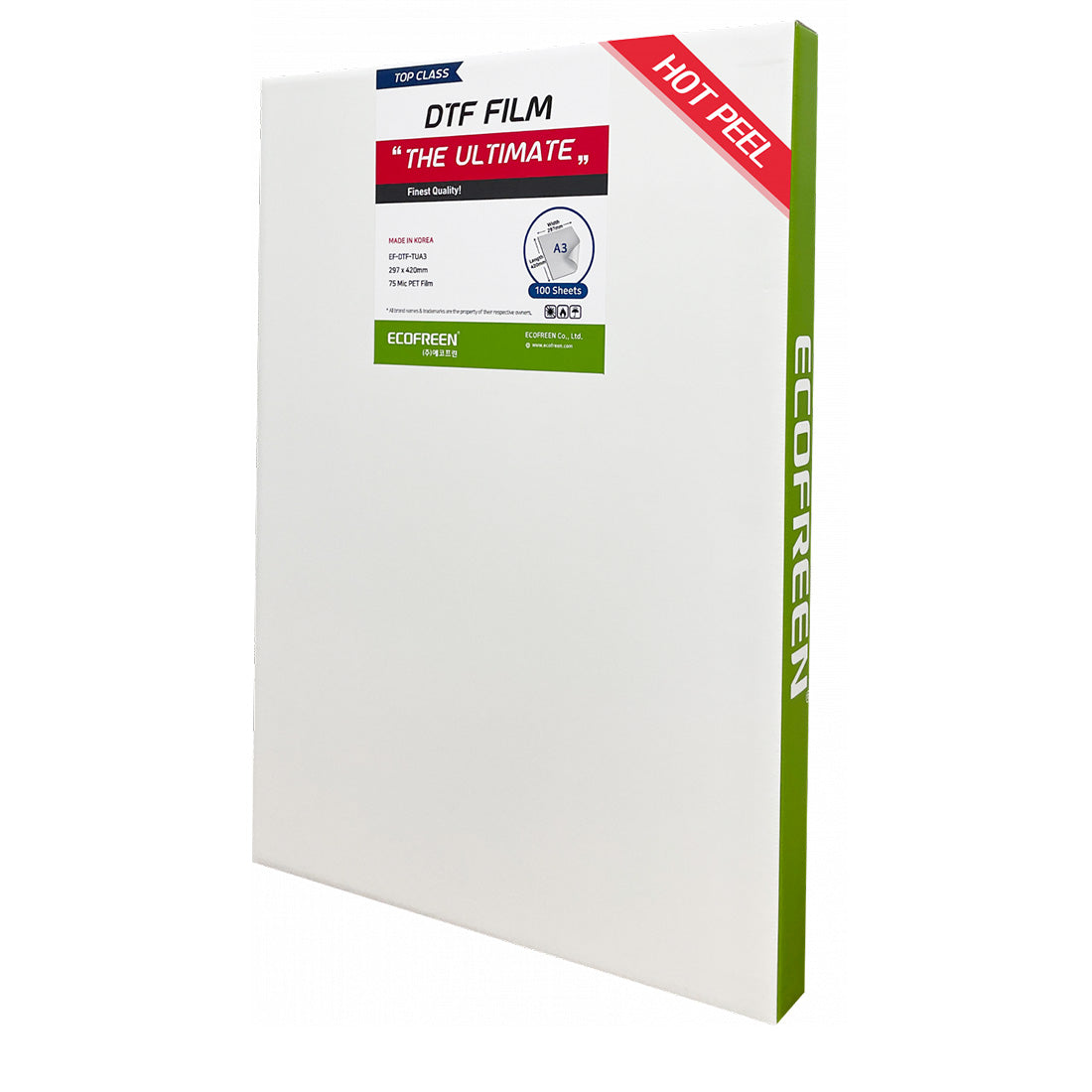
Hojas DTF

Hojas DTF para una rápida personalización

Imprima transferencias vibrantes a pedido con hojas DTF que ofrecen flexibilidad, durabilidad y calidad profesional para cada diseño.

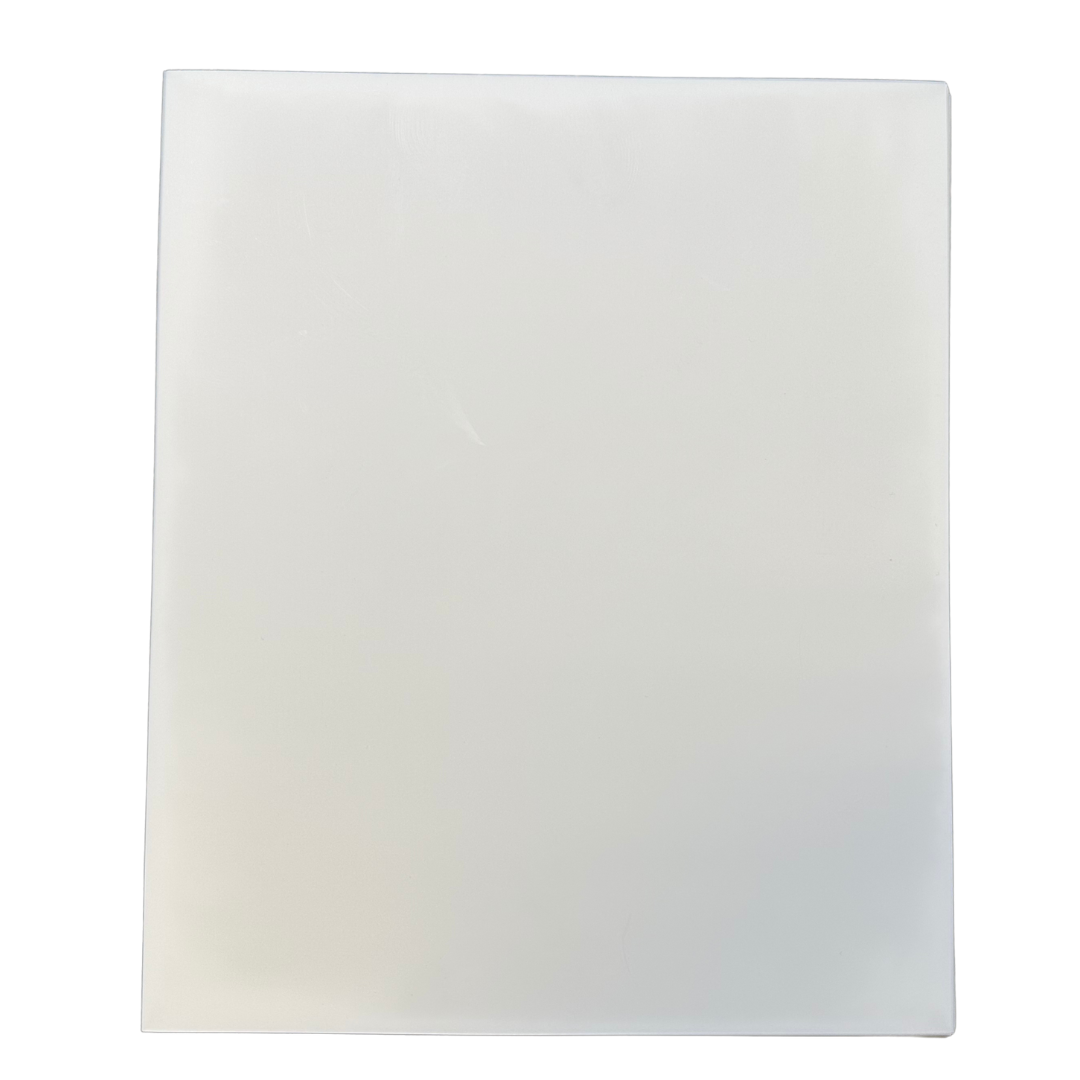
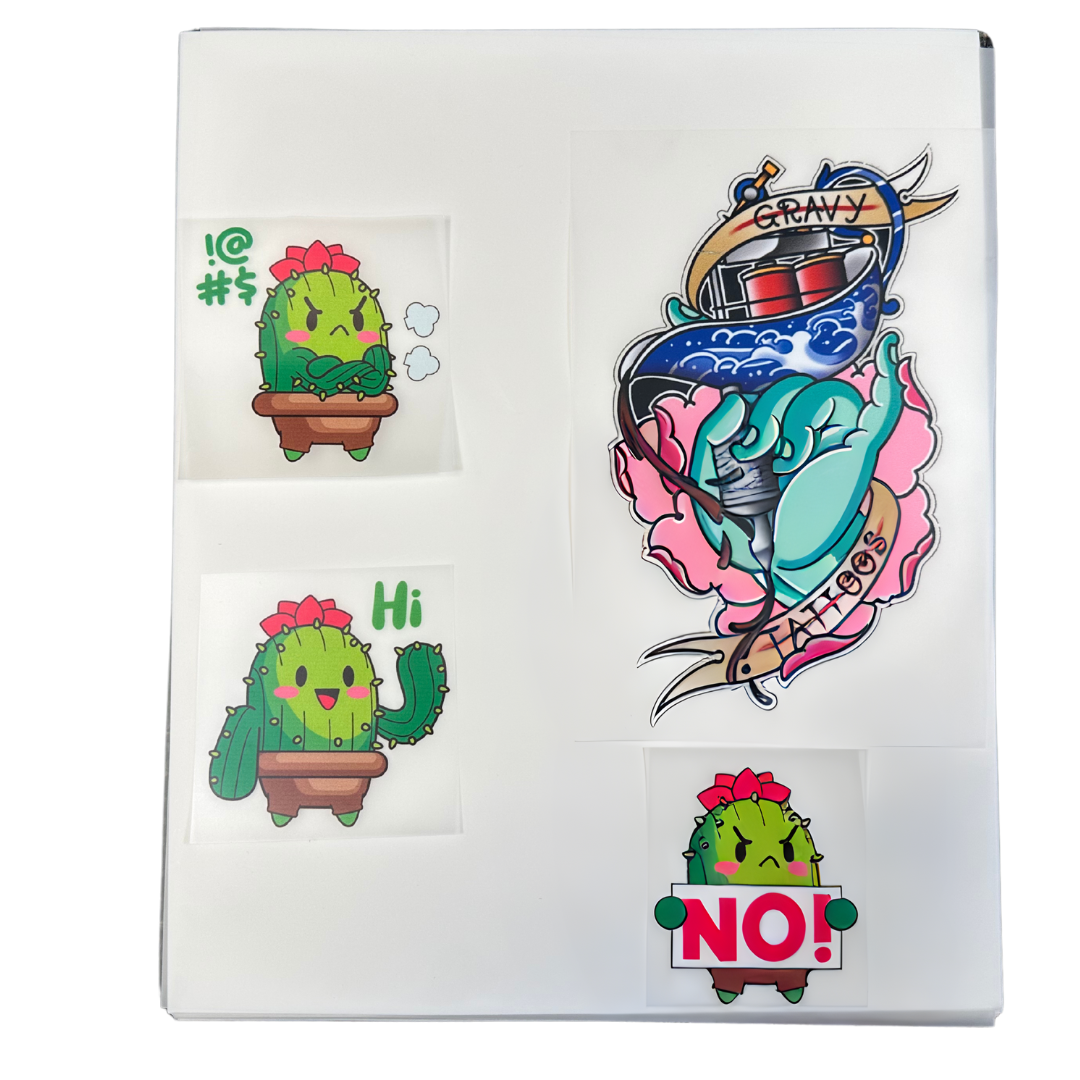
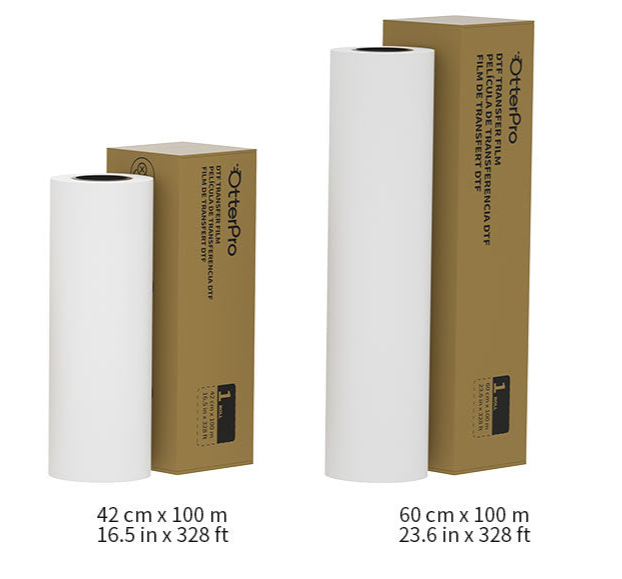
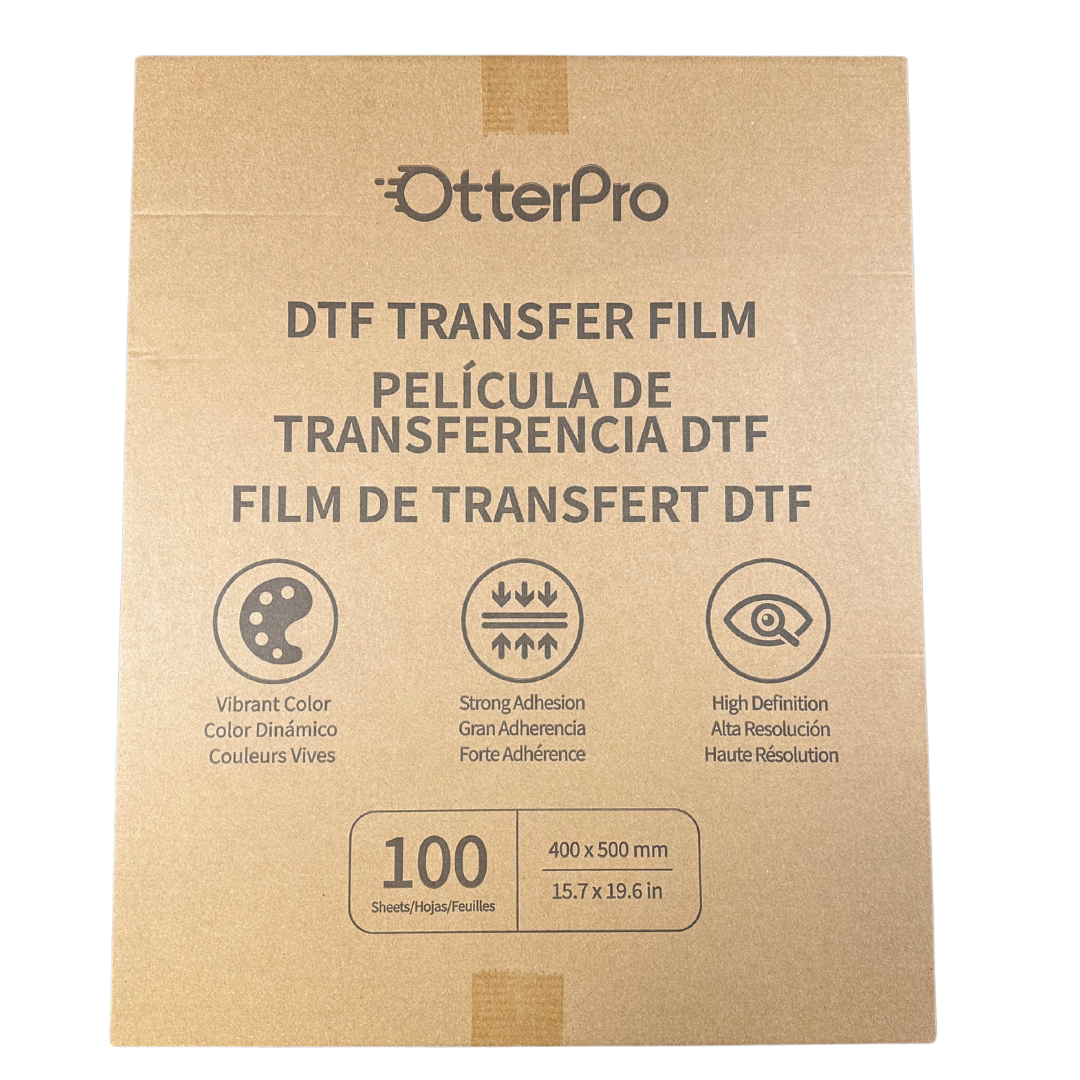
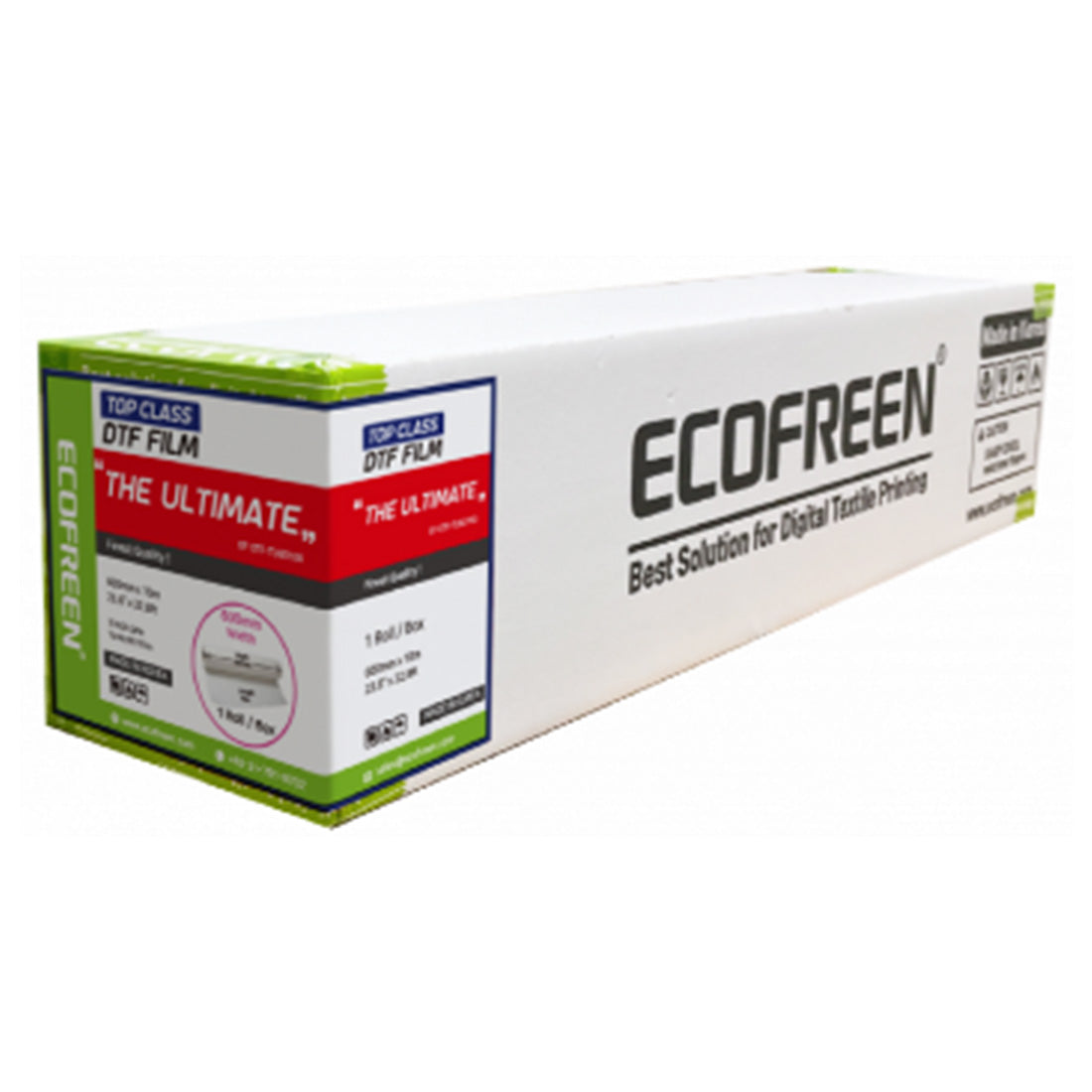
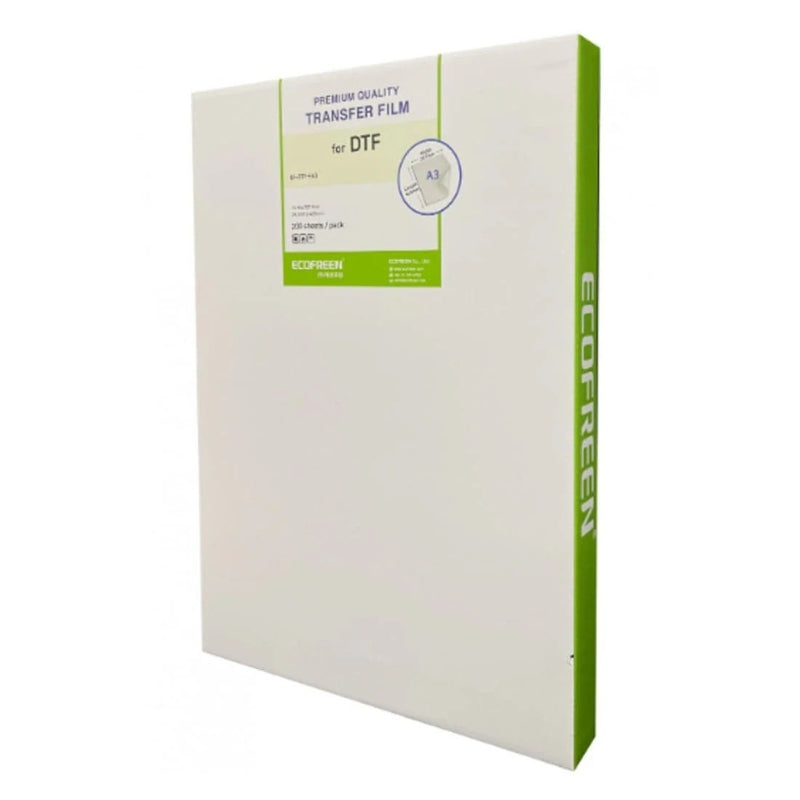
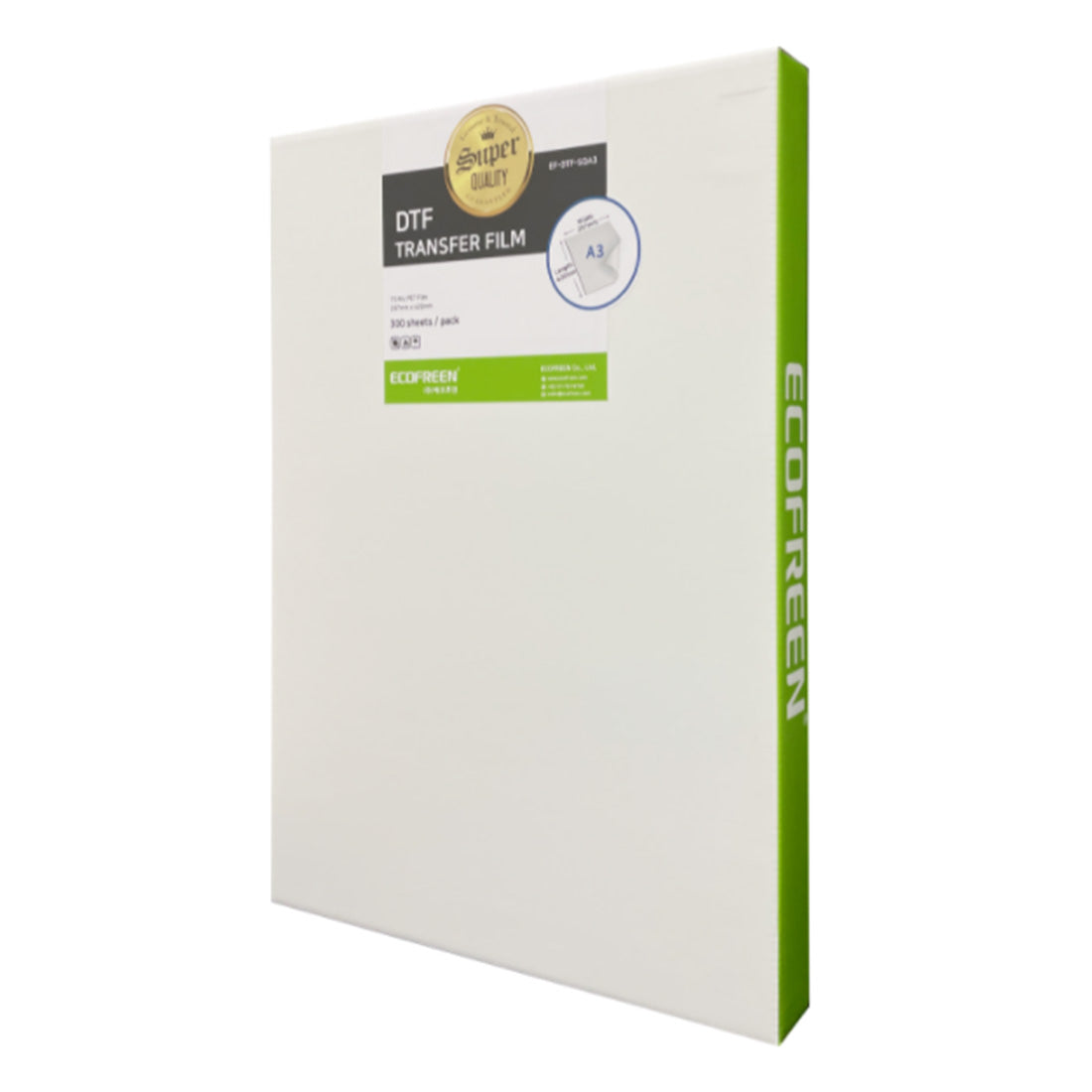
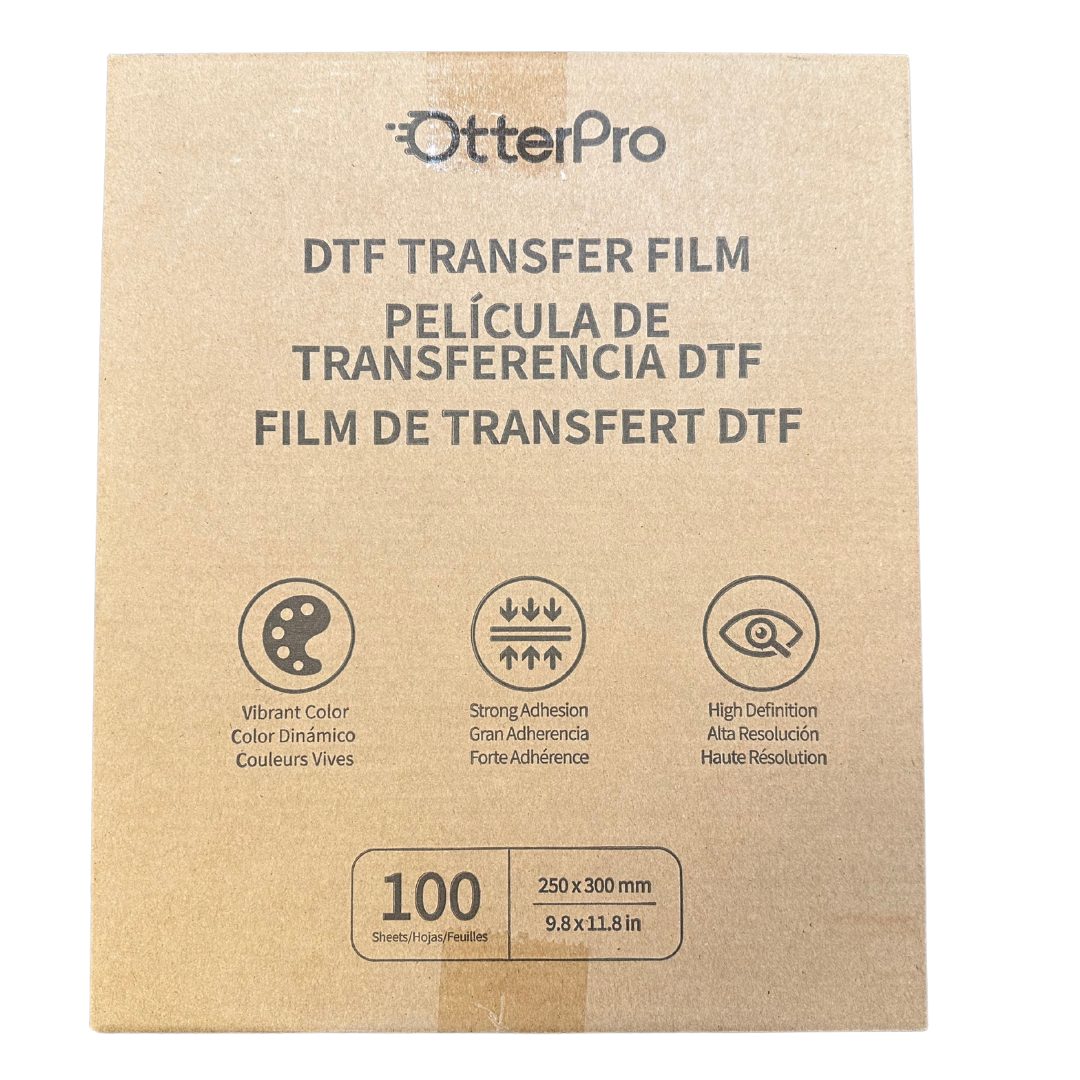
Las láminas D-to-Film son la opción perfecta para tiendas y creadores que necesitan una forma rápida y fiable de producir gráficos personalizados sin necesidad de grandes configuraciones. Precortadas y listas para usar, simplifican los flujos de trabajo al ofrecer la cantidad justa de material para proyectos pequeños, muestras o trabajos especiales. Estas láminas ofrecen detalles nítidos, colores vibrantes y una fuerte adhesión en una amplia gama de tejidos, lo que garantiza que los diseños se mantengan vivos tras repetidos lavados. Su tamaño manejable las hace fáciles de manejar, ideales para principiantes que prueban diseños o para empresas que realizan pedidos rápidos. Compatibles con las principales impresoras y polvos DTF, se integran a la perfección en cualquier proceso de producción. Ligeras y duraderas, las láminas D-to-Film ayudan a reducir los residuos a la vez que mantienen una alta calidad. Disponibles localmente y con el respaldo del equipo de expertos de Joto, esta colección le ofrece las herramientas para desarrollar su creatividad y obtener resultados profesionales sin demora.
Filtrar

3 productos

  • Ordenar por

FAQs

What are DTF Sheets and how are they used in custom apparel printing?

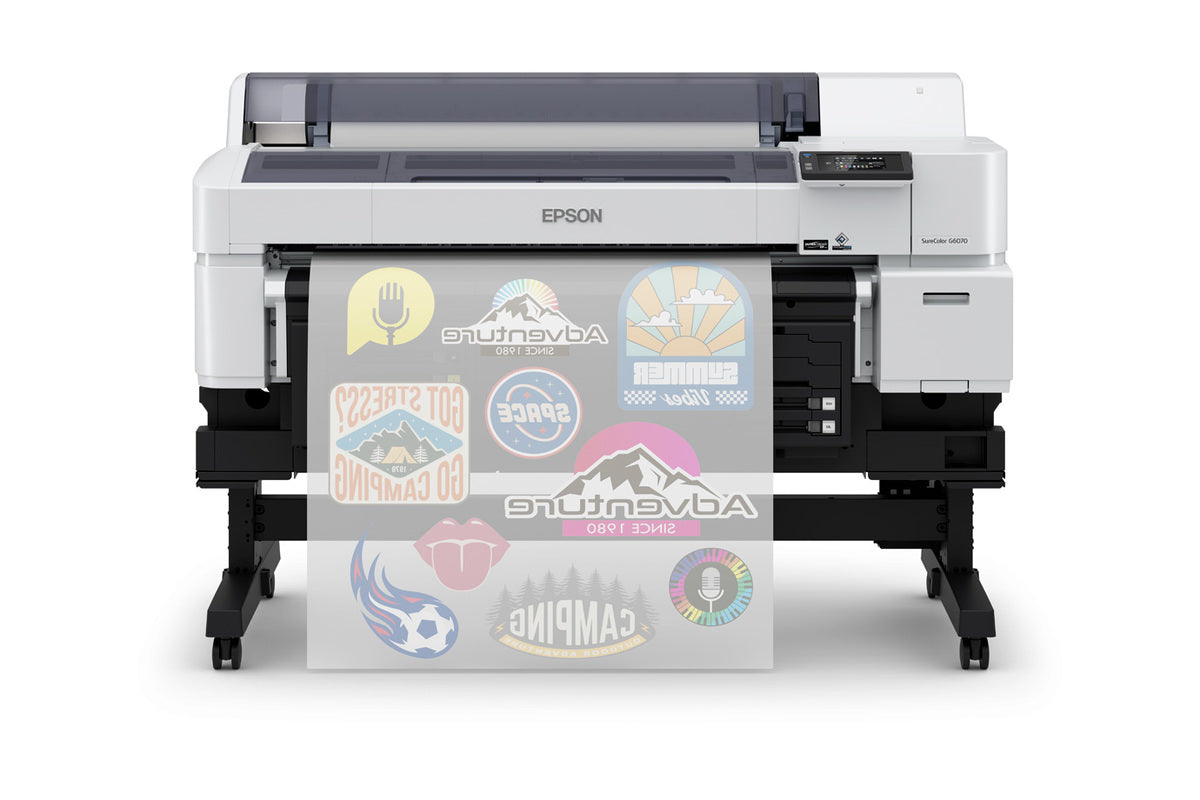
DTF Sheets are specialized polyethylene terephthalate (PET) films designed for the direct-to-film printing process, serving as a high-quality carrier for textile inks and adhesive powders. In custom apparel printing, these sheets are printed with vibrant CMYK and white inks before being coated with a hot-melt adhesive and cured to create a versatile heat transfer. Once prepared, the transfer is heat-pressed onto garments, offering exceptional stretchability and soft-hand feel on a wide variety of fabrics including cotton, polyester, and synthetic blends. This technology enables decorators to produce complex, full-color designs with superior wash fastness and durability compared to traditional methods.

What fabric types and printer systems are compatible with DTF Sheets for optimal transfer results?

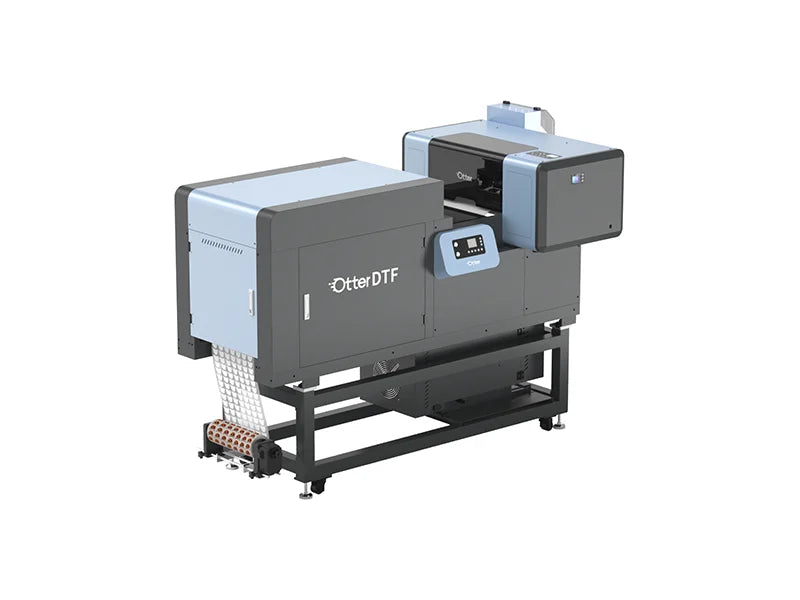
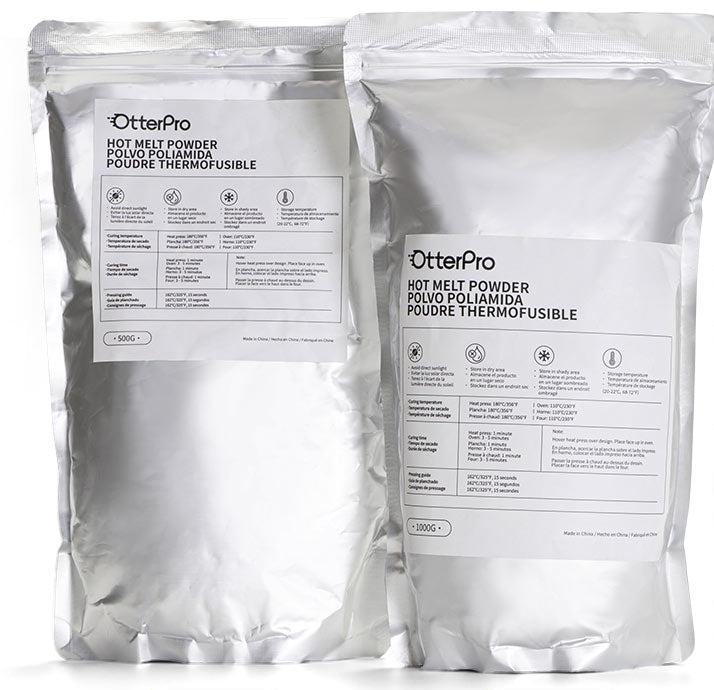
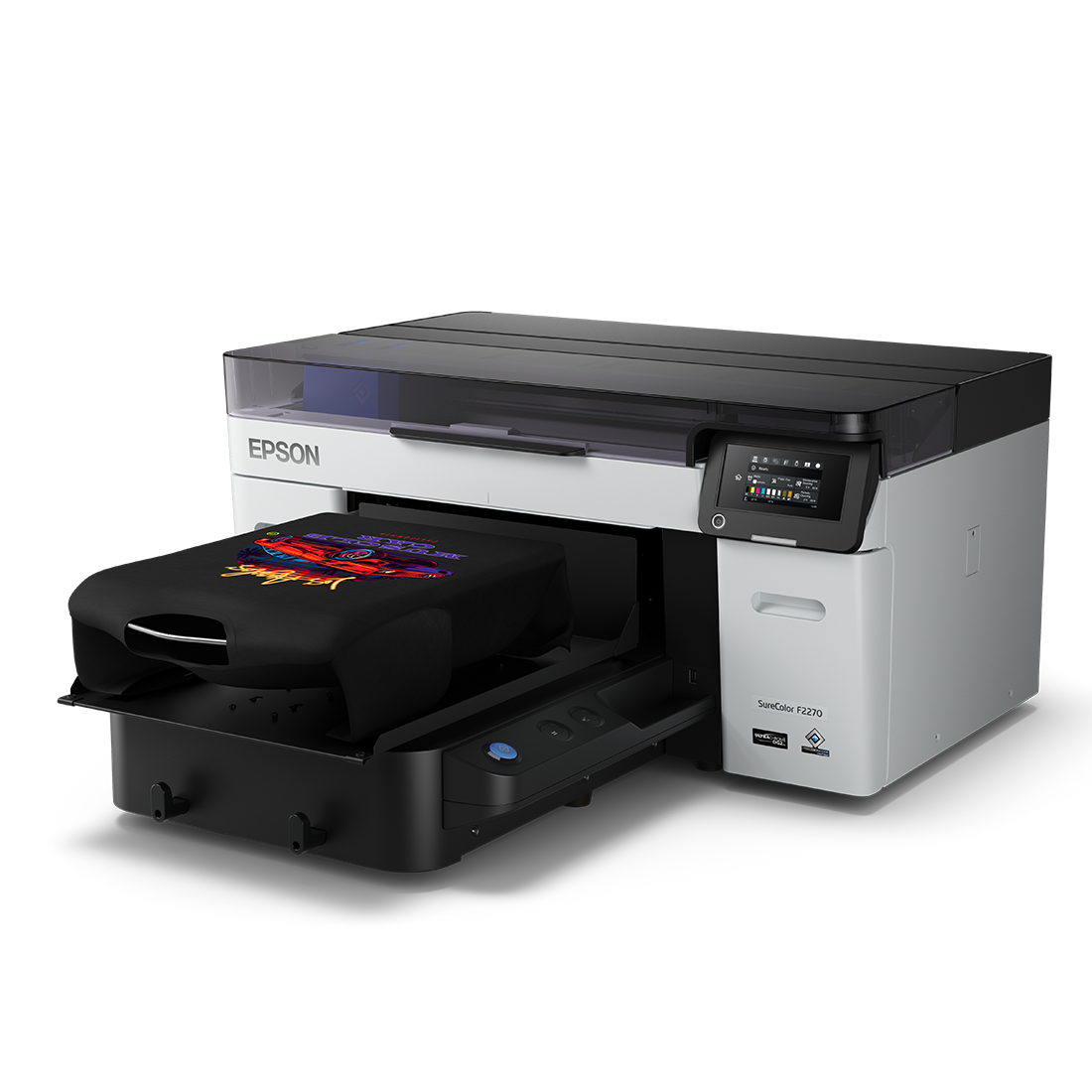
DTF Sheets are engineered for broad compatibility with a wide range of textile substrates, including cotton, polyester, nylon, and various synthetic blends. For optimal results, these high-quality PET films should be used with dedicated DTF printer systems equipped with circulating white ink channels and high-pigment textile inks. This professional-grade combination ensures excellent ink absorption and superior adhesion, delivering vibrant, long-lasting transfers with a soft-hand feel across diverse apparel types. By utilizing calibrated heat press settings and compatible TPU adhesive powders, decorators can achieve consistent, retail-quality finishes on both light and dark garments.

How can I ensure the long-term durability and proper wash fastness of apparel printed using DTF Sheets?

To ensure the long-term durability and superior wash fastness of apparel printed with DTF Sheets, it is critical to achieve a full cure of the TPU adhesive powder at the recommended temperature and dwell time. For optimal results, decorated garments should be laundered inside out in cold water using mild detergents and dried on a low-heat setting to preserve the integrity of the heat transfer bond. Avoiding harsh bleaching agents and industrial-strength chemicals prevents the degradation of the vibrant textile inks and maintains the soft-hand feel of the print. Consistently following these professional maintenance guidelines will significantly extend the lifespan of your custom apparel transfers.

How do you properly print and apply DTF Sheets to achieve a high-quality transfer on garments?

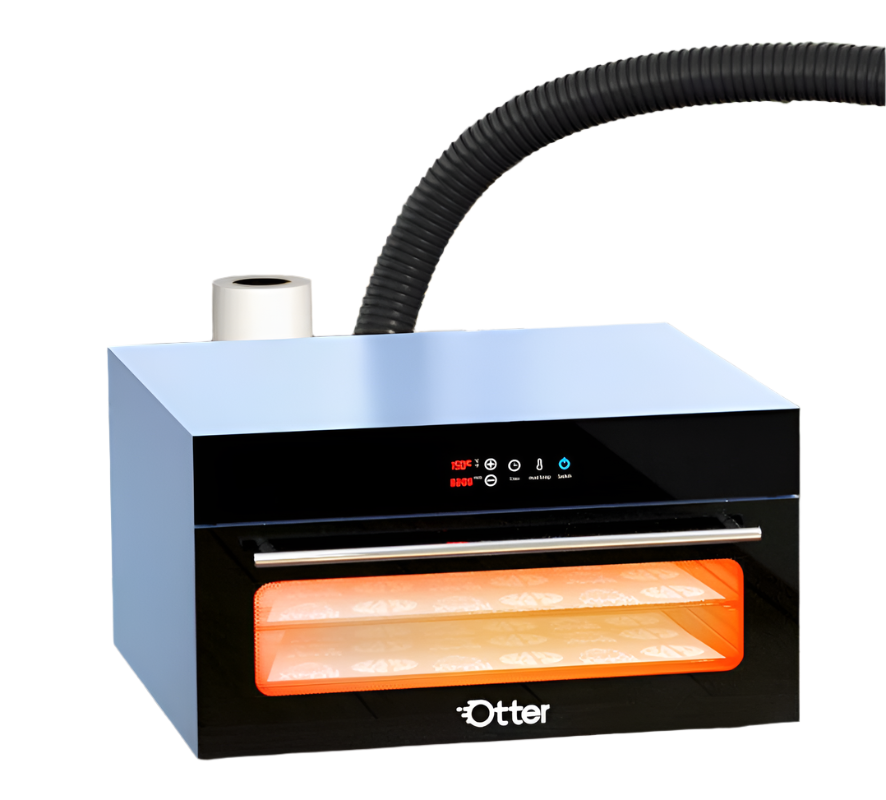
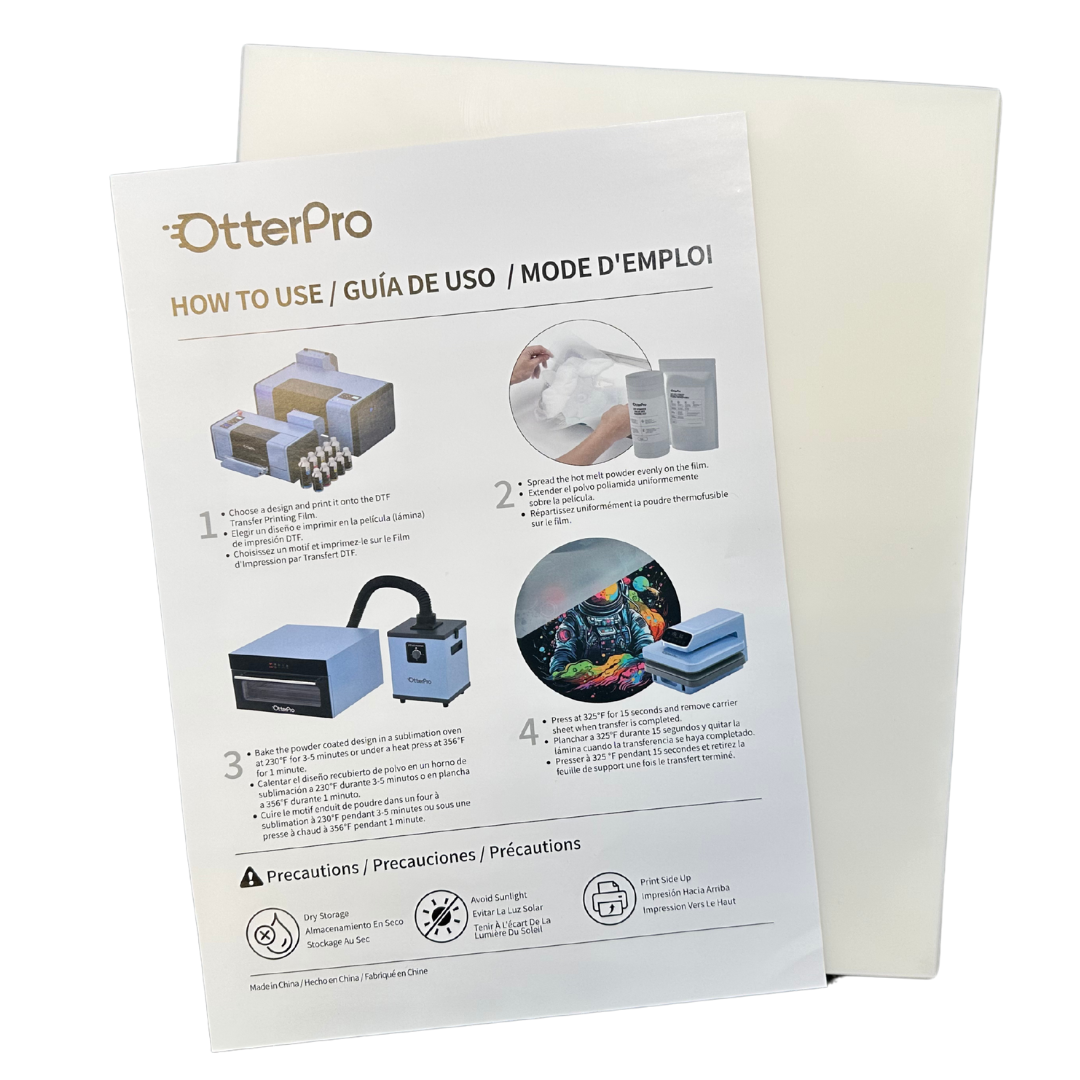
To achieve a professional transfer, begin by printing your design in reverse onto the coated side of the DTF Sheets using high-quality textile inks and a dedicated white ink circulation system. Immediately apply a uniform layer of TPU hot-melt adhesive powder to the wet ink, ensuring even coverage before curing the film in a DTF oven until the adhesive reaches a textured orange peel finish. Position the cured transfer onto the garment and apply consistent heat and pressure using a commercial heat press at approximately 300°F for 15 seconds, followed by a cold peel of the PET carrier. For maximum wash fastness and a soft-hand feel, perform a final finishing press with a protective sheet to fully integrate the adhesive into the fabric fibers.

What are the most common causes of poor ink adhesion or peeling when using DTF Sheets?

Poor ink adhesion or peeling with DTF Sheets often results from incomplete curing of the TPU adhesive powder or improper heat press settings, such as insufficient temperature and pressure. Environmental factors like high humidity can also cause the PET film to retain moisture, negatively affecting the bond between the textile ink and the garment fibers. To ensure a professional finish, it is crucial to verify that the adhesive has reached a uniform "orange peel" texture during the curing stage and that the substrate is free of moisture before application. Maintaining these technical standards ensures the high-quality wash fastness and durability expected from Joto Imaging Supplies products.

How can I achieve maximum color vibrancy and professional print quality with DTF Sheets?

To achieve maximum color vibrancy and professional results with DTF Sheets, ensure your design files are high-resolution at 300 DPI and utilize the correct ICC color profiles within your RIP software for accurate CMYK reproduction. Optimize your printer settings by adjusting white ink density to provide a solid, opaque base, which is critical for making colors pop on dark or transparent substrates. Maintain consistent printhead performance through regular nozzle checks and ensure the TPU adhesive powder is cured to a uniform orange-peel finish to preserve rich color saturation. Finally, use a high-quality commercial heat press with calibrated pressure and temperature settings to ensure a durable, vibrant bond with the textile fibers.

How can switching to DTF Sheets help your business reduce production costs and improve overall profit margins?

Switching to DTF Sheets significantly reduces production costs by eliminating the need for screens, emulsions, and weeding required in traditional transfer methods. This streamlined PET film workflow enhances labor efficiency and allows for high-quality, durable transfers on various textile substrates with minimal setup time. By optimizing ink consumption and reducing material waste, DTF Sheets enable higher profit margins for both short-run and large-scale custom apparel projects. This high-efficiency system ensures a faster turnaround for customers while maintaining the professional-grade wash fastness and color vibrancy Joto Imaging Supplies is known for.

How should DTF Sheets be stored to maintain their quality and ensure user safety?

DTF Sheets should be stored in a cool, dry environment with temperatures between 18°C and 25°C and relative humidity between 40% and 60% to prevent the PET film from absorbing moisture. To maintain the integrity of the specialized coating and ensure consistent ink absorption, keep the sheets in their original anti-static packaging away from direct sunlight and heat sources. For optimal safety and performance, handle the film with clean gloves to avoid transferring oils and utilize a first-in, first-out inventory system to ensure the highest quality for your direct-to-film transfers. These professional storage practices prevent film curling and preserve the adhesive properties required for durable, high-vibrancy apparel decoration.

How do DTF Sheets compare to traditional screen printing or DTG for custom apparel decoration?

DTF Sheets offer a superior alternative to traditional screen printing and DTG by eliminating the need for complex screen setups, emulsions, or intensive pre-treatment. Unlike DTG, which is often limited to high-cotton blends, this direct-to-film process ensures exceptional color vibrancy and durability across a vast range of textiles including polyester, nylon, and synthetic blends. The streamlined workflow significantly reduces labor costs and material waste while providing a high-stretch, soft-hand finish that rivals the quality of industrial screen printing. By utilizing these high-quality PET films, businesses can achieve faster turnaround times and higher profit margins on both small-batch and large-scale custom apparel projects.

How can you optimize heat press pressure and dwell time for DTF Sheets to ensure maximum wash durability without compromising the soft-hand feel of the transfer?

To optimize DTF Sheet transfers, apply medium pressure at a temperature of 300°F to 320°F for a dwell time of 10 to 15 seconds to ensure the TPU adhesive powder fully bonds with the garment fibers. High pressure should be avoided as it can force the ink too deep into the fabric, compromising the desired soft-hand feel and resulting in a stiff finish. Implementing a secondary finishing press for 5 seconds with a protective sheet helps set the design and enhances long-term wash durability while maintaining textile flexibility. This technical balance between heat and compression is critical for achieving professional-grade apparel decoration that withstands repeated laundering without cracking or peeling.

Drawer Title
productos similares