























saltar al contenido
es
CAD

Bienvenido al nuevo sitio web de Joto Imaging Supplies

Uninet Printers

Frequently Asked Questions:

What are Uninet Printers and how are they used for professional garment and product decoration?

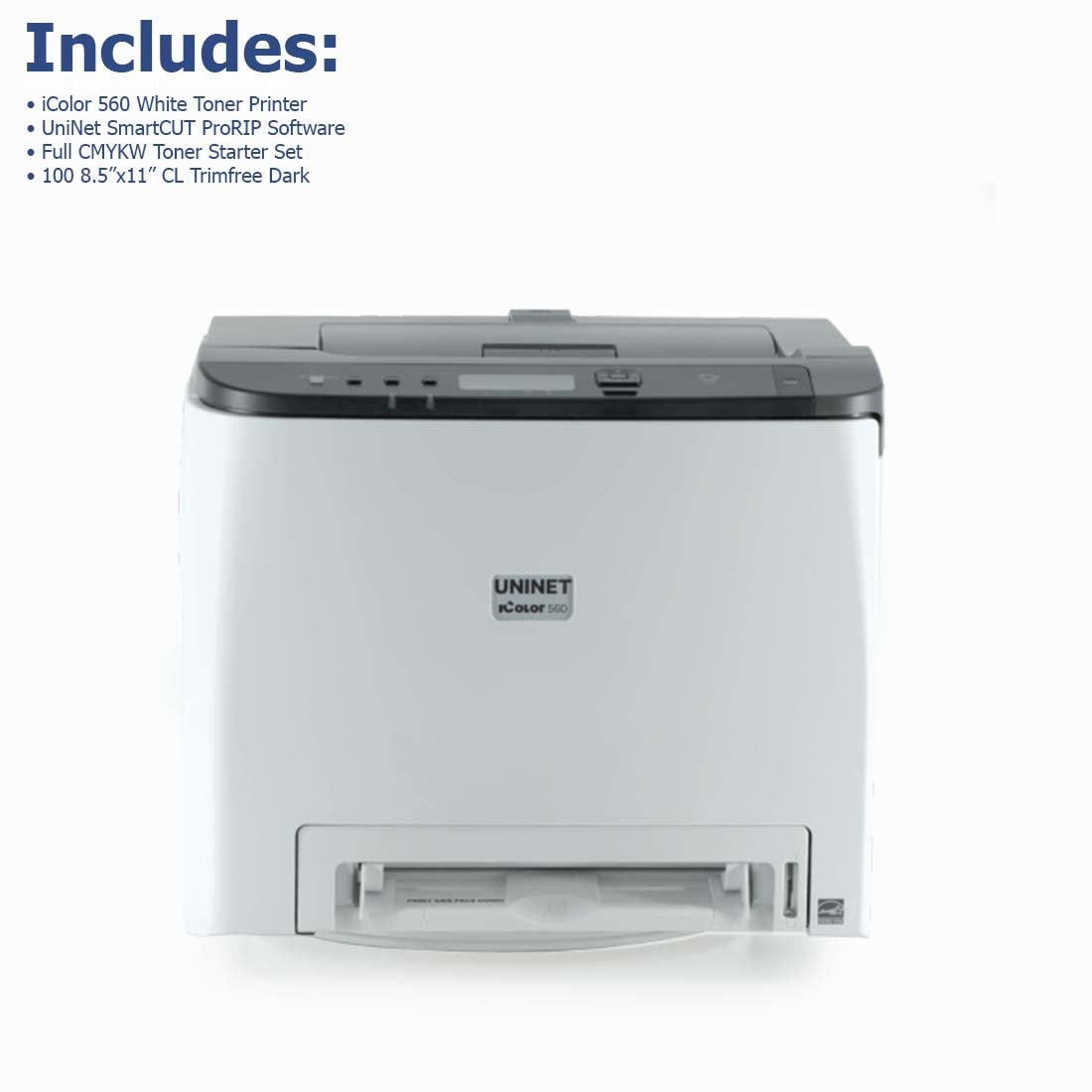
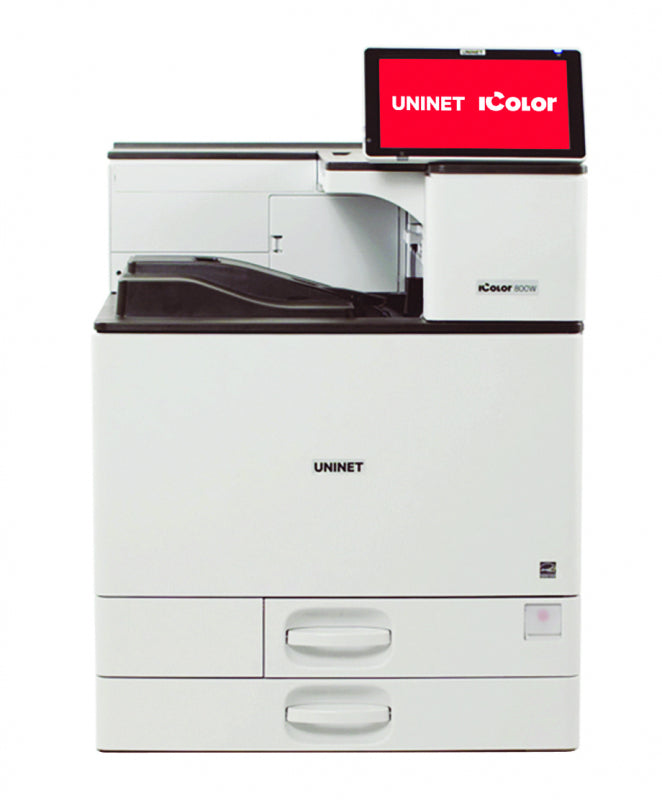
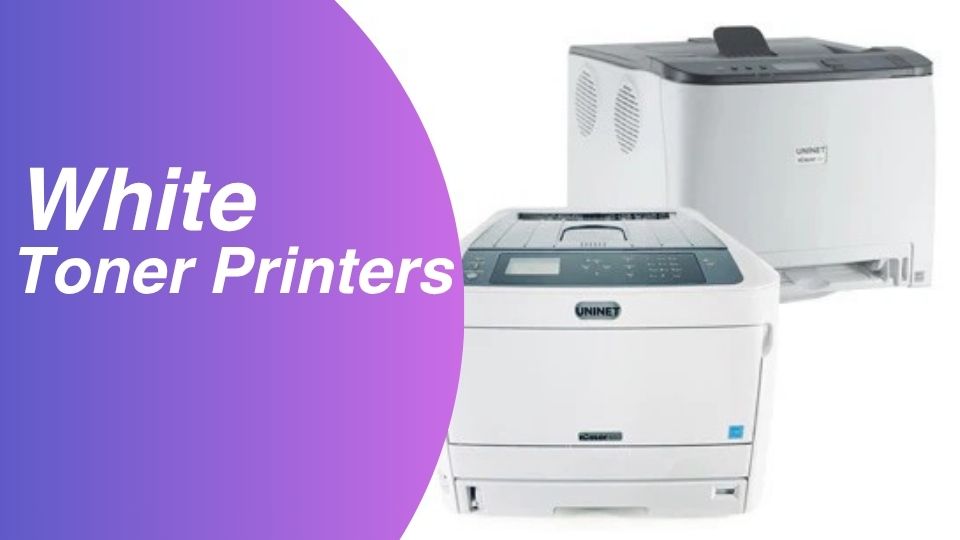
Uninet Printers, such as the IColor series, are versatile toner-based digital transfer systems designed for high-quality garment and hard surface decoration. Utilizing advanced white toner technology with single-pass overprint and underprint capabilities, these machines allow for vibrant, opaque transfers on dark textiles, ceramics, glass, and metal. These professional-grade printers eliminate the maintenance issues common with ink-based systems while offering specialized upgrades for dye sublimation, fluorescent, and metallic finishes. By combining high-resolution output with the IColor ProRIP software, businesses can achieve cost-effective, short-to-mid-run production with exceptional durability and color accuracy.

What fabric types and specific toner requirements are compatible with Uninet Printers for optimal transfer quality?

Uninet IColor printers are highly versatile, offering compatibility with a wide range of fabrics including 100% cotton, polyester, and synthetic blends like denim and performance apparel. To achieve optimal transfer quality, these systems utilize specialized white toner technology for high-opacity underprinting and overprinting on dark or colored textiles. For maximum durability and vibrant results, it is essential to use genuine Uninet IColor toner cartridges and pair them with high-quality two-step transfer media. This combination ensures a professional, soft-hand finish that can withstand over 100 wash cycles when applied with a commercial-grade heat press.

How can I ensure the long-term durability and proper maintenance of prints produced by Uninet Printers?

To maximize the long-term durability of transfers produced by Uninet IColor white toner printers, it is critical to use high-quality transfer media and follow precise heat press settings for temperature, pressure, and dwell time. Unlike ink-based systems, these toner-based prints are virtually maintenance-free and do not suffer from clogged printheads, but they require proper laundering, such as washing garments inside out in cold water, to maintain image integrity. For hard surface applications, utilizing specialized media like AquaClear ensures a scratch-resistant finish that preserves color vibrancy over time. Adhering to these technical specifications ensures your custom products achieve professional-grade wash fastness and lasting shelf life.

How do you properly set up and use Uninet Printers for high-quality garment and substrate transfers?

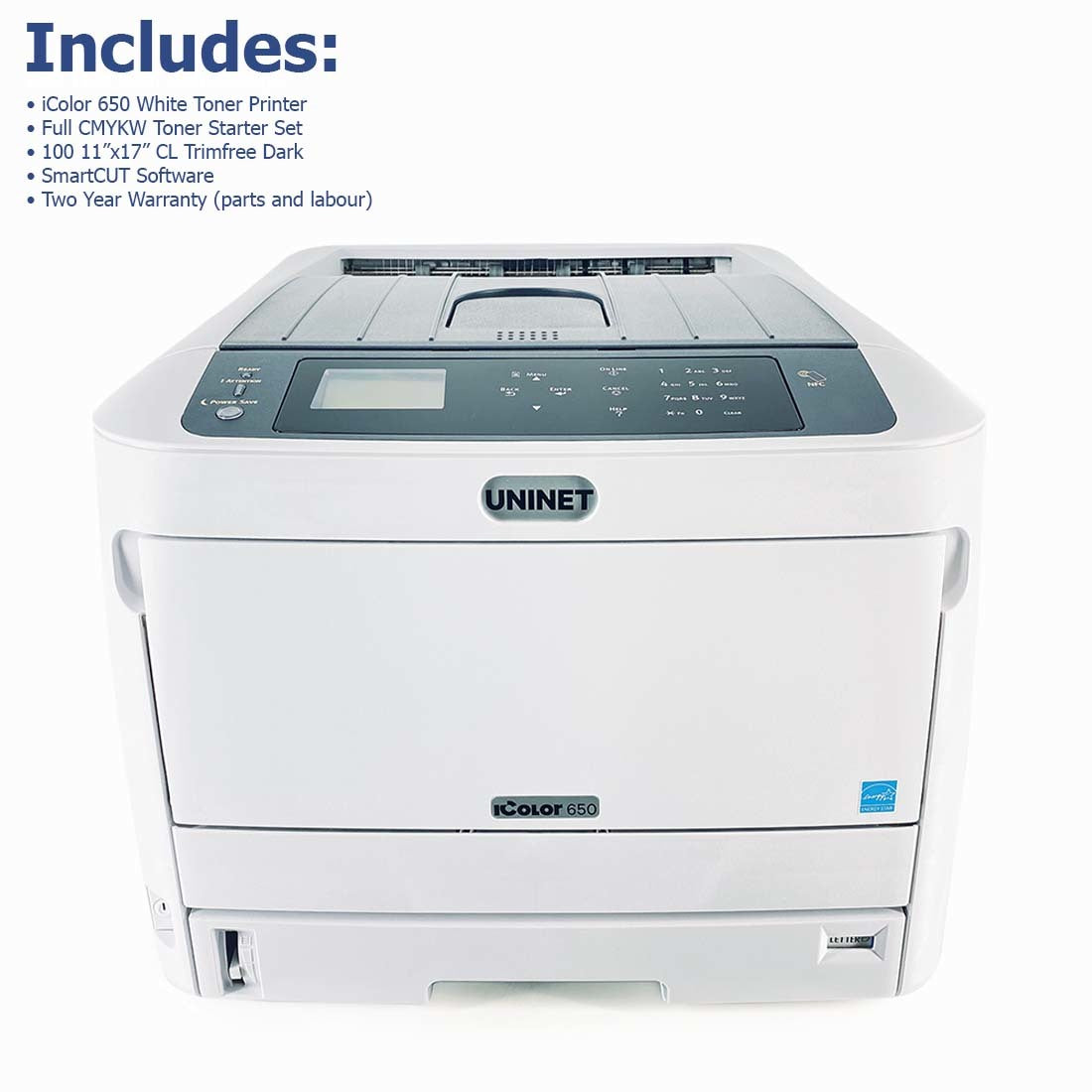
To properly set up Uninet IColor printers, begin by installing the specialized ProRIP or TransferRIP software to manage white toner overprint and underprint capabilities for vibrant transfers. Ensure technical accuracy by selecting the correct media weight settings, such as Ultra Heavy for the IColor 650, and always mirror your designs before printing onto the transparent A-sheet. For professional-grade garment decoration, marry the printed sheet with an adhesive B-sheet at 310°F using a high-pressure heat press before performing a final post-press to ensure maximum wash durability. This integrated digital transfer system allows for seamless customization across a wide range of textiles and hard surfaces, maintaining the high standards expected from Joto Imaging Supplies.

What are the most common causes of poor print quality or white ink clogging when using Uninet Printers?

Poor print quality and white ink clogging in Uninet Printers often result from pigment sedimentation, air bubbles in the ink lines, or environmental factors like low humidity that cause the ink to dry prematurely. Regular maintenance, including daily printhead cleaning cycles and ensuring the white ink is properly agitated, is essential to prevent blockages and maintain consistent flow. Technical issues may also arise from incorrect software configurations in ProRIP or hardware components like defective dampers and printhead adapters. Following a strict maintenance schedule and controlling your workspace temperature will ensure your Uninet system delivers the professional-grade, high-vibrancy transfers Joto Imaging Supplies is known for.

How can I achieve maximum color vibrancy and professional print quality with Uninet Printers?

To achieve maximum color vibrancy and professional results with Uninet IColor printers, utilize the specialized IColor ProRIP software to manage white toner opacity and custom ICC profiles for precise color matching. Ensure your printer is maintained in a temperature-controlled environment between 50°F and 75°F with stable humidity to prevent registration issues and ensure consistent toner fusion. Leverage the unique white overprint and underprint capabilities in a single pass to provide a solid, opaque background that enhances the brilliance of CMYK layers on dark or transparent substrates. Finally, utilize rasterization tools within the RIP software to improve the soft-hand feel and wash durability of your transfers while optimizing toner consumption.

How can investing in Uninet Printers help my business reduce production costs and increase profit margins?

Investing in Uninet iColor white toner printers reduces production costs by eliminating the high maintenance and daily cleaning routines associated with traditional ink-based DTF or DTG systems. The high-yield toner cartridges provide a lower cost-per-page for short to mid-run transfers, while the single-pass printing technology significantly increases labor efficiency. By allowing you to create apparel, hard surfaces, and marketing materials on a single device, Uninet systems maximize profit margins through unmatched versatility and rapid turnaround times. This professional-grade solution ensures high-resolution results with low overhead, making it a highly profitable asset for any custom decoration business.

How should Uninet Printers be stored and maintained to ensure long-term performance and operator safety?

To ensure long-term performance and operator safety, Uninet printers should be installed in a well-ventilated, climate-controlled environment maintained between 64°F and 77°F, away from direct sunlight, high humidity, and dust. For toner-based iColor systems, perform regular firmware updates and maintain a dedicated power circuit with the supplied transformer to prevent electrical issues and ensure consistent print quality. If utilizing Uninet DTF systems, strictly follow daily maintenance protocols and use specialized maintenance solutions or "Vacation Mode" cartridges to prevent printhead clogs during periods of inactivity. Always prioritize safety by wearing protective gear during maintenance and ensuring all electrical connections and internal components are kept clean and secure.

How do Uninet Printers compare to traditional screen printing or direct-to-garment methods for high-quality apparel decoration?

Uninet iColor white toner printers provide a versatile, low-maintenance alternative to traditional screen printing and direct-to-garment (DTG) systems by eliminating the need for screens, liquid ink maintenance, and complex pretreatment. While DTG offers a softer hand feel, Uninet's toner-based technology excels in high-opacity white printing and the ability to decorate a wider array of substrates including dark textiles, hard surfaces, and specialty media in a single pass. This digital transfer solution significantly reduces setup time and production costs for short to mid-run jobs while offering unique capabilities like fluorescent and metallic finishes through easy-swap specialty toner kits. Utilizing the included ProRIP software, businesses can achieve professional-grade results with precise color management and rasterization for enhanced durability and cost-efficiency.

How can you fine-tune environmental humidity and RIP software ink limits on Uninet IColor printers to prevent white ink choking and ensure consistent transfer elasticity on high-stretch performance fabrics?

To optimize Uninet IColor printers for high-stretch performance fabrics, maintain environmental humidity between 40% and 60% to ensure stable toner transfer and prevent static-related white ink choking. Within your RIP software, precisely calibrate the white ink limits and utilize the choke feature to slightly retract the white underbase, ensuring it does not bleed beyond the CMYK layers. Adjusting these settings alongside a specialized stretch adhesive powder allows the transfer to maintain maximum elasticity without cracking or peeling during garment extension. Consistent technical monitoring of these variables is essential for achieving professional-grade, durable results on modern synthetic textiles.

Drawer Title
productos similares