
































saltar al contenido
es
CAD

Bienvenido al nuevo sitio web de Joto Imaging Supplies

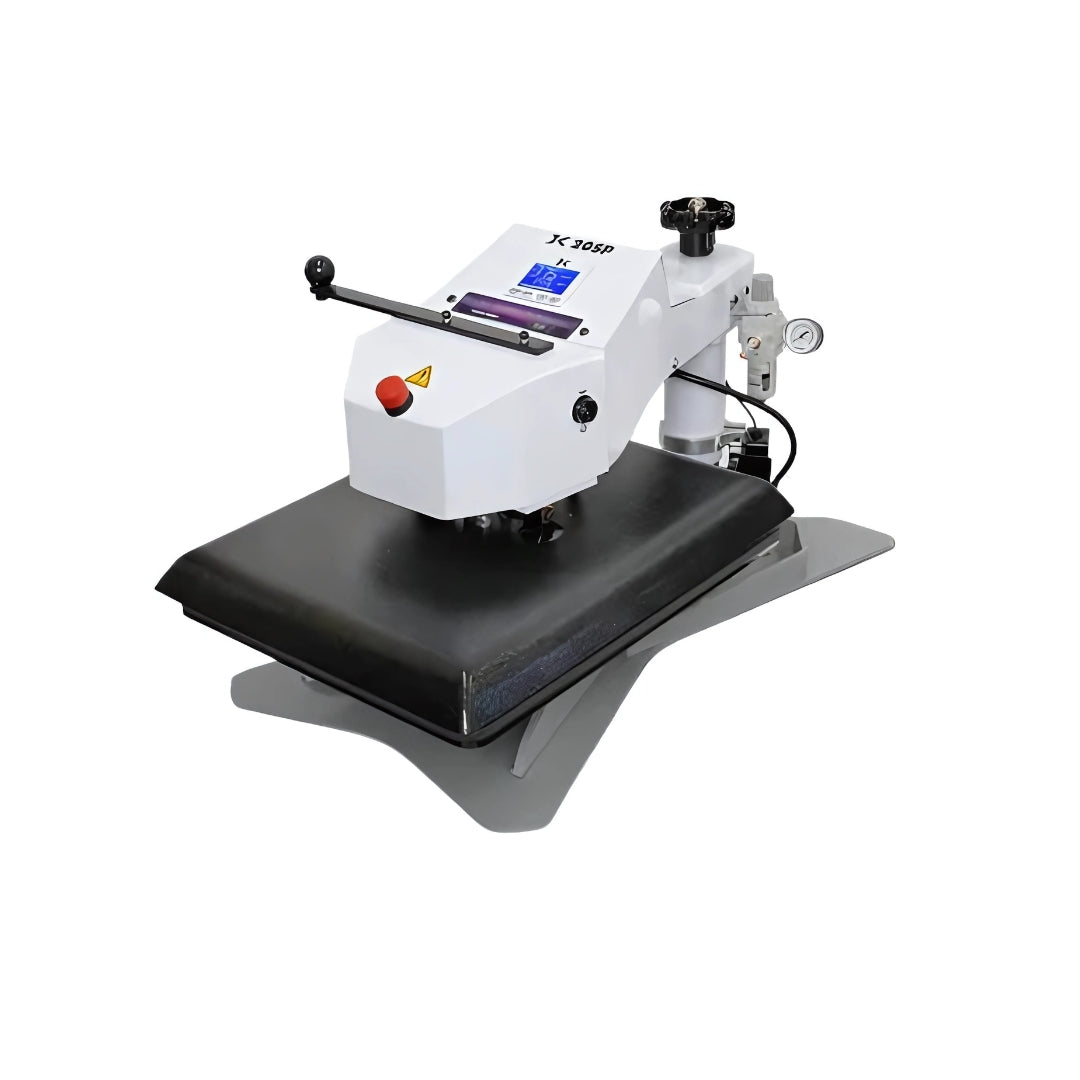
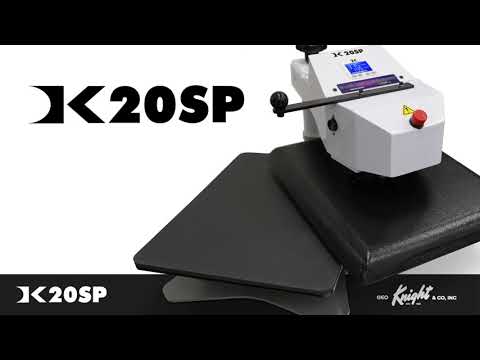
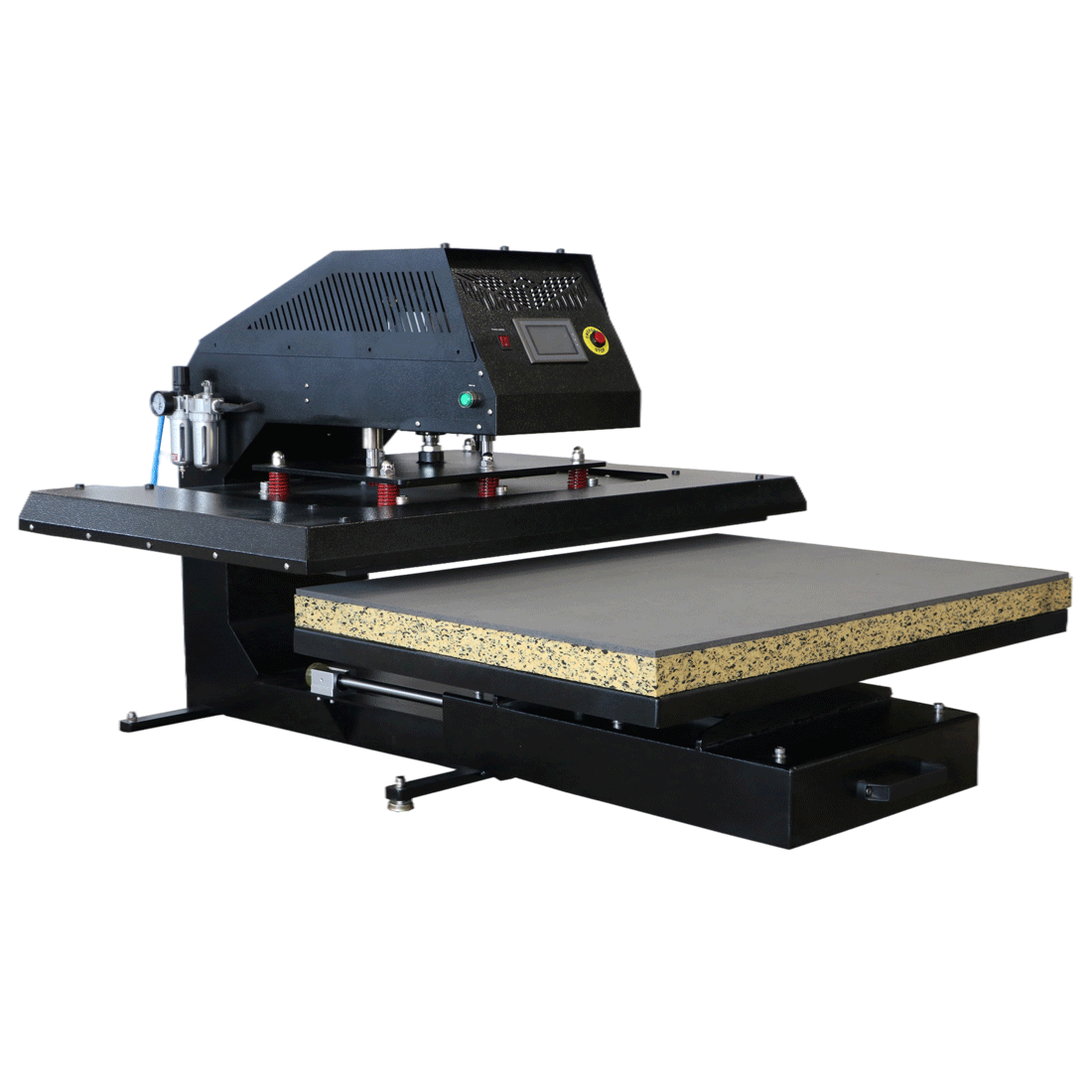
Prensas oscilantes

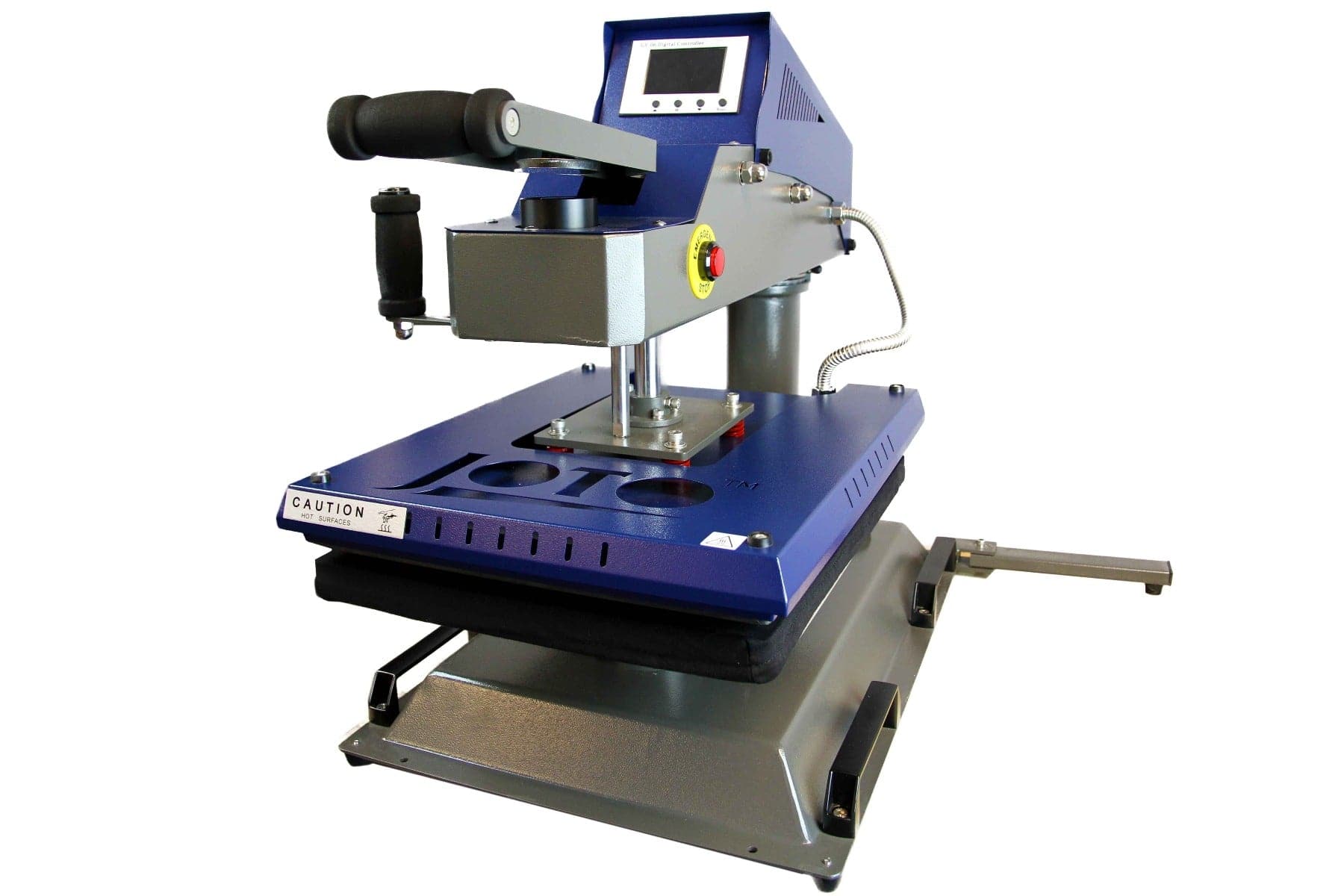
Prensas oscilantes para flujos de trabajo más seguros

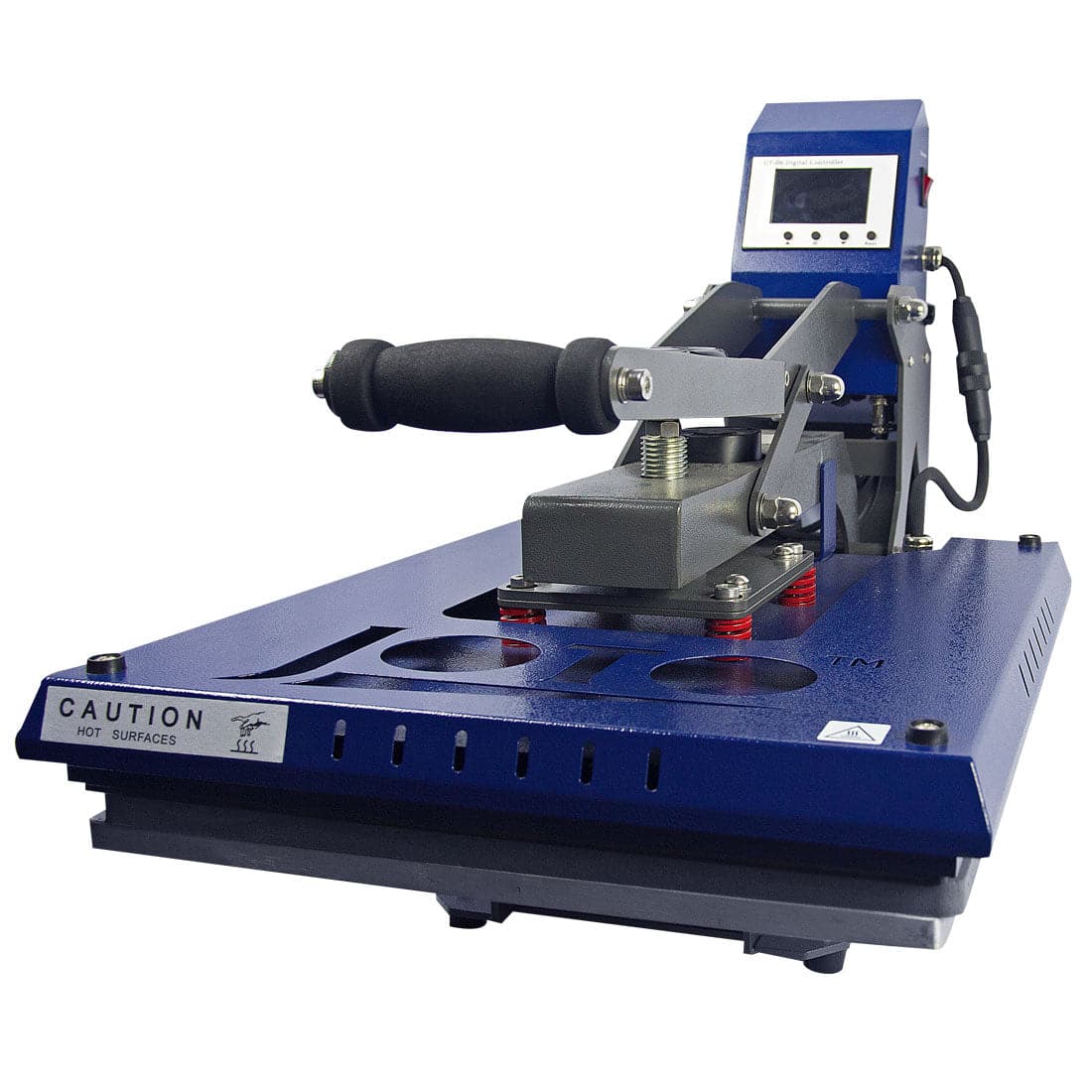
Trabaje con confianza utilizando prensas oscilantes, donde la platina caliente se mueve a un lado para brindarle espacio, seguridad y precisión en cada transferencia.

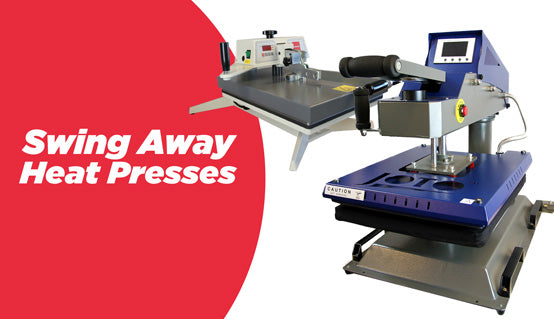
Las prensas de vaivén están diseñadas para una producción más cómoda y precisa. Al abatir la platina superior, se obtiene un espacio de trabajo despejado que permite realizar ajustes precisos sin riesgo de quemaduras. Esta función es especialmente útil para diseños multicapa, prendas más gruesas y artículos que requieren una colocación precisa. El calor constante y la presión ajustable ofrecen resultados duraderos, manteniendo los colores brillantes y los bordes definidos después de repetidos lavados. Su robusta construcción las hace ideales para el uso diario, desde estudios personalizados hasta talleres con gran afluencia de público que manejan tiradas grandes. Los operarios se benefician de una menor tensión, ya que la acción de vaivén facilita la colocación correcta de los materiales. Rápidas de calentar y fáciles de operar, estas prensas equilibran la productividad con un diseño intuitivo. Con el respaldo del equipo de expertos de Joto y con existencias locales en toda Norteamérica, las prensas de vaivén le ayudan a obtener resultados profesionales consistentes con mayor facilidad.

2 productos

  • Ordenar por

Frequently Asked Questions:

What is a swing-away heat press and what advantages does it offer over a clamshell design?

A swing-away heat press has an upper heating platen that pivots 360 degrees to the side rather than swinging straight up. This design moves the hot platen completely out of the work zone, making garment loading and positioning much safer and more accessible than a clamshell press. It is the preferred design for operators who work close to the press for extended periods and for applying transfers to thick or bulky items that are difficult to position under a fixed clamshell platen.

What pressure setting technique ensures even distribution across the full platen on a swing-away press for sublimation transfers?

With a garment loaded and the platen swung into position, lower it slowly and check that it contacts the substrate evenly before applying full pressure. Use a pressure calibration sheet — place paper at multiple platen positions and pull while the press is closed; consistent drag across all positions confirms even pressure. Adjust the pressure knob in small increments with the platen closed rather than estimating by the feel of the handle resistance, which varies with spring fatigue over time.

Is a swing-away press compatible with thick substrates like rubber mouse pads, hardboard plaques, and 3D objects?

Yes — the swing-away design is significantly better for thick and rigid substrates than a clamshell because the side-swinging platen allows you to position items on the lower platen without the overhead obstruction of a fixed upper platen. Mouse pads, hardboard, MDF photo panels, and other rigid items up to 20–25mm thick are handled more easily on a swing-away press. The platen also descends parallel to the substrate for more even initial contact on thick items.

Why is my swing-away press producing lighter sublimation in the back corners of the platen compared to the front?

Pressure differential between the front and back of the platen on a swing-away press is a common issue caused by the pivot arm geometry — the arm applies slightly less downforce at the far edge of the platen from the pivot point. Compensate by placing thicker substrates or adding a silicone pad beneath the back edge of the garment to raise it slightly, equalising contact pressure across the full platen. Also verify the platen arm pivot is properly tightened and not allowing slight tilt under press load.

How long does the upper platen heating element typically last on a commercial swing-away press in a production environment?

Commercial swing-away press heating elements last 3–7 years in regular production use when maintained properly. Element degradation manifests as increasing temperature variance across the platen surface — check quarterly with an infrared thermometer and compare readings to your baseline calibration data. Replace the element when variance exceeds ±15°F across the platen, as this level of inconsistency produces visible colour variation in sublimation output.

Is a swing-away press more cost-effective than a shuttle press for a shop producing mixed apparel and hard goods?

Swing-away and shuttle presses occupy similar price points for comparable quality. A swing-away press is more versatile for thick and rigid substrates due to its open-platen access. A shuttle press is faster for flat garment production because the sliding platen allows faster loading without the platen swing step. For a shop with a mixed product line including both soft goods and rigid substrates, a swing-away press typically offers better all-around versatility. For apparel-focused shops doing primarily flat transfers at volume, a shuttle press produces higher throughput.

What is the professional technique for positioning a sublimation transfer precisely on a garment on a swing-away press?

Use a laser alignment guide or a printed positioning template to mark placement on the lower platen before loading the garment. Load and smooth the garment on the lower platen, align it to your marks, then swing the upper platen over — the open side access of a swing-away press makes this adjustment step far easier than on a clamshell where the overhead platen obstructs your view. Secure the transfer with heat-resistant tape after final alignment and swing the platen into press position without disturbing the setup.

What is the difference between a manual swing-away press and a pneumatic swing-away press for high-volume production?

A manual swing-away press requires the operator to physically lower and raise the platen arm for every press cycle, which causes fatigue and variable pressure over a long production run as arm strength diminishes. A pneumatic swing-away press uses compressed air to apply and release pressure with consistent force at the touch of a foot pedal — eliminating operator fatigue, pressure variation, and the two-hand operation required by manual presses. For production runs of 50+ pieces per day, the consistency and ergonomic benefits of a pneumatic press justify the premium.

Are swing-away press platens coated with PFOA-free PTFE, and is the coating safe for use in a shared production space?

Quality swing-away press platens use PFOA-free PTFE (polytetrafluoroethylene) non-stick coatings, which are safe at standard heat press operating temperatures up to 450°F (232°C). PTFE itself does not off-gas at normal pressing temperatures. The PFOA-free designation confirms the coating was manufactured without the processing aid formerly used in PTFE production that raised health concerns. Verify PFOA-free status with the press manufacturer if this certification is required for compliance documentation in your production environment.

How do I maintain a swing-away press to keep the pivot arm operating smoothly and the platen aligned over years of use?

Monthly maintenance includes inspecting the pivot arm pivot point for play or looseness and tightening any adjustment bolts. Apply a small amount of high-temperature grease to the pivot bearing annually per the manufacturer's recommendation to prevent metal-on-metal wear that causes arm drift over time. Wipe the platen surface after each session to prevent ink and vinyl residue buildup. Verify platen alignment against the lower platen quarterly — pivot arm wear can cause the platen to close slightly off-centre, creating uneven pressure distribution across the substrate.

Drawer Title
productos similares