












saltar al contenido
es
CAD

Bienvenido al nuevo sitio web de Joto Imaging Supplies

Paquetes DTG

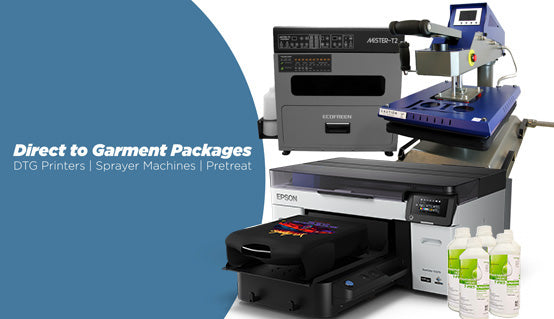
Paquetes DTG para la impresión completa de prendas

Obtenga todo lo que necesita para lanzar o actualizar su negocio de indumentaria con paquetes DTG que combinan impresoras, accesorios y soporte en una sola solución.

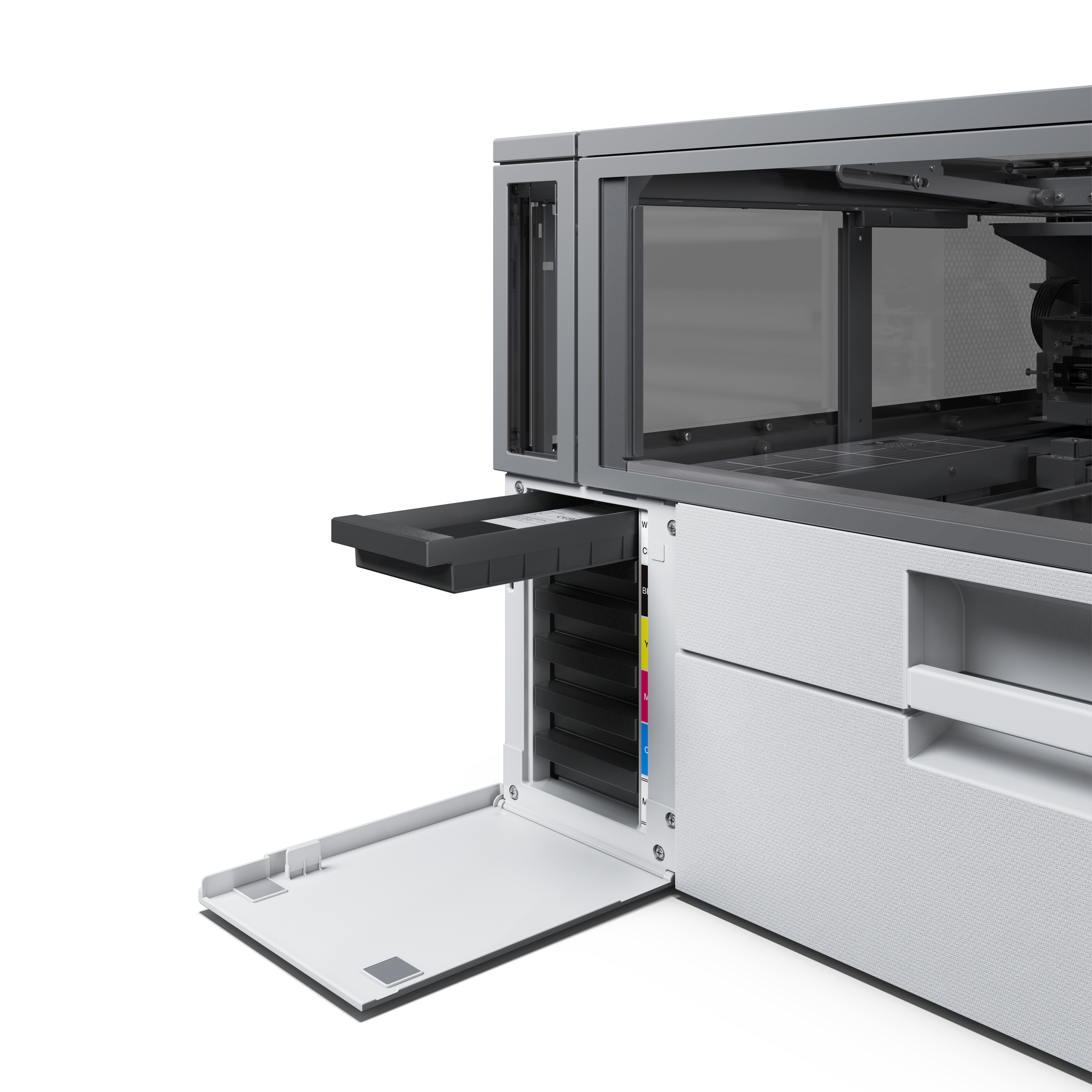
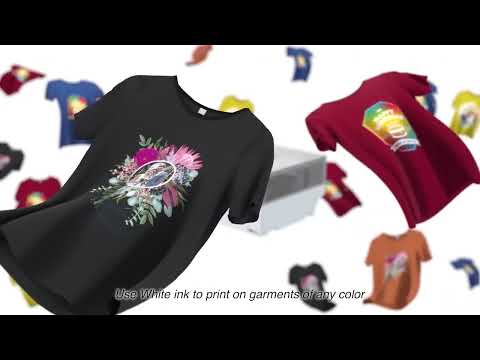
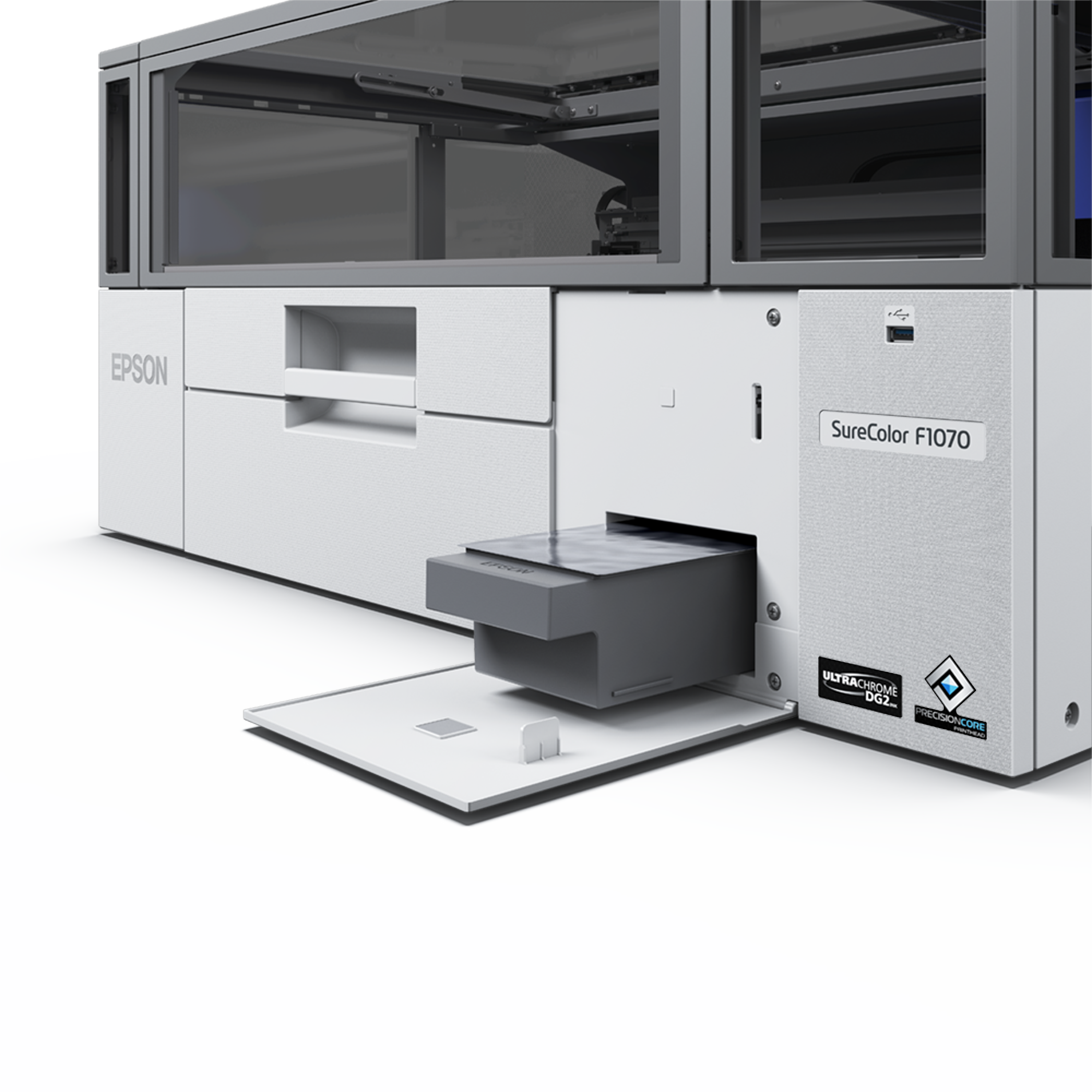
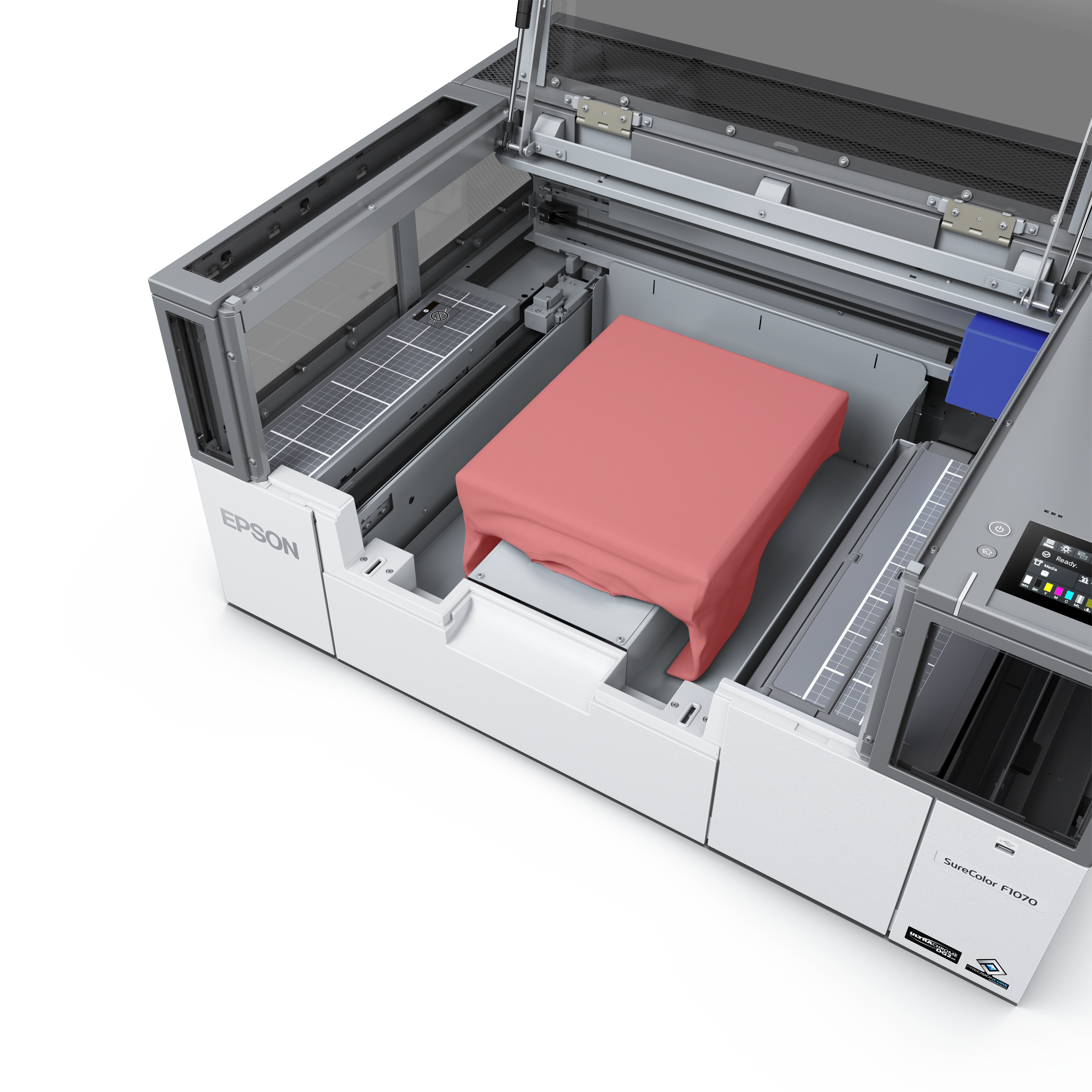
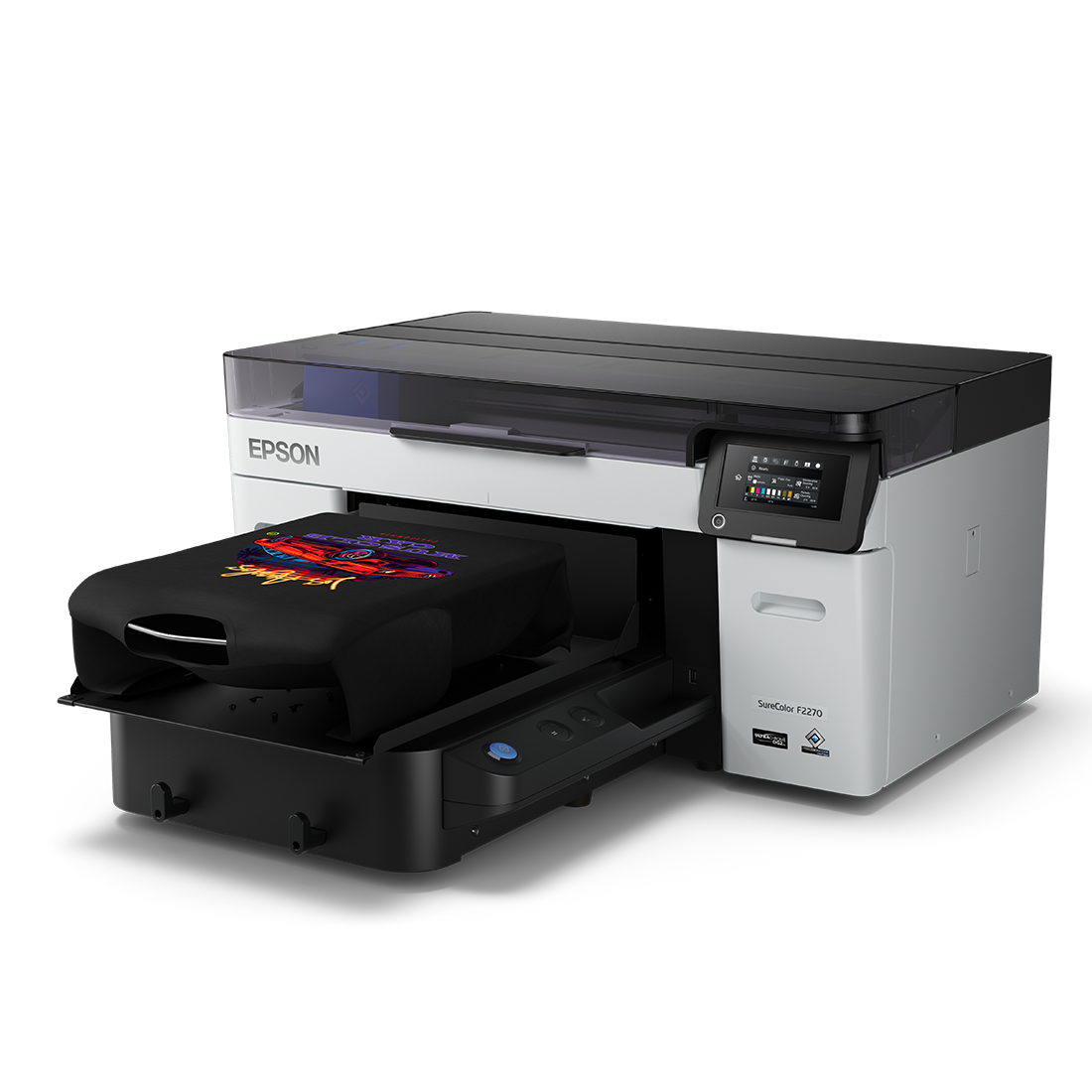
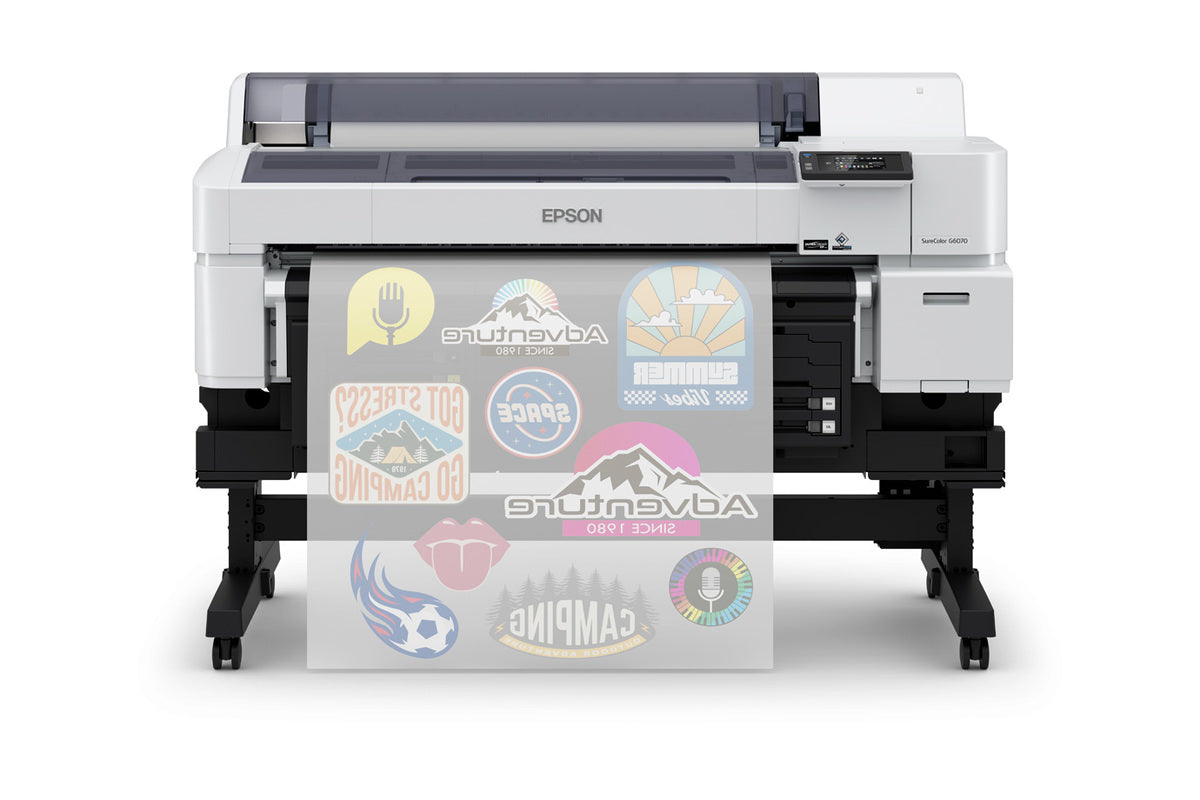
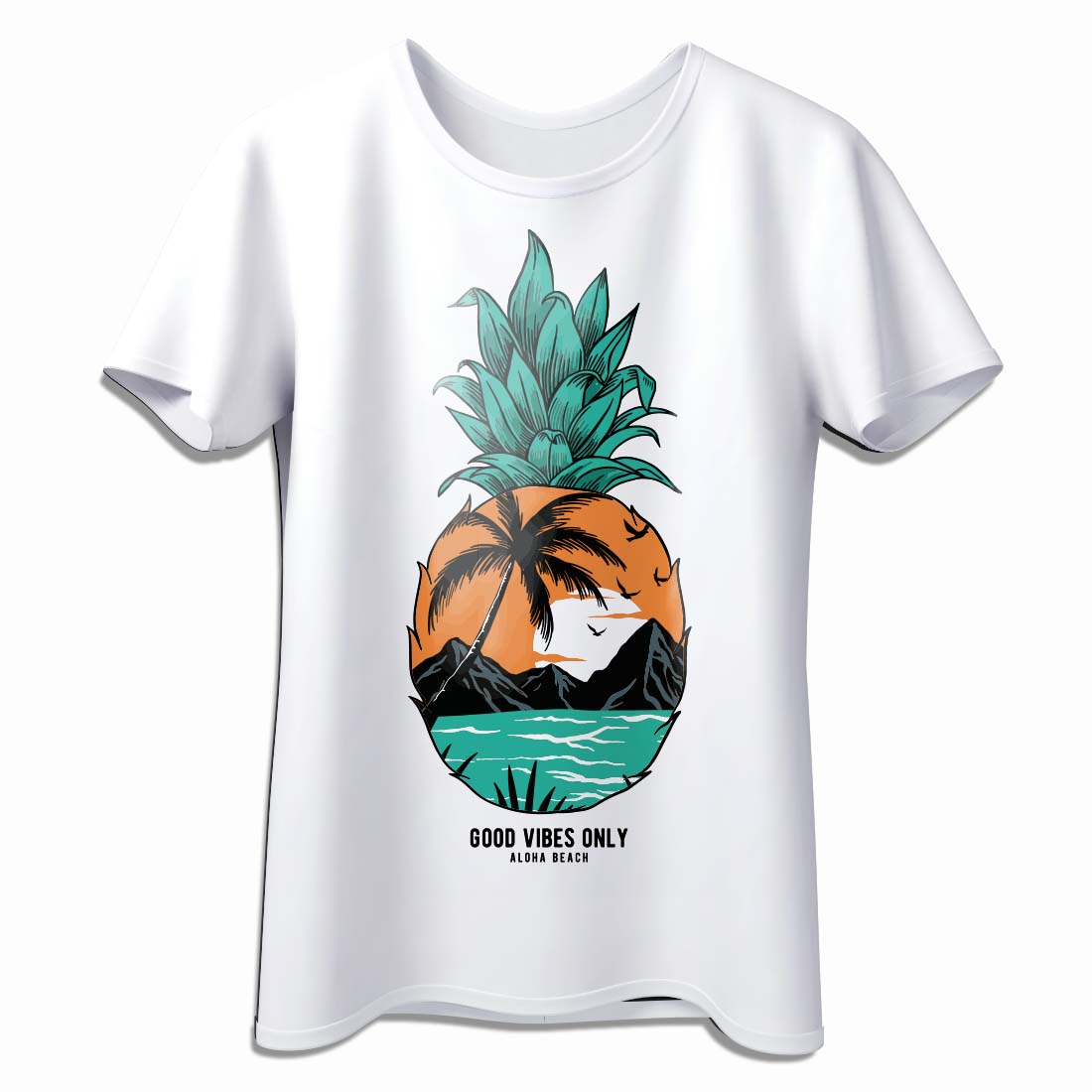
Los paquetes DTG están diseñados para simplificar la configuración de la impresión directa sobre prenda, integrando todos los componentes esenciales. Cada paquete incluye impresoras profesionales, tintas, platinas y accesorios diseñados para ayudarle a crear diseños detallados y vibrantes en telas de algodón y mezclas. Este enfoque integral ahorra tiempo, garantiza la compatibilidad y ofrece calidad profesional desde el principio. Ideales tanto para emprendedores que exploran nuevas oportunidades de negocio como para tiendas consolidadas que amplían su capacidad, los paquetes DTG ofrecen la flexibilidad de producir fácilmente tanto piezas únicas como pedidos grandes. Con tecnología de tinta avanzada, hardware fiable y software intuitivo, podrá lograr impresiones que destaquen lavado tras lavado. Con el respaldo de la experiencia, la formación y la atención al cliente de Joto, estos paquetes ofrecen una base sólida para el crecimiento, la eficiencia y el éxito a largo plazo en la impresión de prendas personalizadas.
5 productos

  • Ordenar por

Frequently Asked Questions:

What is included in a complete DTG package and who is it designed for?

A Joto DTG package bundles a direct-to-garment printer with starter inks, pretreatment solution, a heat press for curing, and the software needed to begin production on day one. DTG packages are designed for entrepreneurs launching a custom apparel business, existing screen printers adding on-demand capability, and print shops that want to eliminate minimum order quantities for full-color garment decoration.

What heat press size and temperature range does the heat press included in a DTG package support?

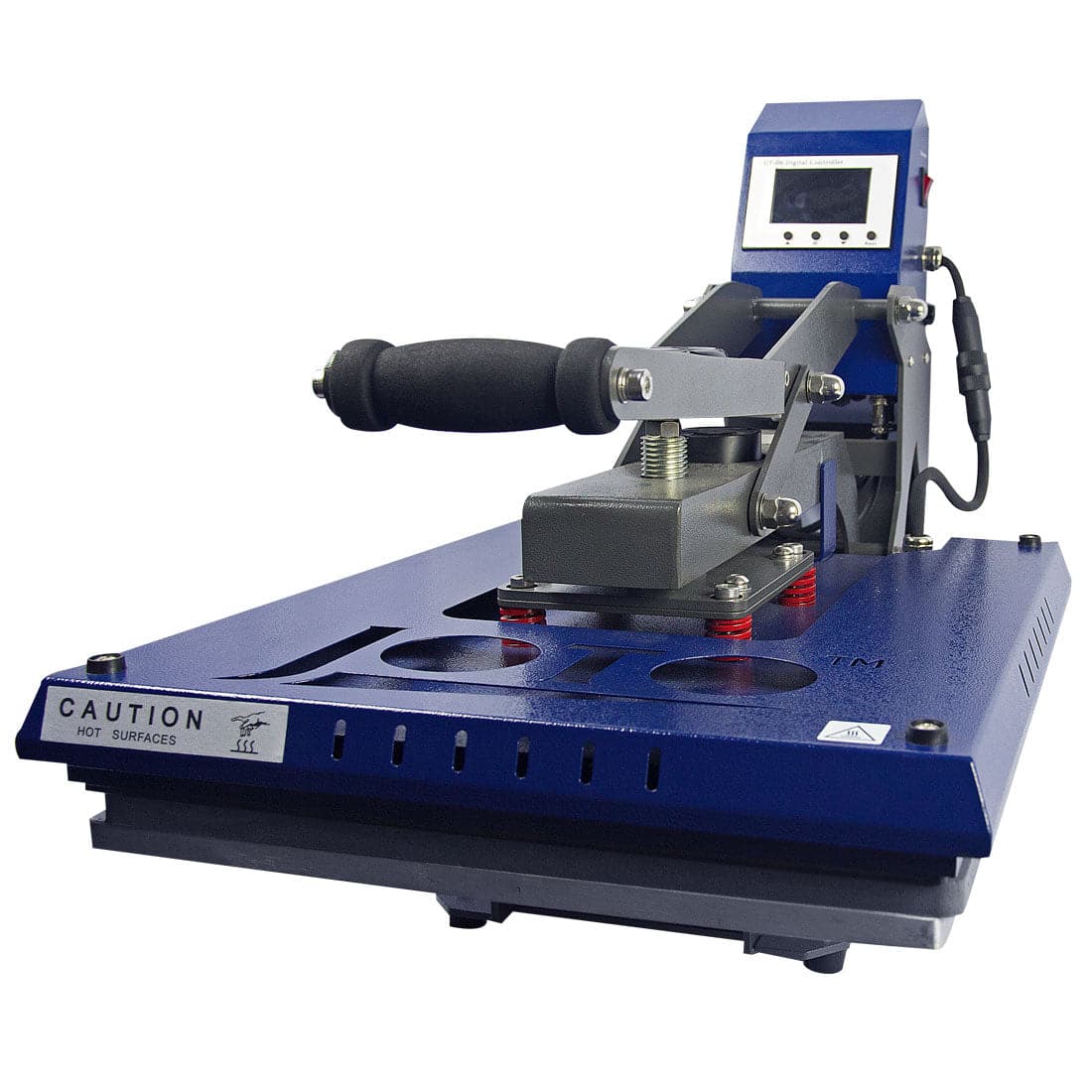
DTG packages from Joto typically include a 15x15 or 16x20 inch heat press capable of reaching 400°F (204°C), which covers both pretreatment curing (330–350°F) and ink curing (330–350°F) requirements. Confirm the specific heat press model included in your package and verify that the platen size accommodates the largest garment size you plan to produce regularly.

Is the DTG printer in a Joto package compatible with industry-standard RIP software or proprietary software only?

DTG printers included in Joto packages typically ship with a compatible RIP software for color management and white ink underbase generation — either the manufacturer's proprietary RIP or a licensed version of an industry-standard RIP like Wasatch or Cadlink. Verify which RIP is included before purchasing if you need compatibility with specific design workflows or existing production systems.

Why is the white ink underbase appearing grey rather than bright white in my first DTG test prints?

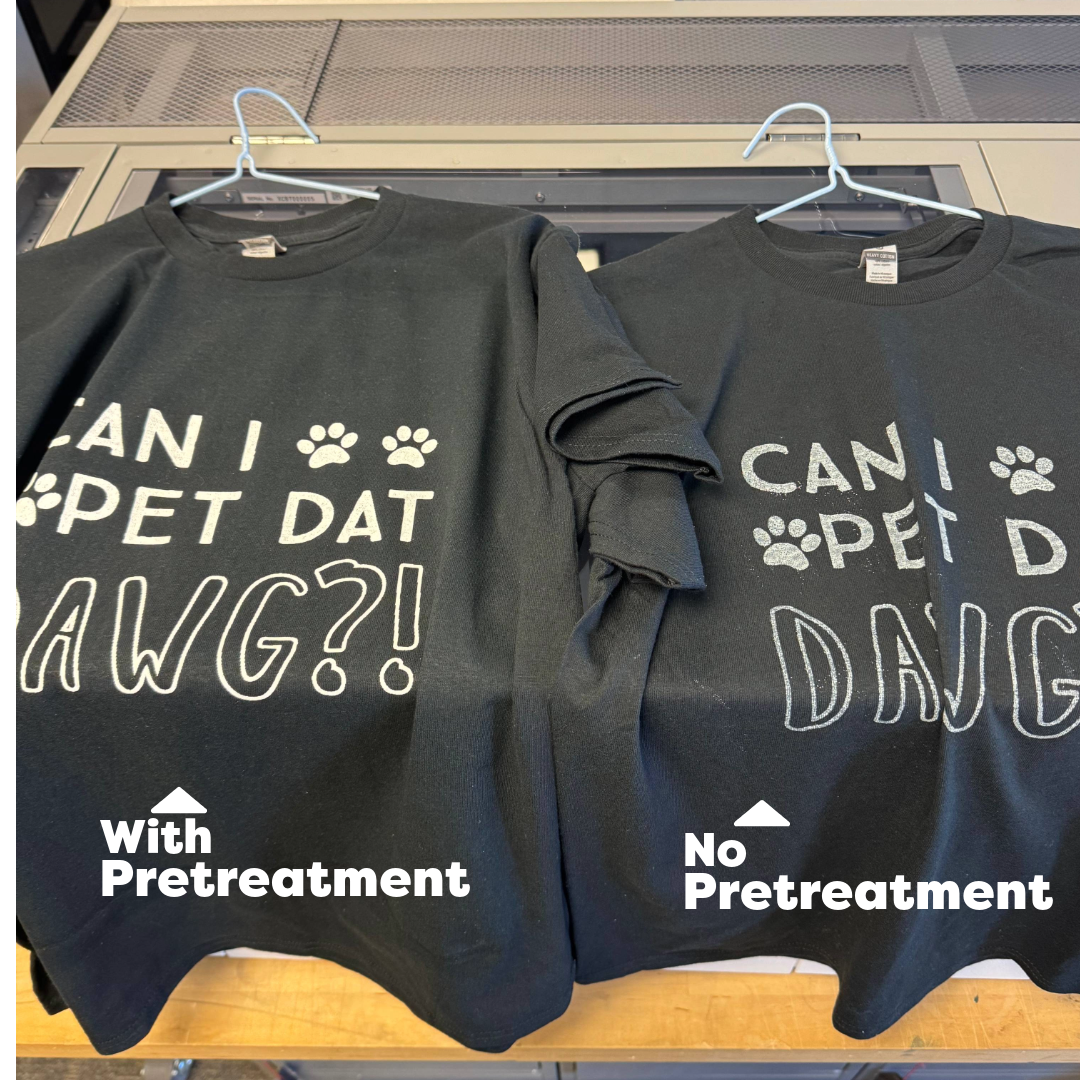
A grey white underbase almost always indicates insufficient pretreatment on the garment. The white ink has no firm surface to bond to and sinks into the fabric rather than forming an opaque base. Increase pretreatment volume by 15–20%, ensure the pretreatment is fully cured before printing (dry-touch with slight stiffness), and verify the garment is 100% cotton — synthetic fibers repel water-based pretreatment regardless of volume.

How many prints per week does a DTG package need to produce to be profitable for a small business?

At a typical retail price of $25–$40 CAD per custom t-shirt and a materials cost of $8–$15 per shirt (blank, ink, pretreatment), a small DTG operation needs to produce 15–25 shirts per week to cover equipment amortization over 3 years and basic operating costs. Profitability improves rapidly above this threshold since the fixed equipment cost is spread over more units. Diversifying into higher-margin items like hoodies and tote bags accelerates the path to profitability.

What is the cost difference between producing a custom garment with an in-house DTG package versus using a print-on-demand service?

Print-on-demand services typically charge $15–$25 CAD per garment for fulfillment before your margin. In-house DTG production costs $5–$10 per garment in materials (blank, ink, pretreatment) once your equipment is amortized. For a shop producing 100+ pieces per month, in-house production generates $600–$1,500 in additional gross margin monthly compared to outsourcing — enough to recover a full DTG package investment within 12–18 months.

What is the most common setup mistake first-time DTG package buyers make, and how do I avoid it?

The most common mistake is skipping proper pretreatment calibration and going straight into customer production. New DTG operators frequently under-pretreat because the correct application looks subtle on a fresh garment. Always run a full calibration sequence: spray a test garment, cure it, print a test design, wash it three times, and evaluate color vibrancy and wash durability before printing customer orders. This 2-hour investment prevents costly reprints and customer complaints.

What is the difference between an entry-level and production DTG package, and which is right for a startup?

Entry-level DTG packages include single-platen printers producing 15–25 high-quality prints per hour, suited for startups doing under 30–50 pieces daily. Production packages include dual-platen or high-speed printers producing 50–100+ pieces per hour with higher ink capacity and more durable components. For a startup with uncertain early volume, an entry-level package is the lower-risk choice — upgrade equipment when demand consistently exceeds capacity rather than pre-buying for projected volume.

Are the inks included in a Joto DTG package certified for producing children's clothing?

Inks included in Joto DTG packages are from manufacturers whose formulations are designed to meet CPSIA and equivalent Canadian standards for restricted substances in children's products. However, certification status varies by ink brand and product line — always request current SDS and compliance documentation from our team before commercially producing garments labeled for children under 12. Do not rely on general marketing claims as a substitute for documented compliance.

How do I properly store DTG inks and pretreatment during Canadian winter months to prevent freezing or degradation?

Store DTG inks and pretreatment solution at temperatures between 59–77°F (15–25°C) — never allow them to freeze. Frozen ink and pretreatment suffer permanent pigment separation and performance degradation that cannot be reversed by thawing. If you receive a shipment in winter, bring packages indoors immediately and allow them to reach room temperature before opening. Store all consumables in a climate-controlled space, not in an unheated garage or storage area where Canadian winter temperatures will cause freezing.

Drawer Title
productos similares