












saltar al contenido
es
CAD

Bienvenido al nuevo sitio web de Joto Imaging Supplies

DTF

33 productos

  • Ordenar por

Suministros DTF: Todo lo que necesita para la impresión directa a película

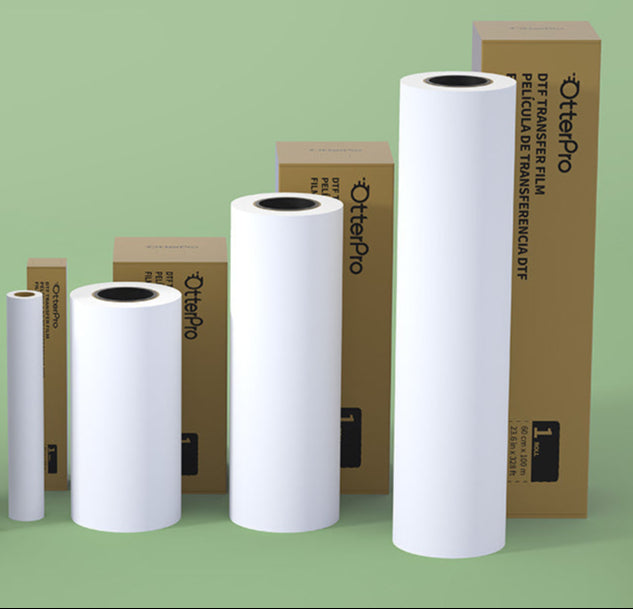
Obtenga resultados de calidad profesional con nuestra gama completa de consumibles DTF (impresión directa a película) , cuidadosamente seleccionados para garantizar un flujo de trabajo de impresión fluido y diseños vibrantes. Perfectos tanto para empresas emergentes como para imprentas de gran volumen, estos consumibles garantizan transferencias duraderas y atractivas en todo momento.

¿Por qué elegir nuestros suministros DTF?

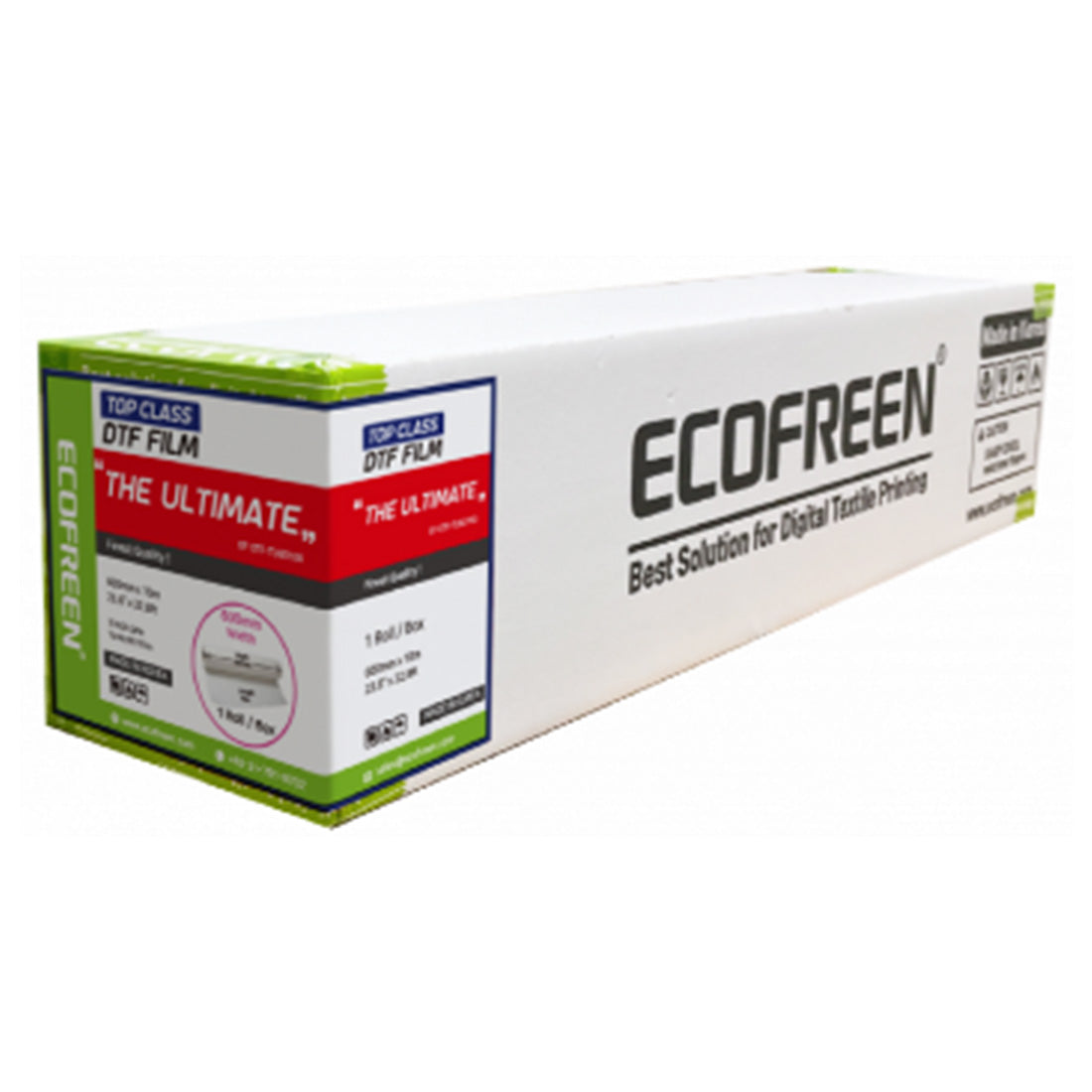
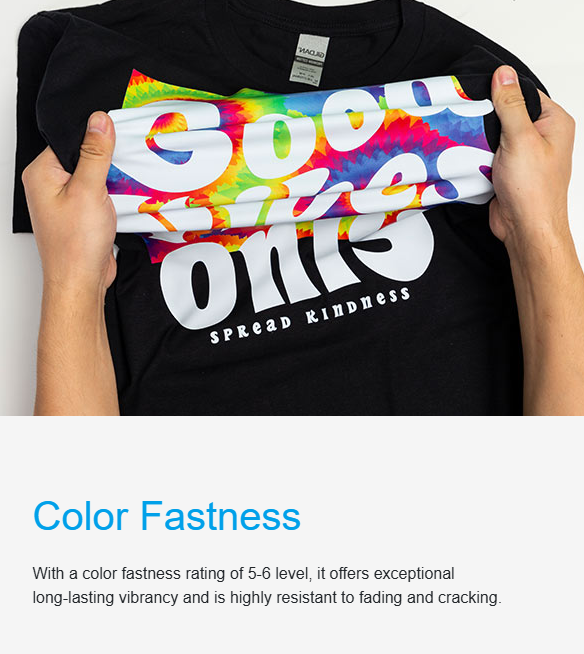
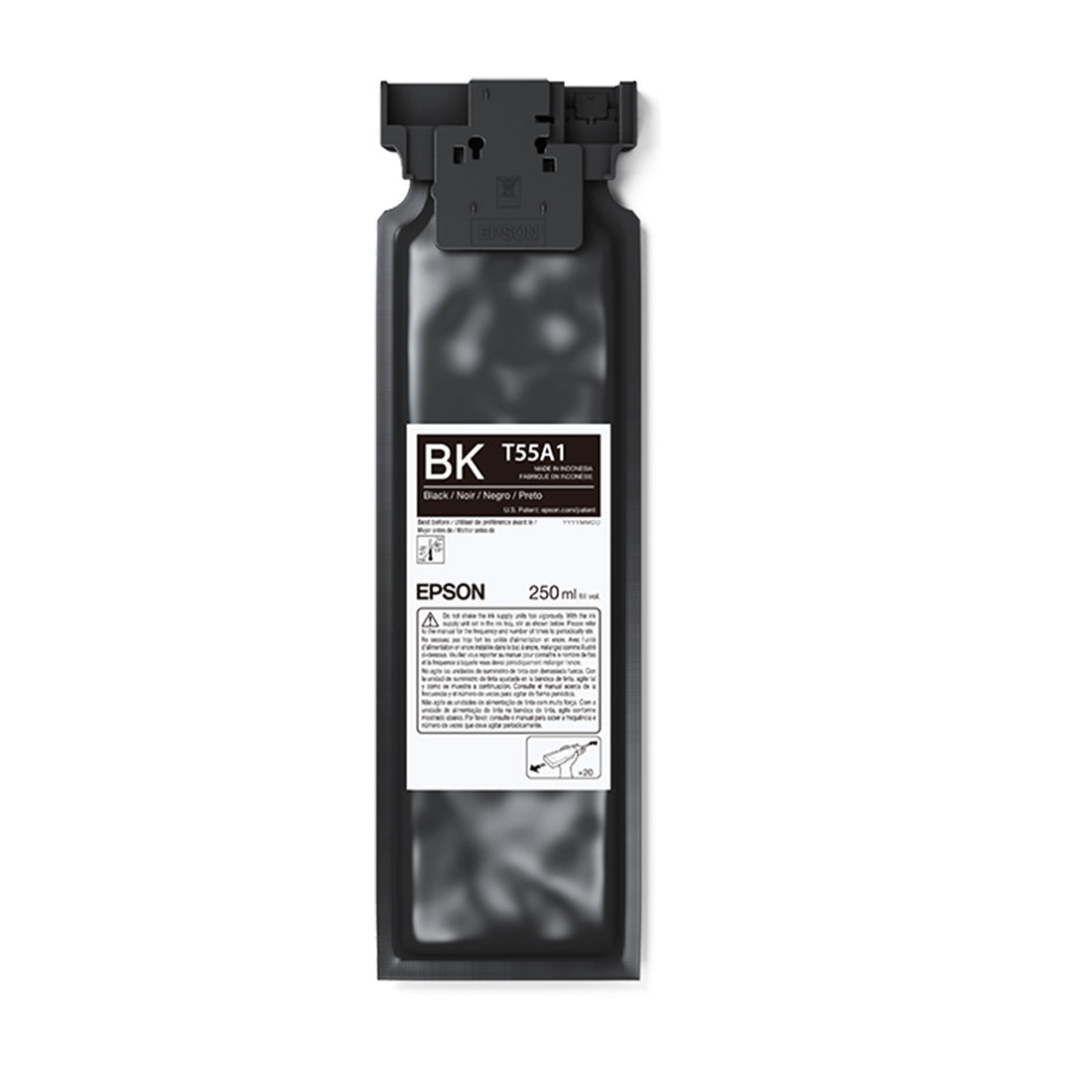
  • Tintas y películas DTF de primera calidad : consiga colores nítidos y brillantes que duran lavado tras lavado.

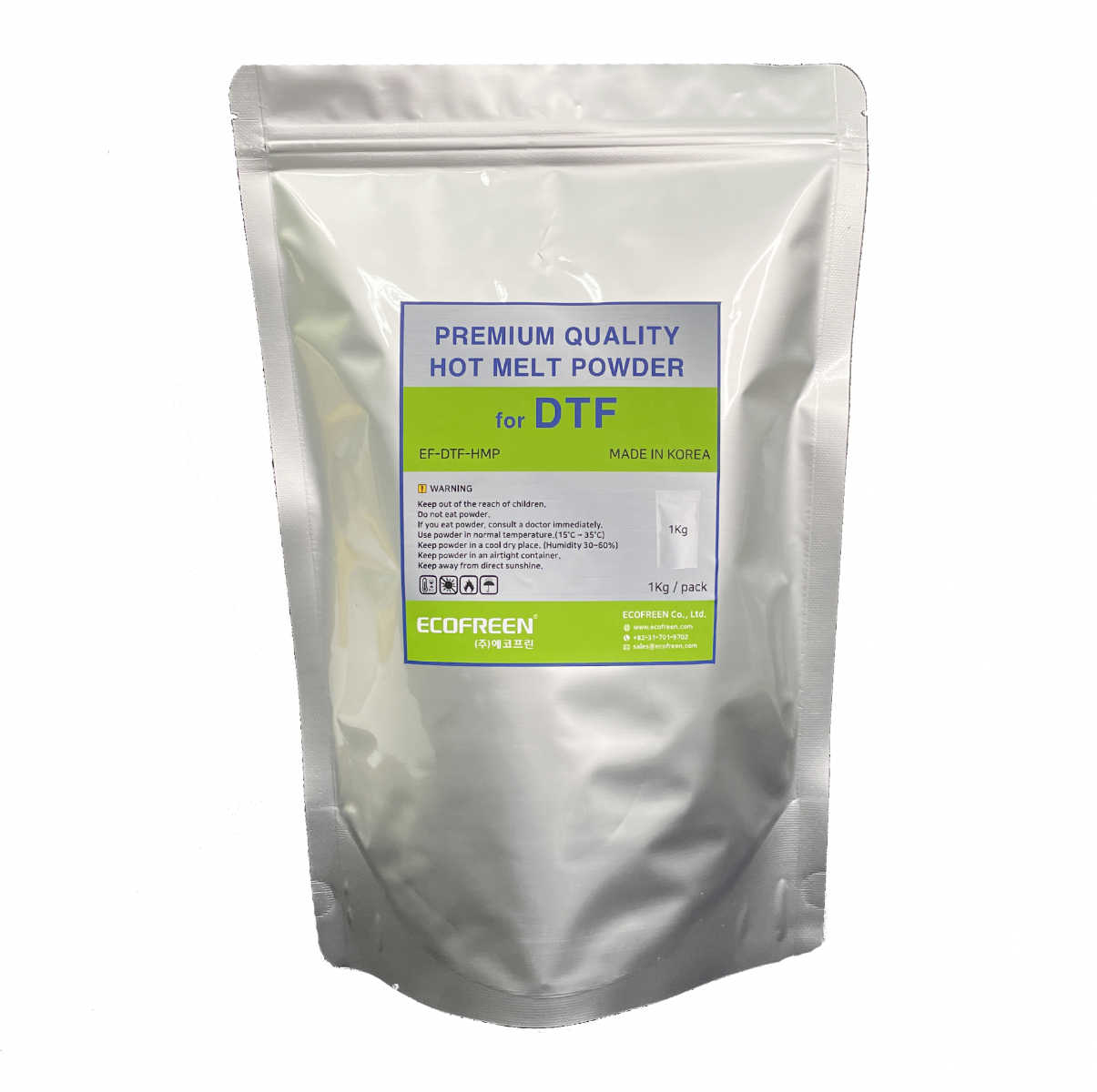
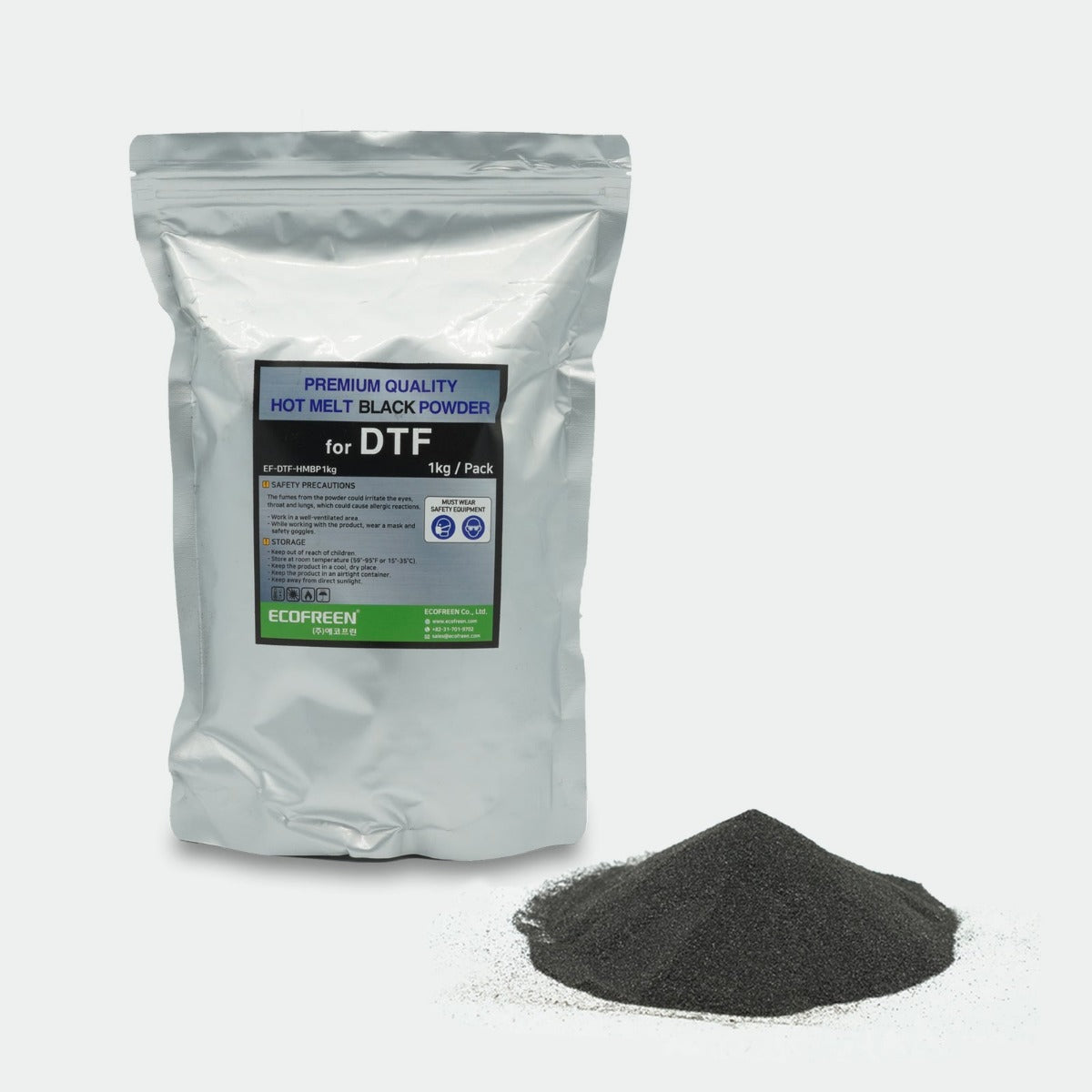
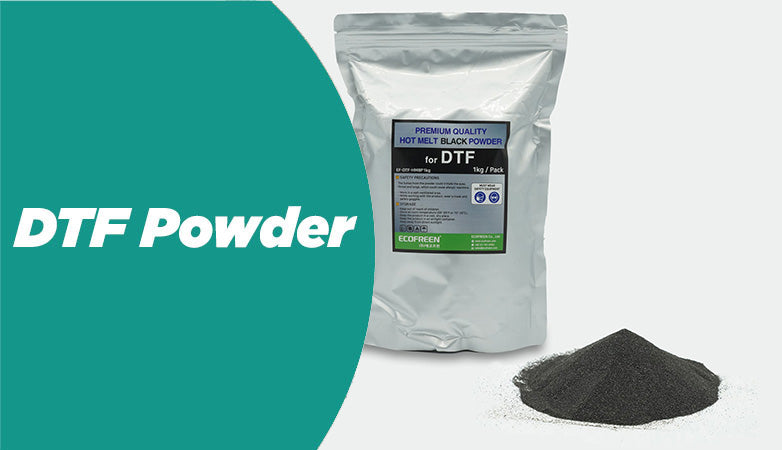
  • Polvos adhesivos de alta calidad : crean uniones fuertes y duraderas para una durabilidad profesional.

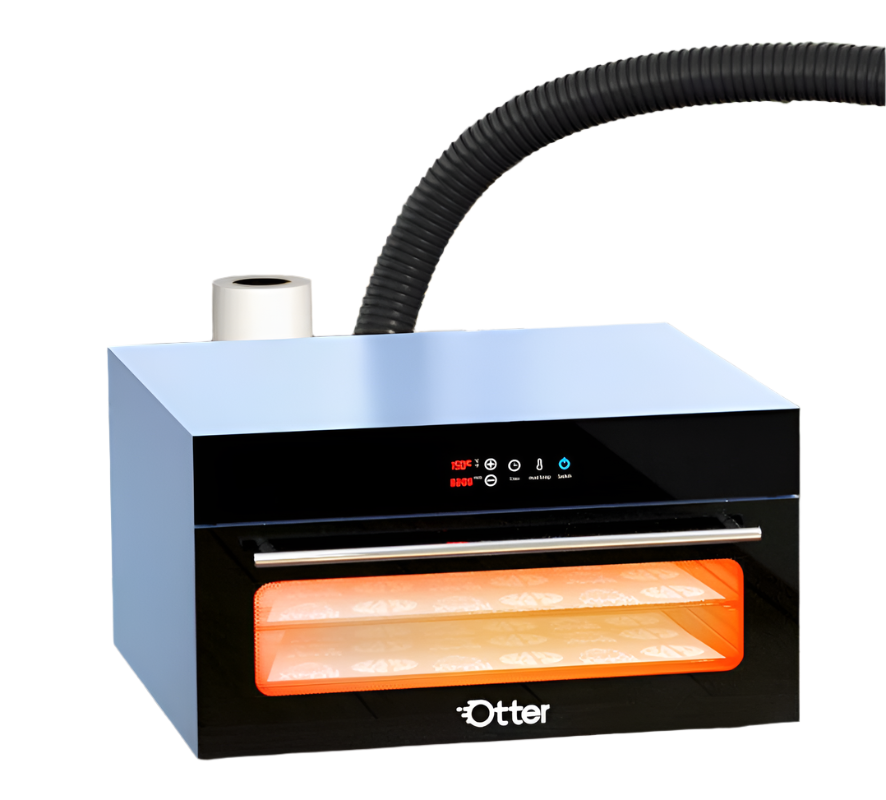
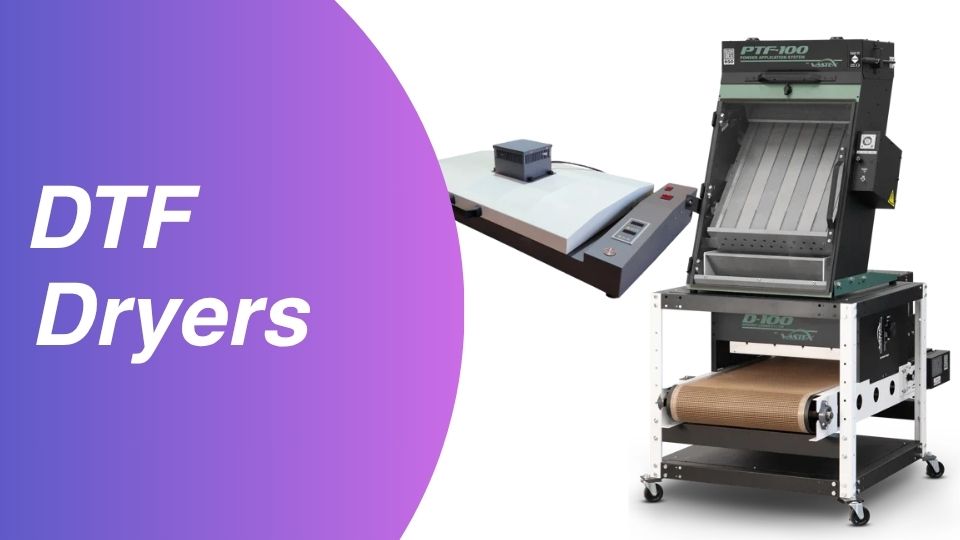
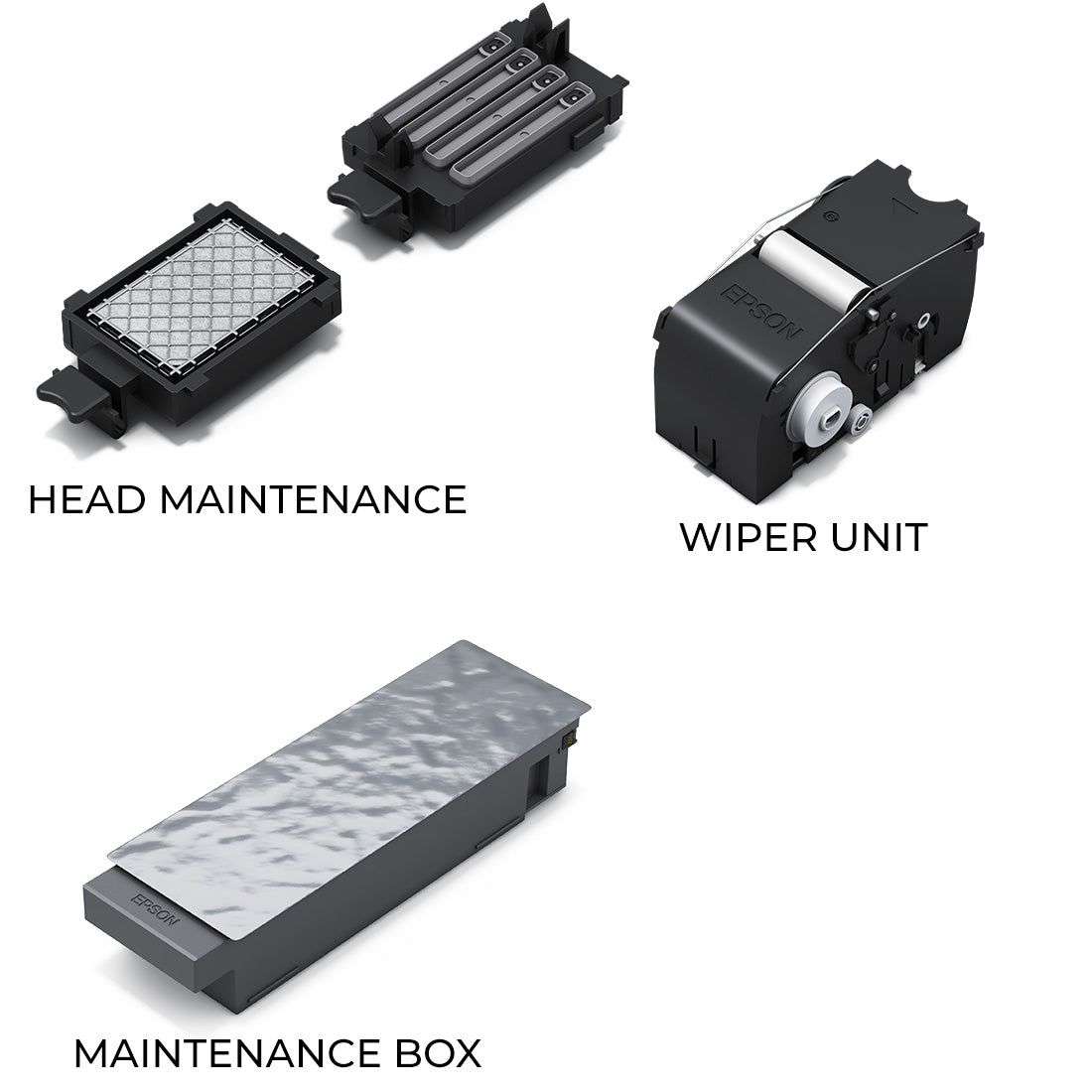
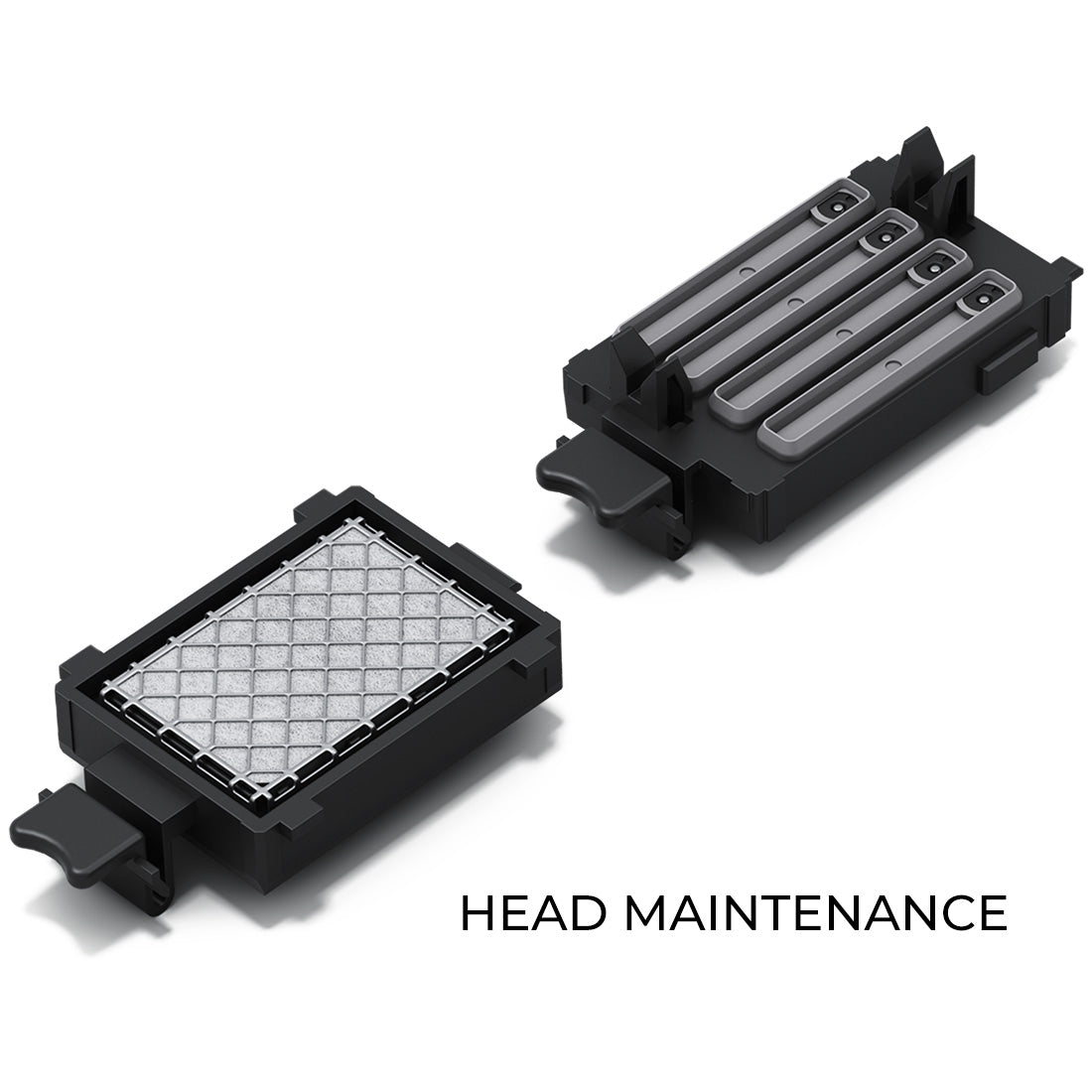
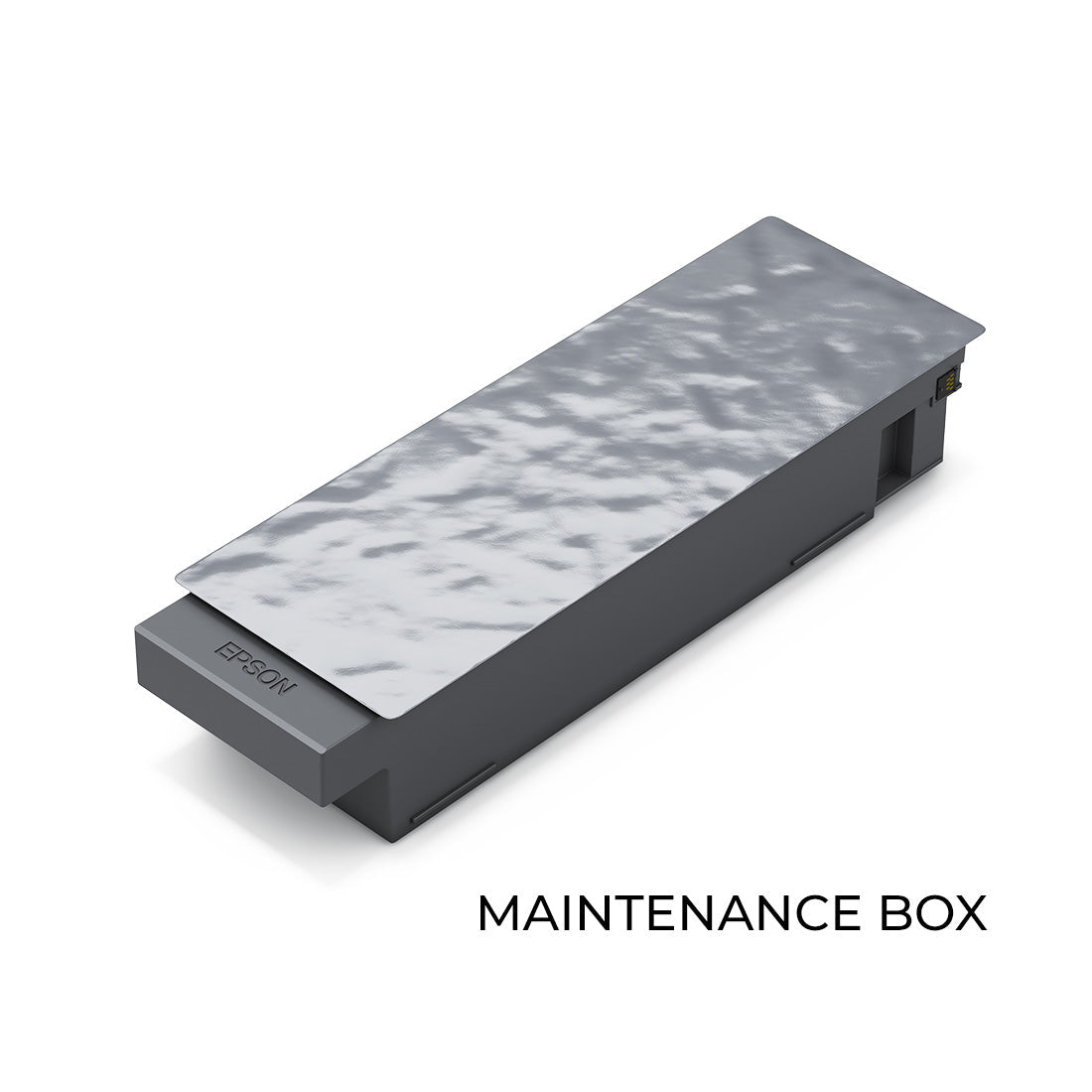
  • Accesorios esenciales : desde hornos y secadores hasta agitadores de polvo y herramientas de mantenimiento.

  • Resultados confiables y consistentes : suministros diseñados para funcionar perfectamente juntos para lograr una impresión impecable.

Ya sea que esté lanzando un nuevo negocio de ropa personalizada o ampliando su capacidad de producción, nuestros suministros DTF le brindan las herramientas para crear diseños vibrantes y duraderos con confianza. ¡Compre ahora y mantenga su impresión DTF en óptimas condiciones!

What is DTF printing and what makes it different from other transfer methods?

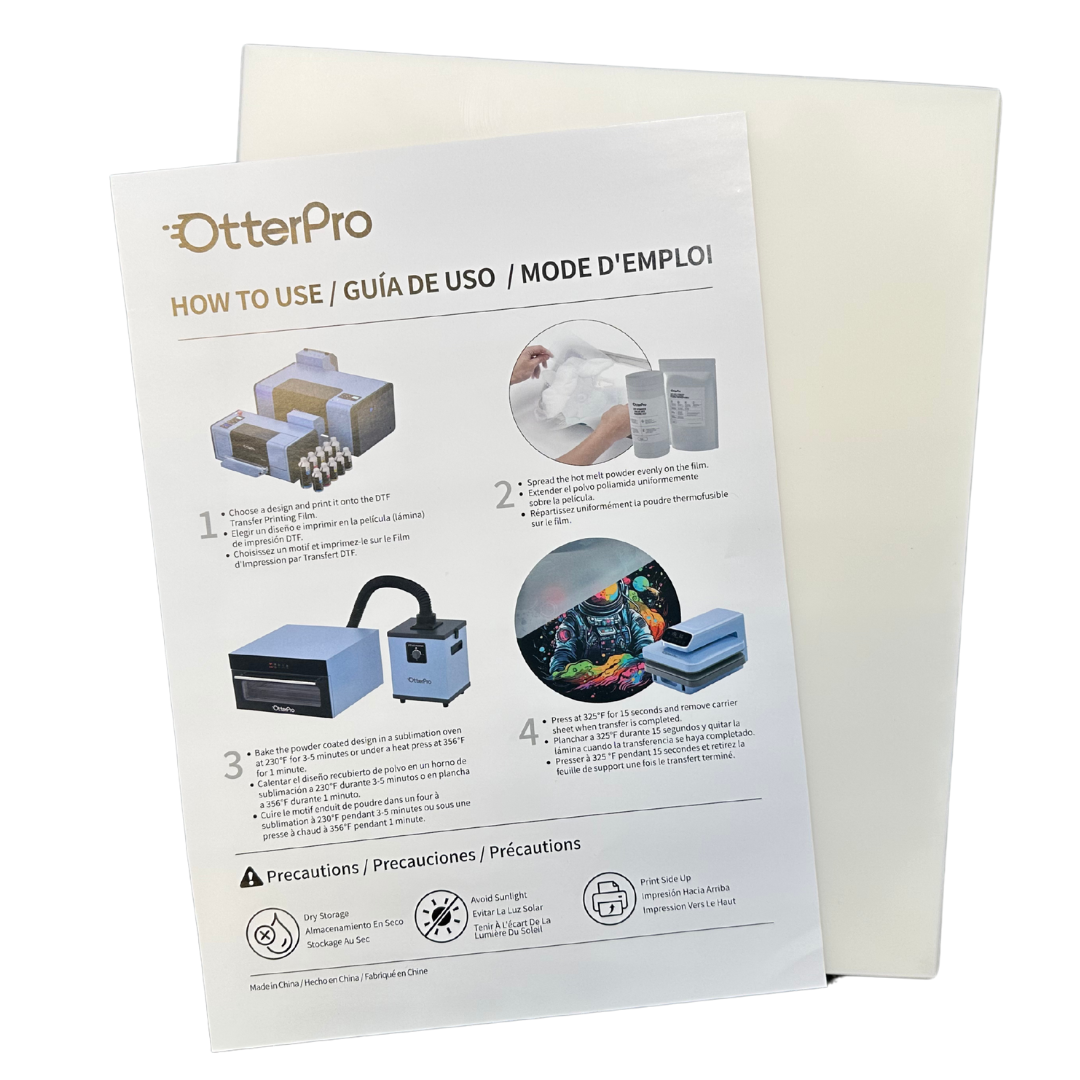
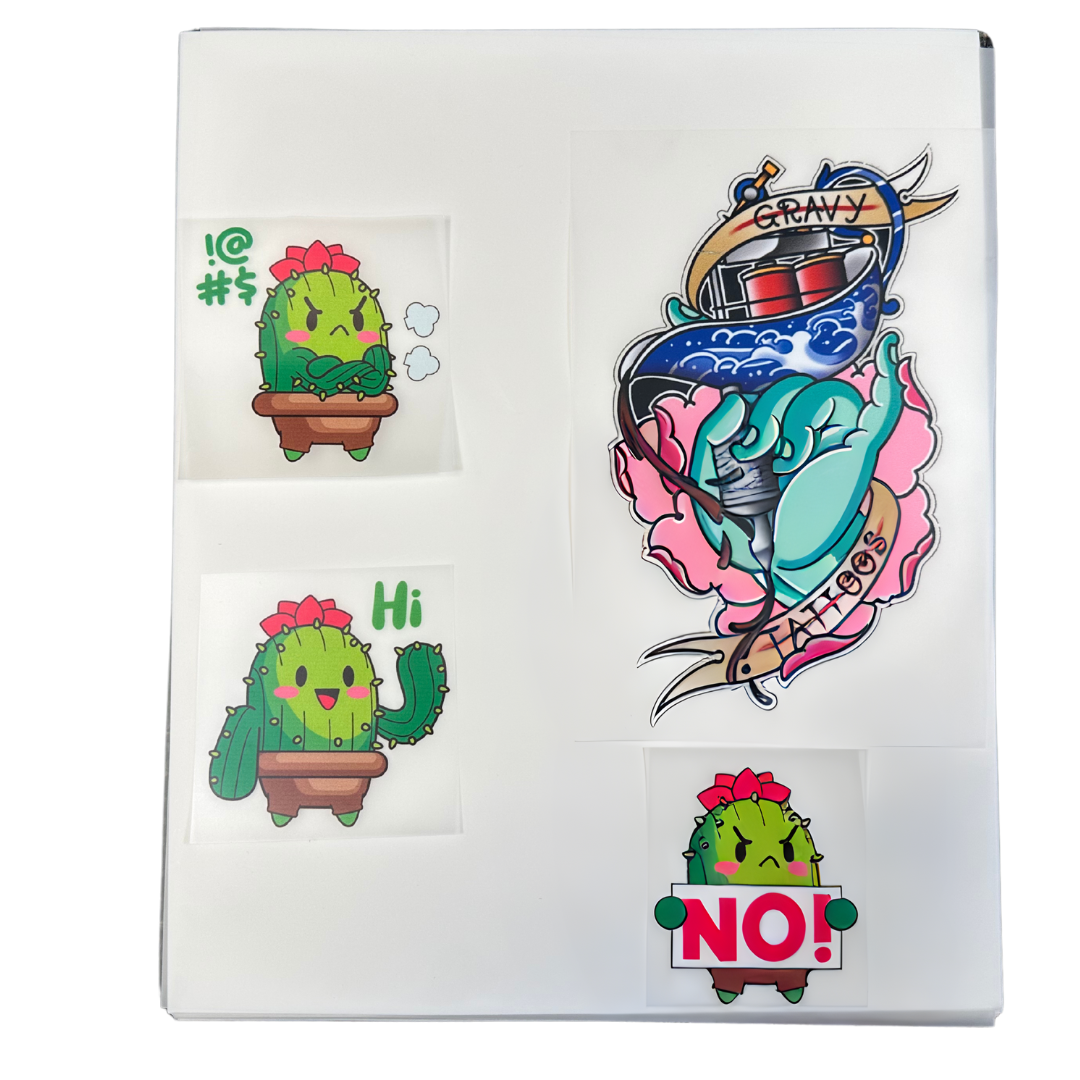
DTF — Direct-to-Film — prints a full-color design onto a special PET film using CMYK plus white ink, applies a hot-melt adhesive powder, cures it, and transfers the finished film to virtually any fabric using a heat press. Unlike sublimation, DTF works on cotton, polyester, nylon, and dark garments without pretreatment, making it one of the most versatile decoration methods available.

What are the correct heat press settings for applying a DTF transfer to a cotton t-shirt?

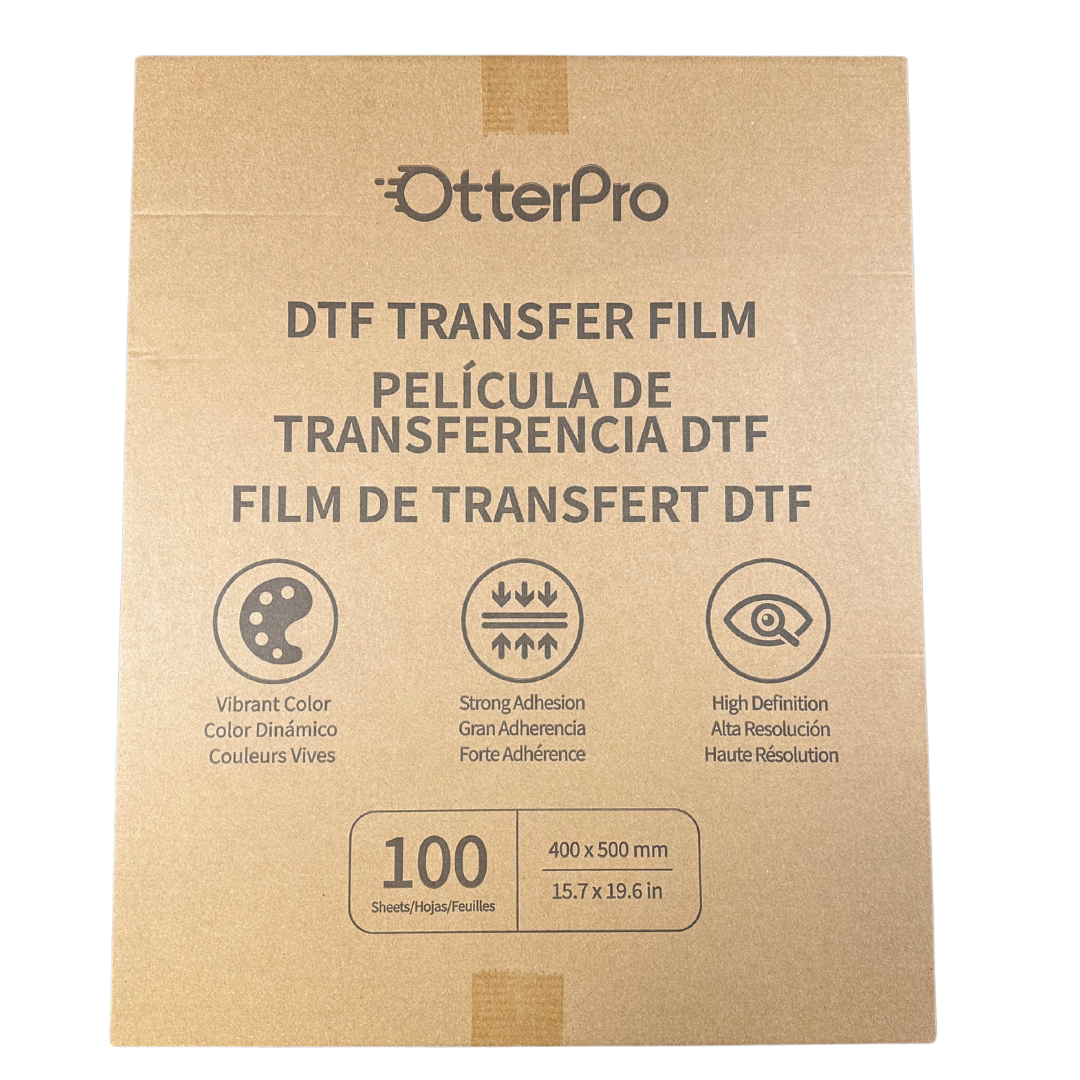
Standard DTF transfers press at 300–320°F (148–160°C) for 10–15 seconds at firm pressure. For cold-peel films (the most common type), allow the transfer to cool for 15–20 seconds before peeling the carrier film. Hot-peel DTF films can be peeled immediately — always confirm the peel type on the film packaging before pressing.

Is DTF compatible with fabrics that sublimation or HTV cannot decorate effectively?

Yes — this is DTF's primary advantage. It adheres to cotton, polyester, nylon, denim, canvas, leather, and blends including dark and black garments. Sublimation requires white or light polyester; HTV requires manual weeding and layering for multi-color work. DTF handles full-color photographic designs on any fabric in a single press application.

Why does my DTF transfer crack or peel after the first wash?

Cracking after washing is almost always caused by under-curing the adhesive powder. The powder must be fully melted and cured in a tunnel dryer or heat press before the transfer is ready to use. If you are using a heat press to cure, press at 250–265°F (121–129°C) for 3–5 minutes with light pressure. Under-cured powder bonds poorly to fabric and fails in the first wash.

How many wash cycles should a properly applied DTF transfer withstand on a cotton garment?

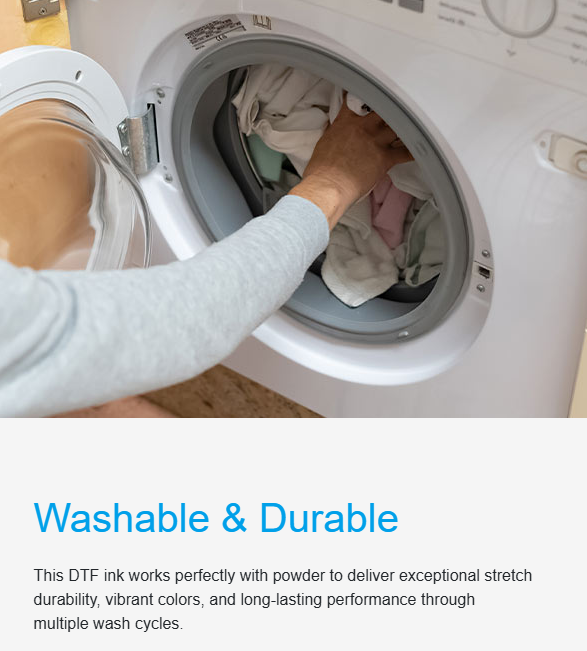
A well-produced DTF transfer applied at the correct temperature and pressure should withstand 50–80 wash cycles before showing significant degradation. Wash the garment inside out in cold water on a gentle cycle and avoid high-heat drying, which accelerates edge lifting. DTF durability on polyester is generally lower than on cotton — 30–50 cycles is more typical.

How does DTF compare in cost-per-print to screen printing for a print shop handling 50-piece orders?

For 50-piece orders with multi-color designs, DTF typically costs $0.50–$1.50 per transfer in materials (film, ink, powder) depending on design size and ink coverage. Screen printing at 50 pieces carries setup costs (screens, squeegees, emulsion) that make DTF more cost-effective for short runs. Screen printing becomes competitive above 72–100 pieces for simple designs.

What is the trick to eliminating adhesive powder clumping on the edges of DTF transfers?

Apply adhesive powder immediately after printing while the ink is still wet and tacky — delays of more than 60 seconds allow the ink to skin over and cause uneven powder adhesion. Shake off all excess powder before curing, as leftover powder outside the design area creates a sticky film halo visible after pressing. A vibrating powder shaker station eliminates this problem in production environments.

What is the difference between hot-peel and cold-peel DTF film, and which should a beginner use?

Hot-peel DTF film can be peeled immediately after pressing, speeding up production significantly. Cold-peel film must cool for 15–30 seconds before the carrier is removed, producing a slightly softer hand feel. For beginners, cold-peel is more forgiving — peeling too early on hot-peel film causes the transfer to lift from the fabric before the adhesive has fully bonded.

Are DTF inks and adhesive powders safe for use in an enclosed workspace?

DTF inks are water-based and relatively low VOC, but the adhesive powder becomes airborne during application and can be an irritant if inhaled. Always work in a well-ventilated space, use a powder shaker or enclosed powder station to minimize airborne particles, and wear a dust mask during manual powder application. Review the SDS (Safety Data Sheet) for the specific powder brand you use.

How do I prevent DTF print heads from clogging when the printer is not used daily?

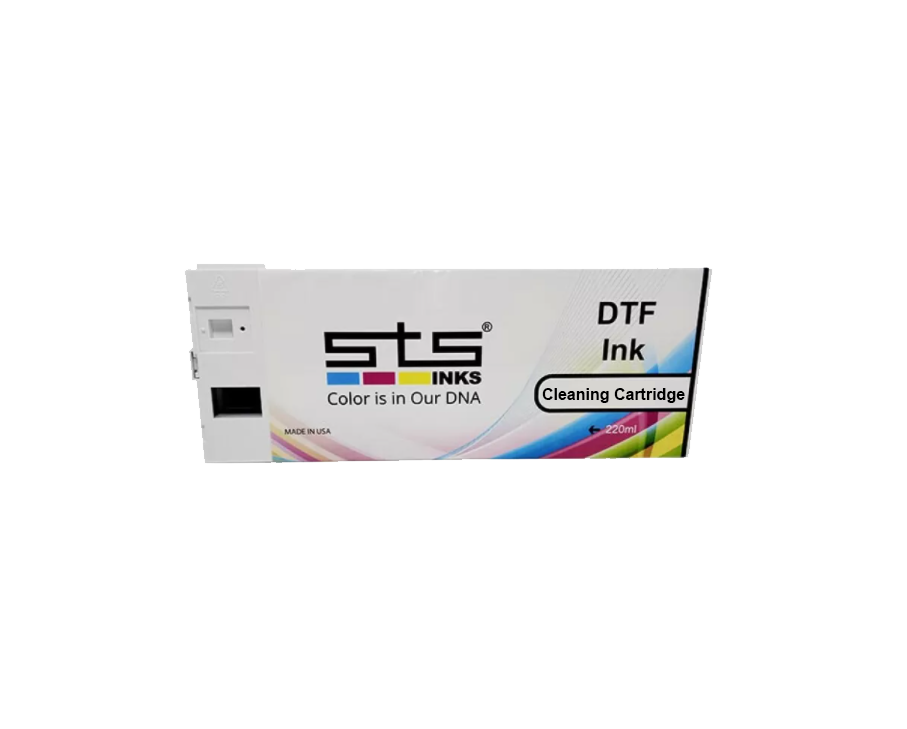
White DTF ink is the main clogging culprit — it settles in print heads within hours of inactivity. Run a head cleaning cycle and print a nozzle check pattern every day the machine is used, even if not running production. If the printer will be idle for more than 48 hours, run a cleaning cycle and fill idle channels with cleaning fluid. Storing the printer powered on (capping station engaged) is far better than powering it off.

Drawer Title
productos similares