






















saltar al contenido
es
CAD

Bienvenido al nuevo sitio web de Joto Imaging Supplies

Máquinas de pretratamiento

Máquinas de pretratamiento para una mejor impresión de prendas

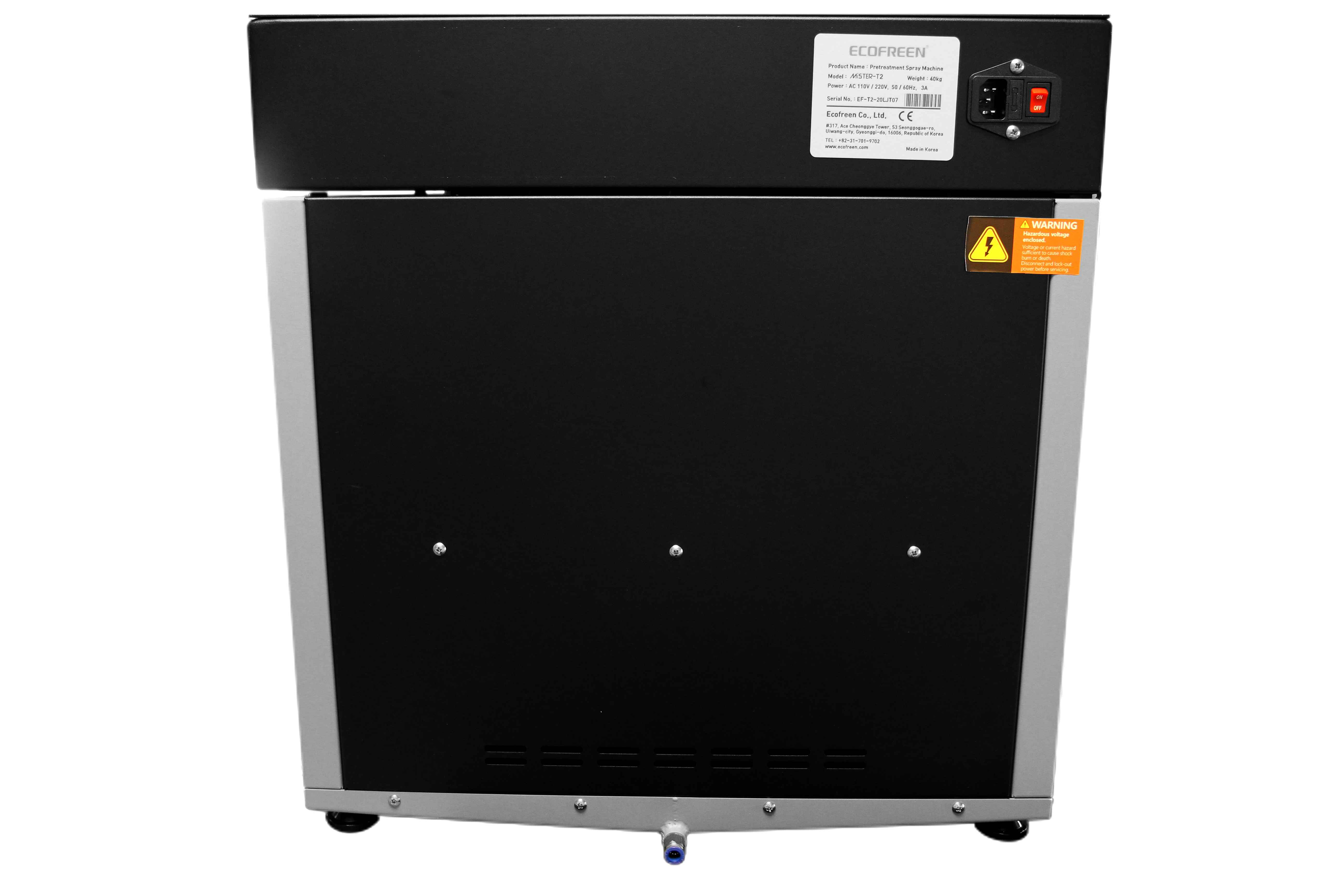
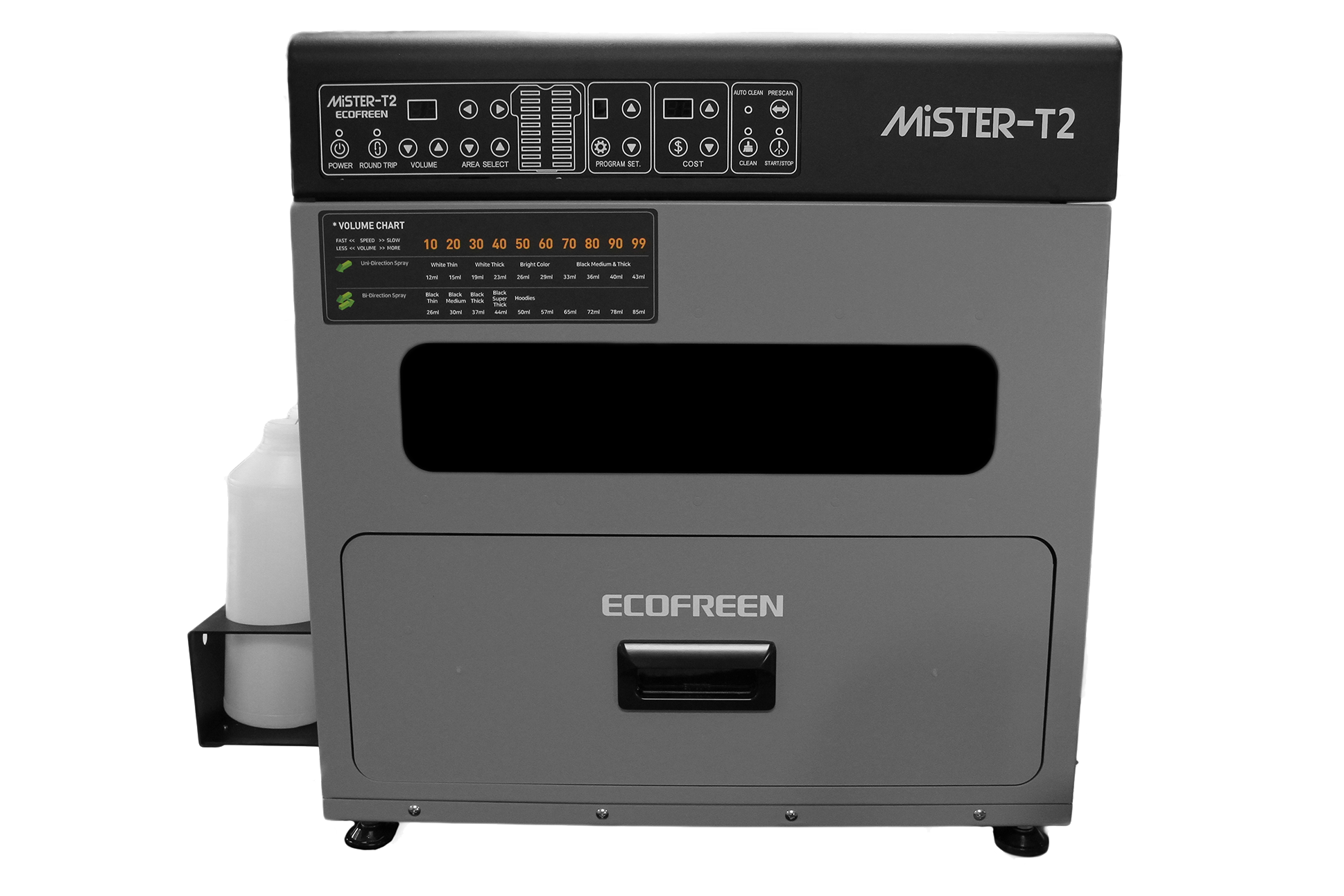
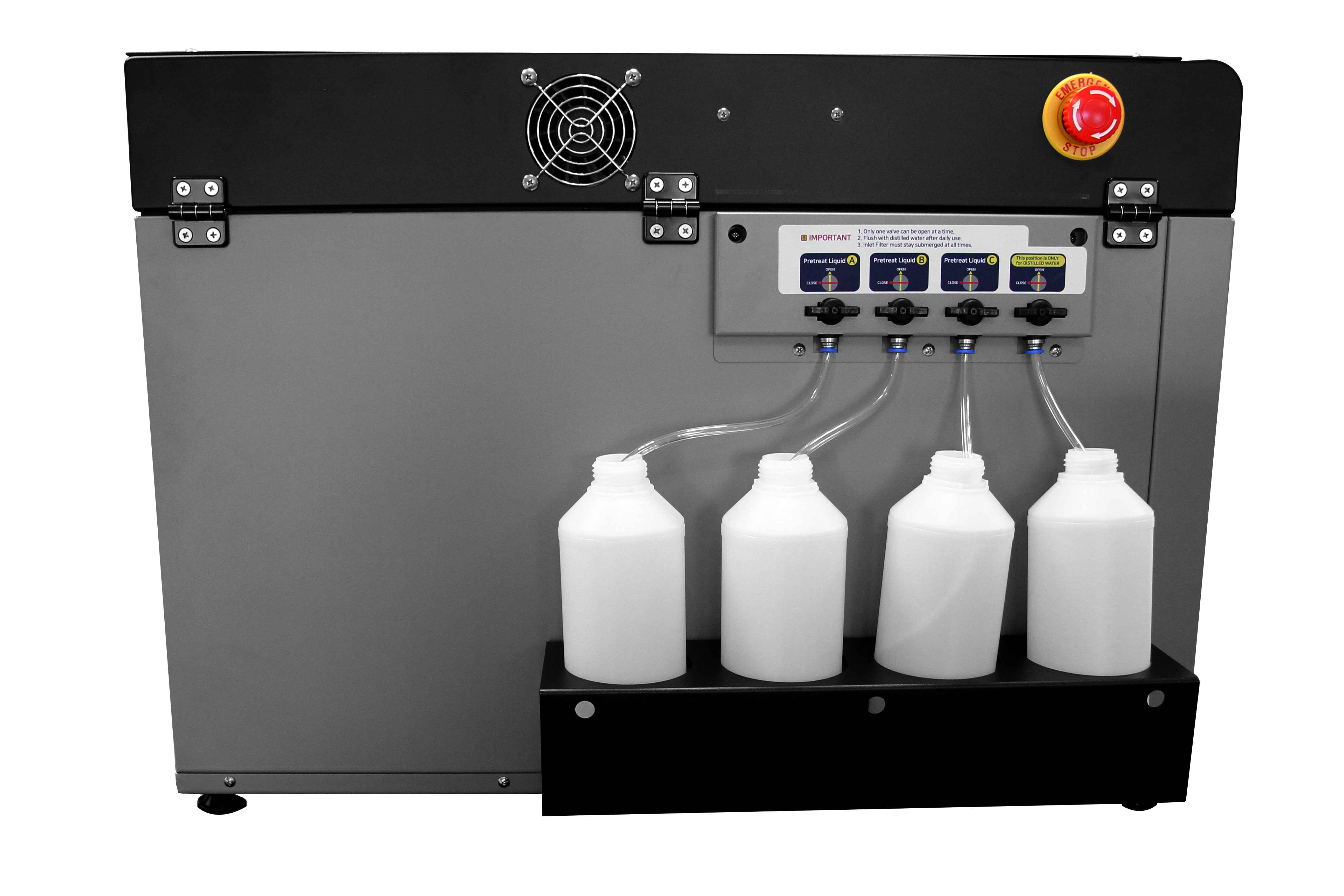
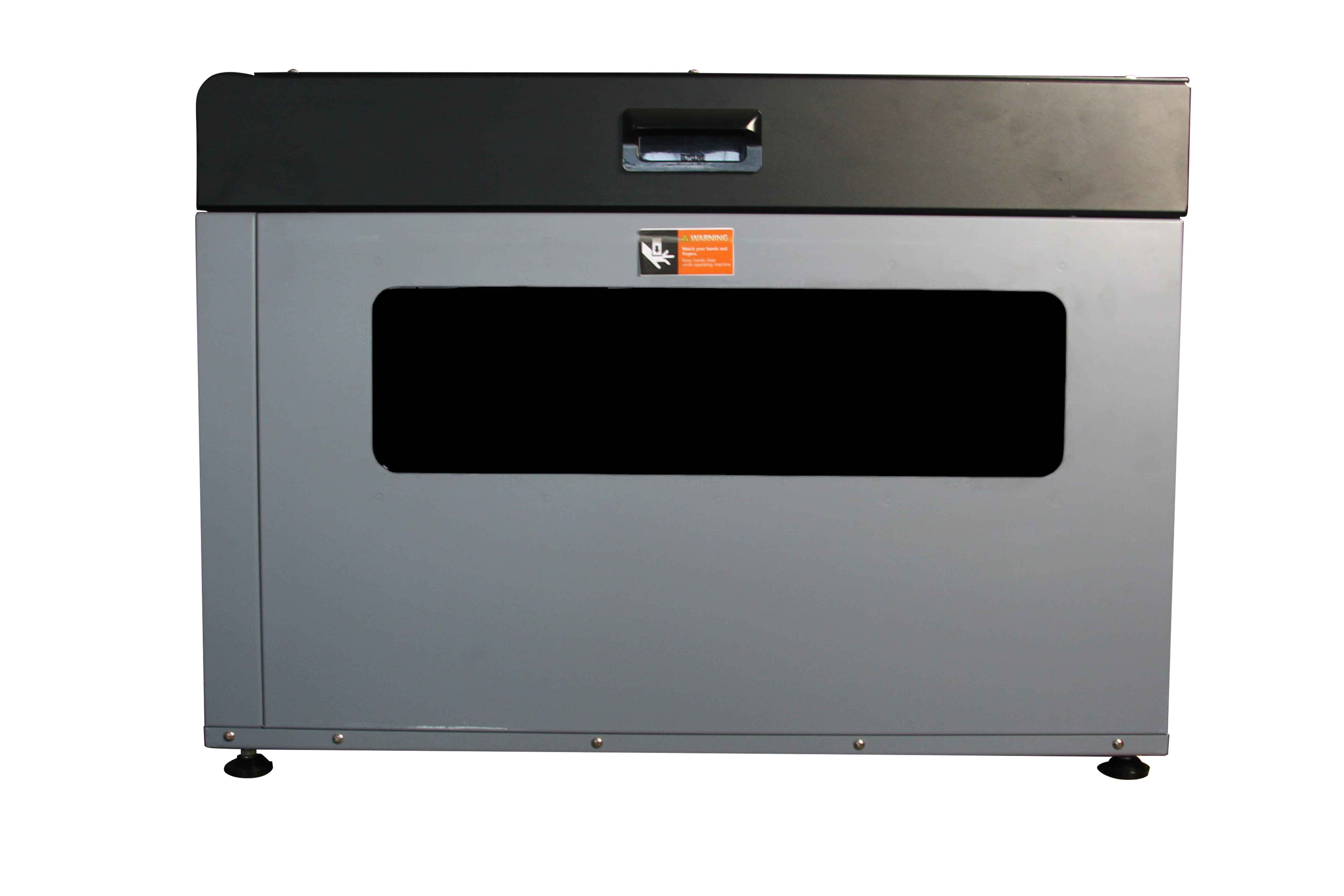
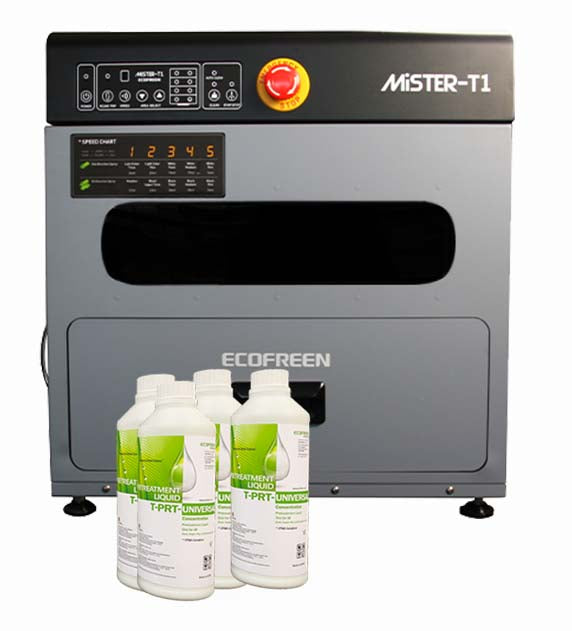
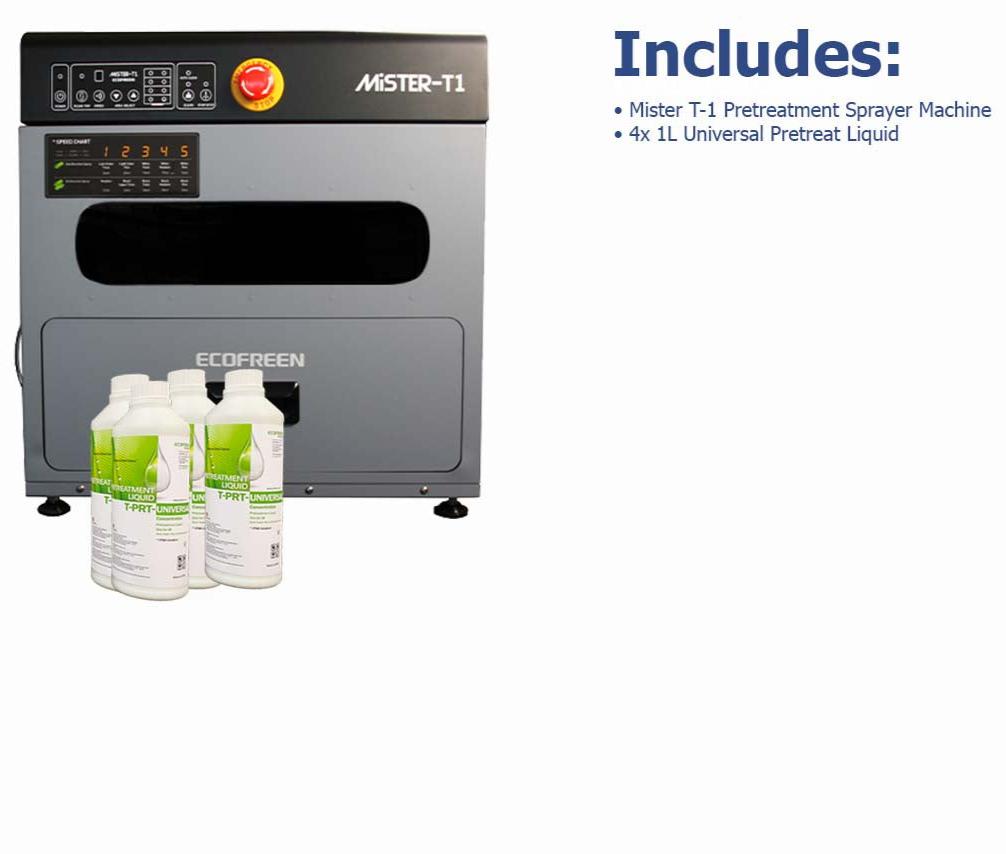
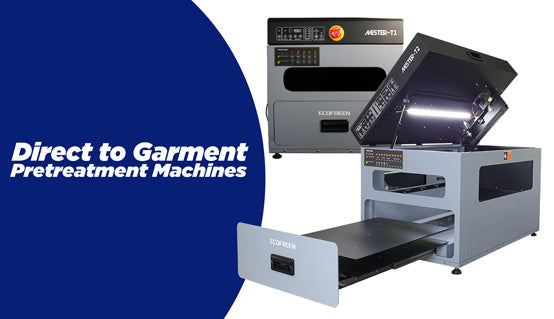
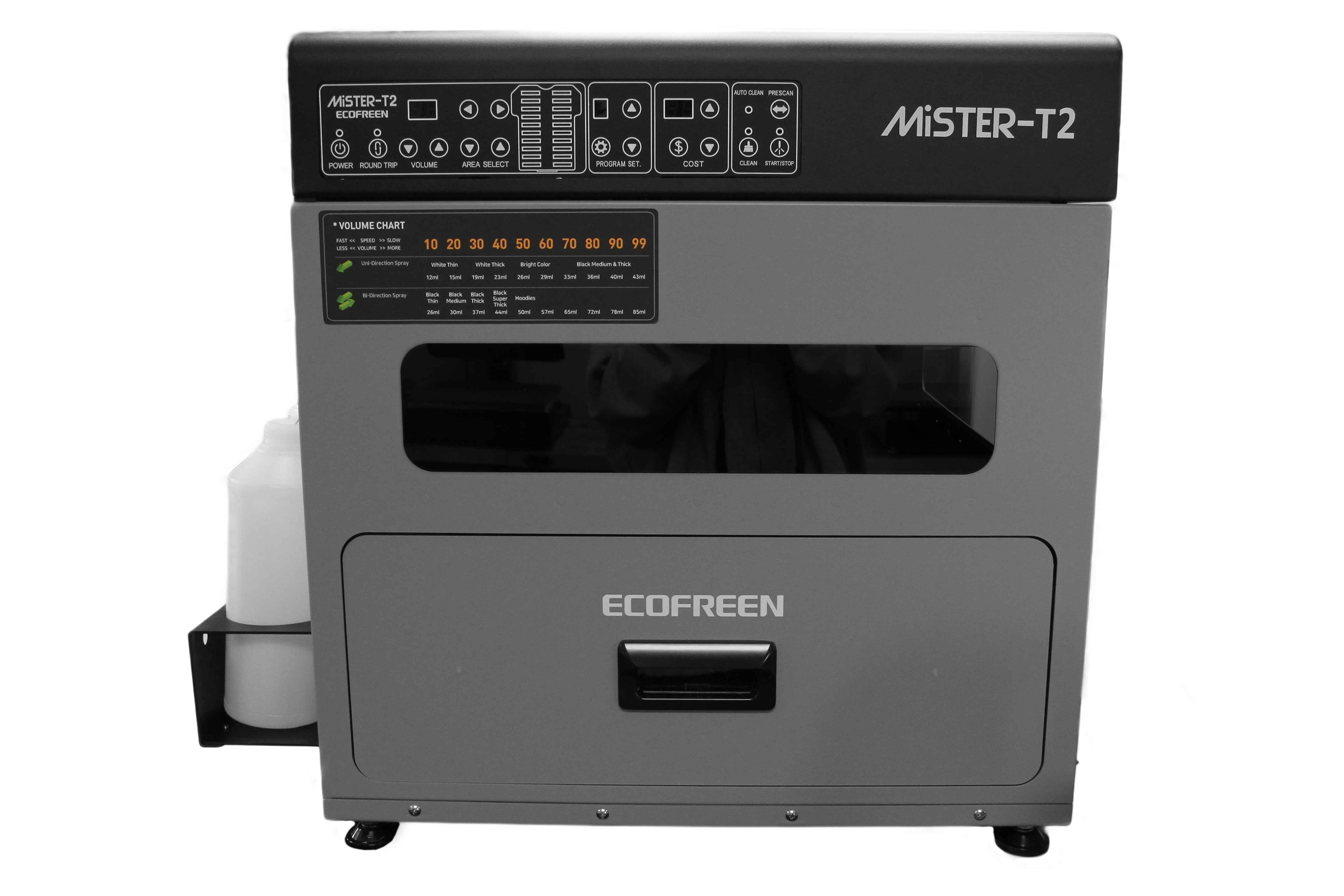
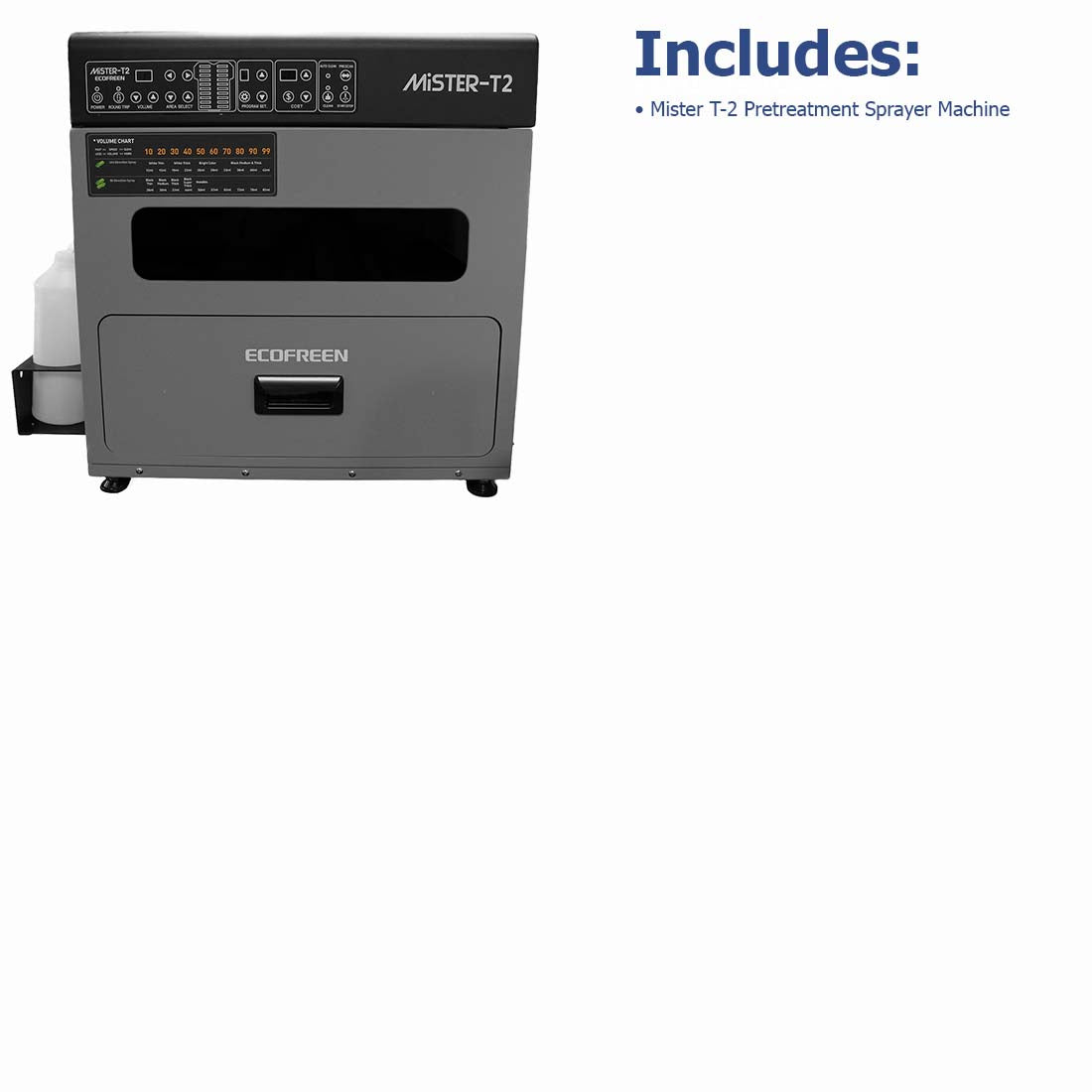
Las máquinas de pretratamiento ayudan a preparar las prendas rápidamente, brindando a las impresiones DTG detalles más nítidos y colores más brillantes. La máquina de pretratamiento Ecofreen utiliza boquillas individuales o dobles para una cobertura de pulverización uniforme. Su sistema de fácil limpieza y tapa antiobstrucción reducen el mantenimiento y mantienen la producción en marcha. La configuración guardada permite repetir trabajos rápidamente, simplificando la operación tanto para nuevos usuarios como para talleres con mucha actividad. Diseñada para brindar velocidad y consistencia, esta máquina garantiza resultados confiables en cada prenda. Con el respaldo comprobado de Joto, las máquinas de pretratamiento brindan a los talleres de impresión las herramientas para lograr resultados profesionales con menos esfuerzo.
Filtrar

2 productos

  • Ordenar por

Frequently Asked Questions:

What is a garment pretreatment machine and what problem does it solve for DTG print shops?

A garment pretreatment machine automates the application of liquid pretreatment solution onto fabric before DTG printing. It solves the core production problem of manual pretreatment inconsistency — uneven spray, variable volumes, and slow throughput. Consistent, measured pretreatment application is the foundation of consistent DTG print quality, particularly on dark garments where the white ink underbase depends on pretreatment for bond strength.

What pretreatment volume per garment and spray pattern width produce the best results for a full-front DTG print?

For a full-front adult t-shirt print area (approximately 14x16 inches), target 18–22ml of pretreatment applied in an even, overlapping spray pattern. Set the spray width to cover the full print area with 10–15% overlap at the edges. Validate coverage by pretreating a test garment and examining under UV light — even coverage appears uniformly bright with no dry patches. Adjust spray volume and speed in 10% increments until coverage is consistent across the full print zone.

Is a pretreatment machine compatible with water-based and solvent-based pretreatment solutions?

Most pretreatment machines are designed for water-based pretreatment solutions, which are the standard for DTG applications. Solvent-based formulations can damage seals and O-rings in machines designed for aqueous solutions. Always verify solvent compatibility with the machine manufacturer before using a non-standard pretreatment formula. Using an incompatible solution can void the machine warranty and cause irreparable damage to the spray system.

Why are some garments showing light spots or white halos in the print after applying pretreatment?

Light spots indicate pretreatment was not absorbed evenly — usually caused by moisture-resistant finishes on the garment fabric, inconsistent spray coverage, or insufficient heat during curing. Pre-wash garments to remove factory finishes before pretreating. Increase heat press curing temperature by 10–15°F or extend dwell time to ensure full absorption. Run a UV check on pretreated, cured garments before printing to confirm there are no coverage gaps.

How does consistent machine pretreatment improve DTG print wash durability compared to manual application?

Machine pretreatment delivers a precise, repeatable volume of solution with even coverage every time — the two factors most critical to ink adhesion and wash durability. Manual spray typically varies 30–40% in volume between garments and produces coverage inconsistencies invisible to the naked eye. These inconsistencies translate directly into variable wash durability across a production run. Shops that switch from manual to machine pretreatment routinely report 20–30% improvement in wash test consistency.

What is the cost-per-garment reduction a print shop can expect after switching from manual to automated pretreatment?

Automated pretreatment reduces solution waste by 20–35% compared to manual spray by eliminating overspray and volume inconsistency. It also reduces labor: treating 100 garments manually takes 60–90 minutes; a machine does it in 15–20 minutes. Combined with fewer customer complaints and reprints from pretreatment failures, most shops recover the cost of a mid-range pretreatment machine within 60–120 days of switching at moderate production volumes.

What is the trick to pretreating garments with elastane or stretch content without the solution beading off the surface?

Stretch fabrics with elastane or spandex content have a tighter, more hydrophobic weave that resists water-based pretreatment absorption. Pre-stretch the garment tightly over the loading board before spraying to open the weave structure, and use a pretreatment formula specifically designed for synthetic blends. Increase heat press cure temperature by 10–15°F to improve solution penetration. Test wash durability on a sample before committing to a full production run on stretch garments.

What is the difference between a conveyor-style pretreatment machine and a spray-arm style machine?

Conveyor-style machines pass the garment on a platen under a fixed spray bar — ideal for high-volume shops that need hands-free, high-throughput pretreatment. Spray-arm machines move a spray head across a stationary garment — more common in mid-volume shops and easier to adjust for different print area sizes. Conveyor machines cost more but deliver faster cycle times; spray-arm machines offer more flexibility at a lower entry price.

Are pretreatment solutions and their spray mist safe for use without respiratory protection in a shared workspace?

Pretreatment solutions for DTG printing are generally water-based and low-toxicity, but fine mist generated during machine operation can irritate airways if inhaled repeatedly. WHMIS classifies most pretreatment solutions as requiring minimal PPE for incidental exposure, but regular occupational exposure in an enclosed space warrants at minimum a dust/mist mask and ventilation. Review the SDS for your specific product and consult provincial occupational health guidelines for your production environment.

How do I flush and store a pretreatment machine for a planned shutdown of one week or longer?

Run a complete flush with distilled water through all solution lines and nozzles until clear water runs through the output. Remove and clean spray nozzle tips individually by soaking in warm water. Leave the lines filled with distilled water (not empty) to prevent seal drying and cracking. Store the machine covered in a stable temperature environment. Before restarting after shutdown, flush again with fresh distilled water, then prime with pretreatment solution and run test garments before production.

Drawer Title
productos similares