












































Are you buying DTF transfers or building a print business?
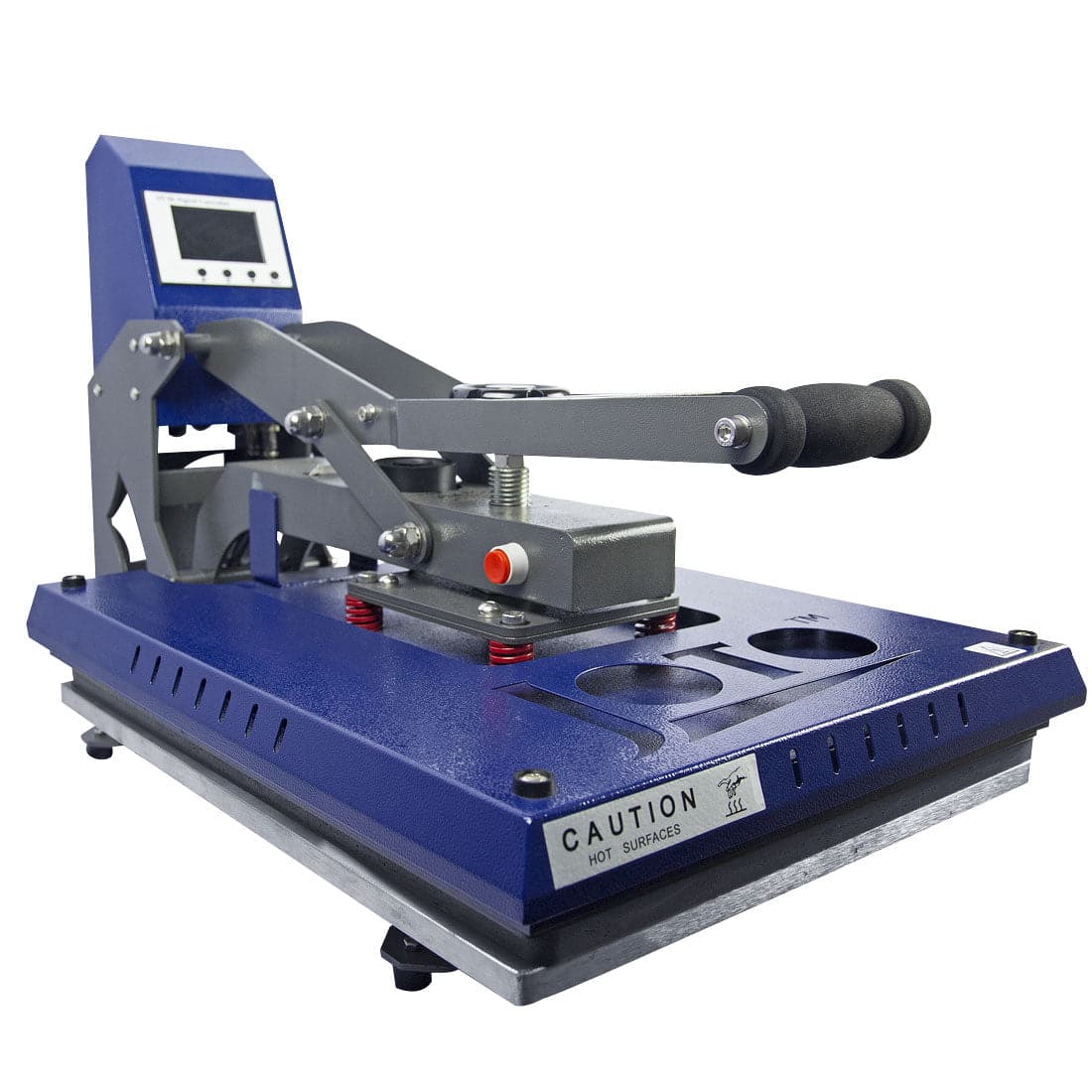
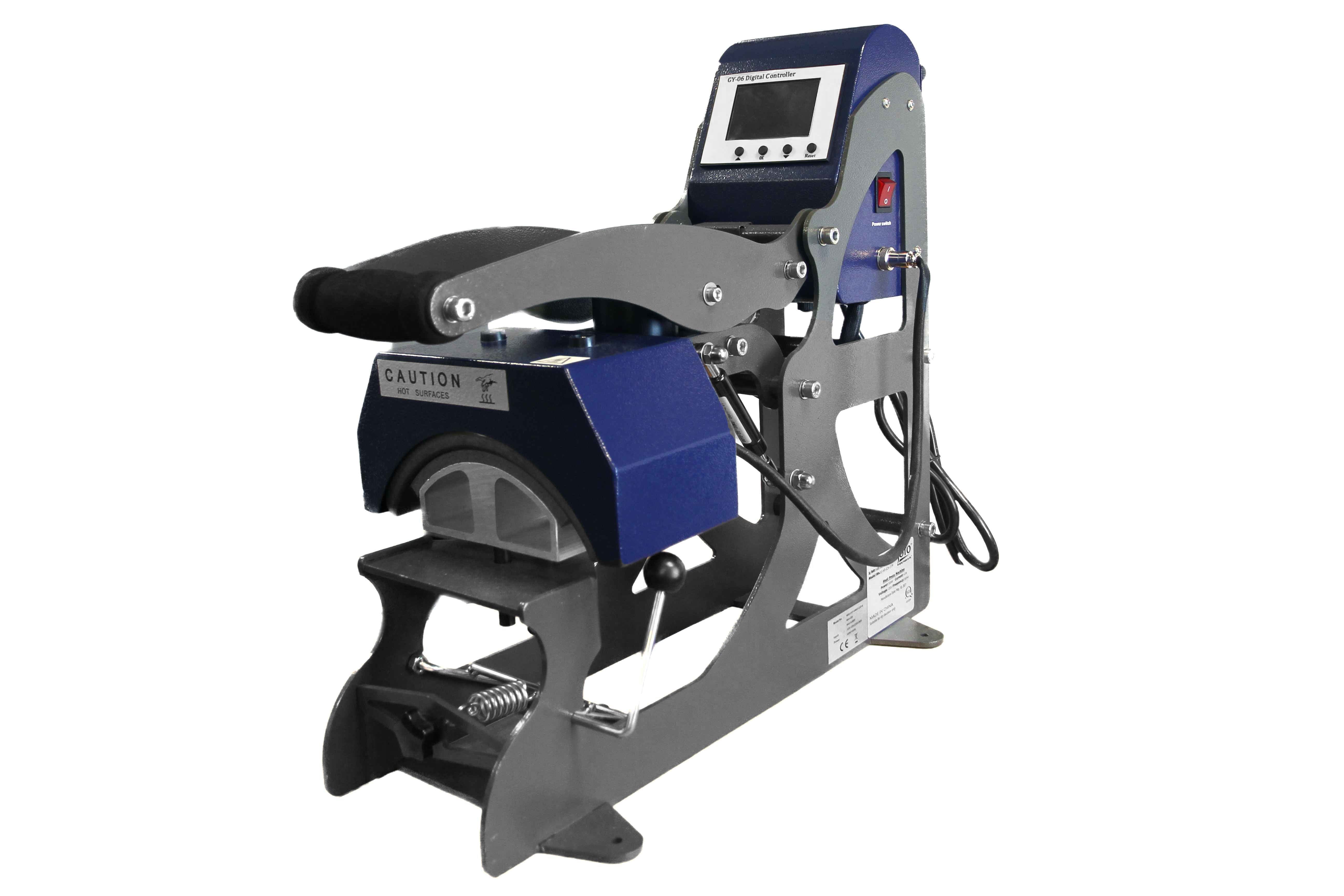
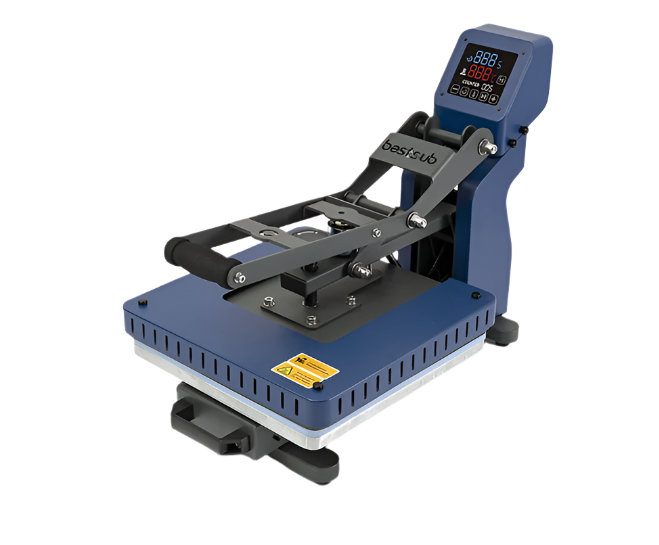
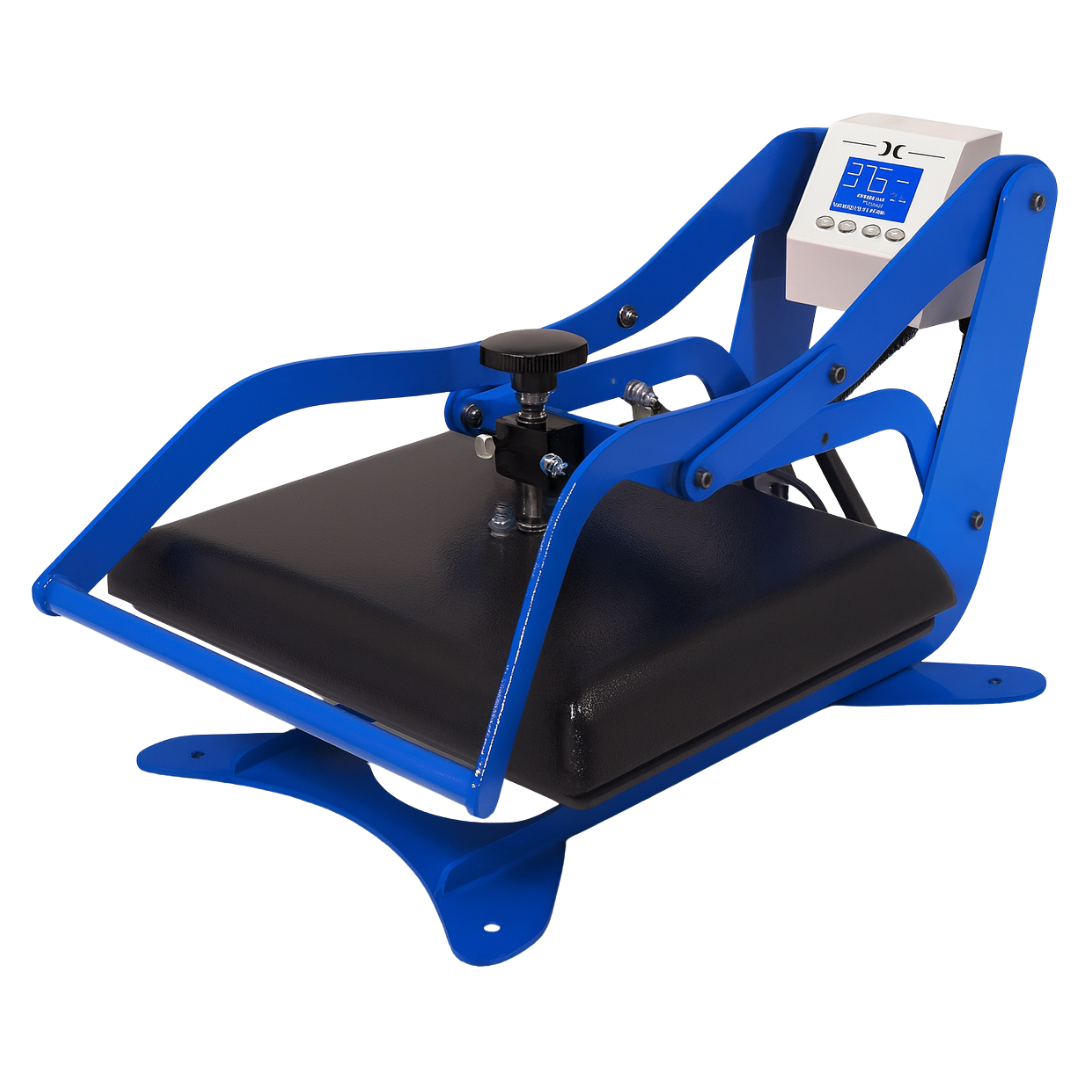
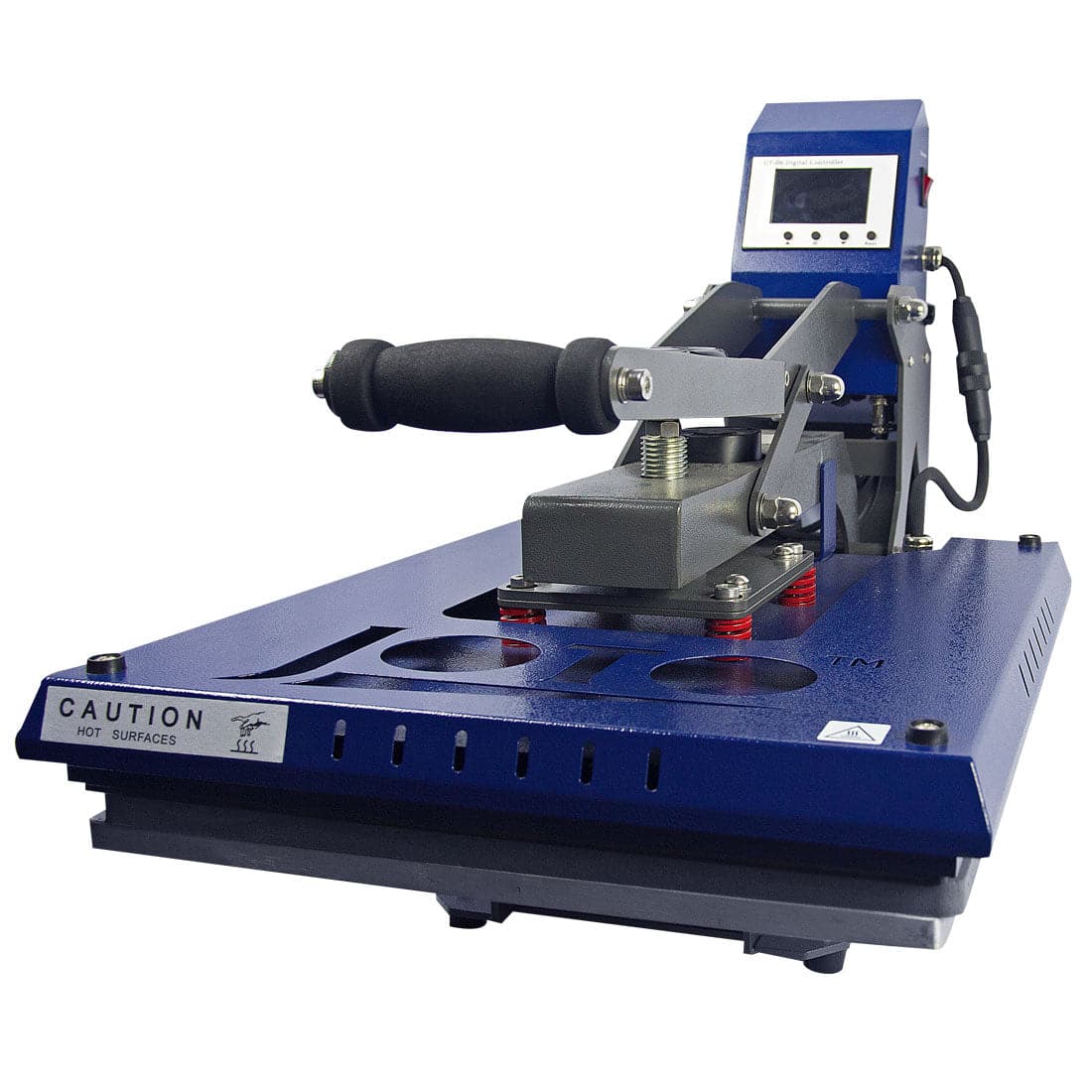
If you're outsourcing DTF transfers from a supplier, you're following the path most custom apparel businesses take. You get a heat press, find a reliable DTF transfer supplier, and start selling. It works because it's simple, fast, and doesn't require major capital investment.
For many Canadian print shops, this is exactly how the business starts.
But then something changes. You start placing DTF transfer orders more frequently. Your weekly costs increase. Customers ask for faster turnaround times. What once felt easy starts to feel limiting.
The question shifts from whether outsourcing DTF works to whether it's still the best way to run your print business today.
Why Outsourcing DTF Transfers Is the Right Starting Point

There's a clear reason most custom apparel businesses begin with outsourced DTF transfers: it removes friction.
Instead of investing thousands in DTF printing equipment, you start with a heat press and a trusted DTF supplier. That simplicity matters when your primary goal is validation, not efficiency.
At the early stage, you're testing designs, learning what sells, and figuring out your target audience. DTF outsourcing allows you to do that without committing to a full production setup.
Outsourcing keeps your operation flexible. If demand fluctuates, you're not stuck with idle DTF equipment. If a design doesn't sell, you haven't invested heavily in producing it.
For many Canadian businesses entering custom apparel, outsourcing DTF transfers is the most practical starting point. It's strategic.
Every strategy has a moment where it needs to evolve. For growing print businesses, that moment often comes sooner than expected.
What Starts to Break as Your Print Business Grows
At first, outsourcing DTF transfers feels efficient. You place an order, receive transfers, press them onto garments, and ship. The workflow is clear at lower volumes.
But as your custom apparel business grows, limitations appear. You start ordering DTF transfers multiple times weekly. What was a small expense becomes a recurring cost increasing month after month.
If you're paying $4 per DTF transfer and producing 50 prints weekly, that's $200 weekly, $800 monthly, or $9,600 annually. That money isn't going into your brand or marketing; it's funding your supplier's operation.
The decision becomes a question of control and profitability.
Time becomes another critical factor. Every order depends on your DTF supplier's schedule. Even with reliable suppliers, you're adding days to fulfillment. You wait for prints to be made, shipped, and only then can you complete customer orders.
A customer needs rush printing. An event is approaching. A last-minute custom apparel order could be a significant opportunity. And you can't take it because you don't have the DTF transfers yet.
Even when everything goes smoothly, there's one thing you don't fully control: final product quality. Even excellent DTF suppliers can have inconsistencies. Colors shift. Sizes don't match perfectly. Defects happen. When they do, your customer sees your brand, not your supplier.
You carry the responsibility without controlling DTF production. At small scale, that's manageable. At larger volume, it becomes a business risk.
When DTF Outsourcing Still Makes Sense
Outsourcing DTF transfers isn't the wrong approach. There are many situations where it continues to be the smartest option.
If you're still testing your custom apparel business model, DTF outsourcing gives you flexibility without pressure. You can experiment with designs, understand customers, and refine your offer without investing in DTF equipment.
If your order volume is low or inconsistent, outsourcing keeps your operation lean. You avoid fixed costs associated with DTF printers and maintain better cash flow control.
If you're running a side hustle in custom apparel, DTF outsourcing keeps things simple. You focus on sales and heat press fulfillment without adding production complexity.
In all these cases, outsourcing DTF transfers does exactly what it should: it helps you start.
But once orders become consistent, costs grow monthly, and your business demands more speed and control, you're no longer in the starting phase.
That's where the critical question becomes unavoidable: at what point does DTF outsourcing stop supporting growth and start slowing it down?
The Moment the Math Changes for DTF Printing
There isn't a single point where outsourcing suddenly stops working. It's a quiet shift.
You notice you're placing DTF transfer orders weekly, sometimes more. Your costs are consistent and predictable. That's exactly where the numbers start to matter for your print business.
Let's examine a practical comparison:
Outsourcing DTF transfers at $4 per print, 50 prints weekly:
- Annual production cost: $10,400
In-house DTF printing at $1.50 per print, same volume:
- Annual production cost: $3,900
- Annual savings: $6,500
Nothing about your sales has changed. Same customers, same products, same demand. The only difference is where your margin goes.
At that point, DTF outsourcing isn't just convenience anymore. It's a decision directly affecting how profitable your custom apparel business can become.
What Changes When You Control DTF Production
Bringing DTF printing in-house isn't only about cost reduction. It fundamentally changes how your print business operates.
When you're no longer waiting on DTF transfer suppliers, your workflow becomes immediate. You can print, press, and ship on your timeline. Orders that once took days can be fulfilled same-day.
That speed creates real opportunities: accept rush jobs, respond faster to customers, test new designs without supplier delays. Over time, that responsiveness becomes a competitive advantage in custom apparel.
There's also superior quality control with your own DTF production. You know exactly how prints look. You can adjust and refine without supplier back-and-forth. If something doesn't look right, you fix it immediately.
That control is hard to replicate when DTF production happens elsewhere. As your print business grows, that control becomes increasingly valuable. Growth isn't just about more orders; it's about handling those orders better.
Why Not Everyone Switches to In-House DTF Printing Immediately

If bringing DTF production in-house offers advantages, why don't more print businesses do it sooner? It requires commitment.
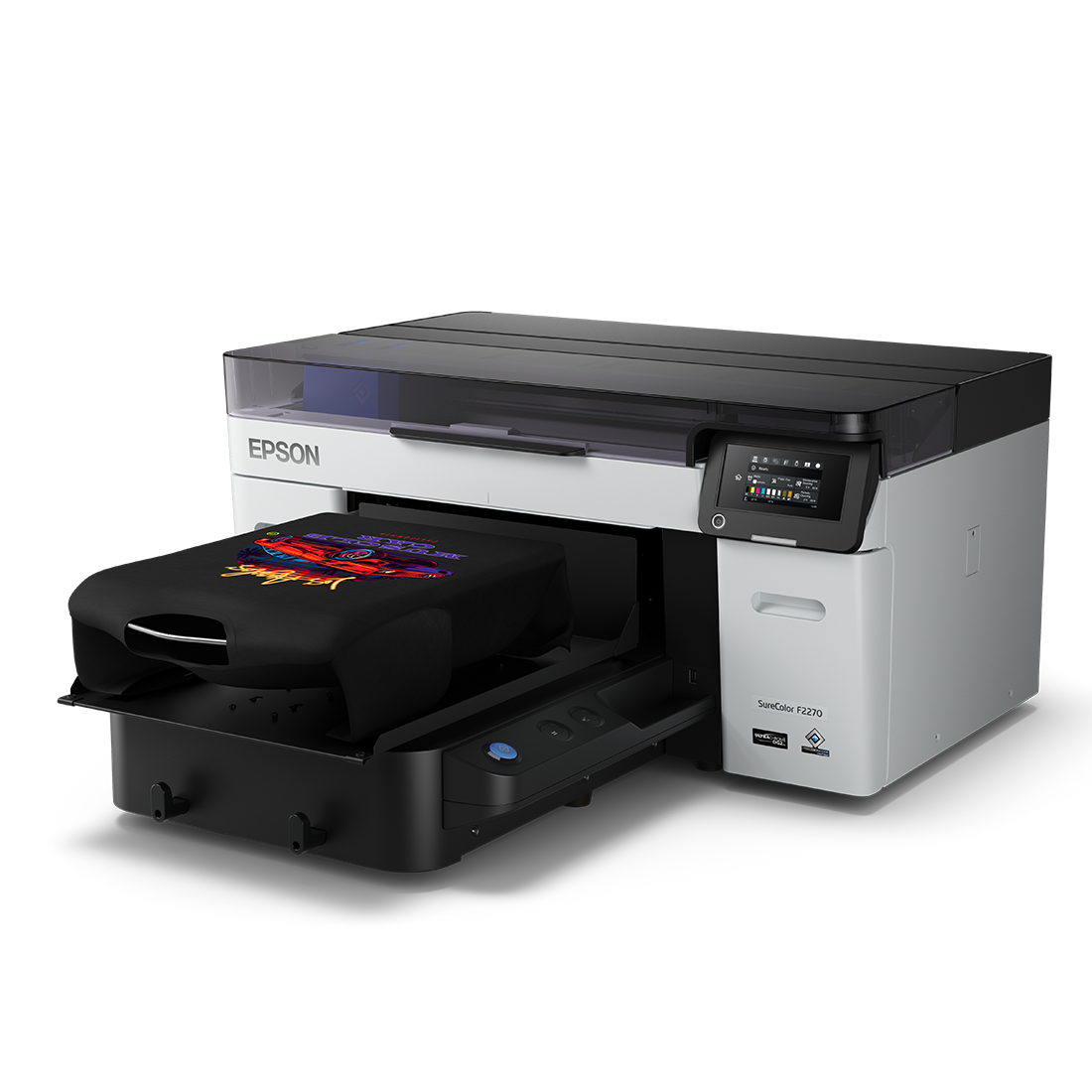
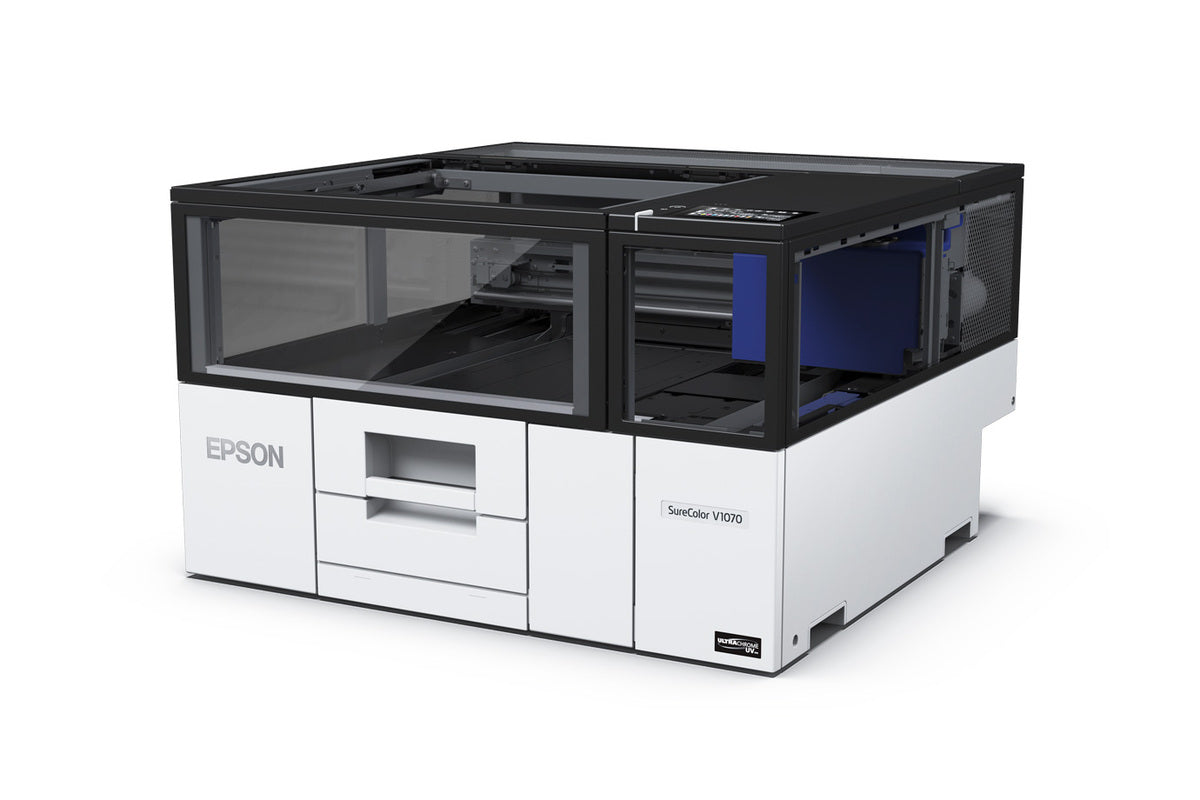
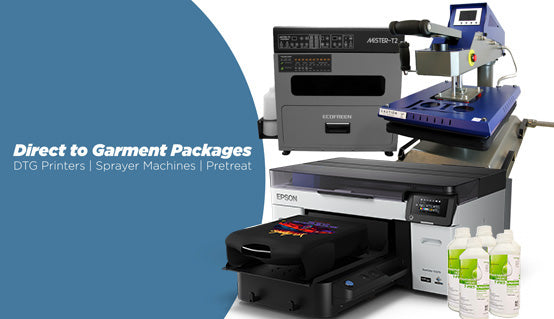
DTF printing equipment represents real investment. In Canada, entry-level DTF printers start around $5,000 to $8,000, while advanced systems range from $15,000 to $25,000+ depending on production needs and print width.
There are practical considerations beyond cost. Space requirements, workflow integration, and equipment maintenance become part of your operation. DTF printing shifts from a process step to a core business function. And like any production system, there's a learning curve with DTF technology.
These aren't reasons not to bring DTF printing in-house. But they explain why timing matters. The goal isn't just acquiring DTF equipment; it's transitioning when your print business is ready operationally and financially.
What We've Learned from 37+ Years in Printing
At Joto Imaging Supplies Canada, we've been part of the Canadian printing industry for over 37 years. We've worked with print businesses at every stage, from entrepreneurs launching with a heat press to established shops running full-scale DTF production.
The consistent pattern we've seen in custom apparel and DTF printing: there's no single "right" path.
Some print businesses grow slowly and stay lean with outsourced DTF transfers. Others scale quickly and invest in DTF equipment early. Both approaches work in the Canadian market.
What matters is alignment between your DTF production method and your business reality. Your order volume, space, budget, workflow, and growth goals all factor into that decision. The best approach is rarely about rushing into in-house DTF printing; it's about progressing at the right pace.
Starting Simple Is Still Smart
For many Canadian print businesses, outsourcing DTF transfers remains the best way to begin in custom apparel.
If you don't have space yet, or if DTF equipment investment doesn't align with your current situation, ordering DTF transfers lets you move forward without operational complexity.
Focus on building your customer base, understanding demand patterns, and refining your offer. That validation stage provides the clarity needed before larger equipment investments. It's exactly how successful Canadian print businesses start their DTF journey.
Growing Into In-House DTF Production
As your print business evolves, your DTF production setup should evolve with it. What worked initially may no longer support growth the same way.
Some custom apparel businesses continue outsourcing and optimize supplier relationships. Others explore in-house DTF printing, gradually building production capabilities.
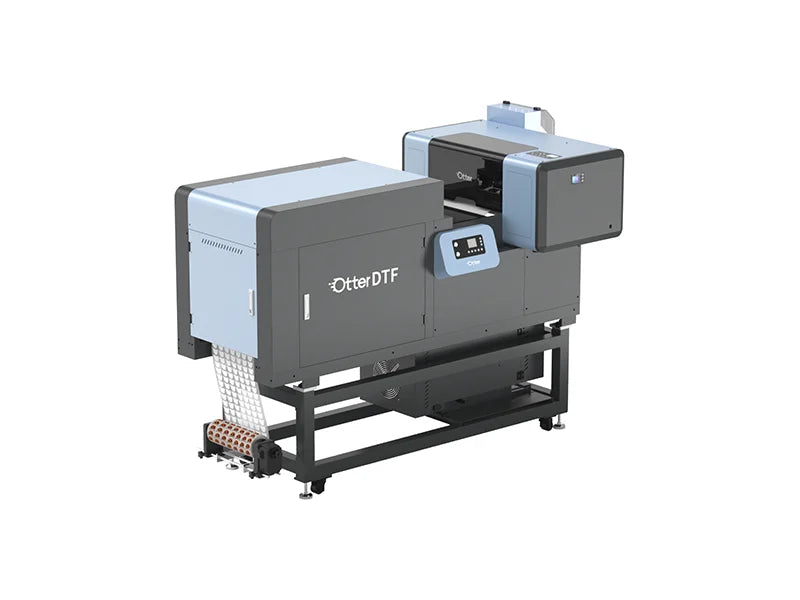
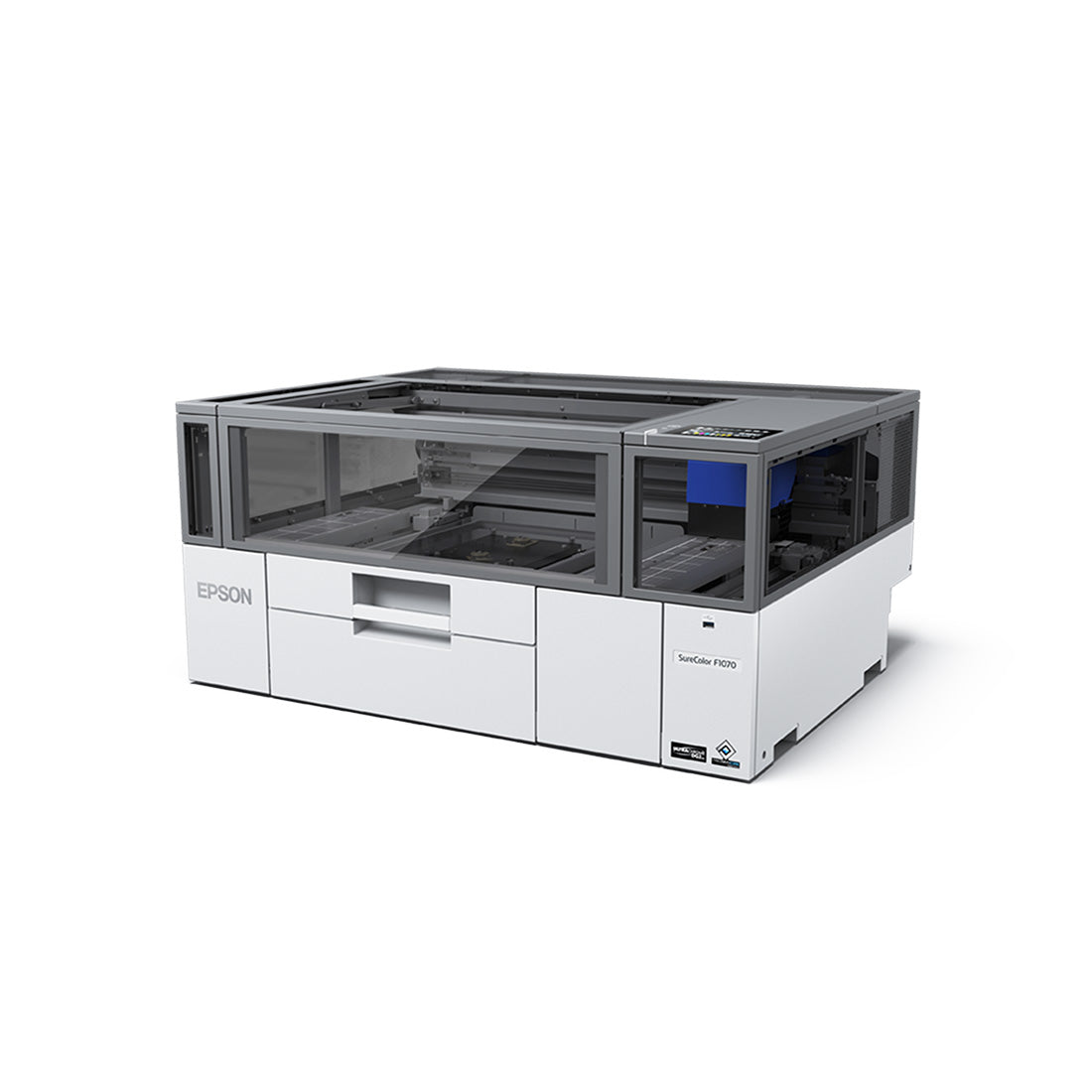
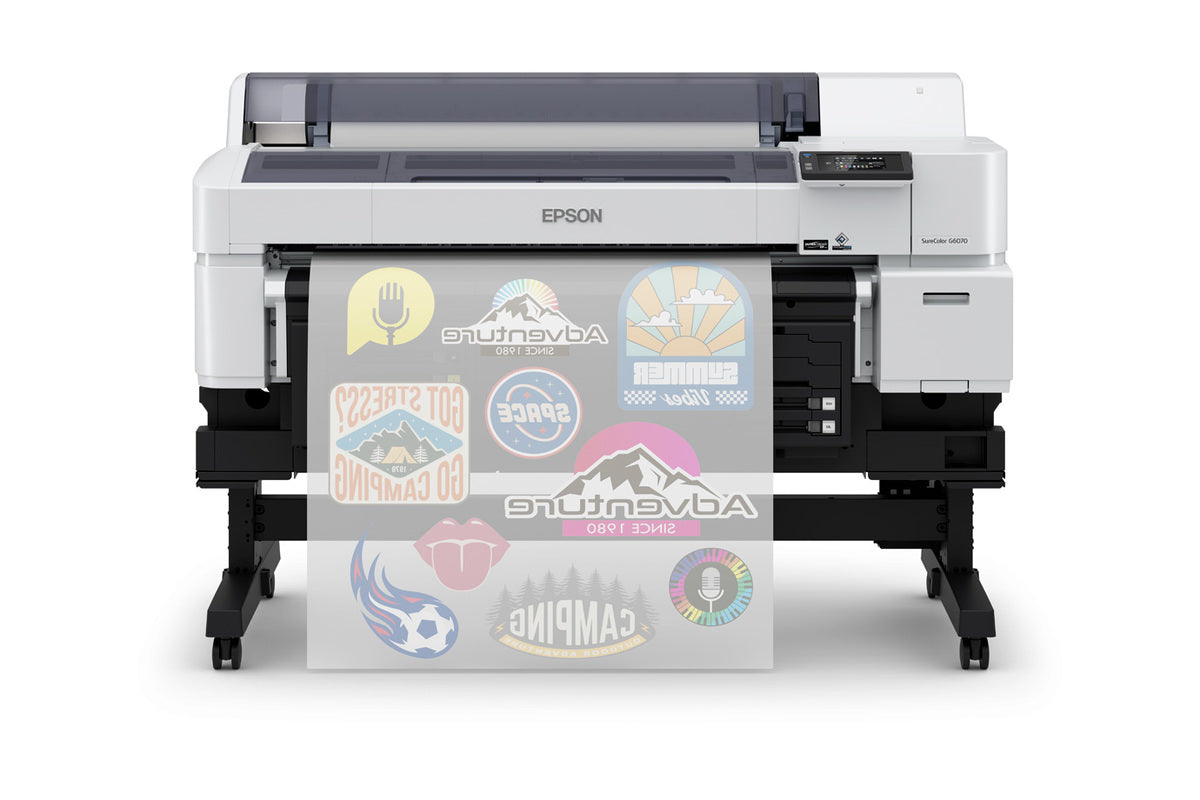
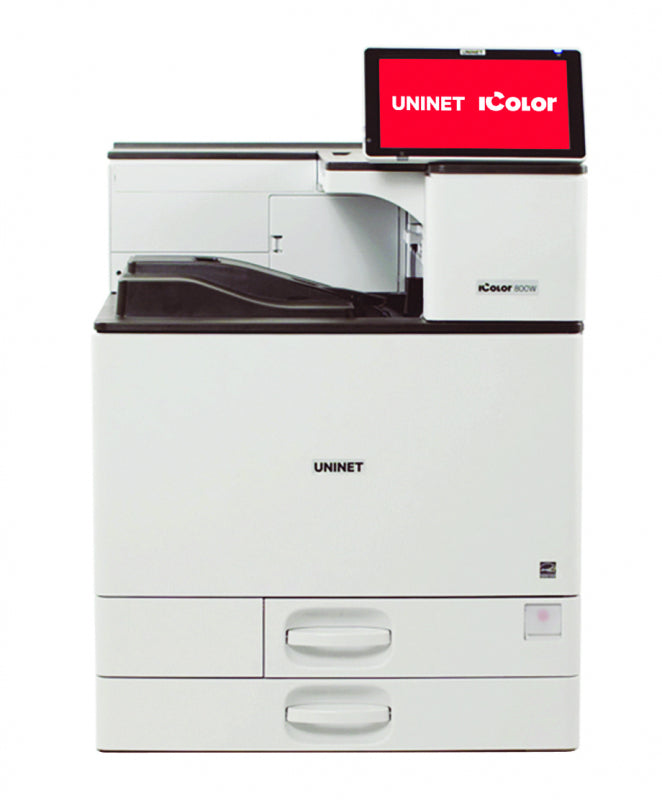
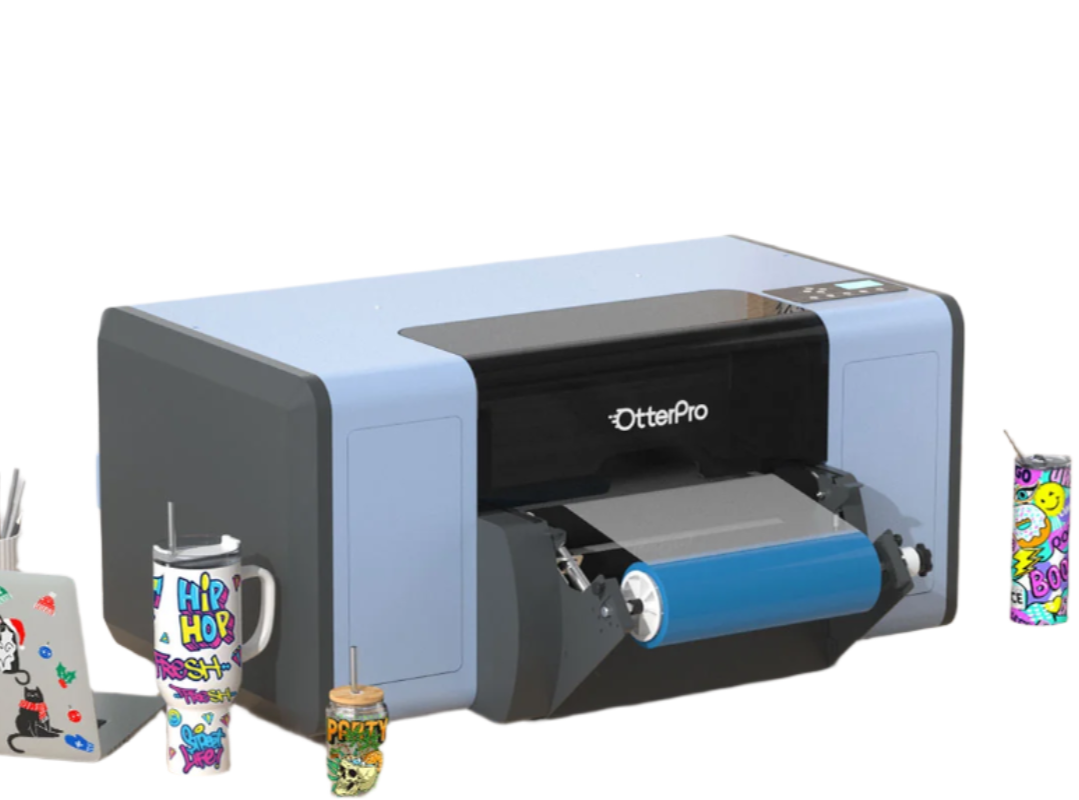
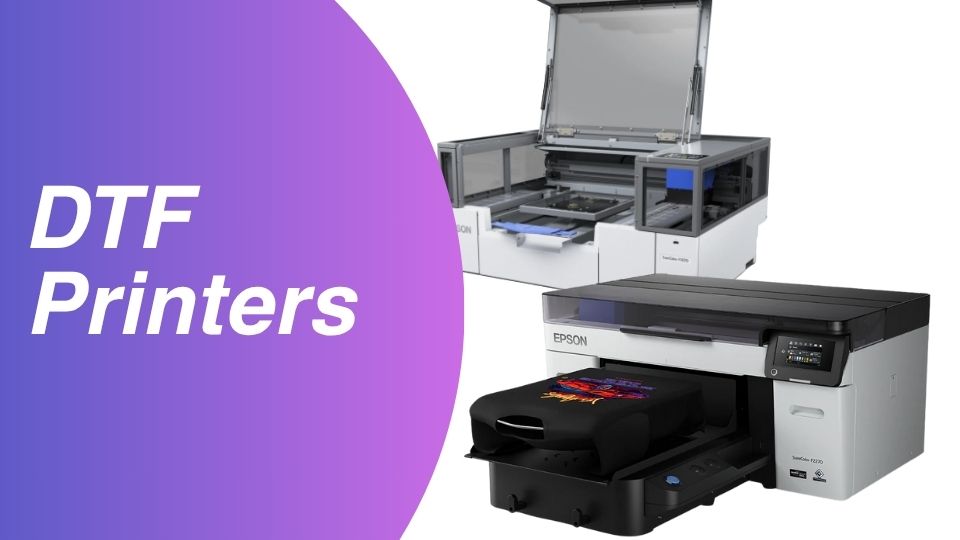
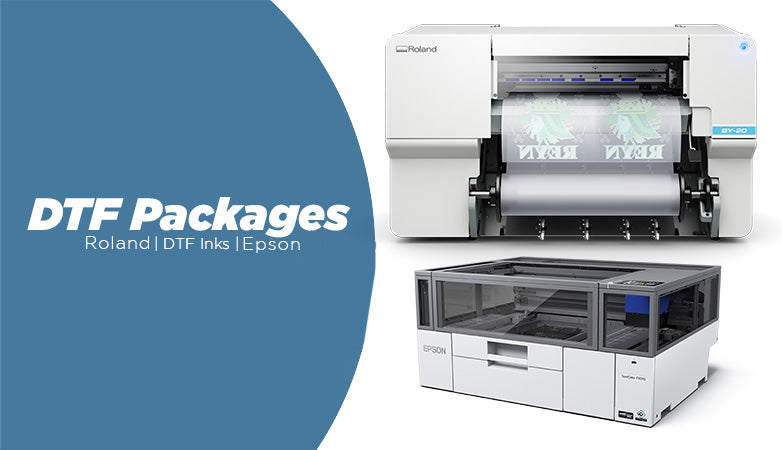
Today, DTF printer solutions exist for different business stages: compact 16-inch systems for smaller spaces to advanced 24-inch or 60cm DTF printers supporting higher volumes and gang sheet printing. The goal isn't jumping too fast into in-house DTF production; it's moving at the right pace.
How to Know If You're Ready for In-House DTF Printing
The answer isn't a single metric. It's a combination of signals:
You're consistently placing DTF transfer orders weekly. Your outsourcing costs keep increasing monthly. You're turning down rush opportunities because of supplier lead times. You're feeling limited by your current process.
Those signs indicate your custom apparel business might be ready for in-house DTF printing. Not because you must change, but because you now have the option to control production.
Moving Forward Without Rushing the DTF Decision
The biggest misconception about in-house DTF production is that it has to happen all at once.
Many Canadian print businesses transition gradually. They continue outsourcing DTF transfers while exploring equipment options. They build confidence with DTF technology before committing. They align DTF printer investment with actual growth metrics.
That approach reduces risk and makes the transition feel natural. This isn't about choosing outsourcing versus in-house as absolutes. It's about building a production setup supporting where your print business is today and where you want it to go.
Ready to Explore DTF Printing Options?
If you're figuring out whether to continue outsourcing or move into in-house DTF printing, you're not alone. Most custom apparel businesses in Canada go through this evaluation.
The key is understanding your numbers, workflow requirements, and growth goals.
From there, decide what makes sense for your print business. Whether continuing to outsource DTF transfers while you scale, or exploring the right DTF printer setup for your next stage.
At Joto Imaging Supplies, we work with print businesses navigating this transition. With over 37 years of experience in sublimation, heat transfer, and DTF printing supplies, we understand building a sustainable custom apparel operation.
Whether you're starting with a heat press and outsourced transfers, or ready to explore DTF equipment options, we help you make informed decisions based on real production requirements.
The real objective isn't just producing DTF prints. It's building a custom apparel business that can grow with you, with the right production strategy at the right time.