









Skip to content
en
CAD

Bloom Your Business Into Profit

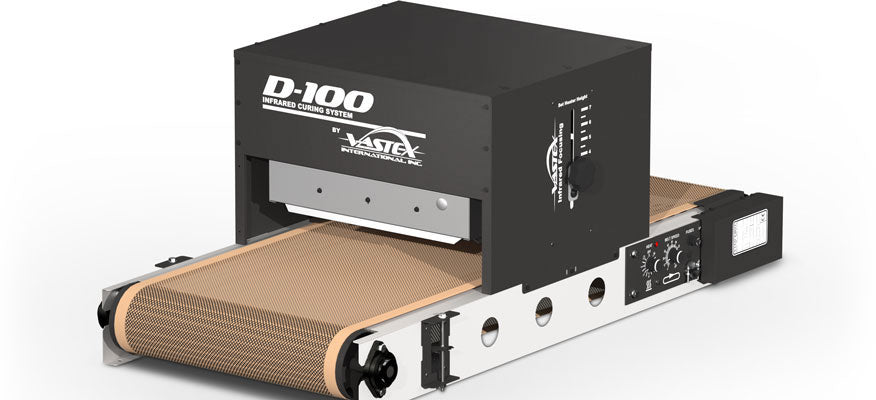
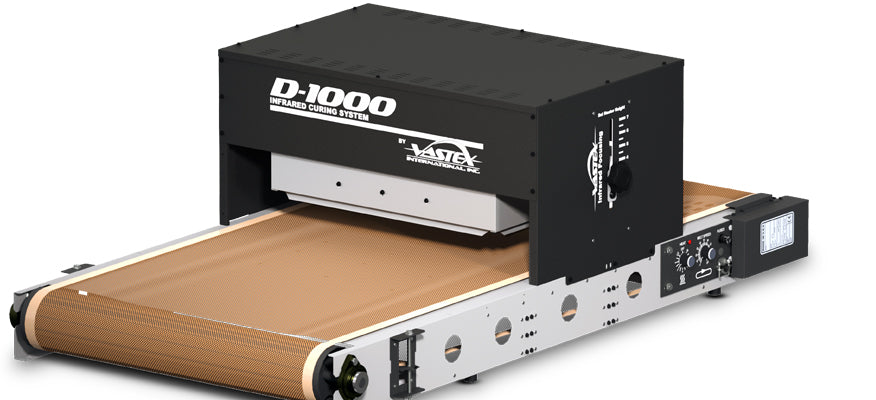
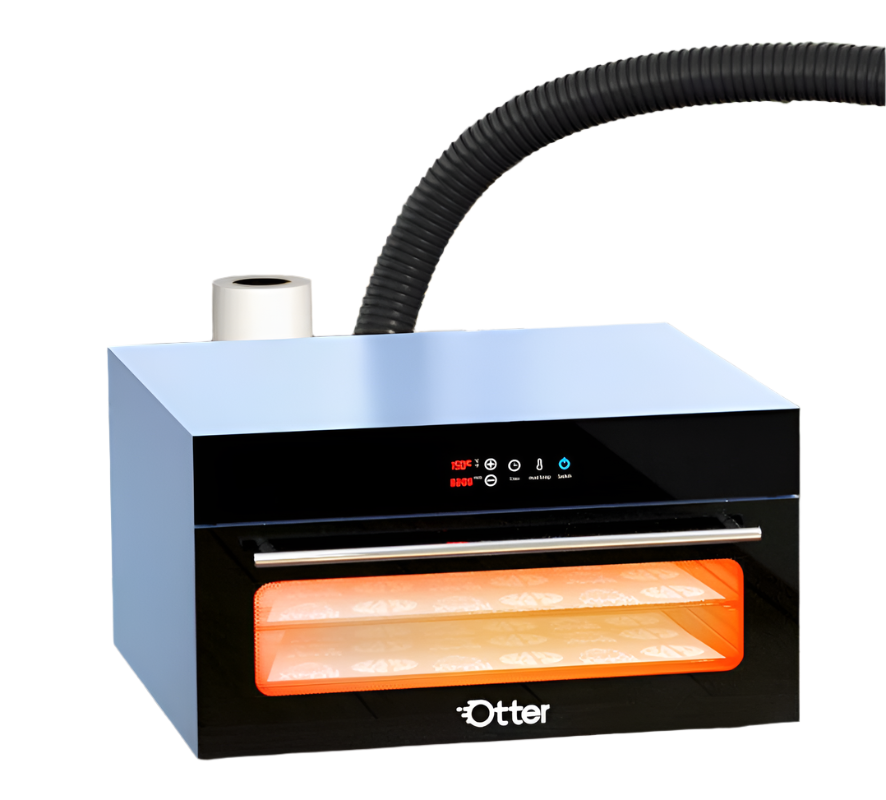
DTF Oven - Dryer


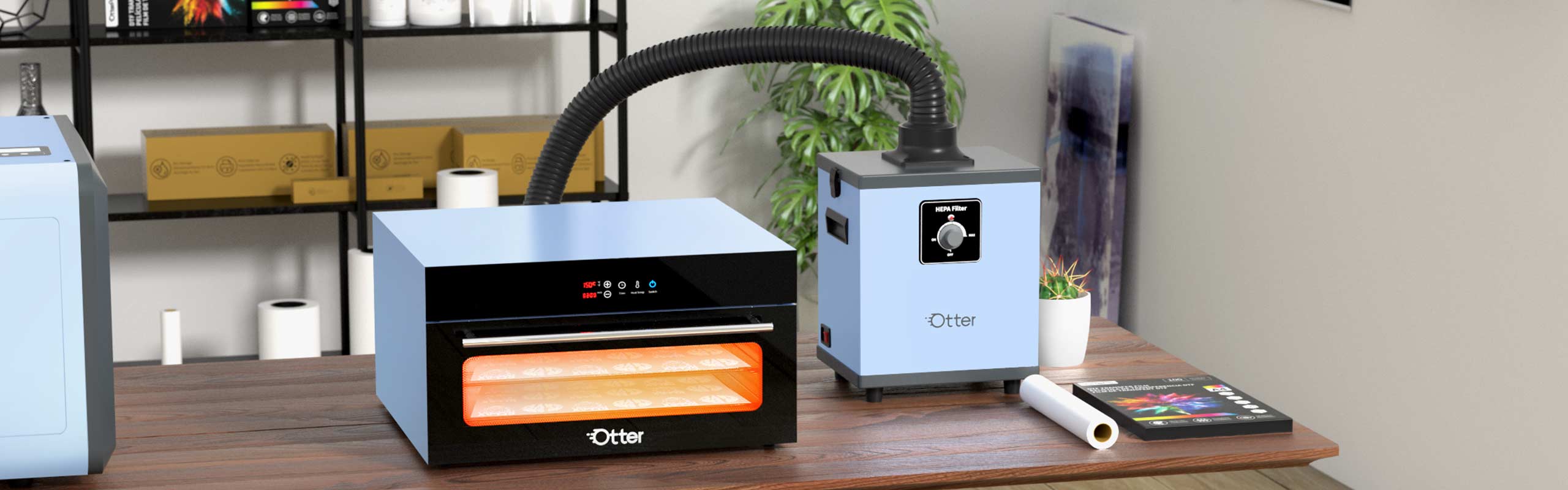
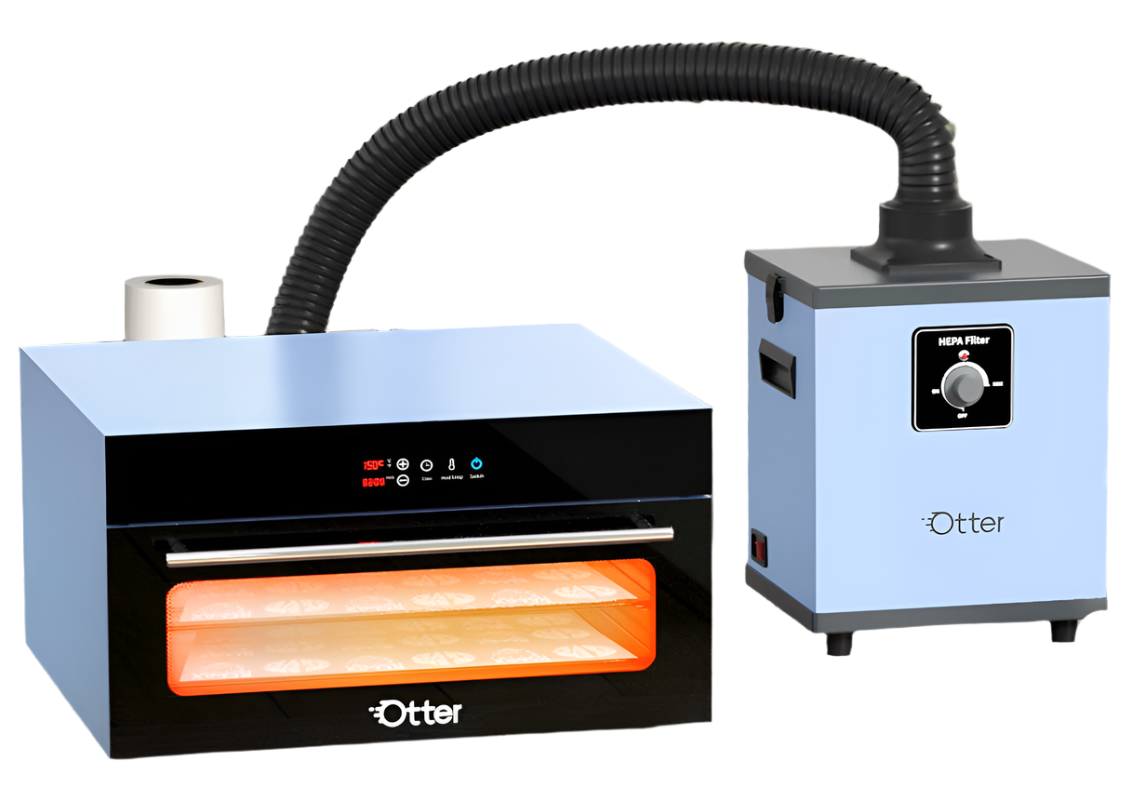
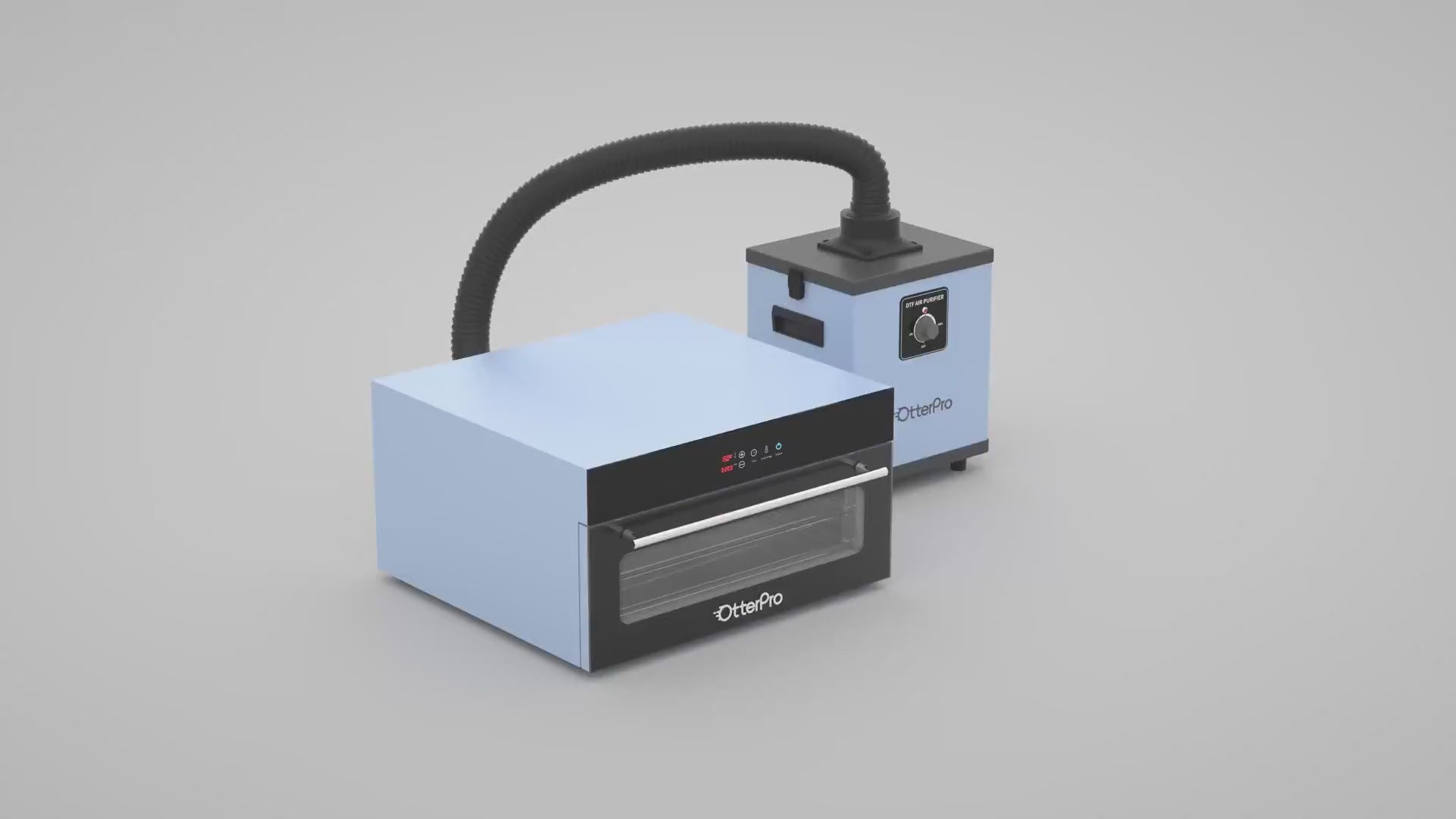
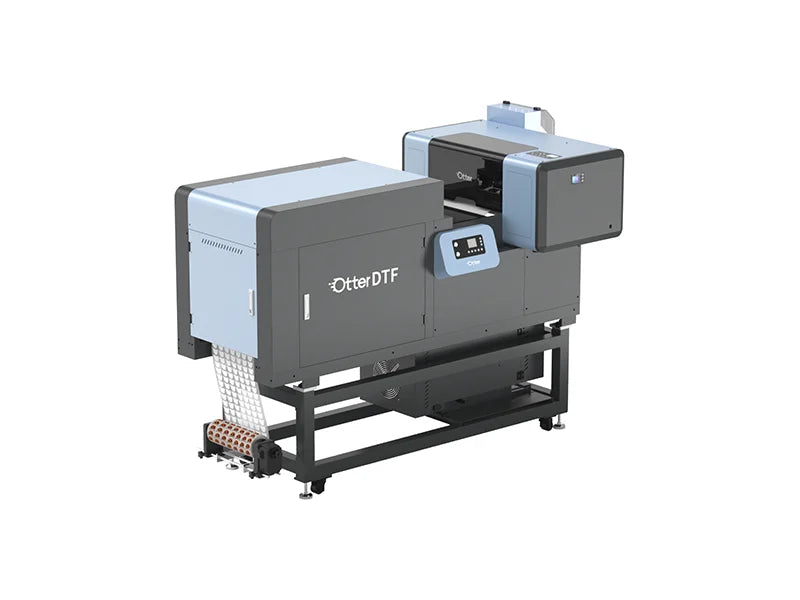
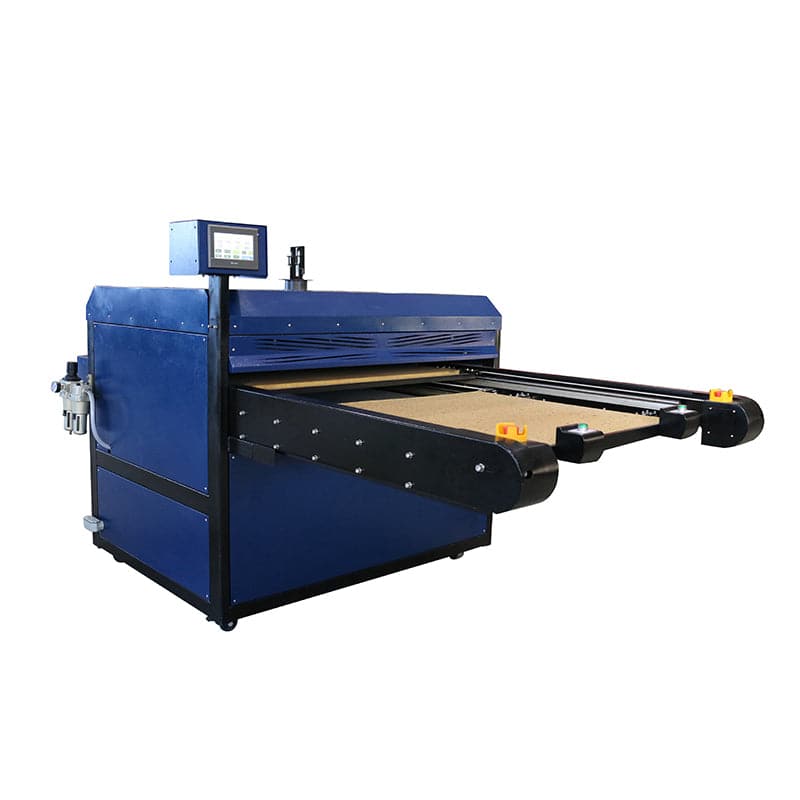
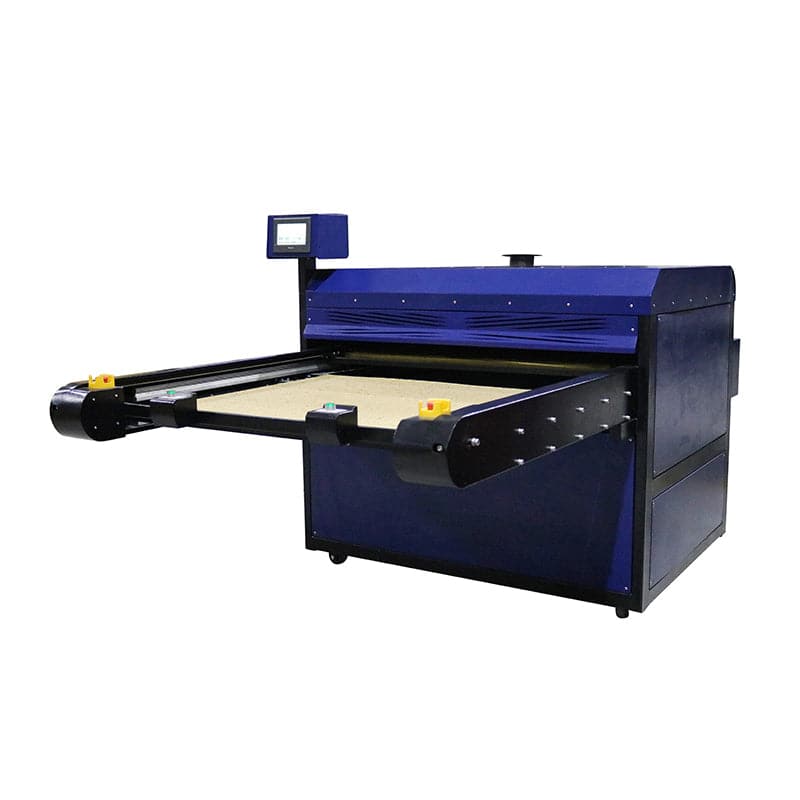
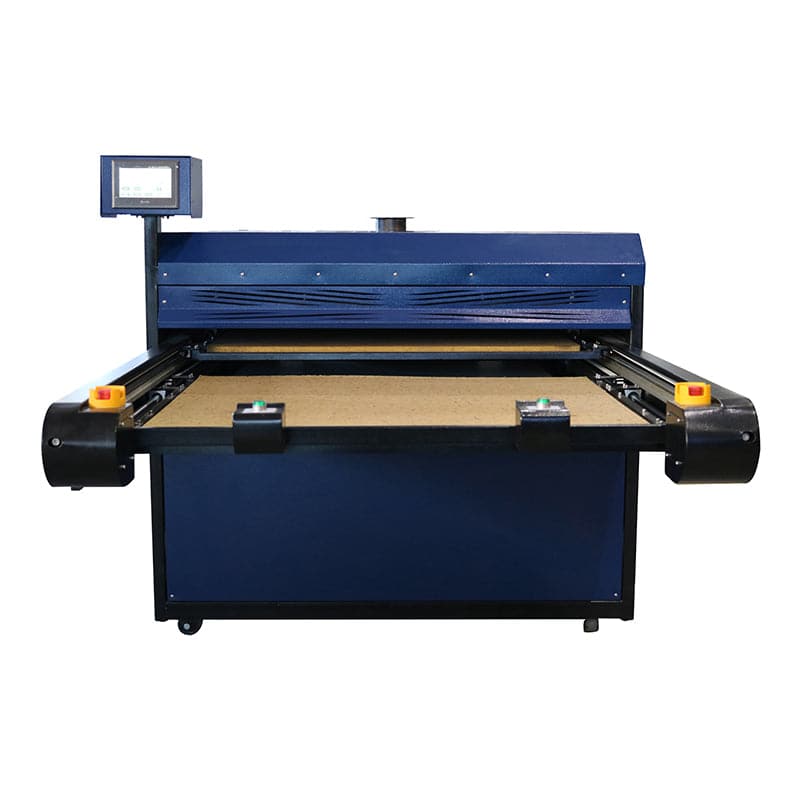
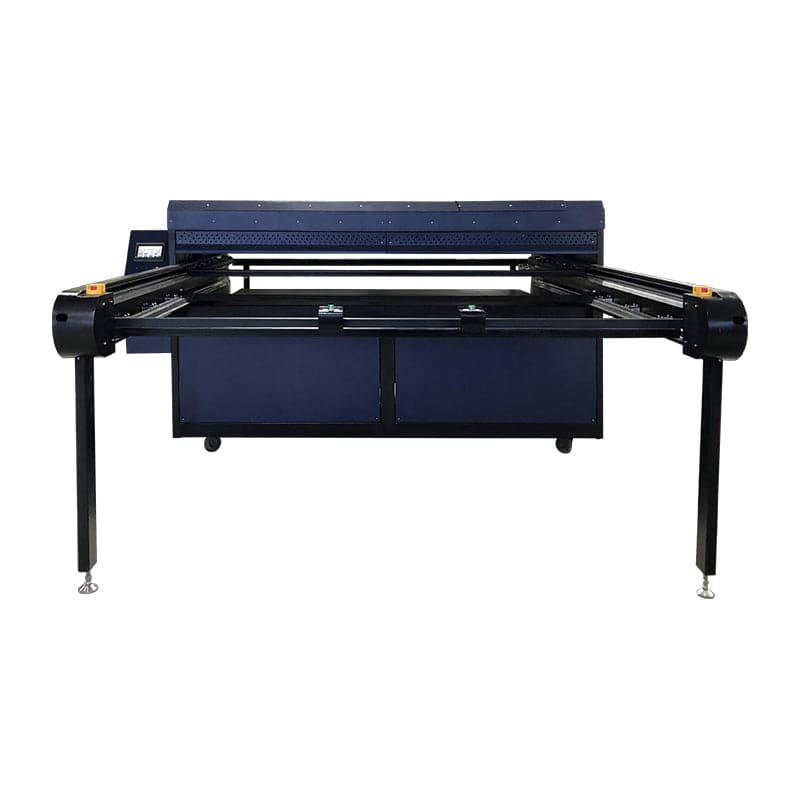
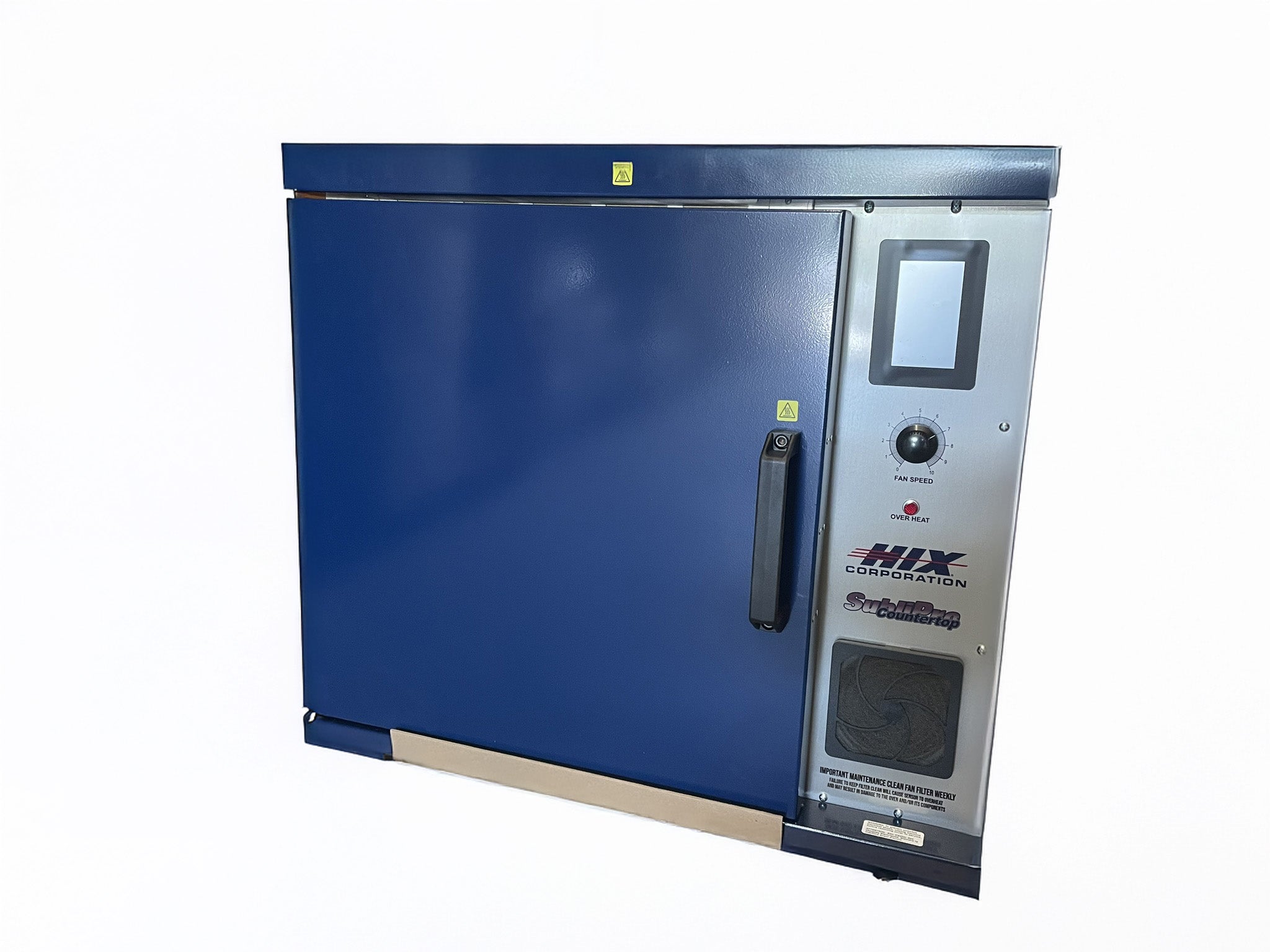
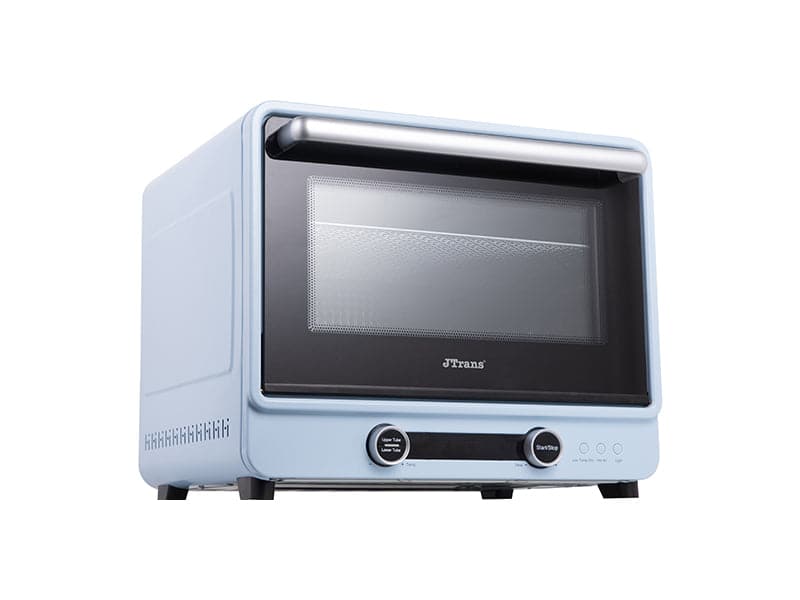
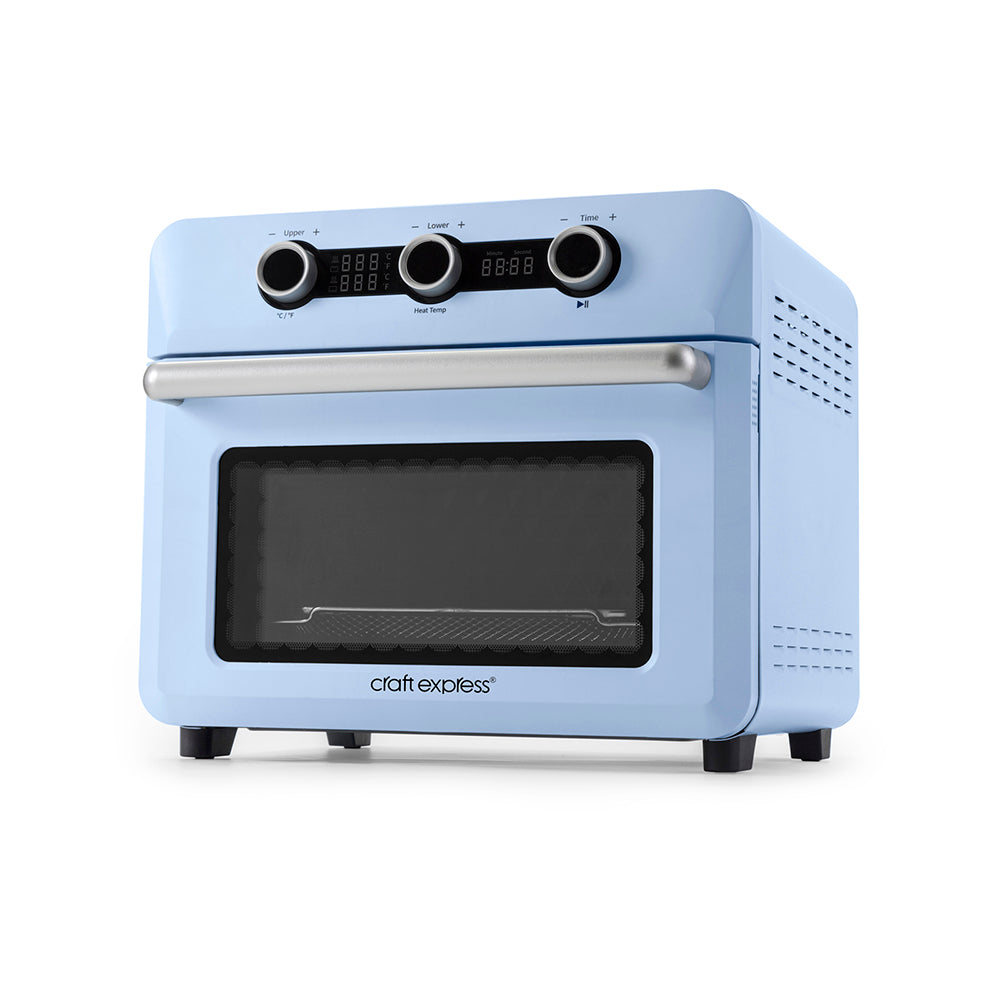
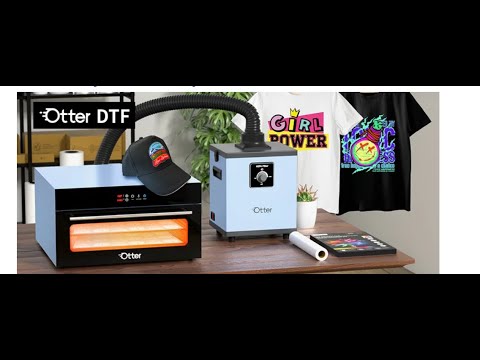
DTF Oven Dryer for consistent curing


DTF Oven Dryer equipment delivers steady heat, ensuring transfers cure with strong adhesion and vibrant, lasting colors. Designed for compact studios and growing print shops, these dryers optimize powder bonding without risking under or over curing.

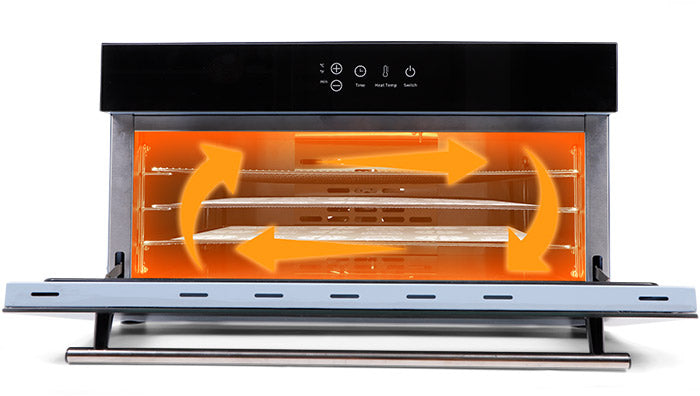
Their efficient build distributes heat evenly, reducing defects and preparing films quickly for pressing. With reliable performance, they handle both small custom orders and larger runs, keeping workflows smooth and results professional.

Compatible with cotton, polyester, and blends, they add speed and precision to any DTF setup. Backed by Joto’s expertise, each dryer provides dependable curing and consistent quality
Frequently Asked Questions:

What is a DTF oven dryer and why is it necessary for curing DTF transfers?

A DTF oven dryer is a specialized heating unit designed to uniformly melt the thermoplastic polyurethane (TPU) adhesive powder applied to printed PET films. This curing process is essential for creating a durable bond between the ink and the adhesive, ensuring the transfer remains flexible and wash-fast once applied to the garment. By providing consistent convection or infrared heat, a DTF oven prevents uneven curing and scorching, which are common issues when using handheld heat guns. Utilizing a professional oven dryer streamlines production workflows and ensures high-quality, professional-grade results for high-volume apparel decoration.

What types of DTF films and adhesive powders are compatible with the DTF Oven - Dryer for optimal curing results?

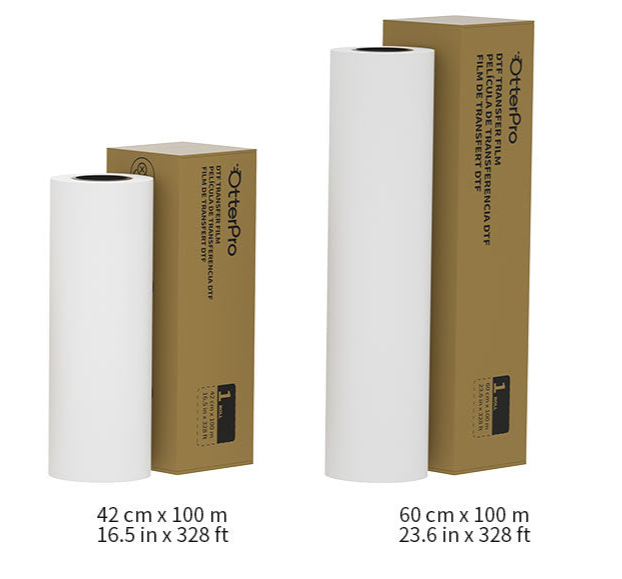
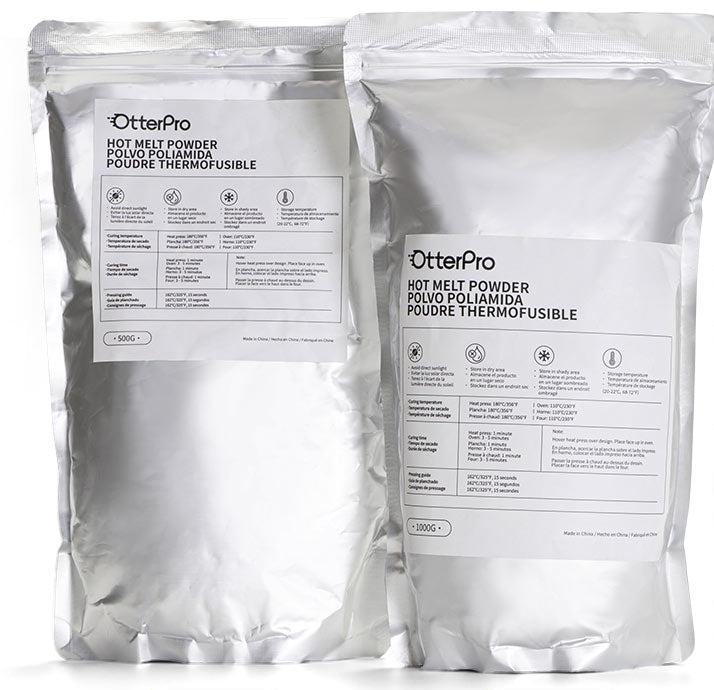
The DTF Oven - Dryer is engineered for universal compatibility with high-quality PET transfer films, including A3, A4, and A5 sheets or rolls. It efficiently cures a wide range of thermoplastic adhesive powders, such as TPU, PES, and PA, ensuring a consistent and durable bond between the ink and the substrate. For optimal results, we recommend using premium DTF films and hot-melt powders from Joto Imaging Supplies to achieve a professional-grade "orange peel" finish and superior wash fastness. Using these high-performance materials within our precision-controlled curing environment guarantees maximum production efficiency and long-lasting apparel decoration.

How can I ensure the long-term durability and proper maintenance of a DTF Oven - Dryer to maintain consistent curing results?

To ensure the long-term durability of your DTF Oven - Dryer, it is critical to perform regular cleaning of the internal heating elements and exhaust fans to prevent the buildup of TPU adhesive residue. Maintaining consistent airflow by checking for obstructions and ensuring the unit is operated in a temperature-controlled environment will help prevent thermal fluctuations and ensure an even cure. Regularly inspecting electrical connections and the thermostat's calibration is essential for technical accuracy and to avoid scorching high-quality DTF transfers. Adhering to these professional maintenance protocols will extend the equipment's lifespan and guarantee high-performance production results for your apparel business.

How do you properly use a DTF Oven - Dryer to cure transfers for a professional finish?

To properly use a DTF Oven Dryer, place your printed PET film coated with TPU adhesive powder onto the tray, ensuring it is positioned flat for even heat distribution. Set the curing temperature typically between 110°C and 130°C for approximately 2 to 3 minutes until the powder melts into a uniform, glossy "orange peel" finish. It is essential to monitor the convection or infrared heat levels to prevent scorching while ensuring the adhesive fully polymerizes with the textile ink. Once the timer expires, remove the transfer and allow it to cool slightly to ensure a durable, professional-grade bond before heat pressing onto your garment.

What are the most common causes of uneven curing or scorched transfers when using a DTF oven dryer?

Uneven curing or scorched transfers in a DTF oven dryer typically result from improper temperature calibration or inconsistent airflow within the heating chamber. If the heat is set too high or the dwell time is excessive, the PET film can warp and the TPU adhesive powder may scorch, compromising the integrity of the heat transfer. Conversely, cold spots caused by malfunctioning heating elements or poor convection can lead to under-cured areas that fail to bond correctly during the heat press process. To ensure professional results, technical experts at Joto Imaging Supplies recommend regularly monitoring the internal temperature with a digital pyrometer and maintaining clean exhaust fans to ensure uniform heat distribution.

How can I achieve maximum color vibrancy and professional print quality with a DTF Oven - Dryer?

To achieve maximum color vibrancy and professional print quality using a DTF Oven - Dryer, ensure your heat settings are precisely calibrated between 110°C and 130°C to facilitate a complete melt of the TPU adhesive powder. Consistent convection or infrared heat distribution is essential to prevent scorching while ensuring the adhesive fully polymerizes with the high-pigment textile inks for a glossy "orange peel" finish. Proper curing in a controlled environment preserves the integrity of the CMYK and white ink layers, resulting in superior wash fastness and brilliant color saturation on the final garment. By maintaining stable temperature and dwell times, you ensure an industrial-grade bond that maximizes the visual impact and durability of your direct-to-film transfers.

How can using a DTF Oven - Dryer help my business reduce production costs and increase profit margins?

Implementing a DTF Oven - Dryer reduces production costs by providing uniform heat distribution that ensures a consistent cure of the TPU adhesive powder, minimizing costly reprints and material waste. The convection heating technology accelerates curing times compared to manual methods, significantly increasing throughput and labor efficiency for high-volume custom apparel orders. By ensuring a professional-grade bond between the ink and the garment, businesses can maintain higher profit margins through superior product durability and faster turnaround times. This automated curing process streamlines the entire direct-to-film workflow, allowing for scalable production with minimal energy consumption and overhead.

How should the DTF Oven - Dryer be stored and maintained to ensure safe operation and optimal equipment longevity?

To ensure safe operation and optimal longevity, store your DTF Oven-Dryer in a clean, dry, and well-ventilated environment to prevent internal moisture accumulation and potential electrical hazards. Regular maintenance must include bi-weekly cleaning of the interior chamber and exhaust vents using a soft cloth and isopropyl alcohol to remove resin buildup and powder residue. Periodically inspect the heating elements for carbonization and calibrate the digital thermostat with an infrared thermometer to maintain precise curing temperatures between 280°F and 320°F. Additionally, ensure the unit is properly grounded and the power cable is inspected for wear to maintain a safe and efficient production workflow.

How does a DTF Oven - Dryer compare to traditional heat guns or flash dryers for curing custom transfers?

A DTF Oven - Dryer offers superior temperature uniformity and precision compared to heat guns or flash dryers, which often suffer from hot spots and inconsistent curing. By utilizing controlled airflow or infrared heating, these specialized ovens ensure the TPU adhesive powder reaches a perfect "orange peel" melt for maximum wash durability and bond strength. This dedicated curing solution streamlines your workflow by freeing up your heat press for production, significantly increasing throughput and reducing the risk of smudging or scorching delicate films. Investing in a professional DTF oven ensures reliable, high-quality results that improvised heating methods simply cannot replicate for commercial-grade transfers.

How can you optimize the internal convection airflow and temperature dwell time of a DTF Oven - Dryer to ensure a consistent 'orange peel' adhesive cure on high-density prints while preventing PET film warping?

To optimize the internal convection airflow and temperature dwell time of a DTF Oven - Dryer, calibrate the unit between 110°C and 130°C for approximately 2 to 3 minutes. High-density prints require consistent heat distribution to facilitate a complete melt of the TPU adhesive powder into a uniform, glossy "orange peel" finish without scorching the ink. Monitoring and adjusting the convection speed ensures that the thermoplastic powder polymerizes thoroughly while preventing excessive heat buildup that can lead to PET film warping. This technical balance is critical for maintaining the structural integrity of the transfer and ensuring superior wash-fast durability on the final garment.

Drawer Title
Similar Products