

















Skip to content
en
CAD

Bloom Your Business Into Profit

Heat Transfer Papers

49 products

  • Sort by

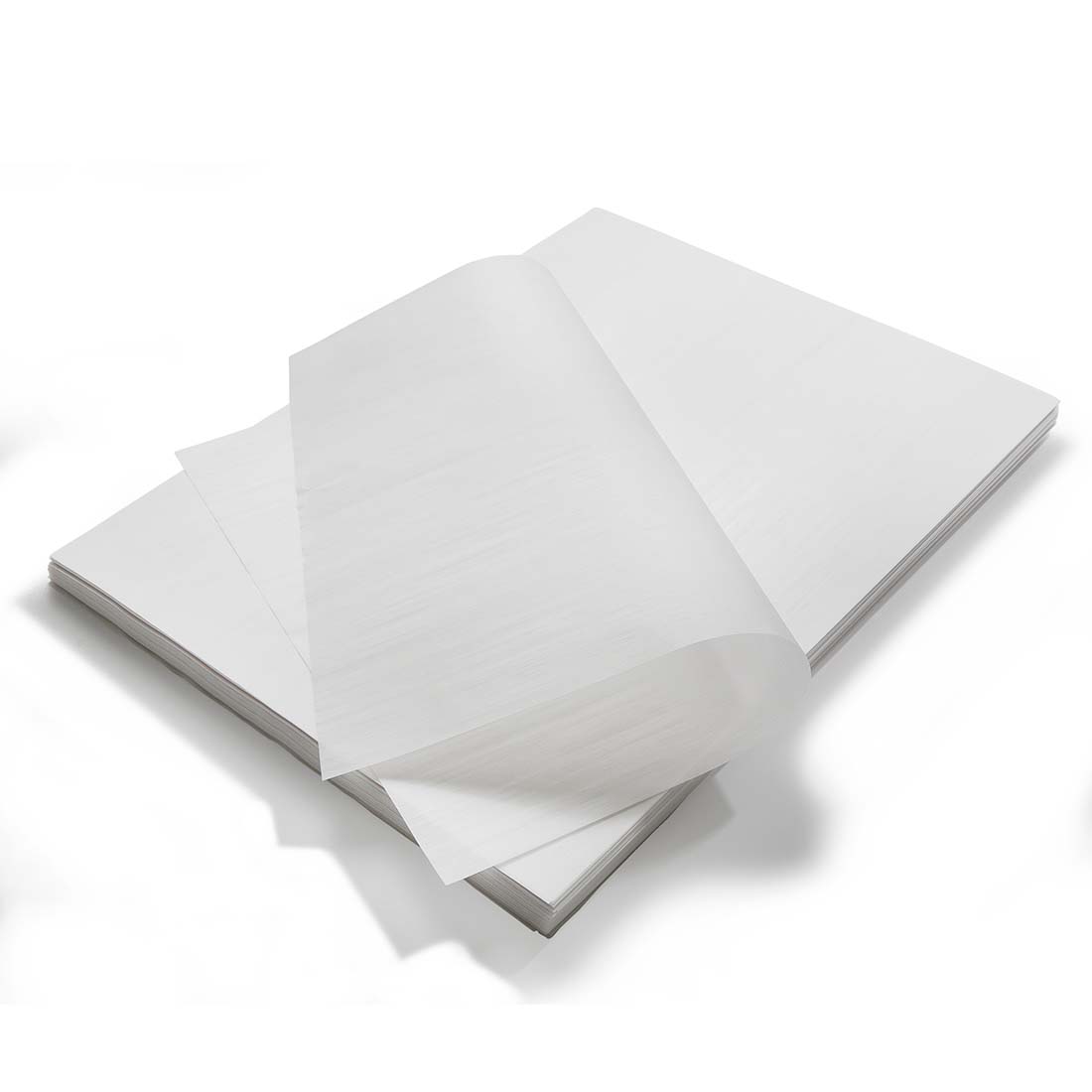
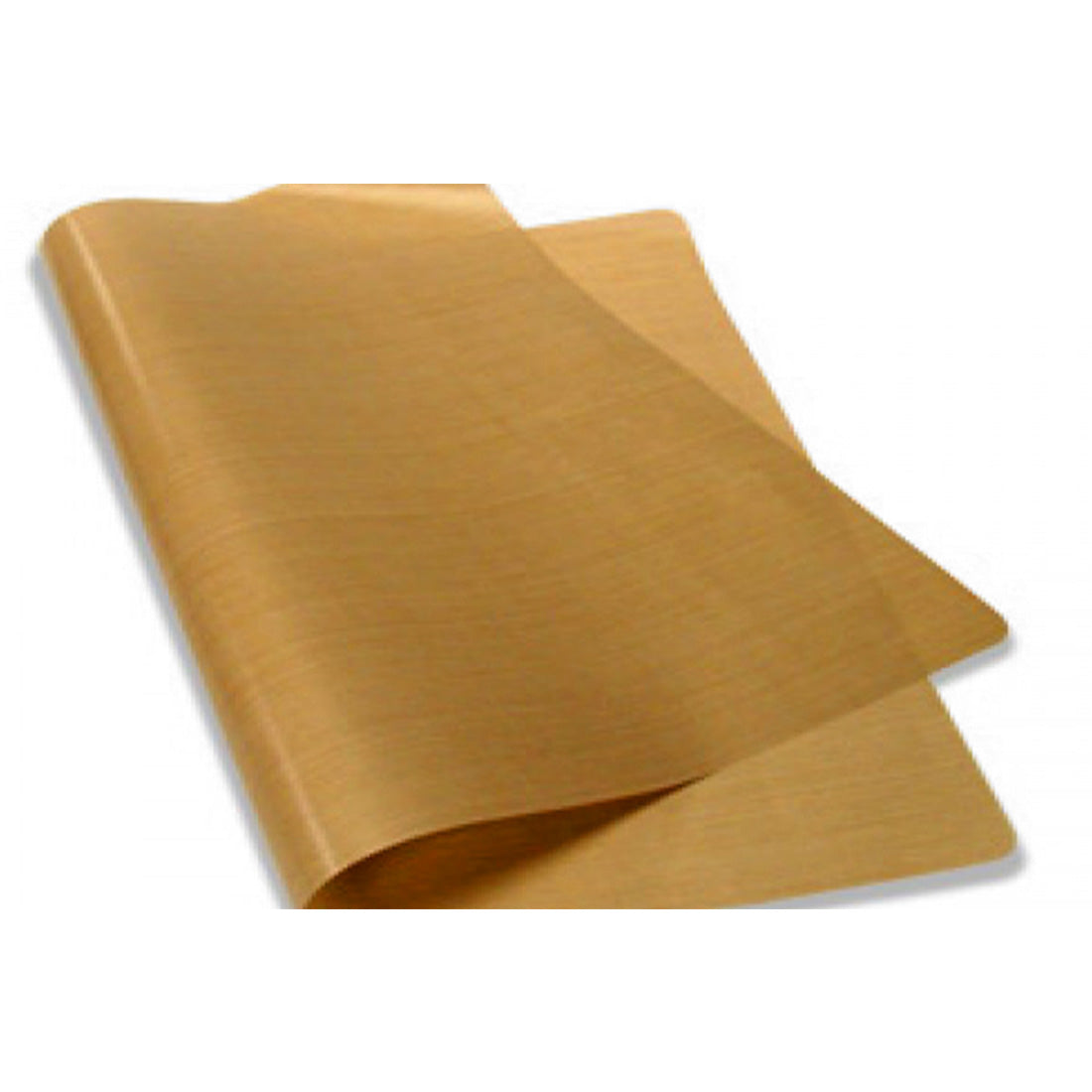
Non-Stick Sheet
From $30.00$33.00

Heat Transfer Papers – Vibrant, Durable, and Easy to Use

Achieve professional-quality prints every time with our premium Heat Transfer Papers. Perfect for creating custom apparel, promotional items, and personalized gifts, these papers are specially engineered for sharp, vivid transfers that last.

Why Choose Our Transfer Papers:

  • Brilliant Color Reproduction – Produces bold, fade-resistant designs with crisp detail.
  • Works on Light & Dark Fabrics – Versatile options for cotton, polyester, and blended materials.
  • Easy Application – Designed for smooth transfers and simple peeling using a heat press or home iron.
  • Professional-Grade Durability – Resists cracking and fading even after repeated washes.

Whether you’re a hobbyist or running a professional print shop, our Heat Papers provide everything you need to create stunning, long-lasting designs. Shop now and bring your custom creations to life with vibrant, professional-quality transfers!

What are heat transfer papers used for?

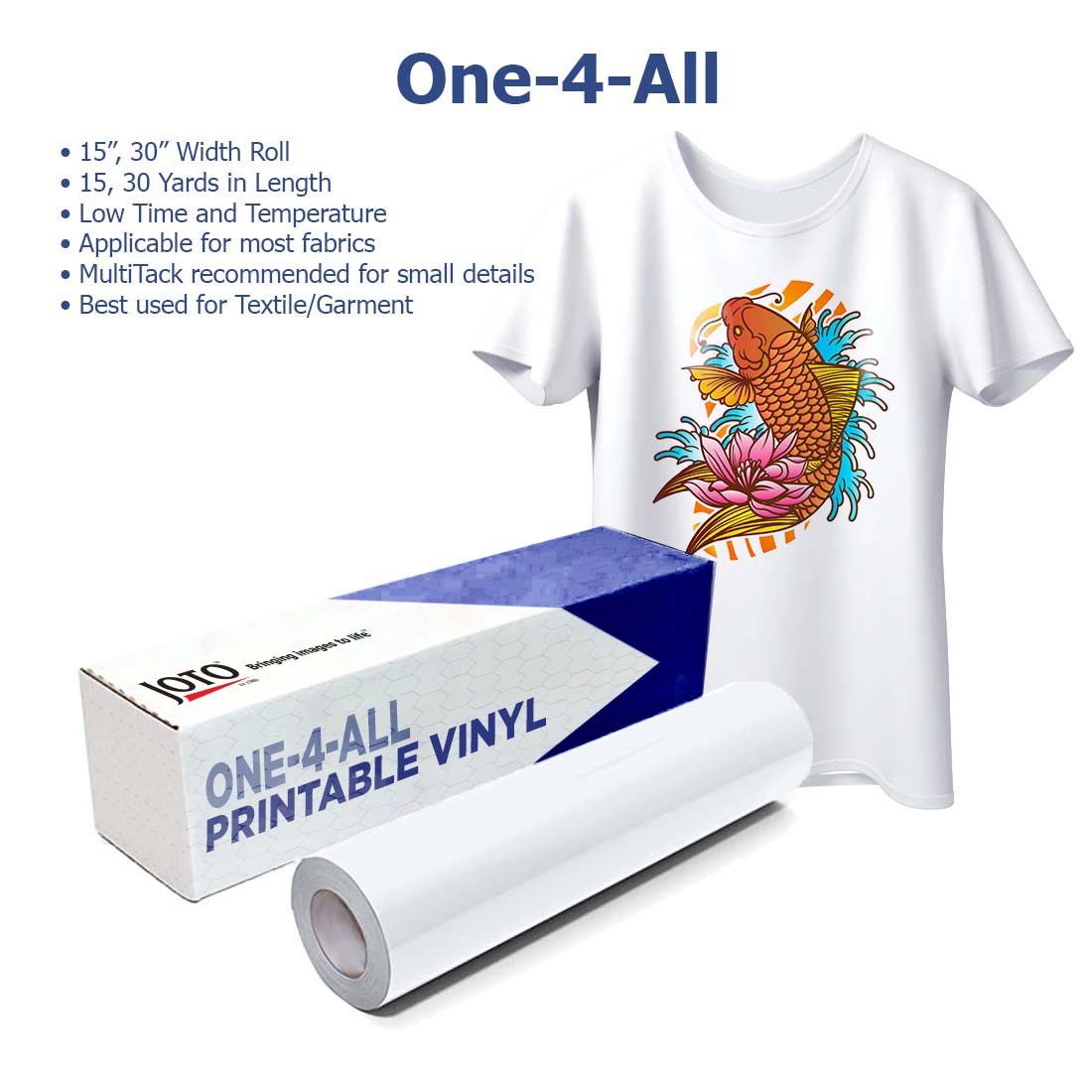
Heat transfer papers are specialized media used to transfer digitally printed designs onto various substrates such as apparel, accessories, and hard goods. These papers are engineered to work with specific printing technologies, including inkjet, laser, and sublimation, to ensure high-resolution graphics and vibrant color reproduction. When paired with a professional heat press, the specialized coating bonds the ink or toner to the fabric fibers, resulting in a durable and wash-fast finish. Joto Imaging Supplies offers a comprehensive selection of transfer solutions optimized for both light and dark textiles, catering to professional garment decorators and commercial businesses.

What fabrics and materials are compatible with heat transfer paper?

Joto Imaging Supplies heat transfer papers are engineered for high-performance application on a wide range of fabrics, including 100% cotton, polyester blends, and synthetic textiles. Our specialized media is also compatible with unique substrates like nylon, leather, and wood, provided the correct transfer type is selected for the specific surface. To ensure professional-grade durability and technical accuracy, it is essential to match your inkjet or laser transfer paper to the material's heat sensitivity and texture. This versatility enables businesses to expand their production from custom t-shirts to high-margin promotional hard goods with ease.

How can I ensure the long-term durability and washability of garments customized with heat transfer paper?

To ensure the long-term durability and washability of garments customized with heat transfer paper, it is essential to calibrate your heat press for the precise temperature, pressure, and dwell time specified for your particular transfer media. We recommend waiting at least 24 hours before the first launder and always washing the garment inside out in cold water to preserve the integrity of the polymer bond. Avoid using harsh detergents or bleach, and tumble dry on a low-heat setting or hang to dry to prevent premature cracking or peeling of the design. Following these technical maintenance protocols at Joto Imaging Supplies guarantees professional-grade results and maximizes the lifespan of your custom apparel.

How do I apply heat transfer paper to a t-shirt or garment using a heat press?

To apply heat transfer paper using a professional heat press, begin by positioning your printed design face-down on the garment to ensure precise alignment and thermal contact. Apply the specific temperature, pressure, and dwell time settings recommended for your chosen inkjet, laser, or sublimation transfer media to facilitate a permanent bond with the fabric. Once the press cycle is complete, peel the carrier sheet according to the specific hot or cold peel instructions to achieve a durable, retail-quality finish. Utilizing premium transfer papers from Joto Imaging Supplies ensures technically accurate results and superior washability for every custom apparel project.

Why is my heat transfer paper design peeling or not sticking to the fabric after pressing?

Design peeling or failure to adhere typically results from inconsistent heat press calibration, specifically inadequate pressure or temperature settings that prevent the transfer polymer from fully bonding with the fabric fibers. It is crucial to verify that the heat transfer paper is compatible with your substrate, as using an incorrect media type for dark cotton or synthetic blends will compromise the adhesive bond. To ensure a professional-grade result, always pre-press the garment to eliminate moisture and strictly adhere to the specific dwell time and peeling temperature protocols recommended by Joto Imaging Supplies.

How can I achieve professional-grade color vibrancy and high-quality prints using Joto heat transfer papers?

To achieve professional-grade color vibrancy with Joto heat transfer papers, begin by using high-resolution graphics and selecting the optimal printer settings or ICC profiles tailored to your specific ink system. During the application stage, it is critical to calibrate your heat press to the precise temperature and pressure specifications provided in our technical data sheets to ensure maximum ink transfer and durability. Selecting premium substrates like tight-knit cotton or high-performance polyester blends allows the specialized polymer coating to bond effectively, resulting in sharp details and long-lasting colors. Following these professional protocols at Joto Imaging Supplies ensures your custom apparel maintains high-quality standards and brand authority with every production run.

How can using Heat Transfer Papers help grow my business and increase overall profitability?

Integrating heat transfer papers into your production workflow allows for cost-effective, on-demand customization with minimal upfront investment compared to traditional screen printing. By utilizing high-quality inkjet, laser, or sublimation transfer media, businesses can expand their product offerings to include diverse substrates like cotton, polyester, and hard goods without the need for high-volume minimums. This versatility significantly reduces overhead and inventory risk while allowing for premium pricing on personalized items, directly enhancing your overall profit margins. Joto Imaging Supplies provides the technical reliability and professional-grade materials necessary to maintain consistent output and high customer satisfaction as your business scales.

How should I store heat transfer paper and what safety precautions should be taken when using a heat press?

Store your heat transfer paper in a cool, dry location away from direct sunlight to prevent moisture absorption and preserve the integrity of the polymer coating. When using a heat press, ensure the workspace is well-ventilated and always wear heat-resistant gloves to protect against high-temperature platens during the application process. Maintain safety by placing the equipment on a stable, heat-resistant surface and keeping the area clear of flammable materials or obstructions. These storage and safety practices from Joto Imaging Supplies help ensure consistent print results and a secure workspace for your garment decoration business.

How do heat transfer papers compare to other garment decoration methods like DTG or screen printing?

Heat transfer papers offer a more cost-effective and versatile solution for short-run custom apparel compared to high-volume screen printing or expensive direct-to-garment (DTG) systems. Unlike screen printing, which requires complex screen setups and ink mixing, heat transfer technology allows for immediate, full-color reproduction with minimal upfront investment. While DTG is limited primarily to cotton, Joto’s range of heat transfer papers facilitates high-quality decoration on a broader variety of substrates, including synthetic blends and hard surfaces. This makes heat transfer paper the ideal choice for businesses seeking production flexibility and rapid turnaround times without sacrificing professional-grade durability.

How can I optimize pressure and temperature settings for multi-layer laser transfer applications to prevent bleeding and ensure maximum wash-fastness on complex synthetic blends?

To optimize multi-layer laser transfer applications on synthetic blends, use a calibrated heat press set between 275°F and 300°F to ensure proper toner adhesion while preventing dye migration and color bleeding. Apply firm, even pressure to facilitate deep fiber penetration, and consider increasing the dwell time or temperature slightly if using a Teflon cover sheet to compensate for potential heat loss. For superior wash-fastness, always perform a secondary finishing press and allow the transfer to cure for at least 36 hours before laundering the garment.

Drawer Title
Similar Products