











Skip to content
en
CAD

Bloom Your Business Into Profit

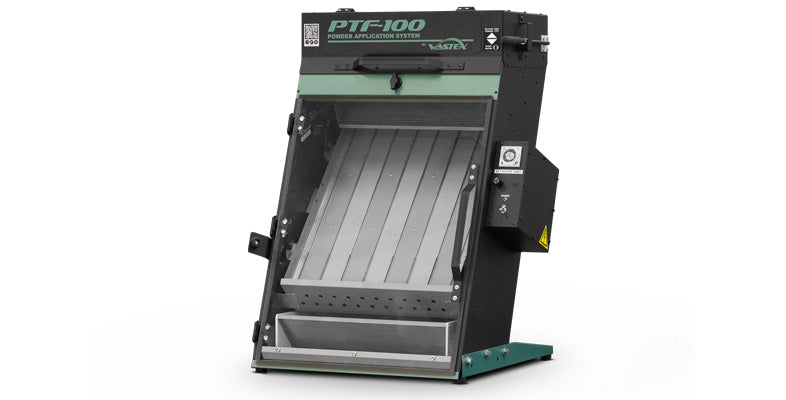
DTF Powder Shaker


DTF Powder Shaker Systems for Efficient Printing

Boost your workflow with a dependable DTF Powder Shaker designed for speed, accuracy, and consistent results.

A DTF Powder Shaker helps you automate powder application and improve transfer quality. By ensuring even coverage, it reduces manual work and increases productivity. Print shops of all sizes use these systems to handle higher volumes with precision and ease. With Joto Imaging Supplies, you receive expert guidance, fast shipping, and reliable stock. Choose this solution to streamline production, save time, and deliver sharper prints to your customers.

4 products

  • Sort by

Frequently Asked Questions:

What is a DTF powder shaker and how does it automate the adhesive application process?

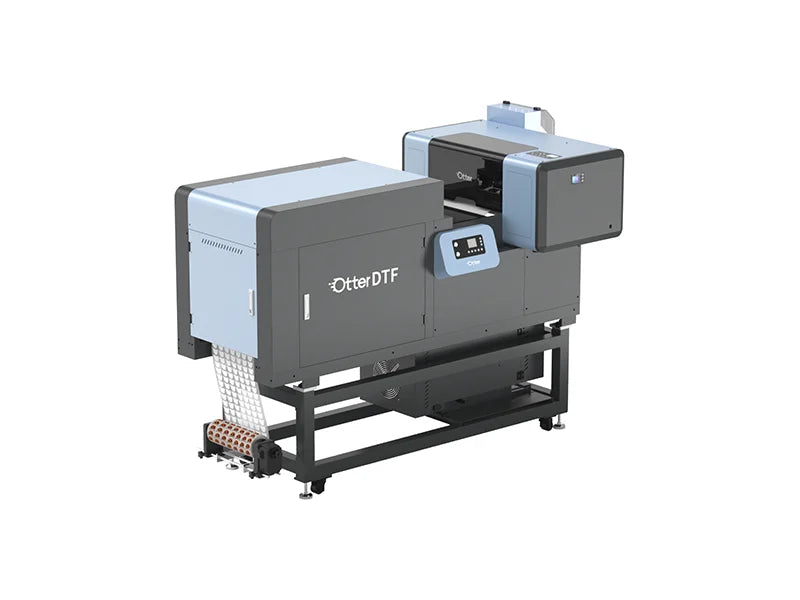
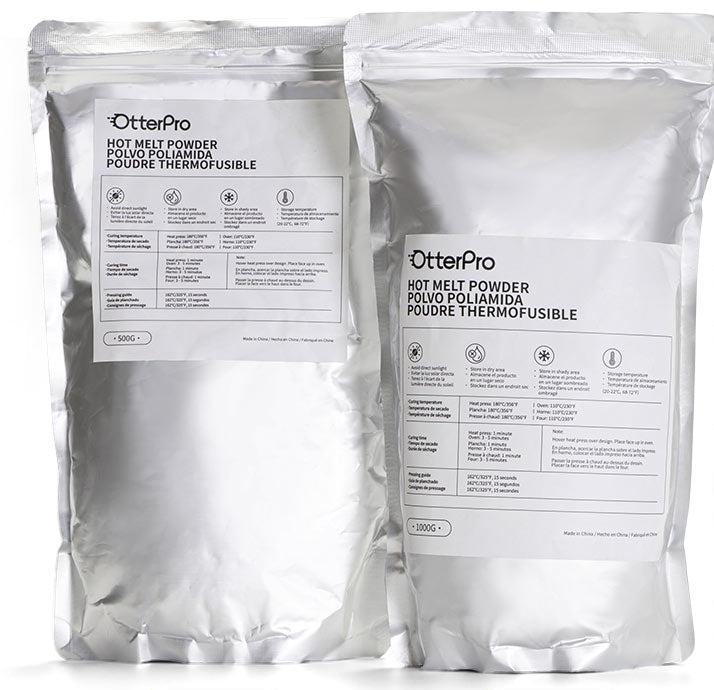
A DTF powder shaker is an essential automated component in high-volume direct-to-film workflows designed to evenly distribute TPU adhesive powder onto wet ink. This machine eliminates manual labor by automatically applying the powder, shaking off the excess for a clean finish, and feeding the film directly into a curing unit. By maintaining precise control over powder density and distribution, it ensures consistent bond strength and wash durability across every transfer. Integrating a DTF powder shaker into your production line significantly increases efficiency and reduces material waste, making it a vital solution for professional apparel decoration businesses.

What printers and adhesive powders are compatible with the DTF Powder Shaker for optimal performance?

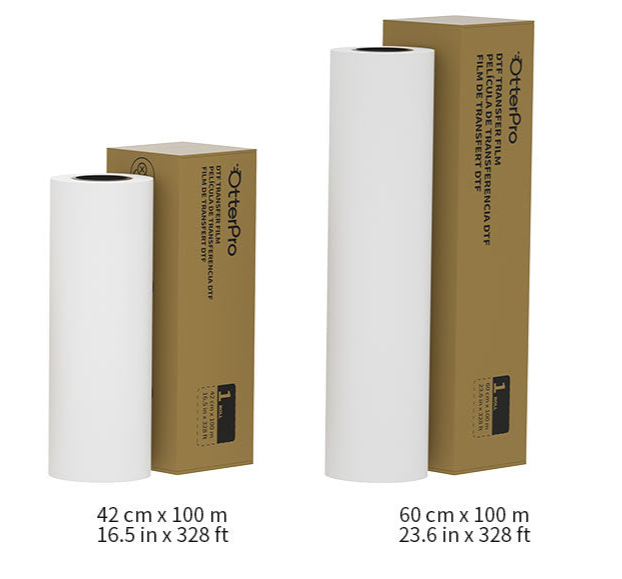
The DTF Powder Shaker is engineered for seamless compatibility with 13-inch wide-format roll-fed DTF printers, including models from DTF Station, Epson, and other leading professional brands. For optimal performance, this automated system should be used with premium TPU hot-melt adhesive powders, which ensure uniform coverage and superior bond strength during the curing process. Utilizing high-quality PET transfer films and compatible textile inks within this roll-to-roll workflow maximizes production efficiency and delivers durable, wash-resistant apparel transfers. This integrated solution streamlines high-volume garment decoration by providing consistent powder application and precision heating for professional-grade results.

How can I ensure the long-term durability and proper maintenance of equipment like the DTF Powder Shaker to ensure consistent transfer quality?

To ensure the long-term durability of your DTF Powder Shaker, implement a daily maintenance routine that includes wiping away leftover TPU adhesive powder and cleaning the platform to prevent mechanical buildup. Regularly inspect and lubricate moving parts like motors, gears, and conveyor belts to minimize friction and ensure smooth, consistent powder distribution. Additionally, verify that heating elements and speed settings are properly calibrated to maintain an even "orange peel" cure and prevent film distortion during high-volume production. Following these technical guidelines will protect your equipment investment while guaranteeing professional-grade transfer quality for your custom apparel business.

How do you properly use a DTF Powder Shaker to automate the adhesive application and curing process for high-quality transfers?

To properly use a DTF Powder Shaker, align the unit with your printer so the PET film feeds directly into the automated dusting area where TPU adhesive powder is evenly applied. The integrated sensor system regulates the conveyor speed and powder delivery, while the adjustable clapper vibrates the film to remove excess particles for a clean, professional finish. Once powdered, the transfer passes through the infrared curing oven at temperatures typically between 120°C and 150°C to melt the adhesive into a durable, "orange peel" texture. Finalizing the process with the automatic take-up reel ensures a streamlined, high-volume workflow that maintains consistent quality and exceptional wash fastness for custom apparel.

What are the most common causes of uneven powder distribution or clumping when using a DTF powder shaker?

Uneven powder distribution and clumping in a DTF powder shaker are most commonly caused by high ambient humidity, which leads to moisture absorption in the thermoplastic adhesive powder. Technical issues such as insufficient shaking force, static electricity buildup on the PET film, or excessive ink deposits can also cause the powder to adhere inconsistently. To maintain a professional finish, it is critical to operate in a climate-controlled environment with relative humidity between 40% and 60% and ensure the shaker is properly calibrated. Using high-quality, dry adhesive powder and maintaining a clean equipment workflow will prevent these common application failures and ensure optimal transfer durability.

How can I achieve maximum color vibrancy and professional print quality with the DTF Powder Shaker?

To achieve maximum color vibrancy and professional results with a DTF Powder Shaker, ensure that the automated system is calibrated to apply a uniform layer of TPU adhesive powder over high-resolution, wet textile inks. Optimize the shaker’s vibration frequency to effectively remove excess powder from non-image areas, preventing speckling and maintaining the crispness of your designs. Coordinate the conveyor speed with the infrared curing tunnel temperatures to ensure the powder reaches a perfect "orange peel" melt without scorching the PET film. Consistent maintenance of the powder recycling system and heating elements is essential for achieving the high-density white base required for vibrant, professional-grade transfers.

How can investing in a DTF Powder Shaker help my business reduce labor costs and increase production efficiency?

Investing in a DTF powder shaker automates the labor-intensive process of applying and curing TPU adhesive, significantly reducing manual handling and personnel costs. This specialized equipment ensures a perfectly uniform powder coating and consistent heat distribution, which minimizes errors and material waste compared to manual application. By integrating a powder shaker into your direct-to-film workflow, you can achieve continuous, high-volume production with faster turnaround times for custom apparel orders. This professional-grade automation enhances overall throughput and profit margins while maintaining the high-quality durability your customers expect.

How should the DTF Powder Shaker be maintained and stored to ensure operational safety and long-term performance?

To maintain the DTF Powder Shaker for optimal performance, perform regular cleaning of the shaker unit and heating tunnel to prevent TPU powder buildup and ensure consistent heat distribution. It is essential to store the equipment in a climate-controlled environment with low humidity to prevent adhesive powder clumping and protect sensitive electronic components from moisture-related damage. For operational safety, conduct routine inspections of the conveyor system and ventilation filters to ensure efficient airflow and prevent mechanical strain during high-volume production runs. Following these technical maintenance protocols will extend the lifespan of your Joto Imaging Supplies equipment while ensuring reliable, high-quality direct-to-film transfers.

How does using a DTF Powder Shaker compare to manual powder application or traditional screen printing for high-volume garment decoration?

A DTF Powder Shaker offers a superior alternative to manual application and traditional screen printing by automating the distribution and curing of TPU adhesive powder for high-volume production. Unlike inconsistent manual methods, these machines ensure uniform powder coverage and integrated infrared curing, which are essential for achieving the maximum wash fastness and stretchability of textile transfers. By eliminating the labor-intensive steps of screen setup or manual weeding, the DTF Powder Shaker significantly reduces production costs and increases throughput for custom apparel businesses. This automated workflow maintains professional-grade print quality and durability across diverse fabric types, making it the most efficient solution for scaling garment decoration operations.

How can you calibrate the conveyor speed and heating elements on a DTF powder shaker to ensure a perfect orange-peel texture while preventing film distortion during high-volume production runs?

To calibrate a DTF powder shaker for high-volume production, synchronize the conveyor speed with your printer’s output while maintaining curing temperatures between 250°F and 300°F. Periodically adjust the heating elements to ensure the TPU adhesive powder reaches a glossy, orange-peel texture, which indicates a full polymer cross-linking without overcuring. Monitoring the film tension and utilizing infrared or convection heat distribution helps prevent thermal distortion and film warping during continuous runs. Maintaining this technical balance ensures superior wash fastness and consistent transfer quality across various textile substrates.

Drawer Title
Similar Products