














Skip to content
en
CAD

Bloom Your Business Into Profit

Transfer Papers Accessories

Transfer papers and accessories for flawless prints

Get perfect results every time with our premium Transfer Accessories. Designed to support both sublimation and heat transfer projects, these accessories help you achieve vibrant, professional-quality prints while protecting your equipment.

Why Choose Our Transfer Paper Accessories:

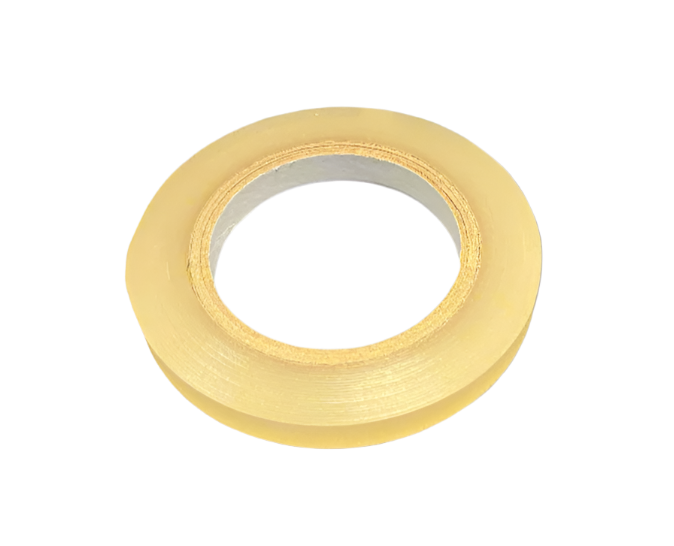
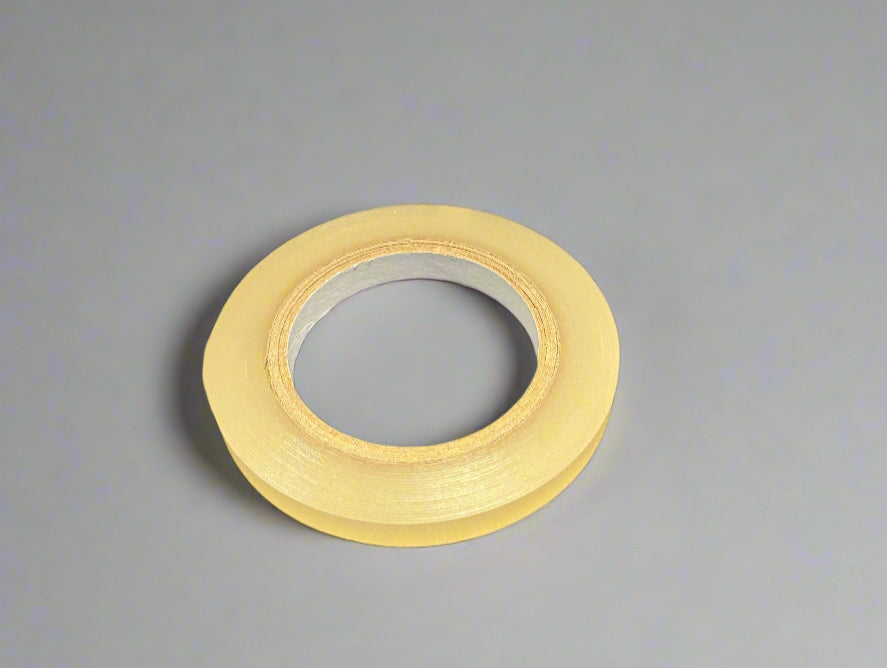
  • Professional-Grade Tools – Heat-resistant tape, protective sheets, and other essentials for precise, secure transfers.

  • Reliable Protection – Prevents smudging, scorching, and damage to your heat press and materials.

  • Boost Efficiency & Accuracy – Simplifies setup and ensures even, vibrant transfers.

  • Ideal for Hobbyists & Professionals – Perfect for small DIY projects or high-volume print shops.

Whether you’re customizing apparel, creating promotional products, or running a professional print shop, our Paper Accessories give you the tools and protection you need. Shop now and make every transfer project a success!
7 products

  • Sort by

Frequently Asked Questions:

What accessories are needed to achieve professional results with heat transfer papers?

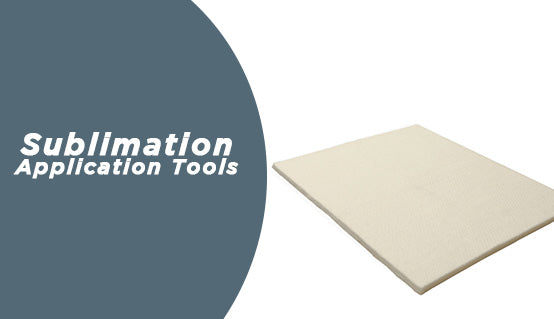
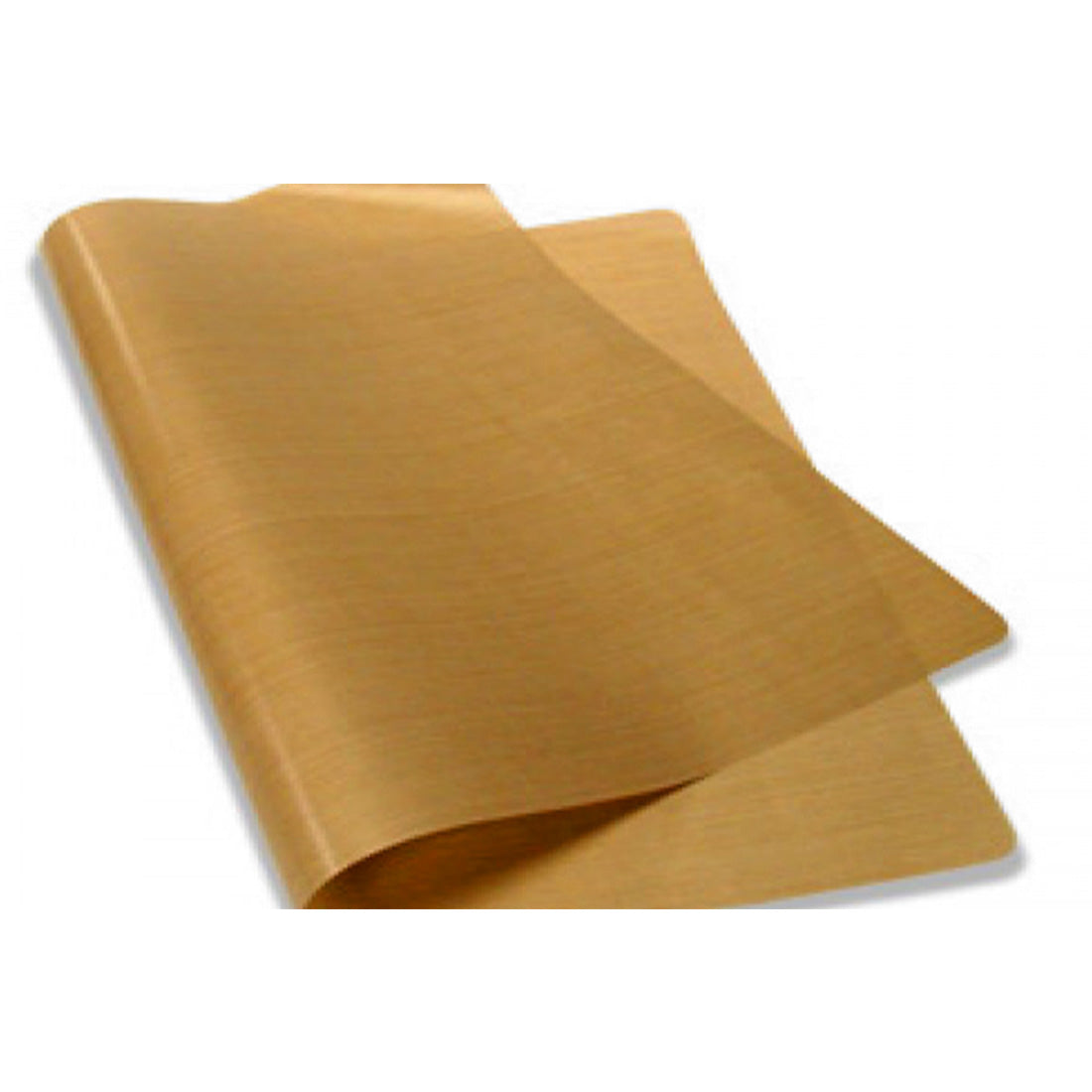
Essential accessories for transfer paper workflows include heat-resistant tape for securing transfers to substrates, Teflon or silicone cover sheets to protect the press platen, an infrared thermometer to verify actual press temperature, pressing pillows for even pressure near seams, and lint rollers for garment preparation. These accessories directly affect transfer adhesion quality, substrate protection, and production consistency regardless of which transfer paper system you use.

What tape type and placement technique prevent sublimation paper from shifting during a long dwell time press?

Use heat-resistant polyimide tape (sublimation tape) rated for at least 400°F (204°C) — standard masking or blue painter's tape will leave residue and fail to hold at sublimation temperatures. Tape all four corners of the transfer paper to the substrate plus the midpoint of each edge for large prints. Apply tape on the carrier paper surface, not folded over the substrate edge — tape crossing onto the sublimation coating edge can lift the print at the border when peeled.

Are Teflon cover sheets compatible with all transfer paper types, or are certain papers incompatible with direct Teflon contact?

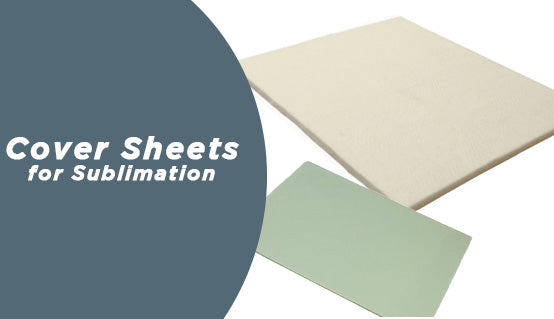
Teflon sheets are compatible with most sublimation, HTV, and laser transfer workflows when placed between the press platen and the transfer. For certain laser transfer papers (especially hot-peel types), pressing directly through a Teflon sheet can cause the toner to adhere partially to the Teflon rather than the substrate — check your transfer paper's instructions to confirm whether a cover sheet should be placed above or below the paper, or not used at all for that specific product.

Why is my press platen leaving a rectangular imprint on garments even when using a cover sheet?

Platen imprint marks (also called press marks or shine marks) on garments are caused by the platen's non-stick coating pressing against polyester fibres at high temperature, glazing the synthetic surface. Switch from a Teflon cover sheet to a silicone sheet, which has a slightly textured surface that breaks the flat contact causing the glaze. Alternatively, place a thin sheet of parchment paper between the Teflon sheet and the garment as a buffer layer to prevent the smooth platen surface from directly contacting the fabric.

How durable are silicone cover sheets in a production environment pressing 100+ transfers per day?

Quality silicone cover sheets handled in a production environment typically last 6–18 months before showing significant wear. Signs that replacement is needed include permanent discoloration that transfers to light-coloured substrates, surface tears, or areas where the silicone has hardened and lost its slight flexibility. In high-volume shops, keeping two cover sheets in rotation — one in use and one cooling — extends their individual lifespan by reducing thermal stress from continuous use.

What is the cost impact of using proper transfer accessories versus pressing without them on a sublimation production run?

A roll of heat-resistant tape costs $8–$15 and prevents ghosting from paper shift — a single ghosted mug or shirt that must be reprinted costs 5–10x the tape cost in materials alone. A Teflon cover sheet at $15–$25 protects a heat press platen worth $200–$500 from ink contamination and extends its usable life. Pressing accessories represent the lowest-cost investment in a transfer workflow relative to the production losses they prevent.

What is the trick to removing heat-resistant tape cleanly from a sublimated aluminium panel without pulling up the coating?

Remove sublimation tape from aluminium panels immediately after pressing while the panel is still warm — the adhesive releases more cleanly when warm than when fully cooled. Peel at a low angle (nearly parallel to the panel surface) rather than pulling straight up. If the panel has cooled completely and the tape is resistant, warm the tape area briefly with a heat gun for 3–5 seconds to re-soften the adhesive before peeling. Never pull tape at a sharp upward angle on hard substrates — this risks lifting the sublimation coating with the tape.

What is the difference between using parchment paper versus a Teflon sheet as a cover sheet, and which produces better results?

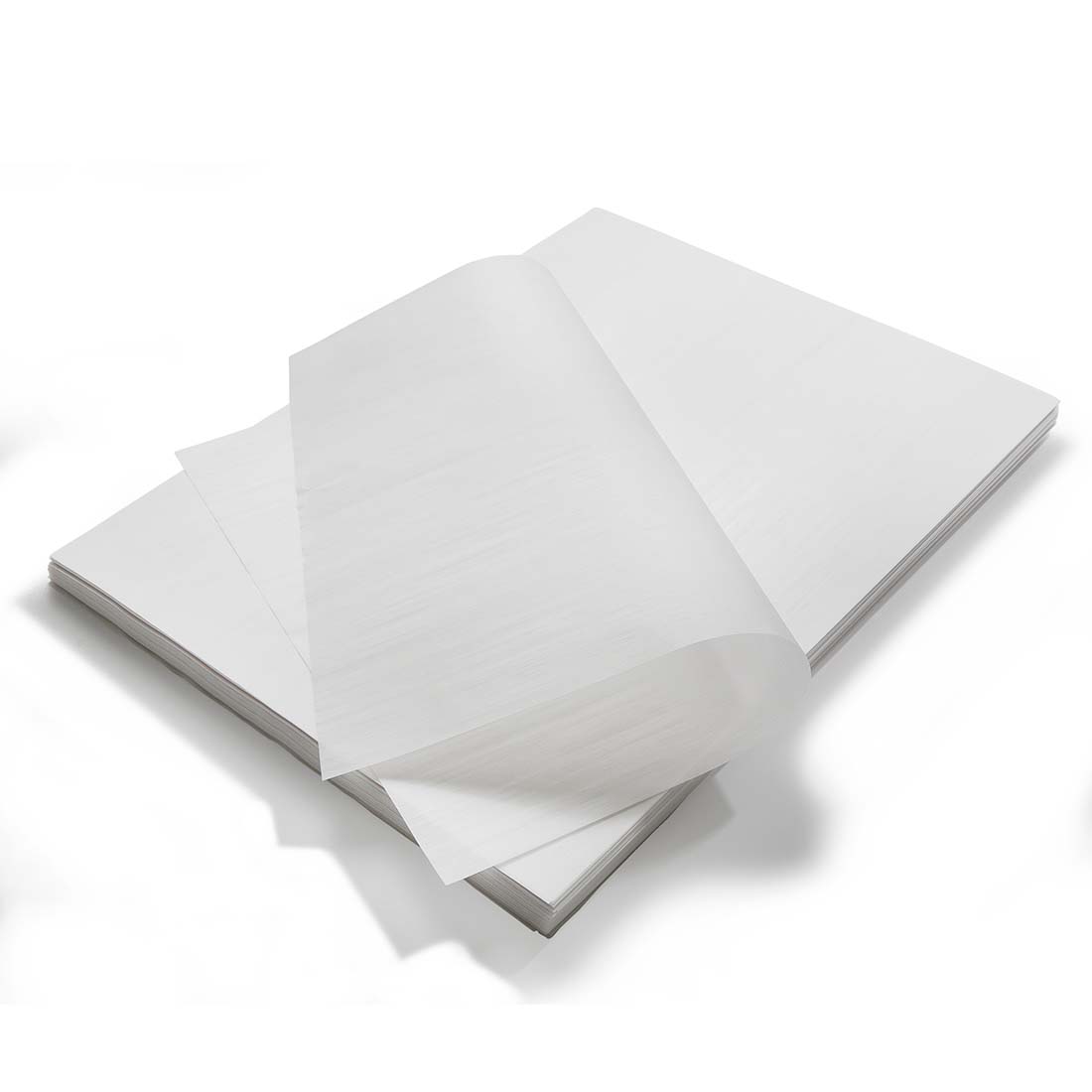
Parchment paper is a single-use, low-cost cover that provides adequate protection for most HTV and sublimation applications at home or low-volume use. Teflon sheets are reusable, more durable, and provide more consistent heat distribution than parchment. Parchment paper can scorch or leave fibres on the substrate surface at high sublimation temperatures. For production environments pressing at 375°F+ (190°C+), Teflon sheets are the more reliable and economical choice over the full production cycle despite the higher upfront cost.

Are heat-resistant tapes and silicone cover sheets free from PFOA and safe for use in food production environments?

Polyimide (Kapton) sublimation tapes are not PFOA-based and are considered safe for incidental contact at decoration temperatures. Silicone cover sheets are made from food-grade silicone formulations in most cases and do not contain PFOA. However, neither product is certified for direct food contact use in food production environments — they are decoration tools that should not be repurposed in food-handling applications. For compliance in regulated food production facilities, consult the specific product safety data sheet.

How should pressing accessories be cleaned and stored to maintain their performance between production sessions?

After each session, allow Teflon and silicone sheets to cool completely before cleaning. Remove ink and residue with a dry microfibre cloth — for stubborn deposits, press a sheet of clean copy paper at 300°F for 10 seconds to absorb residue. Store sheets flat or loosely rolled in a clean sleeve — folding causes permanent crease marks that create uneven heat distribution during pressing. Store heat-resistant tape rolls sealed in a plastic bag to prevent dust accumulation on the adhesive backing between uses.

Drawer Title
Similar Products