

















Skip to content
en
CAD

 🌨️ Please expect delays due to weather conditions ❄️

Clam Shell Heat Presses

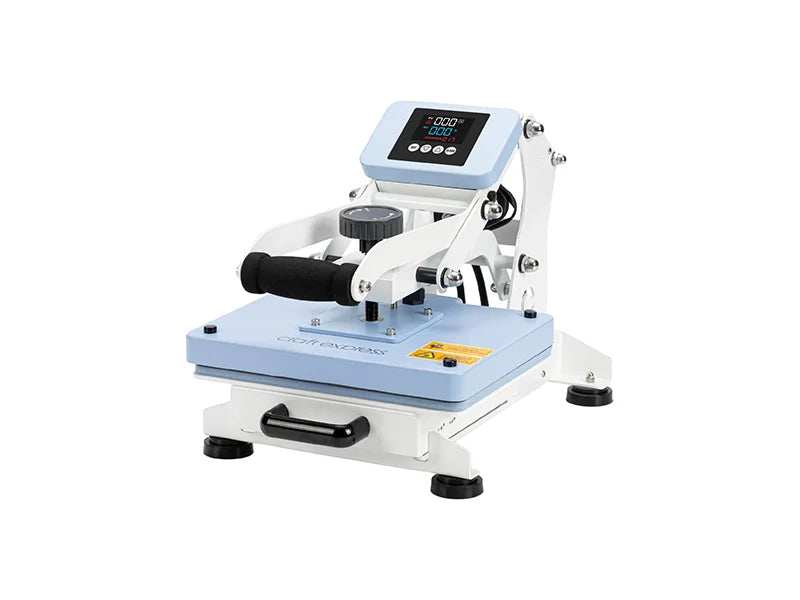
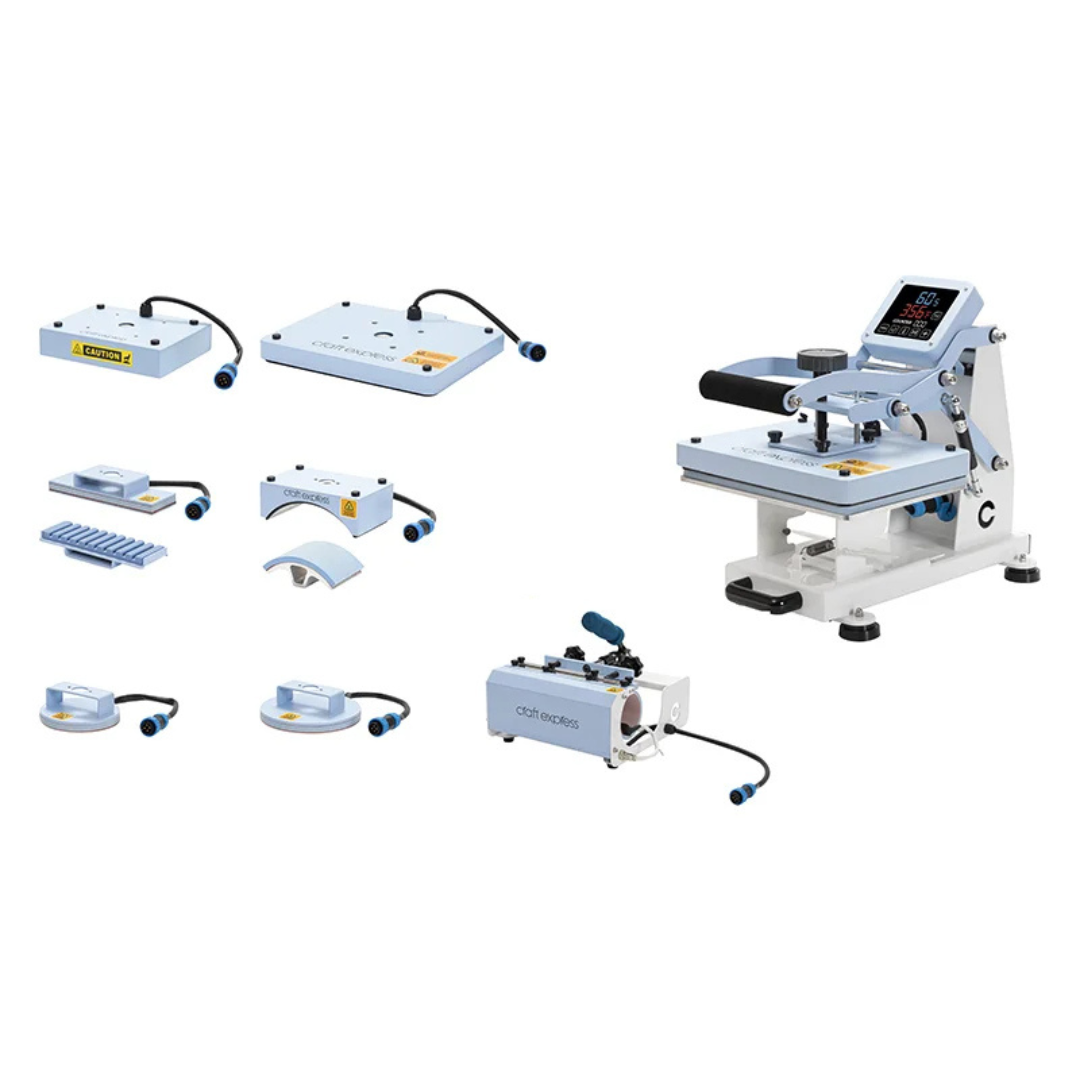
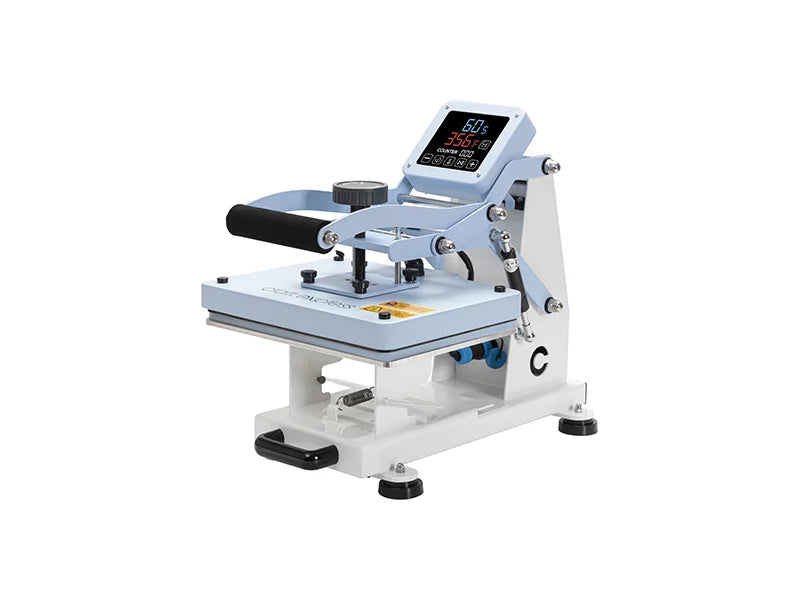
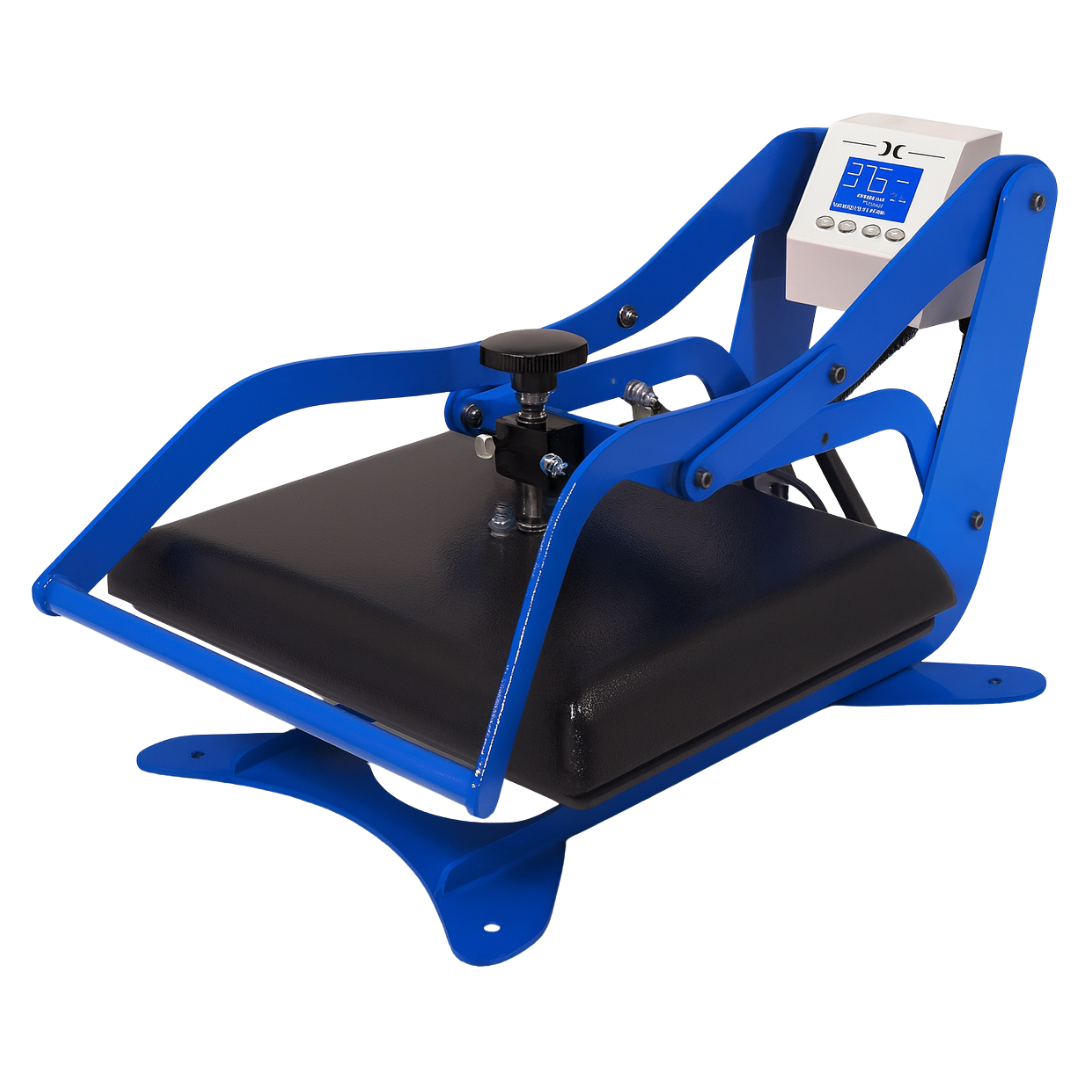
Clam shell heat presses -  efficient production

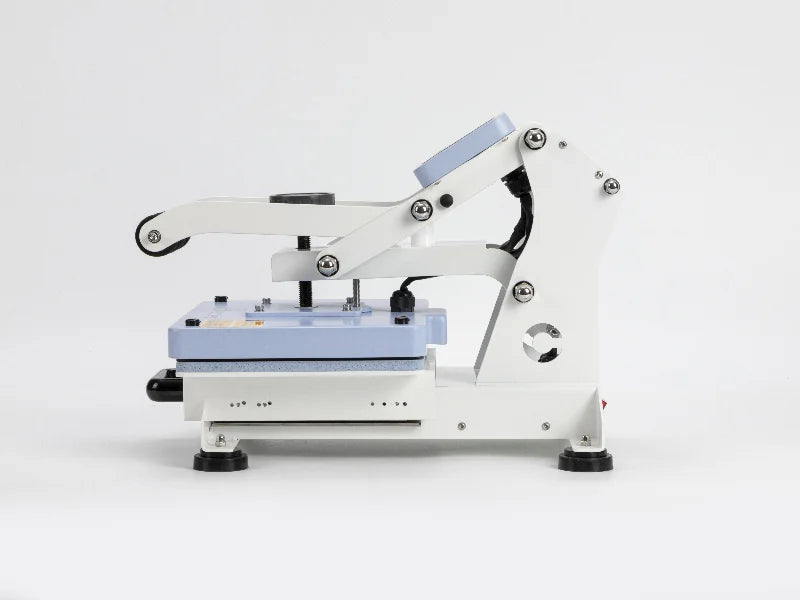
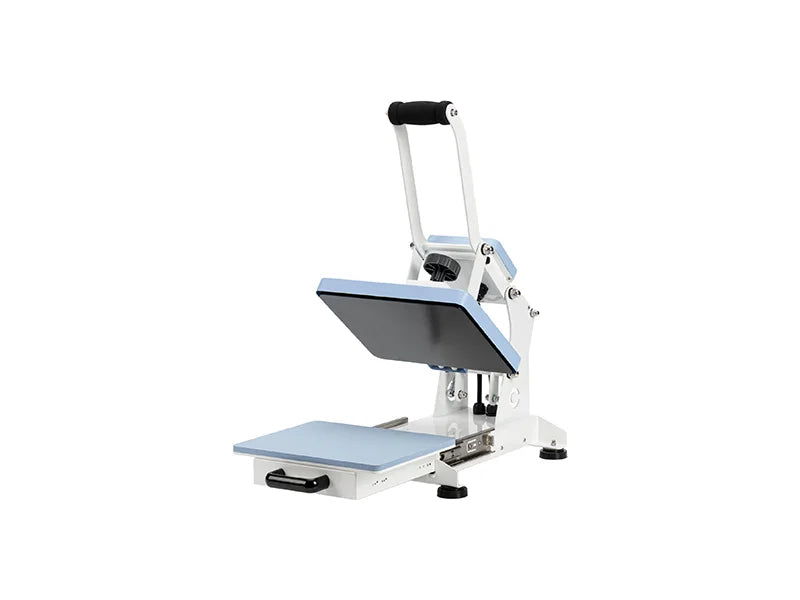
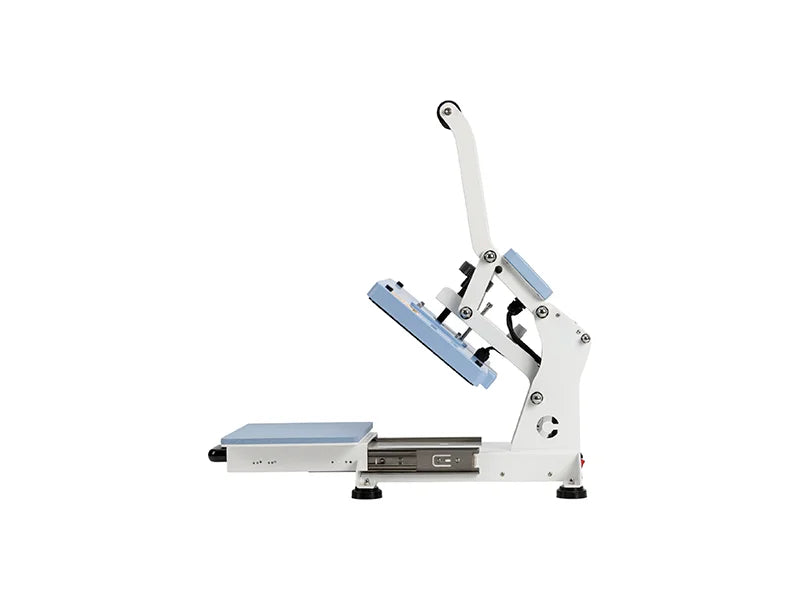
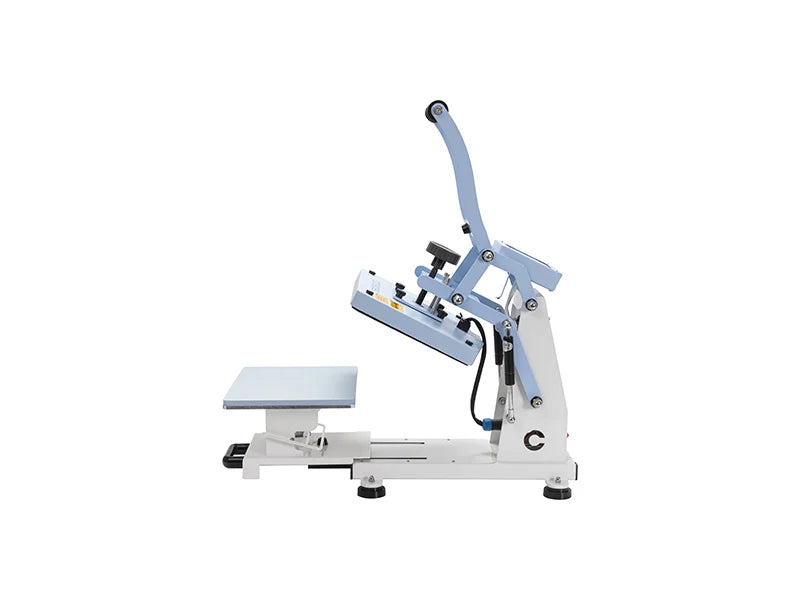
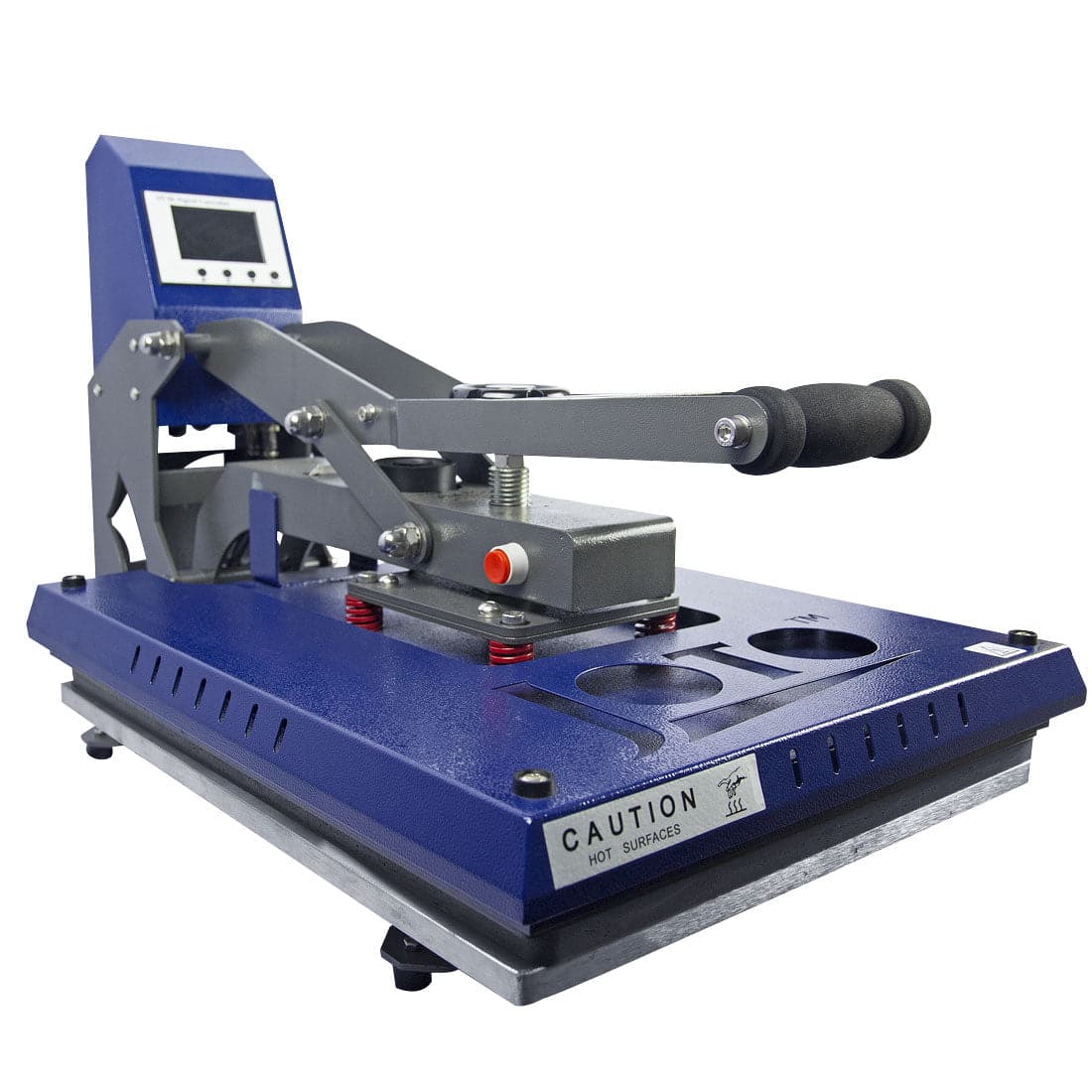
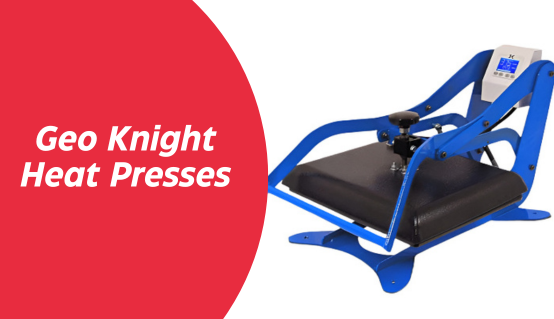
Clam shell heat presses are a favorite among shops that value speed and simplicity. Their top platen opens vertically, making them compact and ideal for smaller workspaces without sacrificing performance.

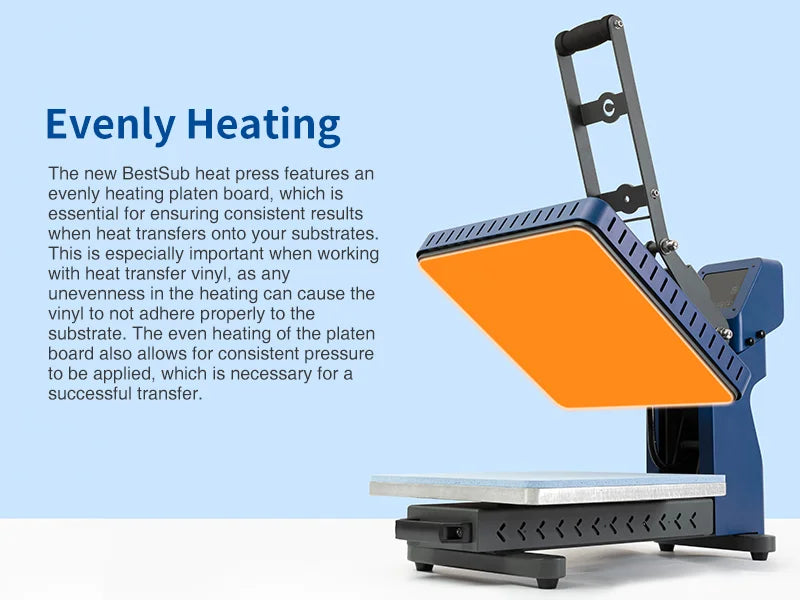
With even heat distribution and adjustable pressure, they deliver crisp, durable transfers on garments, bags, and flat substrates. These presses heat quickly and maintain stable temperatures, helping reduce downtime and improve turnaround.

Their straightforward design makes them beginner friendly while still powerful enough for professional use. Perfect for schools, small businesses, and growing studios, clam shell presses are a cost-effective way to enter or expand heat transfer production.

Durable construction ensures long service life, while ergonomic operation reduces operator strain during busy shifts. Supported by Joto’s expert guidance and stocked locally across North America, this collection keeps your workflow smooth, dependable, and ready for growth.

Filter

15 products

  • Sort by

FAQs

What is a clamshell heat press and what is it best used for?

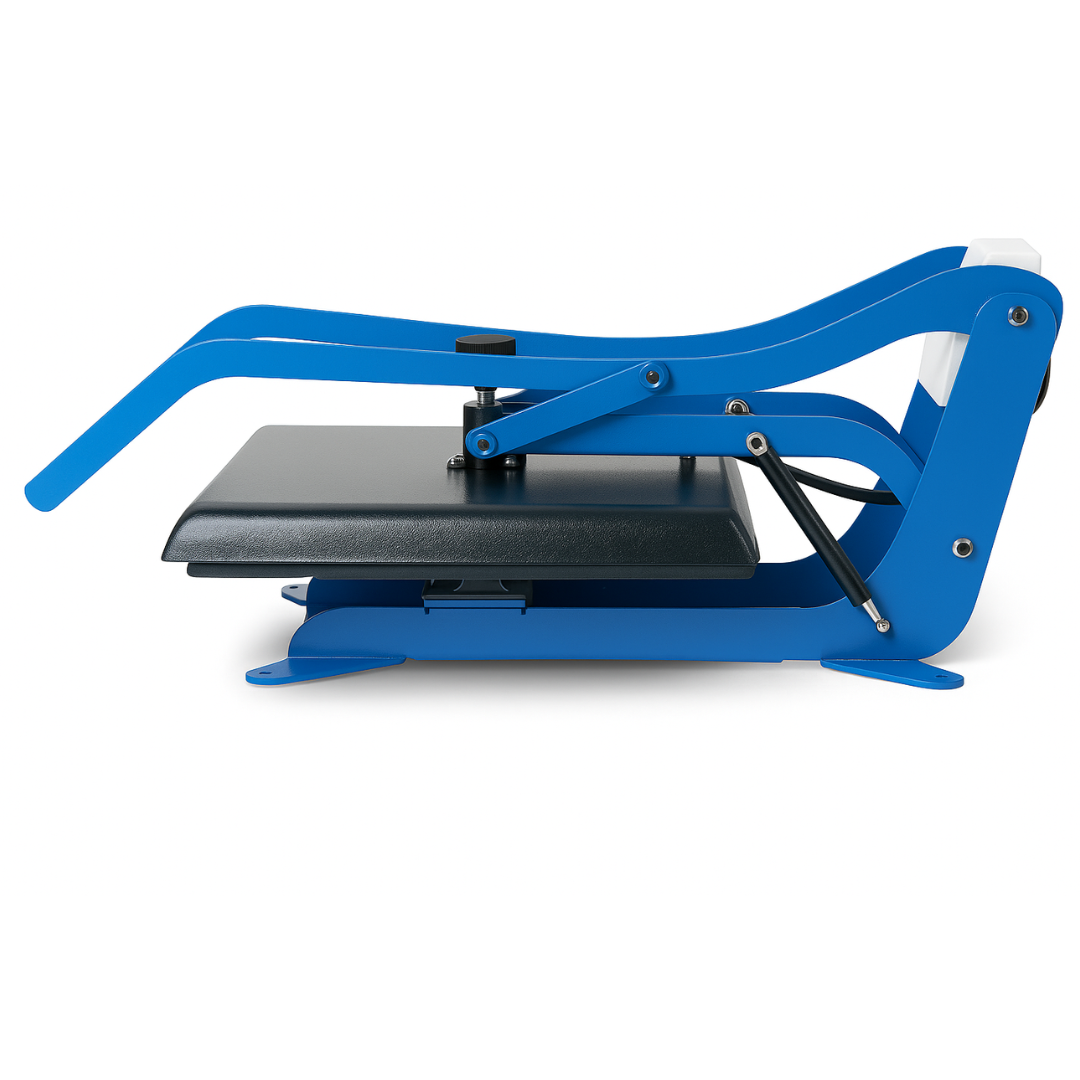
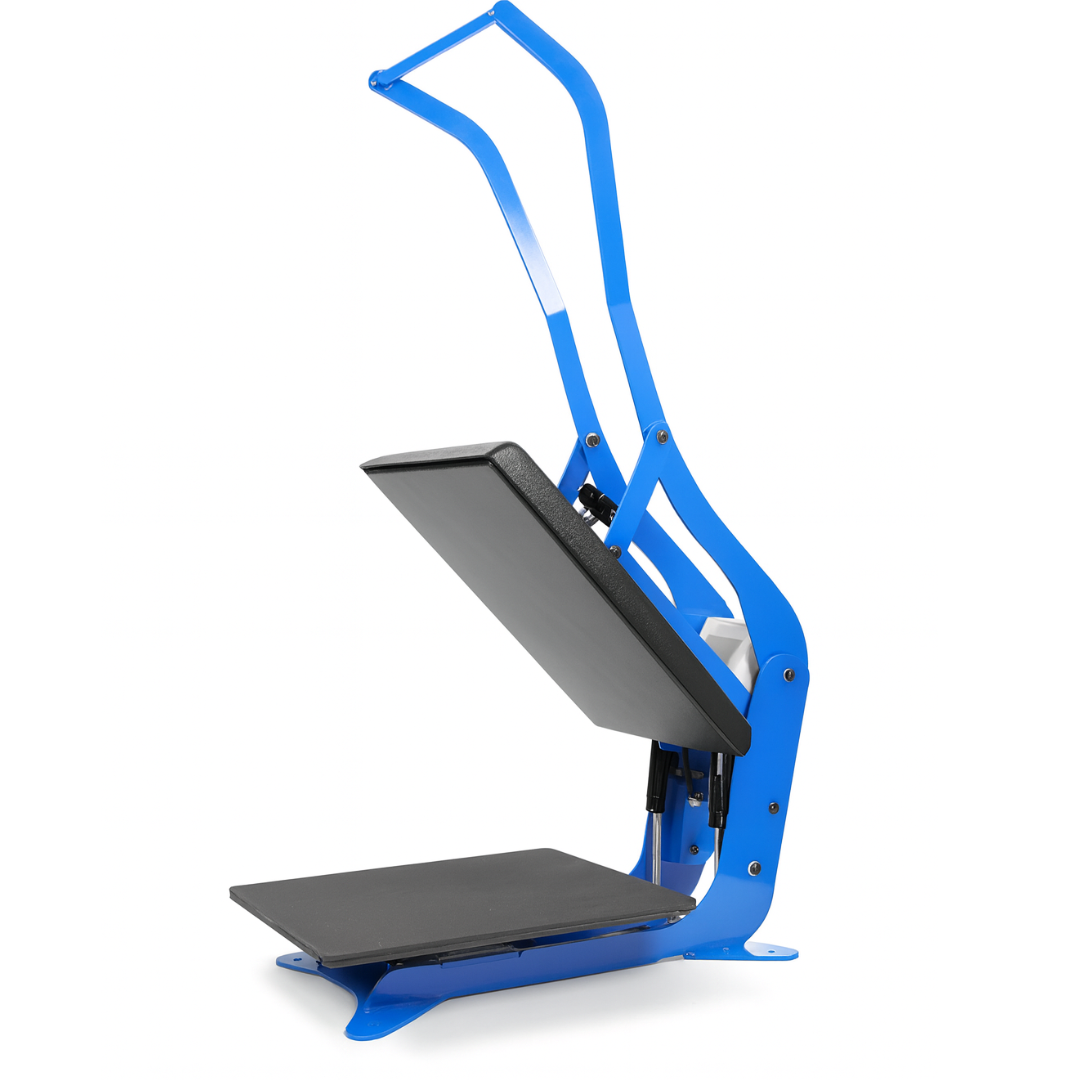
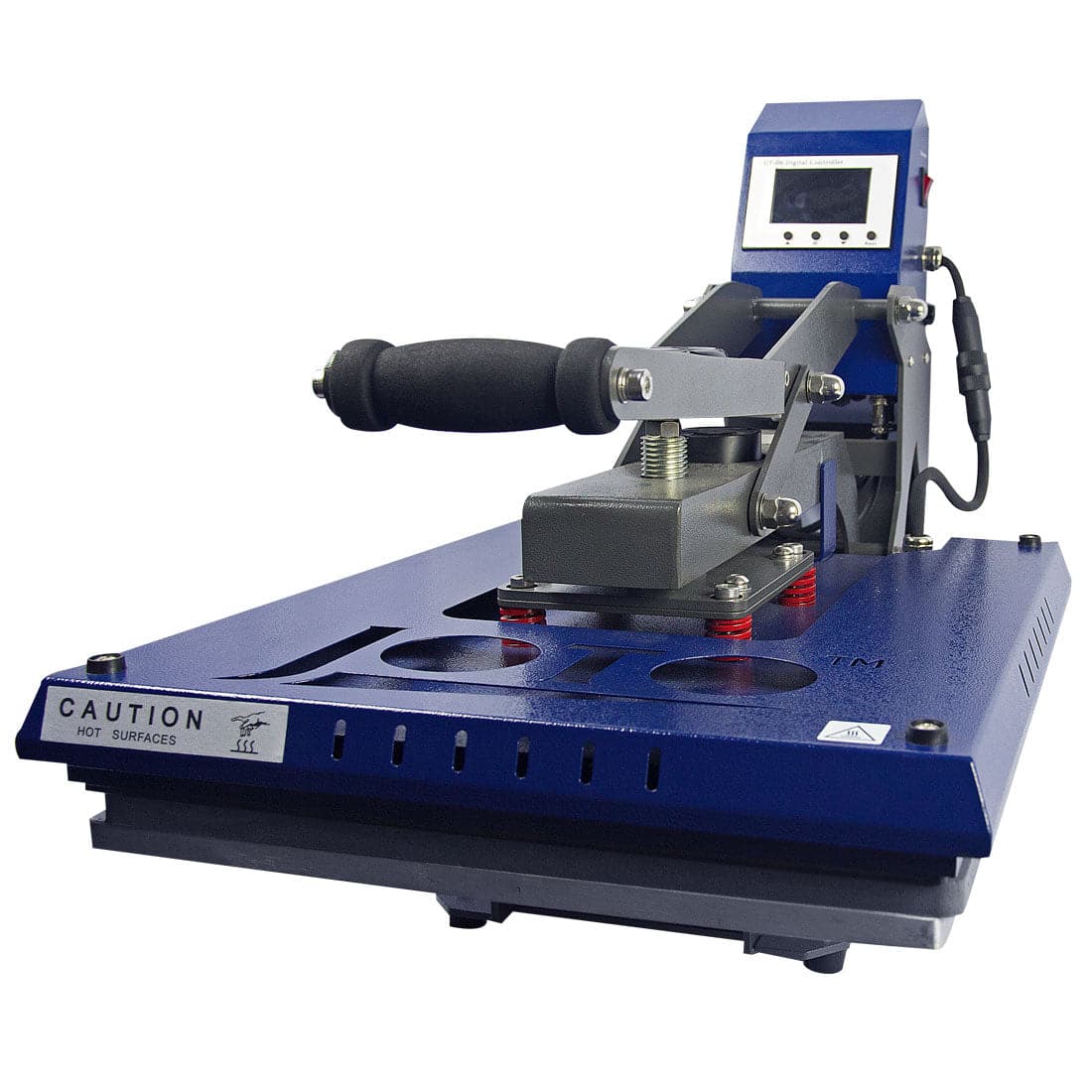
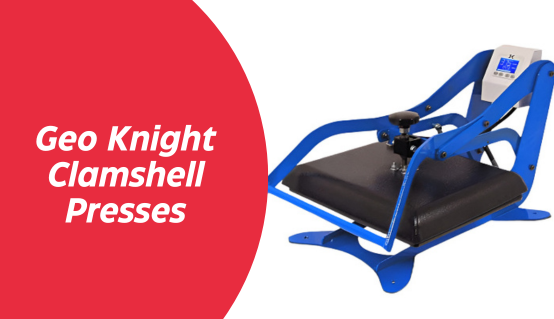
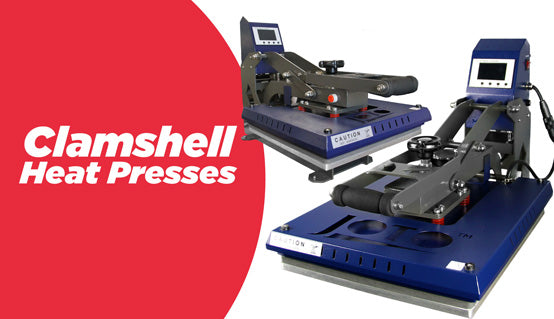
A clamshell heat press features an upper heating platen that swings upward on a hinge, opening like a clamshell to reveal the lower platen where garments or substrates are placed. It is the most compact and affordable heat press design, ideal for flat transfers on t-shirts, tote bags, mouse pads, and similar items where precise platen entry is not critical.

What pressure adjustment approach gives the most consistent results across different fabric thicknesses?

Adjust clamshell pressure using the top knob while a test garment is loaded — the press should close with firm resistance but not require excessive force. A useful calibration method: place a slip of cardstock between the platens and pull it while the press is closed. You should feel firm drag but be able to pull it out cleanly. Repeat across multiple platen positions to detect uneven pressure distribution.

Is a clamshell press suitable for sublimation, or do I need a swing-away model?

A clamshell press works well for sublimation on flat, thin substrates like polyester garments and rigid panels up to about 6mm thick. For thicker items like hardboard plaques, thick mouse pads, or awkwardly shaped substrates, a swing-away press provides better platen access and more even pressure distribution. For most entry-level sublimation and HTV work, a clamshell press is entirely sufficient.

Why is my HTV transfer printing darker on one side than the other on a clamshell press?

Uneven color or adhesion across the transfer is a platen alignment issue. Clamshell platens can develop a slight tilt over time, creating higher pressure on one side. Place a sheet of heat-sensitive paper (or use a full-platen temperature strip) to visualize pressure distribution. Most clamshell presses have adjustment points at the hinge mechanism to correct platen tilt without tools.

How durable are clamshell heat press platens compared to more expensive swing-away designs?

The platen coating and heating element quality — not the hinge mechanism — determine long-term durability. A well-made clamshell press with a quality coated platen will last 5–10 years in regular use. The primary longevity risk in clamshell designs is spring fatigue in the opening mechanism over very high-cycle use, which a swing-away design avoids entirely.

Is a clamshell press a cost-effective starting point for a new custom apparel business?

Yes — entry-level clamshell presses in the 15x15 inch size range offer the lowest upfront cost for getting into heat transfer production. For a startup doing under 20–30 pieces per day, a clamshell press handles the workload efficiently. As volume grows, the compact design and lower cost make it a viable secondary press even after upgrading to a larger or swing-away model.

What is the technique for pressing transfers right up to the collar and shoulder seams without getting an imprint line?

Place a folded pressing pillow or foam pad inside the garment near the collar area to elevate the transfer zone and create distance from the seam. This raises the print area so the platen presses the transfer without the seam edge imprinting into the fabric. A heat press pillow rated for your press temperature is essential for professional results near seams, pockets, and zippers.

What is the difference between a digital and an analogue clamshell press, and does it affect output quality?

Analogue clamshell presses use a dial for temperature and a mechanical timer, which can drift several degrees from the set point without warning. Digital presses display the actual platen temperature and maintain it within ±5°F of the set point consistently. For beginners using wide-margin materials like standard HTV, analogue is workable. For sublimation or specialty vinyl where accuracy matters, a digital press pays for itself quickly in reduced waste and reprints.

Is the coating on a clamshell platen free from PFOA and safe for use in a home studio?

Many clamshell press platens use a PTFE (Teflon-based) non-stick coating. PTFE itself is considered safe at operating temperatures up to 500°F (260°C), well above the range used for heat pressing. PFOA — a chemical formerly used in PTFE manufacturing — has been phased out by major manufacturers. Verify that the press you purchase uses PFOA-free PTFE coating, particularly if you are operating in an enclosed home workspace.

How do I clean a scorched or stained clamshell platen without damaging the non-stick coating?

Allow the platen to cool completely before cleaning. For minor residue, wipe with a dry microfibre cloth. For stubborn ink or vinyl residue, press a clean sheet of copy paper at 300°F for 10 seconds — the residue often transfers to the paper. For deeper stains, use a Teflon-safe platen cleaner applied to a cloth (never sprayed directly on the platen). Abrasive pads and steel wool will permanently scratch the coating.

Drawer Title
Similar Products