















Skip to content
en
CAD

Bloom Your Business Into Profit

DTG Printers

DTG printers for vivid garment designs

Print directly onto apparel with DTG printers that deliver vibrant colors, fine details, and lasting quality on every garment.

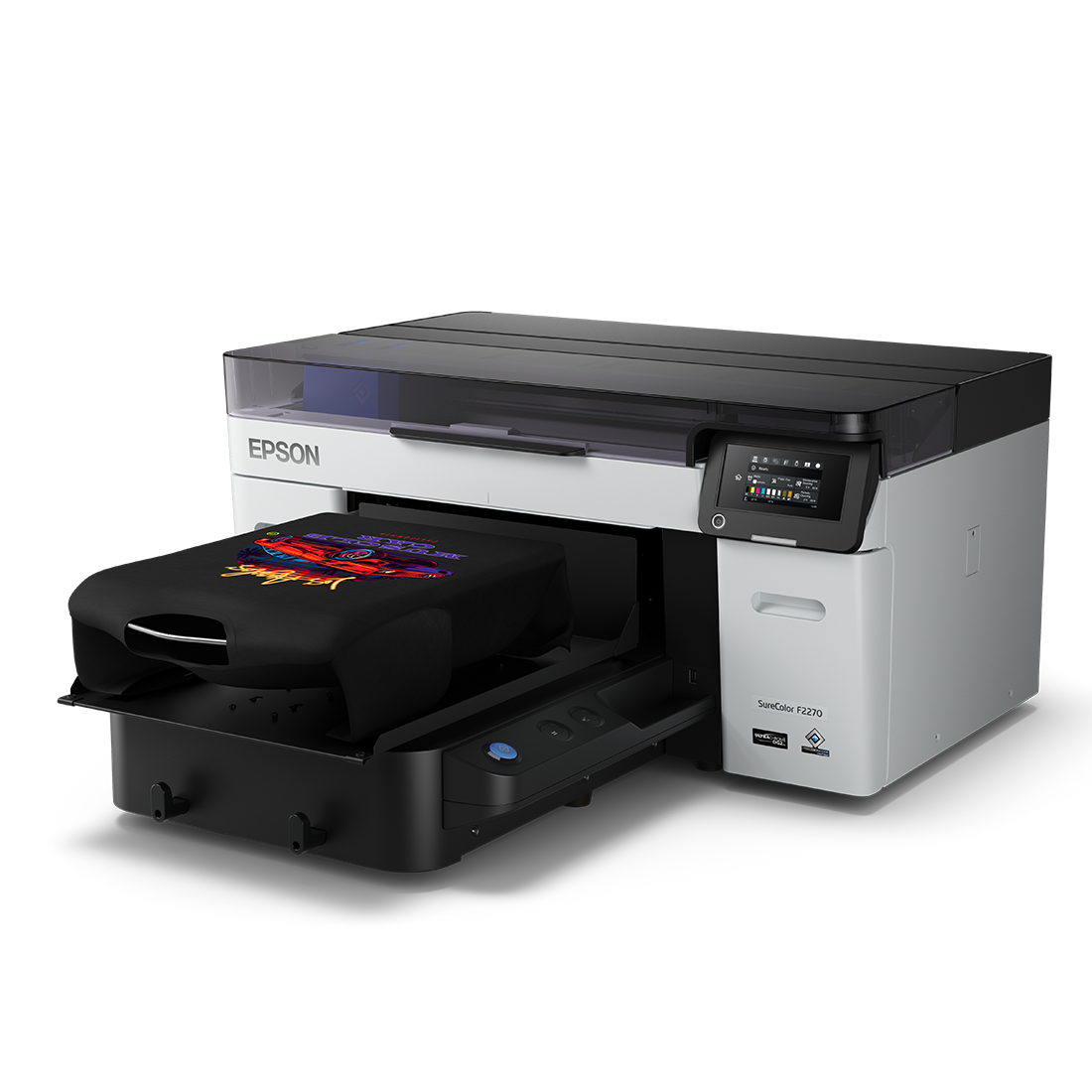
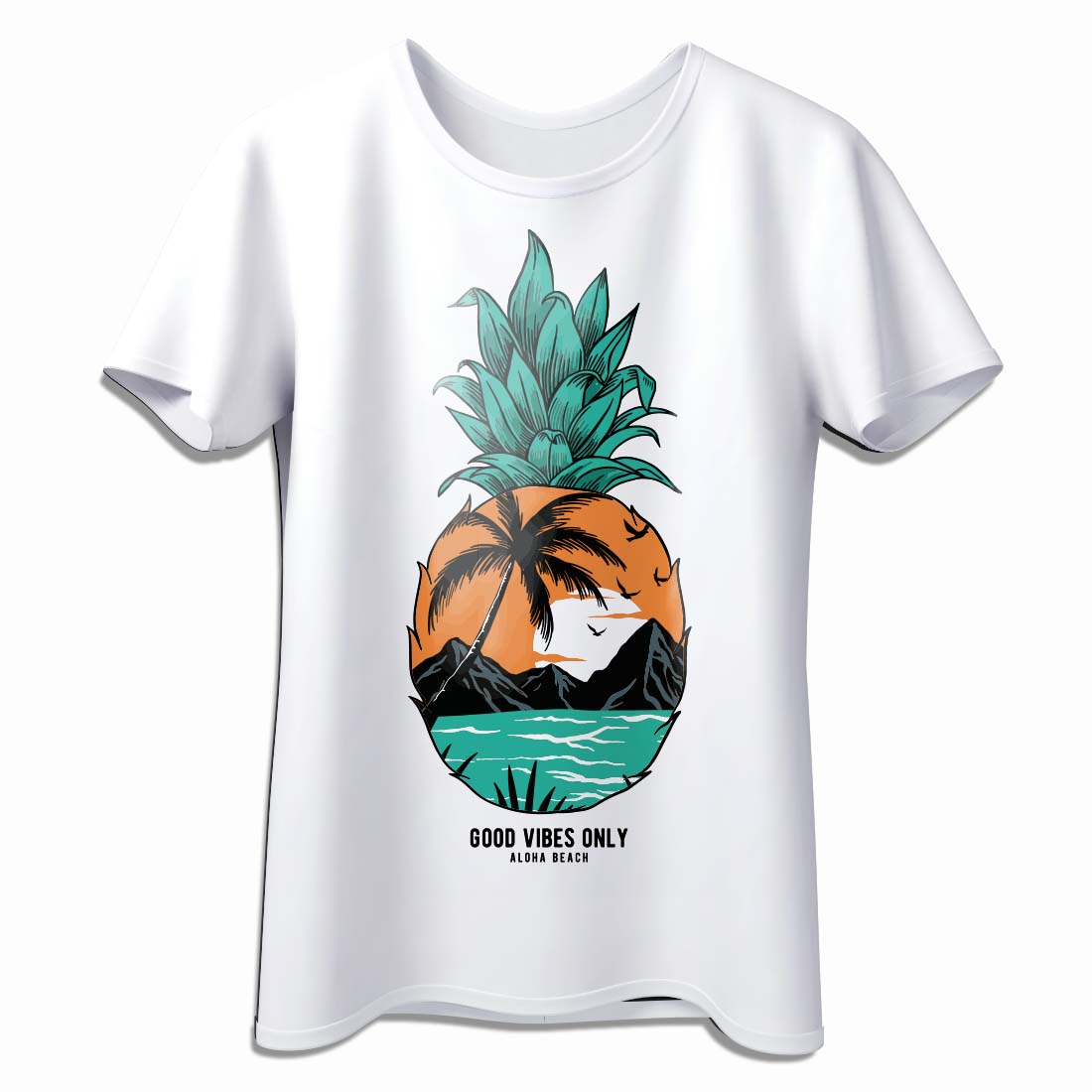
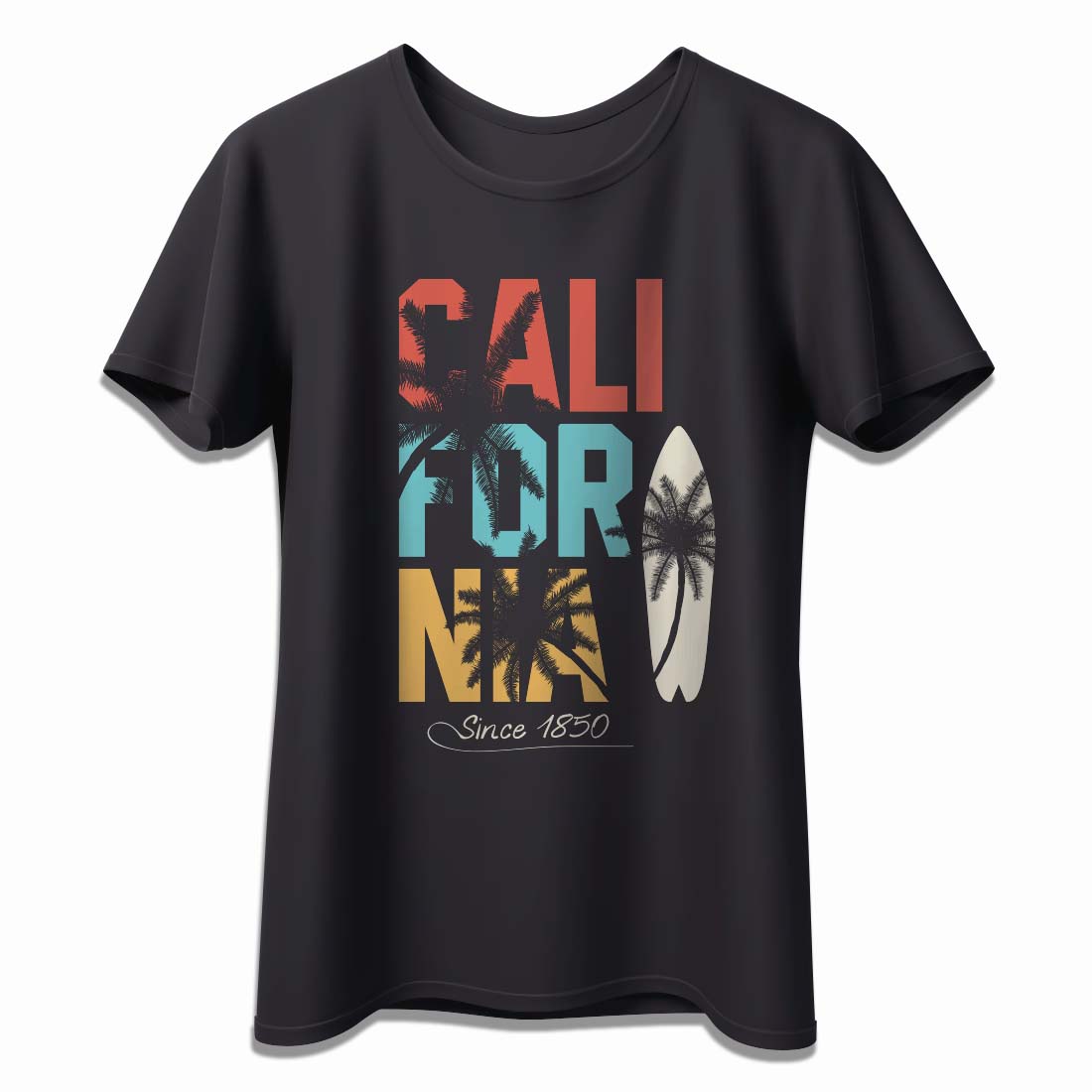
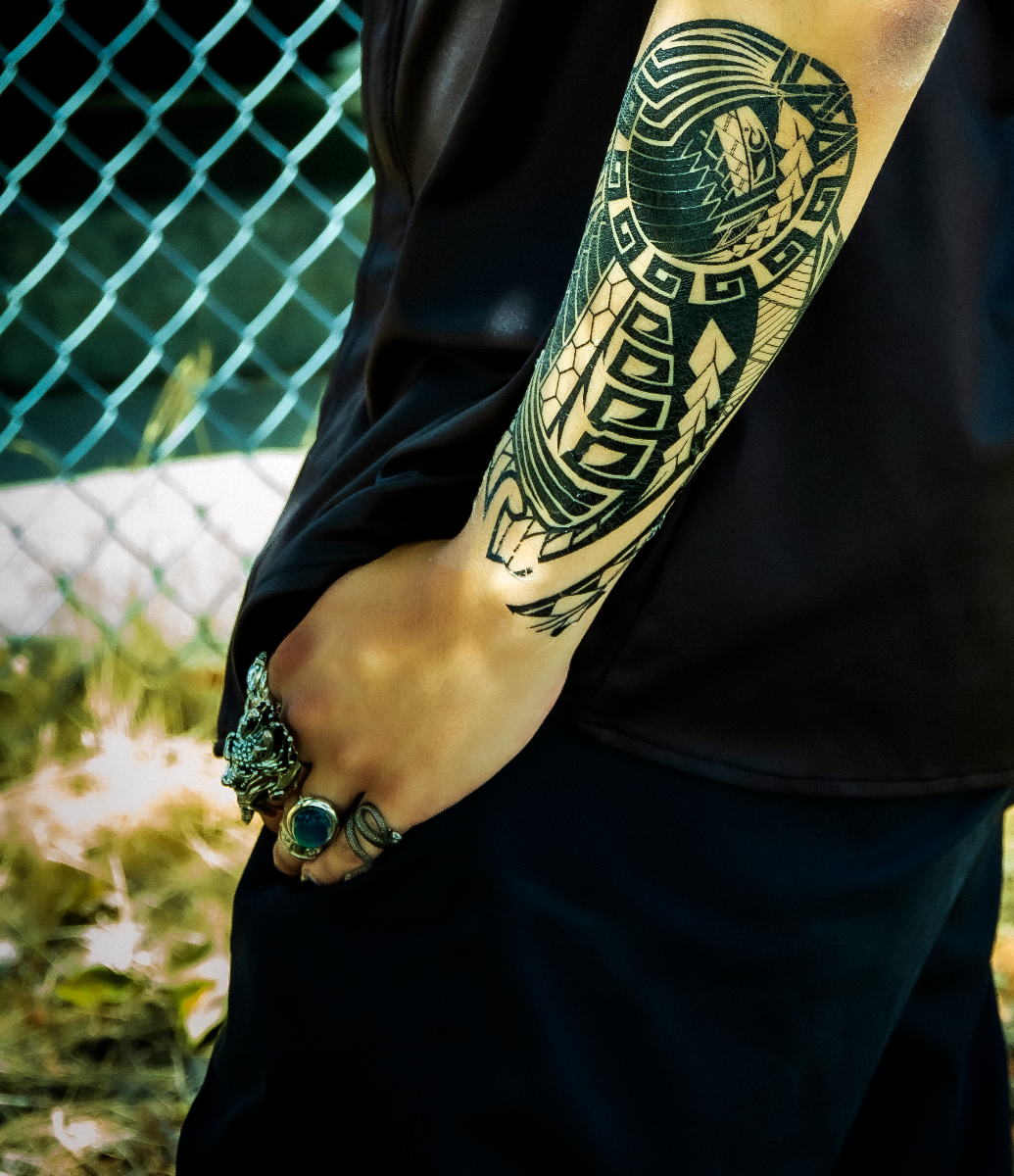
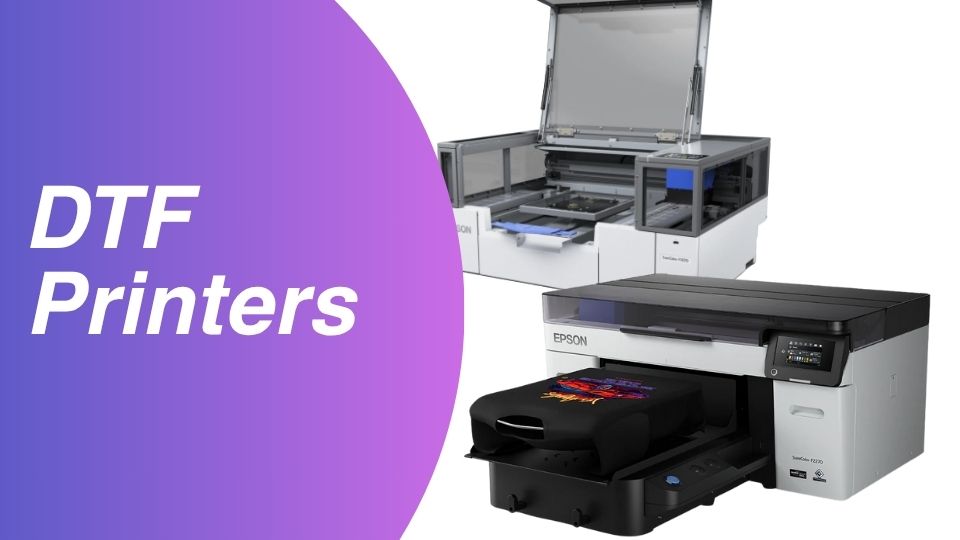
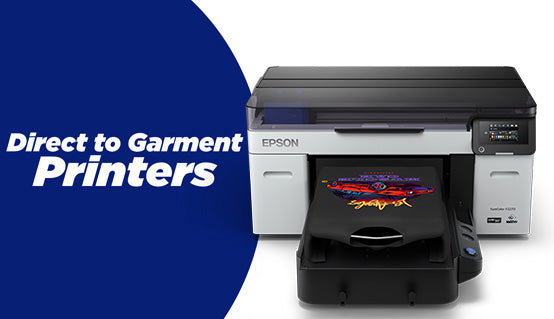
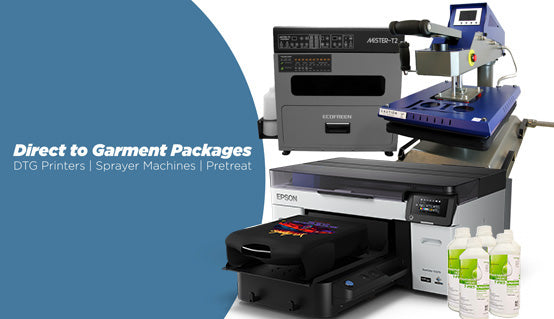
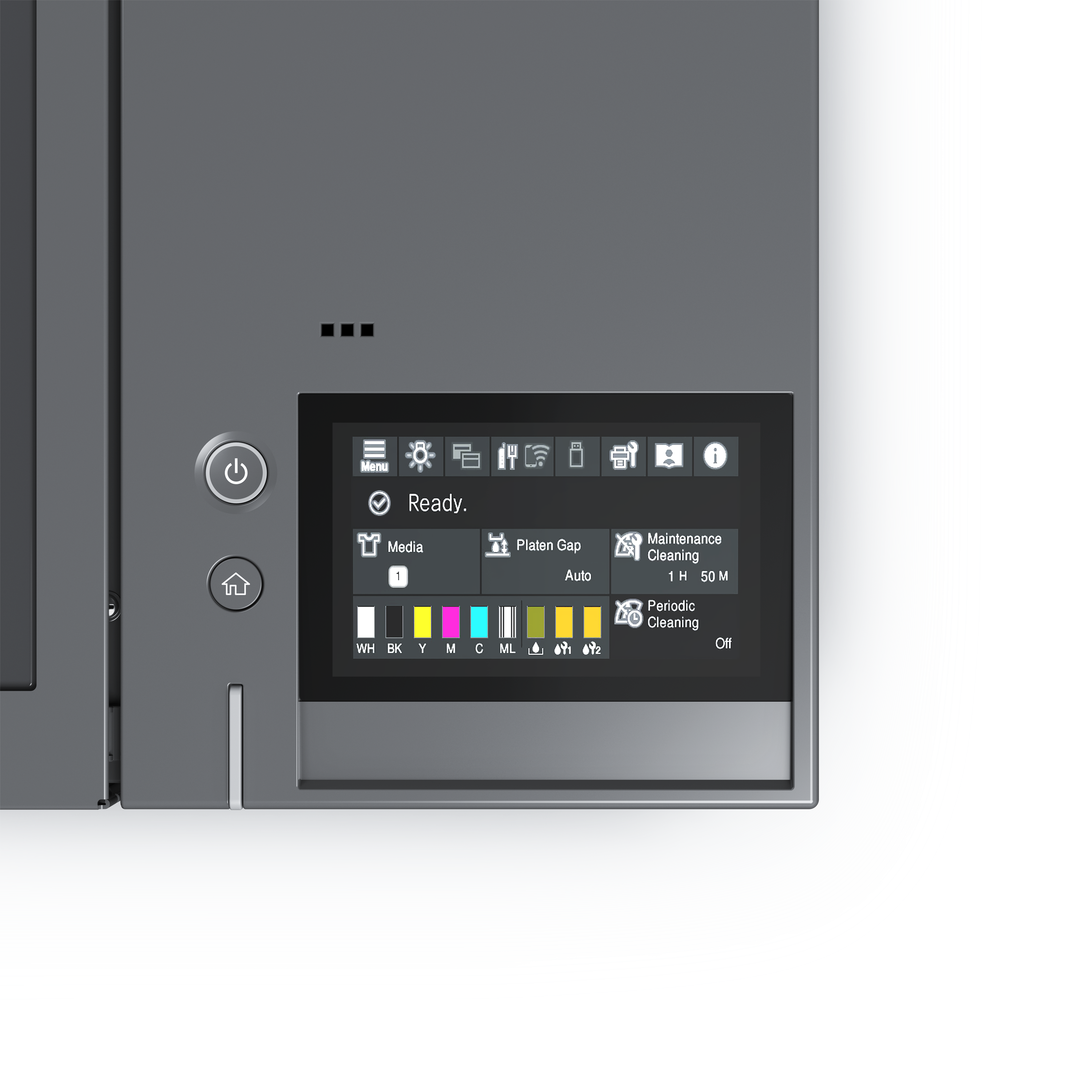
DTG printers make it possible to take complex digital artwork and reproduce it directly on cotton and blended fabrics with unmatched precision. Joto's printers, including the Epson SureColor F2270, offer wide color gamuts for printing detailed and photo realistic images without color limitations. By eliminating the need for screens or transfers, they simplify production and allow for fast turnaround on both small batches and custom orders. Advanced ink systems provide rich colors that remain bright wash after wash, while intuitive software streamlines the printing process for consistent results. Ideal for businesses expanding into personalized apparel or shops seeking to diversify services, DTG printers combine creativity with efficiency. From bold graphics to subtle gradients, every design comes to life with accuracy and durability. Supported by Joto’s expertise, training, and reliable supplies, you gain the tools to grow confidently and impress customers with professional quality prints that stand out in today’s competitive marketplace.

2 products

  • Sort by

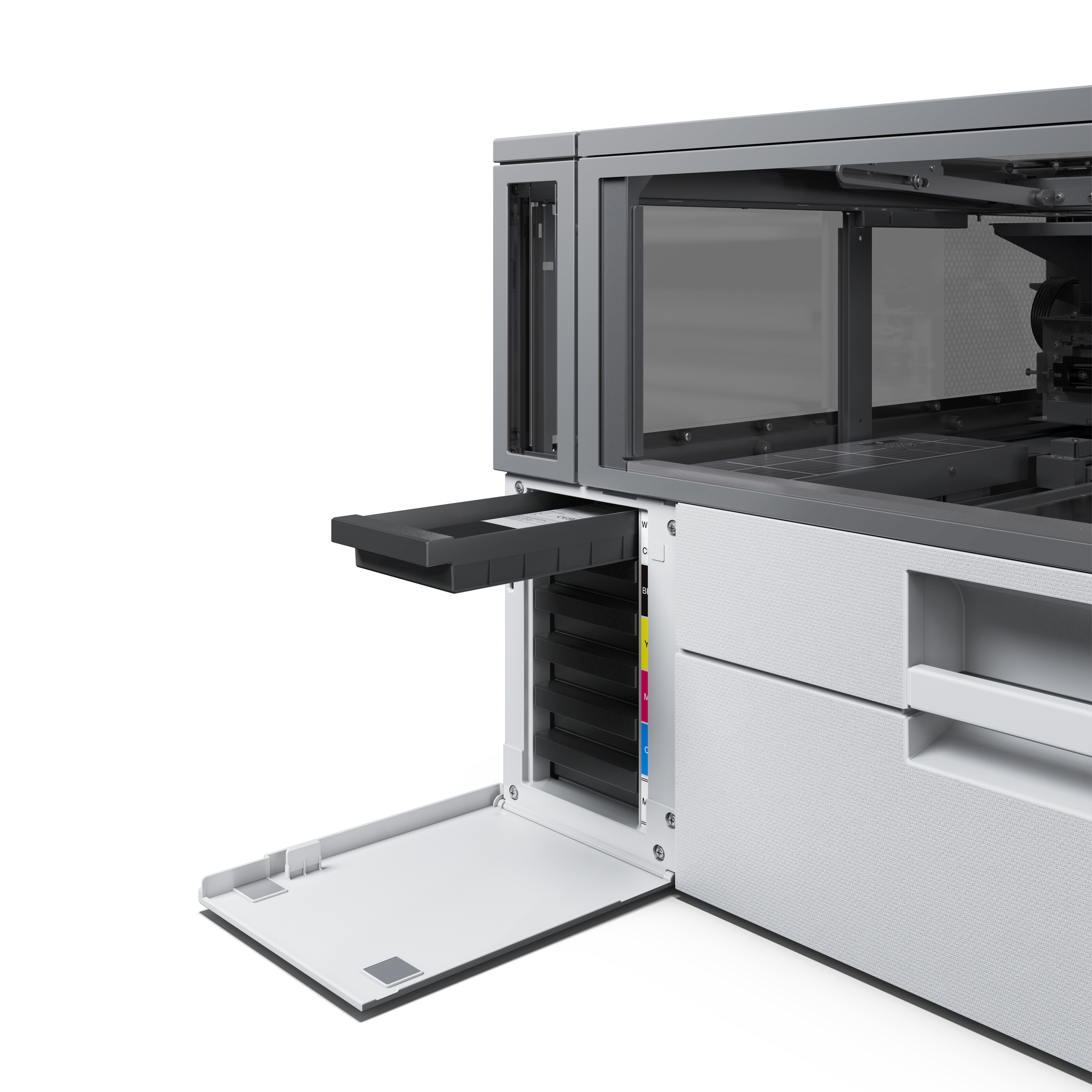
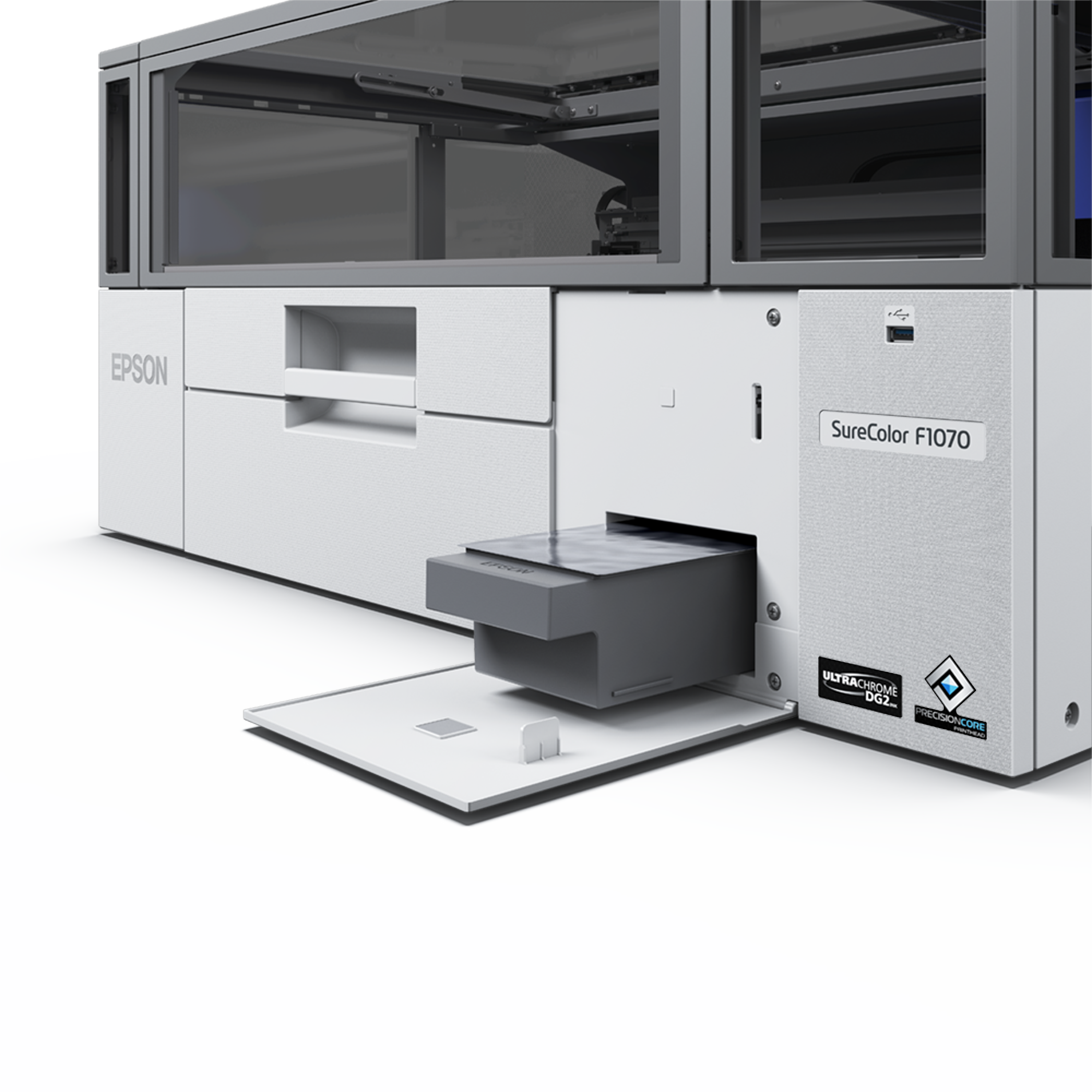
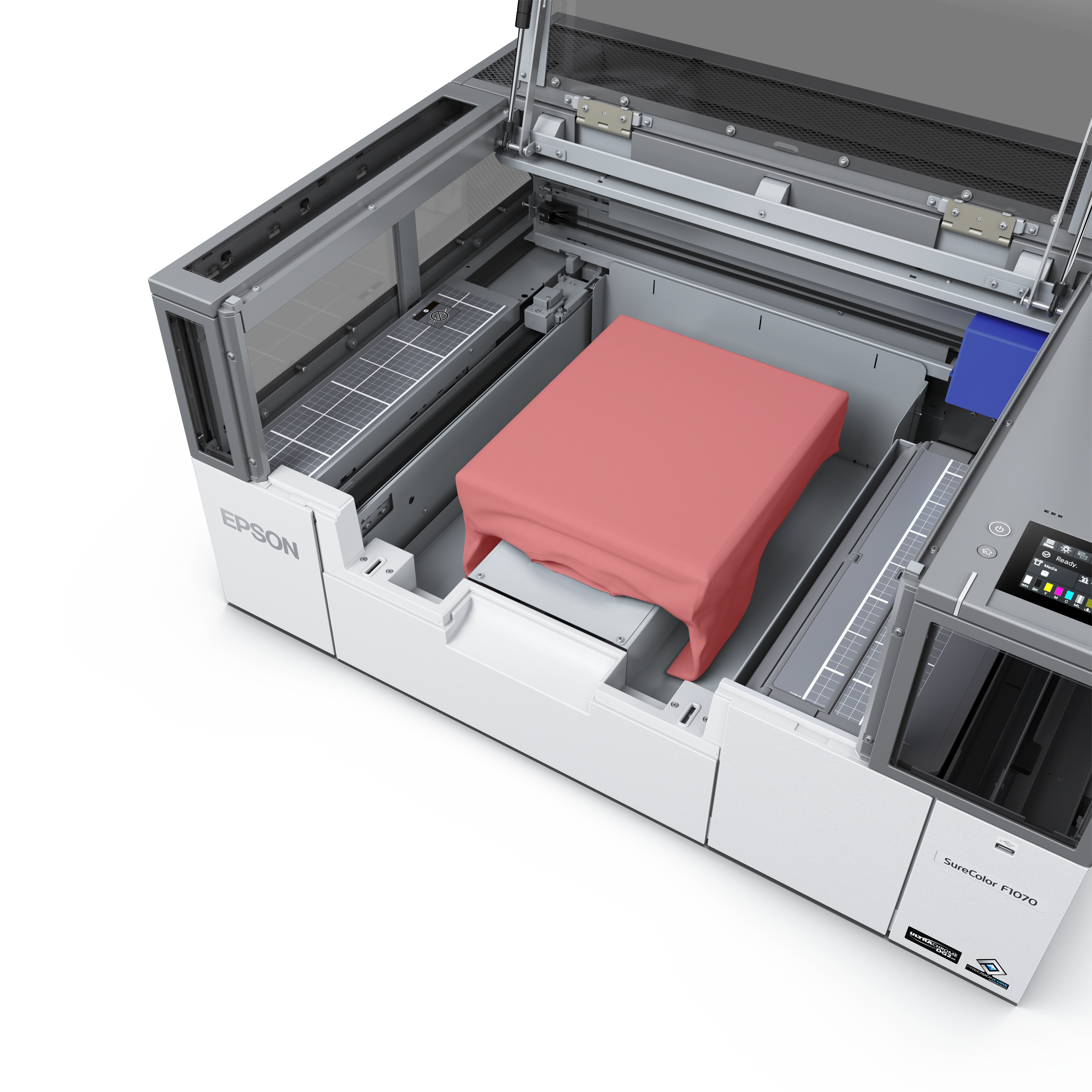
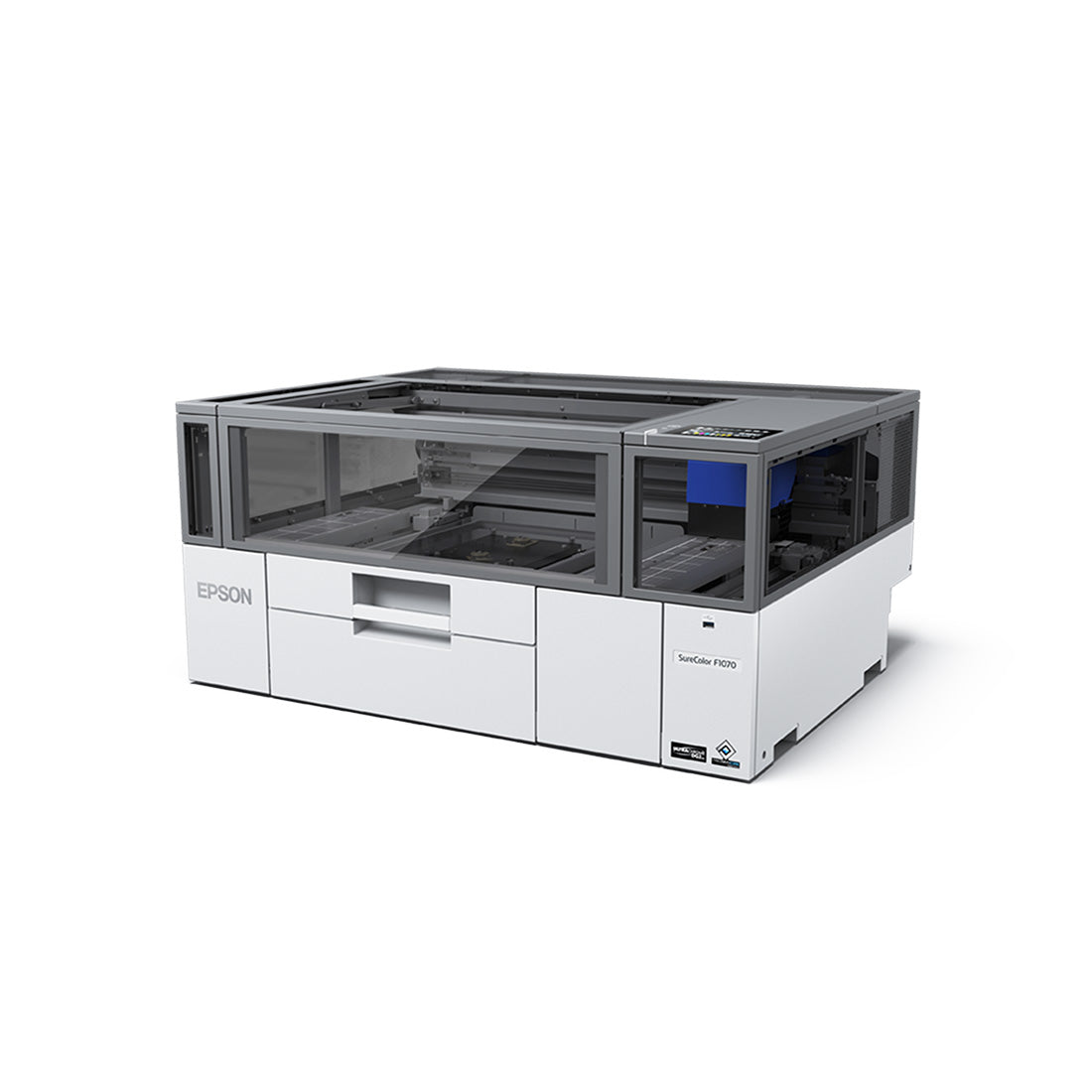
Epson® F1070 Hybrid Printer DTG / DTF - Joto Imaging Supplies Canada
Joto Imaging Supplies Main Slider Image
Epson® F1070 Hybrid Printer DTG / DTF - Joto Imaging Supplies Canada
$350.00 OFF Similar Products
Call to Order
Epson® F2270 Hybrid DTG / DTF Printer - Joto Imaging Supplies Canada
Joto Imaging Supplies Main Slider Image
$3,900.00 OFF Similar Products
Call to Order

Frequently Asked Questions:

What sets a professional DTG printer apart from a modified desktop inkjet for garment printing?

Professional DTG printers are purpose-built for textile applications with dedicated white ink channels, automated white ink circulation systems to prevent pigment settling, industrial-grade print heads rated for millions of cycles, and integrated platen systems designed for consistent garment loading. Modified desktop inkjets lack white ink, have no circulation system, and use consumer print heads not designed for the abrasive textile inks used in DTG production.

What platen temperature, cure time, and press pressure are required to fully bond DTG ink on a 100% cotton garment?

After printing, DTG garments require heat curing at 330–350°F (165–177°C) for 60–90 seconds at firm pressure in a heat press, or 3–4 minutes at 320°F in a tunnel dryer. The goal is bringing the internal garment fiber temperature to at least 320°F to fully crosslink the ink binder. Under-curing — the most common DTG production error — results in ink that feels tacky and washes out within the first few laundry cycles.

Is a professional DTG printer compatible with performance fabrics and moisture-wicking athletic wear?

Standard DTG printing is not recommended for high-polyester athletic wear — water-based DTG inks do not bond reliably to synthetic fibers, and polyester causes dye-migration issues with the white ink underbase. For athletic wear decoration, DTF or sublimation are more appropriate technologies. Some DTG manufacturers offer polyester-specific ink formulations, but these represent a specialized workflow rather than the standard DTG process.

Why is my DTG print showing banding or horizontal lines across the design?

Banding is almost always a nozzle issue — one or more nozzles in the print head array are partially or fully blocked, causing gaps in the ink deposition pattern that appear as horizontal lines. Run a nozzle check pattern and identify the blocked rows. Run 2–3 standard cleaning cycles and recheck — if banding persists, escalate to a powerful cleaning cycle or manual nozzle plate cleaning. Banding that appears suddenly mid-run is often caused by an ink bubble in the feed line rather than a clogged nozzle.

How many wash cycles do professional DTG prints withstand on a ring-spun cotton garment?

A properly pretreated, printed, and cured DTG print on ring-spun cotton can withstand 50–75 wash cycles with acceptable color retention. Wash the garment inside out in cold water on a delicate cycle and tumble dry on low. Harsh detergents and high-heat drying accelerate fading significantly. Prints on lower-quality garments with inconsistent weave or chemical finishes from the manufacturer typically show earlier degradation regardless of DTG process quality.

How does the cost-per-print on a professional DTG printer compare to outsourcing DTG work to a print partner?

Professional in-house DTG typically achieves a materials cost of $2–$5 per print including ink, pretreatment, and blank garment. Outsourcing to a print-on-demand partner typically runs $12–$20+ per piece before your markup. For shops doing more than 15–20 custom pieces per week, in-house DTG pays for itself within 12–18 months in most markets, assuming the press is kept productive with consistent order flow.

What is the correct protocol for restarting a DTG printer after an extended shutdown of two weeks or more?

After extended shutdown, run a full ink system flush before reintroducing production ink — cleaning fluid stored in the lines prevents ink from drying and permanently blocking channels during the downtime period. After flushing, prime all channels with fresh ink, run multiple cleaning cycles, and print multiple nozzle check patterns until all rows are firing consistently. Print a full-coverage test print before running any customer garments. Budget 30–60 minutes for this restart procedure.

What is the difference between a single-pass and multi-pass DTG print mode, and when should each be used?

Multi-pass mode makes multiple print head passes over the same area, depositing ink in layers for higher resolution and richer color — ideal for photographic prints and fine detail but significantly slower. Single-pass mode deposits all ink in one head pass for maximum speed at moderate quality — appropriate for bold graphics, simple text, and high-volume production where throughput matters more than ultra-fine detail. Most production shops use multi-pass for customer approvals and single-pass for bulk orders.

Are DTG inks formulated to meet CPSIA standards for children's apparel produced in Canada?

Many commercial DTG ink brands are formulated to meet CPSIA (US) and equivalent Canadian standards for children's apparel, including restrictions on lead, phthalates, and restricted azo dyes. However, compliance status varies by brand and product line — always request the current compliance documentation directly from the ink manufacturer. Do not assume compliance based on general marketing claims; verify with documentation before producing children's garments commercially.

How do I extend print head lifespan on a professional DTG printer beyond the manufacturer's rated cycle count?

Consistent daily maintenance is the primary factor in exceeding rated print head lifespan. Run daily nozzle checks, perform automated cleaning only when needed (over-cleaning accelerates wear and wastes ink), keep white ink agitated, and monitor ink viscosity regularly. Print heads degrade faster when allowed to dry out between uses than they do from continuous high-volume printing. A well-maintained print head in continuous production often outlasts a poorly maintained one used only sporadically.

Drawer Title
Similar Products