















Skip to content
en
CAD

Bloom Your Business Into Profit

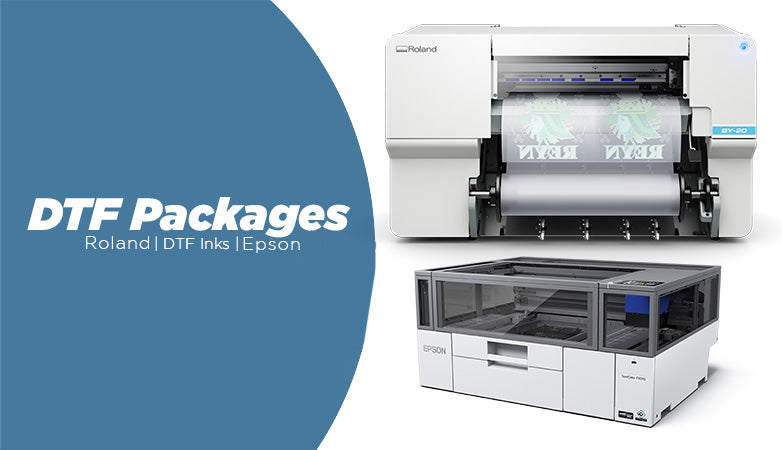
DTF Packages

Packages for complete printing solutions

Start or scale your business with DTF packages that include everything needed to produce high quality transfers with efficiency and confidence.

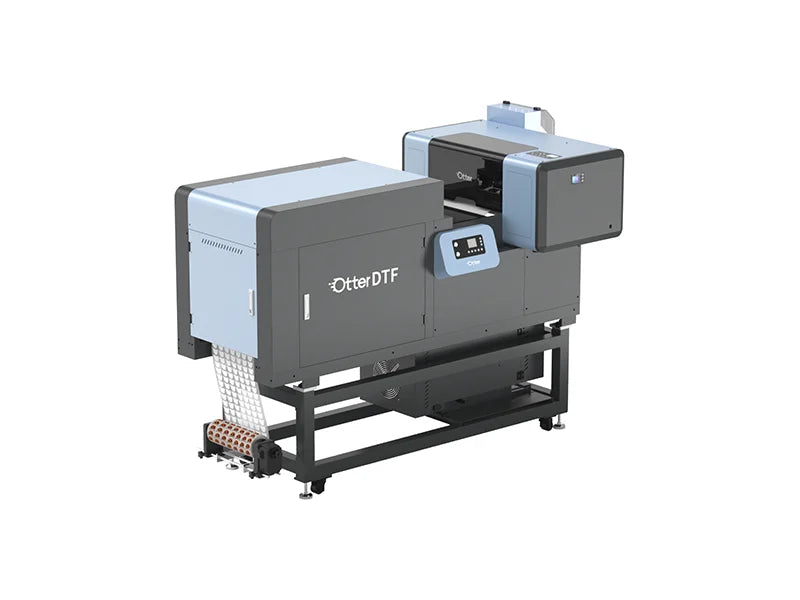
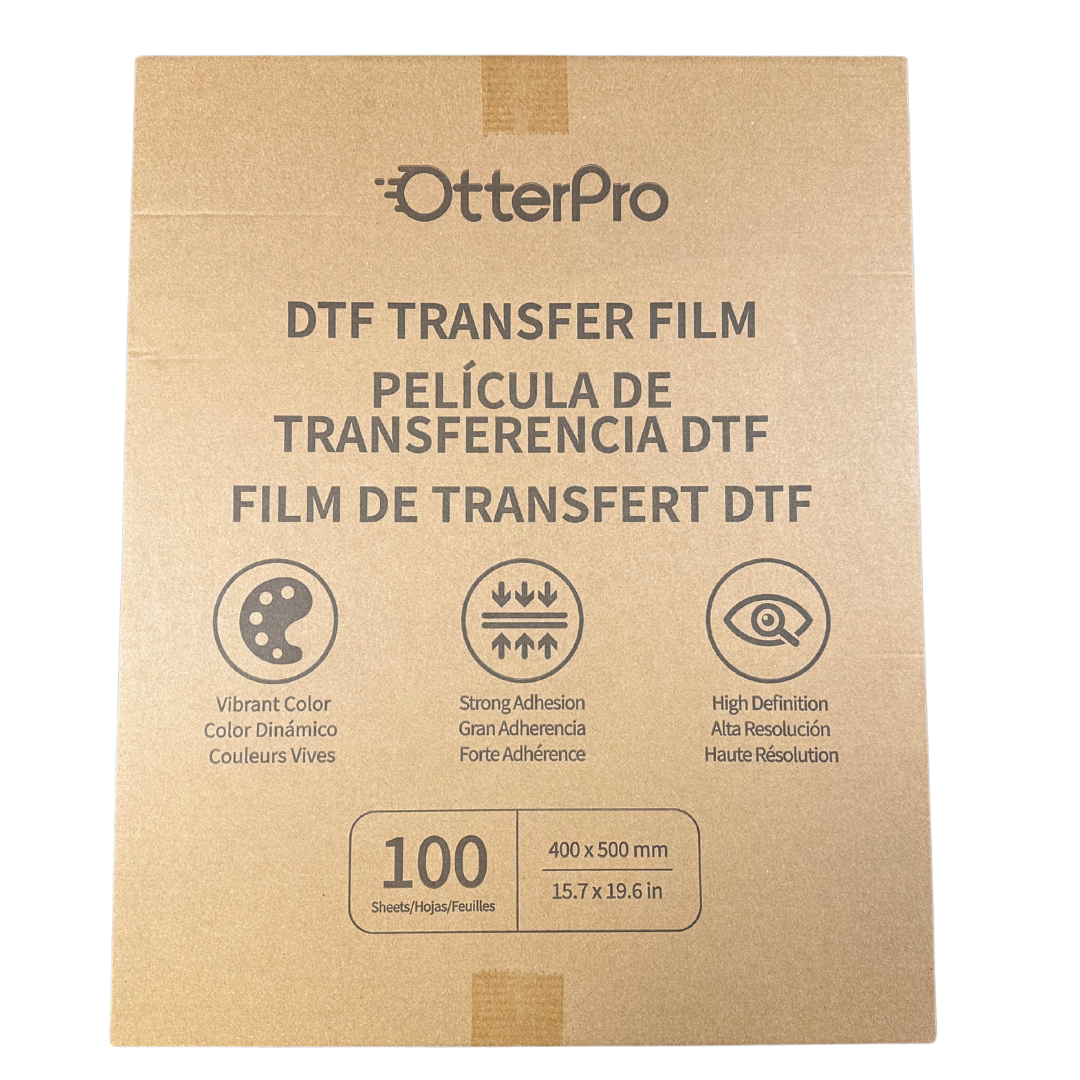
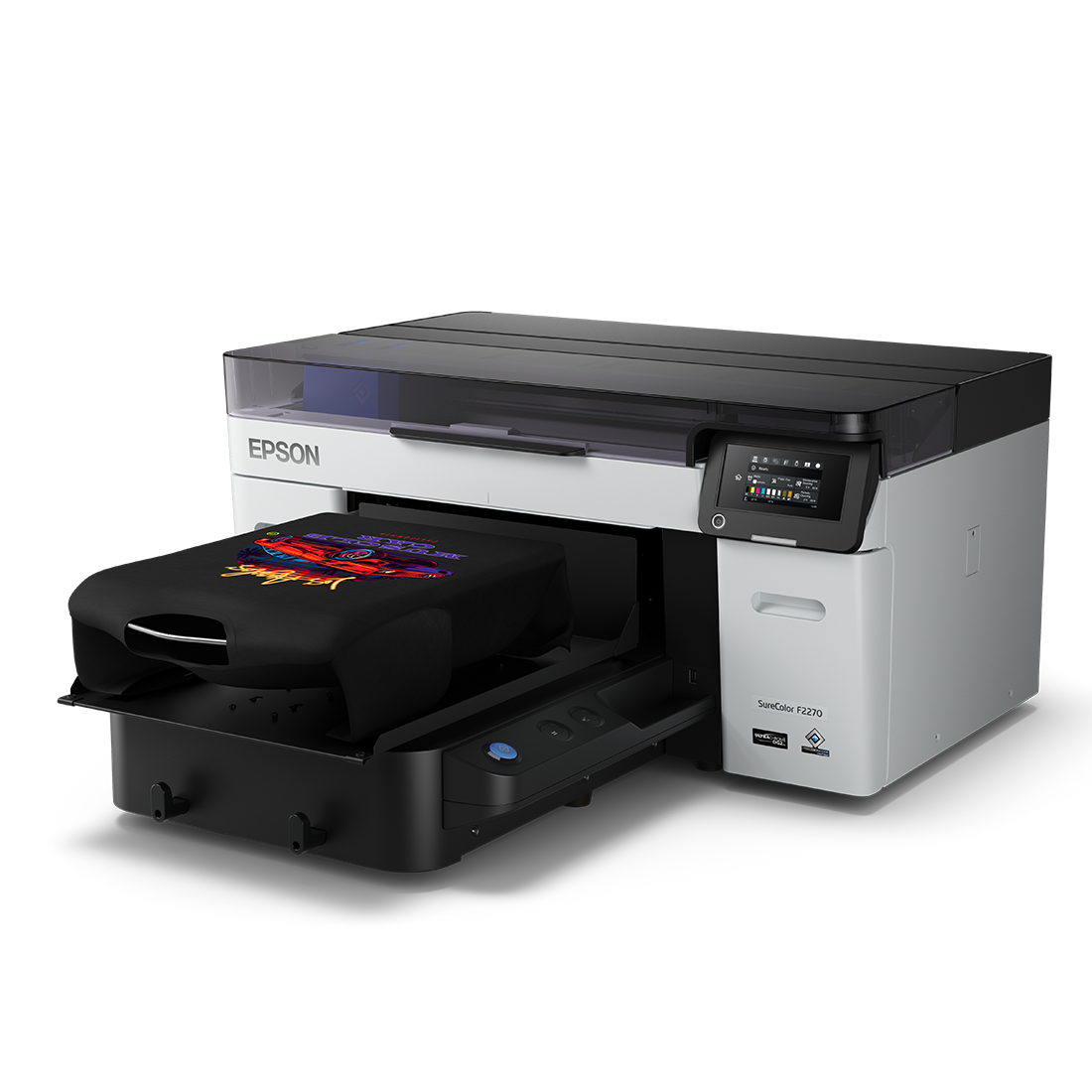
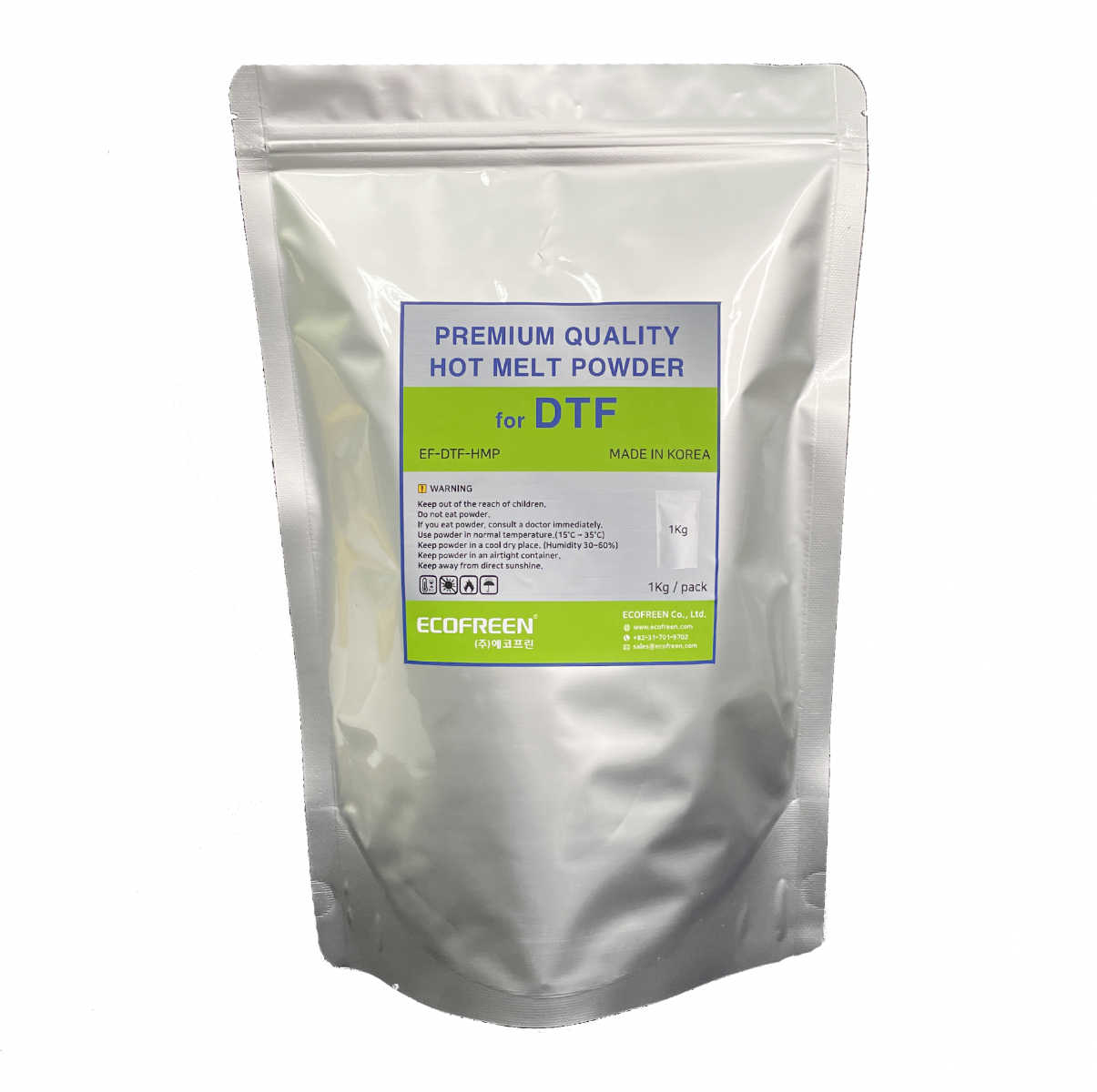
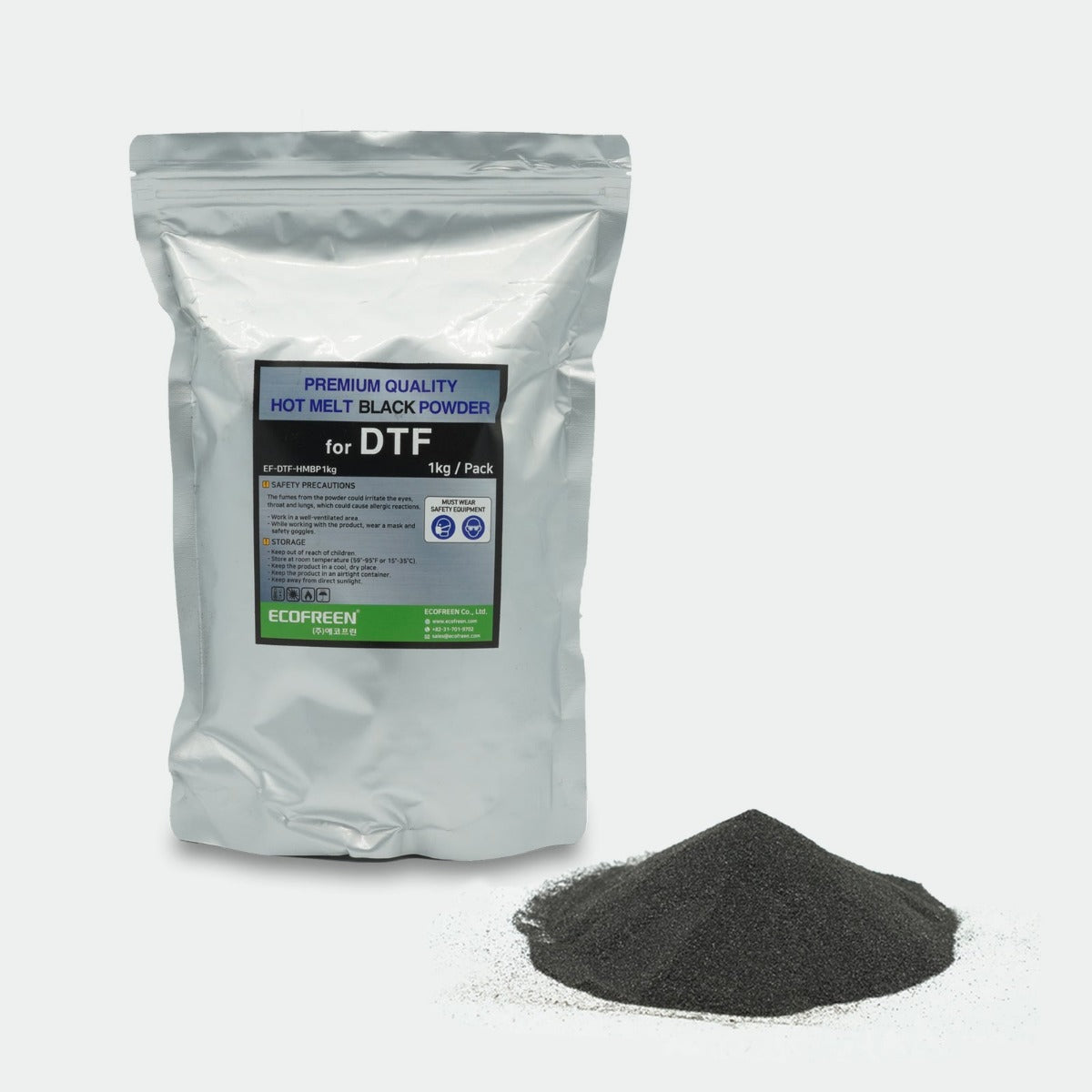
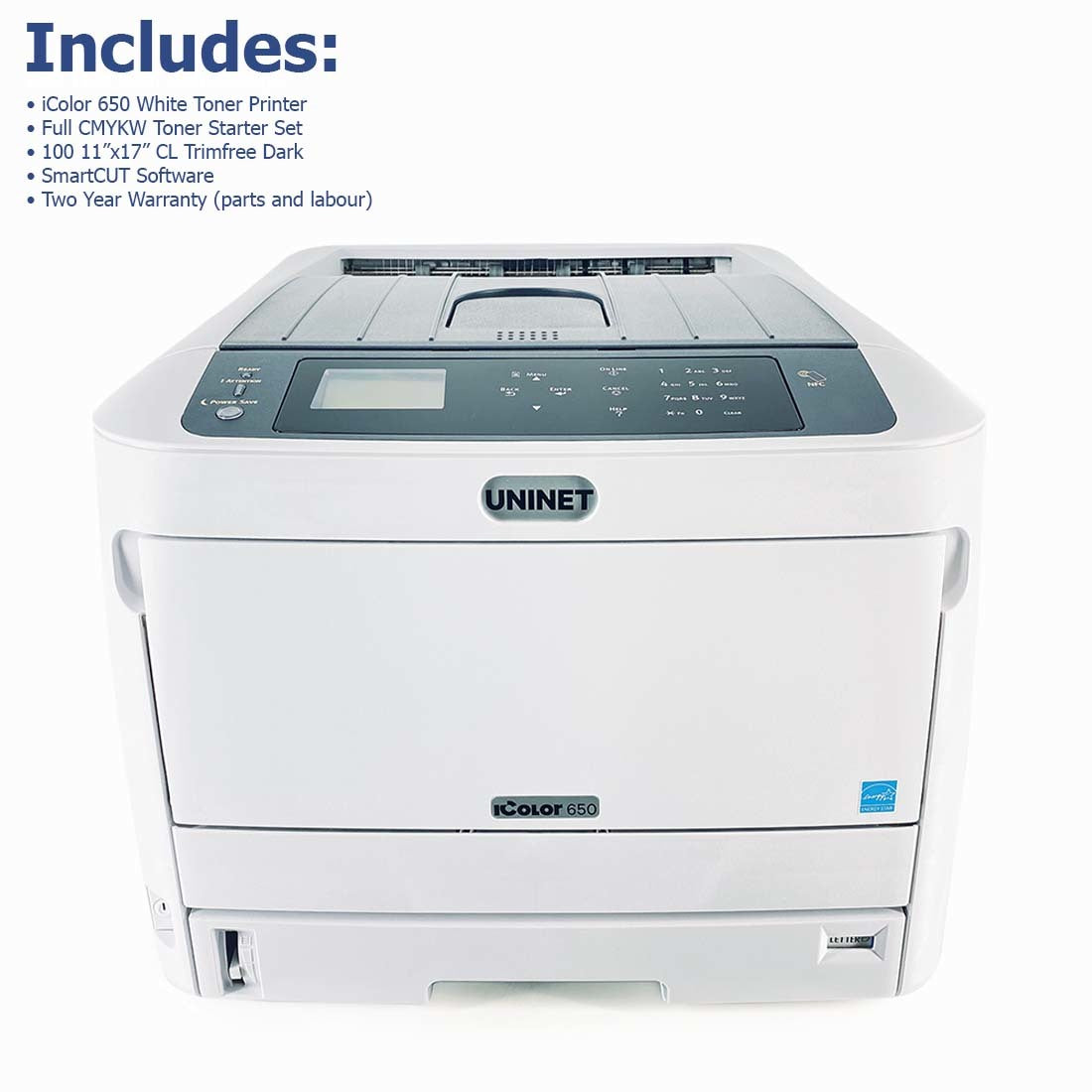
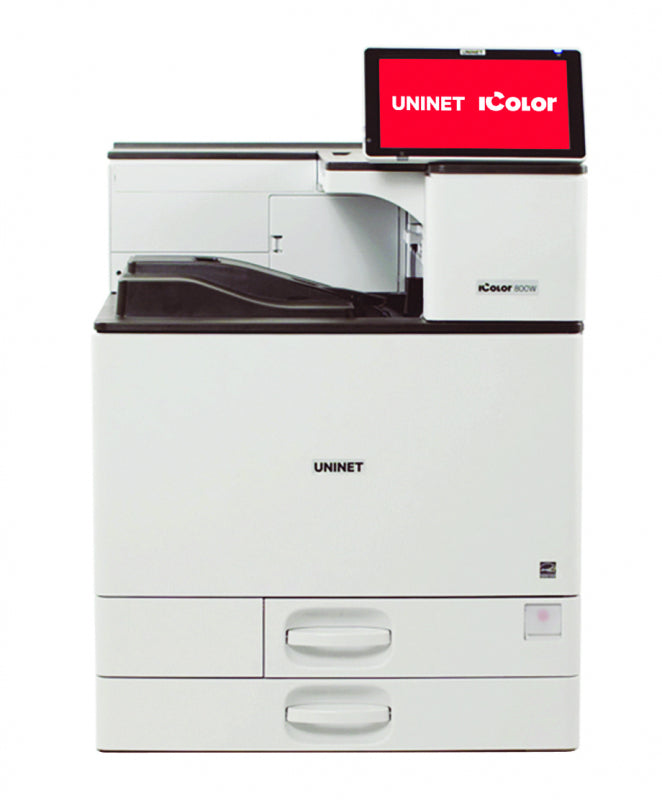
Built to simplify the setup process, DTF packages bring together printers, films, powders, and essential accessories in one ready to use bundle. This all in one approach saves time and eliminates guesswork, ensuring that every component works seamlessly for dependable results. Perfect for newcomers exploring direct to film technology as well as established shops upgrading their production, these packages provide the tools to deliver vivid, long lasting designs on cotton, polyester, and blends. Each system is designed for smooth workflows, consistent output, and professional quality that customers will notice. By combining performance with convenience, DTF packages make it easier to expand services, reduce learning curves, and maximize profitability. With Joto’s expertise, training, and ongoing support, you gain a reliable foundation to grow your printing business and stay ahead in a competitive market.
6 products

  • Sort by

Frequently Asked Questions:

What is a DTF package and what does it include to get started?

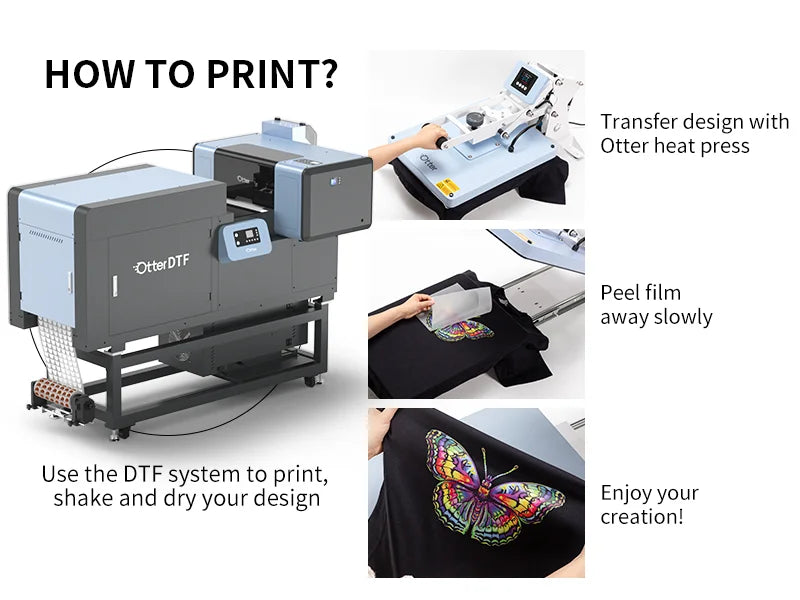
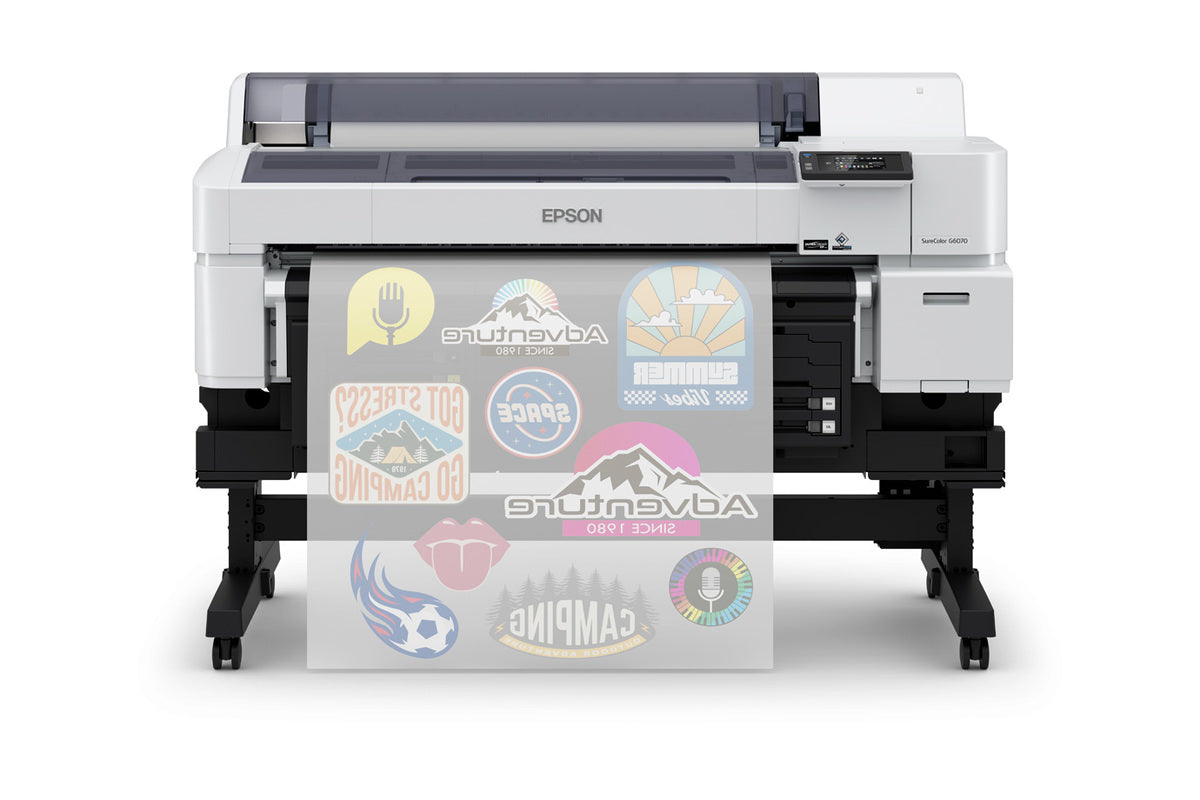
A Joto DTF package bundles a Direct-to-Film printer with DTF-specific inks, PET transfer film, hot-melt adhesive powder, and a heat press for transfer application. Everything needed to begin producing full-color fabric transfers is included. DTF is one of the most versatile decoration technologies available — it works on cotton, polyester, nylon, denim, and blended fabrics including dark garments, without pretreatment.

What heat press settings produce the best adhesion when applying a DTF transfer to a 50/50 cotton-polyester blend?

For a 50/50 cotton-polyester blend, press DTF transfers at 300–310°F (148–154°C) for 12–15 seconds at firm pressure. Polyester content is sensitive to higher temperatures — pressing above 320°F risks scorching synthetic fibers. Use cold peel (allow 15–20 seconds to cool before peeling the carrier) to give the adhesive time to fully bond to the blended fabric before the carrier is removed.

Is a DTF package compatible with both light and dark garments without additional equipment?

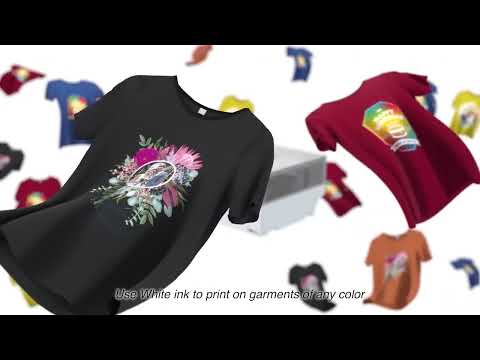
Yes — this is DTF's defining advantage. The white ink layer in the DTF print acts as an opaque base that makes colors vibrant on any fabric color, including black. No additional equipment, pretreatment machine, or special media is needed to switch between light and dark garments. Simply print, powder, cure, and press — the same workflow works on any fabric color in the same production run.

Why is my DTF transfer leaving a visible adhesive border or 'halo' around the design after pressing?

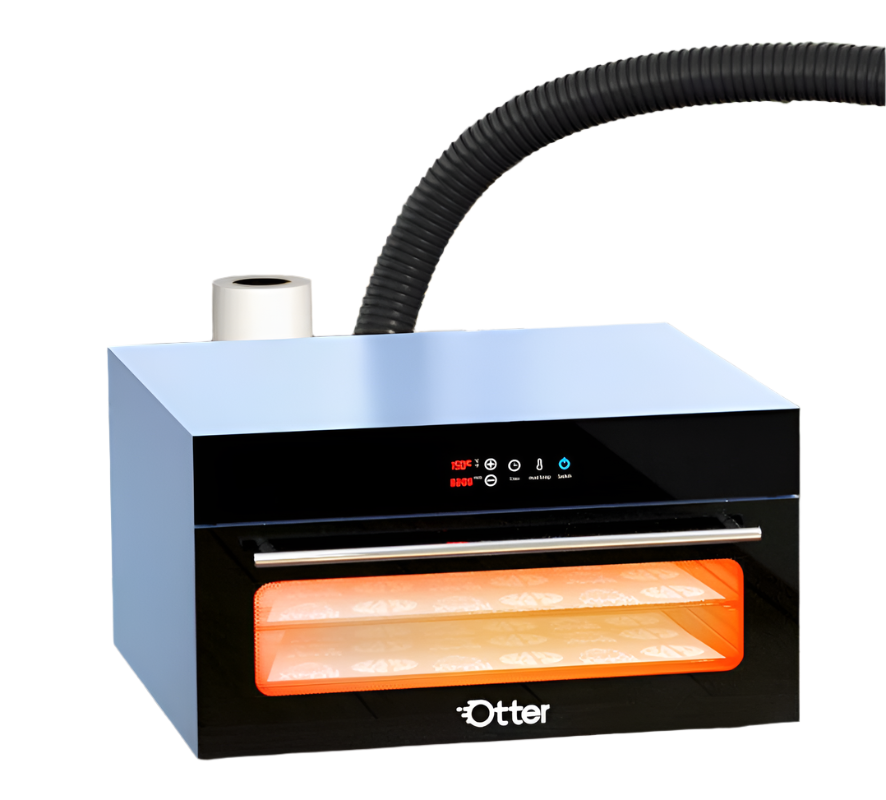
A halo around the design is caused by excess adhesive powder outside the printed design area that was not fully removed before curing. Shake or brush off all powder beyond the design boundary immediately after application — within 60 seconds of powder application while the ink is still tacky. If using a powder shaker, ensure the exhaust cycle fully clears excess powder from the film surface before the curing step.

How does wash durability of DTF transfers compare to screen printing on dark garments after 30 wash cycles?

After 30 wash cycles under equivalent conditions, DTF transfers on cotton typically show minimal color change — comparable to soft-hand screen printing and superior to budget plastisol prints. Screen printing on dark garments requires a white ink underbase that can crack over time; DTF's flexible adhesive layer is more resistant to cracking under repeated laundering. On polyester, DTF durability after 30 washes is good but slightly lower than screen printing due to the smoother fiber surface providing less mechanical adhesion.

How does the cost-per-transfer in a DTF package compare to outsourcing transfers from a wholesale DTF supplier?

Wholesale DTF transfers from a gang printer typically cost $1.50–$3.50 per letter-size transfer. In-house DTF production with a Joto package typically costs $0.40–$0.90 per transfer in materials (ink, film, powder). For shops producing over 200 transfers per week, in-house production saves $200–$500 weekly in material costs alone. The package investment typically reaches breakeven within 4–8 months at sustained production volume.

What is the professional technique for printing and storing DTF transfers in batches for on-demand order fulfillment?

Print and cure a full roll of gang-printed transfers during downtime, then cut and store them flat between sheets of silicone-coated paper in a sealed container at room temperature. Properly cured and stored DTF transfers remain viable for 6–12 months. This approach — called 'transfer banking' — decouples printing from fulfillment, allowing you to ship same-day without printing to order. It also lets you run longer print batches for efficiency rather than printing 1–2 pieces at a time.

What is the difference between a 13-inch and 24-inch DTF printer in a Joto package, and which suits most small businesses?

A 13-inch DTF printer handles letter-width film, sufficient for full-front adult garment transfers, mug wraps, and most small product applications. A 24-inch printer covers gang sheets with 6–12 smaller designs simultaneously, dramatically improving throughput for shops producing mixed orders. For a startup with moderate volume, a 13-inch package is the lower-risk entry point. A 24-inch unit becomes cost-effective when you are regularly printing more than 50–75 unique transfers per day and spending significant time on reruns.

Are DTF inks and hot-melt adhesive powders compliant with WHMIS and Canadian workplace safety requirements?

DTF inks from reputable brands are water-based and WHMIS-classified as low-hazard materials requiring standard workplace precautions. Hot-melt adhesive powder requires more attention — it becomes airborne during application and prolonged inhalation of fine powder is an occupational health concern. Use an enclosed powder shaker station, ensure adequate exhaust ventilation above the curing area, and provide operators with N95 masks for manual powder application. Maintain SDS documents for all materials on-site as required under WHMIS regulations.

How do I properly maintain DTF print heads when production volume drops during slow business periods?

Reduced production volume is harder on DTF print heads than consistent daily use, because white ink sits idle in the heads and settles between runs. During slow periods, print a full-coverage test sheet and run a cleaning cycle every 2 days even if no customer orders are queued. If the printer will be fully idle for more than 3 days, flush white ink channels with cleaning solution. Maintaining this discipline during slow periods prevents the expensive white ink head blockages that typically emerge when volume picks up again.

Drawer Title
Similar Products