


















Skip to content
en
CAD

20% Off on premium paper

Mug Presses

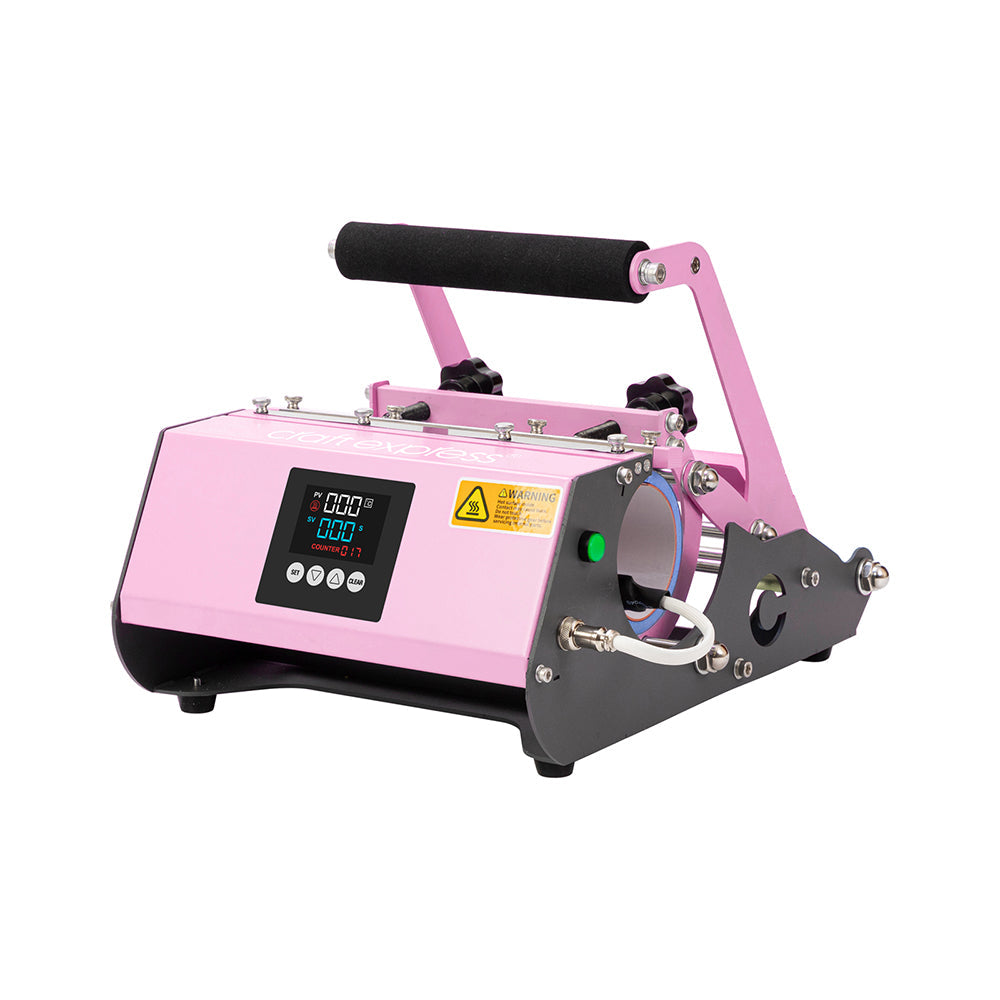
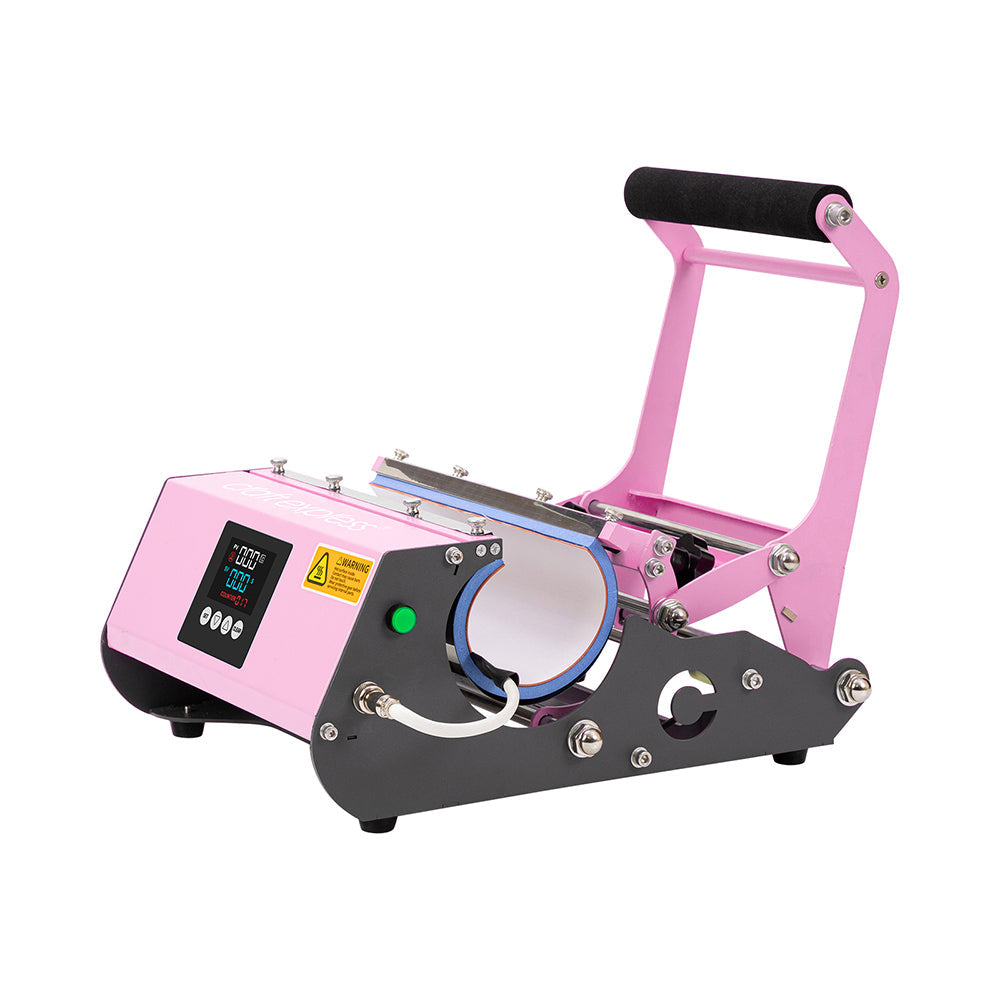
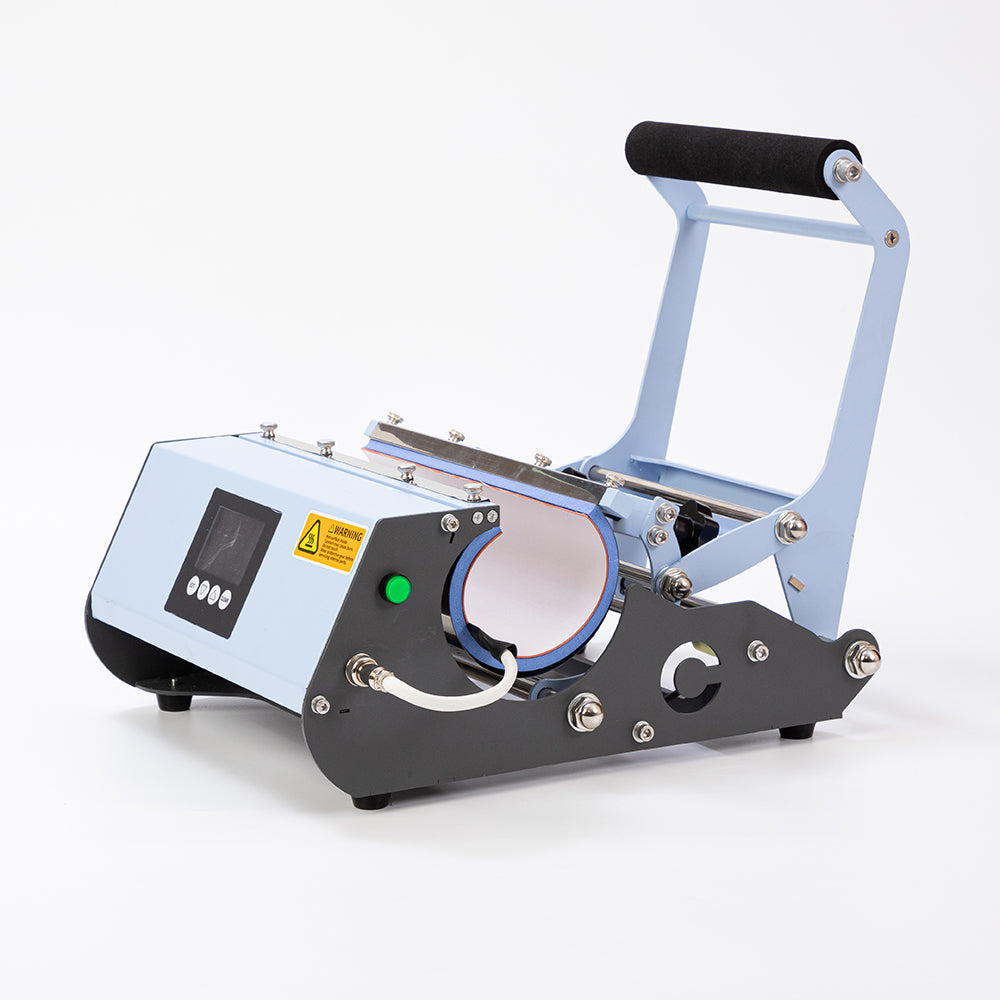
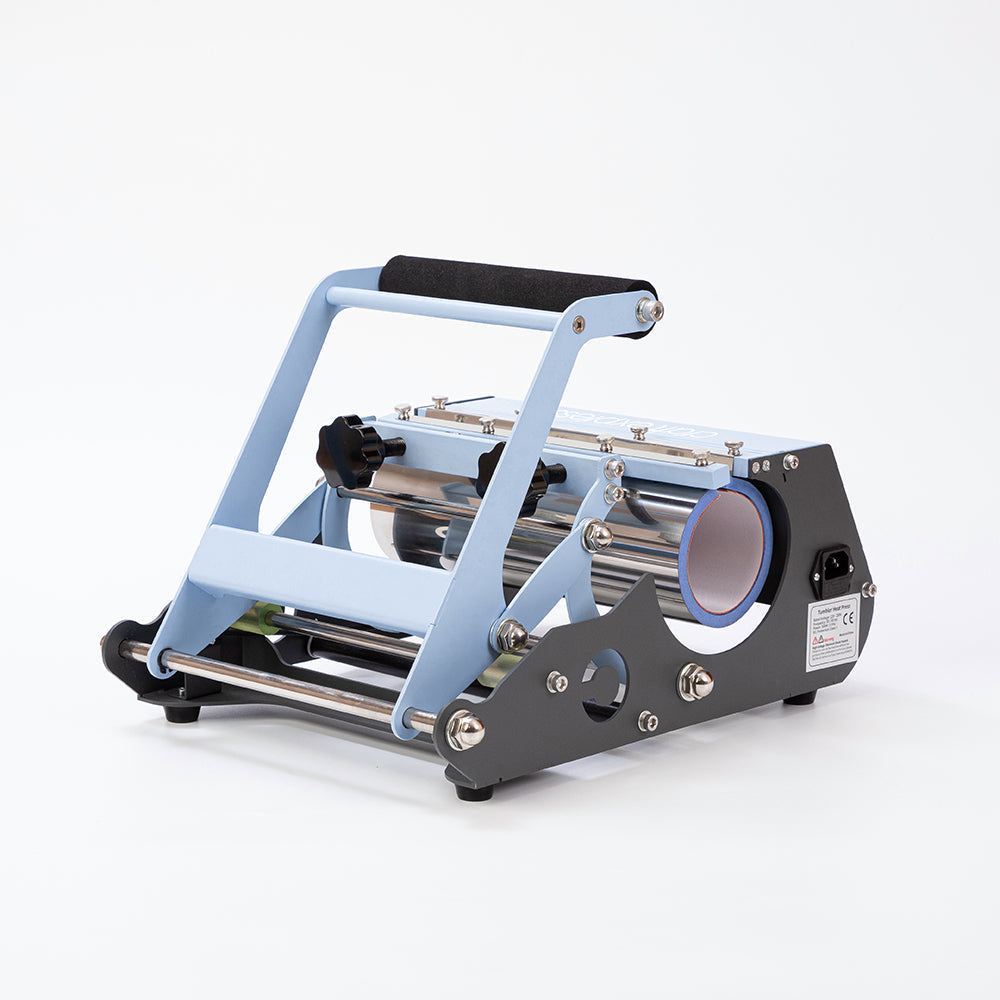
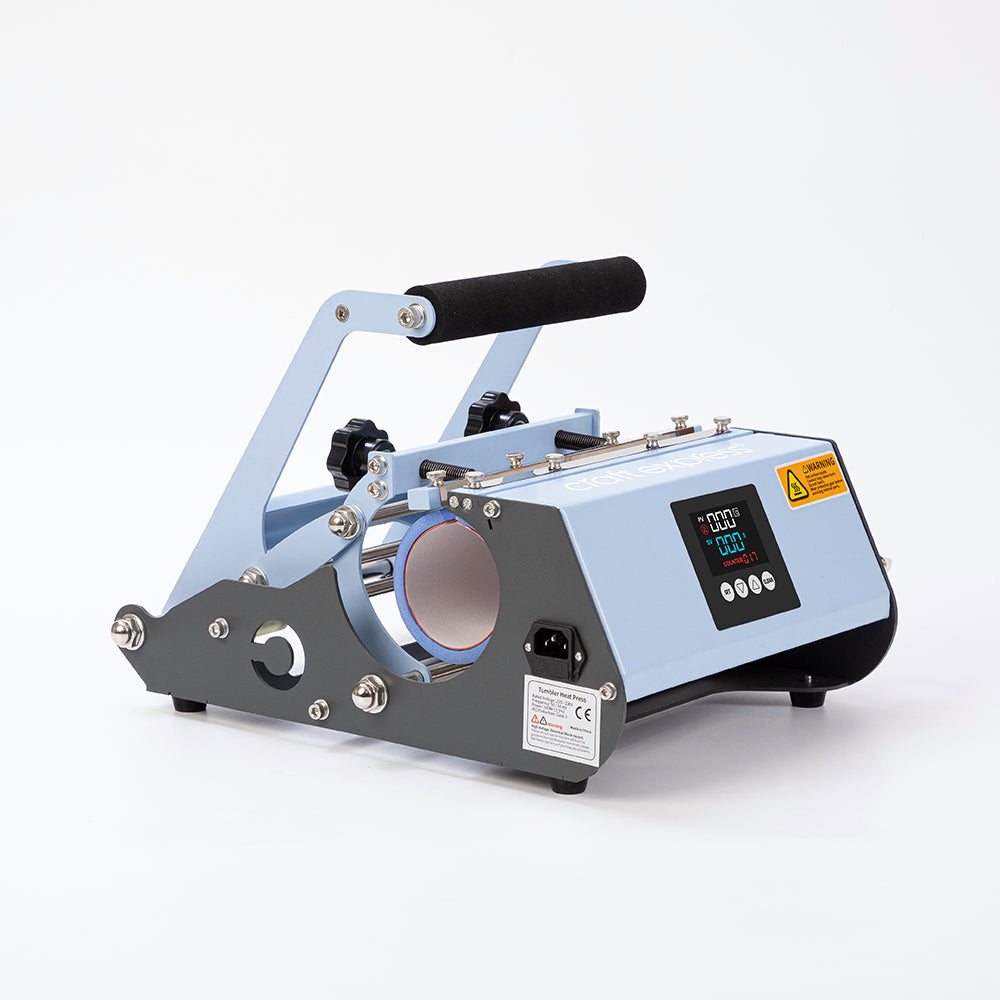
Mug presses for perfect personalization

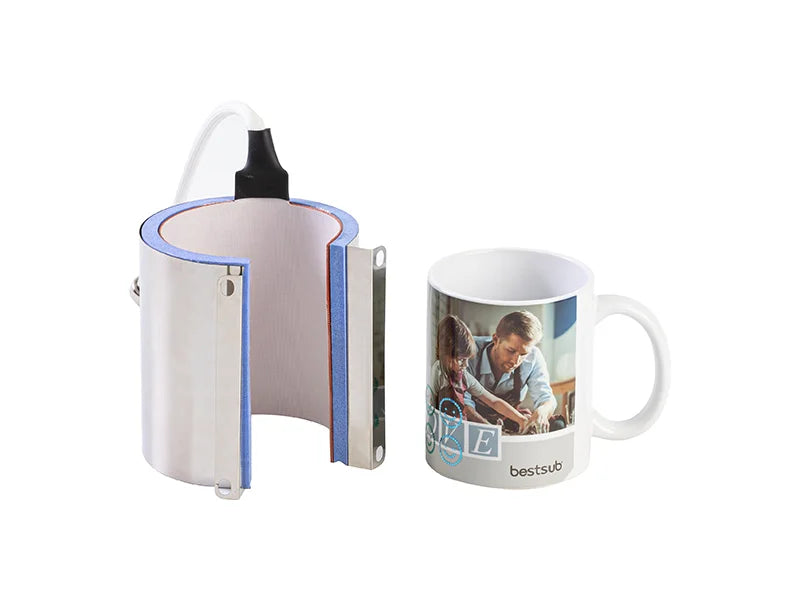
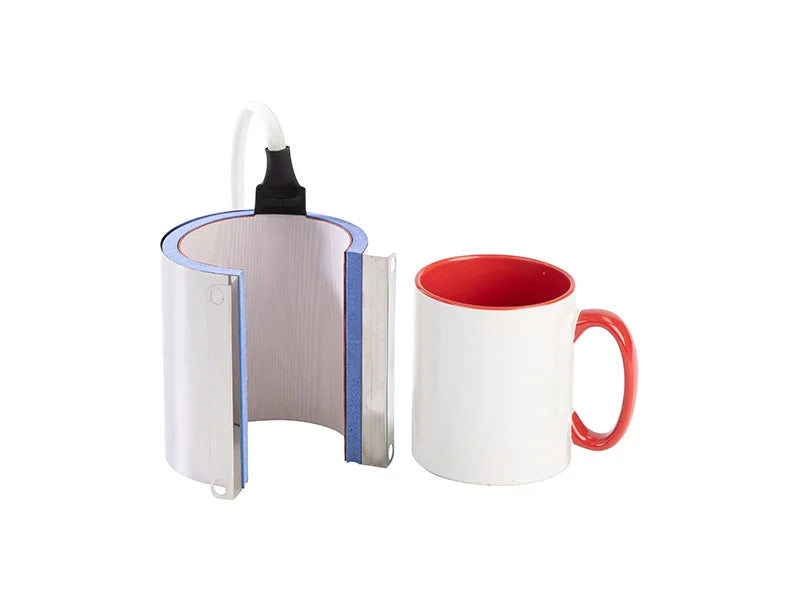
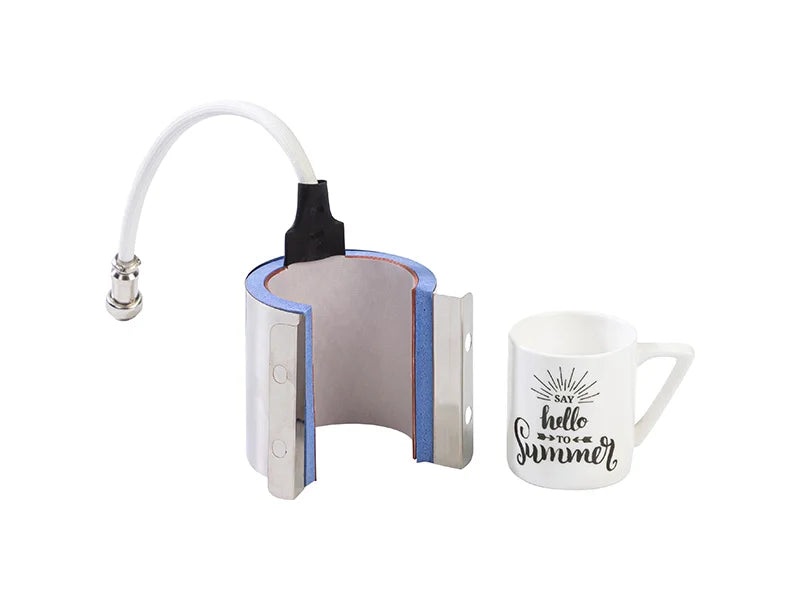
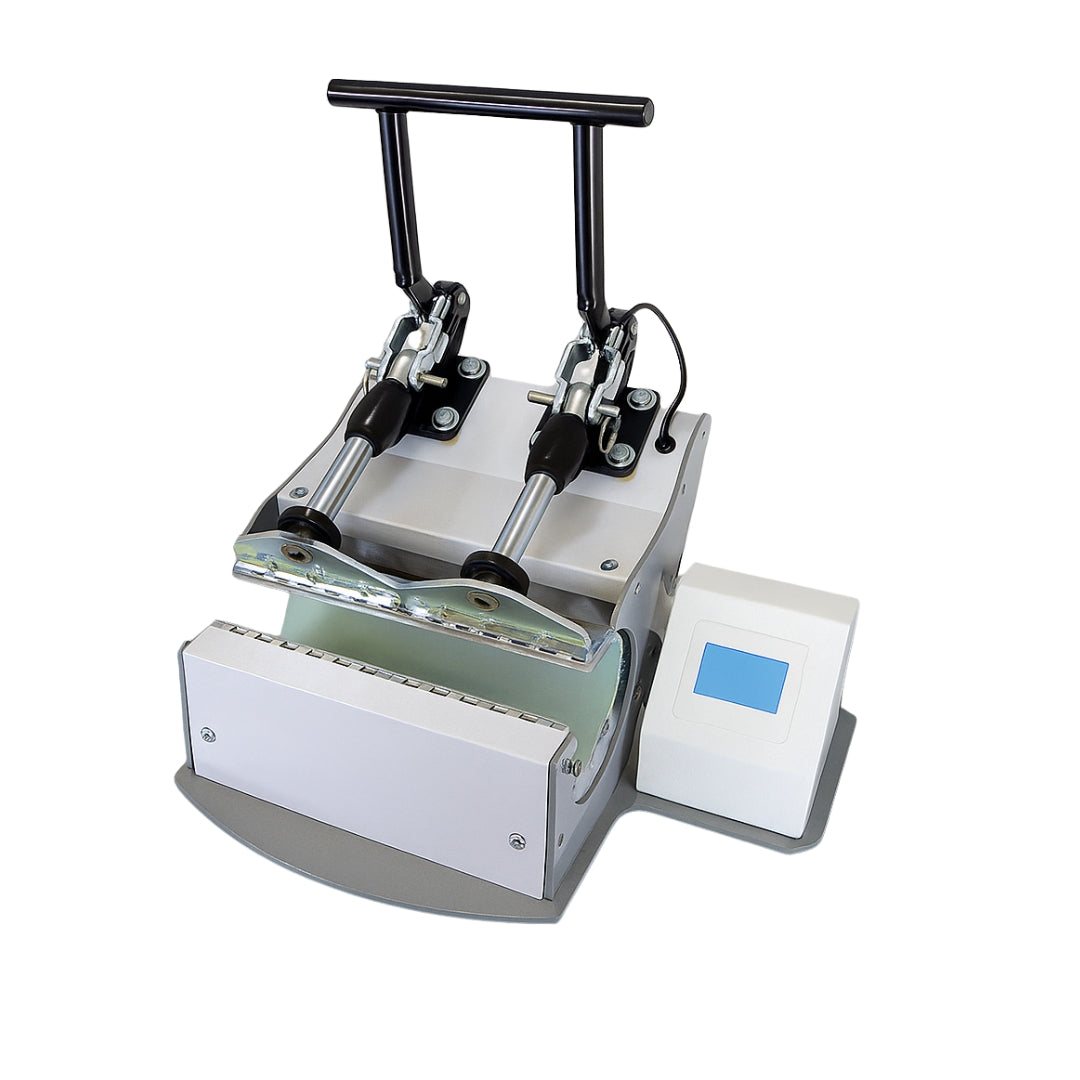
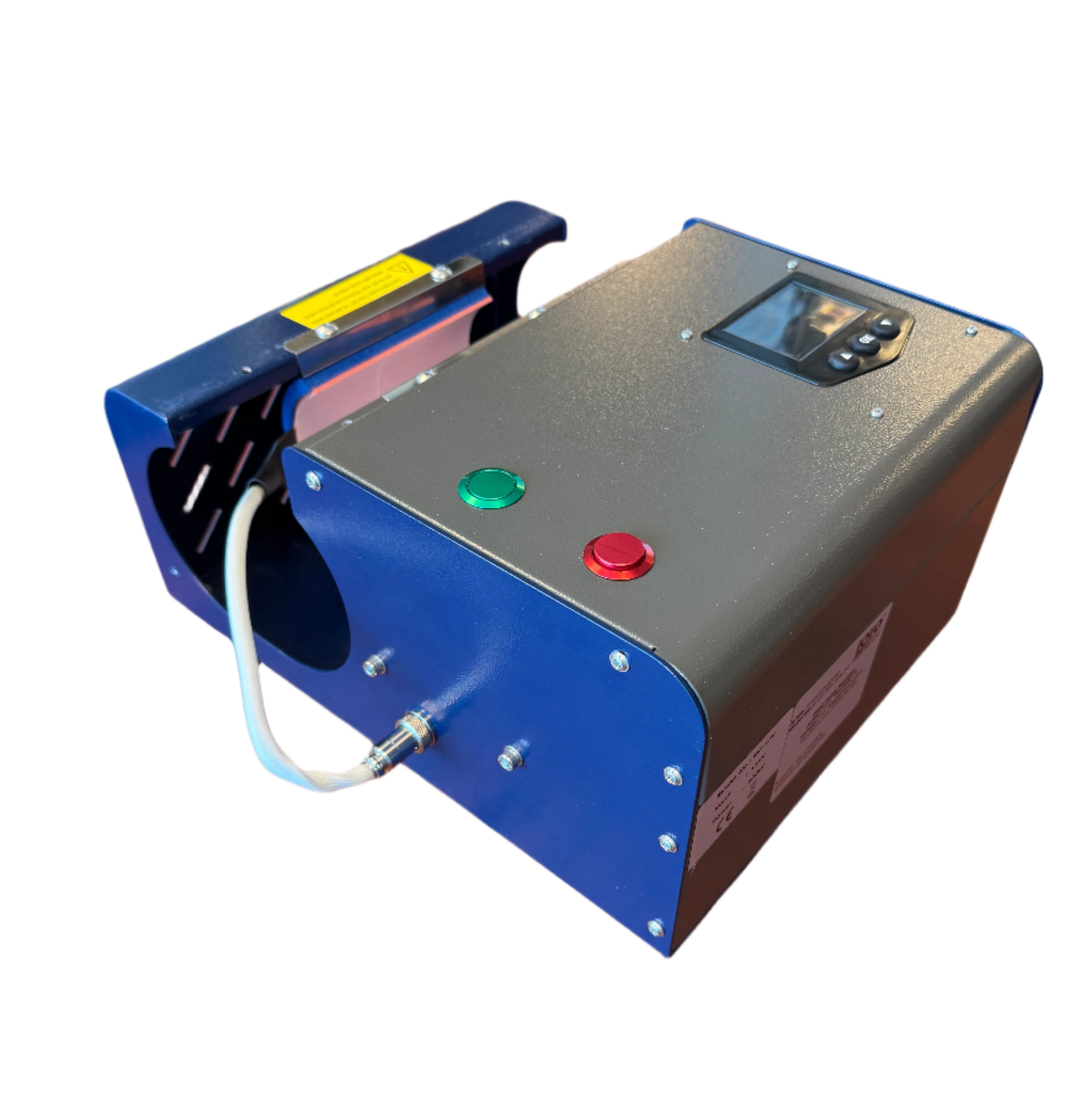
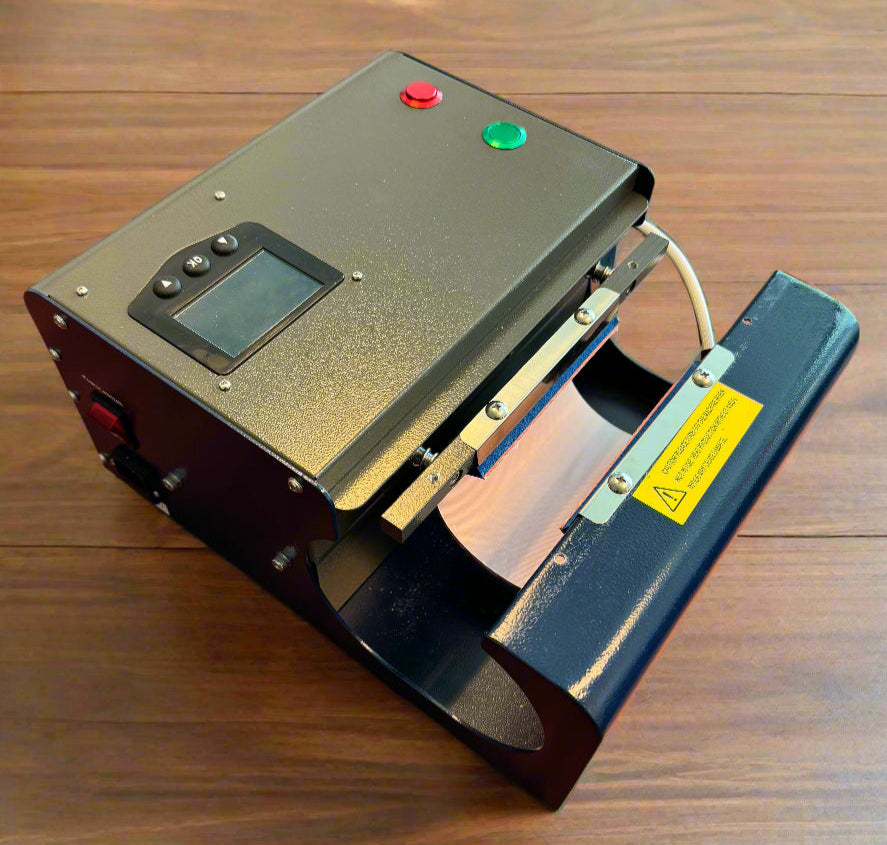
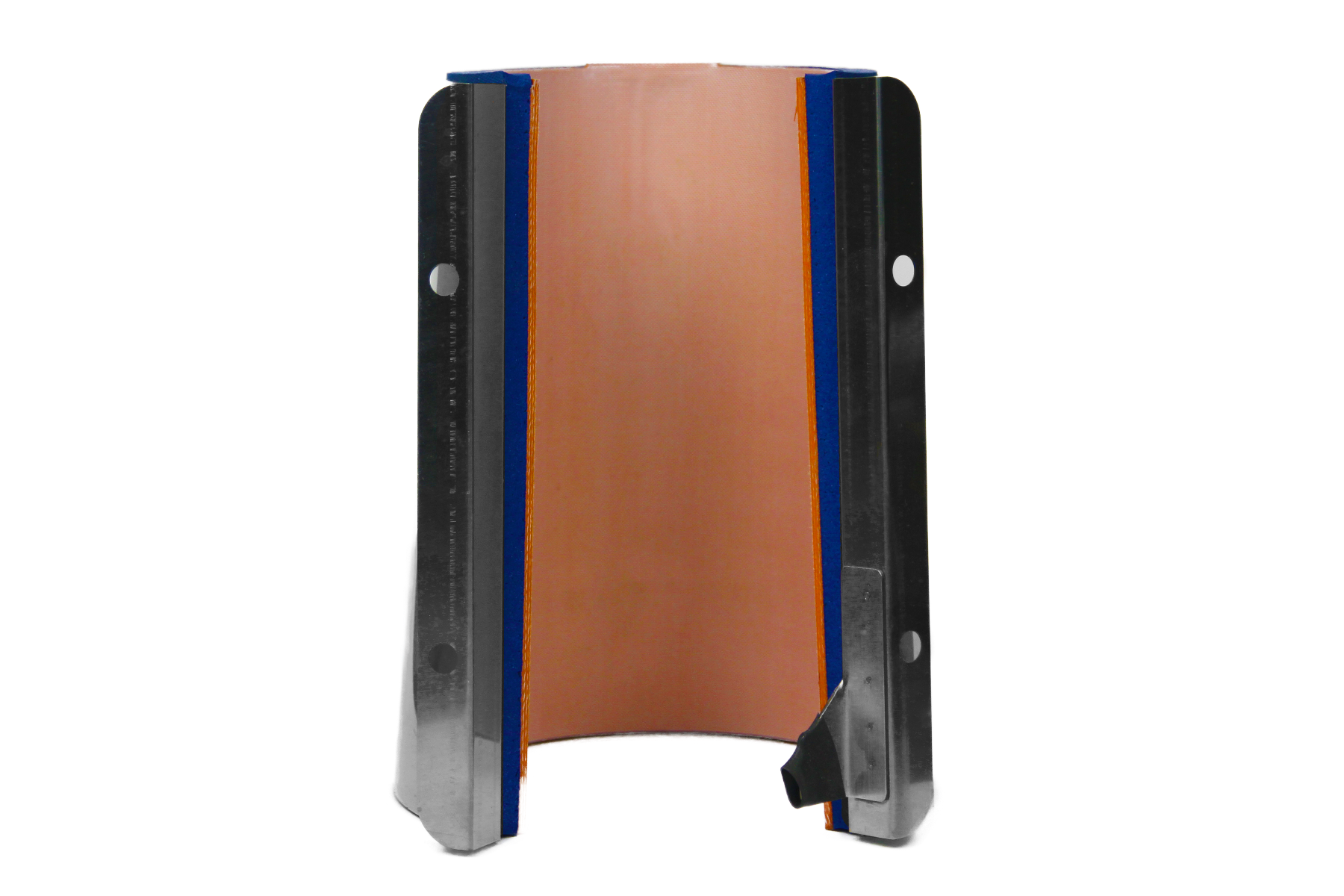
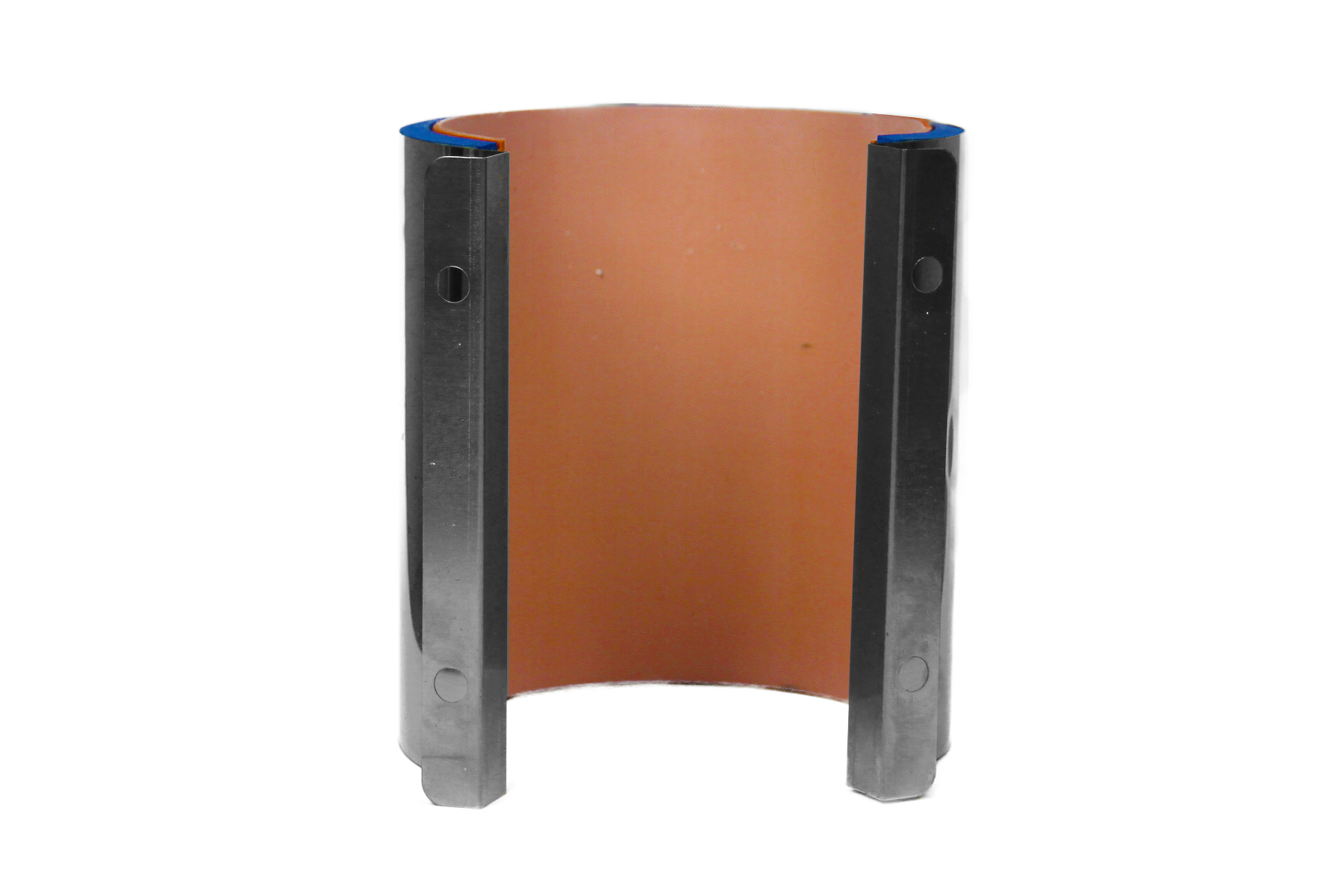
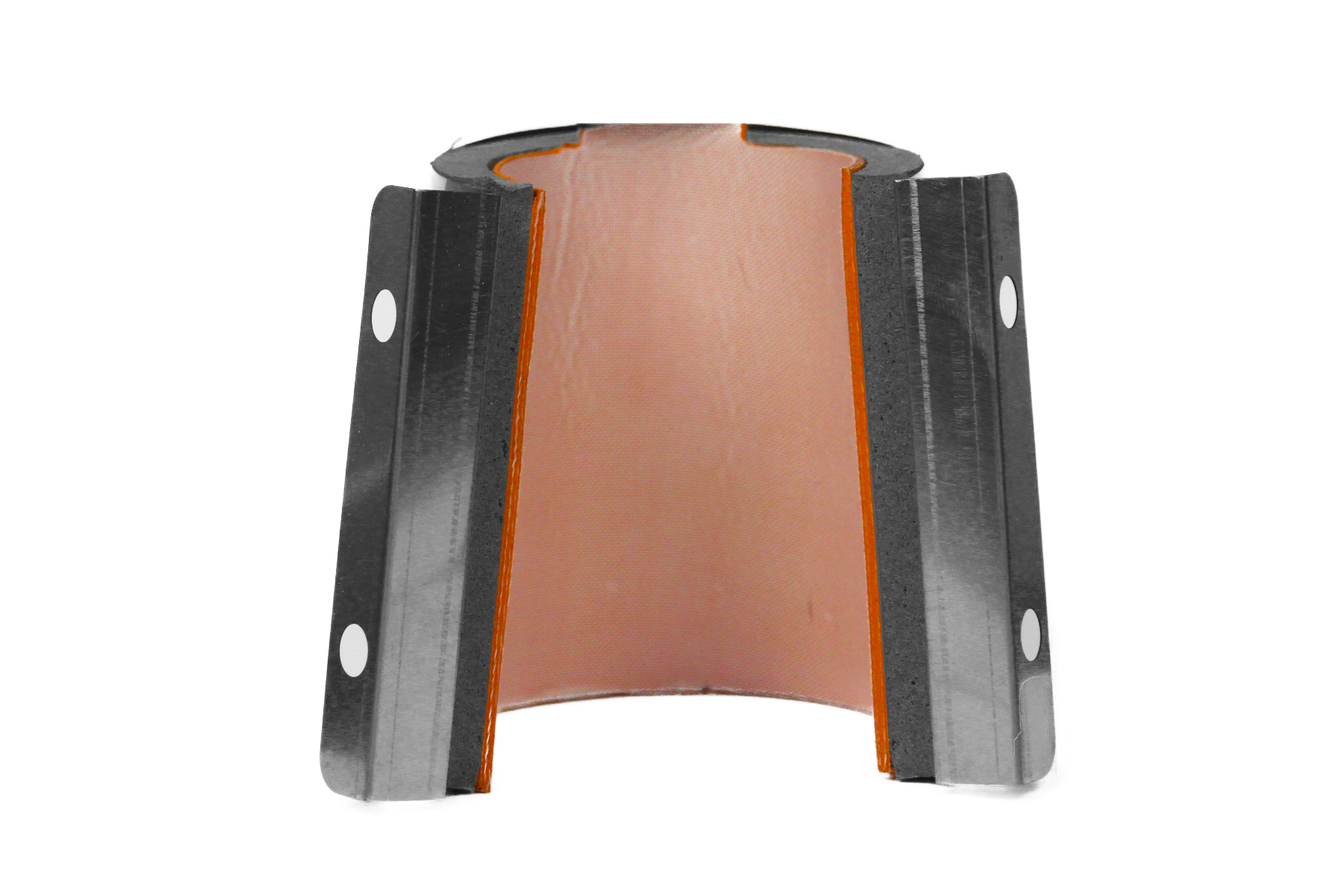
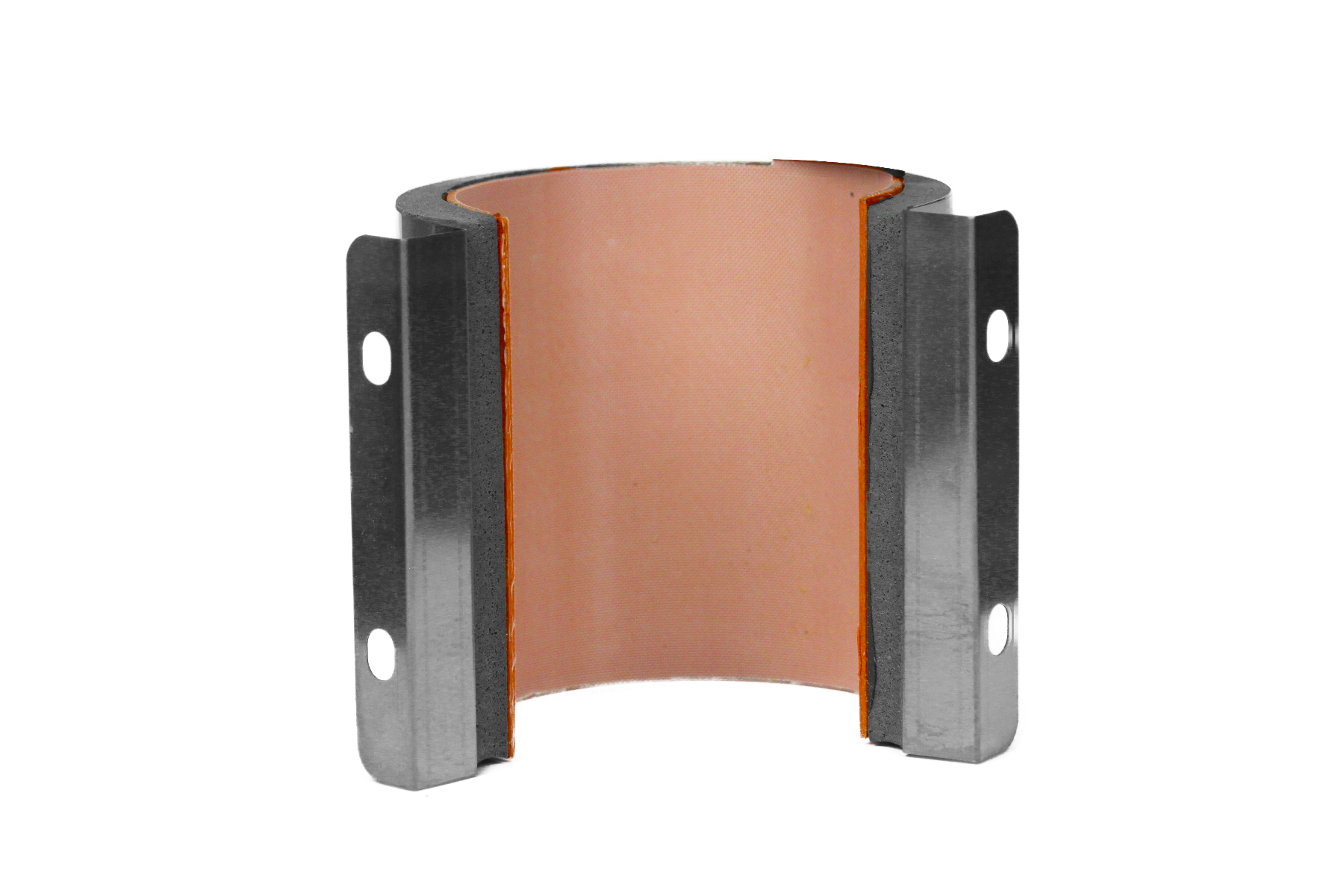
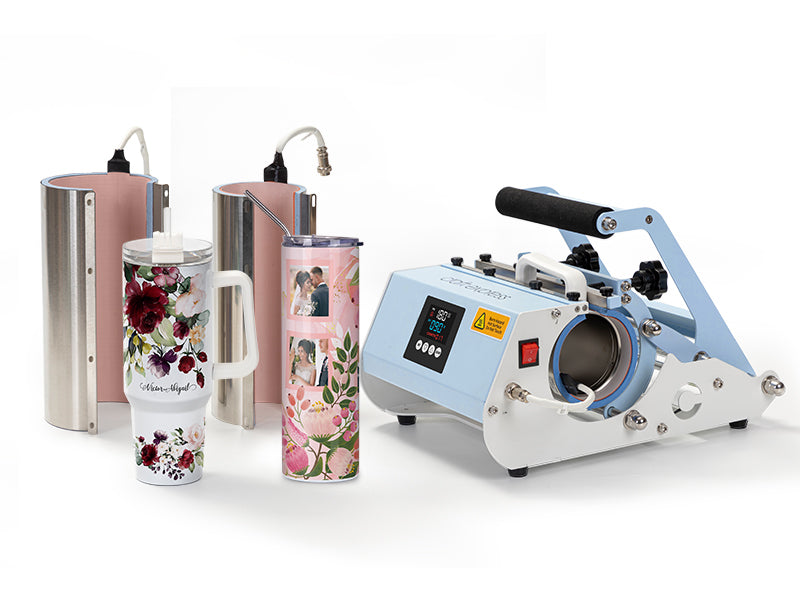
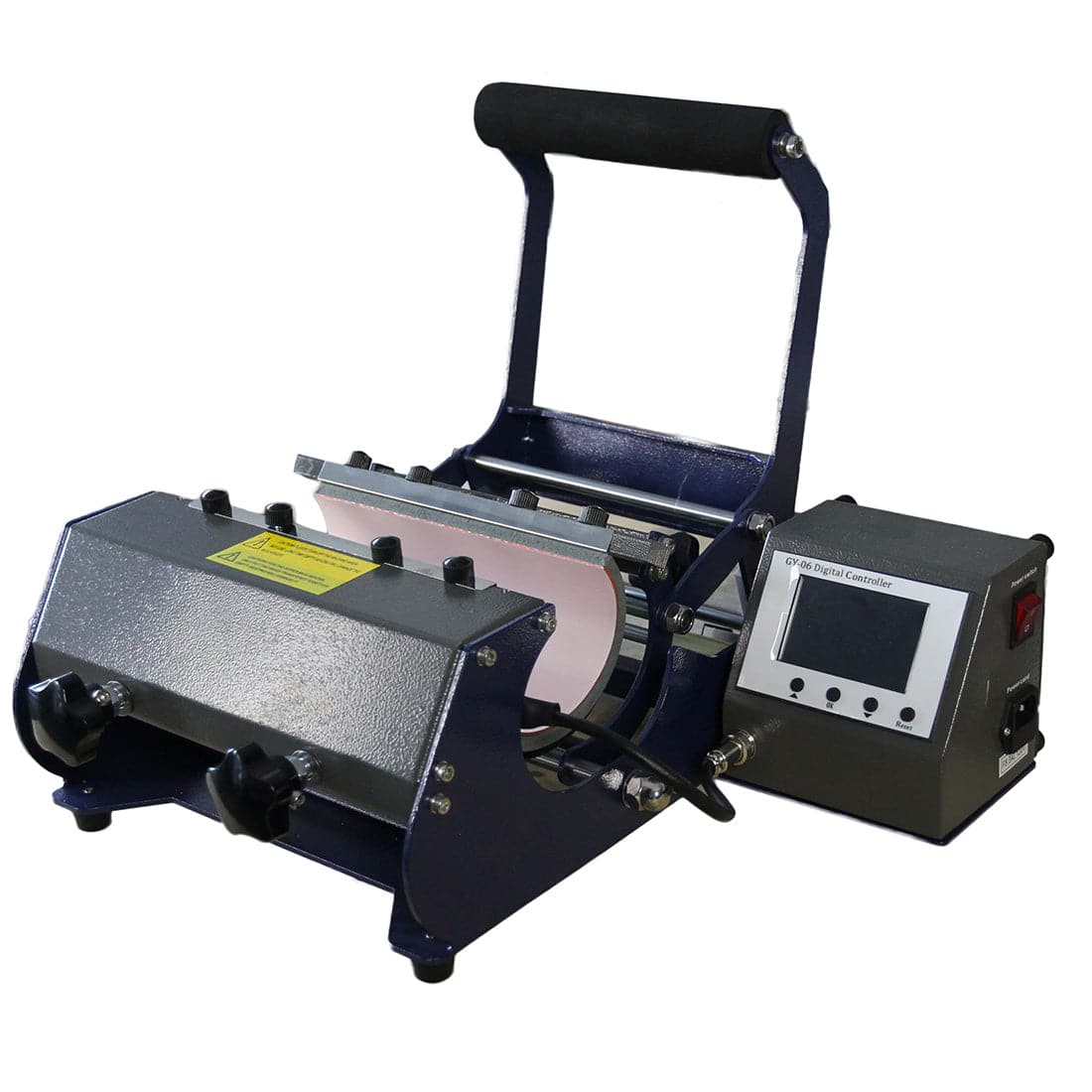
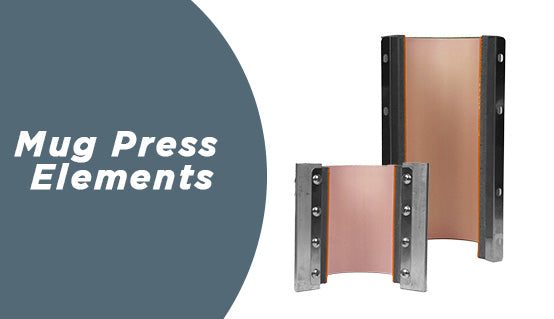
Mug presses are the go-to solution for turning plain drinkware into standout products. Their curved heating elements are built to wrap designs evenly around the surface, ensuring sharp edges and bold colors that last.

Ideal for coffee mugs, travel cups, and specialty drinkware, these machines simplify the sublimation process so you can achieve consistent results every time.

They heat quickly, maintain stable temperatures, and offer adjustable settings to handle different sizes and materials with ease. Compact yet powerful, mug presses are a smart fit for home studios as well as professional shops.

Whether producing small personalized gifts or fulfilling larger promotional orders, they keep workflows smooth and efficient. With dependable performance, local stock, and Joto’s expert support, this collection makes it simple to expand your business while delighting customers with drinkware they will love to use daily.

Filter

15 products

  • Sort by

Frequently Asked Questions:

What is a mug press and what types of products can it decorate?

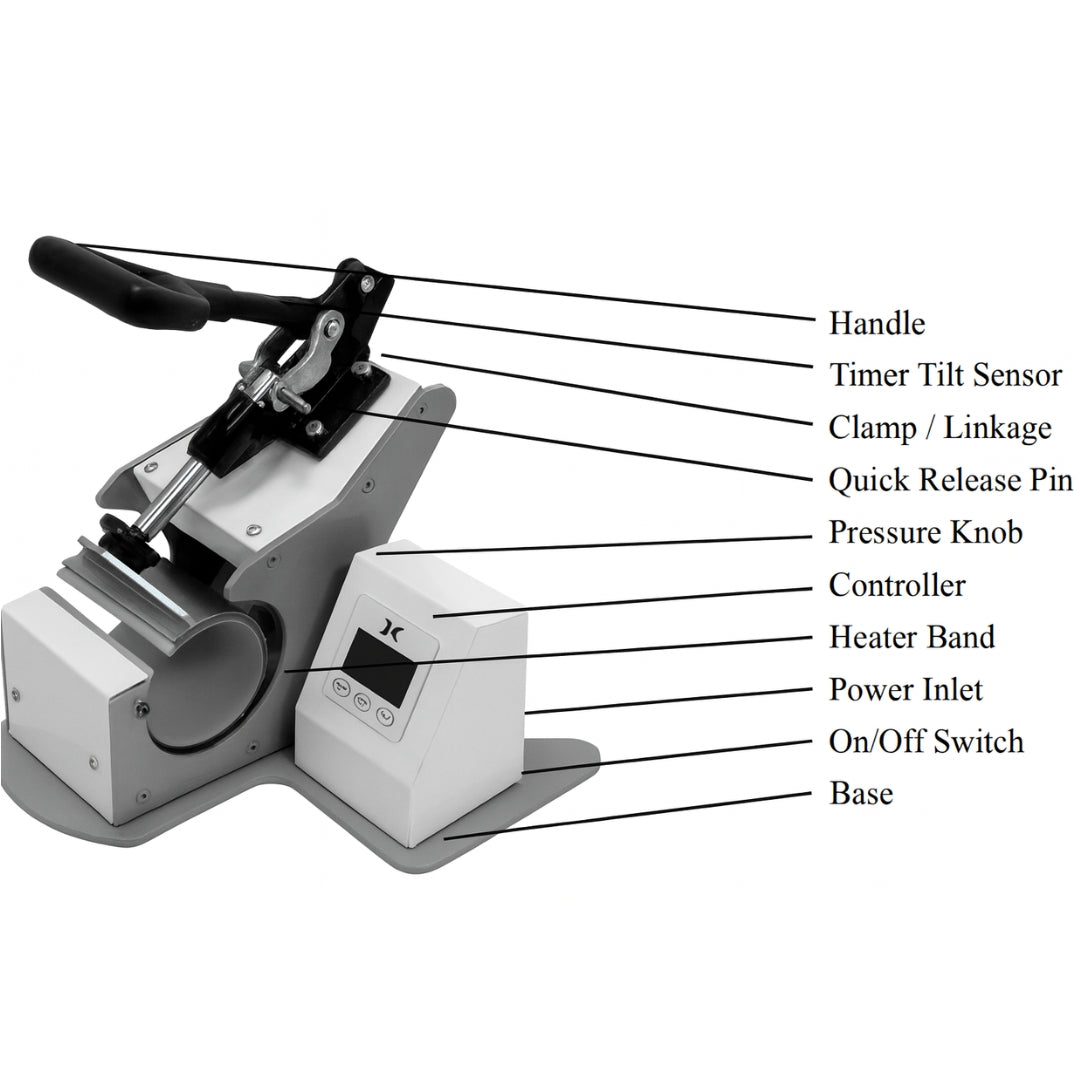
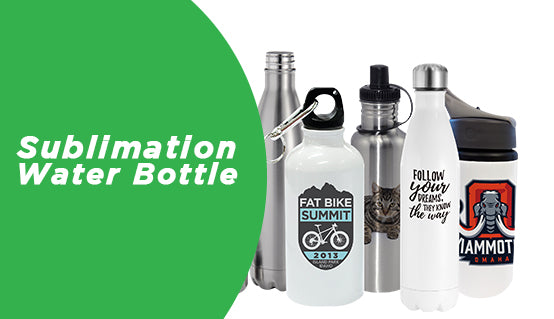
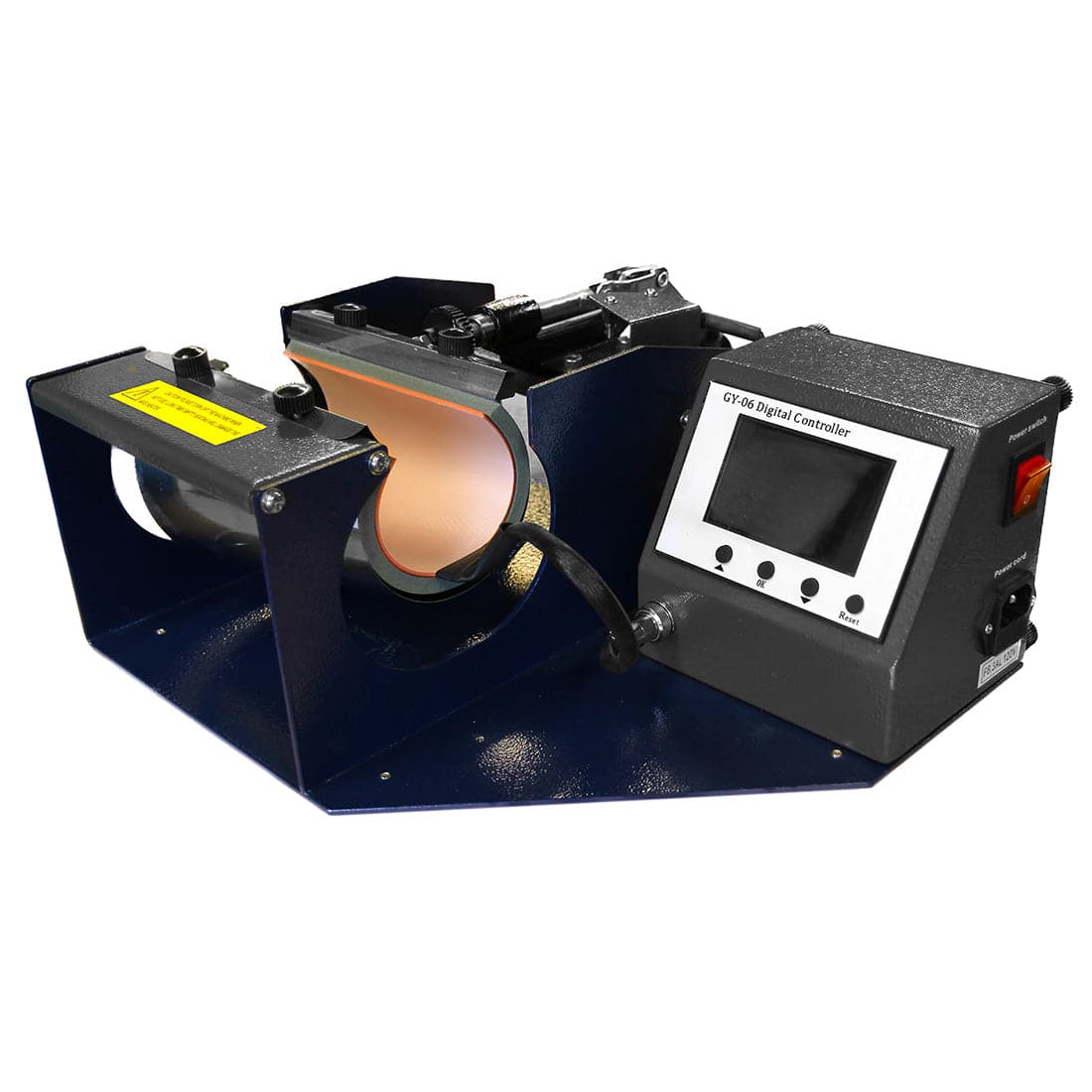
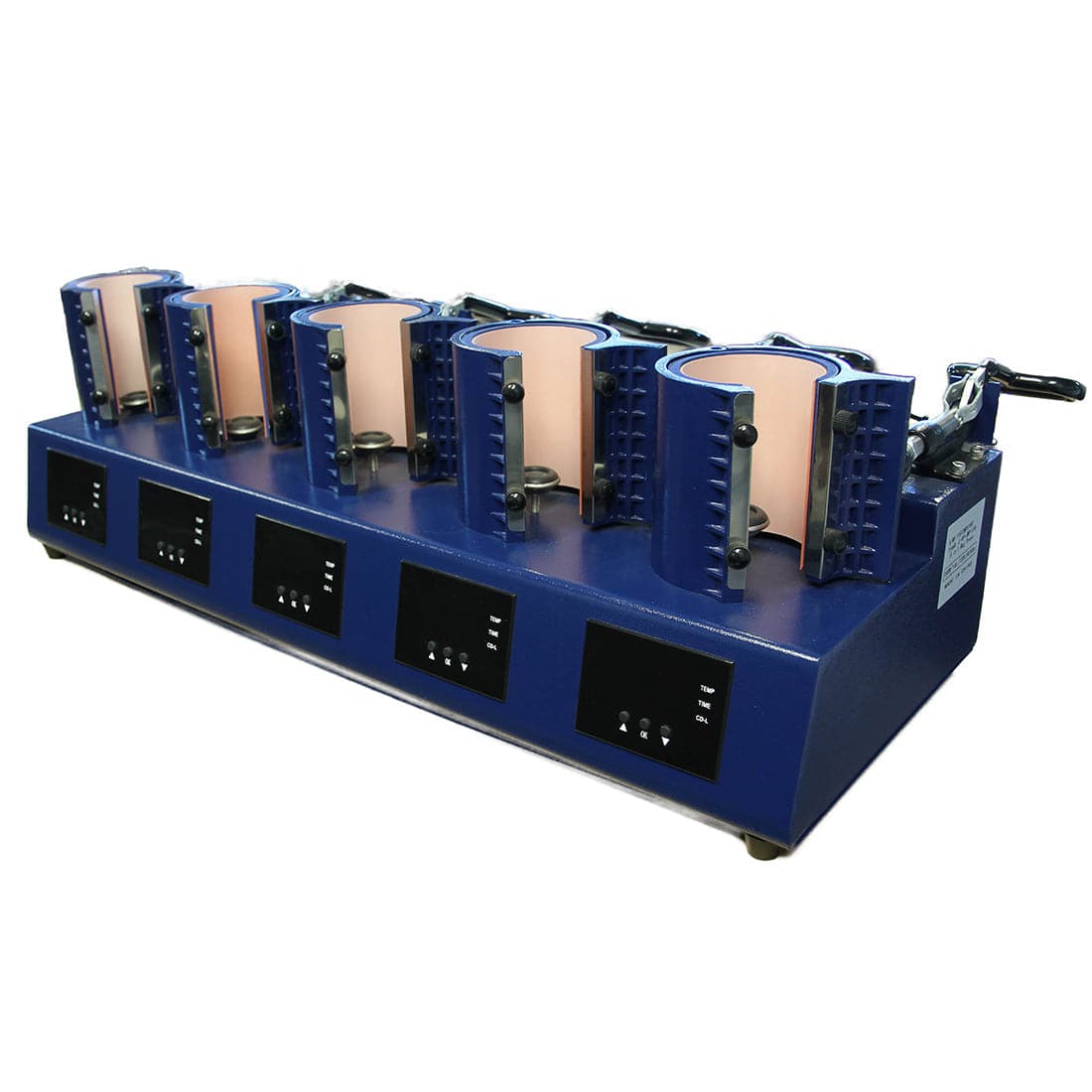
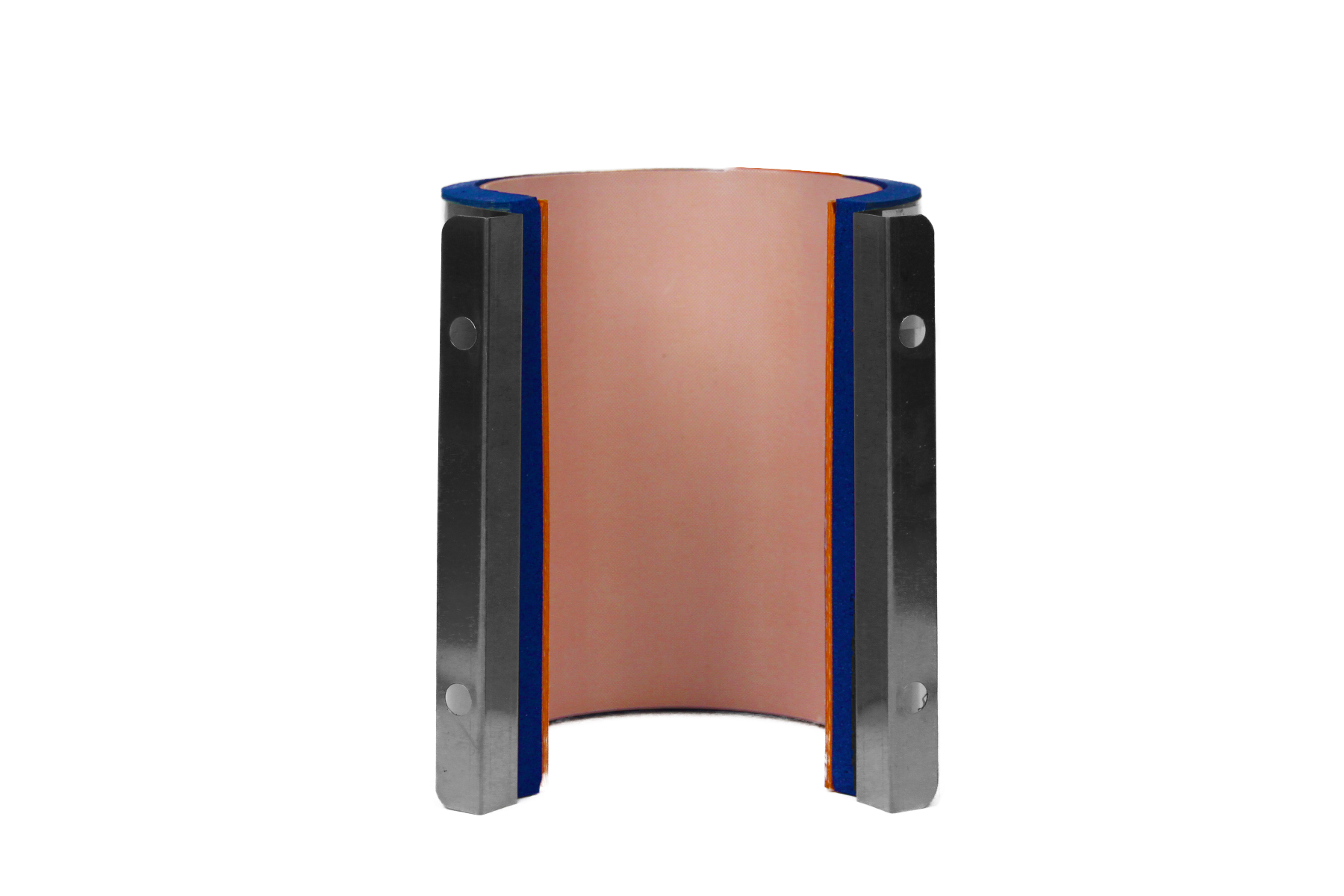
A mug press is a cylindrical heat press designed to wrap around drinkware and apply heat and pressure for sublimation transfers. Standard mug presses handle 11oz and 15oz ceramic mugs, while multi-element models include attachments for latte mugs, tapered mugs, beer steins, and sublimation-coated water bottles. The result is a permanent, dishwasher-safe full-wrap print.

What temperature and time settings should I use to sublimate an 11oz white ceramic mug?

For a standard 11oz white ceramic mug, set your mug press to 375–400°F (190–204°C) for 180–210 seconds (3–3.5 minutes). Press time varies by mug coating brand and element condition — run a test mug first and check for full color saturation and sharp edges before running production. Thin spots in the element cause hot/cold zones that show up as faded areas in the print.

Is a mug press compatible with stainless steel tumblers and polymer-coated drinkware?

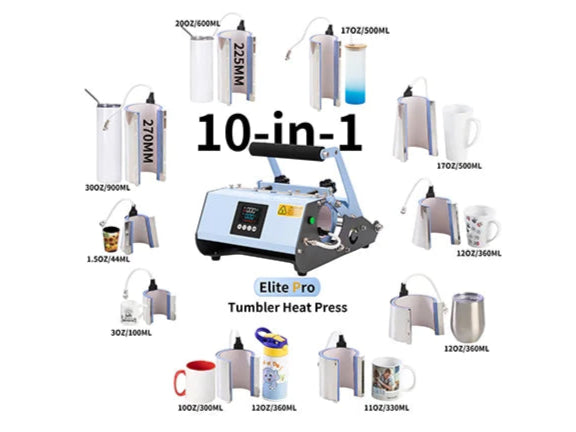
Standard mug presses fit ceramic mugs but are not designed for stainless steel tumblers, which require a silicone wrap pressed in a convection oven or a tumbler-specific press attachment. Polymer-coated ceramic mugs sublimate well in a standard mug press; uncoated stainless steel does not accept sublimation dye under any conditions.

Why is my sublimated mug coming out with a white streak or unprinted band around it?

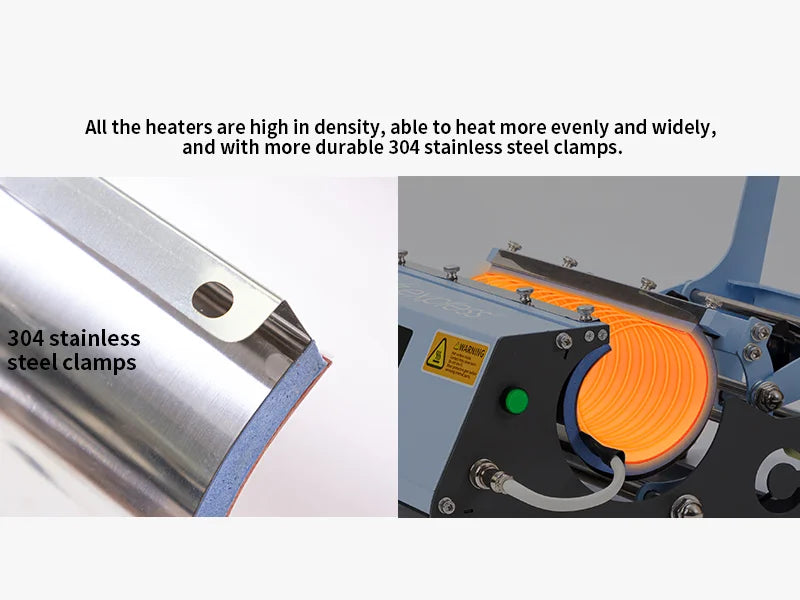
A white streak or unprinted band is the most common mug press problem and is caused by a worn or damaged heating element that has a cold spot at that location. Test with a temperature strip around the full element to identify the low-heat zone. Element replacement is straightforward on most mug press models and is the only permanent fix for uneven heat distribution.

Are sublimated mugs dishwasher safe, and how many cycles will the print survive?

Sublimation prints on quality ceramic mugs with proper polymer coating are dishwasher safe and typically withstand 100–200 dishwasher cycles before showing visible fading. Top-rack washing at lower temperatures extends print life. Mugs with a thin or low-quality coating may show fading within 20–30 cycles — the substrate coating quality matters more than the press or ink for long-term durability.

How many mugs per hour can a small print shop produce with a single mug press?

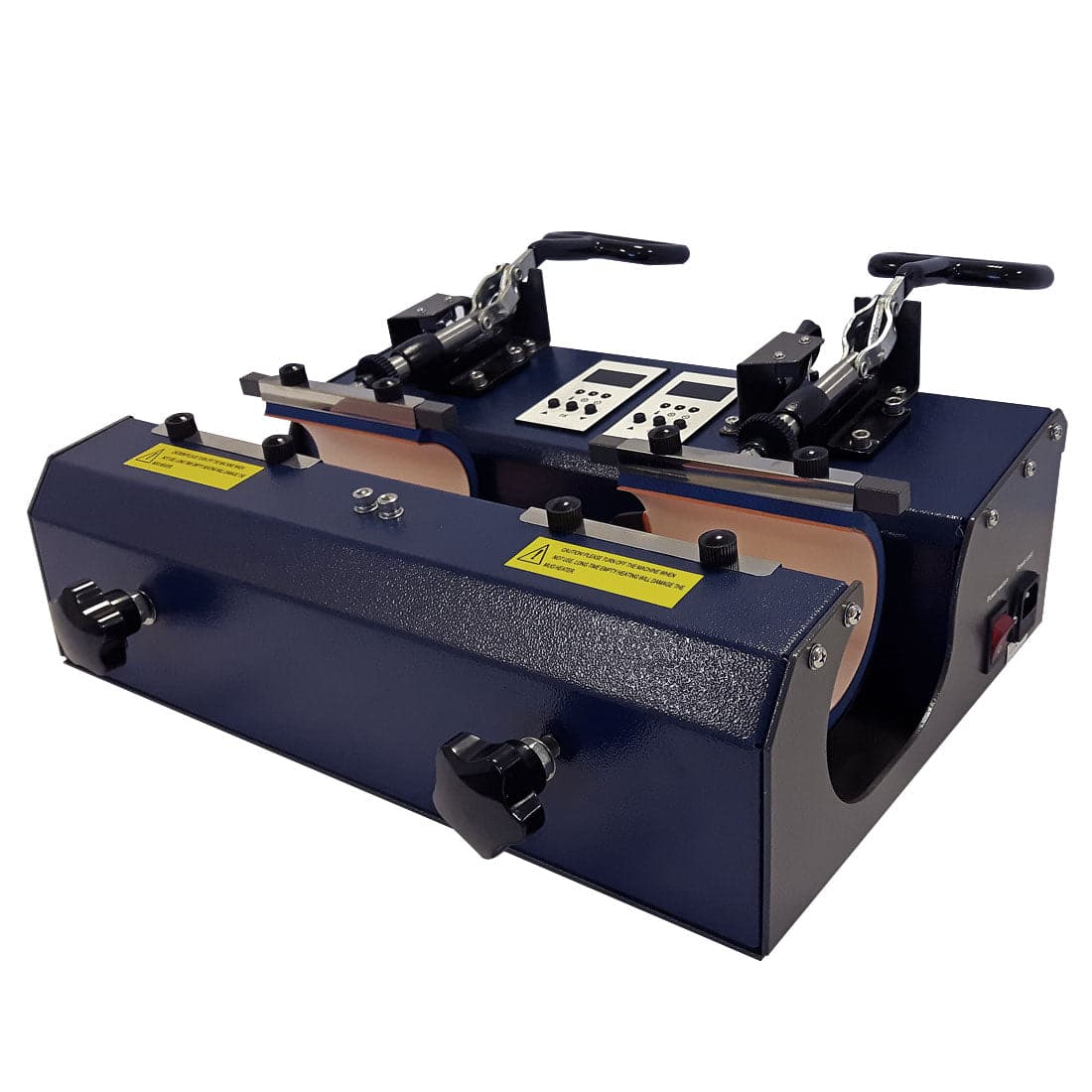
A standard single-element mug press produces approximately 15–20 mugs per hour accounting for loading, pressing (3.5 minutes), unloading, and cooling. A 6-in-1 or multi-element mug press running simultaneously can produce 40–60 mugs per hour. For shops doing over 100 mugs per day, investing in multiple presses or a rotary mug press significantly improves throughput and profitability.

What is the trick to getting a seamless full-wrap print with no white gap at the seam?

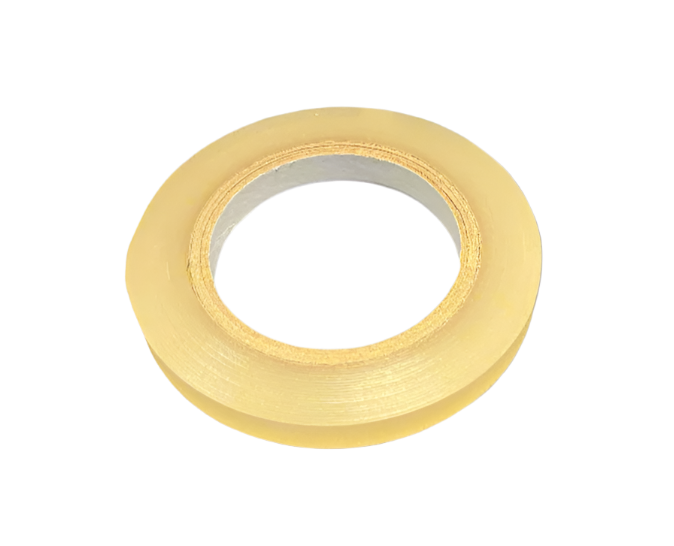
Print your mug wrap design 1–2mm wider than the mug's printable circumference on each side so the design slightly overlaps at the seam. When wrapping the transfer paper, start at the handle side where any minor gap or overlap will be least visible. Secure both edges firmly with heat-resistant tape and ensure the paper sits flat with no air bubbles before pressing.

What is the difference between a basic mug press and a pneumatic or auto-release model?

Basic mug presses require manual clamping and timing — the operator must monitor and release each mug. Pneumatic models clamp with air pressure, delivering more consistent force across all mugs and removing operator fatigue from the equation. Auto-release models add a timer-triggered opening, eliminating over-press errors entirely. For a shop pressing more than 50 mugs daily, the consistency and efficiency gains from pneumatic or auto-release justify the price premium.
Are the heating elements in mug presses certified to North American electrical safety standards?

Mug presses sold through Joto Imaging Supplies are compatible with standard Canadian 110V power. Look for UL or CSA certification marks on the press to confirm North American electrical safety compliance. Uncertified presses from unverified sources can pose fire and shock risks — always purchase from a reputable supplier and verify certification before use in a commercial workspace.

How do I maintain a mug press element to extend its lifespan and prevent uneven heating?

After each production session, allow the element to cool completely before wiping it with a dry cloth to remove any sublimation ink residue or paper fibres. Never use water or solvent cleaners on a hot element. Inspect the element monthly for cracks, discoloration, or areas that appear worn — replace the element at the first sign of uneven heating rather than waiting for it to fail completely and ruin a production run.

Drawer Title
Similar Products