











Skip to content
en
CAD

20% Off on premium paper

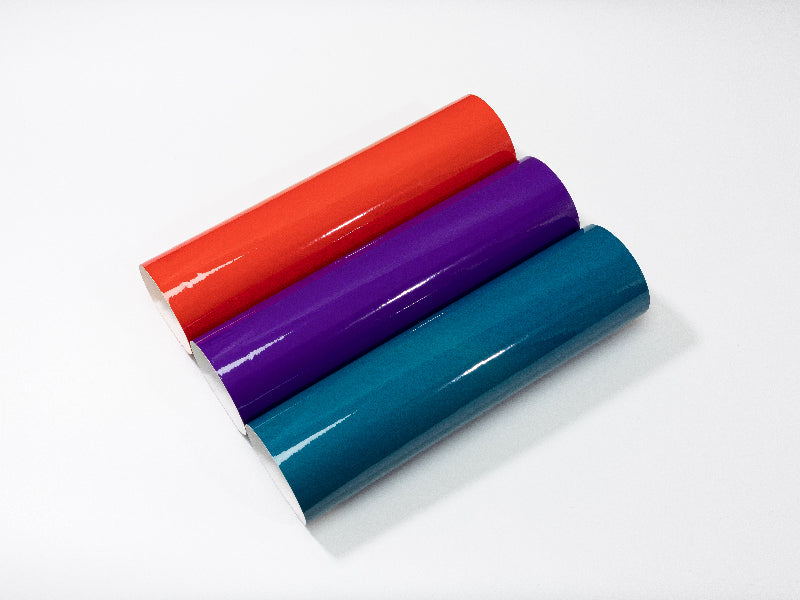
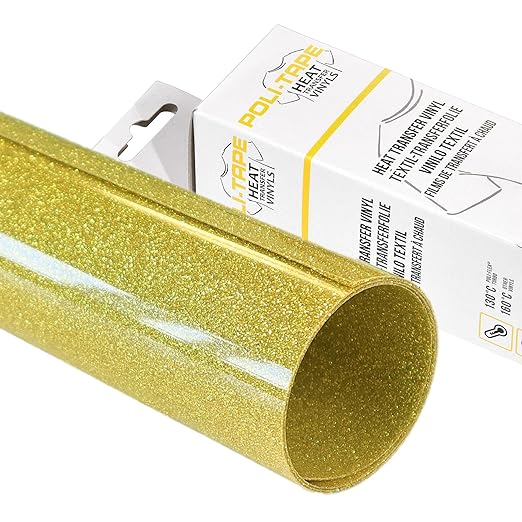
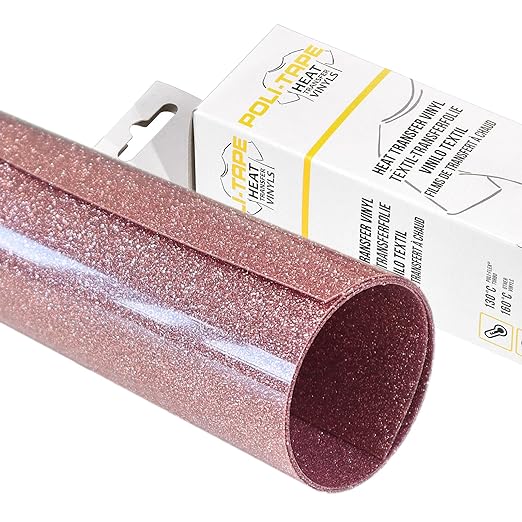
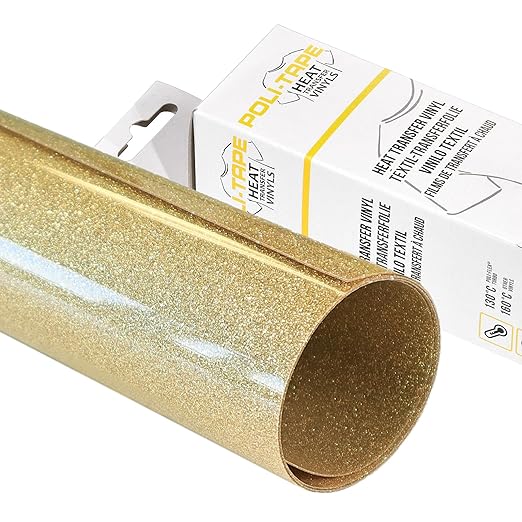
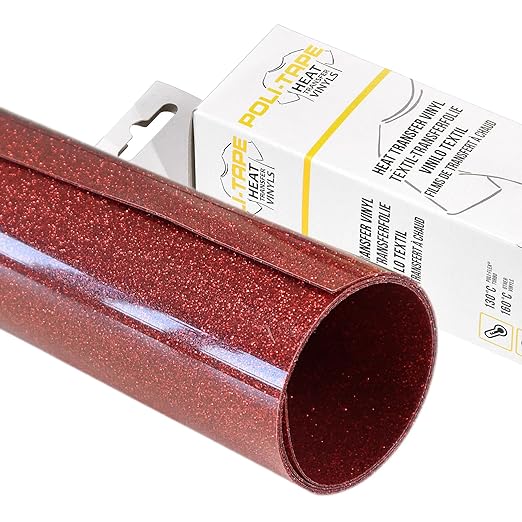
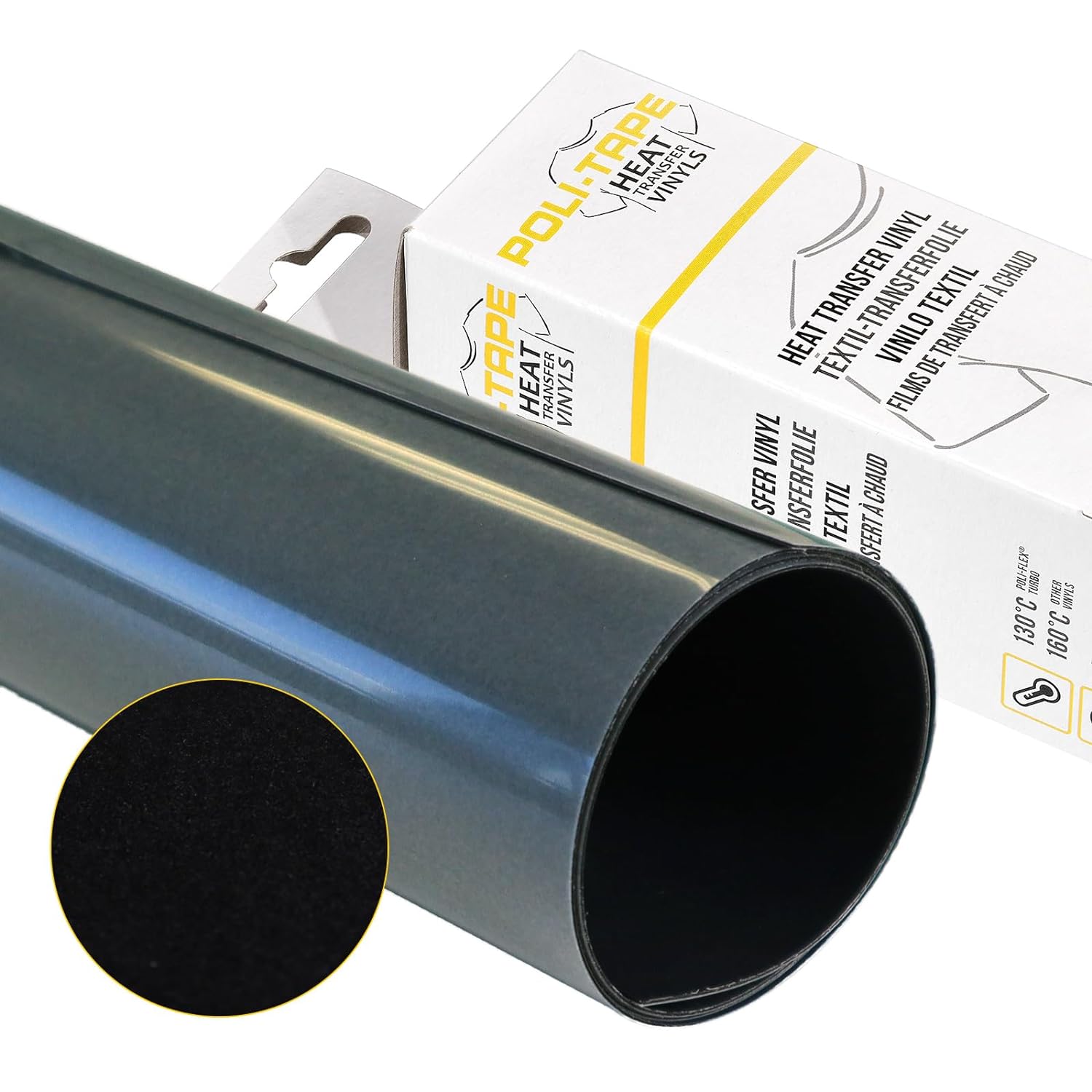
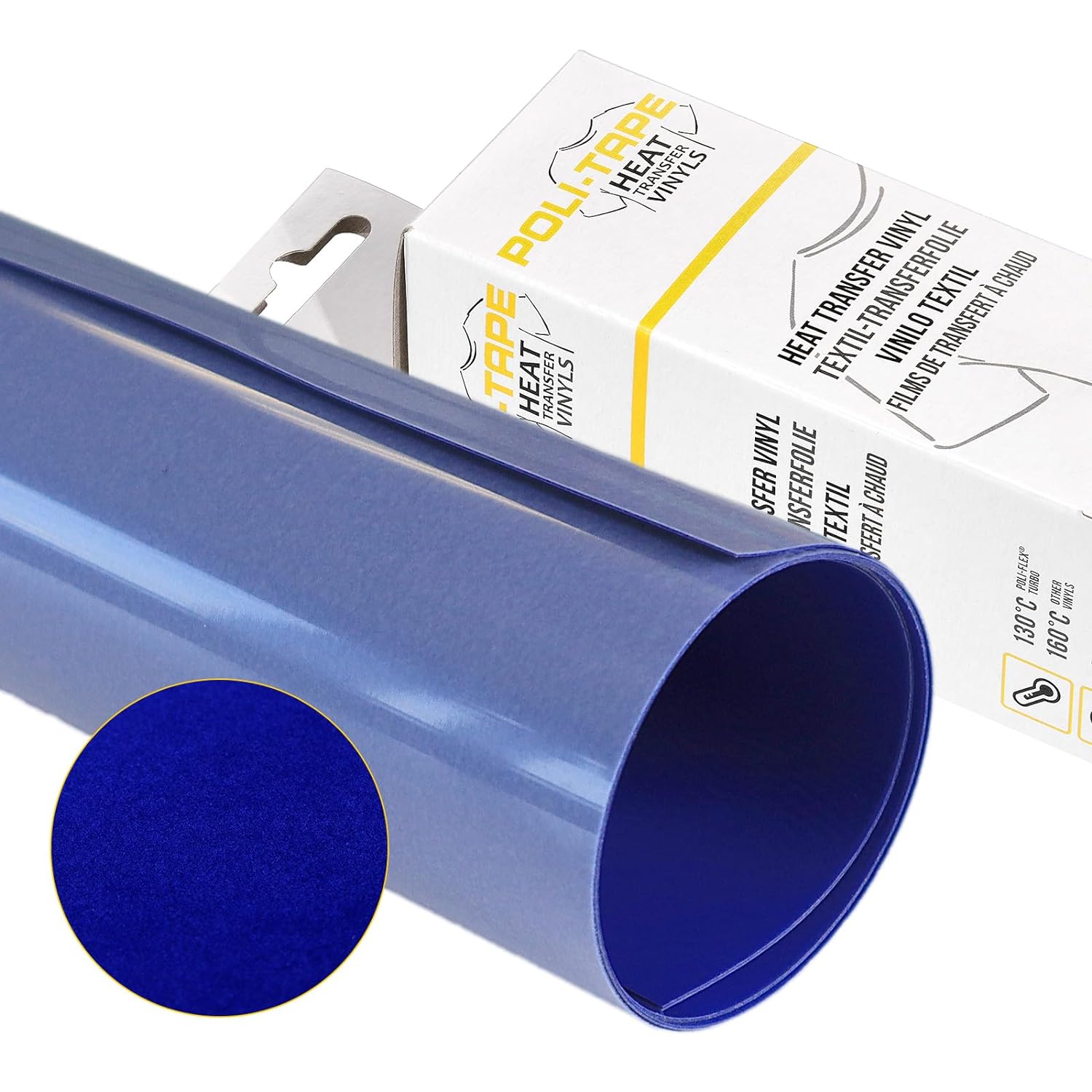
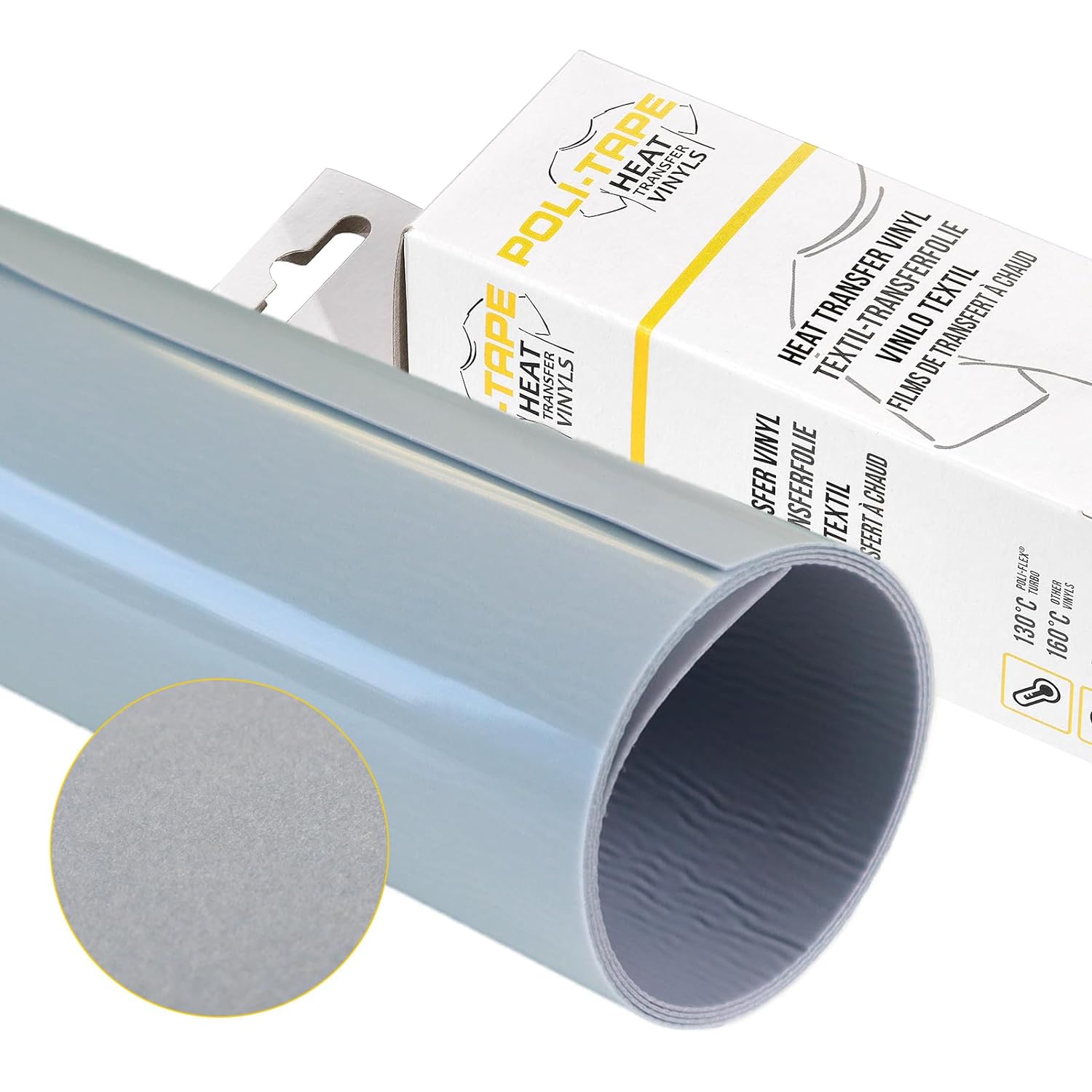
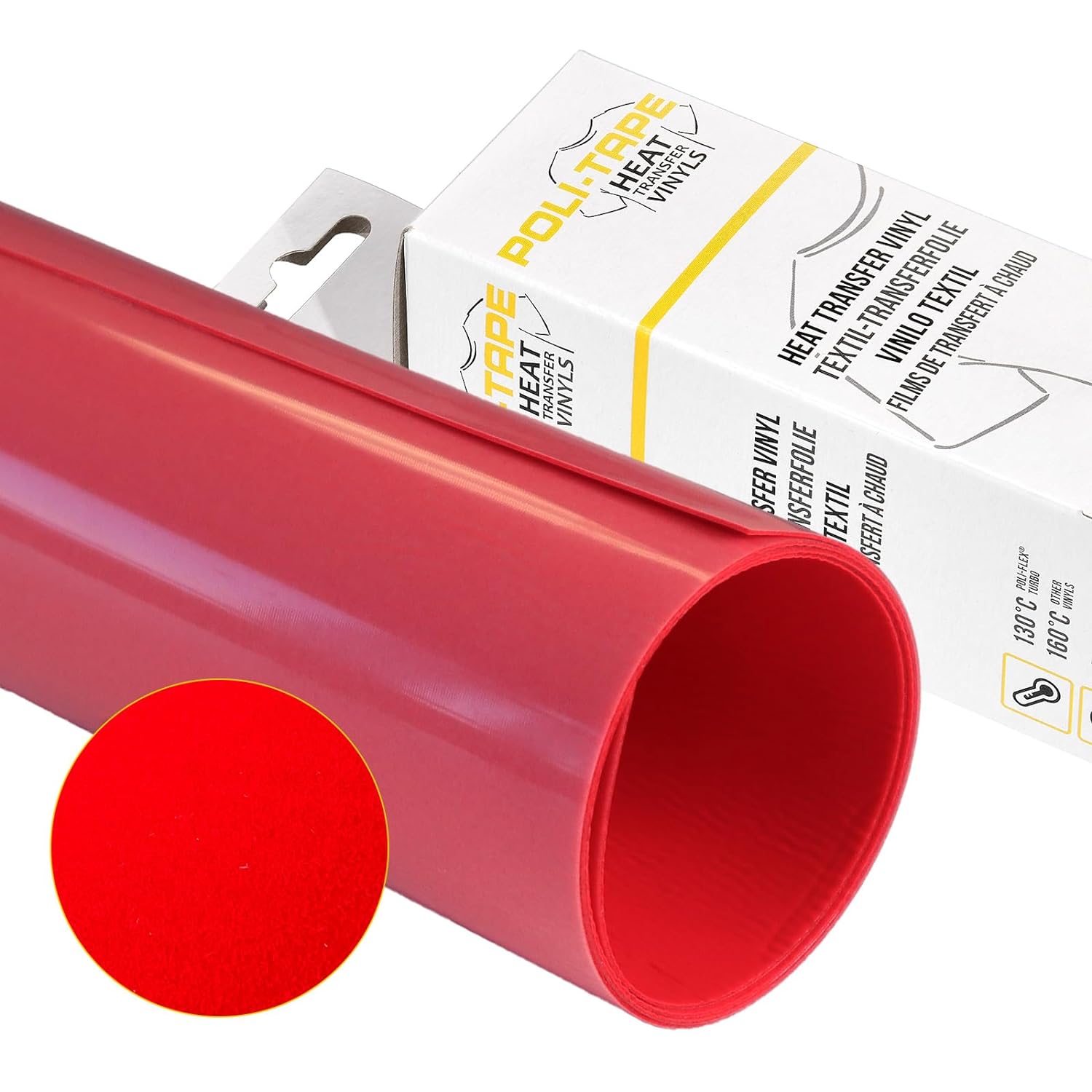
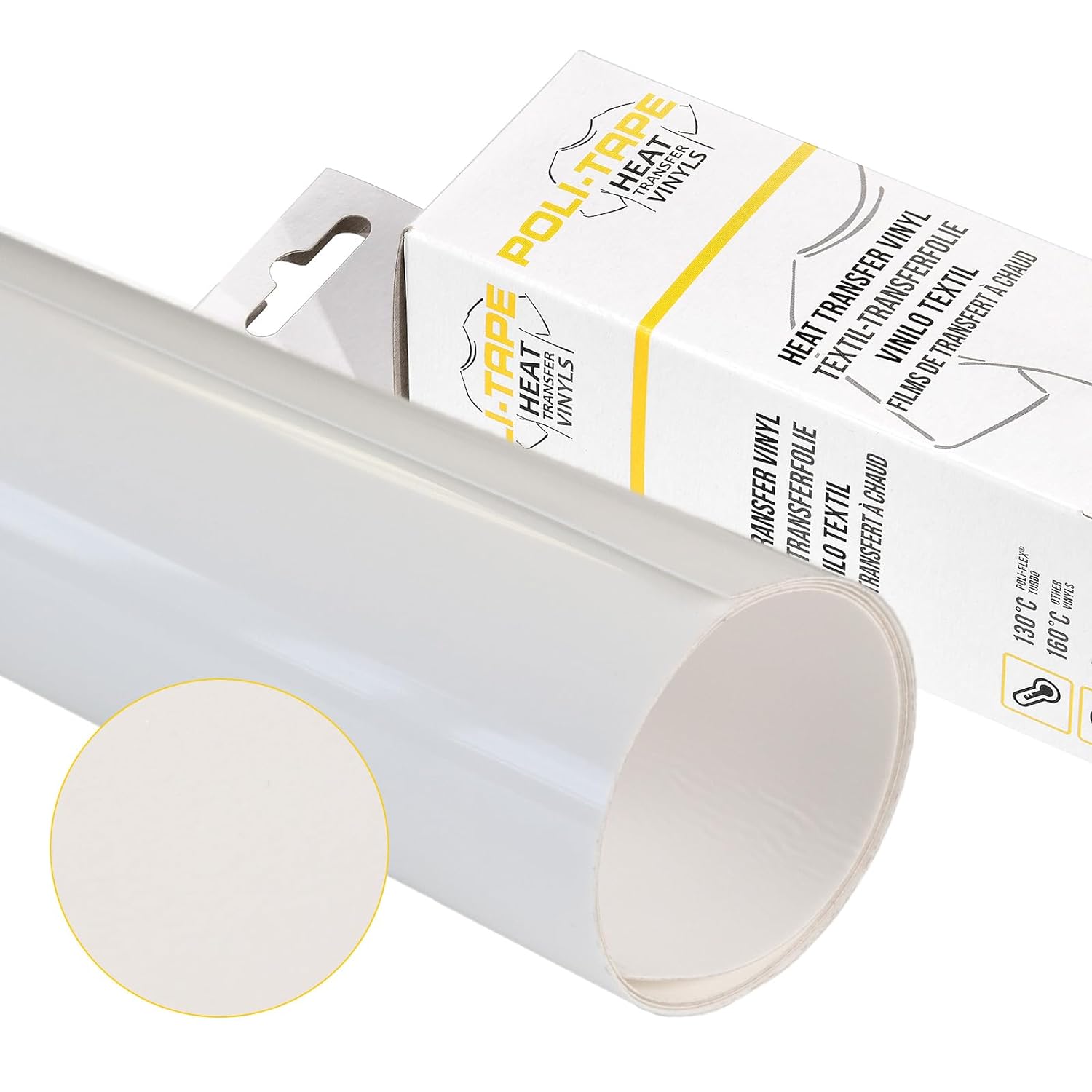
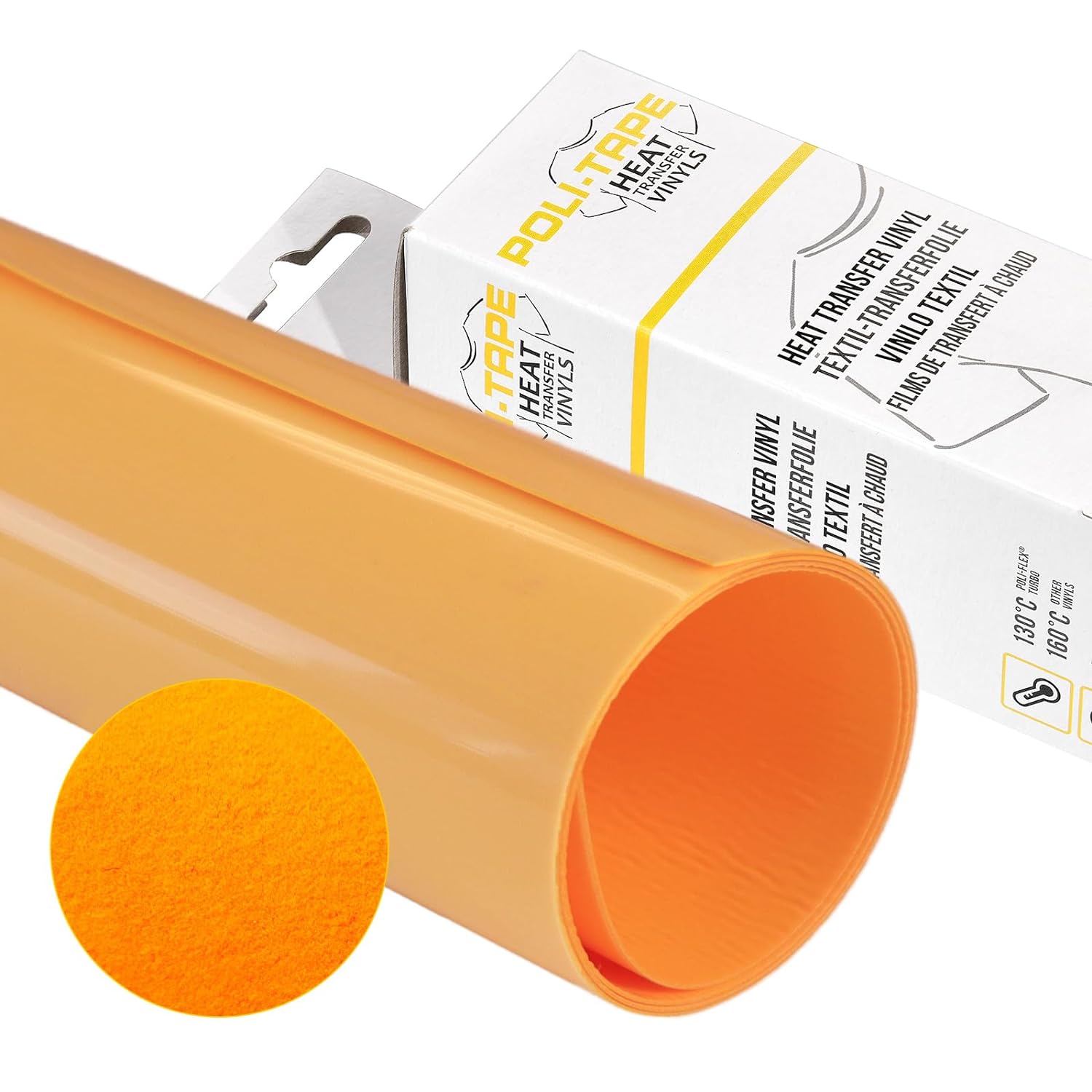
Cuttable Heat Transfer Vinyls

Cuttable Heat Transfer Vinyls – Precision Vinyl for Custom Apparel

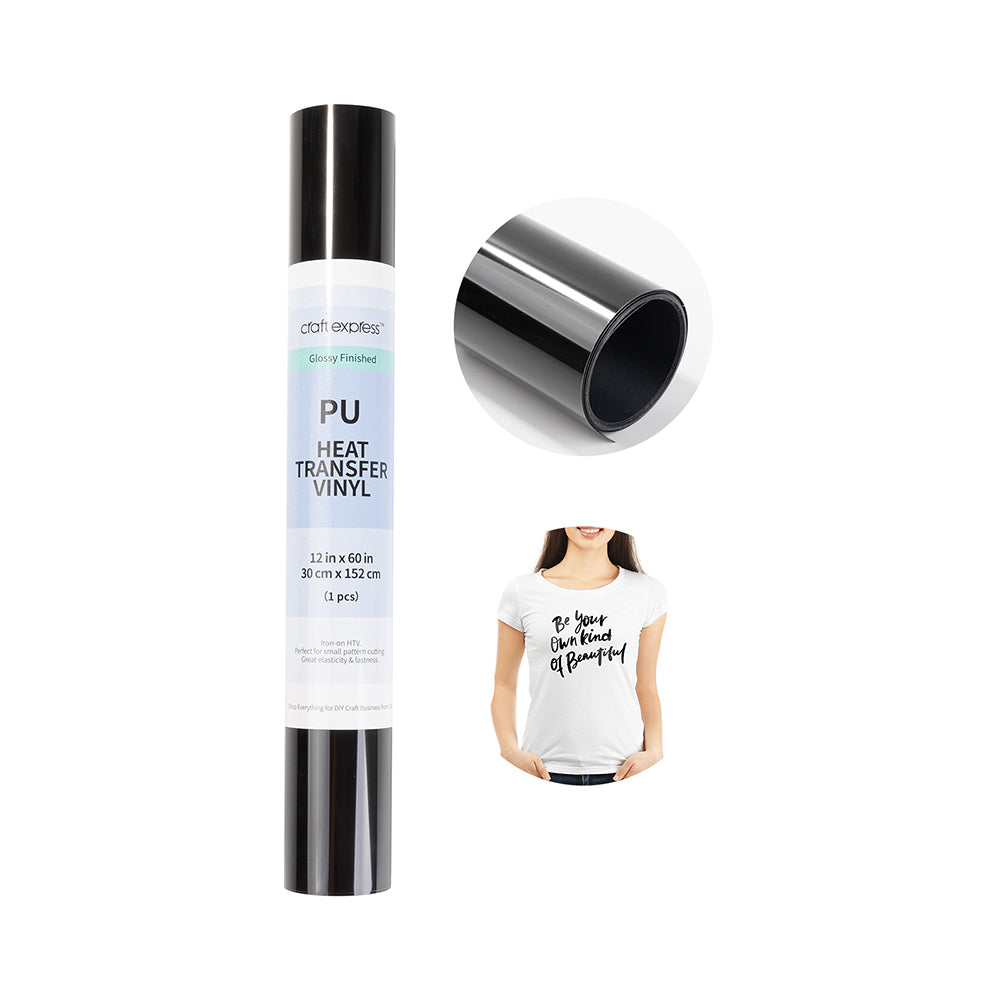
Create vibrant, professional-quality designs with our premium Cuttable (HTV). Perfect for custom apparel, accessories, and promotional products, these vinyls are engineered for easy cutting, weeding, and long-lasting results.

Why Choose Our Cuttable Transfer Vinyls:

  • Smooth, Precise Cutting – Designed for clean, accurate cuts even on intricate designs.

  • Easy Weeding & Application – Effortless to handle and transfer with a heat press or home iron.

  • Durable & Wash-Resistant – Strong adhesion keeps designs bright and intact wash after wash.

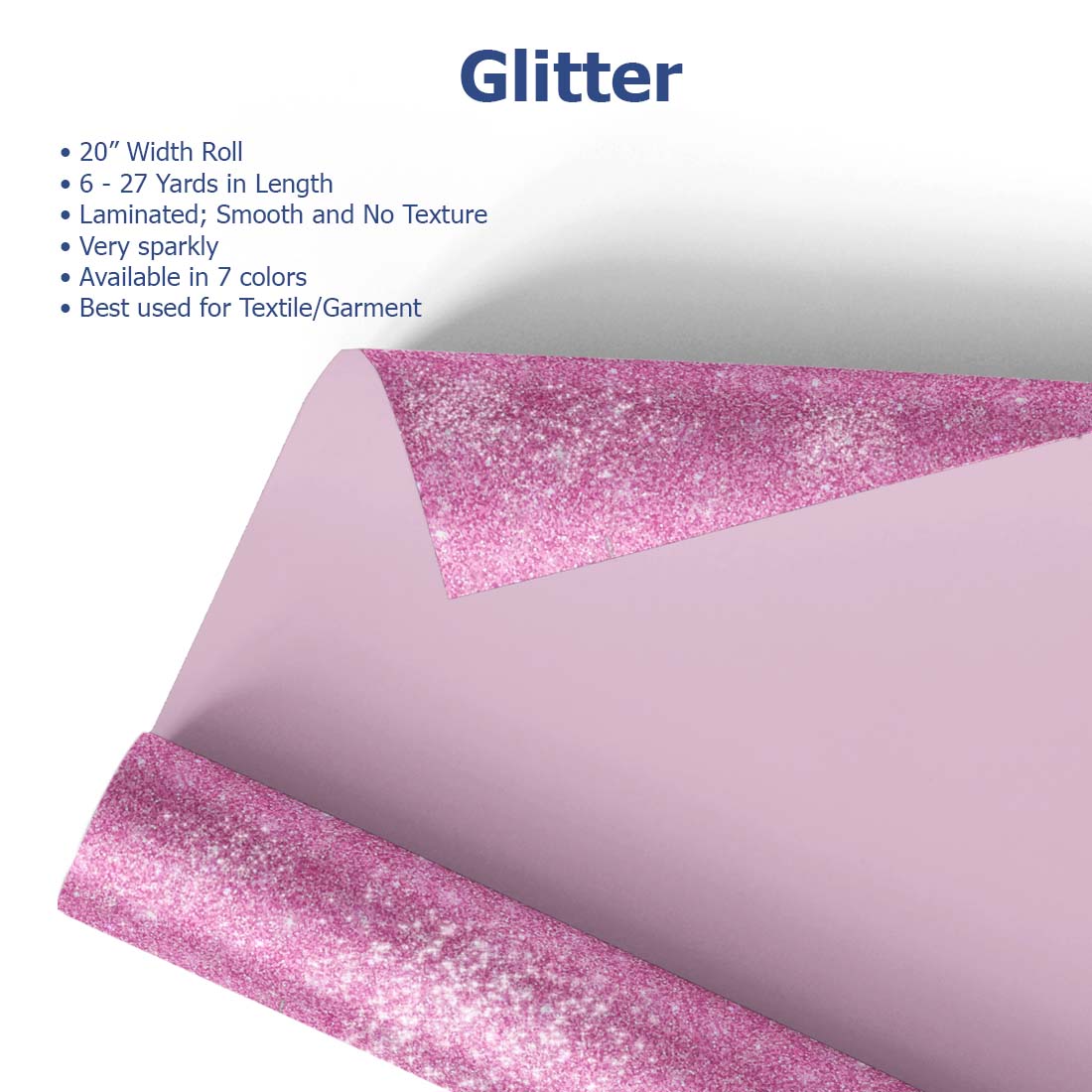
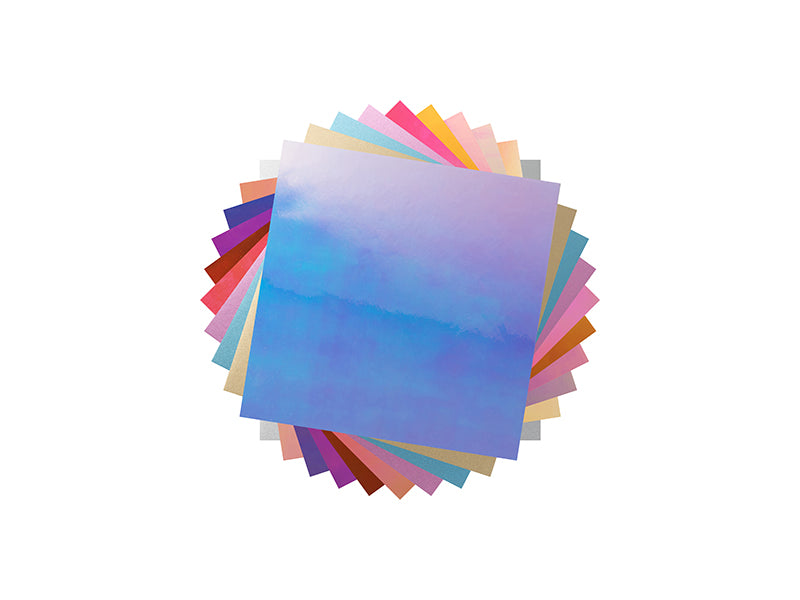
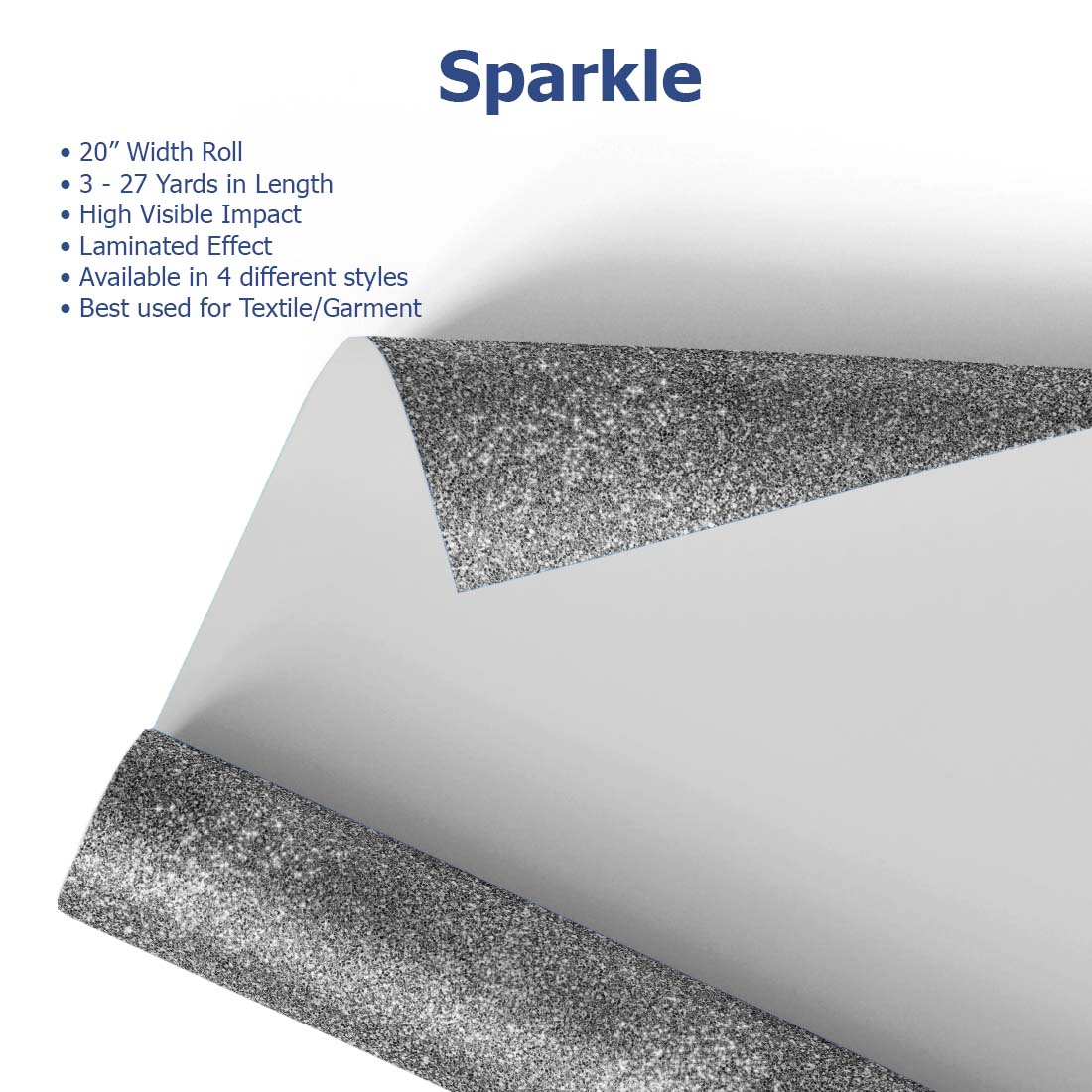
  • Wide Range of Colors & Finishes – Choose from matte, glossy, glitter, and specialty effects to fit any project.

Whether you’re personalizing t-shirts, team uniforms, or creating promotional products, our Cuttable Heat Transfer Vinyls give you the flexibility and professional quality you need. Shop now and bring your designs to life with brilliant, lasting color!
Filter

23 products

  • Sort by

Frequently Asked Questions:

What is cuttable heat transfer vinyl and who is it best suited for?

Cuttable HTV is a solid-color vinyl material cut into shapes or text using a vinyl cutter before being heat pressed onto fabric. It is ideal for hobbyists creating personalized gifts, small print shops producing team apparel, and businesses needing single-color or layered designs without a full-color printer.

What temperature, pressure, and dwell time produce the best adhesion on cotton?

For most standard cuttable HTV on 100% cotton, press at 305–320°F (152–160°C) for 10–15 seconds at firm pressure. Specialty finishes like glitter or metallic may require 320–340°F for 15–20 seconds — always verify with the manufacturer data sheet for that specific finish.

Is cuttable HTV compatible with all fabric types, or are there limitations?

Cuttable HTV adheres well to cotton, polyester, cotton-poly blends, canvas, and nylon. Pure polyester requires lower temperatures to avoid scorching, and 100% nylon may need specialty adhesive HTV. It does not bond reliably to untreated leather or heavily textured fabrics without a specialty formula.

Why is my HTV lifting at the edges after washing, and how do I fix it?

Edge lifting is typically caused by insufficient pressure, too-short dwell time, or pressing on a wrinkled surface. Ensure the garment is pre-pressed for 3–5 seconds to remove moisture and wrinkles, apply firm even pressure, and avoid stretching the fabric while it cools after pressing.

How many wash cycles can a cuttable HTV design survive before showing wear?

A correctly applied cuttable HTV transfer on cotton can withstand 50+ wash cycles. Wash the garment inside out in cold water on a gentle cycle and tumble dry on low. Avoid ironing directly on the design — use a pressing cloth or press from the inside if touch-up is needed.

Can a small print shop reduce material waste and improve cost-per-print with cuttable HTV?

Yes — nesting designs tightly in your cutting software is the single biggest cost-saver. Use a roll feeder to minimize offcuts, batch cut the same color across multiple jobs before changing the vinyl sheet, and track yield per roll to identify waste patterns. These habits can reduce material cost by 15–25% per job.

What is the professional trick for getting perfectly aligned layered HTV designs?

Print a placement guide on regular paper using your design software, place it under the garment to mark reference points, and use heat-resistant tape to anchor each layer before pressing. Press the bottom layer first, let it cool completely, then position the next layer using the guide. This eliminates guesswork and misalignment on layered multi-color designs.

What is the difference between standard cuttable HTV and stretch HTV, and when should I choose stretch?

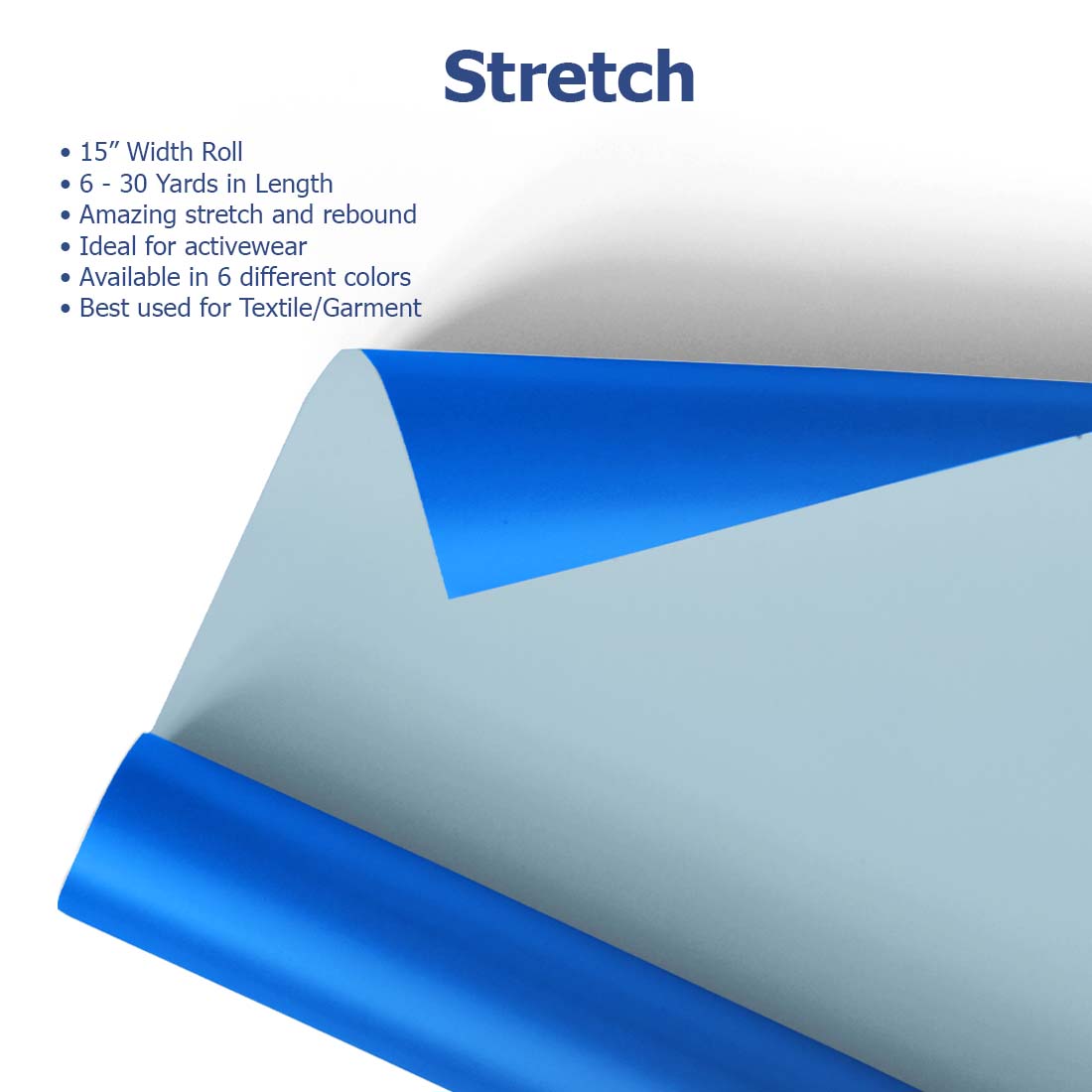
Standard cuttable HTV is rigid and best for flat, stable fabrics. Stretch HTV contains elastomers that allow it to flex without cracking, making it the right choice for athletic wear, spandex, yoga pants, and any garment that stretches significantly during wear. Using standard HTV on stretch fabric leads to cracking after a few wears.

Is cuttable HTV safe for children's clothing, and does it contain harmful chemicals?

Reputable cuttable HTV brands are formulated to be free of phthalates, lead, and other restricted substances, and many carry CPSIA compliance for children's apparel. Always verify compliance certifications with the specific brand you purchase and check the product safety data sheet before decorating children's garments.

How should I store unused cuttable HTV rolls to prevent curling and adhesion loss?

Store HTV rolls vertically or flat in a cool, dry environment between 60–75°F (15–24°C), away from direct sunlight and humidity. Keep the vinyl in its original packaging or resealable bag to protect the adhesive backing. Avoid stacking heavy items on top of rolls, which can cause permanent curl and uneven cutting.

Drawer Title
Similar Products