

















Skip to content
en
CAD

Bloom Your Business Into Profit

Label Presses

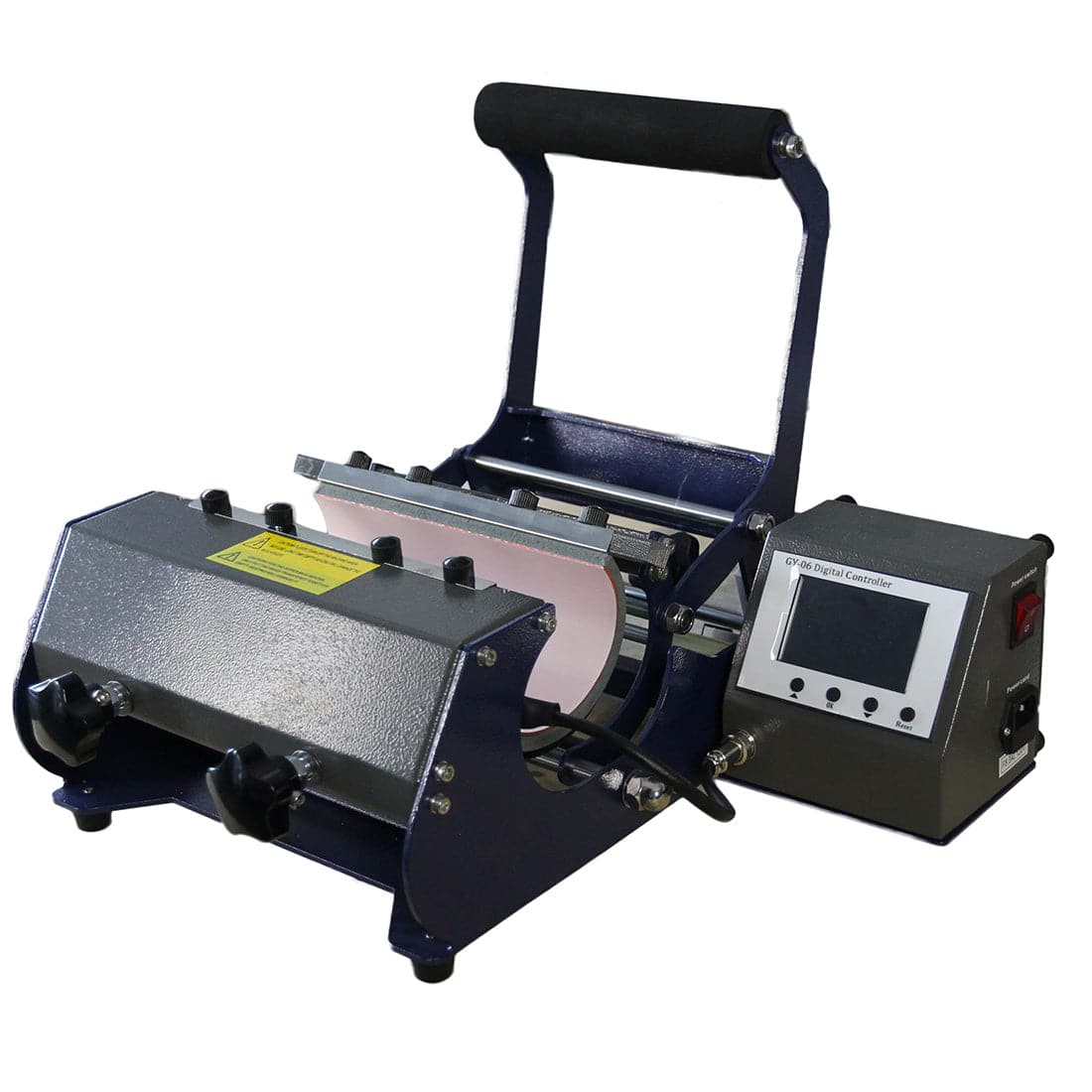
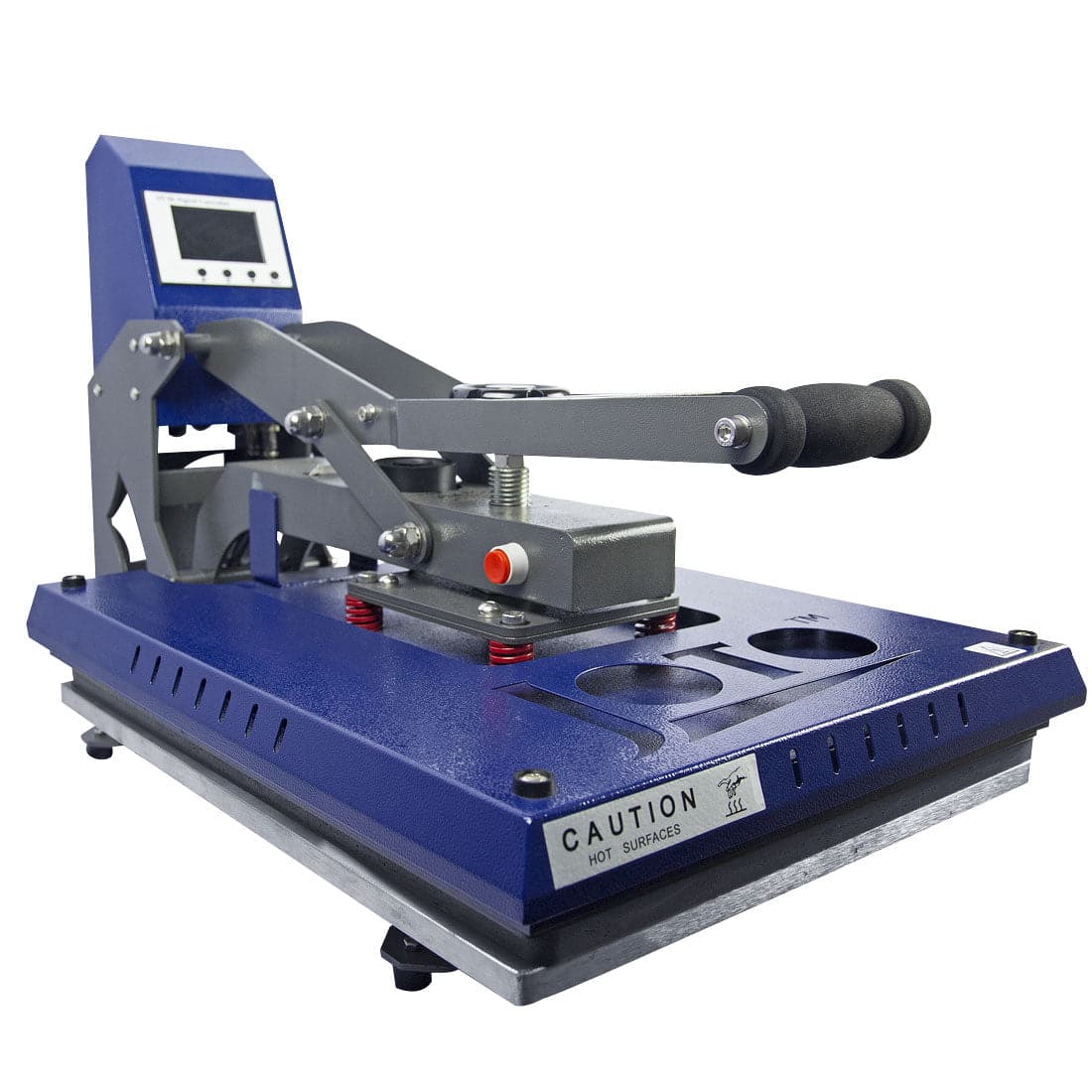
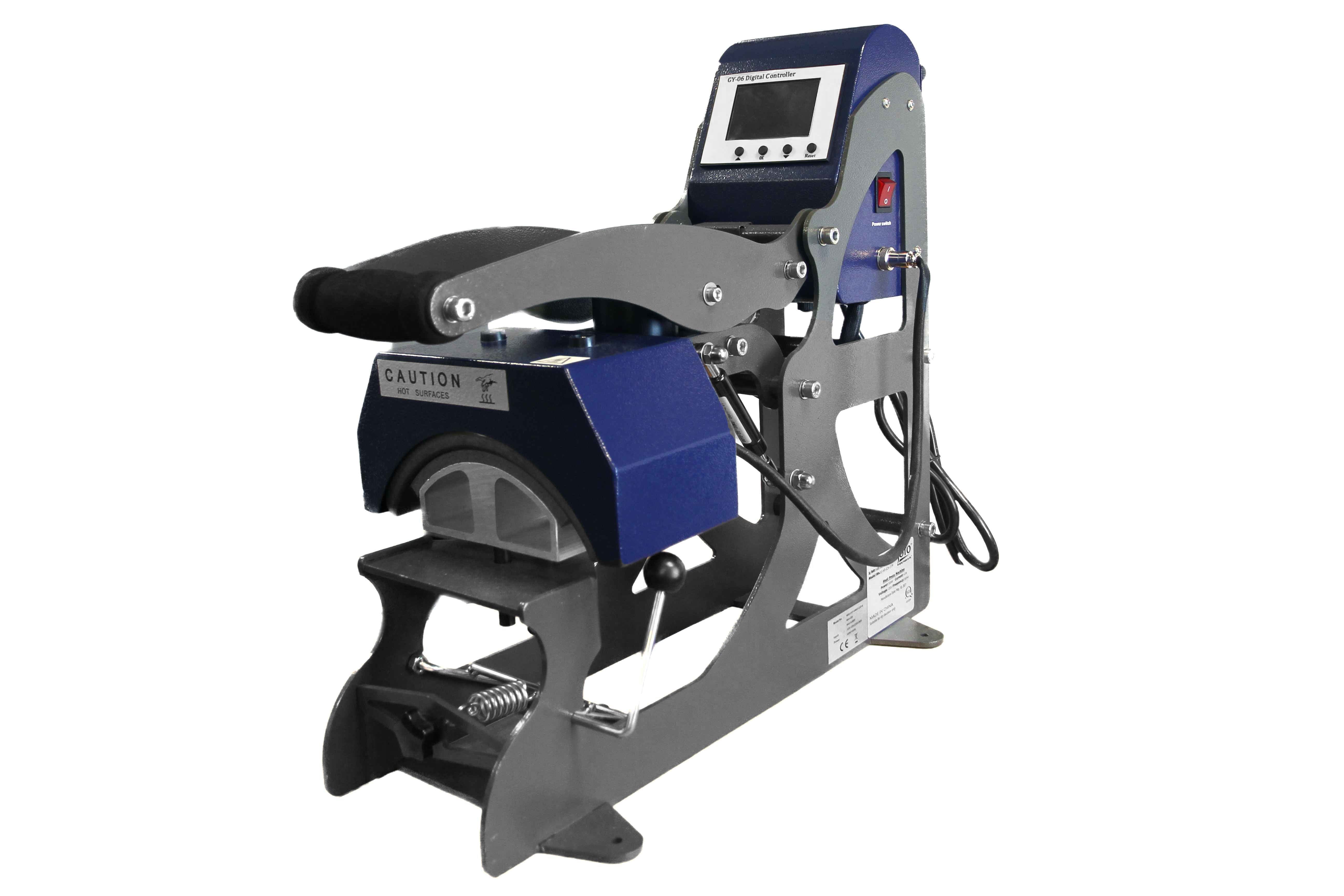
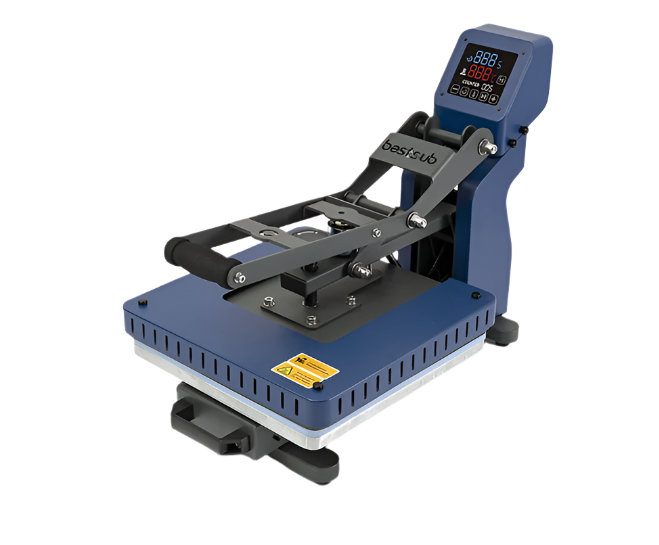
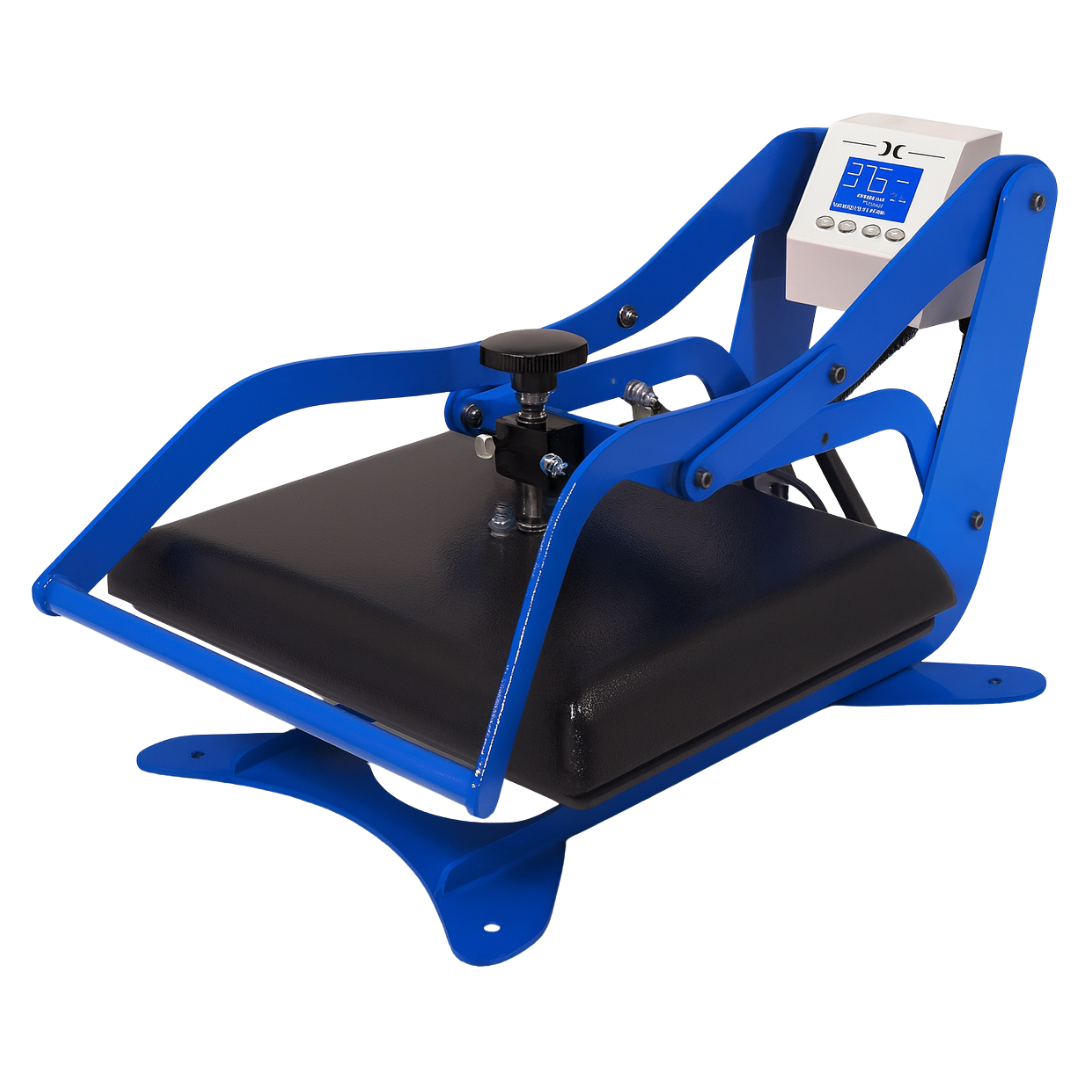
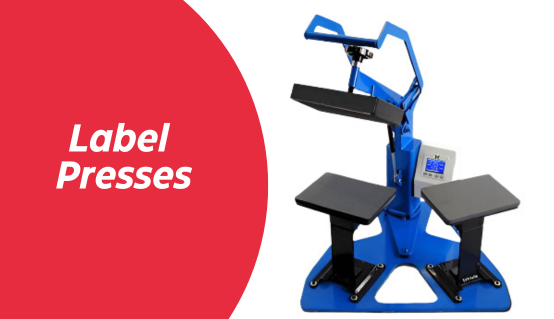
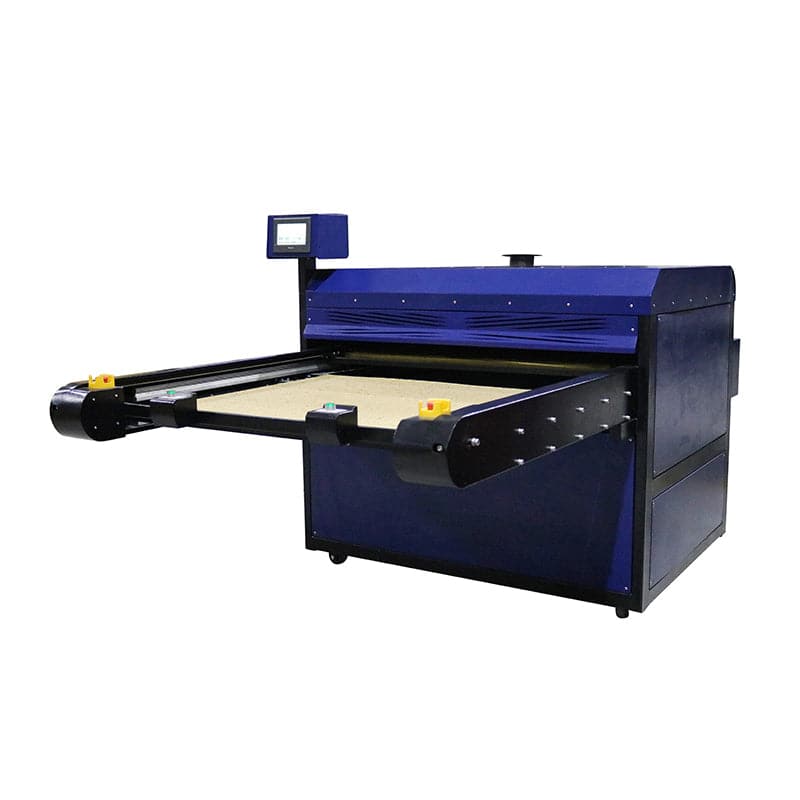
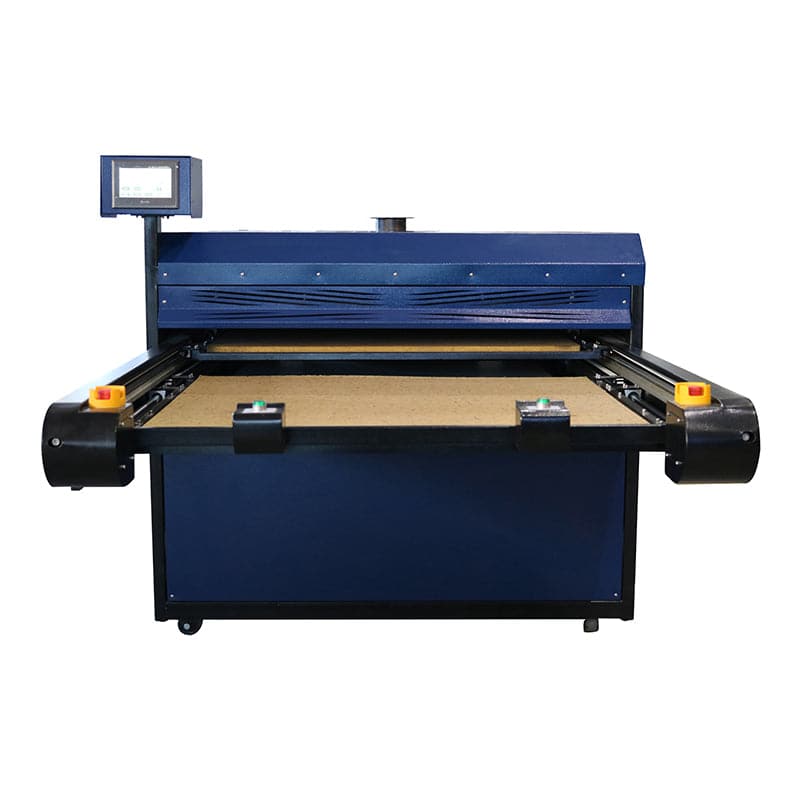
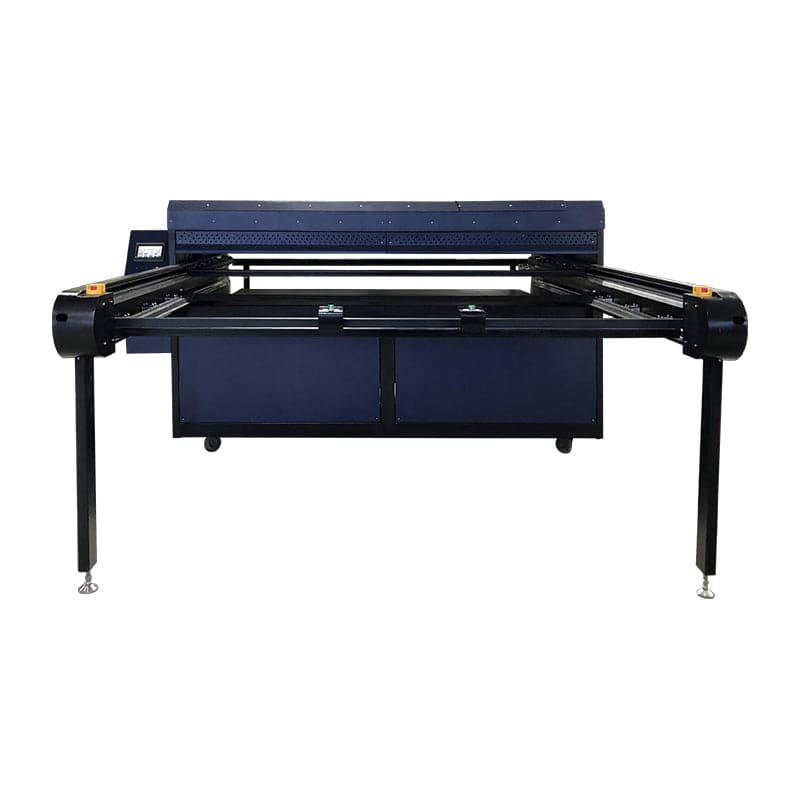
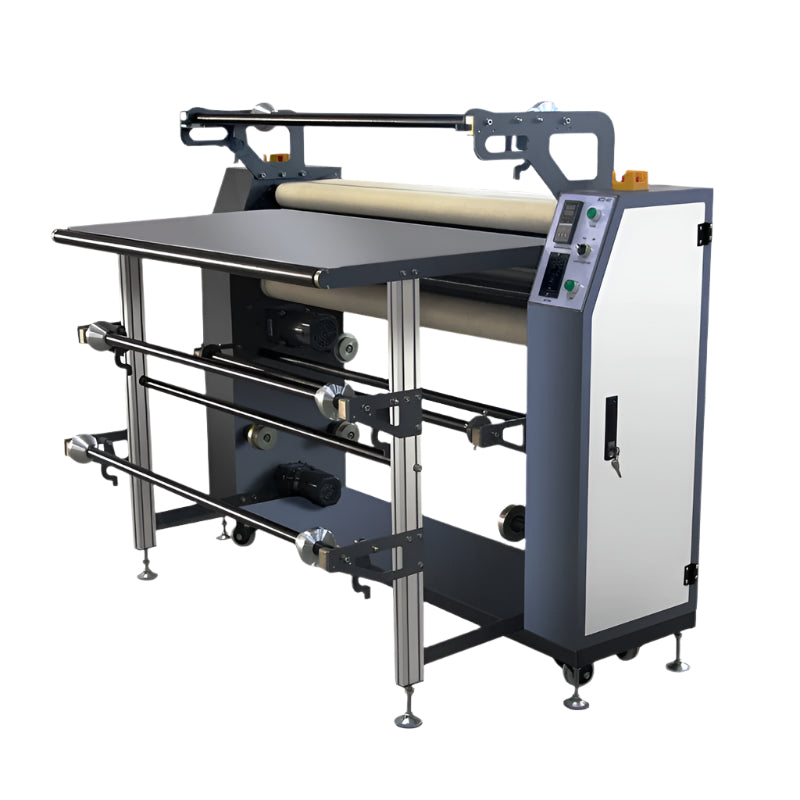
Label presses for efficient customization

Produce high-quality labels with presses built for speed, precision, and consistent performance across every project.

Labels are more than identifiers, they are powerful branding tools. Label presses make it possible to create durable, eye-catching designs that add value to products and packaging. With accurate temperature and pressure control, these machines ensure each transfer is sharp, vibrant, and long lasting. They are ideal for customizing apparel tags, product labels, and promotional stickers, giving businesses the flexibility to respond quickly to customer needs. Compact yet powerful, label presses save space while supporting high productivity, making them a smart addition to any shop. Their reliability reduces errors and waste, helping to keep operations efficient and profitable. Whether producing small batches or scaling up for larger runs, these presses adapt easily to different workflows. Stocked locally in North America and backed by Joto’s expert technical support, this collection equips your business to create labels that impress at every stage.
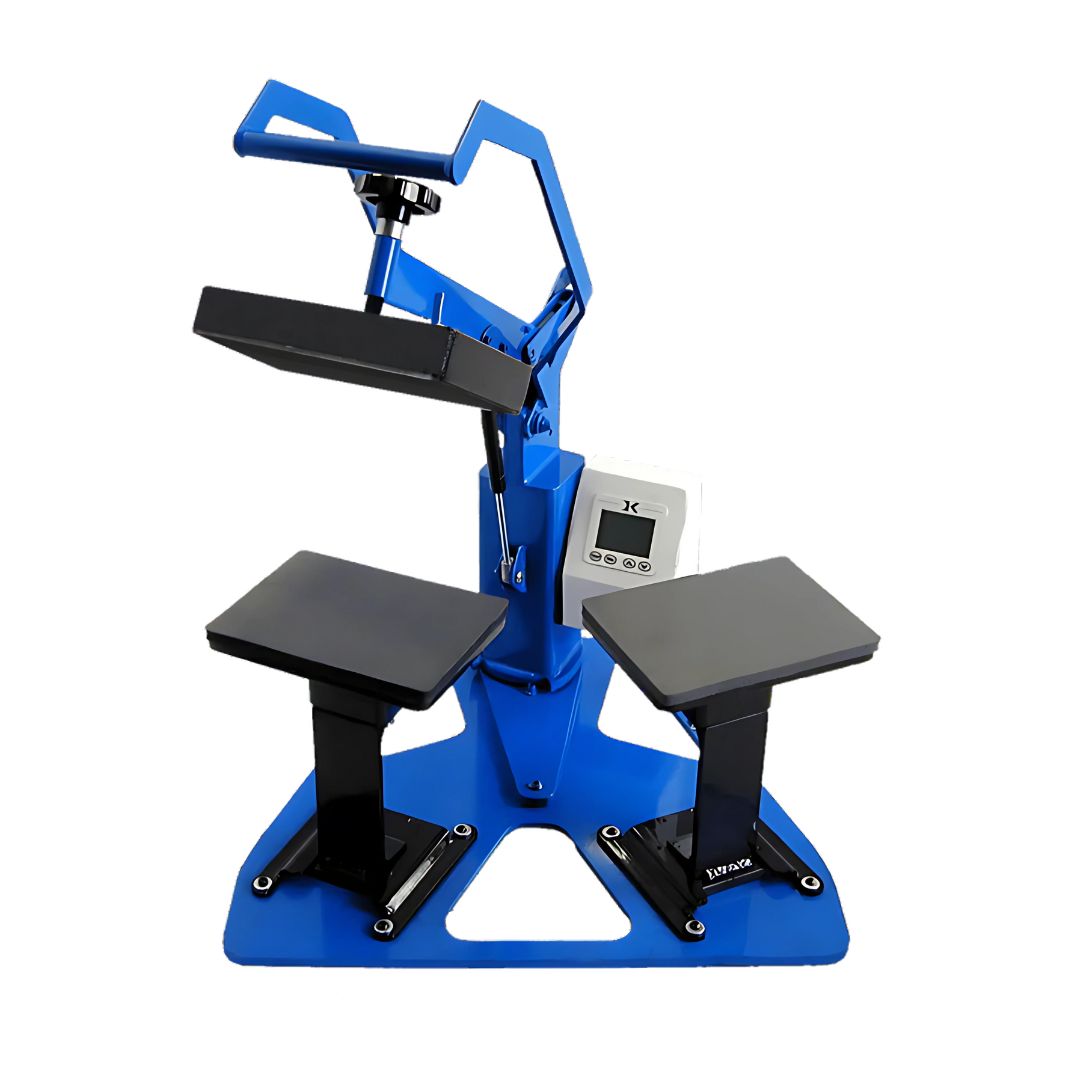
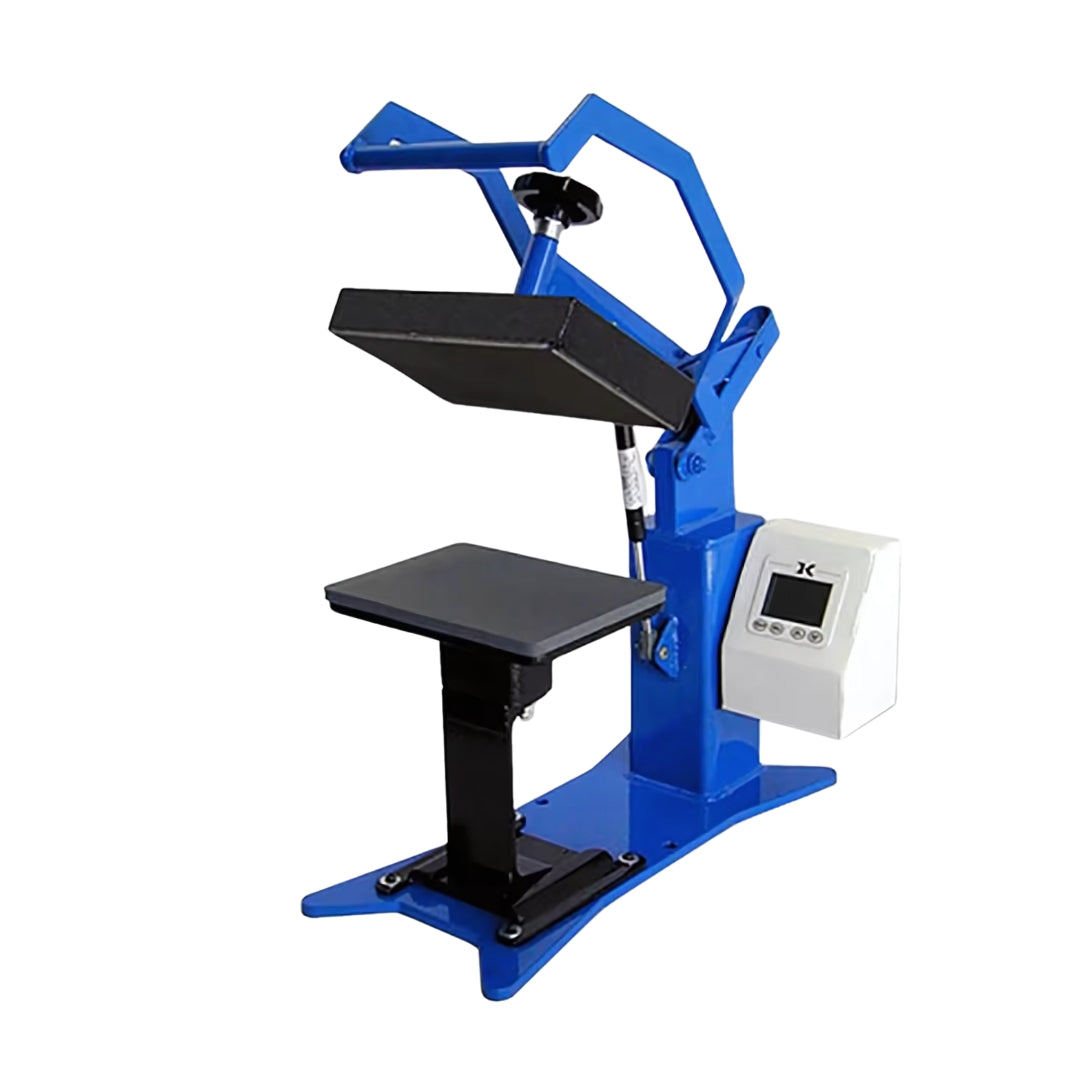
2 products

  • Sort by

Frequently Asked Questions:

What are label presses and how are they used for high-quality product labeling?

Label presses are specialized heat transfer machines featuring compact platens designed for the precise application of neck labels, tags, and small branding elements onto apparel and accessories. These machines utilize controlled heat and consistent pressure to activate adhesives on various transfer mediums, including DTF, sublimation, and heat transfer vinyl, ensuring a permanent bond and professional finish. By focusing the heat on a localized area, label presses prevent unnecessary substrate scorching and improve production efficiency for high-volume garment decoration. Integrating a dedicated label press into your workflow enhances branding consistency and allows for seamless personalization of small-format items like sleeves and collars.

What types of label materials and digital printers are compatible with these label presses for optimal print quality?

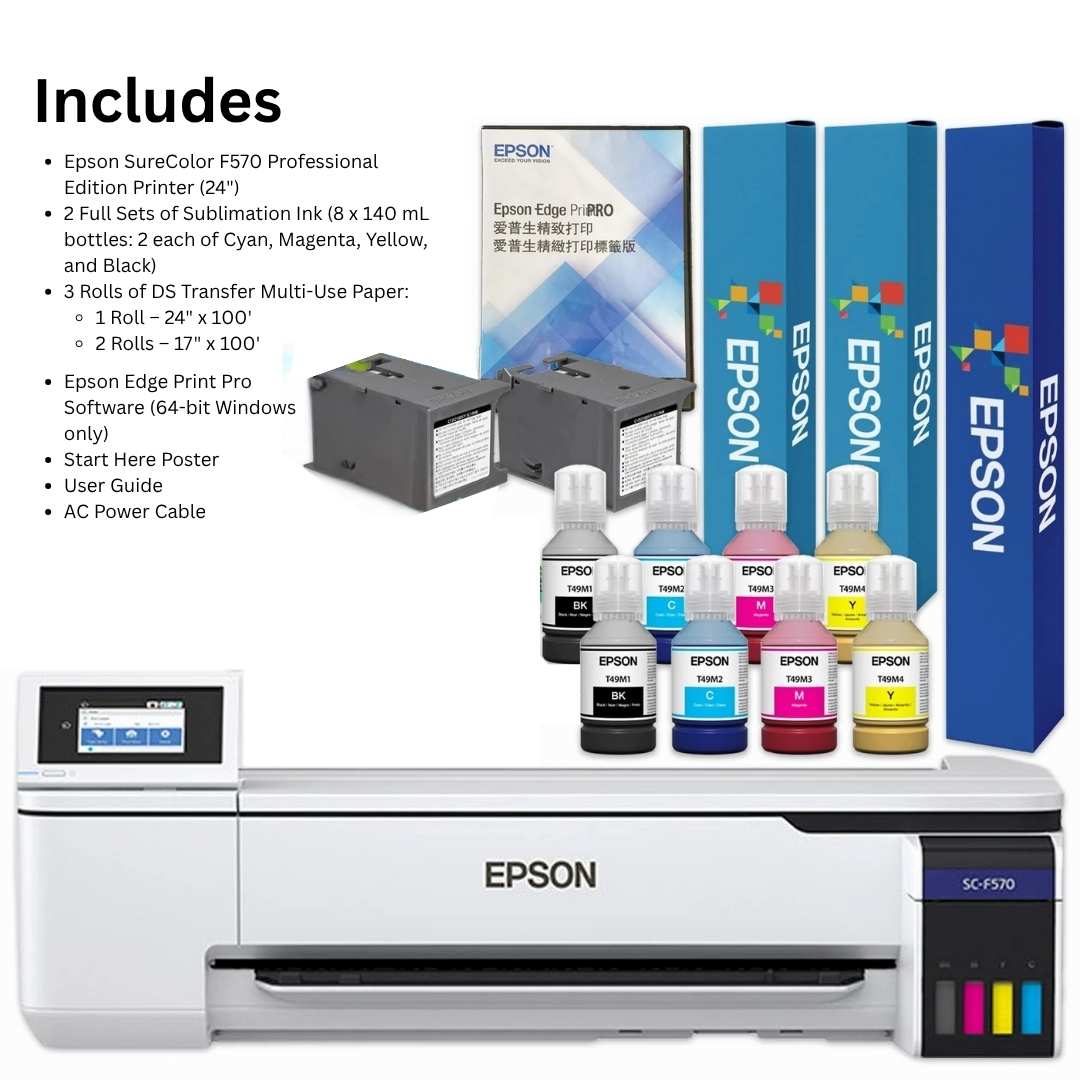
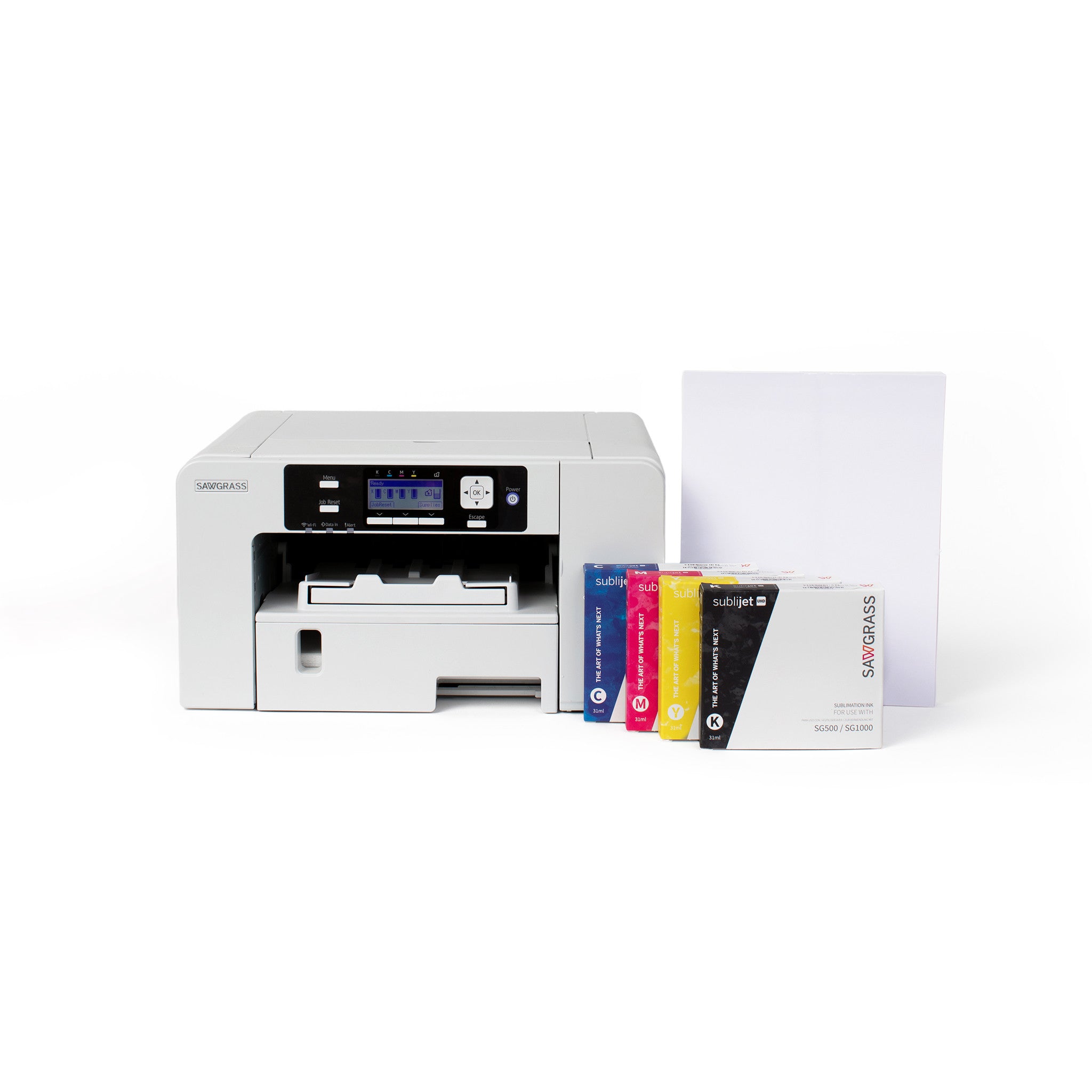
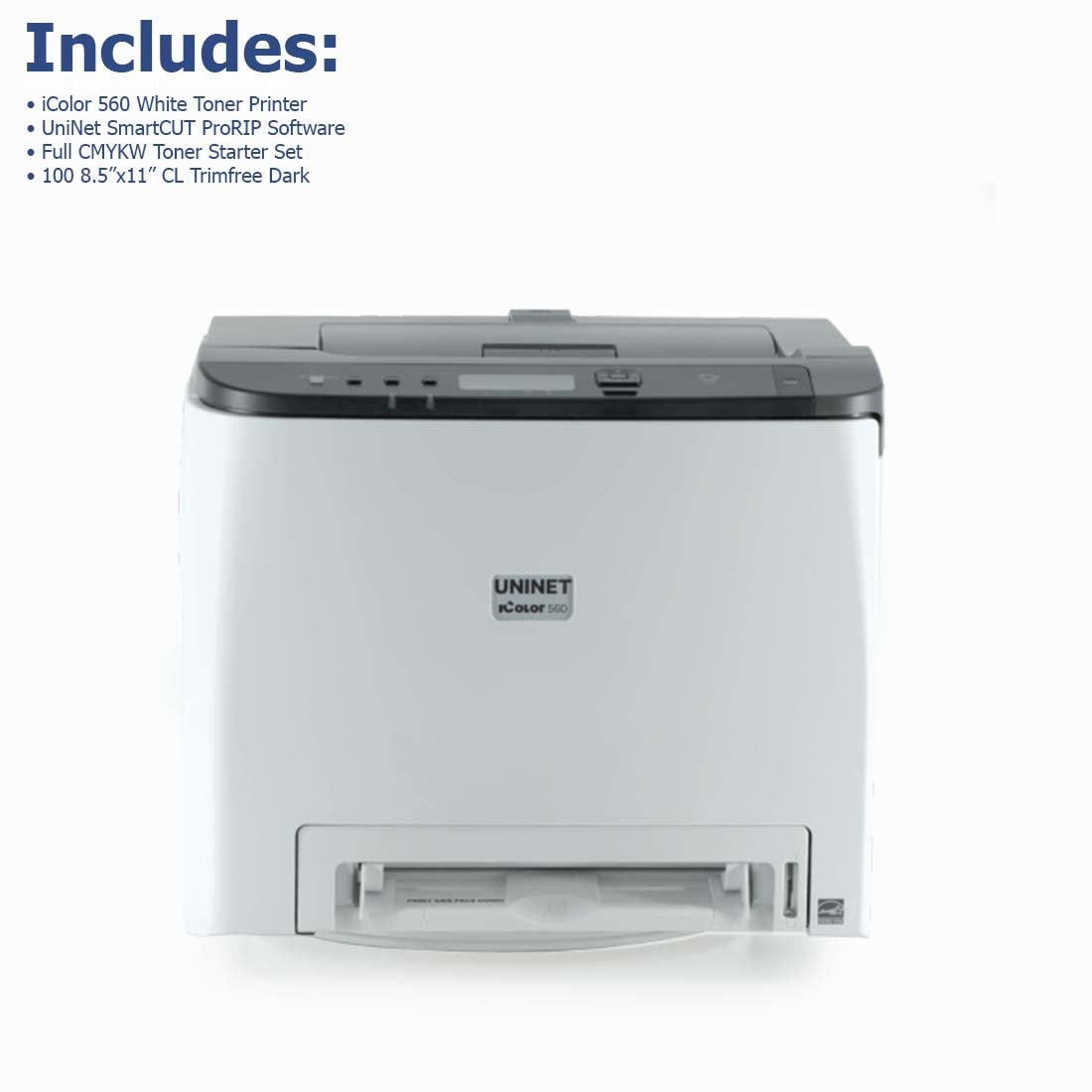
Joto Imaging Supplies’ digital label presses are engineered for seamless compatibility with high-resolution inkjet and dry toner-based printing systems to ensure professional-grade output. These presses support a versatile range of adhesive-backed media, including high-gloss paper, matte finishes, and durable synthetics like BOPP, polyester, and vinyl. To achieve optimal print quality and precise finishing, it is essential to use media specifically coated for your printer's ink or toner type while maintaining calibrated tension settings during the conversion process. This technical synergy allows businesses to produce vibrant, industrial-strength labels with superior edge definition and long-lasting durability.

How can I ensure the long-term durability and proper maintenance of labels produced using these label presses?

To ensure the long-term durability of labels produced with our label presses, it is essential to perform daily maintenance by cleaning the printhead and rollers with isopropyl alcohol to prevent adhesive buildup and debris. Maximize label service life by selecting high-performance substrates like polyester or vinyl and applying protective lamination to shield prints from UV exposure, moisture, and chemical abrasion. For optimal reliability, store your label stock and ribbons in a climate-controlled environment maintained at approximately 72°F and 50% relative humidity to prevent material degradation. Following these technical protocols will maintain superior print quality and ensure your labels remain legible and firmly adhered throughout their intended application.

How do you properly operate Label Presses to achieve professional-quality label printing and application?

To operate industrial label presses for professional results, begin by calibrating the digital printhead and web guides to ensure precise registration and consistent ink coverage on your chosen substrate. Properly manage tension settings across the unwind and rewind spindles to prevent film tunneling or adhesive bleeding, which is critical for maintaining dimensional stability during high-volume production. Incorporate in-line finishing processes such as lamination and die-cutting to enhance durability and achieve the final custom shape in a single, efficient workflow. This technical approach ensures high-resolution, retail-ready labels that meet rigorous industrial standards for adhesion and visual clarity.

What are the most common causes of misaligned prints or poor adhesive bonding when using digital label presses?

Misaligned prints in digital label presses often stem from incorrect page scaling, uncalibrated sensors, or improper media path loading that causes the label roll to shift during high-speed production. Poor adhesive bonding is typically caused by surface contaminants like oils and dust, or low surface energy substrates that prevent the adhesive from wetting out and achieving maximum tack. To ensure professional results, it is critical to verify that printer drivers match your label templates and that all application surfaces are thoroughly cleaned and dry. Maintaining consistent tension and calibrated heat settings will further optimize label registration and long-term bond durability for industrial applications.

How can I achieve maximum color vibrancy and professional print quality with Label Presses?

To achieve maximum color vibrancy and professional results with digital label presses, ensure your artwork is high-resolution at 300 DPI and designed in the sRGB color space to leverage a wider color gamut. Utilizing a solid white ink base on clear or dark substrates is essential for maintaining opacity and ensuring CMYK layers remain distinct and vivid against challenging backgrounds. For the highest print quality, optimize your RIP software settings with correct ICC color profiles and calibrate LED pinning or UV lamp intensity to ensure a perfect cure. Maintaining consistent printhead performance through regular automated cleaning and environmental control will prevent ink flow issues and preserve rich color saturation on every run.

How can investing in Label Presses help your business reduce production costs and increase profit margins?

Investing in digital label presses allows businesses to bring production in-house, effectively eliminating high outsourcing fees and restrictive minimum order requirements. This transition to an on-demand workflow significantly reduces material waste and setup times compared to traditional flexographic methods. By optimizing the cost-per-label through precise toner management and high-speed throughput, companies can achieve significantly higher profit margins on short-run custom branding projects. This high-efficiency system ensures a faster turnaround for your customers while maintaining professional-grade durability and color consistency across various substrates.

How should Label Presses be stored and maintained to ensure their longevity and safe operation?

To ensure the longevity and safe operation of label presses, maintain a climate-controlled environment with temperatures between 20°C and 25°C and relative humidity between 45% and 55% to prevent component corrosion and material warping. Implement a rigorous maintenance schedule that includes daily cleaning of printheads and rollers with 90% isopropyl alcohol to remove adhesive residue and dust buildup. Regularly inspect and lubricate mechanical parts, such as feeder systems and tension belts, while verifying the calibration of sensors and pressure gauges to maintain consistent print quality. Always power down the unit correctly and store it under a dust-proof cover when not in use to protect sensitive internal electronics and drive mechanisms.

How do Label Presses compare to traditional flexographic printing or vinyl cutters for high-quality product labeling?

Digital label presses offer a specialized alternative to flexographic printing and vinyl cutters by providing high-resolution, full-color output with significantly reduced setup times and material waste. Unlike traditional flexography which requires expensive plates and high minimums for cost-effectiveness, digital presses excel in short-to-medium runs and variable data printing for complex SKU management. While vinyl cutters are limited to simple shapes and layered colors, modern label presses integrate inline digital die-cutting and UV-stable inks to produce durable, professional-grade labels in a single pass. This technology allows businesses to achieve exceptional color consistency and faster turnaround times without the intensive labor and mechanical complexity of conventional rotary equipment.

How can you calibrate the die-cutting pressure and registration sensor sensitivity on digital label presses to ensure precision contour cutting on high-gloss synthetic media without causing liner penetration?

To calibrate digital label presses for high-gloss synthetic media, begin by adjusting the die-cutting pressure using a "kiss cut" technique that penetrates the facestock while leaving the release liner intact. Fine-tune the registration sensor sensitivity by selecting the reflective or optical eye setting to accurately detect black marks or gaps, ensuring stable tracking on reflective surfaces. Perform a trial die-cut to verify alignment and depth, then use the printer’s calibration tool to synchronize the cutting path with the printed image. These technical adjustments are essential to prevent liner penetration and ensure precision contour cutting for professional-grade labels.

Drawer Title
Similar Products