











Skip to content
en
CAD

Bloom Your Business Into Profit

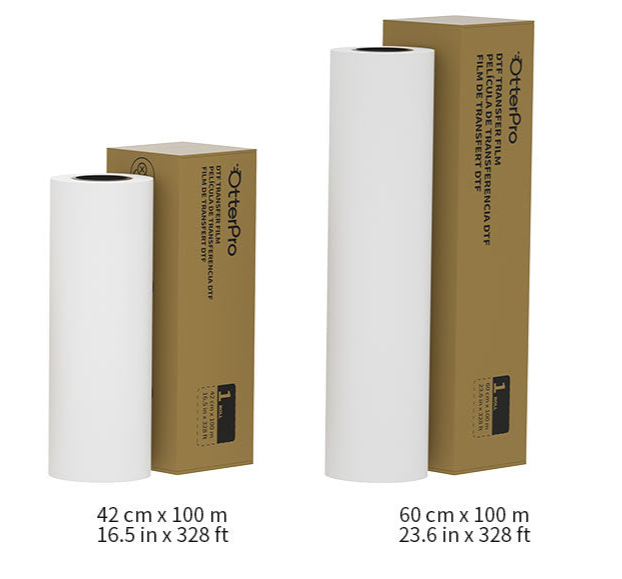
DTF Rolls

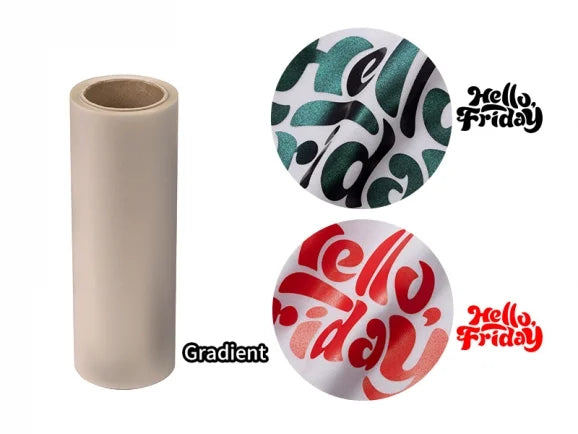
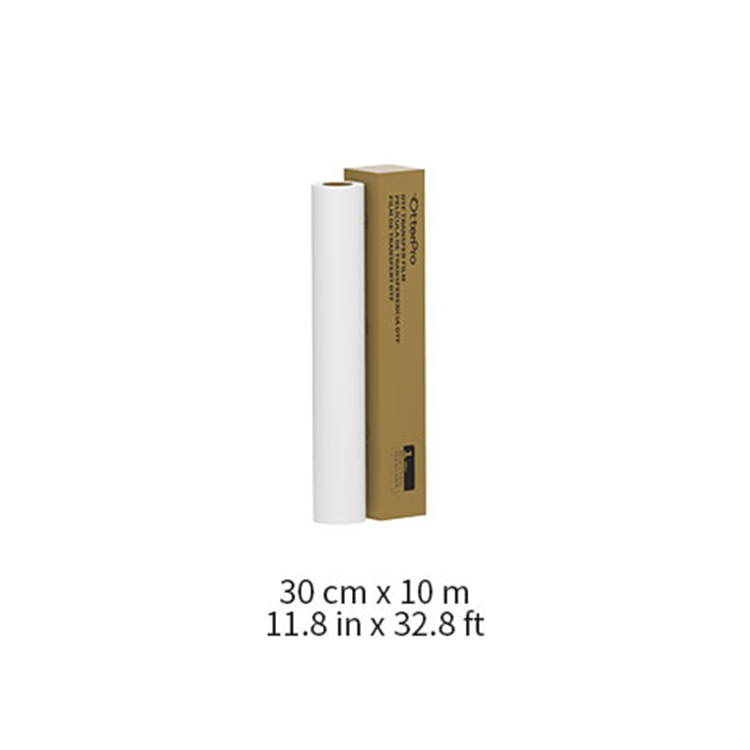
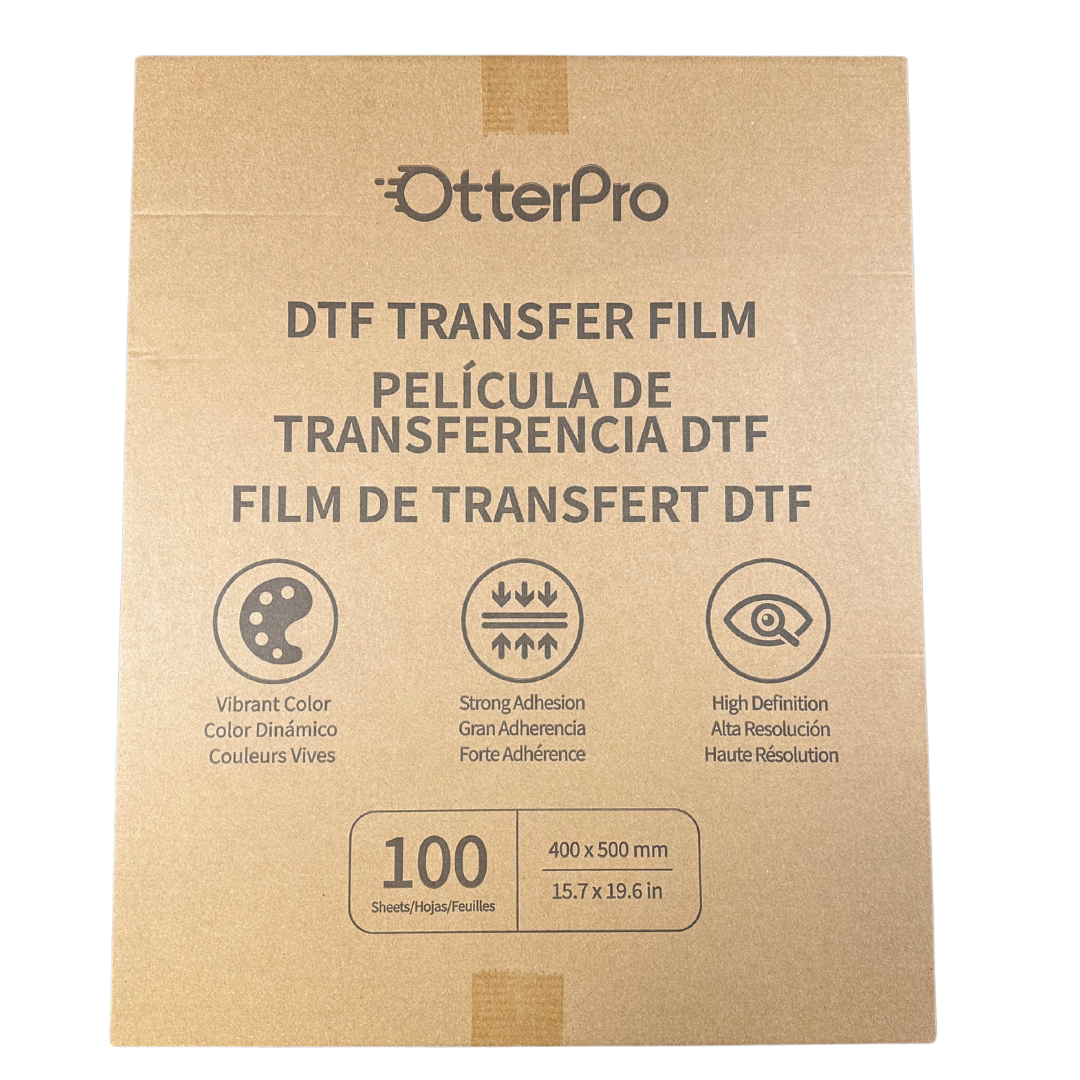
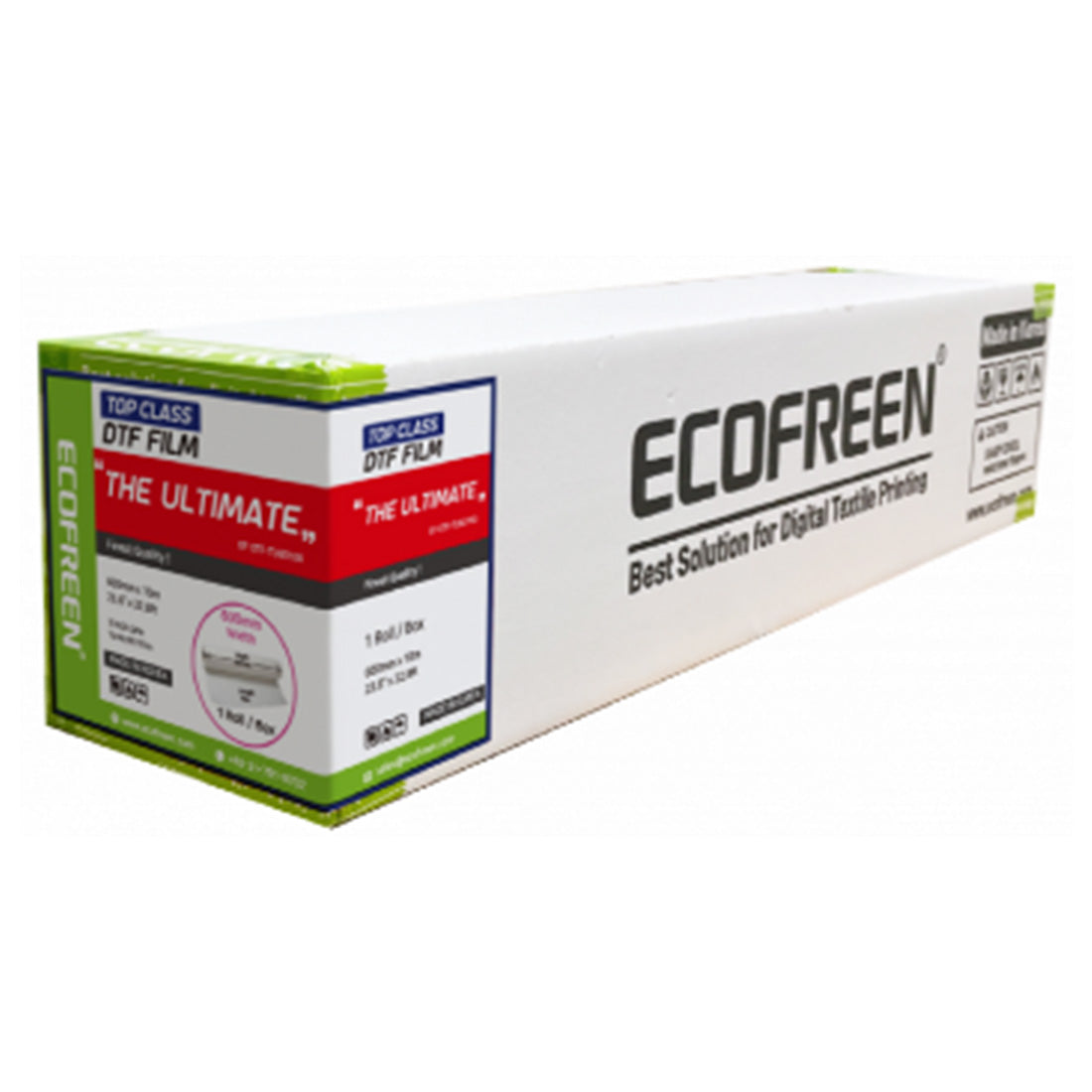
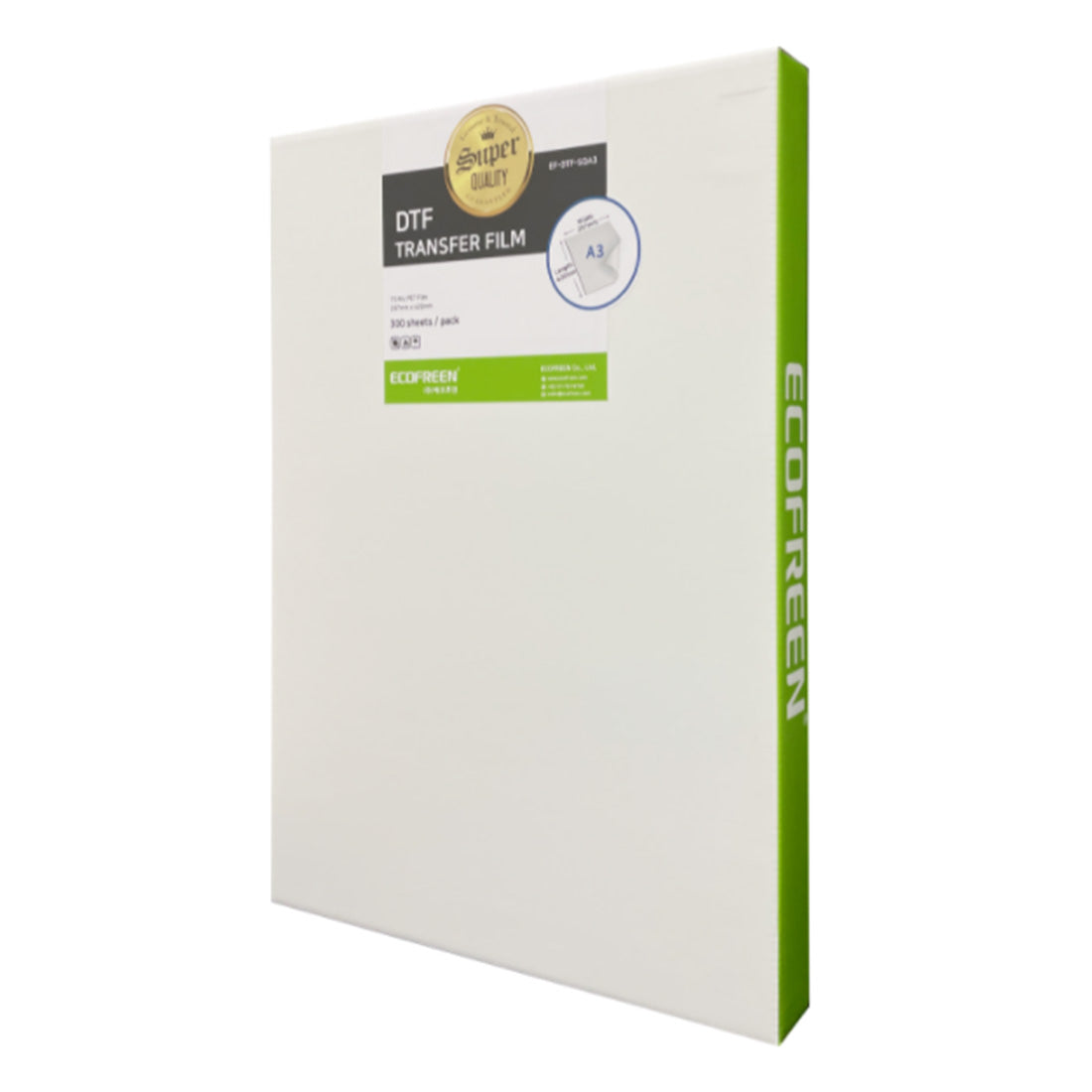
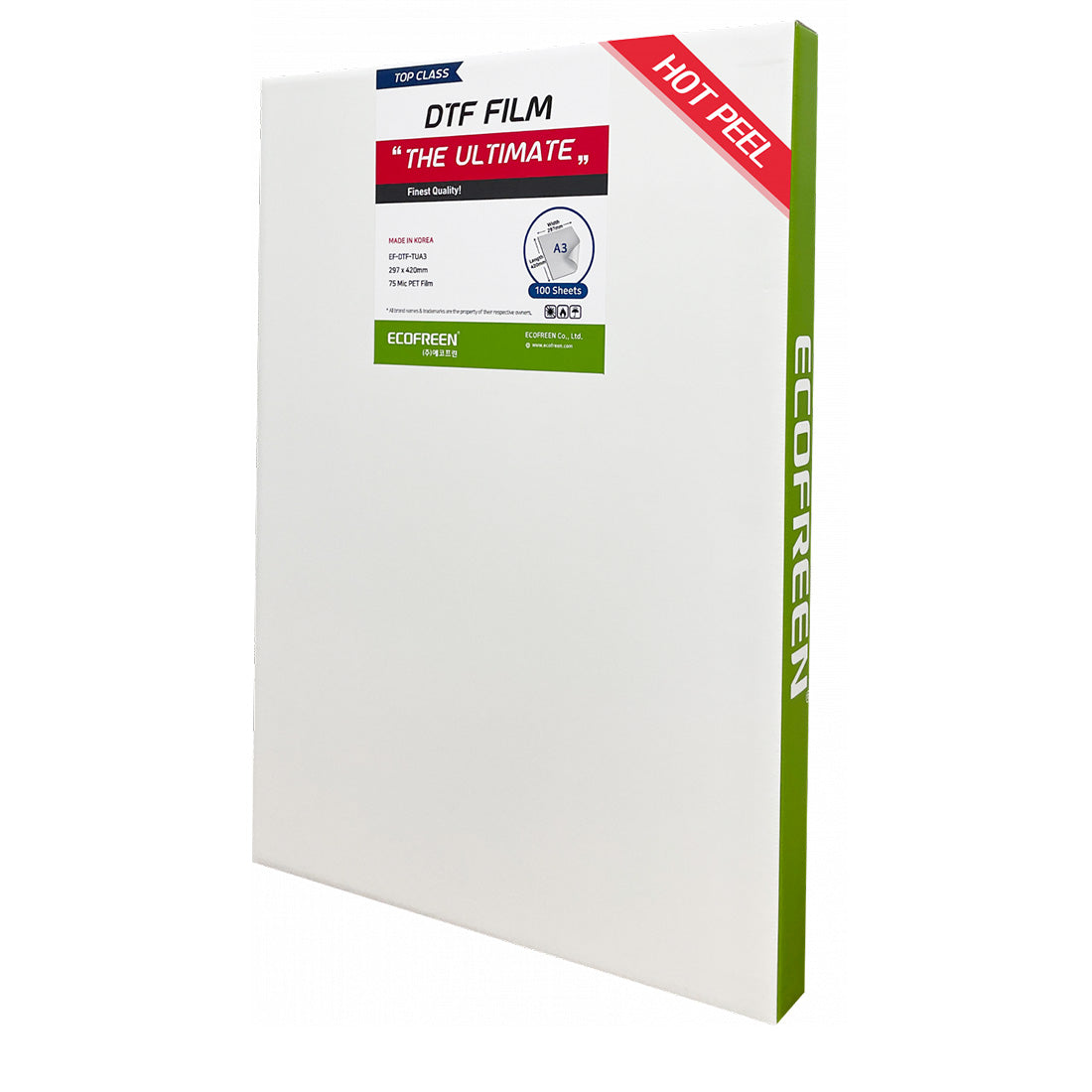
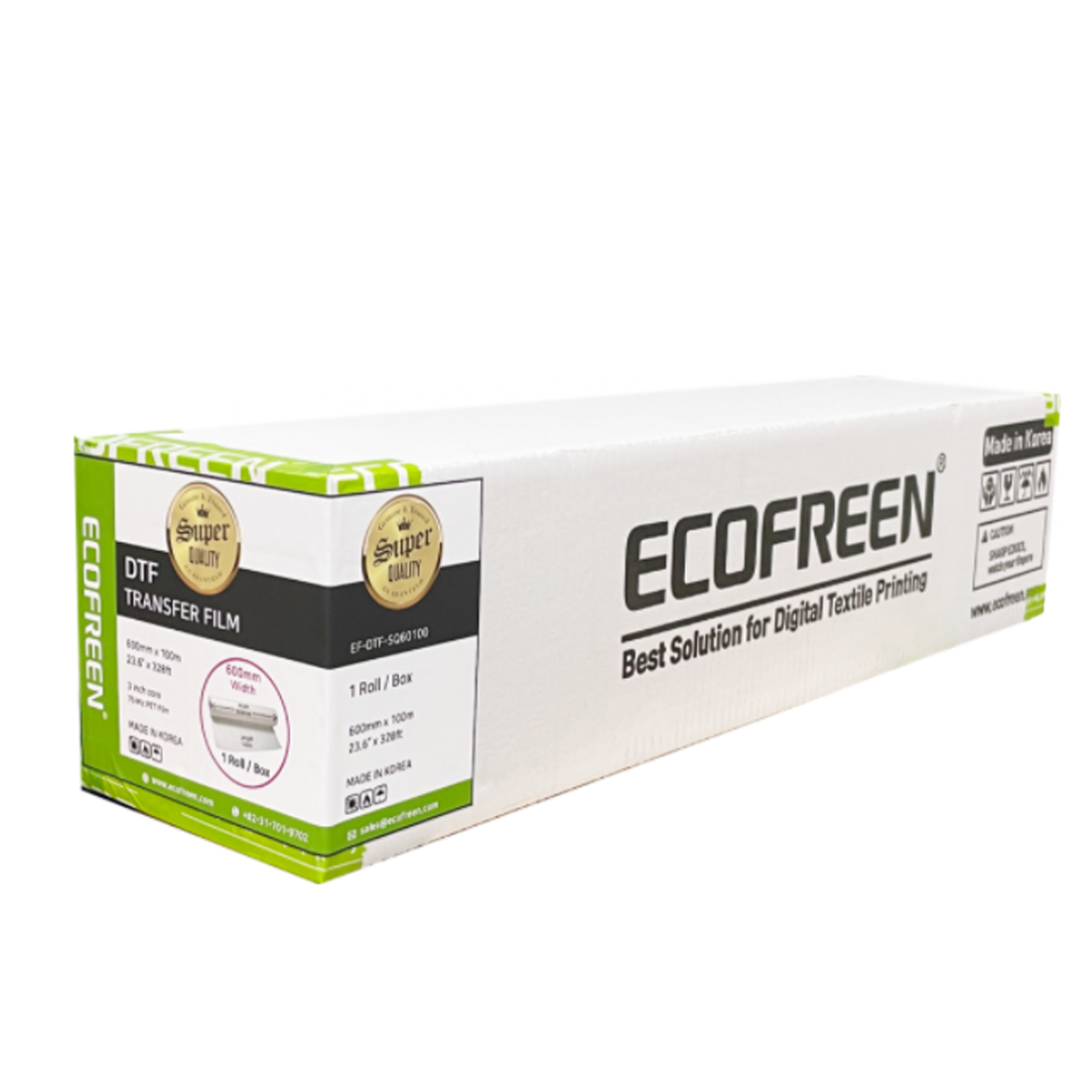
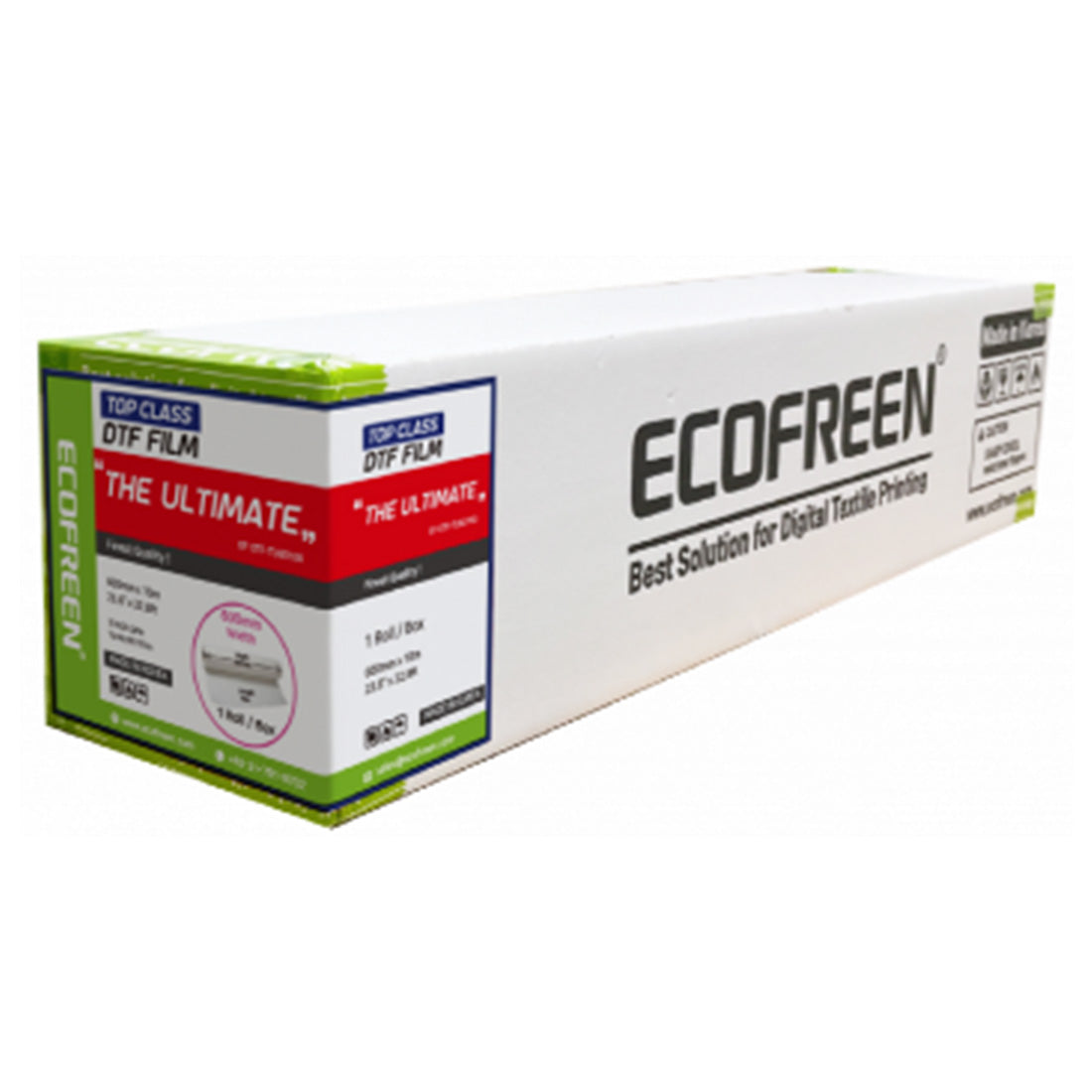
DTF film rolls for seamless production

Power your shop with DTF film rolls that deliver smooth feeding, vivid transfers, and professional results from start to finish.

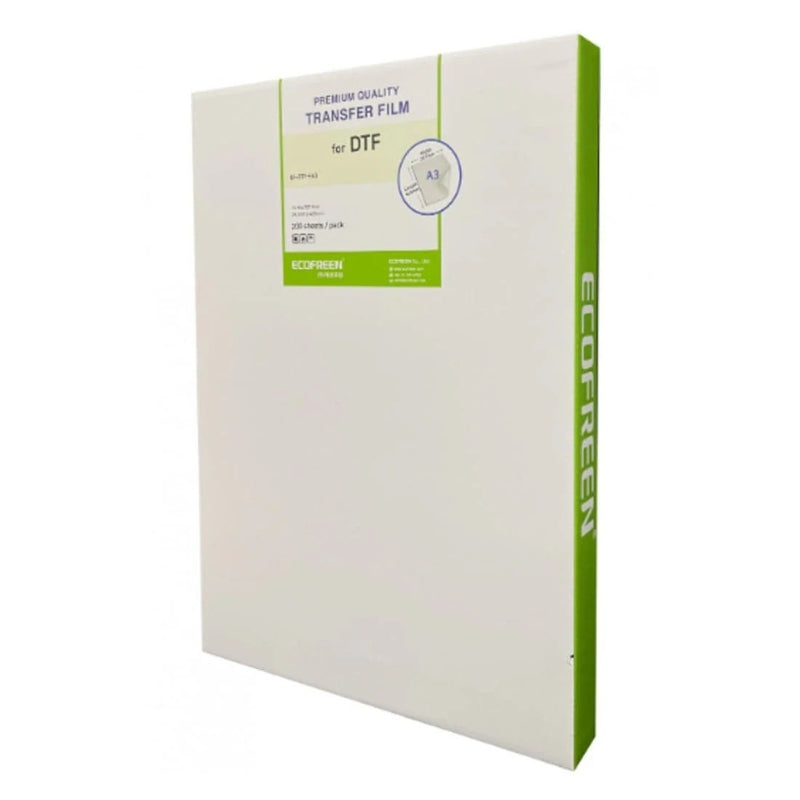
Keep your production running smoothly with our premium DTF Rolls, designed for consistent, high-quality printing in Direct-to-Film applications. Perfect for busy print shops and large-scale projects, these rolls provide reliable performance and vibrant results every time.

Why Choose Our Rolls:

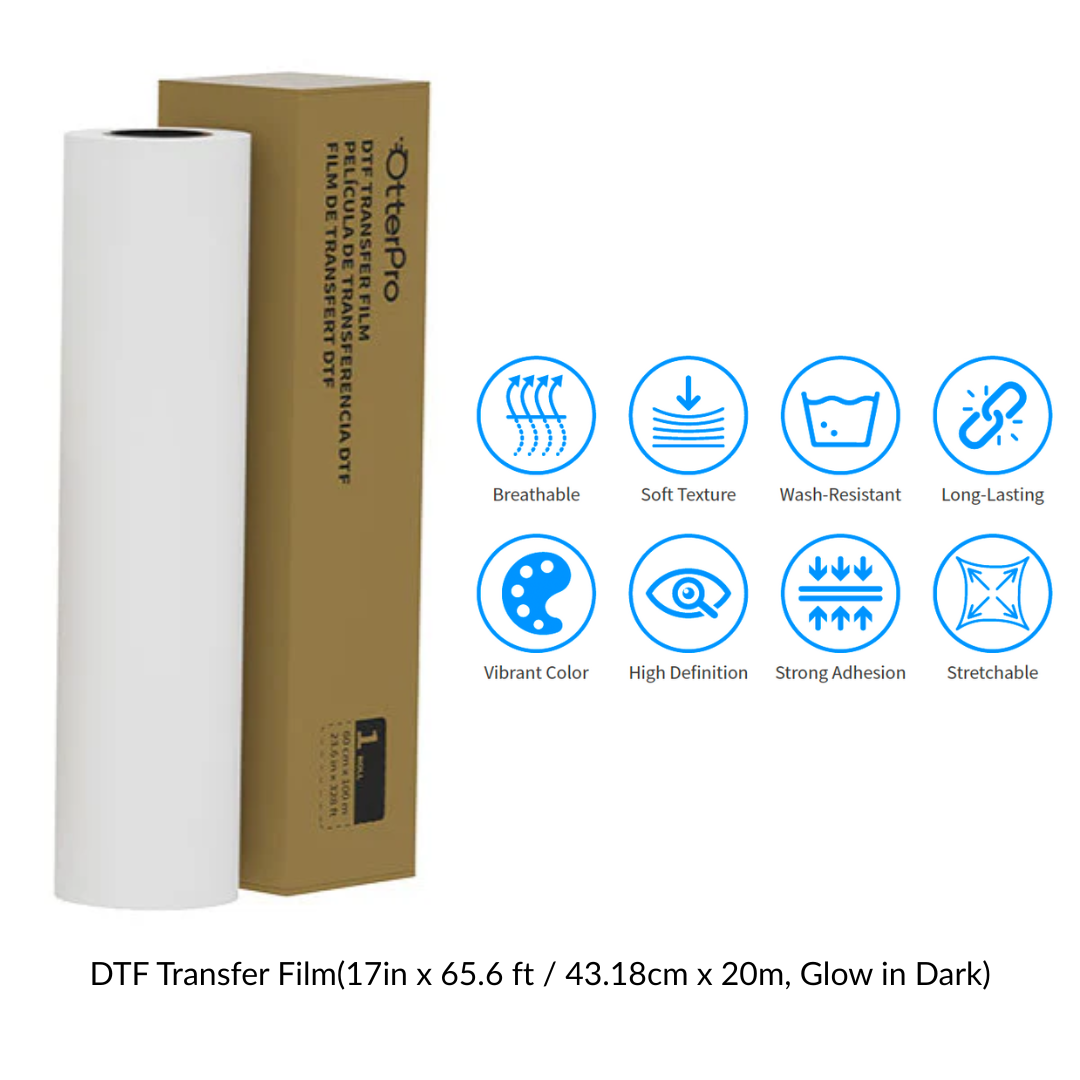
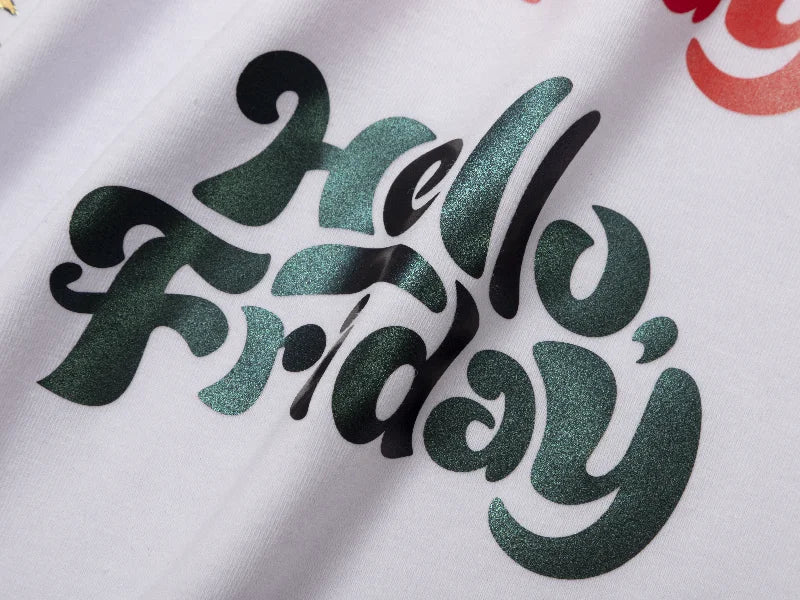
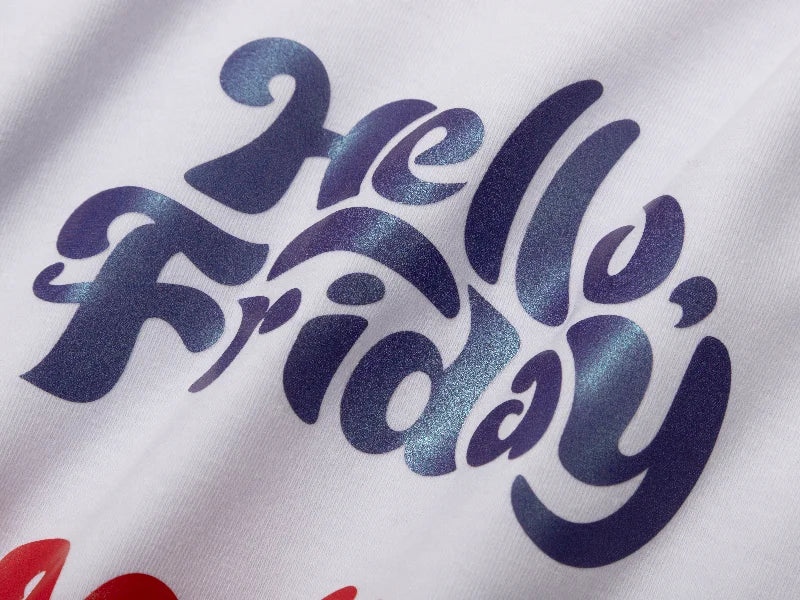
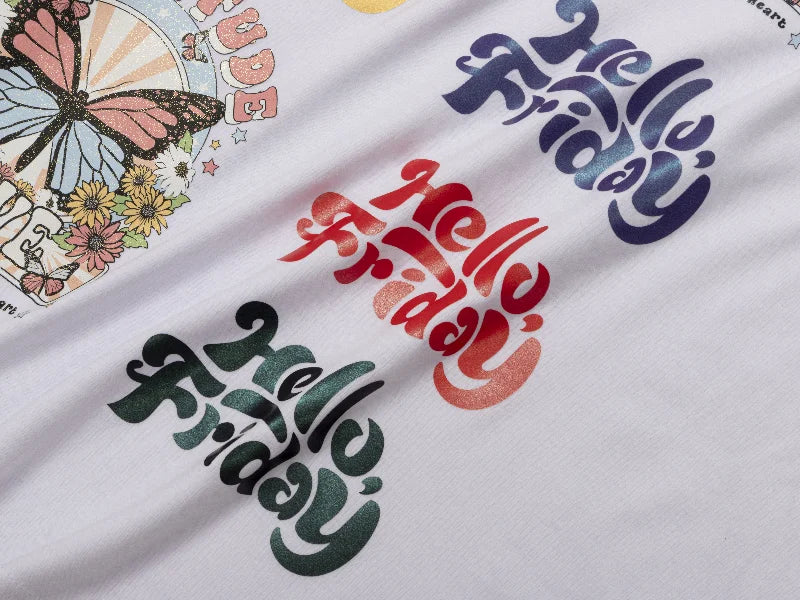
  • Brilliant, High-Resolution Prints – Capture sharp details and vivid colors that stay bright wash after wash.
  • Strong Adhesion & Durability – Ensures designs resist cracking, peeling, and fading over time.
  • Smooth, Consistent Surface – Optimized for even ink coverage and flawless transfers.
  • Ideal for High-Volume Production – Continuous roll format reduces downtime and boosts efficiency.
  • Wide Printer Compatibility – Works seamlessly with leading DTF printer models.

Whether you’re producing custom apparel, promotional products, or high-volume orders, our Rolls deliver the reliability and professional quality your projects demand. Shop now and keep your DTF production running at peak performance!
Frequently Asked Questions:

What are DTF Rolls and how are they used in direct-to-film printing?

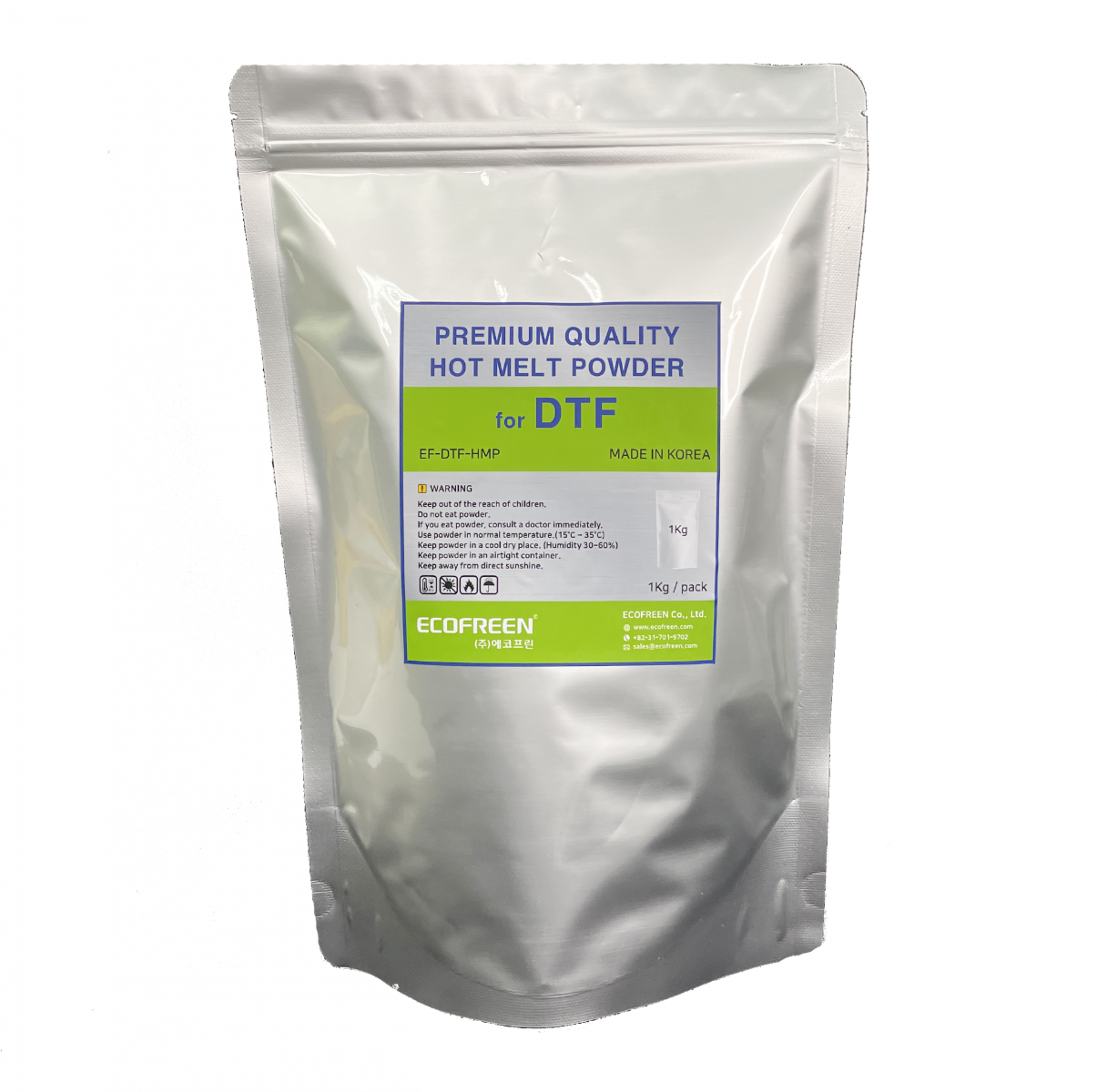
DTF Rolls are continuous lengths of specialized PET transfer film designed for high-volume direct-to-film printing systems. These rolls feature a precision-engineered coating that ensures optimal ink absorption and smooth release when transferring vibrant, full-color designs onto various textiles. To use them, the artwork is printed in reverse onto the film, coated with TPU adhesive powder, and heat-cured before being pressed onto the final garment. Integrating DTF rolls into your workflow significantly increases production efficiency by reducing downtime compared to using individual sheets.

What fabric types and printer systems are compatible with DTF Rolls?

DTF Rolls from Joto Imaging Supplies are engineered for seamless compatibility with professional-grade direct-to-film printers utilizing specialized DTF ink systems. These high-quality PET film rolls are designed to deliver exceptional results on a wide variety of textiles, including cotton, polyester, nylon, and diverse synthetic blends. By utilizing these rolls, decorators can achieve high-resolution, durable transfers that maintain excellent stretchability and vibrant color on both light and dark garments. This professional media solution ensures maximum production efficiency and consistent output for high-volume custom apparel businesses.

How can I ensure the long-term durability and proper wash care of custom apparel made with DTF Rolls?

To ensure the long-term durability of custom apparel made with DTF Rolls, it is critical to use high-quality TPU adhesive powder and achieve a complete cure during the heat press process. Proper wash care involves turning garments inside out and using cold water with mild detergents to protect the integrity of the film and prevent cracking. Avoid high-heat drying and industrial bleach, as these can compromise the bond between the DTF transfer and the fabric fibers. Following these technical guidelines will maintain the high-stretch capacity and color vibrancy of your direct-to-film prints through multiple laundry cycles.

How do you print and apply DTF Rolls to achieve professional-grade custom apparel transfers?

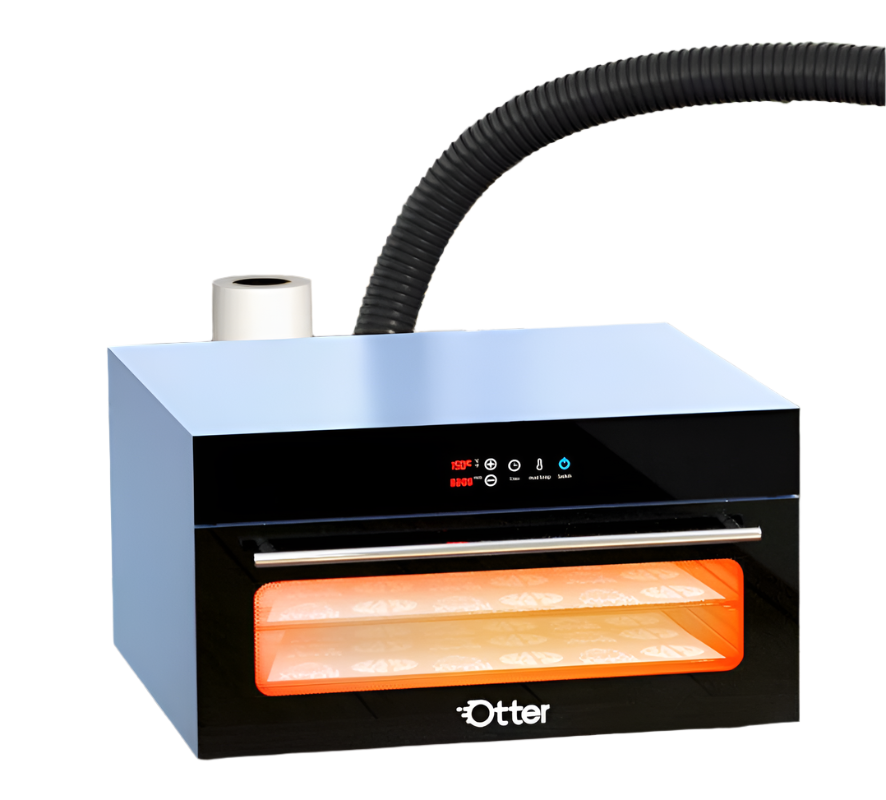
To achieve professional-grade transfers using DTF Rolls, start by printing your artwork in reverse onto the PET film using high-quality textile inks and a dedicated direct-to-film printer. Immediately apply a uniform layer of TPU adhesive powder to the wet ink and cure it through a DTF oven or heated tunnel at the manufacturer's recommended temperature to ensure a proper bond. Once cured, position the transfer onto the garment and use a commercial heat press with firm pressure to permanently bond the graphic to the fabric. This high-efficiency roll-to-roll workflow from Joto Imaging Supplies ensures consistent, vibrant results with exceptional stretchability and wash fastness for high-volume apparel production.

What are the most common causes of poor adhesion or uneven curing when using DTF rolls?

Poor adhesion or uneven curing with DTF rolls often results from inconsistent temperature and belt speed settings within the DTF oven or automated shaker-dryer system. Technical factors such as moisture in the fabric, insufficient TPU adhesive powder coverage, or improper heat press pressure can also prevent the transfer from bonding correctly to the textile fibers. To ensure professional-grade results, maintain a stable production environment with 50-70% humidity and regularly calibrate your equipment to achieve a uniform "orange peel" finish on the cured adhesive. Using high-quality PET film and ensuring the ink is properly gelled before powder application are essential steps for maximizing the durability and wash fastness of your custom apparel.

How can I achieve maximum color vibrancy and professional print quality when using DTF Rolls?

To achieve maximum color vibrancy and professional print quality with DTF Rolls, ensure your artwork is high-resolution at 300 DPI and utilize calibrated ICC profiles within your RIP software to maintain color accuracy. Optimize your printer settings by adjusting white ink density to provide a solid base for CMYK layers, which prevents the garment color from dulling the final graphic. Maintain consistent environmental controls for temperature and humidity to ensure smooth ink flow and prevent nozzle clogging during high-volume production runs. Finally, pair your PET film rolls with premium TPU adhesive powder and high-pigment textile inks from Joto Imaging Supplies to guarantee a durable, high-gloss finish with exceptional wash fastness.

How can using DTF Rolls help my business reduce production costs and increase profit margins?

Using DTF rolls significantly reduces production costs by enabling continuous, automated printing and curing cycles that minimize manual labor and machine downtime. The roll-to-roll format optimizes film utilization and reduces material waste compared to sheet-fed systems, allowing for higher density nesting of designs. By streamlining workflows with integrated powder application and heating, businesses can achieve faster turnaround times and higher throughput, directly increasing profit margins on large-volume custom apparel orders. These industrial-grade PET film rolls ensure consistent quality and scalability, making them a cost-effective solution for growing print shops looking to maximize ROI.

What are the recommended storage conditions and safety precautions for DTF Rolls to ensure optimal performance and shelf life?

To ensure optimal performance and an extended shelf life, DTF Rolls should be stored in a cool, dry environment with temperatures between 60°F and 80°F and relative humidity levels maintained at 40-60%. Keep the PET film rolls in their original protective packaging when not in use to prevent dust contamination and moisture absorption, which can lead to film tunneling or ink rejection. For maximum safety and material integrity, store rolls horizontally on a flat surface to avoid pressure marks or edge damage and keep them away from direct sunlight or heat sources. Following these technical storage protocols at Joto Imaging Supplies ensures your direct-to-film transfers maintain superior ink absorption and dimensional stability for high-volume production.

How do DTF Rolls compare to traditional screen printing or vinyl transfers for custom apparel decoration?

DTF Rolls offer a superior alternative to traditional screen printing and vinyl transfers by providing high-resolution, full-color graphics without the need for expensive screens, emulsions, or time-consuming weeding. Unlike vinyl, which can feel heavy and peel over time, the roll-to-roll direct-to-film process creates thin, stretchable transfers with a soft-hand feel that bond exceptionally well to various textiles. This automated workflow significantly reduces production costs and labor time, making it more efficient for complex, multi-color designs even in high-volume runs. By utilizing industrial-grade PET film rolls and premium TPU adhesive powder, businesses can achieve professional-grade durability and vibrant color output that surpasses the limitations of conventional decoration methods.

How can you optimize tension settings and curing temperatures on DTF Rolls to prevent film tunneling and ensure dimensional stability during high-volume production runs?

To prevent film tunneling and ensure dimensional stability in high-volume DTF Roll production, maintain consistent rewind tension that matches the feed rate of your automated shaker-dryer system. Precisely calibrate your curing temperatures between 110°C and 130°C to ensure a complete melt of the TPU adhesive without subjecting the PET film to excessive thermal stress. Coordinating these parameters prevents the film from expanding or contracting unevenly, which is vital for maintaining registration accuracy across continuous print runs. This technical balance ensures that your Joto Imaging Supplies transfers remain flat and dimensionally stable for a professional, high-quality finish.

Drawer Title
Similar Products