

























Skip to content
en
CAD

Bloom Your Business Into Profit

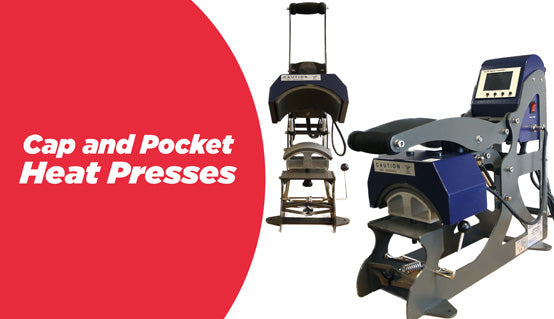
Cap & Pocket Presses

Presses for detailed applications

Add logos, names, and custom graphics to caps, pockets, and small items with presses designed for accuracy and convenience.

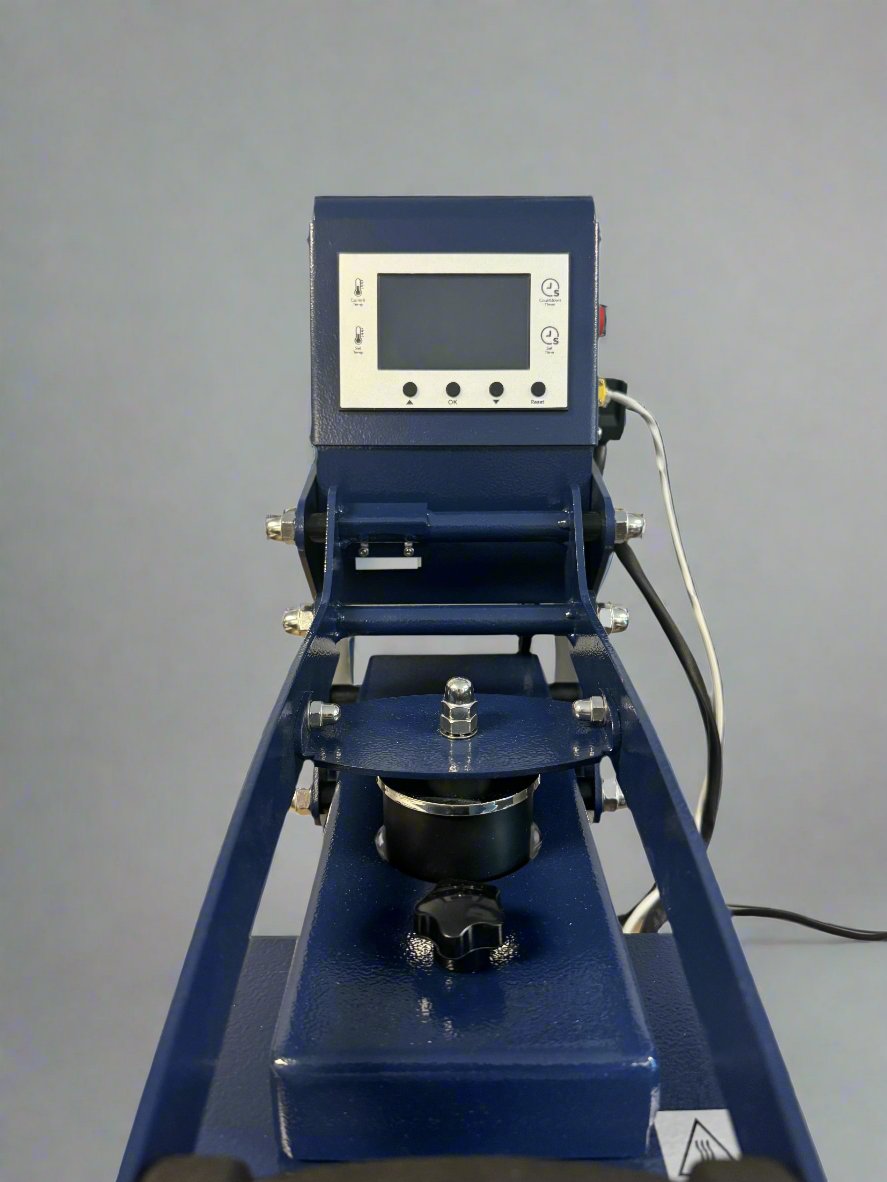
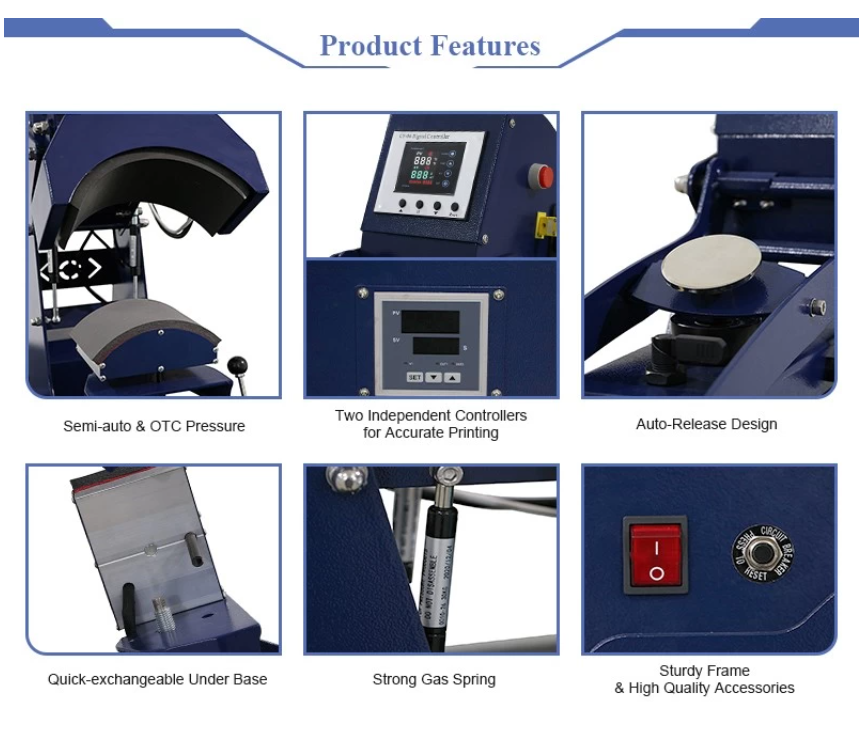
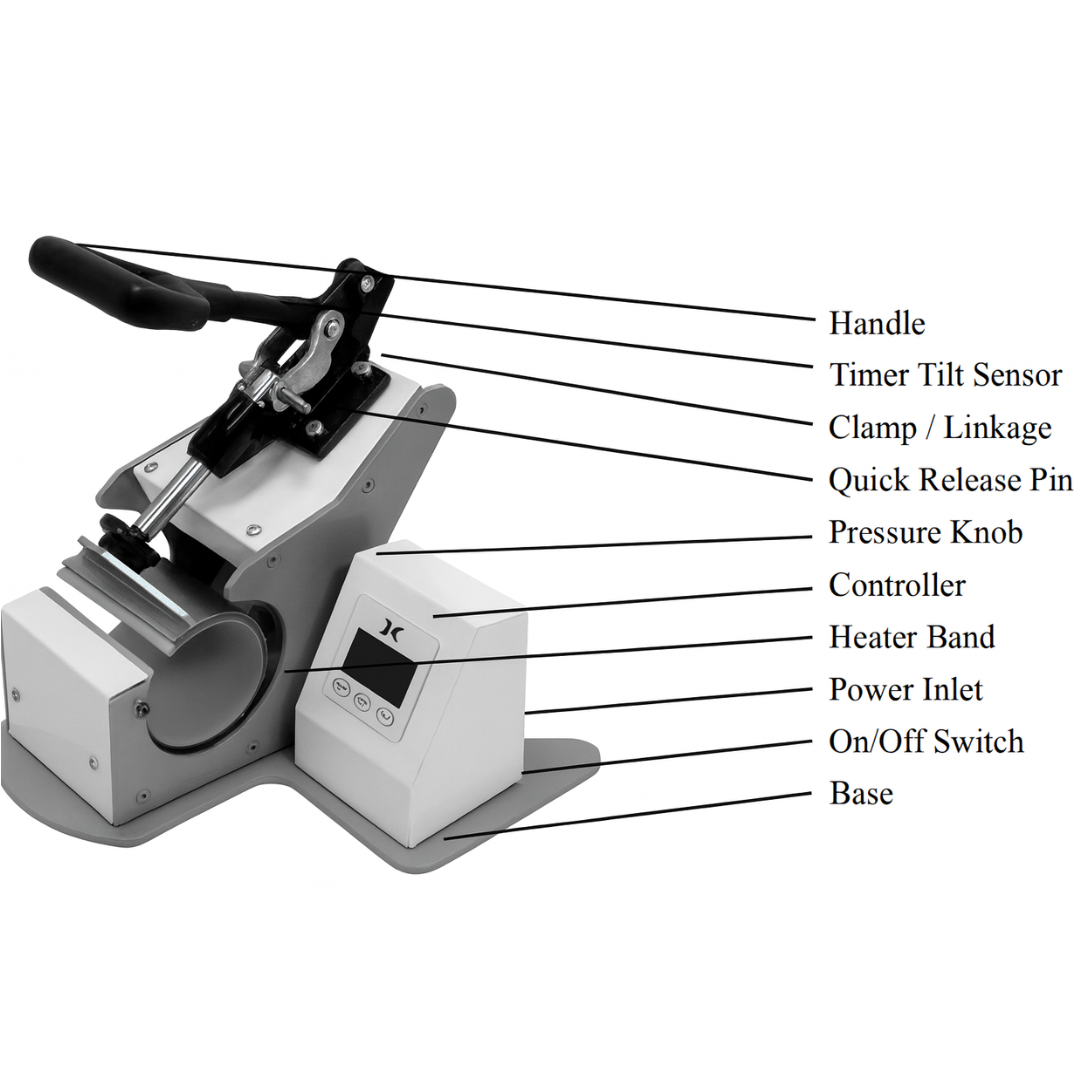
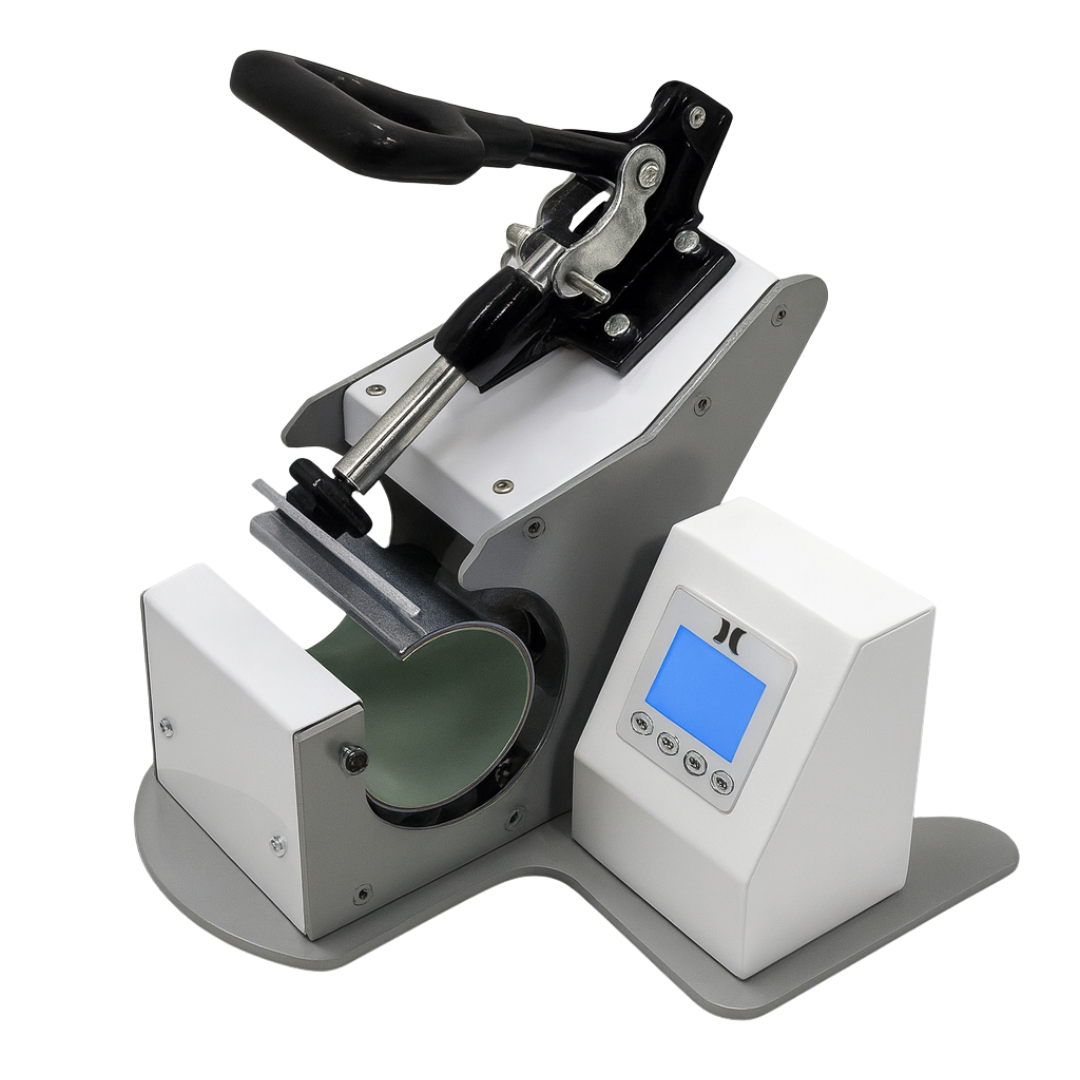
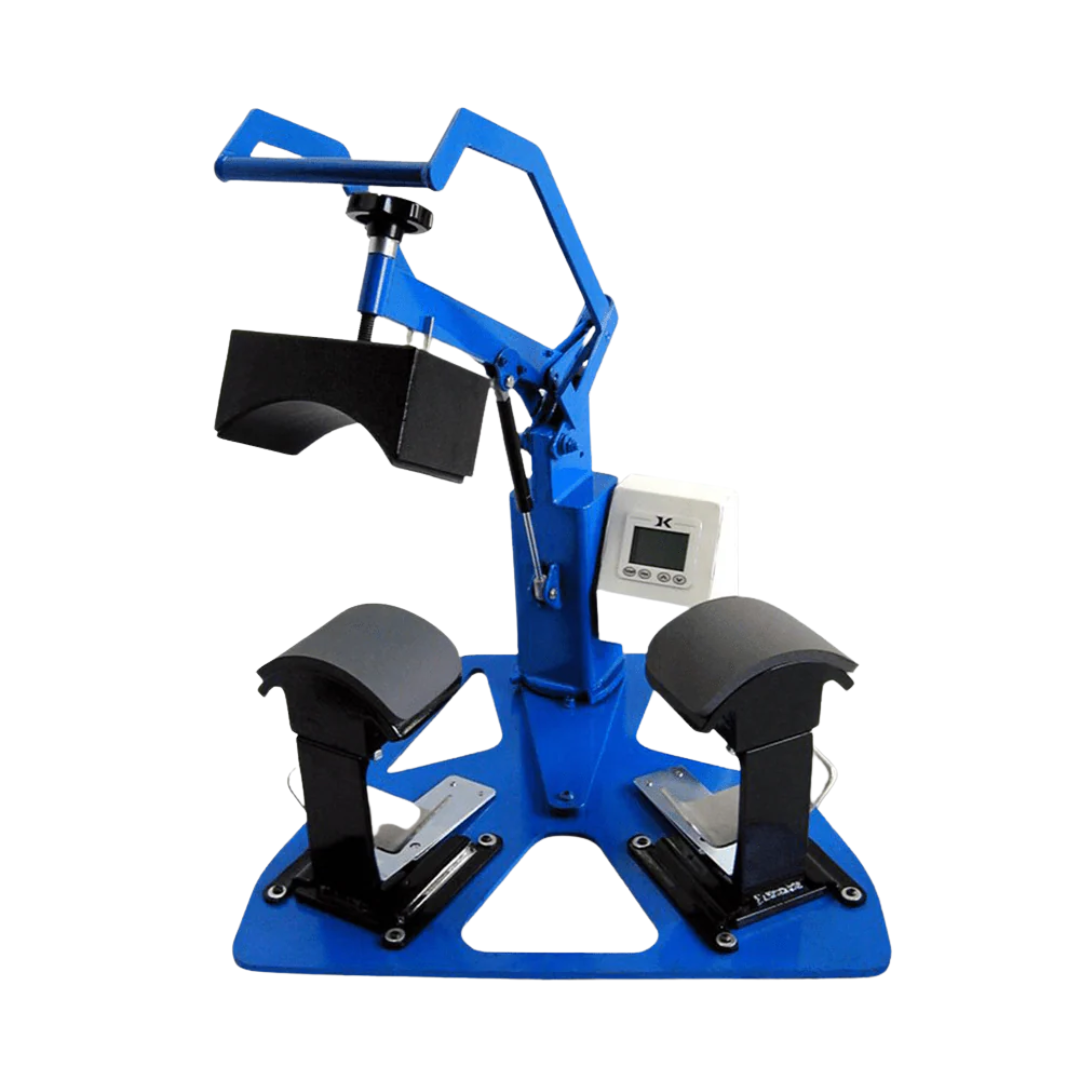
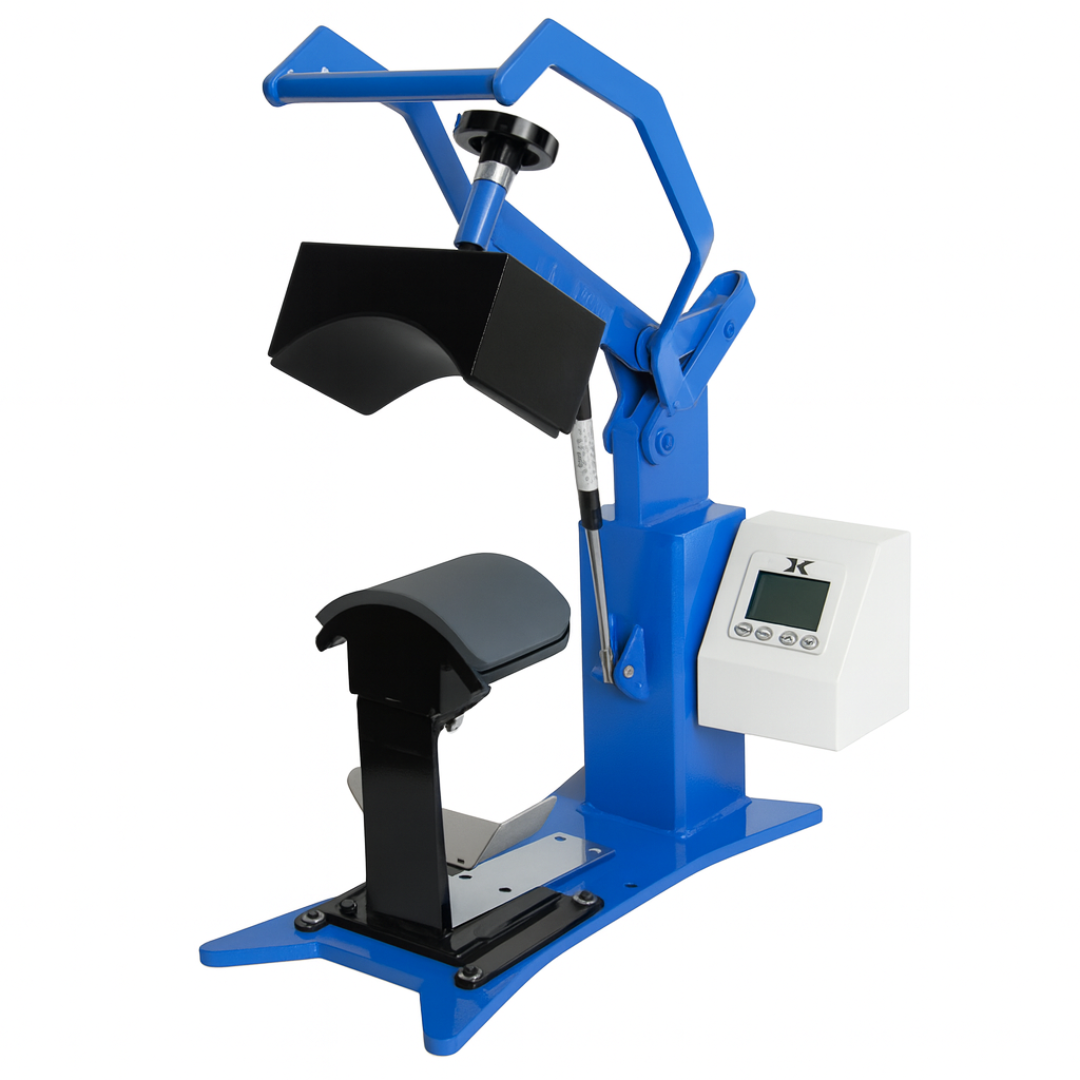
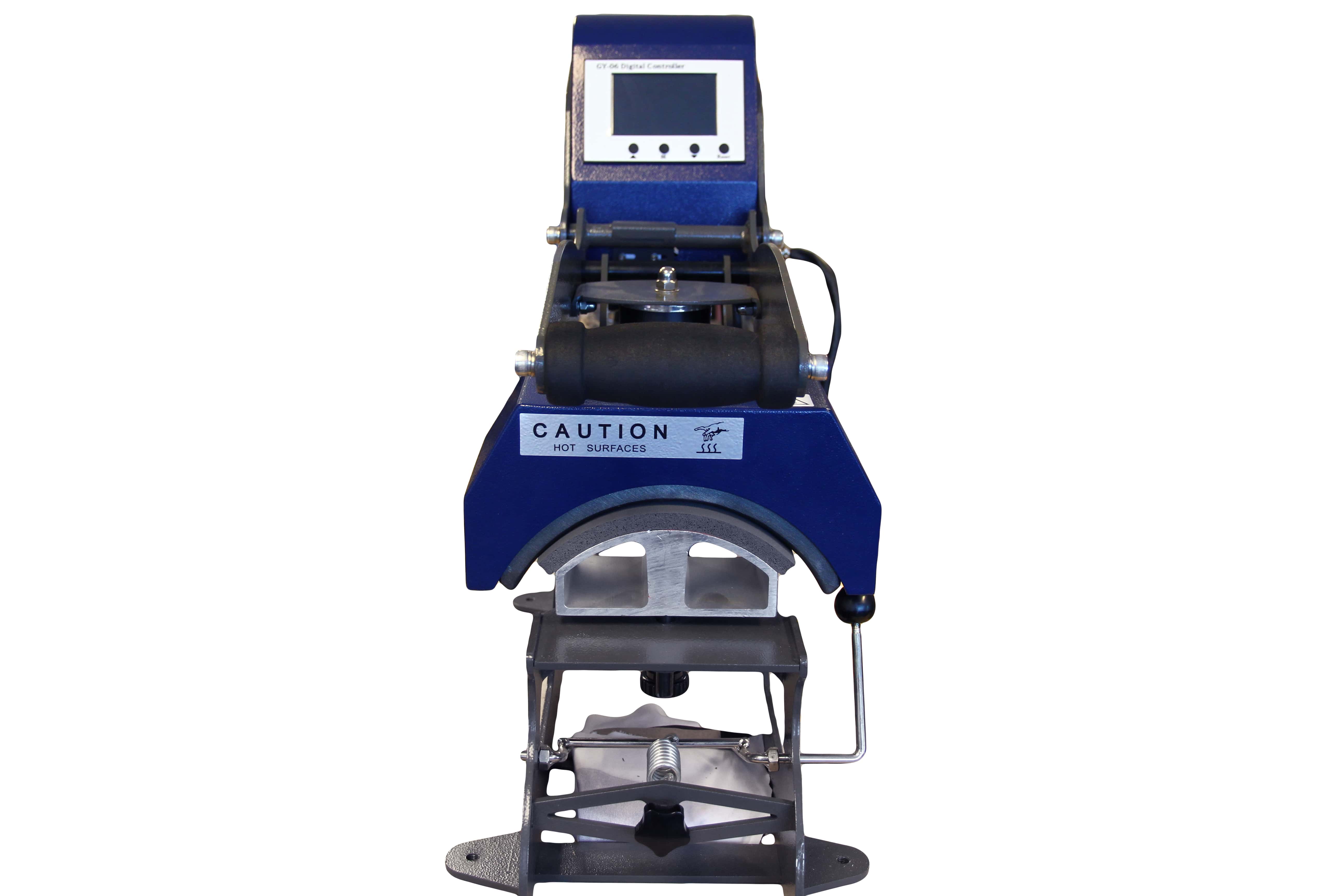
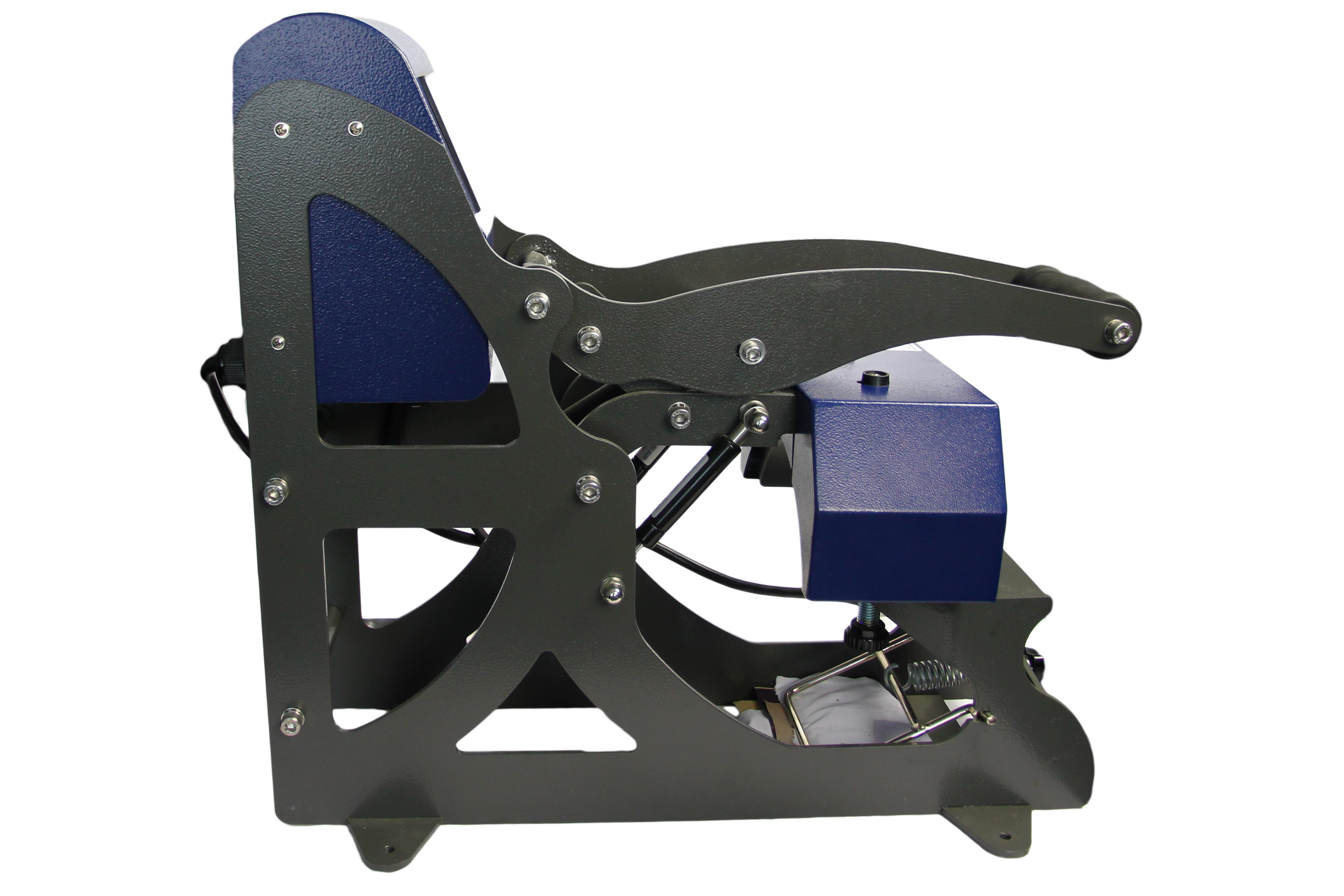
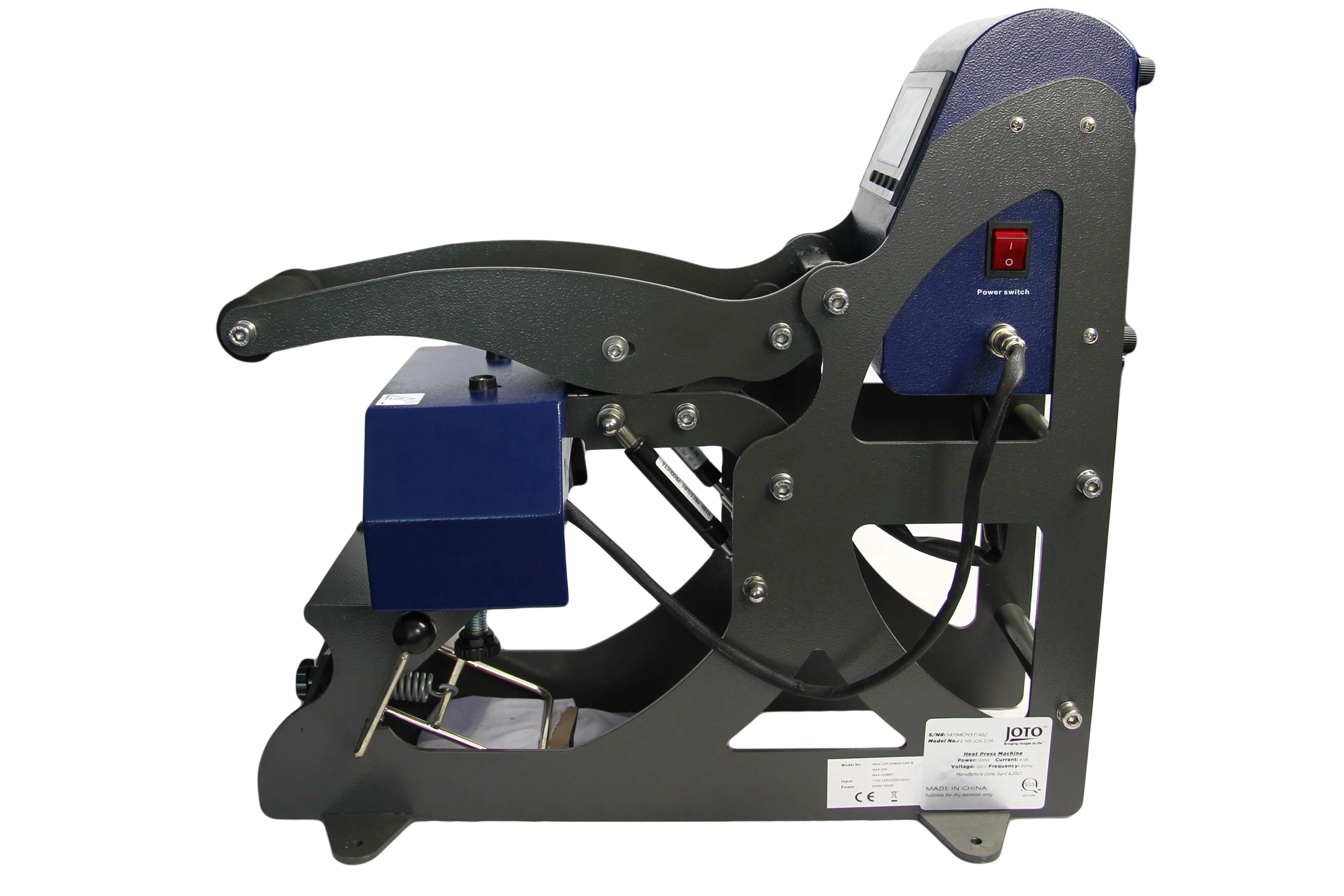
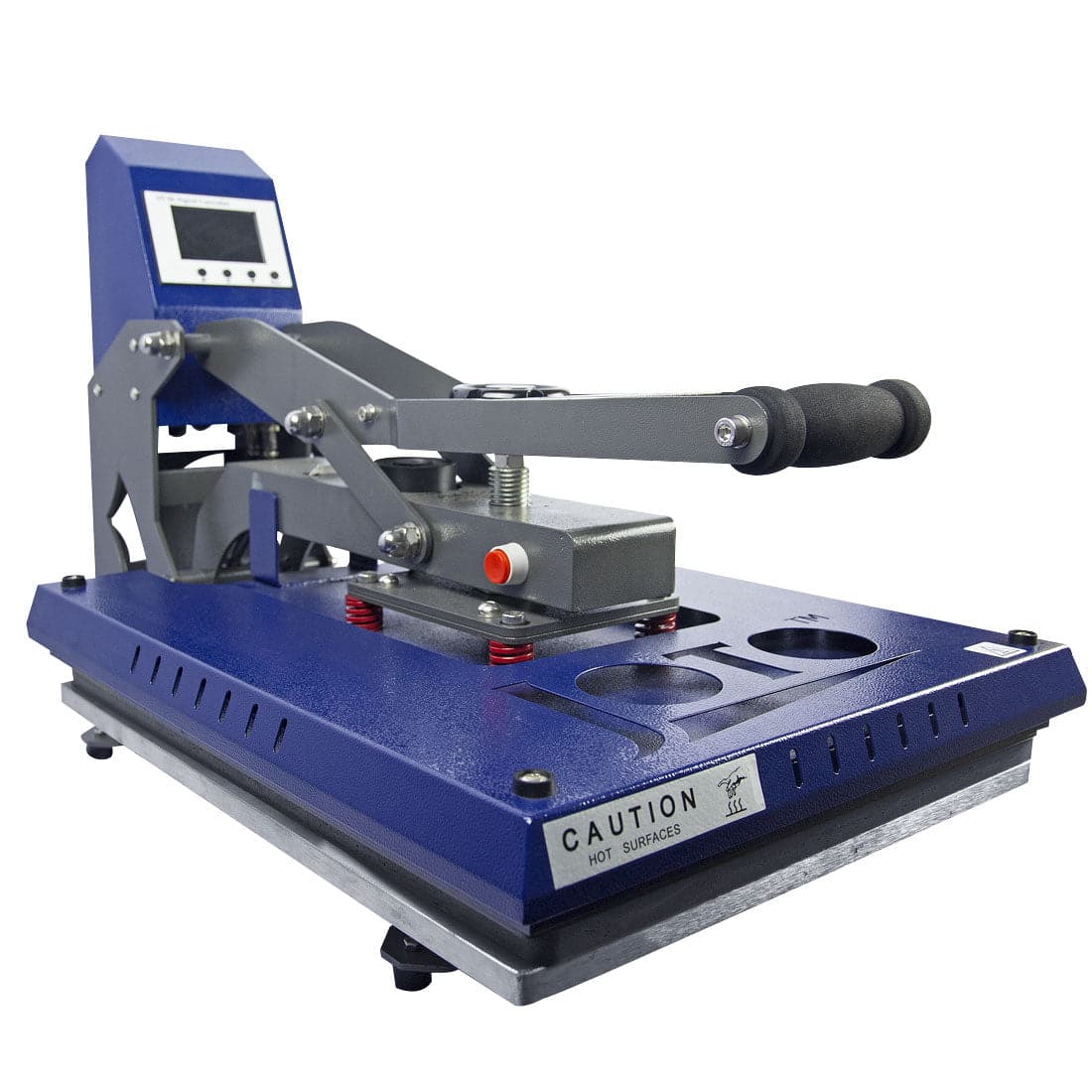
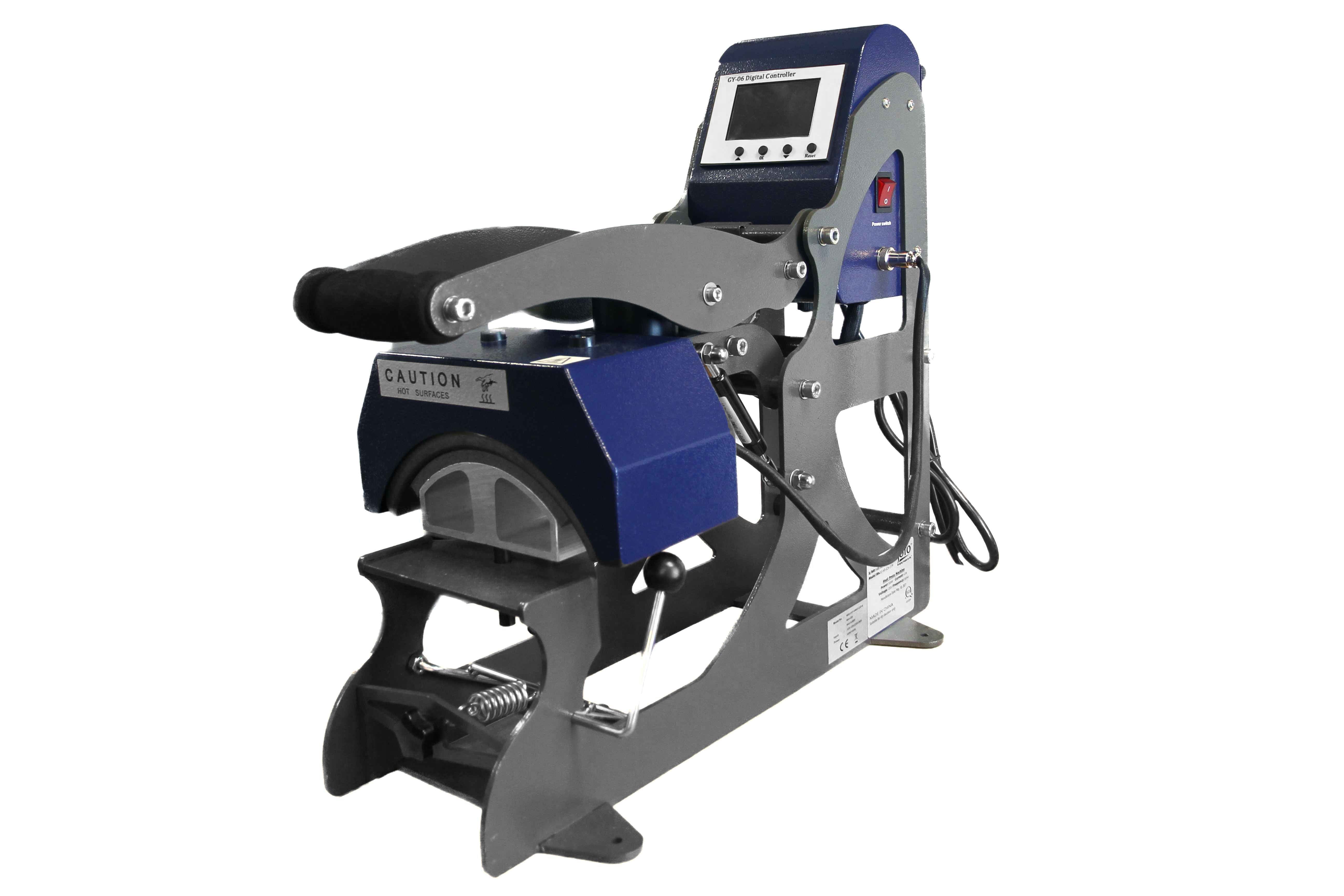
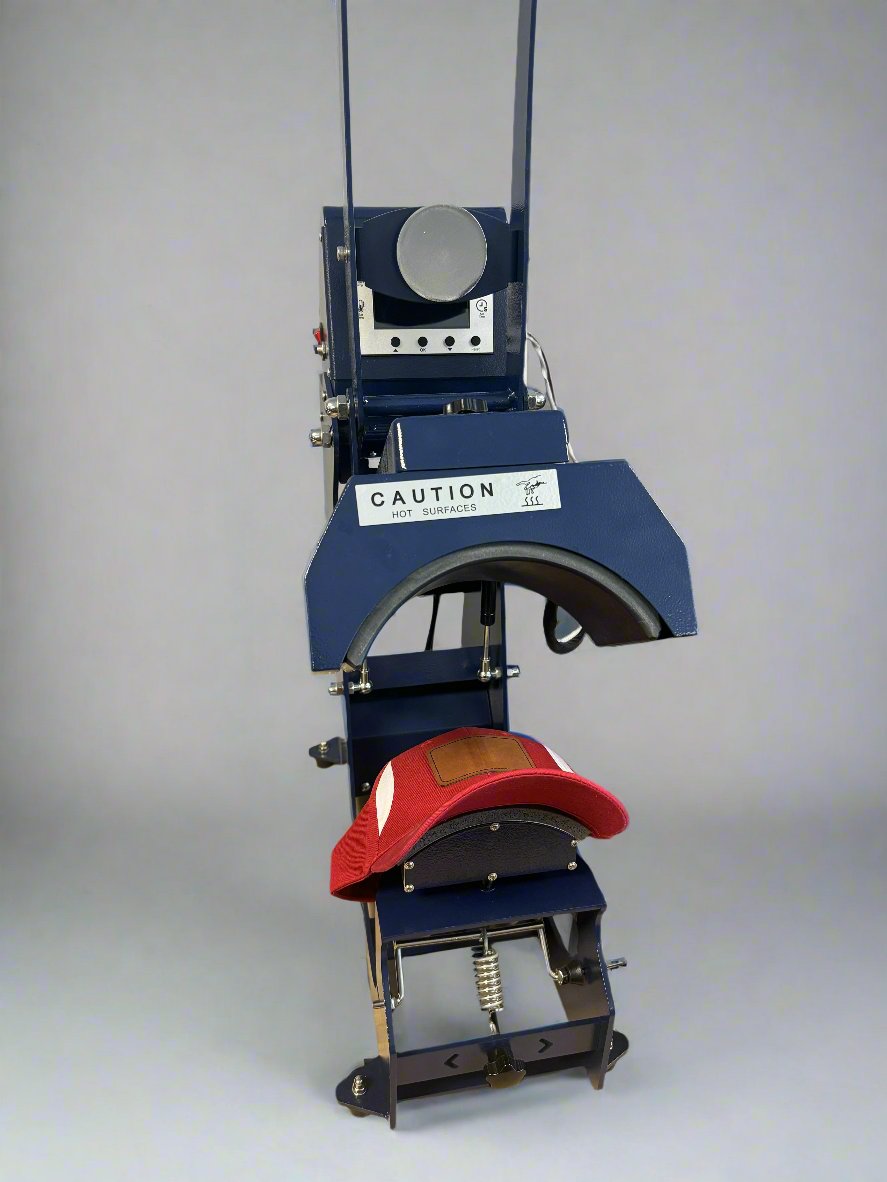
Not every job calls for a full-size press. Cap and pocket presses give you the precision needed to decorate compact areas without compromising quality. Their specialized platens apply consistent heat and pressure to curved or tight spaces, making it easy to customize hats, shirt pockets, sleeves, and other small substrates. Built for reliability, these presses help reduce errors and deliver crisp, long-lasting transfers on every run. They are compact enough to fit into smaller workspaces while powerful enough to keep up with busy production schedules. Perfect for sports teams, promotional giveaways, or retail personalization, cap and pocket presses open new revenue opportunities with minimal effort. Supported by Joto’s technical expertise and stocked locally across North America, this collection makes it simple to expand your product offerings and impress customers with professional results on every detail.
6 products

  • Sort by

Frequently Asked Questions:

What is a cap press and why is it different from a standard flat platen press?

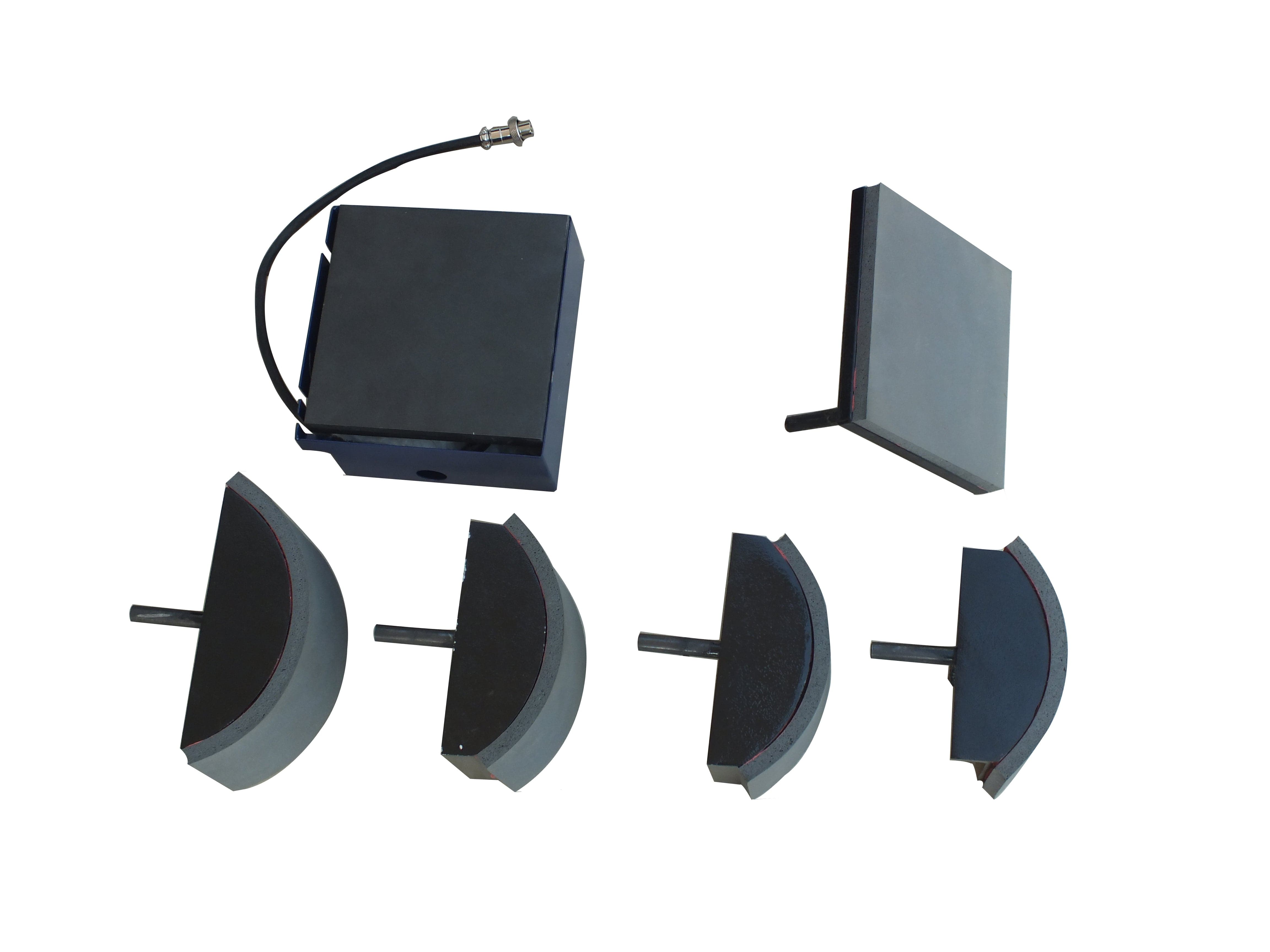
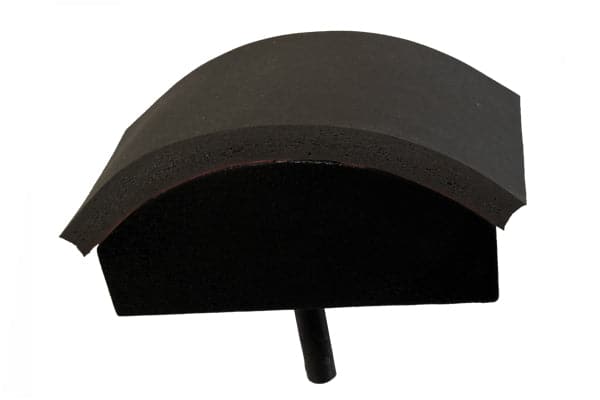
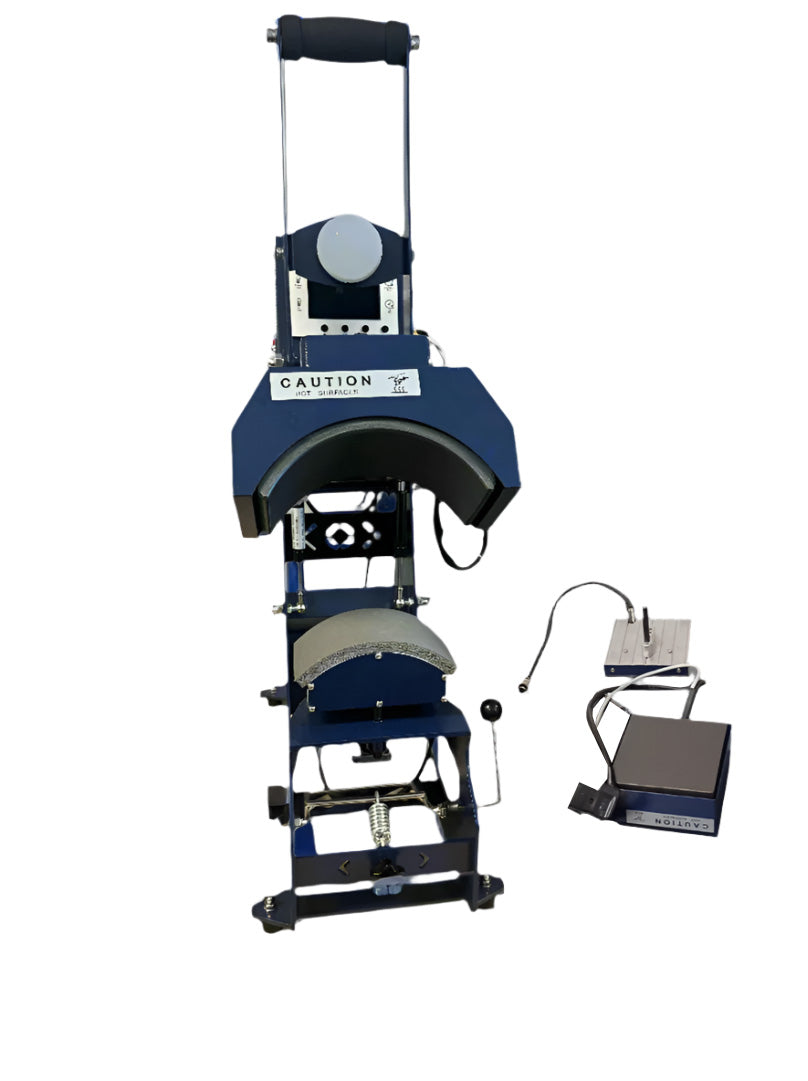
A cap press has a curved lower platen designed to match the contour of a structured cap or hat, and a curved upper heating element that applies even pressure across the curved surface. A flat heat press cannot apply even pressure on a curved cap front — it creates hot and cold spots that cause incomplete transfers, peeling edges, and uneven color.

What temperature and dwell time work best for sublimation on structured polyester caps?

For sublimation on polyester-front structured caps, press at 375–385°F (190–196°C) for 45–55 seconds. Unstructured or soft-front caps with lower polyester content may need slightly higher temperatures. Always test on a blank first — cap construction varies significantly by brand and the moisture content in a fresh-from-storage cap can affect transfer quality on the first press.

Is a cap press attachment compatible with standard flat heat press machines, or does it require a dedicated unit?

Most cap press attachments are designed as standalone units rather than add-ons to flat presses, because the curved platen geometry requires a dedicated heating element. However, some all-in-one presses include interchangeable lower platens that accommodate a curved cap attachment. Check your press manufacturer's compatibility guide before purchasing an attachment accessory.

Why is my cap transfer not adhering at the edges near the brim or side panels?

Poor adhesion at the edges is caused by the cap not sitting flush against the curved platen — the brim or visor creates a gap that reduces pressure at the lower edge of the front panel. Use the cap press clamp to pull the brim firmly down and away from the platen during pressing, or use a brim clip accessory designed for your press model to maintain correct positioning throughout the dwell time.

How many heat press cycles does a cap press platen typically handle before needing replacement?

A quality cap press platen used in a production environment handles 10,000–20,000 press cycles before showing significant wear to the heating element or platen curve. In a shop pressing 50 caps per day, that represents 200–400 business days of production. Replace the platen at the first sign of uneven heat distribution, which typically manifests as color banding across the cap front.

Can a pocket press attachment make decorated pocket squares more profitable for a small print shop?

Yes — a pocket press attachment lets you apply HTV or sublimation transfers precisely to shirt pockets, jacket pockets, and pocket squares without pressing the whole garment. This opens revenue streams in corporate apparel, monogrammed hospitality uniforms, and branded workwear. The setup cost is low relative to the premium pricing these custom pocket decorations command in the market.

What is the professional technique for centering a design precisely on a structured cap front?

Use a cap alignment tool or ruler to mark the exact center of the cap front panel with a heat-erasable pen. Print a registration cross or center mark on your transfer that aligns with this point. Position the cap on the press platen before loading the transfer, mark the center point on the platen with tape, and align the transfer registration mark to the tape mark every time for perfectly centered results across an entire production run.

What is the difference between a cap press and using a round mug press for curved surfaces?

A cap press platen is shaped specifically for the flat-yet-curved front panel of a structured cap and delivers even pressure across that specific geometry. A round mug press is curved in a different radius designed for cylindrical mugs — using it on a cap would create uneven pressure and a distorted transfer. Each press type is engineered for its substrate geometry and is not interchangeable.

Are the dyes used in cap sublimation transfers safe for skin contact during extended wear?

Sublimation dyes bond permanently with the polyester fibers rather than sitting on the surface, which means there is no dye residue available for skin contact after the transfer is complete. Sublimation inks used by reputable manufacturers are formulated without azo dyes and heavy metals. For garments worn close to skin for extended periods, look for inks and blanks that carry Oeko-Tex Standard 100 certification.

How do I store cap press platens when not in use to prevent warping of the curved form?

Store cap press platens in a stable, dry location at room temperature away from direct sunlight. Do not stack heavy items on curved platens, as sustained pressure can gradually deform the curve and create uneven pressing. Store platens upright or hanging rather than flat to prevent the curved surface from distorting under its own weight over time.

Drawer Title
Similar Products