


















Skip to content
en
CAD

Bloom Your Business Into Profit

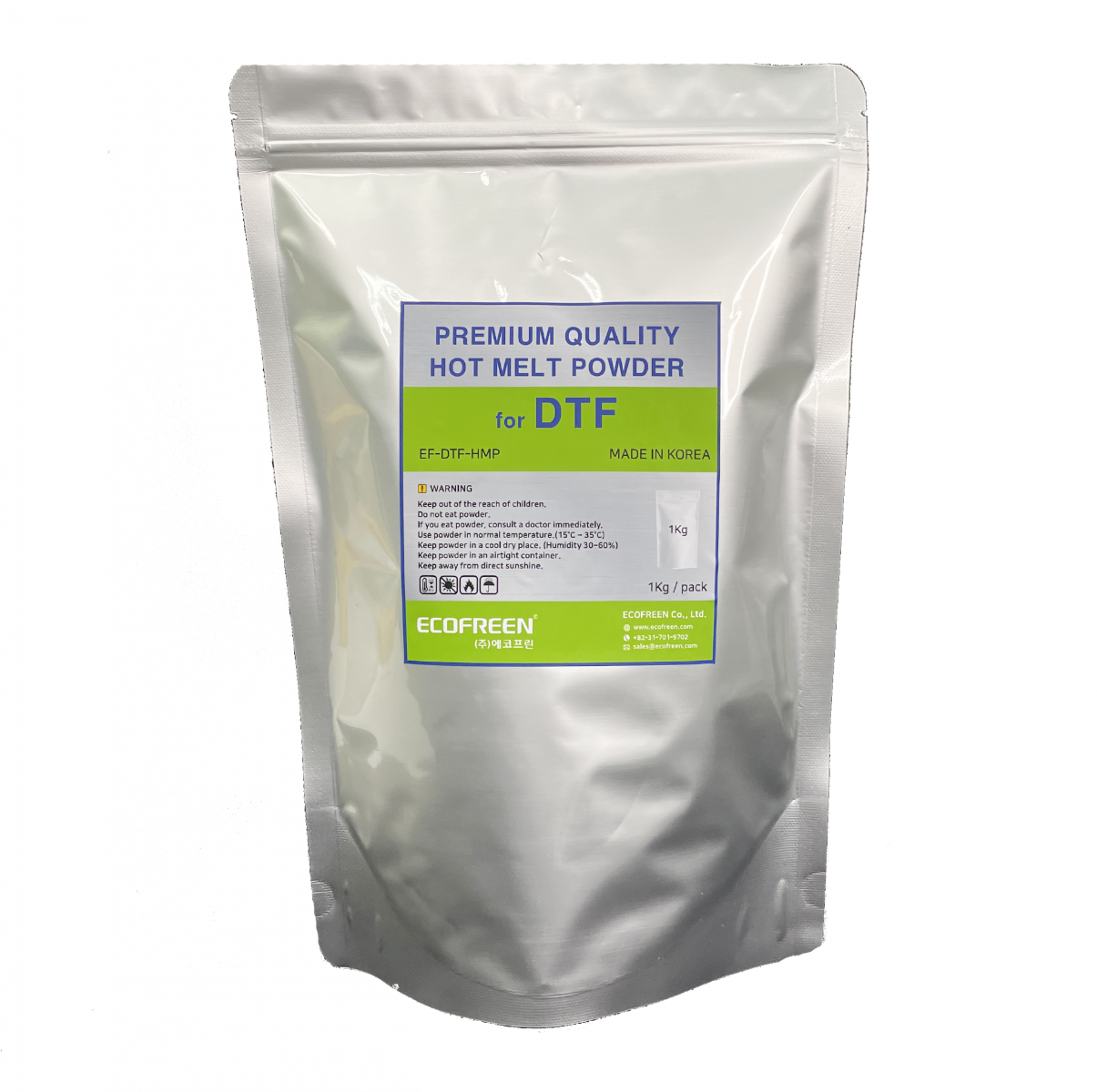
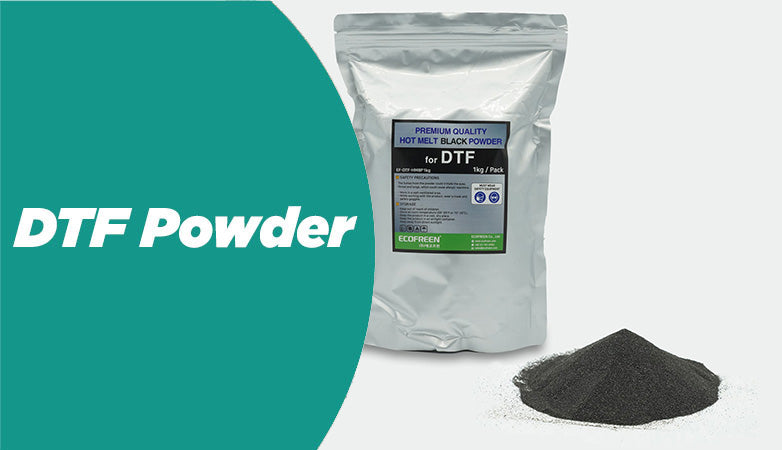
DTF Powder

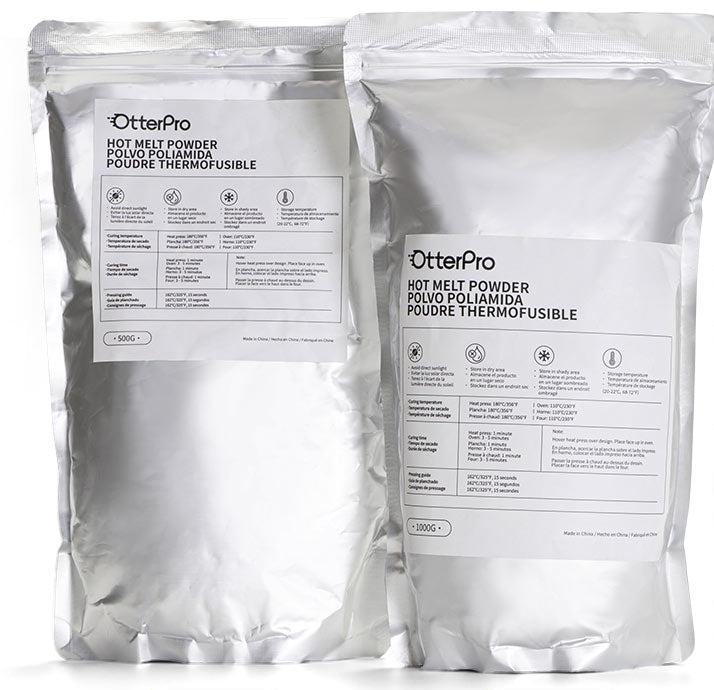
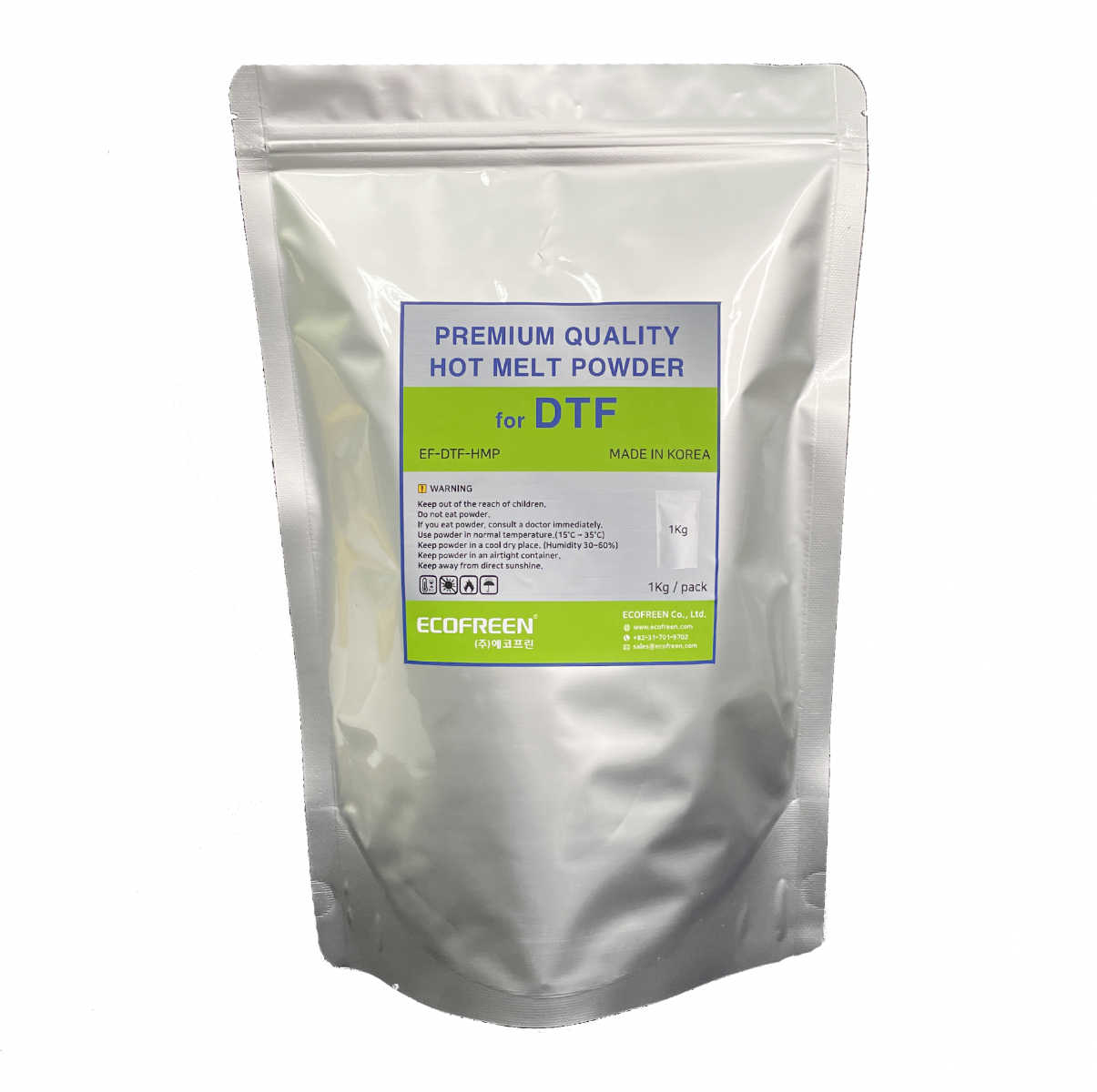
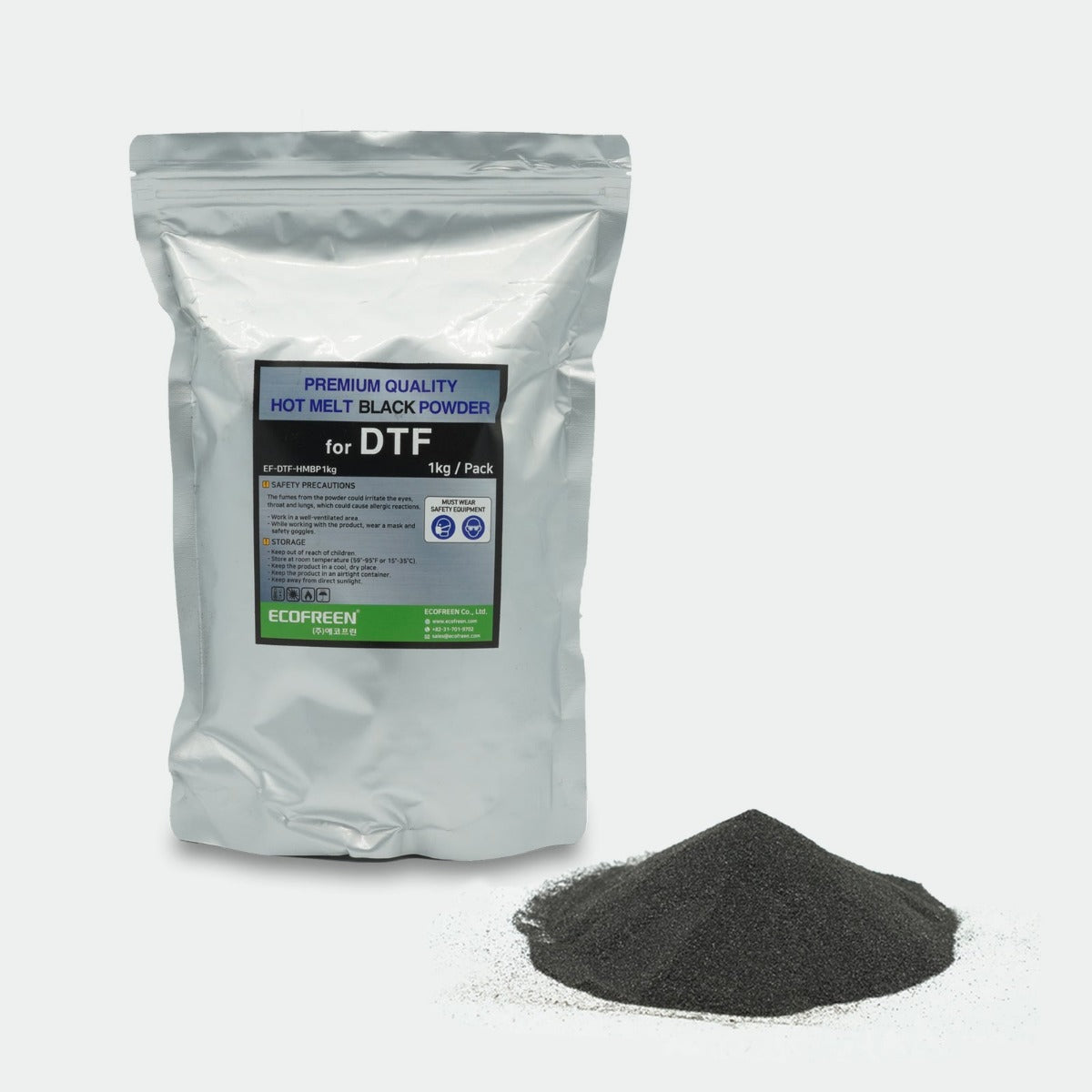
DTF Powder – Essential Adhesive for Durable Direct-to-Film Prints

Ensure strong, long-lasting adhesion for every Direct-to-Film (DTF) transfer with our premium DTF Powder. Specially formulated for smooth application and superior bonding, this powder helps you achieve vibrant, professional-quality prints that last.

Why Choose Our DTF Powder:

  • Strong, Even Adhesion – Creates a secure bond between printed film and fabric for durable results.

  • Brilliant, Wash-Resistant Finish – Keeps designs bright and intact wash after wash.

  • Fine, Consistent Texture – Ensures smooth coating and flawless heat transfer.

  • Compatible with All DTF Printers & Films – Works seamlessly with standard DTF printing setups.

Whether you’re producing custom t-shirts, hoodies, or promotional apparel, our DTF Powder provides the professional-grade reliability and vibrant color your designs deserve. Shop now and achieve lasting, high-quality DTF prints with every transfer!

Frequently Asked Questions:

What is DTF adhesive powder and why is it essential to the DTF transfer process?

DTF adhesive powder is a hot-melt polymer powder applied to freshly printed DTF film while the ink is still wet. When cured with heat, the powder melts into a continuous adhesive layer over the design. This adhesive layer bonds the transfer permanently to fabric during heat pressing, replacing the need for pretreatment or screen printing emulsions. Without proper powder application and curing, the transfer will not adhere to the fabric and will peel immediately.

What curing temperature and dwell time fully melt DTF hot-melt powder without scorching the film?

DTF hot-melt powder cures fully at 250–265°F (121–129°C) for 2–4 minutes in a heat press or 90–120 seconds in a tunnel dryer. The cured powder should appear uniformly glossy and smooth — matte or grainy patches indicate incomplete cure and will result in poor adhesion after pressing. Do not exceed 300°F (149°C) during powder curing as this can cause the PET film to wrinkle and distort, which ruins the transfer geometry.

Is DTF powder compatible with all fabric types, including nylon and performance athletic wear?

DTF hot-melt powder bonds effectively to cotton, polyester, nylon, denim, canvas, leather, and synthetic blends. On low-porosity fabrics like coated nylon and treated performance wear, bond strength can be lower — test press settings on a sample before full production. Increase press temperature by 5–10°F and extend dwell time by 5 seconds on low-porosity synthetics to improve adhesive penetration into the surface structure.

Why is my DTF transfer showing white powder halo marks around the design after pressing?

Powder halo marks are caused by excess adhesive powder outside the printed design area that was not fully removed before curing. Apply powder immediately while ink is wet, then shake and brush off all excess powder from the unprinted film area within 60 seconds. A powder shaker station automates this and prevents halos in production environments. If applying manually, use a wide soft-bristle brush in one direction to sweep excess powder off the film surface before placing in the curing station.

How many wash cycles does a DTF transfer retain full adhesion on cotton after correct powder curing?

A properly cured and pressed DTF transfer on 100% cotton retains strong adhesion for 50–80 wash cycles under normal care conditions. Wash durability is directly tied to complete powder curing — under-cured powder degrades rapidly in the first few washes. Test wash durability by pressing a sample, washing it 5 times in hot water, and evaluating edge adhesion. If edges lift after 5 hot washes, increase cure time or temperature before running production.

What is the cost-per-transfer impact of powder waste in a manual application workflow versus an automated powder station?

Manual powder application typically wastes 30–50% of powder applied per transfer through overapplication and shake-off loss. An automated powder shaker station applies a controlled, consistent coating and collects all excess for reuse, reducing effective powder waste to under 10%. At $15–$25 CAD per kg of DTF powder and 200+ transfers per day, switching from manual to automated application saves $3–$8 per day in powder cost — the station pays for itself in materials savings within weeks at production volume.

What is the trick to applying DTF powder evenly on oversized gang sheets without thin spots or clumping?

For large gang sheets, apply powder in two passes: first sprinkle from left to right across the sheet, then shake gently end-to-end to redistribute powder into any gaps. Work quickly — the ink window for powder adhesion is only 30–60 seconds. Use a wide, flat container slightly larger than your film format so you can tip and rotate the film to move powder across the surface evenly rather than trying to sprinkle evenly by hand over a large area.

What is the difference between fine-grain and coarse-grain DTF powder, and does grain size affect transfer hand feel?

Fine-grain DTF powder (80–120 micron) produces a thinner adhesive layer with a softer hand feel on fabric — preferred for apparel and wearable items where print feel matters. Coarse-grain powder (150–200 micron) creates a thicker adhesive layer with stronger initial bond strength, better suited for heavy-duty applications on bags, leather, and rigid textiles. For most apparel applications, fine-grain powder is the better choice for comfort and professional finish.

Is DTF hot-melt powder safe to handle without respiratory protection in a production environment?

DTF powder becomes airborne during application and poses an inhalation risk if inhaled regularly in an enclosed workspace. Under WHMIS guidelines, fine powder dusts are classified as nuisance particulates requiring basic respiratory protection during regular occupational exposure. Use a dust mask or N95 respirator during powder application, operate in a ventilated space or use an enclosed powder shaker station with exhaust filtration, and avoid touching eyes after handling powder without washing hands.

How should DTF adhesive powder be stored to prevent moisture absorption and clumping?

Store DTF powder in a sealed, airtight container with a desiccant packet in a cool, dry environment below 77°F (25°C). Moisture is the primary cause of powder clumping — humid environments cause powder particles to bond together, making them impossible to apply evenly. If powder has clumped, sieve it through a fine mesh strainer before use to break up aggregates. Never store powder in a refrigerator — condensation forms when cold powder is brought to room temperature and causes immediate clumping.

Drawer Title
Similar Products