

































Skip to content
en
CAD

Bloom Your Business Into Profit

Sublimation Paper

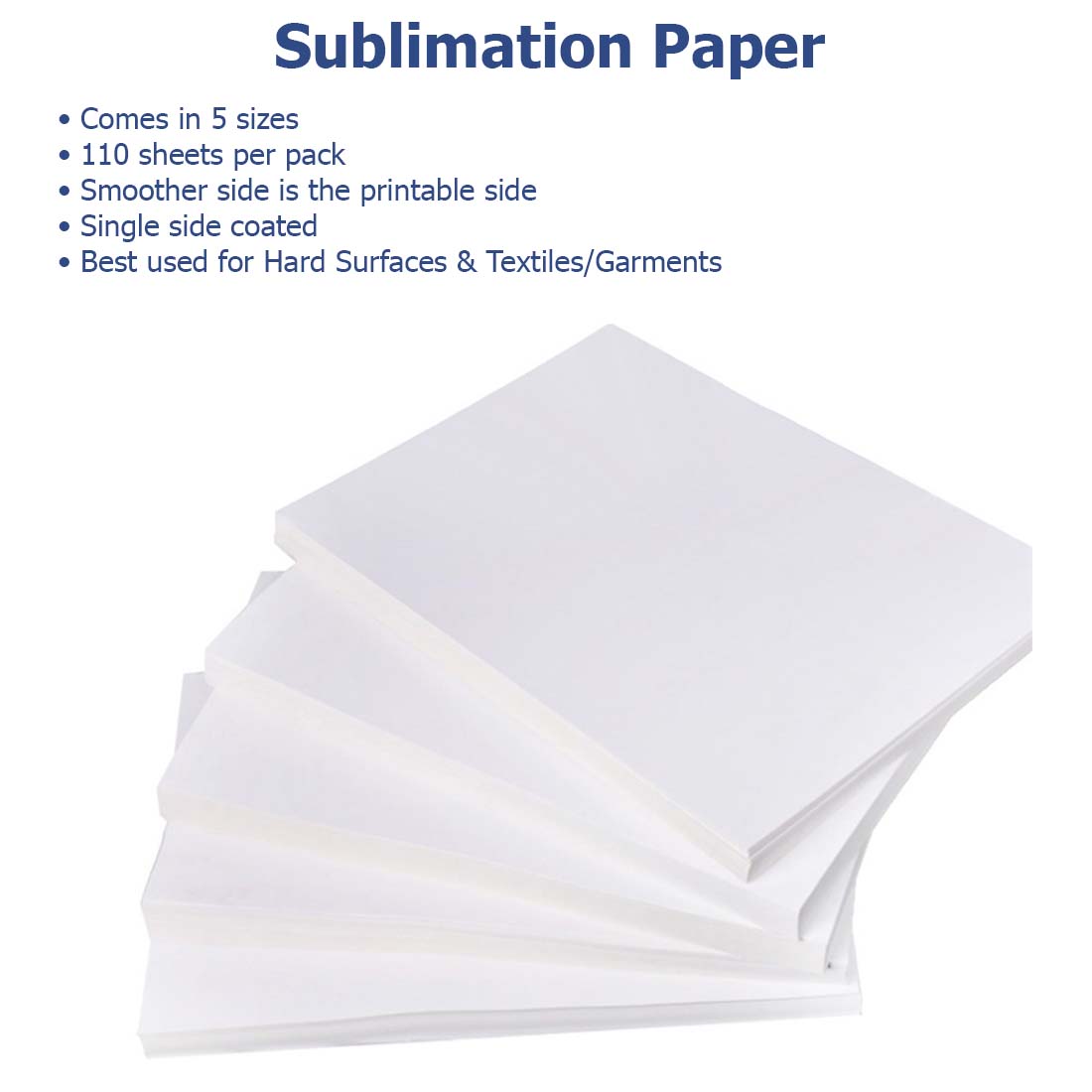
Sublimation paper for sharp and vibrant transfers


Sublimation paper delivers bright colors and crisp details on apparel, mugs, and many other substrates.


Our collection is crafted to provide smooth transfers and consistent results across a wide range of blanks. Designed to hold ink evenly, it prevents smudges and ensures professional-quality output with every print. Perfect for clothing, signage, and personalized gifts, this paper helps businesses achieve vivid designs with reliable performance. Lightweight yet durable, it works efficiently with standard equipment, reducing waste and saving time. 


19 products

  • Sort by

Frequently Asked Questions:

What is sublimation transfer paper and what role does it play in the sublimation process?

Sublimation paper is a specially coated sheet that holds sublimation ink after printing and releases it as a gas when exposed to heat and pressure. The ink bonds permanently with the polymer coating on the substrate. The paper itself is a temporary carrier — its coating quality directly determines how completely the ink releases and how vibrant the final print appears.

What is the recommended temperature and dwell time for transferring onto a polyester garment?

For polyester garments, press sublimation transfers at 385–400°F (196–204°C) for 45–60 seconds at firm, even pressure. Thicker substrates like mouse pads or neoprene require longer dwell times (60–90 seconds). Over-pressing causes ink migration beyond the design edges; under-pressing results in faded, incomplete transfers.

Is sublimation paper compatible with all sublimation printers, or do I need paper matched to my specific model?

Most sublimation papers work across common printer platforms, but performance is optimized when the paper is matched to your specific ink brand with a custom ICC color profile. Using paper without the correct ICC profile results in color casts and inaccurate output. Sawgrass printers, for example, perform best with profiles built for the paper and SubliJet-HD ink combination.

Why do I see ink bleed or ghosting around my design after pressing sublimation paper?

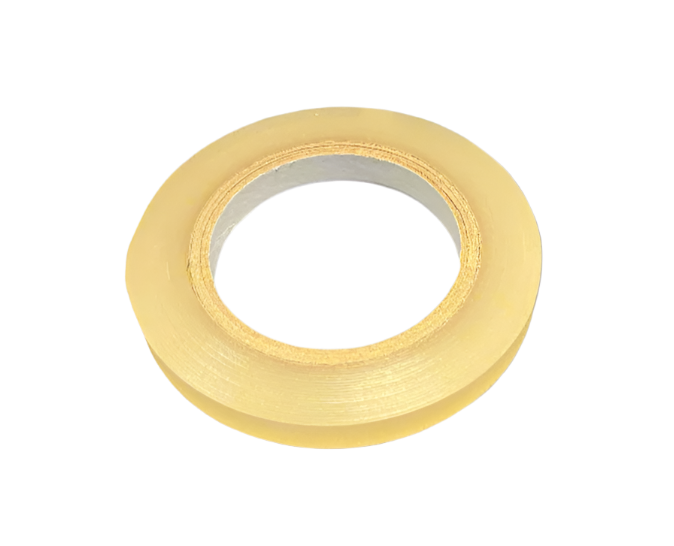
Ghosting is caused by the paper shifting between the substrate and platen during or after pressing. Secure the paper to the substrate with heat-resistant tape on all four edges before pressing. Remove the substrate from the press carefully without letting the paper shift, and peel the paper immediately after pressing in one smooth motion to prevent ink re-depositing on the substrate.

How does sublimation paper quality affect the wash durability of the finished print?

Sublimation paper quality affects how completely ink releases during pressing — poor release means less ink in the substrate, which translates to faded prints that degrade faster under washing. High-release papers with optimized coatings produce deeper ink penetration into the polymer, resulting in prints that maintain vibrancy for 100+ wash cycles on quality polyester substrates.

Is it more cost-effective for a print shop to buy sublimation paper in rolls or cut sheets?

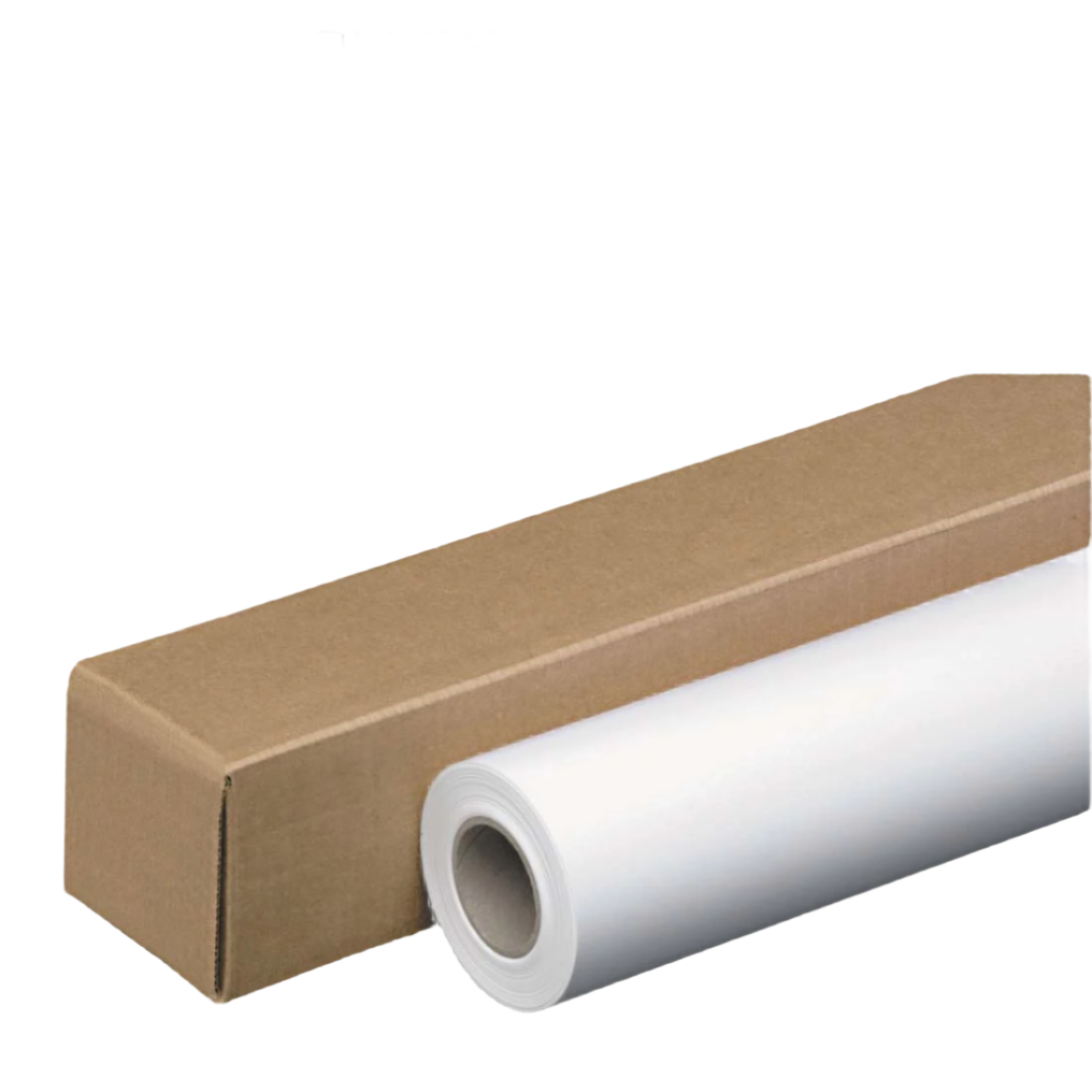
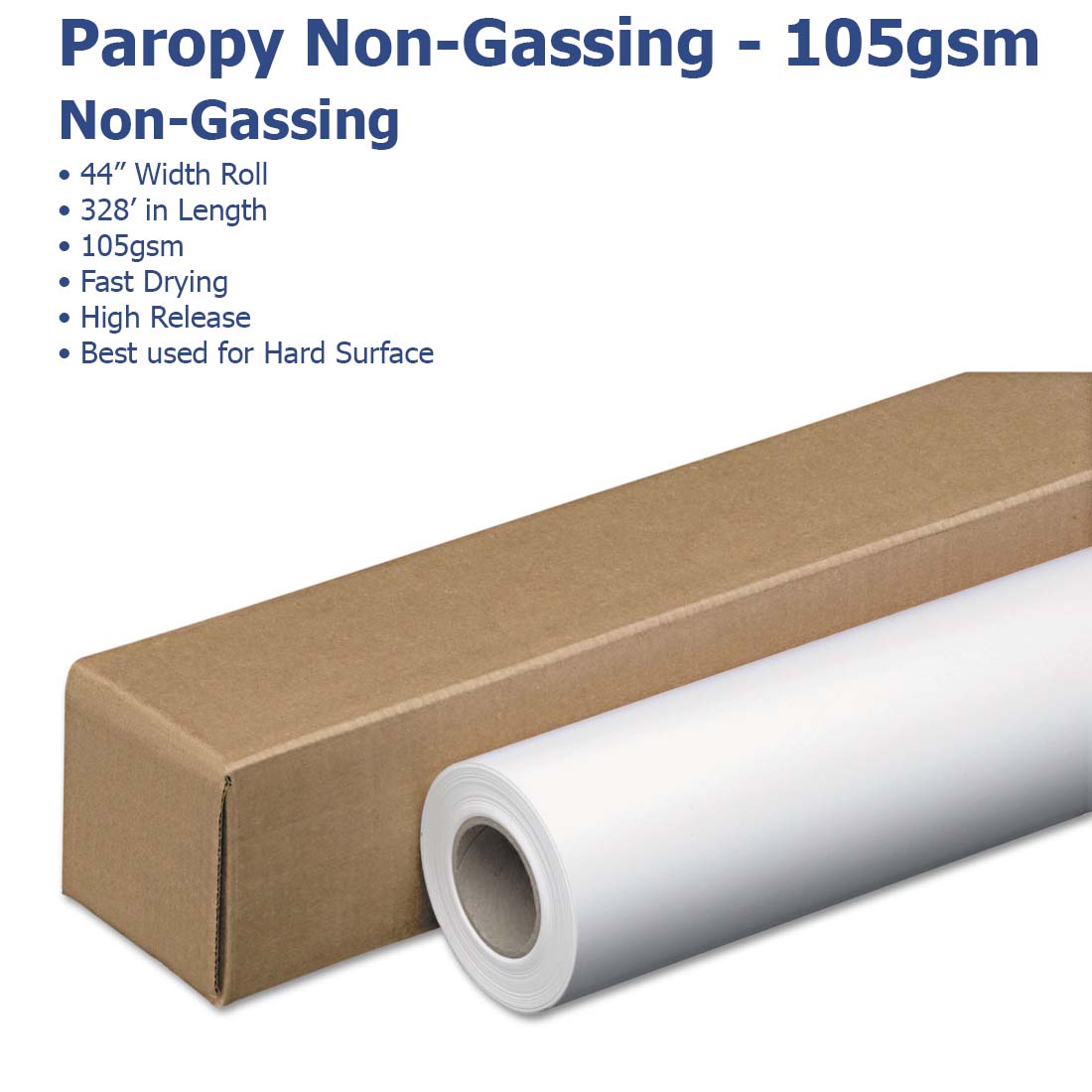
Rolls are significantly more cost-effective for wide-format sublimation workflows — cost per square foot drops by 30–50% compared to pre-cut sheets. Cut sheets offer convenience for desktop printers and low-volume operations. For shops printing more than 500 letter-size transfers per month, switching to roll-fed paper with a wide-format sublimation printer is typically a breakeven within 3–4 months.

What is the trick to preventing sublimation paper from curling inside the printer during feeding?

Pre-condition paper by storing it in the print room for 24 hours before use so it acclimates to the ambient temperature and humidity. If curling persists, lightly flex the paper stack in the opposite direction of the curl before loading. Never store opened paper reams near air conditioning vents or in humid environments — moisture is the primary driver of feed problems and paper curl.

What is the difference between high-release and standard sublimation paper, and when does the upgrade pay off?

High-release sublimation paper transfers a higher percentage of ink to the substrate than standard paper — typically 95%+ versus 80–85% for budget papers. This translates to more vibrant colors, especially in deep blues, reds, and blacks. For commodity mugs or basic apparel, standard paper is sufficient. For premium hard substrates like metal panels, aluminum photo prints, or fine art reproduction, high-release paper produces a noticeably superior result that justifies the price difference.

Is sublimation paper recyclable, and are the inks safe for indoor use without special ventilation?

Sublimation paper after use has residual ink and cannot be recycled through standard paper streams — dispose of it as general waste. Sublimation inks are water-based and considered low-hazard, but the heat pressing process releases small amounts of vapors. Ensure your workspace has basic ventilation (an open window or exhaust fan) during pressing, particularly in small enclosed rooms.

How should unused sublimation paper be stored to prevent moisture absorption and coating degradation?

Store sublimation paper sealed in its original packaging with the included desiccant packet in a room-temperature environment (65–75°F / 18–24°C) away from sunlight and humidity. Opened reams should be kept in a resealable plastic bag or airtight paper storage box. Paper that has absorbed moisture will feed unevenly, print with streaks, and produce dull transfers — even a few days of improper storage can degrade performance noticeably.

Drawer Title
Similar Products