

































Skip to content
en
CAD

 🌨️ Please expect delays due to weather conditions ❄️

Sublimation Wood

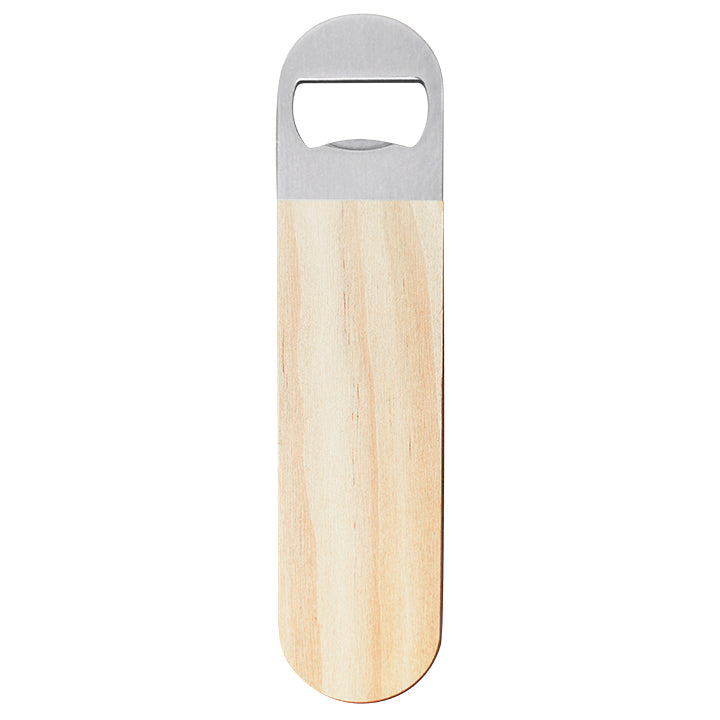
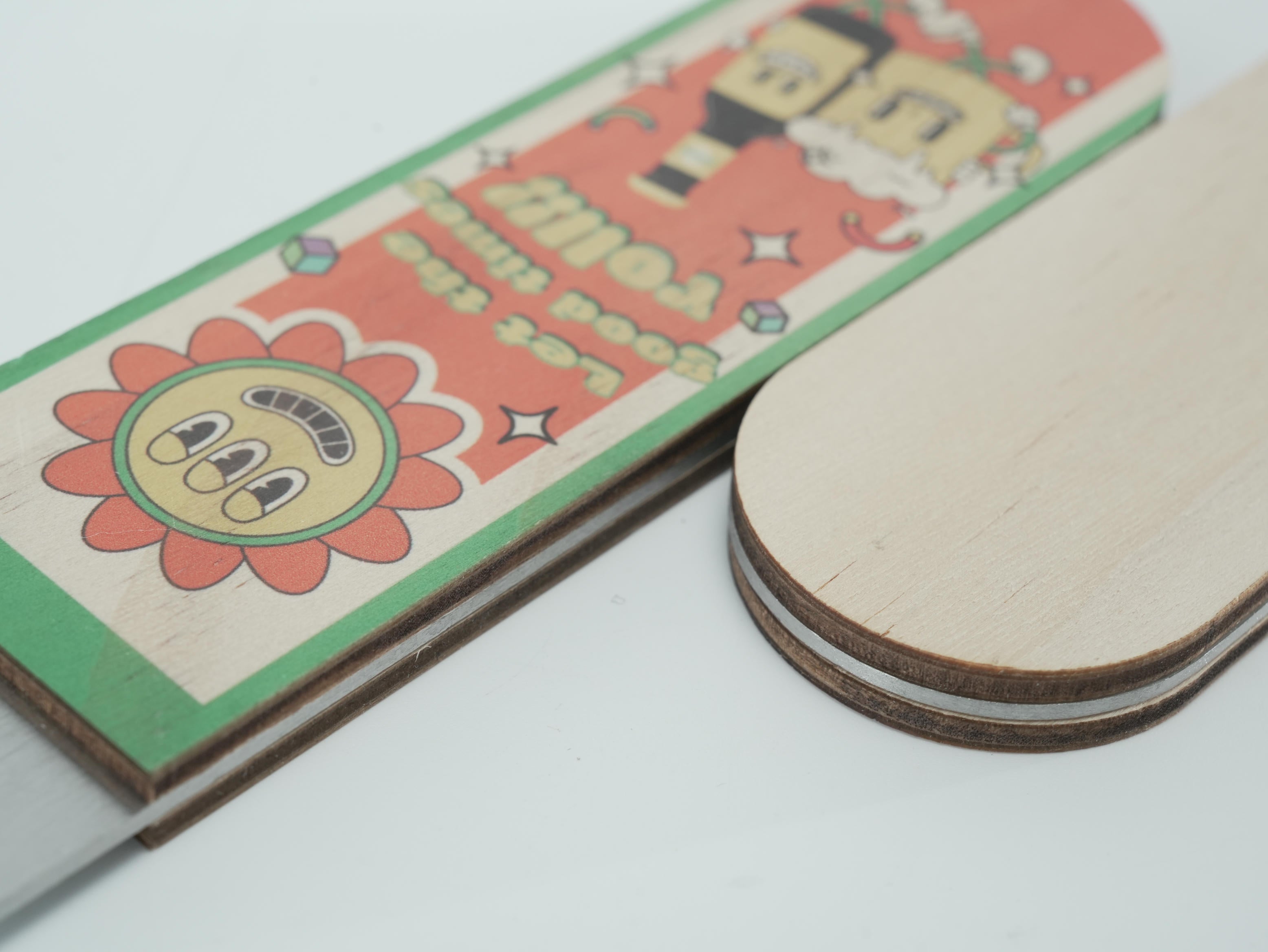
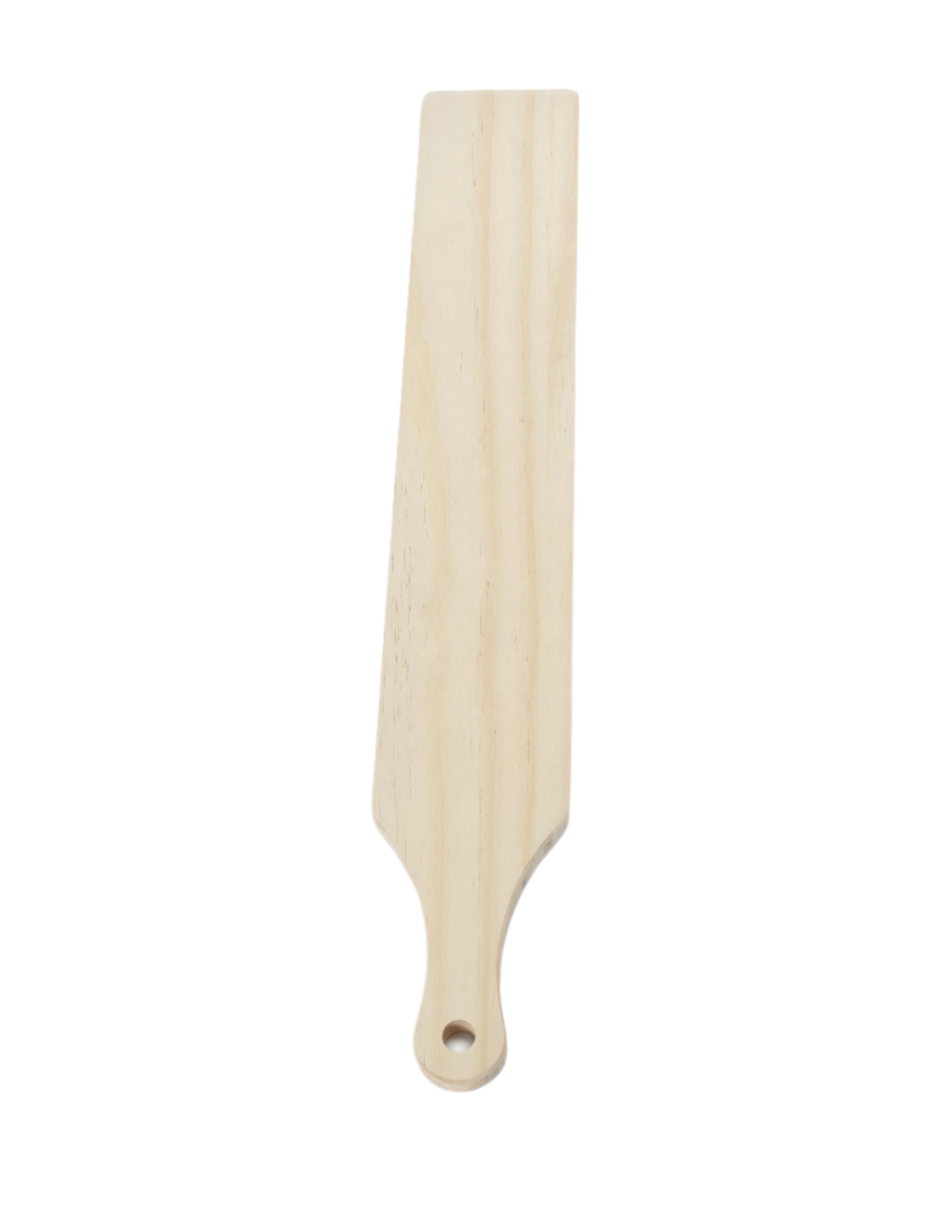
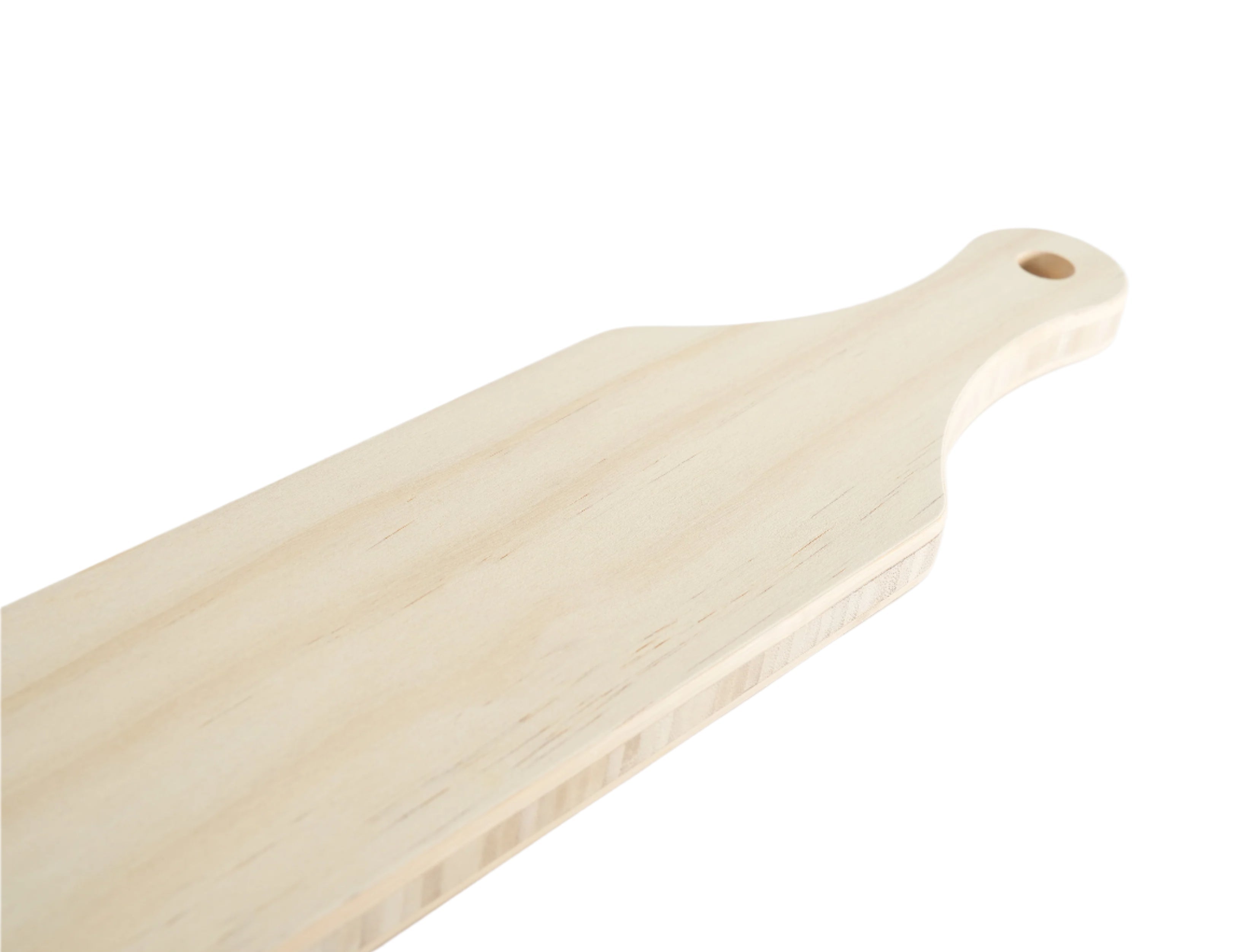
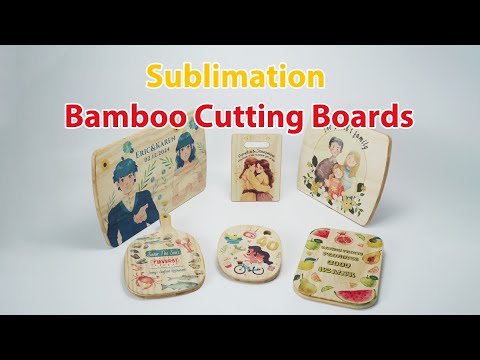
Sublimation Wood – Natural Beauty with Brilliant, Lasting Prints

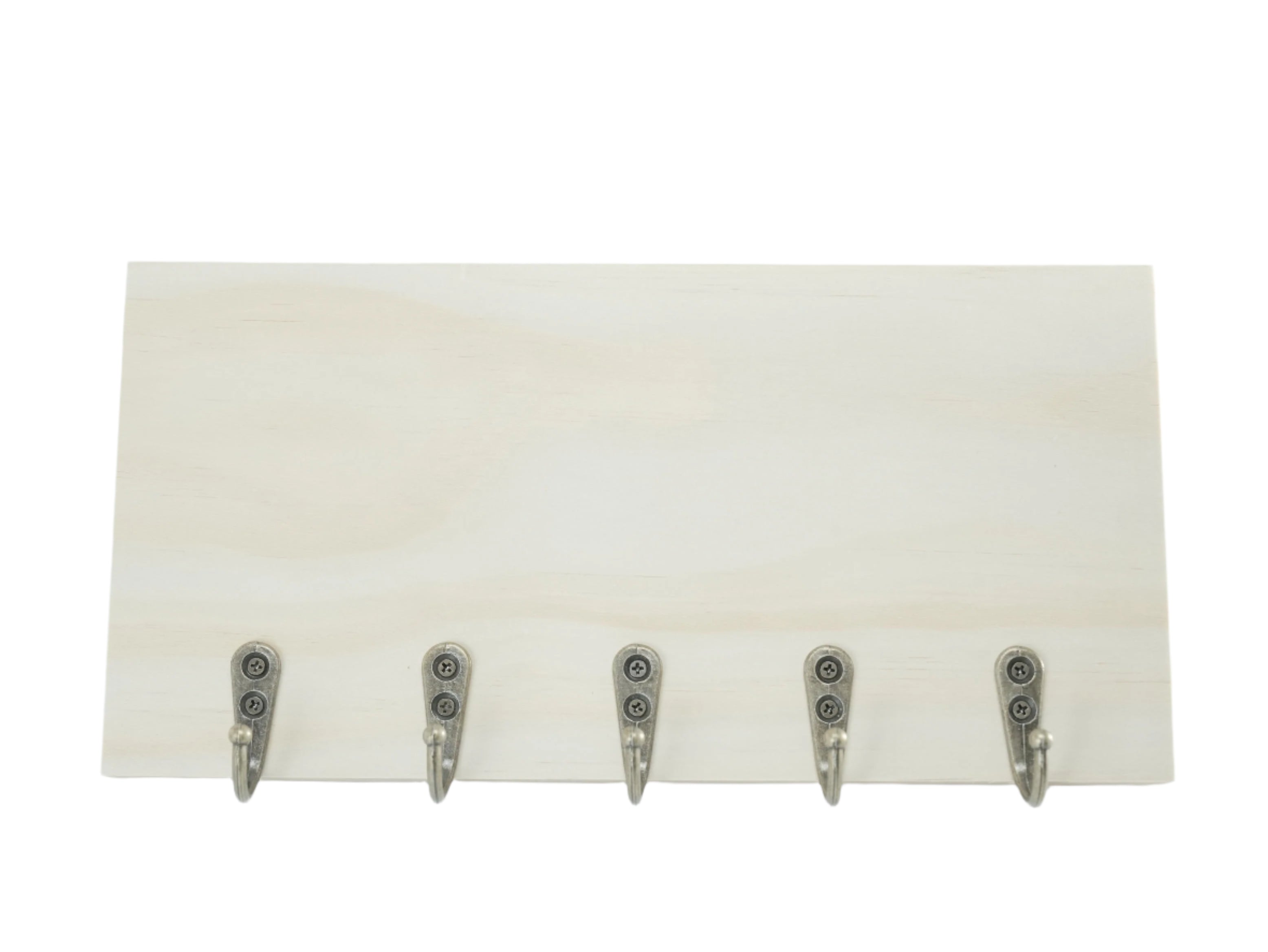
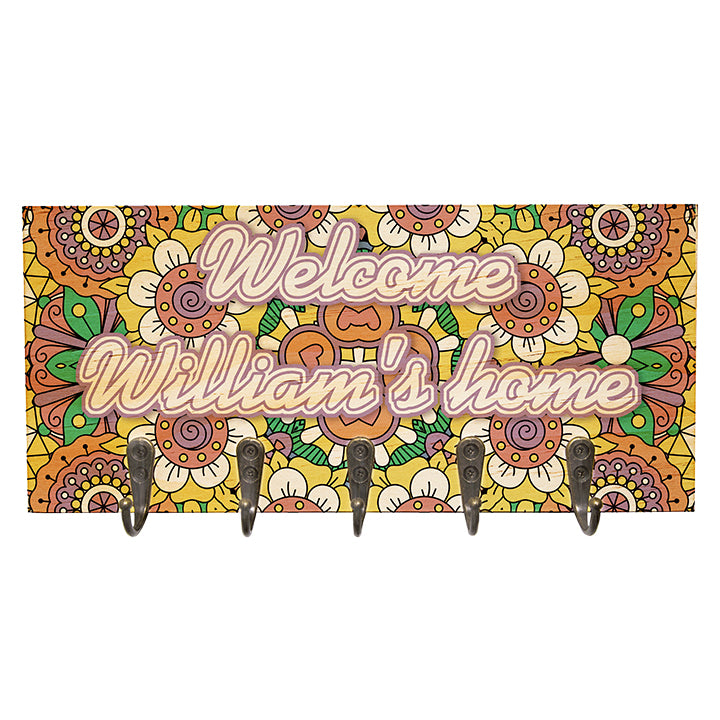
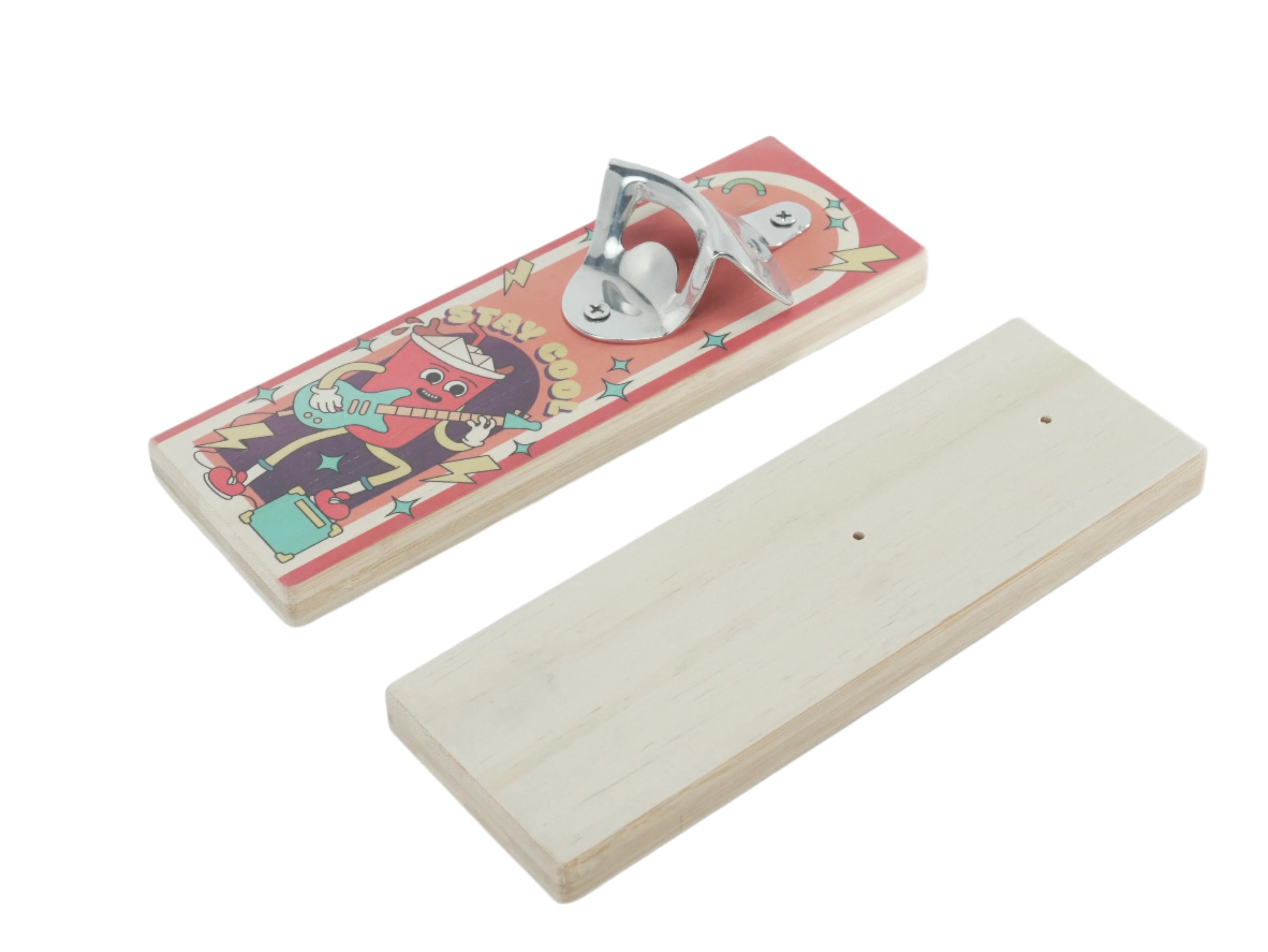
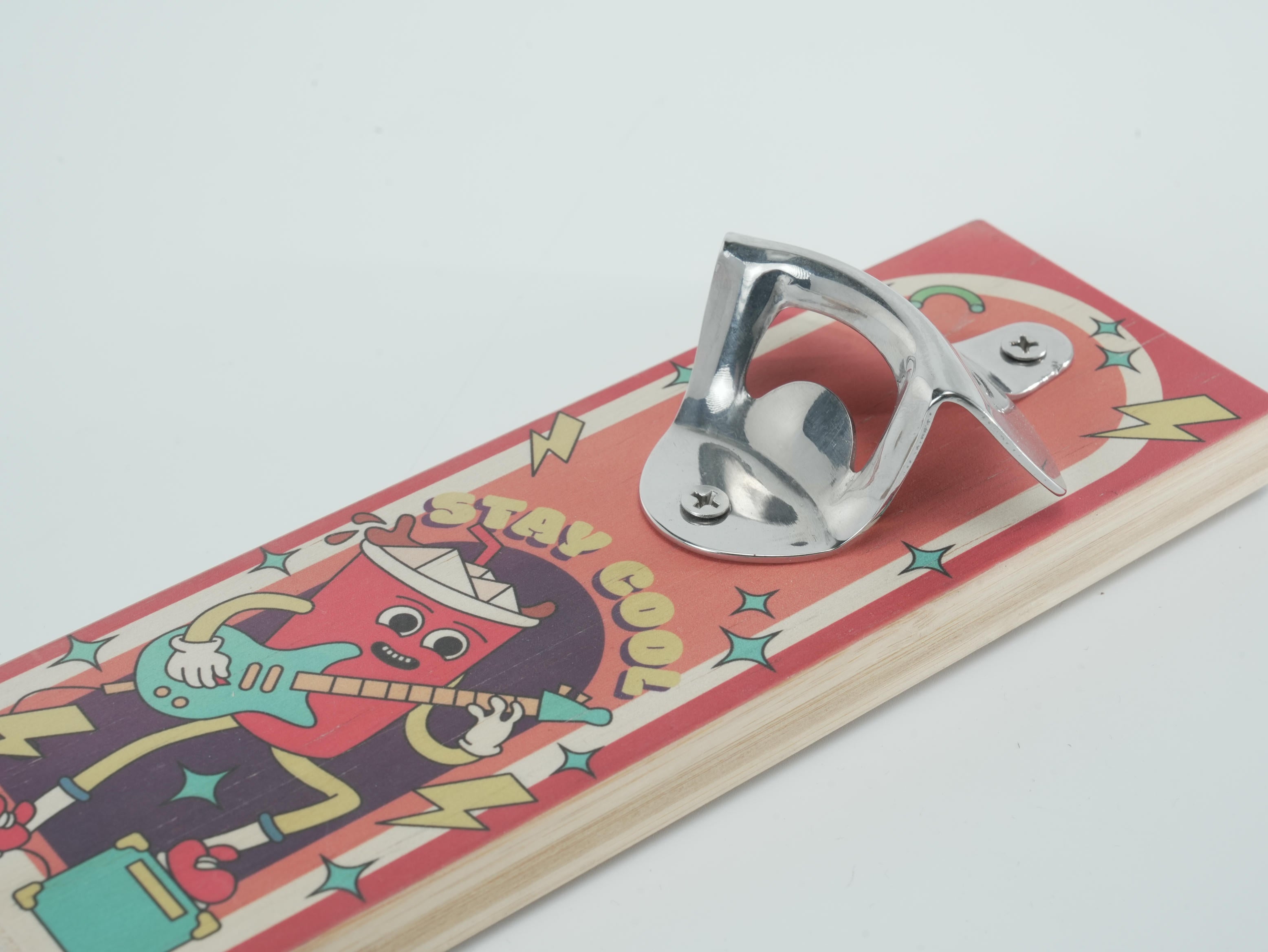
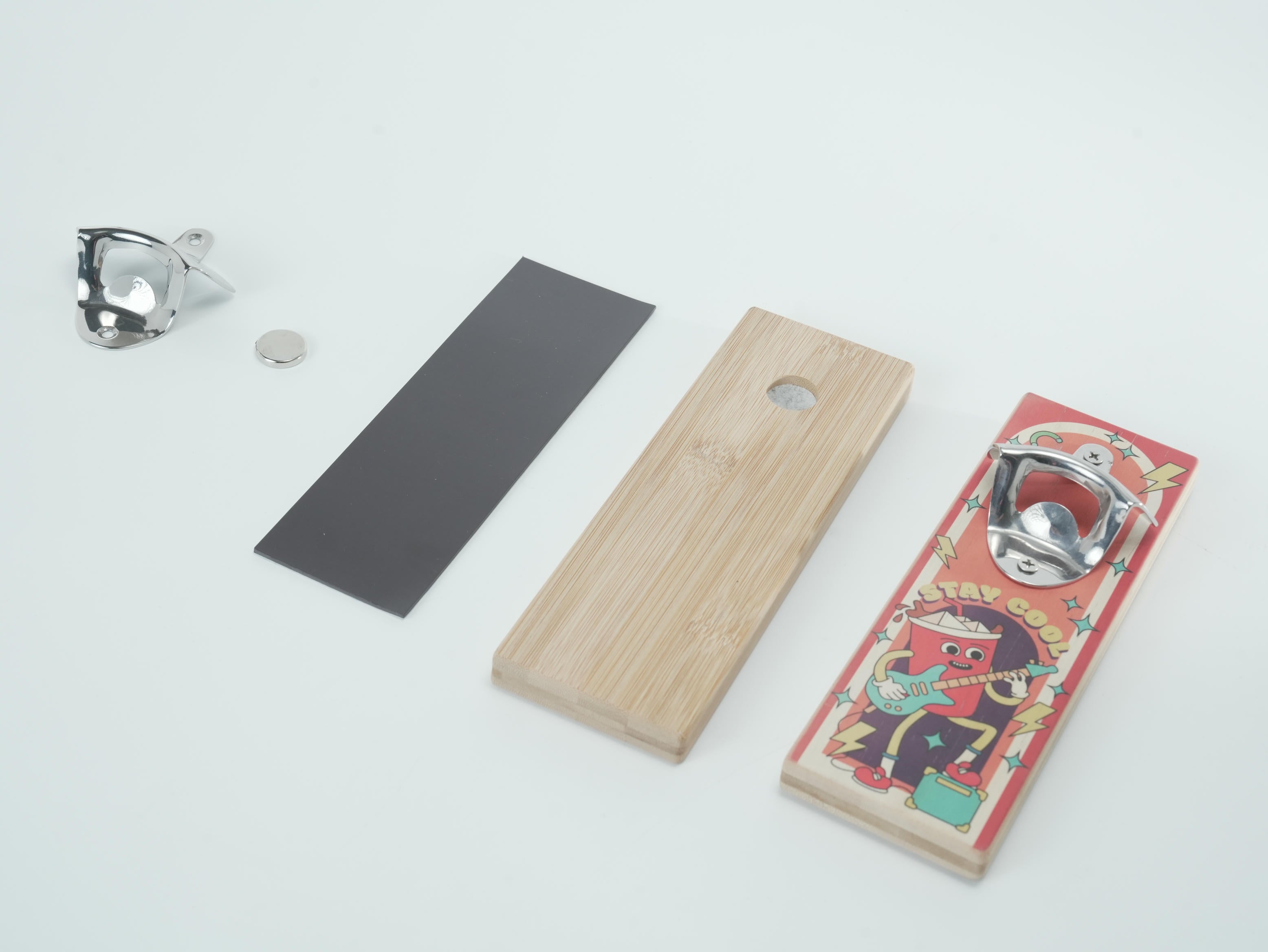
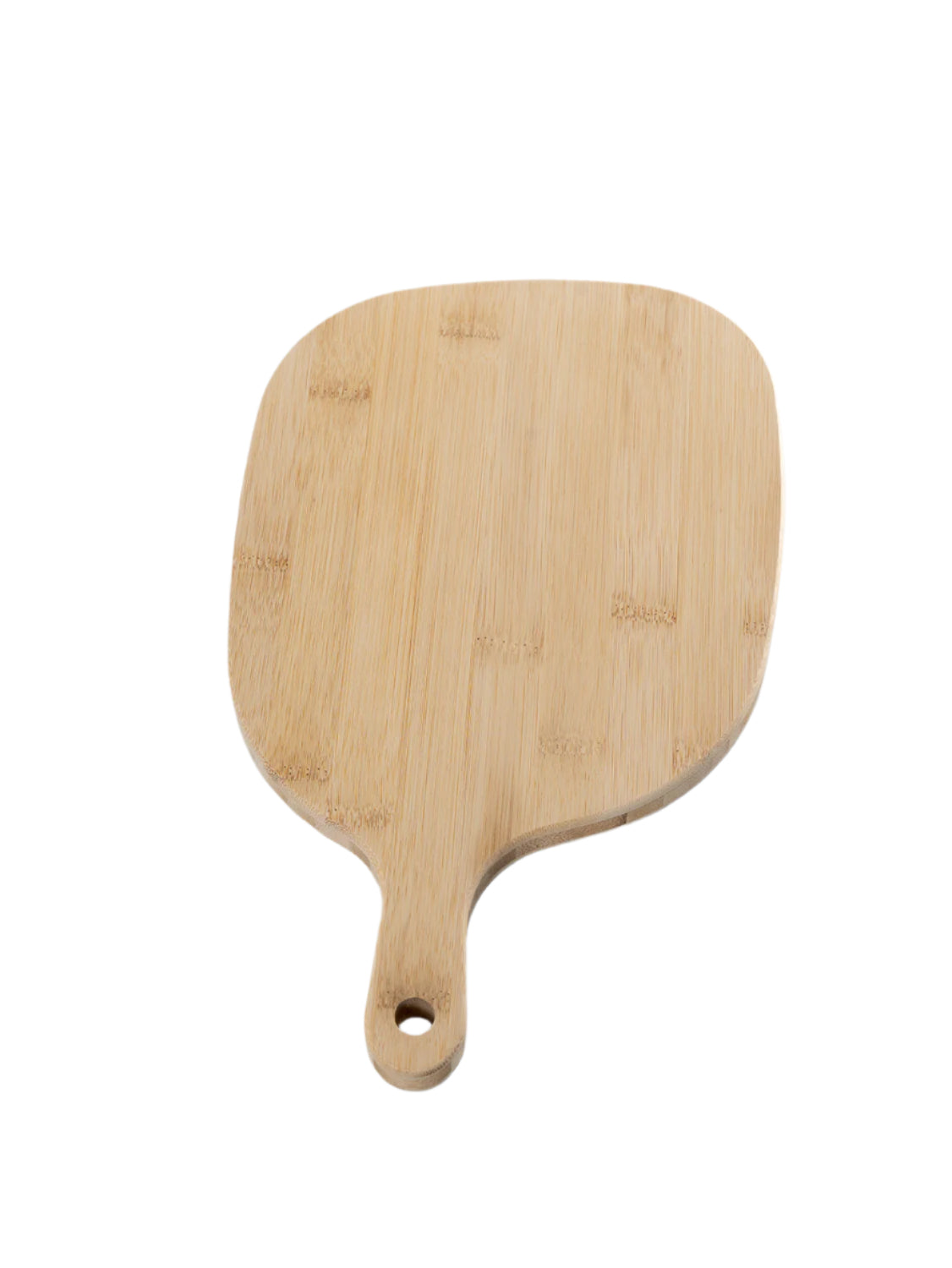
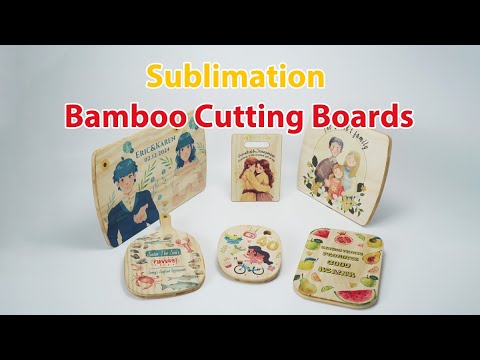
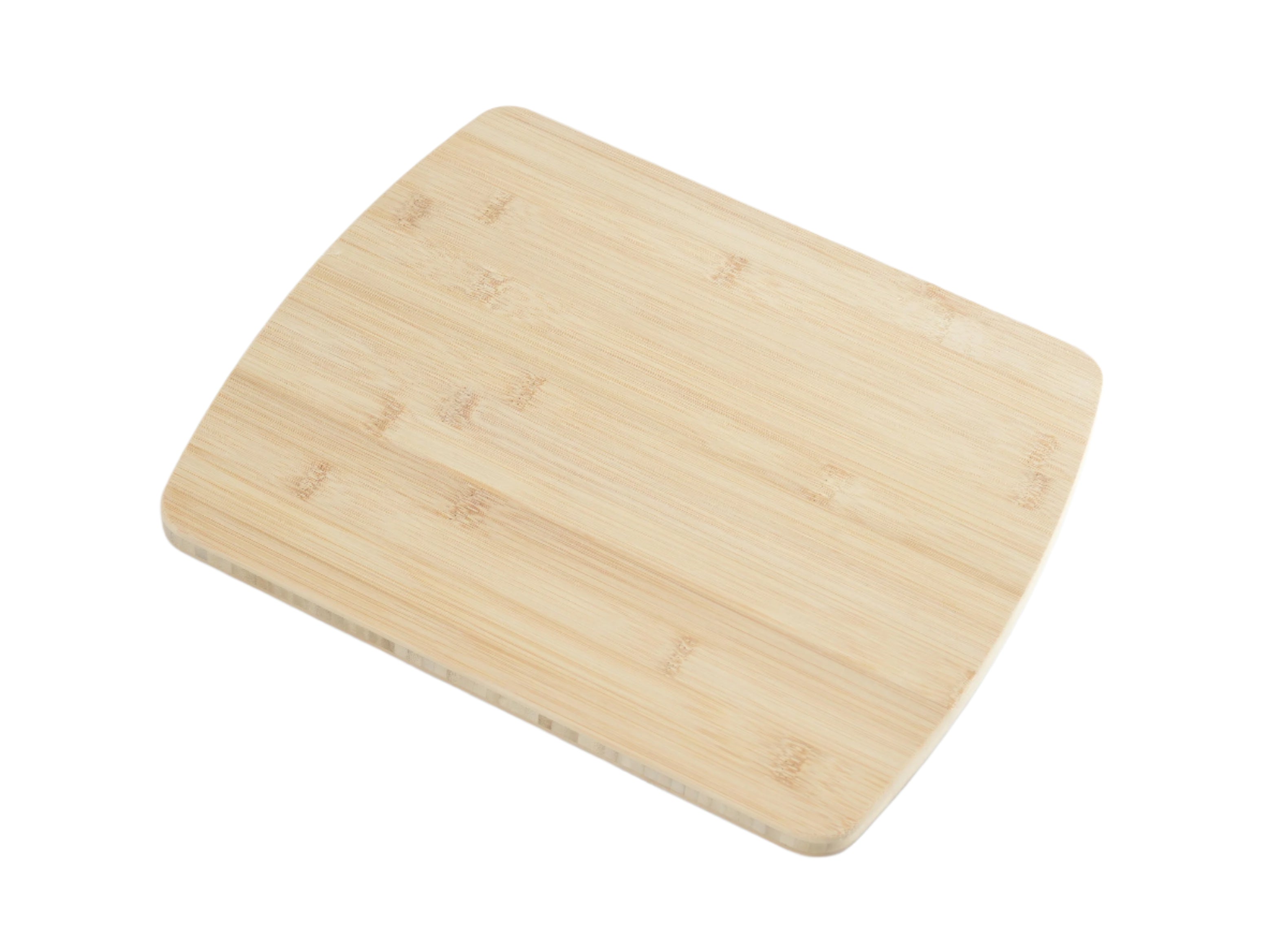
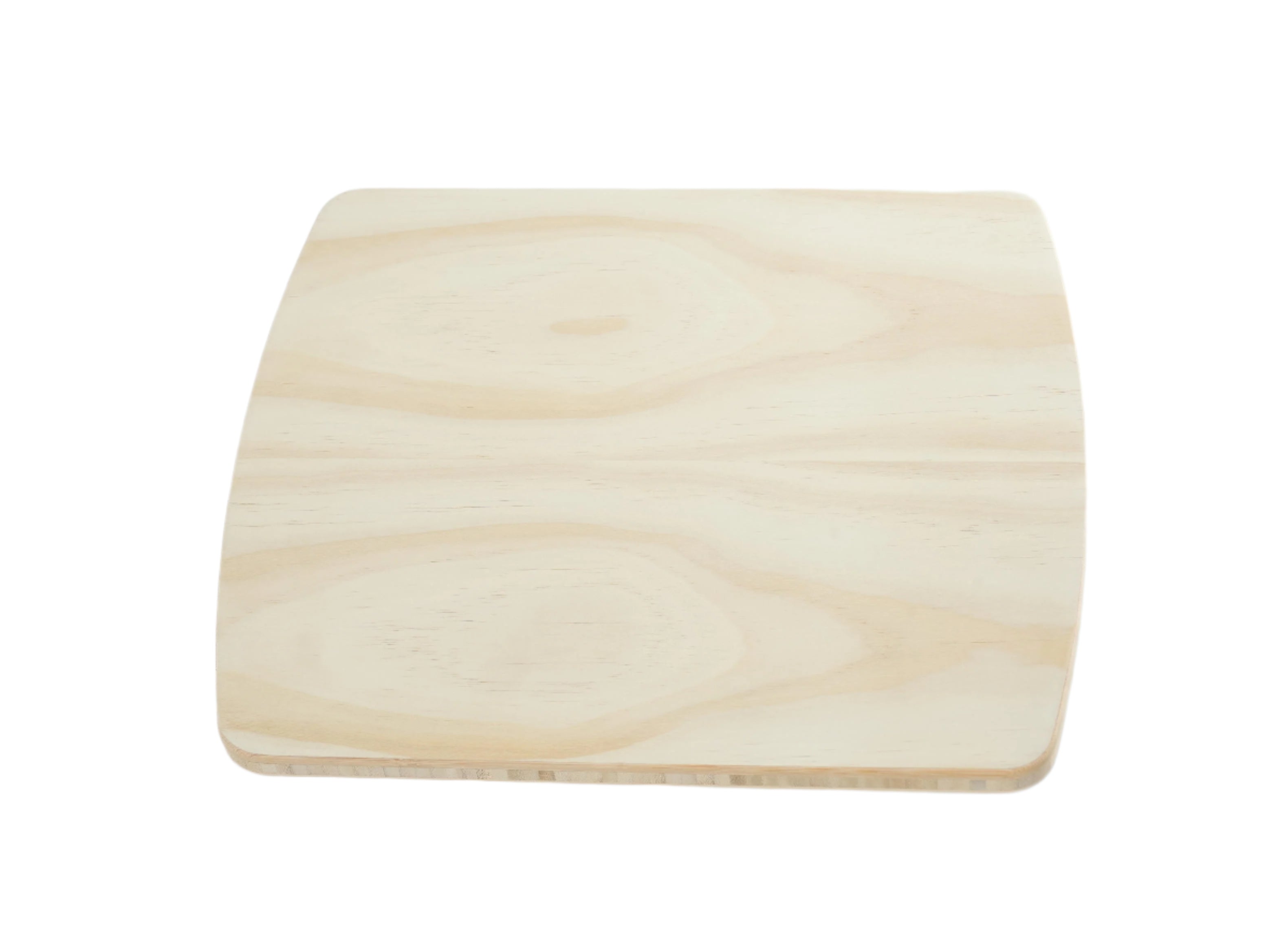
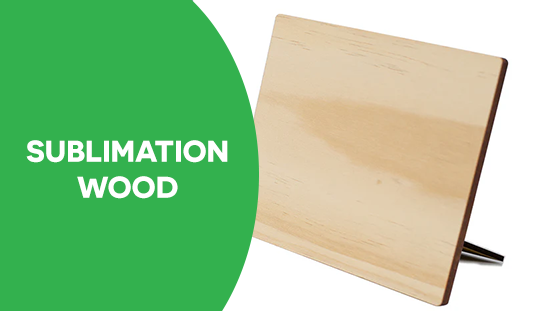
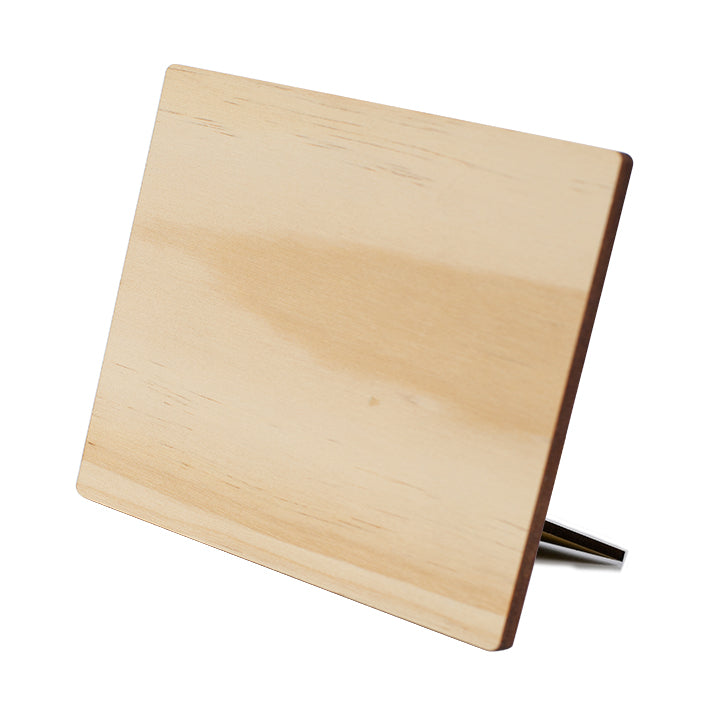
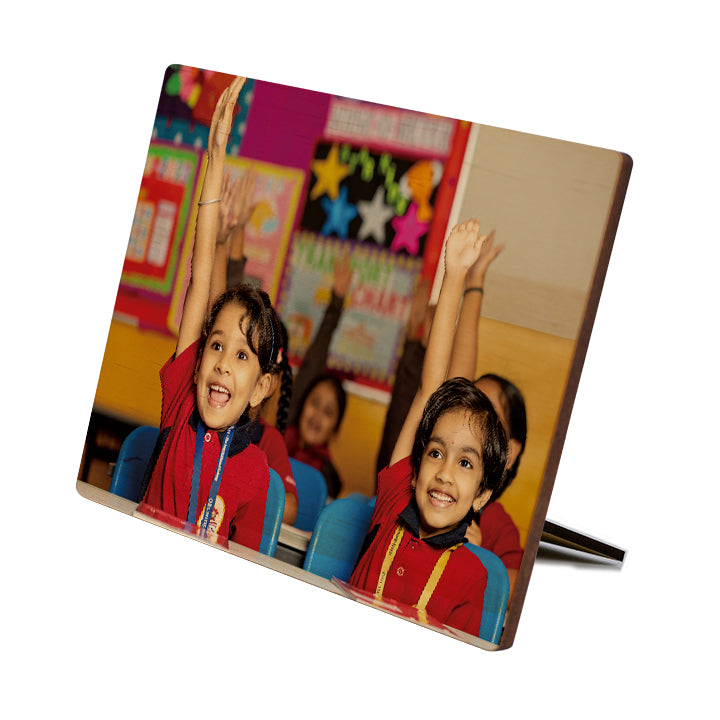
Bring warmth and character to your custom creations with our premium Sublimation Wood blanks. Specially coated for vibrant, full-color transfers, these wood products are perfect for personalized gifts, home décor, and retail-ready art pieces.

Why Choose Our Sublimation Wood Products:

  • Rich, Vivid Color Transfer – Achieve stunning, high-resolution prints with sharp details and vibrant tones.

  • Durable & Long-Lasting – Special coating protects your designs from fading and wear.

  • Variety of Styles & Sizes – From photo panels and plaques to decorative signs and keepsakes.

  • Perfect for Gifts & Businesses – Ideal for custom home décor, personalized gifts, or retail collections.

Whether you’re designing rustic wall art, commemorative plaques, or unique photo displays, our Sublimation Wood blanks provide the perfect natural canvas for professional-quality, long-lasting designs. Shop now and add organic charm to every custom creation!
Filter

7 products

  • Sort by

FAQs

What is sublimation wood and how is it used for custom decoration?

Sublimation wood consists of high-quality MDF or natural wood substrates finished with a specialized polymer coating designed to accept sublimation ink. During the heat transfer process, the ink dyes the coating to create vibrant, full-color graphics that are both durable and scratch-resistant. These blanks, including photo panels and ornaments, are ideal for professional product personalization using a standard flat heat press. This method provides a premium, "printed-on" finish that maintains the integrity of the wood while ensuring long-lasting image clarity.

What specific types of wood and heat press equipment are compatible with Sublimation Wood blanks?

Sublimation Wood blanks are primarily composed of high-quality MDF or natural wood substrates finished with a specialized polymer coating to ensure optimal ink absorption. These blanks are compatible with standard flatbed heat press equipment, which provides the consistent pressure and temperature control necessary for vibrant, high-resolution transfers. For professional results, it is recommended to use premium sublimation paper and ink to achieve a durable, scratch-resistant finish on these wood surfaces. Consistent calibration of your heat press is essential to prevent scorching while ensuring deep color penetration into the specialized coating.

How can I ensure the long-term durability and proper maintenance of prints made on Sublimation Wood?

To ensure the long-term durability of prints on sublimation wood, it is vital to use high-quality polymer-coated blanks and allow the ink to fully gas out before handling. Proper maintenance involves cleaning the wood surface with a soft, damp microfiber cloth and avoiding prolonged exposure to direct sunlight or high humidity to prevent warping and UV fading. For maximum longevity, avoid using abrasive chemical cleaners or submerging the wood substrates in water, as this can compromise the specialized coating. Following these technical storage and care protocols will maintain the professional finish and color vibrancy of your custom wood sublimated products.

How do you properly heat press and apply transfers to Joto sublimation wood blanks for a professional finish?

To achieve a professional finish on Joto sublimation wood blanks, preheat your flatbed heat press to approximately 400°F and ensure the polymer-coated surface is clean and free of debris. Position your high-quality sublimation transfer face down on the MDF or natural wood substrate, securing it with heat-resistant tape to prevent ghosting during the heat transfer process. Apply medium pressure for 60 to 90 seconds, allowing the ink to fully permeate the specialized coating while carefully monitoring for consistent temperature to avoid scorching the wood. Once the cycle is complete, remove the transfer paper immediately and allow the wood blank to cool on a flat surface to prevent warping and maintain maximum image clarity.

What are the most common causes of scorched surfaces or poor image transfer when sublimating on wood?

Scorched surfaces when sublimating on wood typically result from excessive heat press temperatures or prolonged dwell times that exceed the thermal tolerance of the MDF or natural wood substrate. Poor image transfer or light spots are often caused by inconsistent pressure or residual moisture within the wood, which prevents the sublimation ink from properly bonding with the specialized polymer coating. To achieve professional results with Joto sublimation wood blanks, it is critical to use calibrated equipment for precise temperature control and heat-resistant tape to prevent ghosting during the transfer process. Maintaining these optimal parameters ensures the vibrant, durable, and high-resolution finish that Joto Imaging Supplies products are engineered to deliver.

How can I achieve maximum color vibrancy and professional print quality with sublimation wood?

To achieve maximum color vibrancy on Joto sublimation wood, start with high-quality polymer-coated MDF or natural wood blanks and ensure your digital designs are high-resolution at 300 DPI. Utilize premium sublimation ink and paper while securing the transfer with heat-resistant tape to prevent ghosting or shifting during the heat transfer process. Calibrate your flatbed heat press to approximately 400°F and apply medium pressure for 60 to 90 seconds to ensure the ink fully permeates the specialized polymer coating. Maintaining a clean, debris-free substrate and consistent temperature control will yield a professional, scratch-resistant finish with exceptional color depth and clarity.

How can using Sublimation Wood products help my business reduce production costs and increase profit margins?

Sublimation wood blanks significantly reduce production costs by eliminating the need for complex weeding or high-labor processes required by traditional vinyl or screen printing methods. These durable MDF and natural wood substrates feature high-quality polymer coatings that ensure maximum ink transfer efficiency and vibrant, long-lasting results using standard dye-sublimation equipment. By streamlining the custom decoration workflow, businesses can achieve higher throughput and increased profit margins on high-value personalized home decor and gift items. This high-efficiency system allows for rapid prototyping and short-run production without the overhead of expensive plate or screen setups.

How should Sublimation Wood blanks be stored to prevent warping and ensure optimal print quality?

To maintain the integrity of Joto Sublimation Wood blanks, store them in a climate-controlled environment with low humidity and stable temperatures to prevent natural fibers from absorbing moisture and warping. Keep the wood panels flat in their original packaging on a level surface to ensure dimensional stability and prevent surface contamination before the heat transfer process. Proper storage protects the specialized polymer coating, ensuring high-resolution ink absorption and maximum color vibrancy during sublimation. Following these professional handling protocols will extend the shelf life of your blanks and guarantee consistent, high-quality results for your custom wood decoration projects.

How does sublimation wood compare to other decoration methods like vinyl or screen printing in terms of finish and durability?

Sublimation wood offers a superior, integrated finish compared to vinyl or screen printing by using a specialized polymer coating that permanently absorbs dye-sublimation ink. Unlike vinyl decals that can peel or screen printing that sits on the surface, this method creates a scratch-resistant, high-definition graphic that will not crack or fade over time. The process eliminates the need for labor-intensive weeding or expensive screen setups, significantly increasing production efficiency for full-color, custom wood products. This professional-grade decoration ensures a premium, long-lasting bond that maintains the natural or MDF substrate's integrity while providing exceptional image clarity.

How can you prevent wood grain texture from interfering with print quality or address moisture-related warping when sublimating large-scale wood panels?

To prevent wood grain interference when sublimating large-scale panels, ensure you are using high-quality MDF or natural wood blanks with a thick, uniform polymer coating that creates a smooth barrier for the sublimation ink. Address moisture-related warping by pre-pressing the wood substrate for 30 to 60 seconds to evacuate residual moisture and allowing the panel to cool completely under a heavy, flat weight after the heat transfer process. Utilizing consistent, high-pressure settings on your flatbed heat press ensures even ink penetration across the entire surface while maintaining the dimensional stability of the wood. This technical approach guarantees professional, high-resolution results and long-term durability for custom wood decor.

Drawer Title
Similar Products