














Skip to content
en
CAD

Bloom Your Business Into Profit

Convection Oven

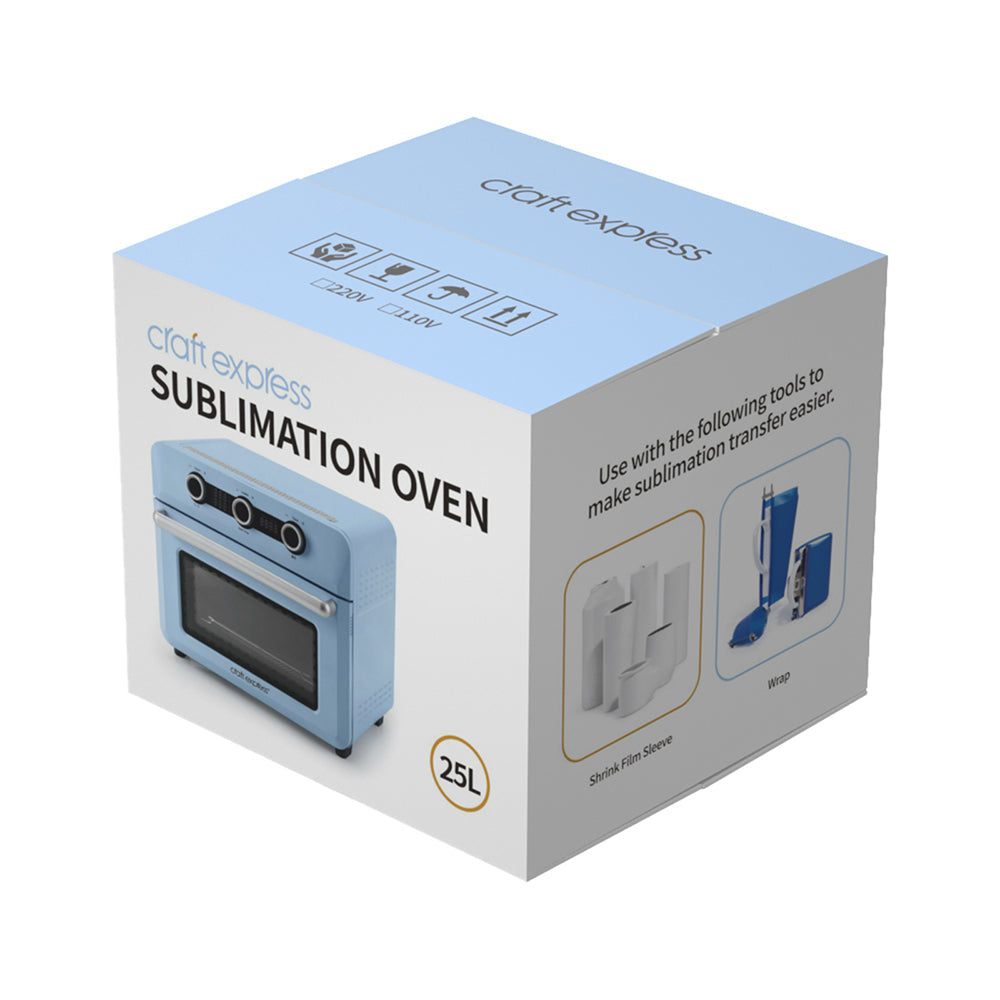
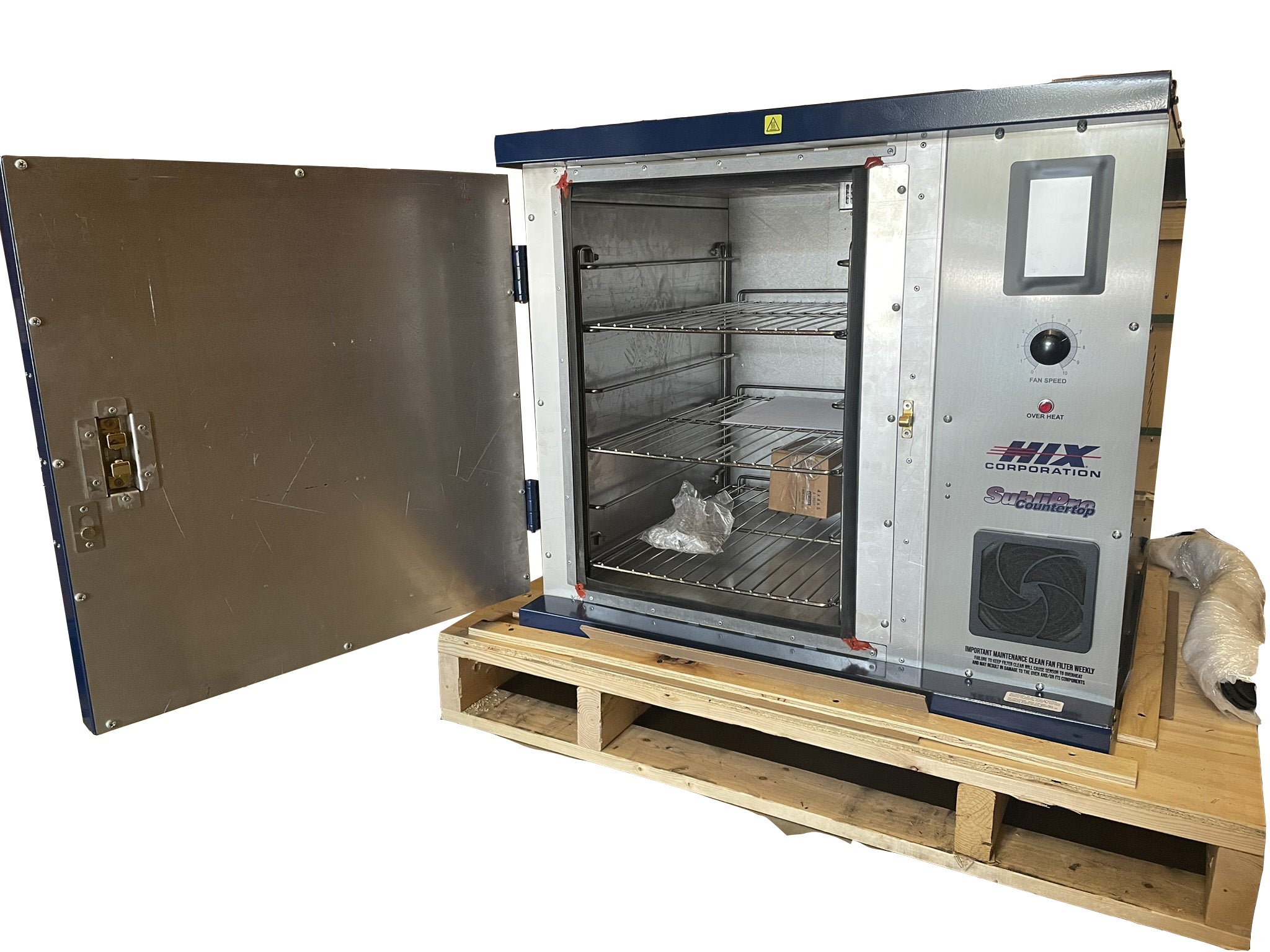
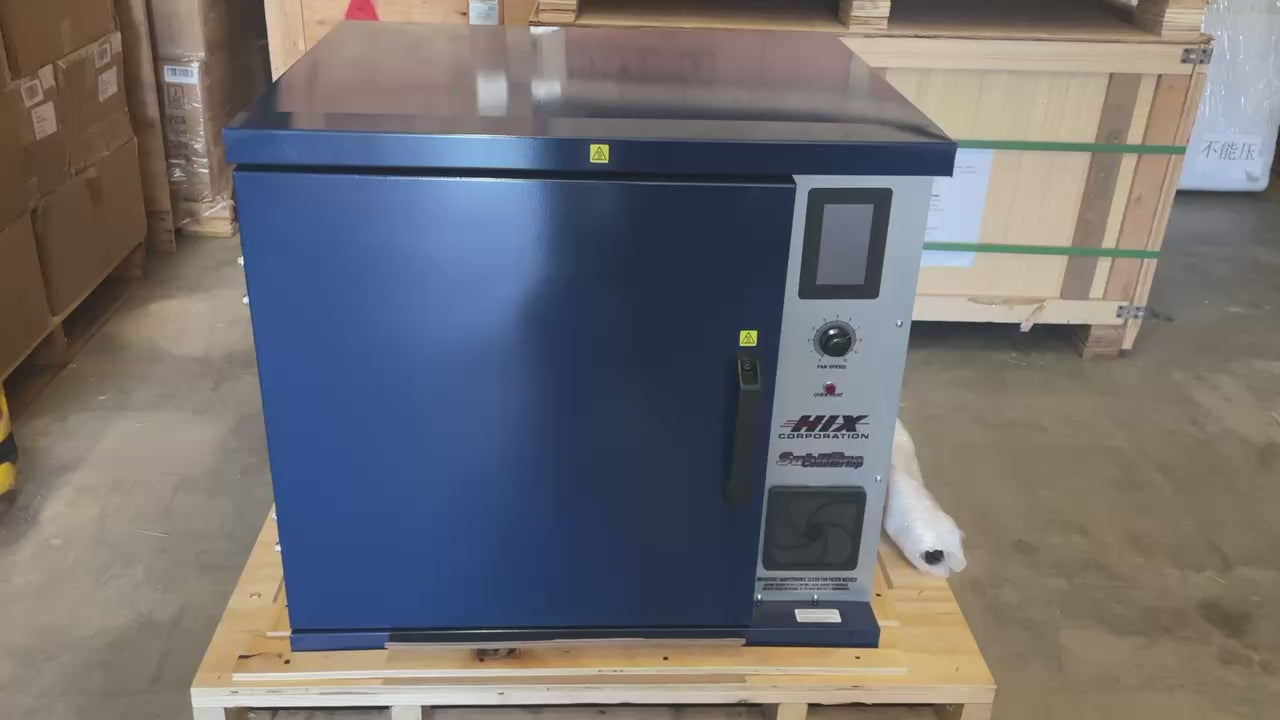
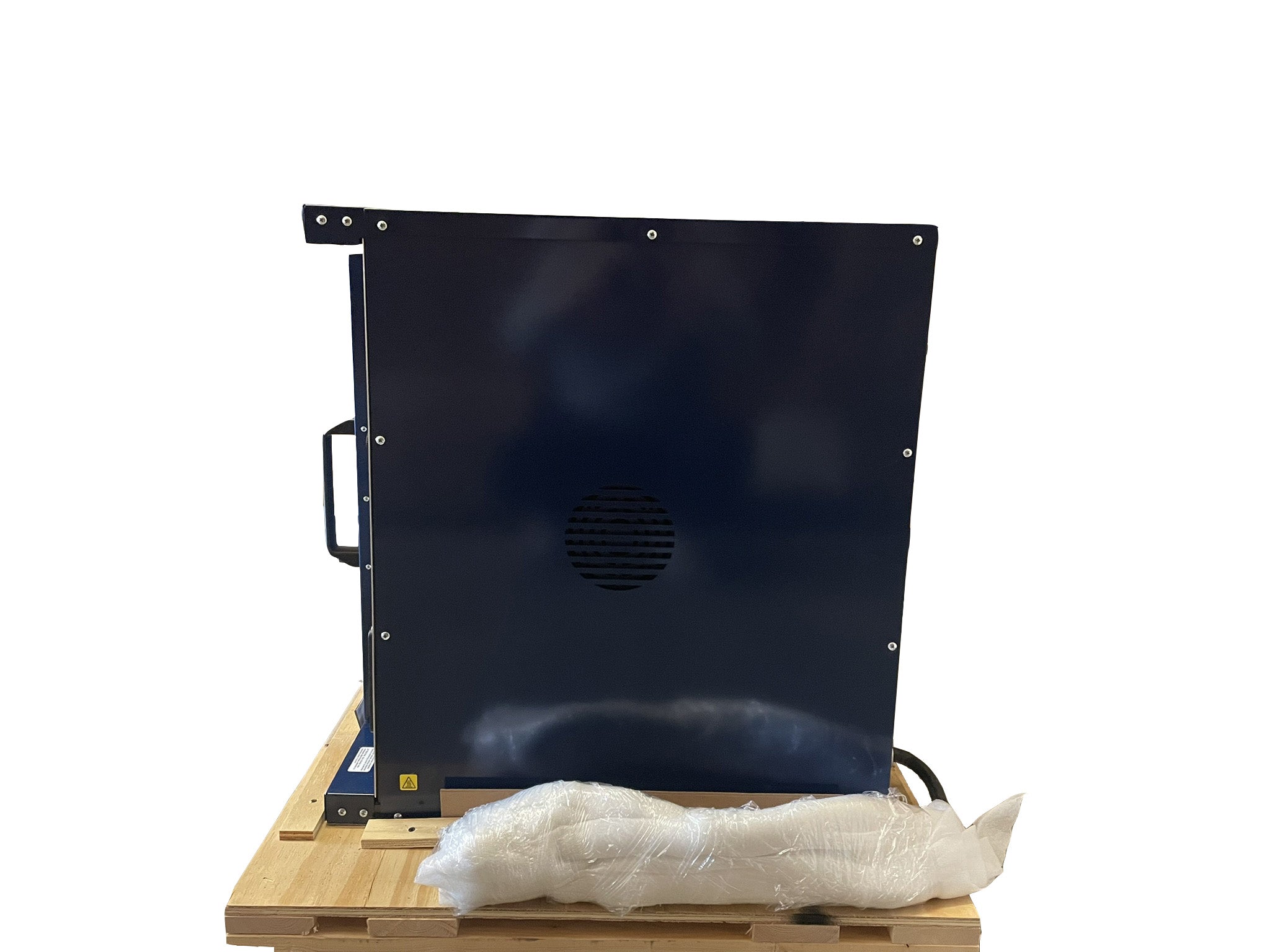
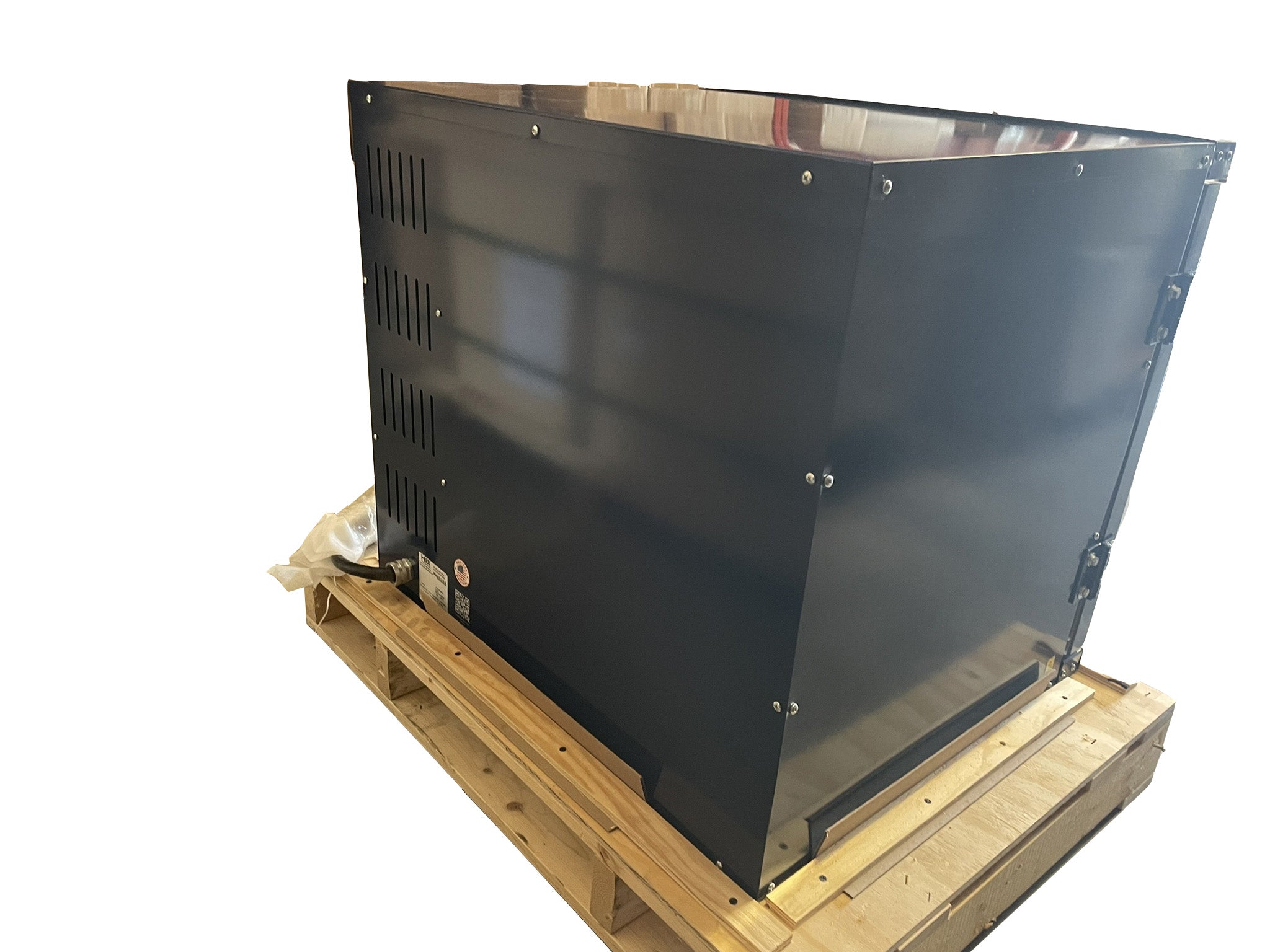
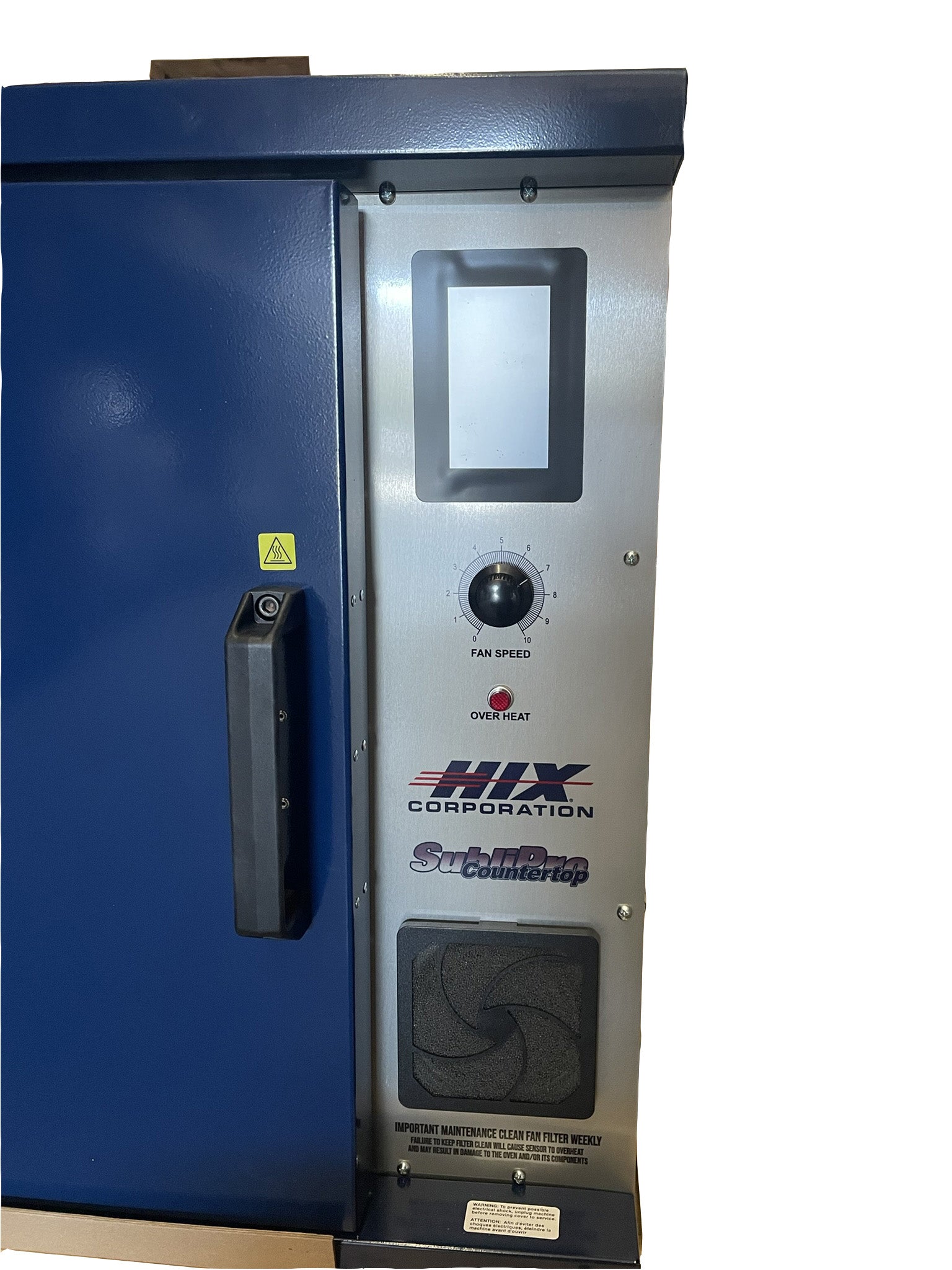
Explore High-Performance Convection Ovens for Sublimation

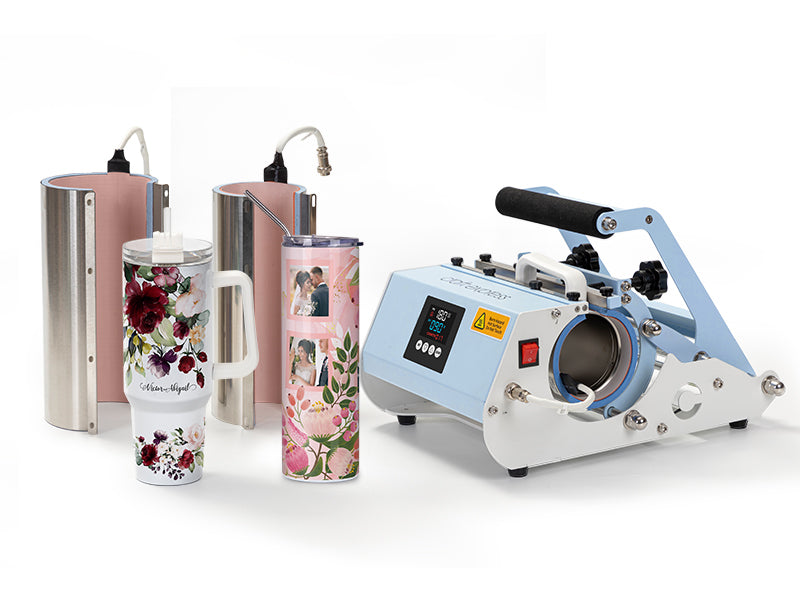
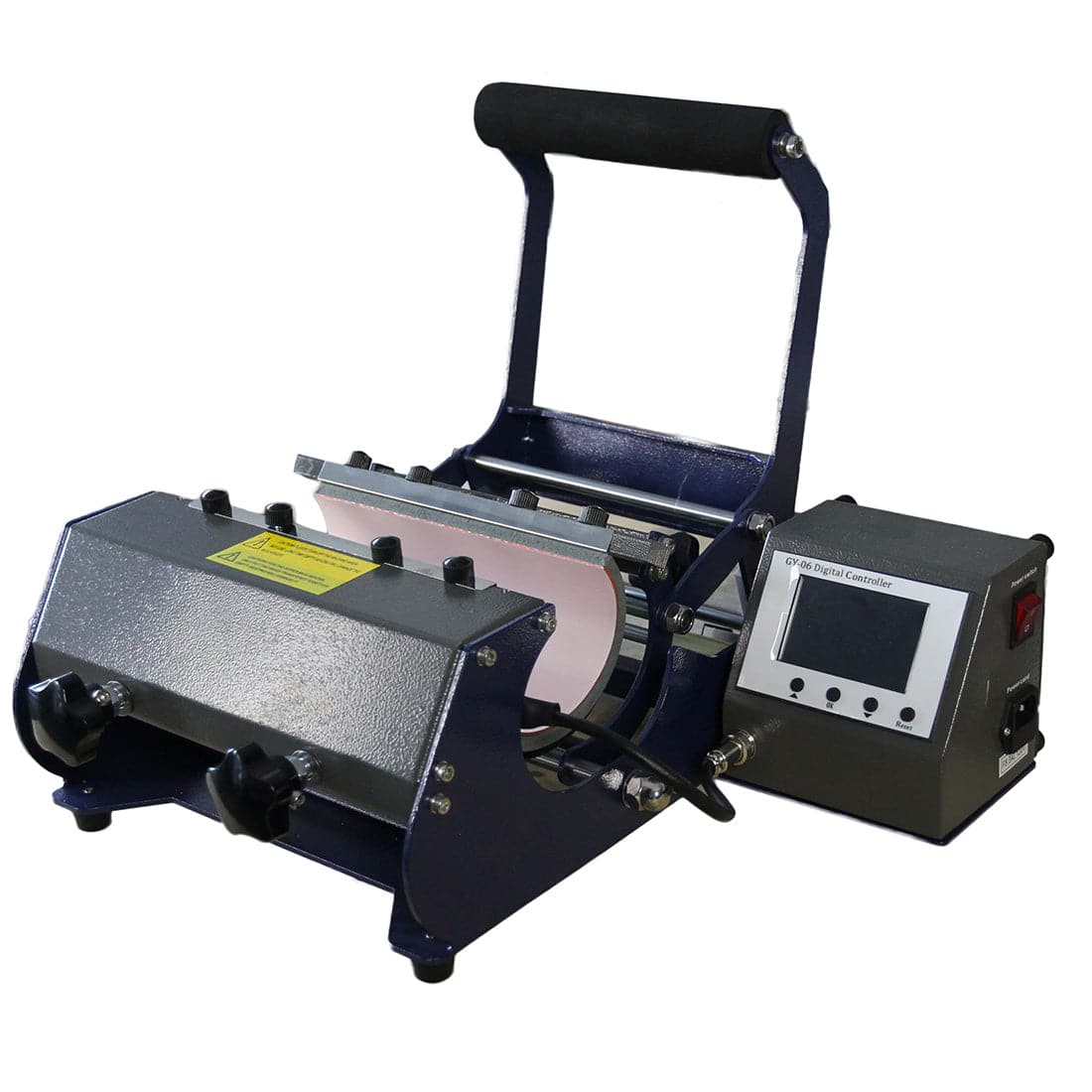
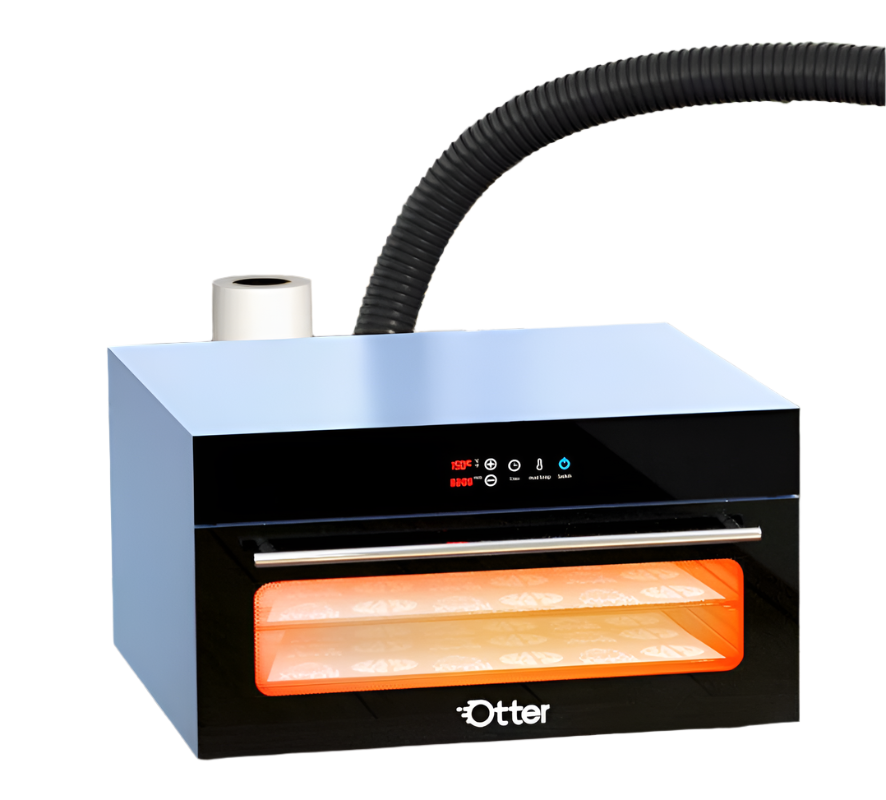
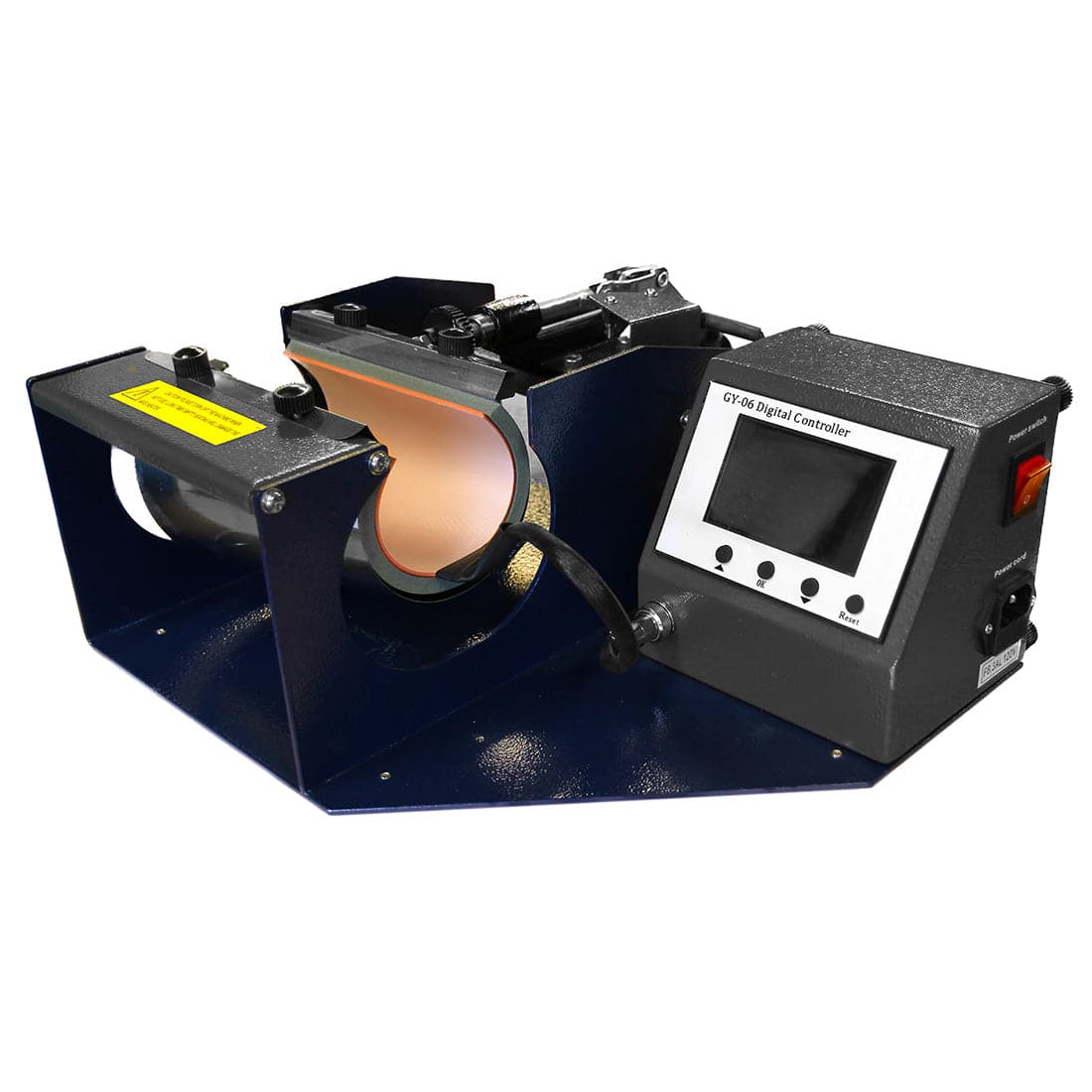
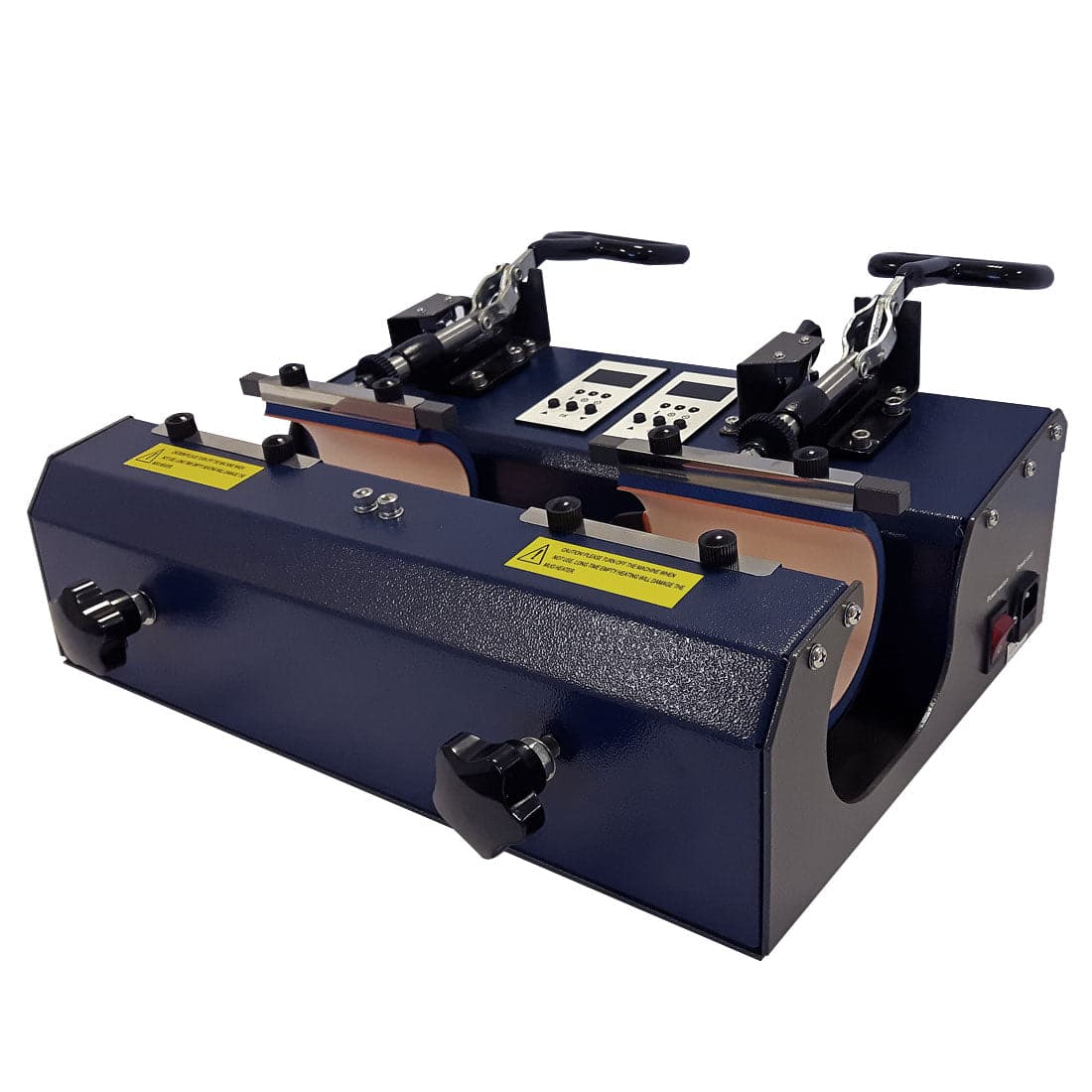
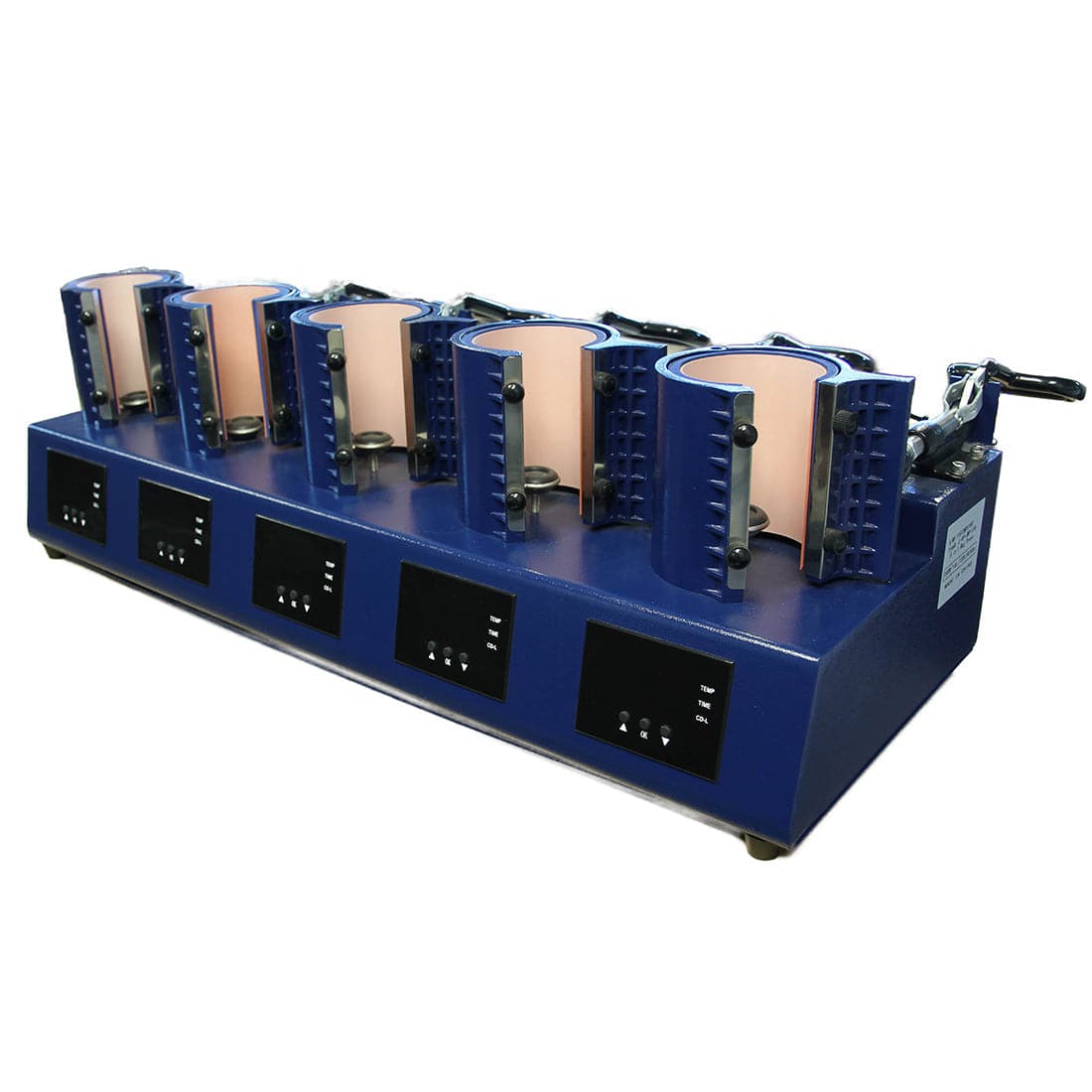
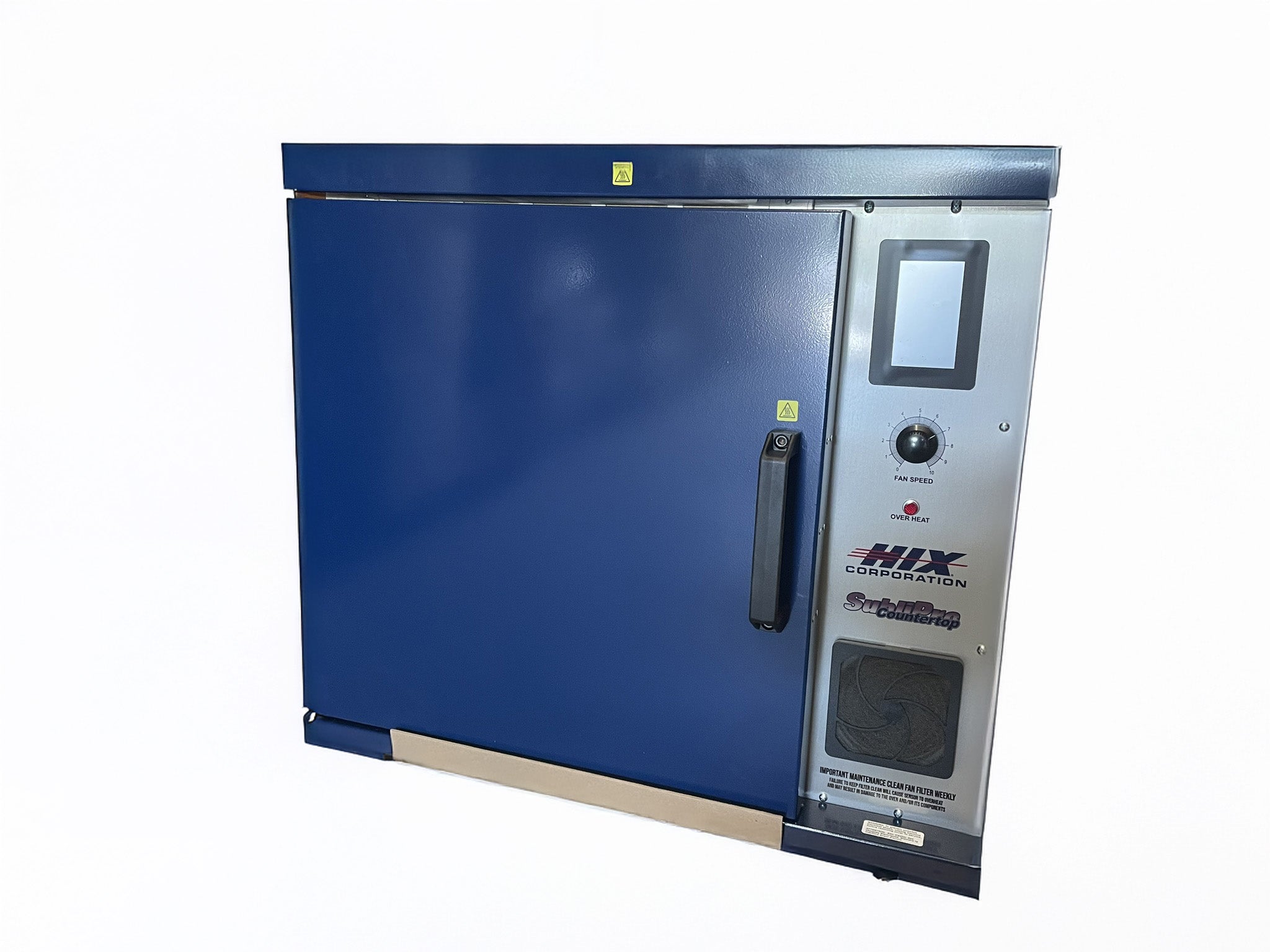
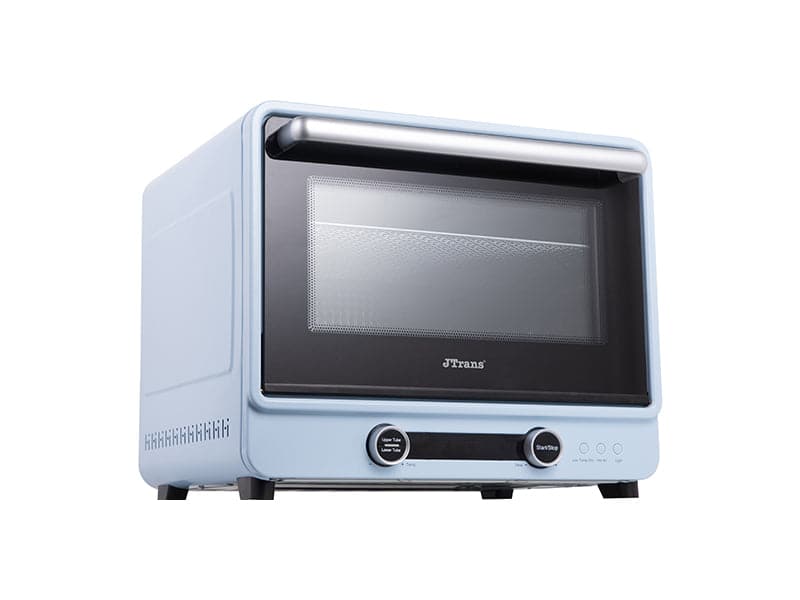
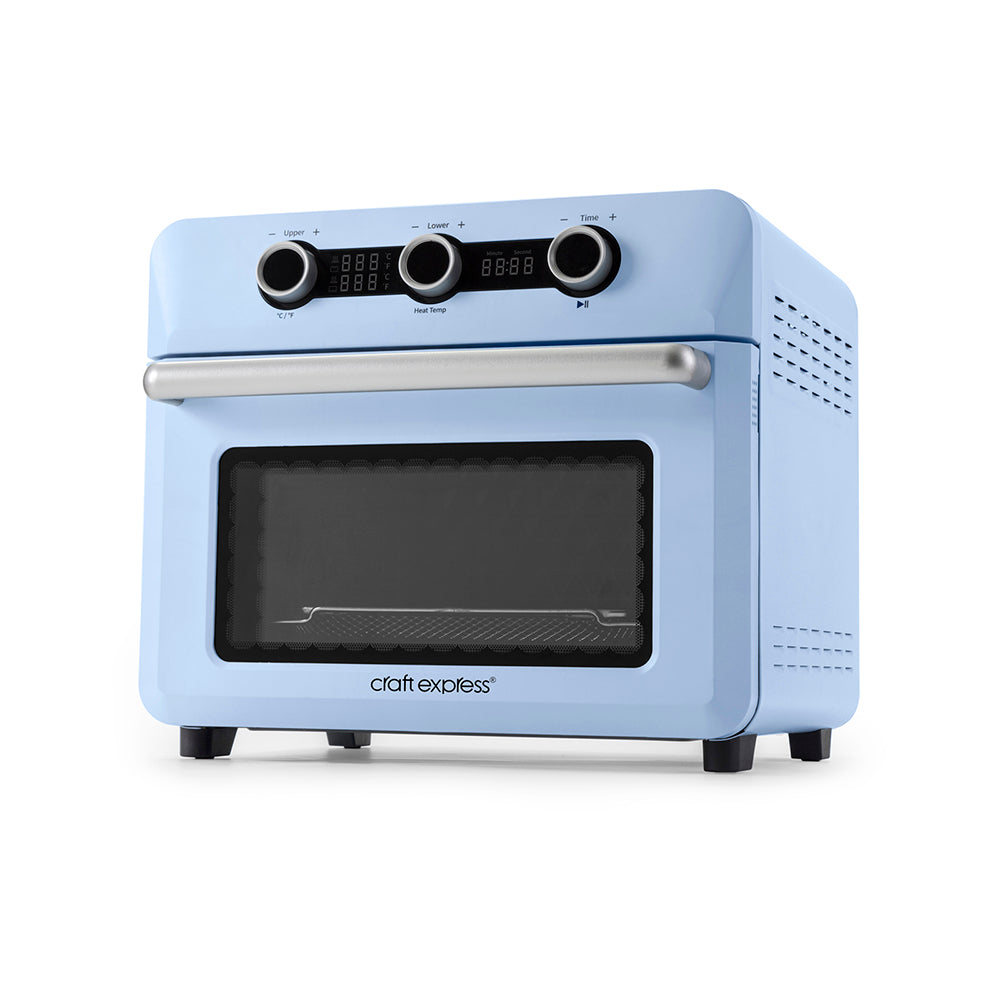
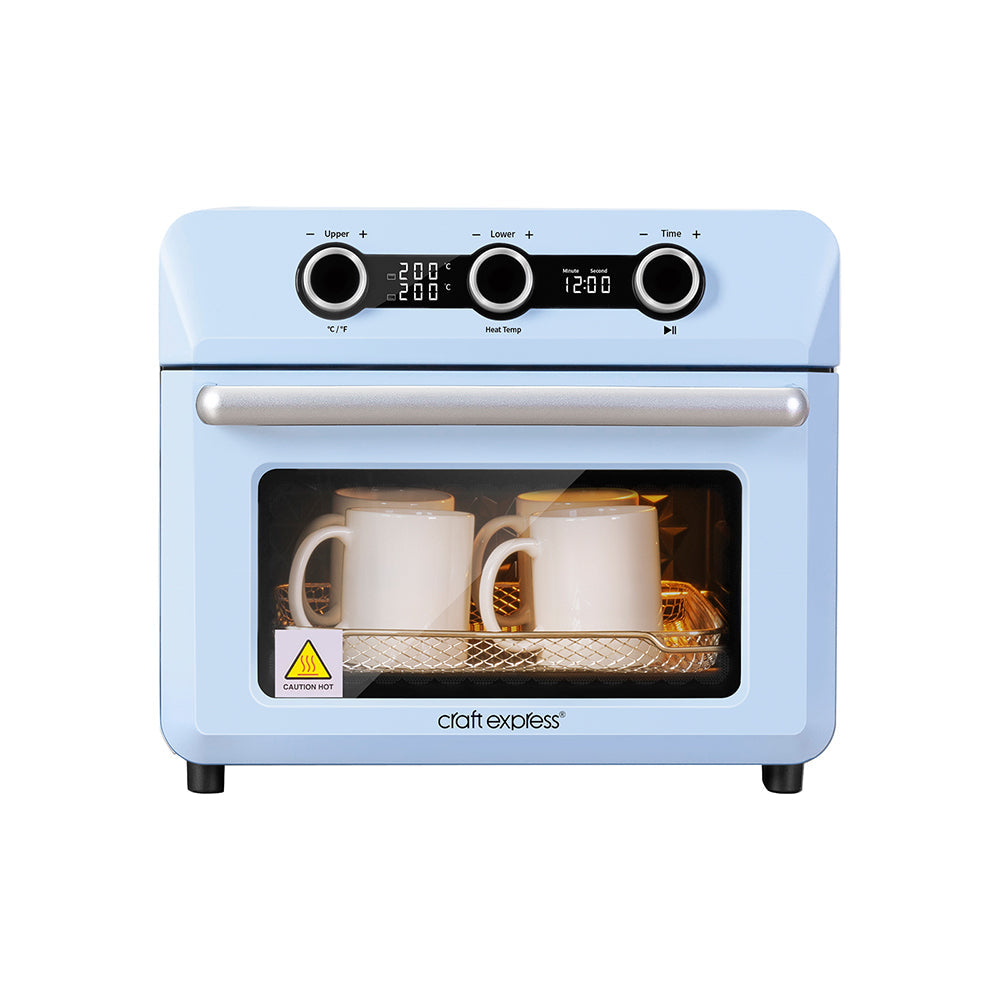
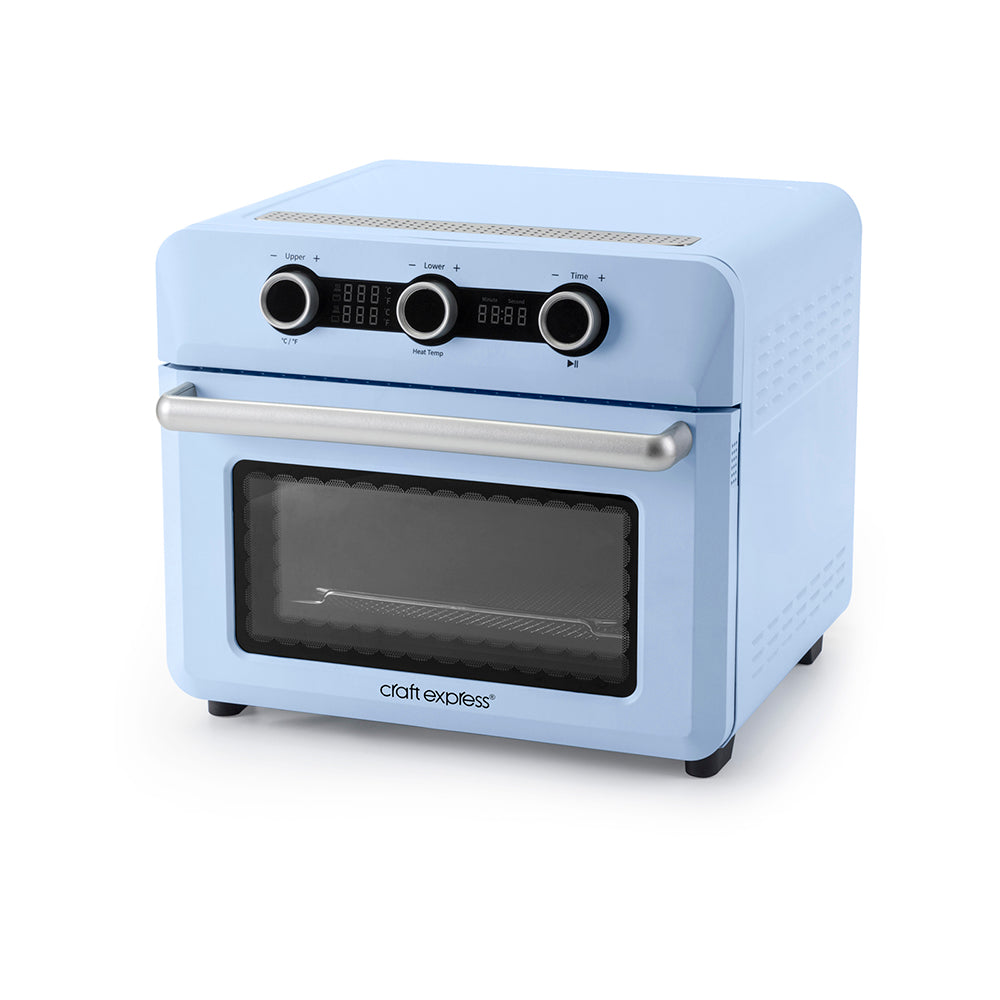
Joto's convection ovens offer a unique solution for activating sublimation on substrates such as drinkware, which may be challenging to achieve with traditional heat presses.

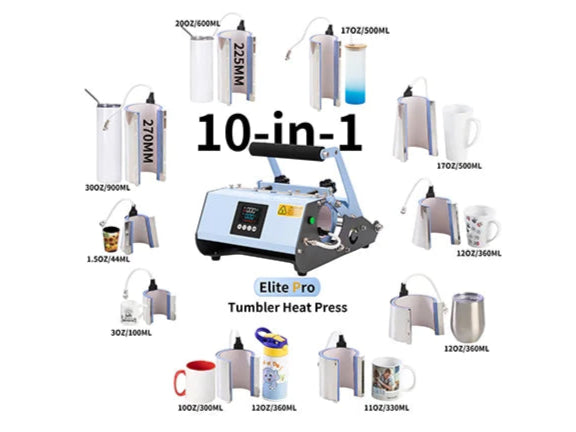
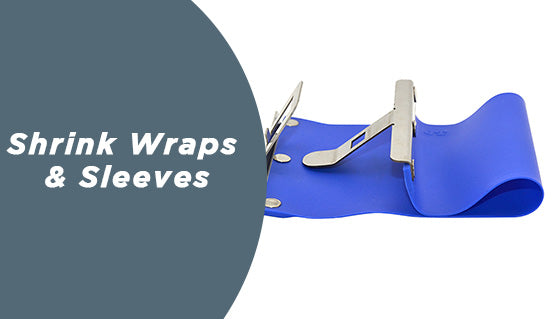
By using mug ovens, you can significantly expand the range of sublimation items you can work with. With a mug oven, you can sublimate to a diverse array of items, including shot glasses, oversized mugs, and more. Simply find the appropriate mug wrap for your item, place it in the oven, and let the sublimation process work its magic. With Joto's ovens, you can unlock new possibilities for your sublimation business and create stunning, personalized drinkware with ease.
4 products

  • Sort by

Frequently Asked Questions:

What is a sublimation convection oven?

A sublimation convection oven is a specialized heating unit that uses circulating hot air to facilitate the dye sublimation process on various drinkware and 3D substrates. Unlike traditional flat heat presses, these ovens provide uniform heat distribution around irregularly shaped items like mugs and tumblers when paired with heat-shrink sleeves or silicone wraps. This professional-grade equipment allows for consistent ink gasification and permanent bonding, ensuring vibrant, full-wrap designs with high durability. By utilizing Joto’s convection technology, businesses can achieve efficient, high-quality production across a versatile range of sublimation-coated blanks.

Which sublimation blanks and materials are compatible for use in a convection oven?

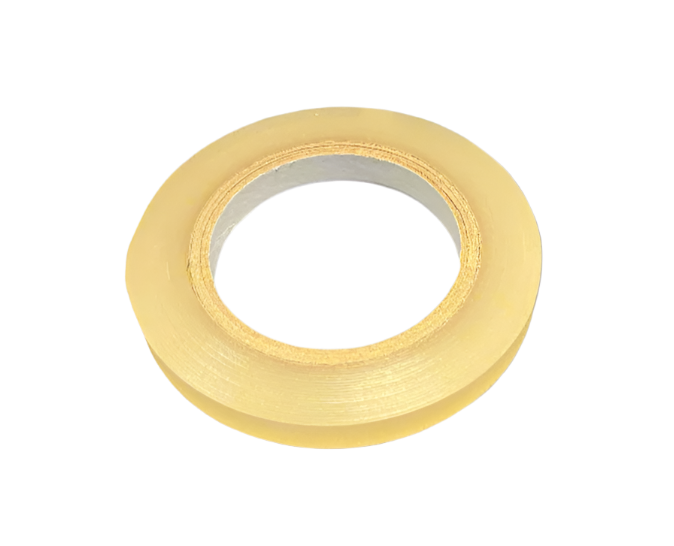
To achieve successful sublimation in a convection oven, you must use substrates specifically designated as sublimation blanks, such as polyester-coated ceramic mugs, stainless steel tumblers, and aluminum water bottles. Essential materials for this process include high-quality sublimation transfer paper, heat-resistant tape to secure your design, and industrial-grade shrink wrap sleeves or silicone bands to provide the necessary 360-degree pressure for full-wrap designs. Technical-grade items like ceramic shot glasses and ornaments are also compatible, provided the oven can maintain a consistent temperature of 400°F to facilitate the molecular bonding of the dye. Using these specialized materials ensures vibrant, professional results on irregular or non-flat surfaces that cannot be accommodated by a standard heat press.

How can I ensure the long-term durability and proper maintenance of my sublimation convection oven?

To ensure the long-term durability of your sublimation convection oven, maintain a dedicated unit exclusively for sublimation to prevent chemical cross-contamination and protect the internal heating elements from food-based residues. Regularly calibrate the internal temperature using a high-precision digital thermometer to account for thermal fluctuations and identify any emerging cold spots that could affect ink gasification. Inspect and clean the sturdy racks and convection fan frequently to ensure unobstructed airflow, which is critical for achieving consistent, full-wrap transfers on various substrates. Proper maintenance of the door seals and non-stick surfaces prevents heat loss and ensures your equipment continues to provide the professional-grade results expected from Joto Imaging Supplies.

How do I use a convection oven for sublimation?

To use a convection oven for sublimation, first wrap your substrate with printed transfer paper and secure it using heat-resistant tape or a silicone shrink wrap for even pressure. Place the item in a preheated oven, typically set between 350°F and 400°F, ensuring the forced-air circulation can provide consistent heat distribution across the entire surface. Maintain the recommended dwell time, usually 6 to 9 minutes depending on the substrate's thermal mass, to allow the sublimation ink to molecularly bond with the polyester coating. Using professional-grade equipment and accessories from Joto Imaging Supplies ensures a vibrant, full-wrap finish with exceptional durability.

How can I prevent ghosting or uneven heating when using a convection oven for sublimation?

To prevent ghosting or uneven heating in a convection oven, ensure your sublimation transfer is tightly secured to the substrate using high-temperature heat tape and a properly fitted shrink sleeve to provide consistent 360-degree pressure. Utilizing a standalone digital thermometer is essential to verify the oven's internal temperature, as built-in dials often fluctuate and can cause under-cycling or hot spots. We recommend rotating the item halfway through the dwell time to promote uniform heat distribution across the entire polyester coating. These technical steps, combined with using premium Paropy transfer paper, ensure crisp, high-resolution results without the blurring associated with shifting or thermal inconsistencies.

How can I achieve professional-quality color vibrancy when using a convection oven for sublimation?

To achieve professional-quality color vibrancy in a sublimation convection oven, ensure you are using high-quality sublimation inks and premium transfer paper for maximum ink release. It is critical to use heat-resistant shrink wraps to apply uniform 360-degree pressure, ensuring the gaseous ink fully penetrates the polyester coating for deep, saturated results. Additionally, calibrate your oven with an external thermometer to maintain precise temperatures and implement specific ICC color profiles for accurate color reproduction. Avoiding overcrowding on the oven rack will maintain optimal airflow, preventing cold spots and ensuring a consistent, vibrant finish across your entire substrate.

How can incorporating a sublimation convection oven into my production workflow increase business efficiency and profit margins?

Incorporating a sublimation convection oven into your production workflow significantly increases throughput by allowing for the simultaneous batch processing of multiple 3D substrates like tumblers and mugs. This specialized equipment utilizes forced-air circulation to ensure uniform heat distribution, which minimizes defects and ensures high-quality, 360-degree wraps on irregularly shaped items. By reducing manual labor and the limitations of traditional flat heat presses, businesses can achieve higher profit margins through improved efficiency and the ability to offer a more diverse range of high-value personalized products. Utilizing professional-grade ovens from Joto Imaging Supplies guarantees consistent results that differentiate your brand in the competitive customization market.

How should I safely store and maintain my sublimation convection oven to ensure long-term performance?

To ensure the long-term performance of your sublimation convection oven, store the unit in a clean, dry environment with adequate ventilation to prevent moisture buildup and component corrosion. Regular maintenance involves unplugging the oven and wiping down the interior with a damp cloth to remove any residual ink or debris that could obstruct even airflow and heat distribution. Periodically inspect the heating elements and internal fans for blockages to maintain the technical precision required for consistent, high-quality sublimation transfers. By following these storage and care protocols, you preserve the integrity of your equipment and ensure reliable results for all your drinkware customization projects.

How does using a convection oven for sublimation compare to other decoration methods?

Sublimation in a convection oven offers a distinct advantage over traditional heat presses by utilizing circulating air to provide uniform heat distribution for complex, 360-degree wraps on drinkware. This method excels with irregularly shaped or oversized substrates that are difficult to accommodate in standard presses, ensuring consistent ink gasification and a seamless, scratch-resistant finish. Unlike topical decoration methods, the sublimation process creates a permanent molecular bond within the polymer coating, resulting in superior durability and vibrant, full-color graphics. By integrating Joto’s industrial-grade convection ovens and shrink sleeves into your production, you achieve a professional-level versatility that traditional heat transfer methods simply cannot replicate.

How can I calibrate temperature and airflow in a sublimation convection oven to ensure consistent ink saturation and prevent cold spots on high-capacity full-wrap tumblers?

To calibrate your sublimation convection oven for high-capacity tumblers, use an external digital thermometer to verify that internal temperatures remain consistent between 350°F and 400°F. Ensure optimal airflow by avoiding over-crowding the oven rack, which prevents cold spots and facilitates uniform heat distribution for full-wrap ink saturation. For best results, utilize high-quality sublimation wraps or shrink sleeves to maintain firm, even pressure against the substrate throughout the 10 to 15-minute bake cycle. Consistent monitoring of these technical settings ensures professional-grade vibrancy and eliminates common transfer defects on irregularly shaped drinkware.

Drawer Title
Similar Products