



Skip to content
en
CAD

Bloom Your Business Into Profit

Printable Heat Transfer Vinyls

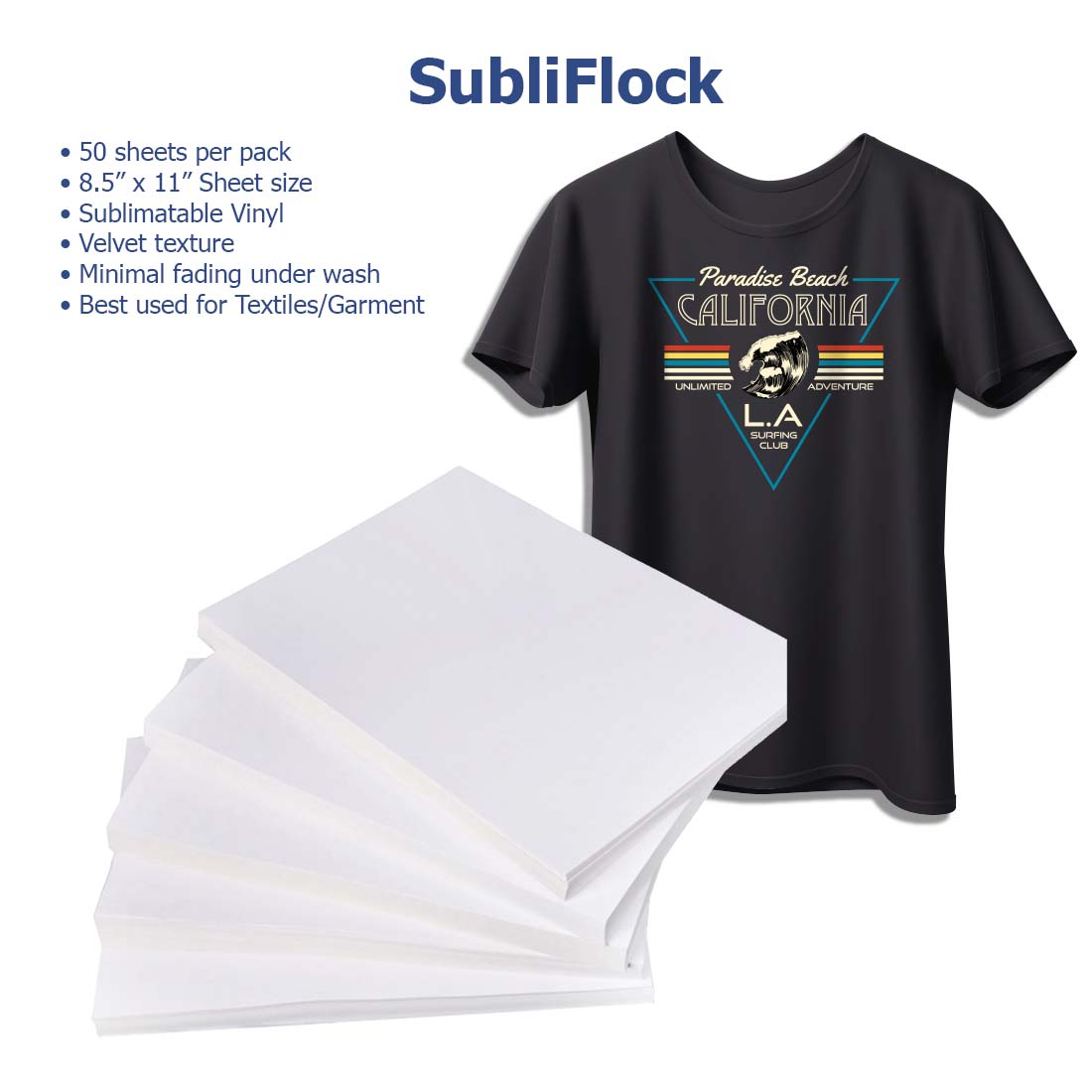
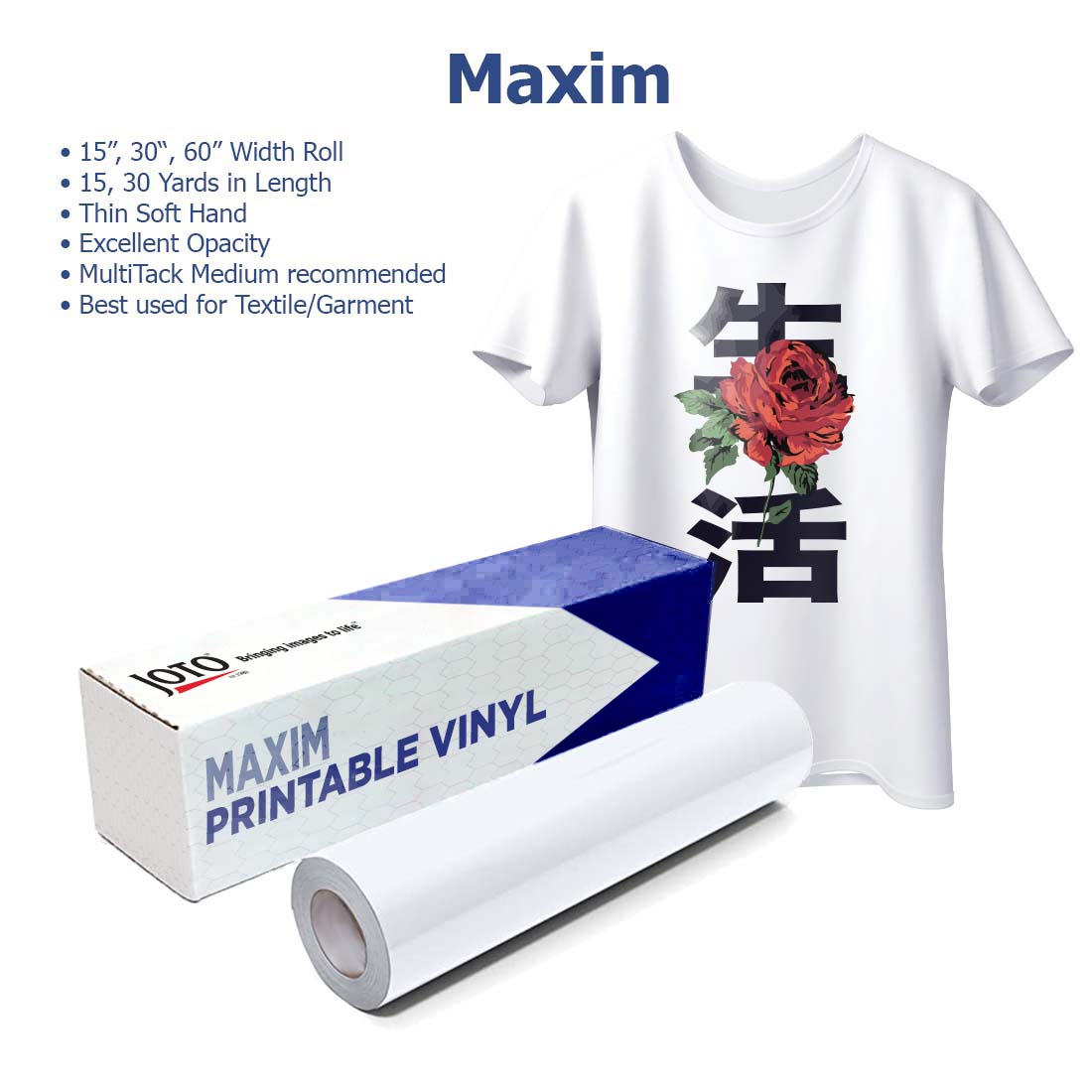
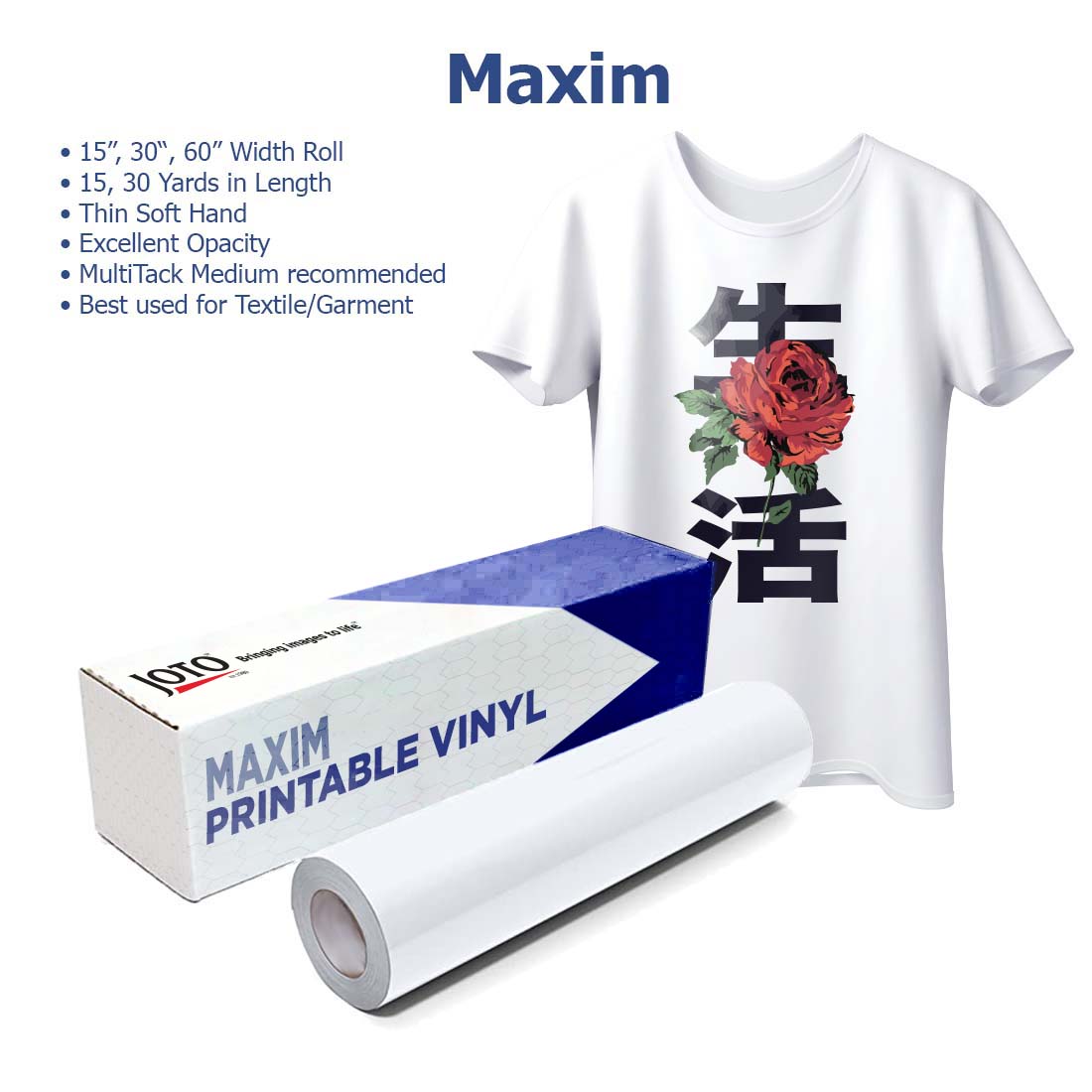
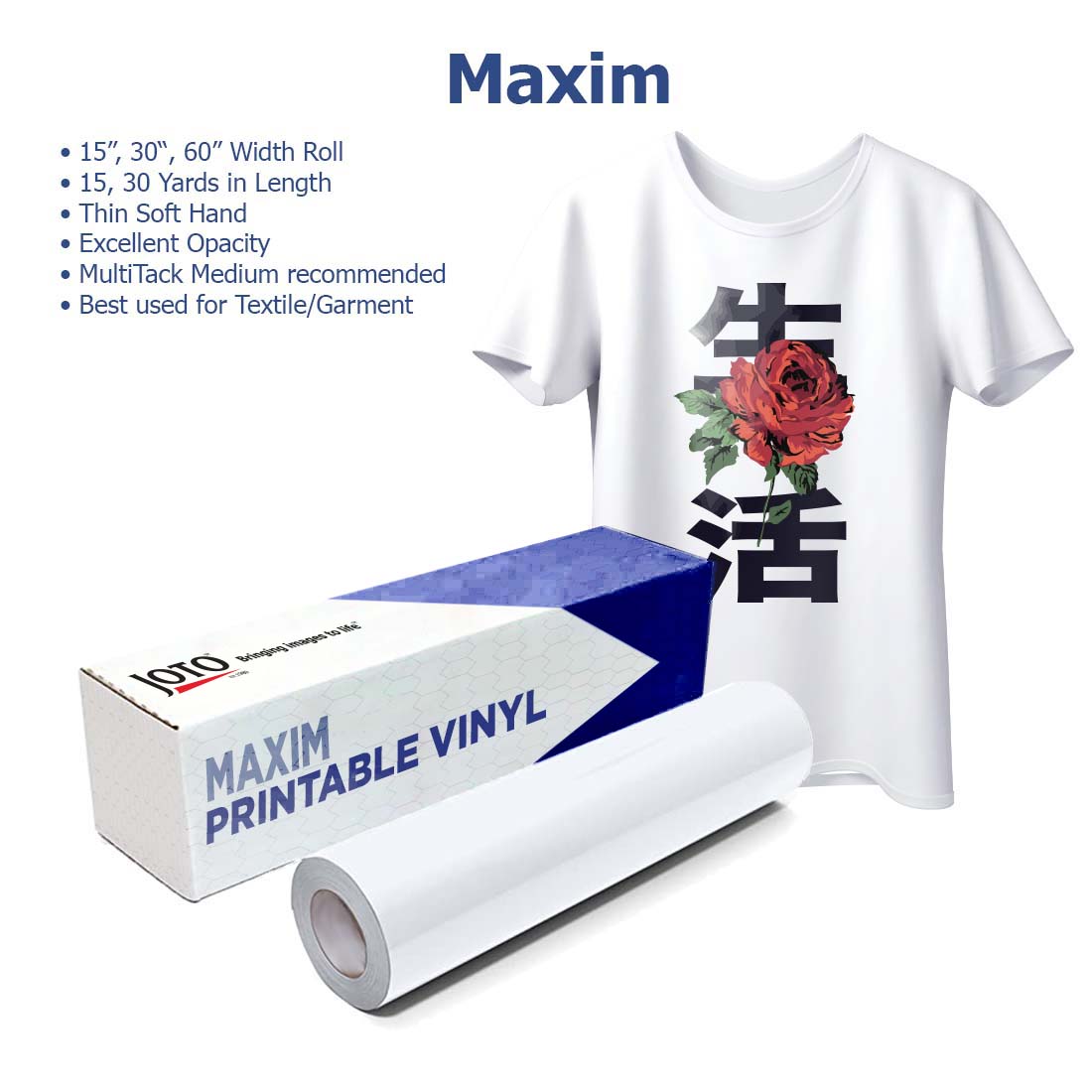
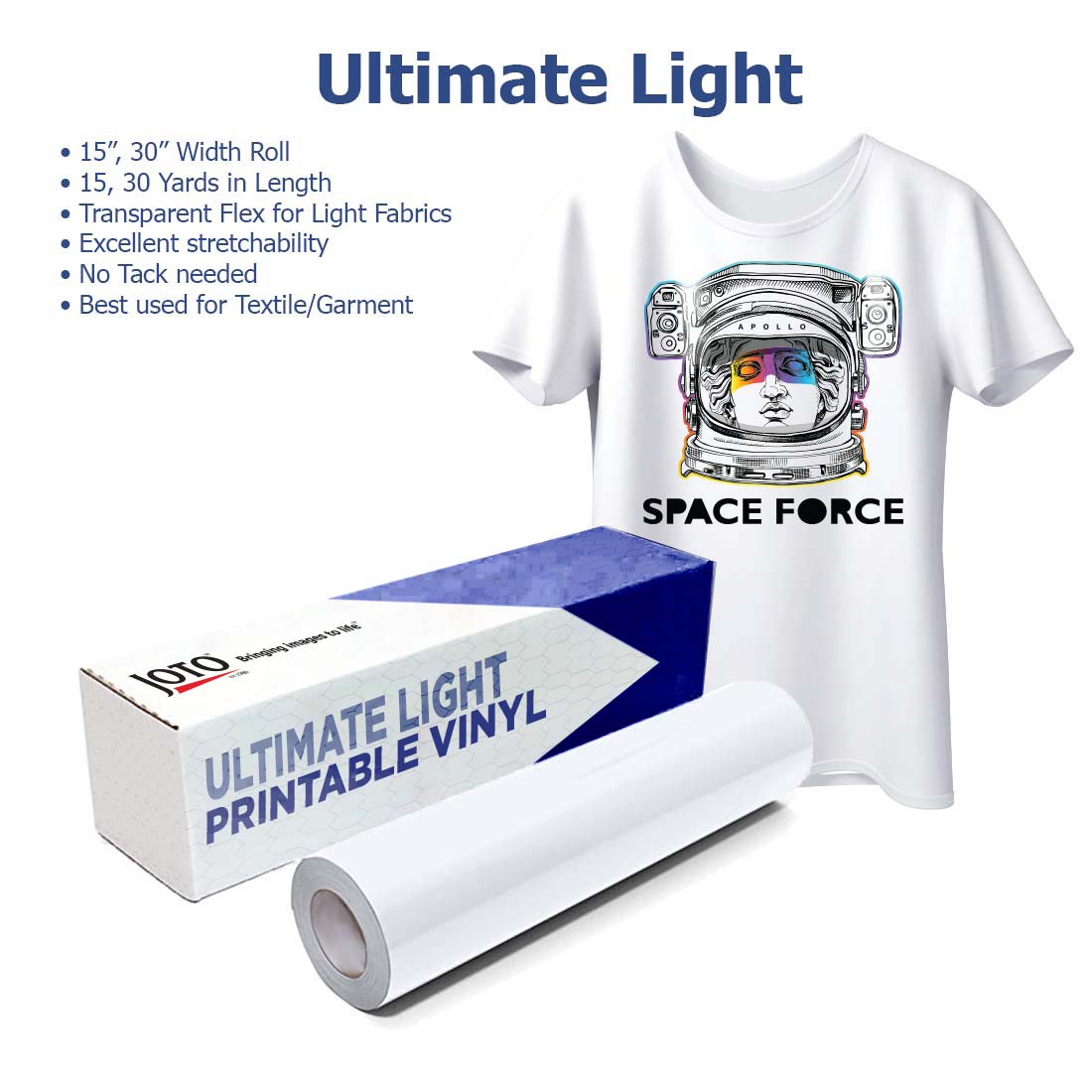
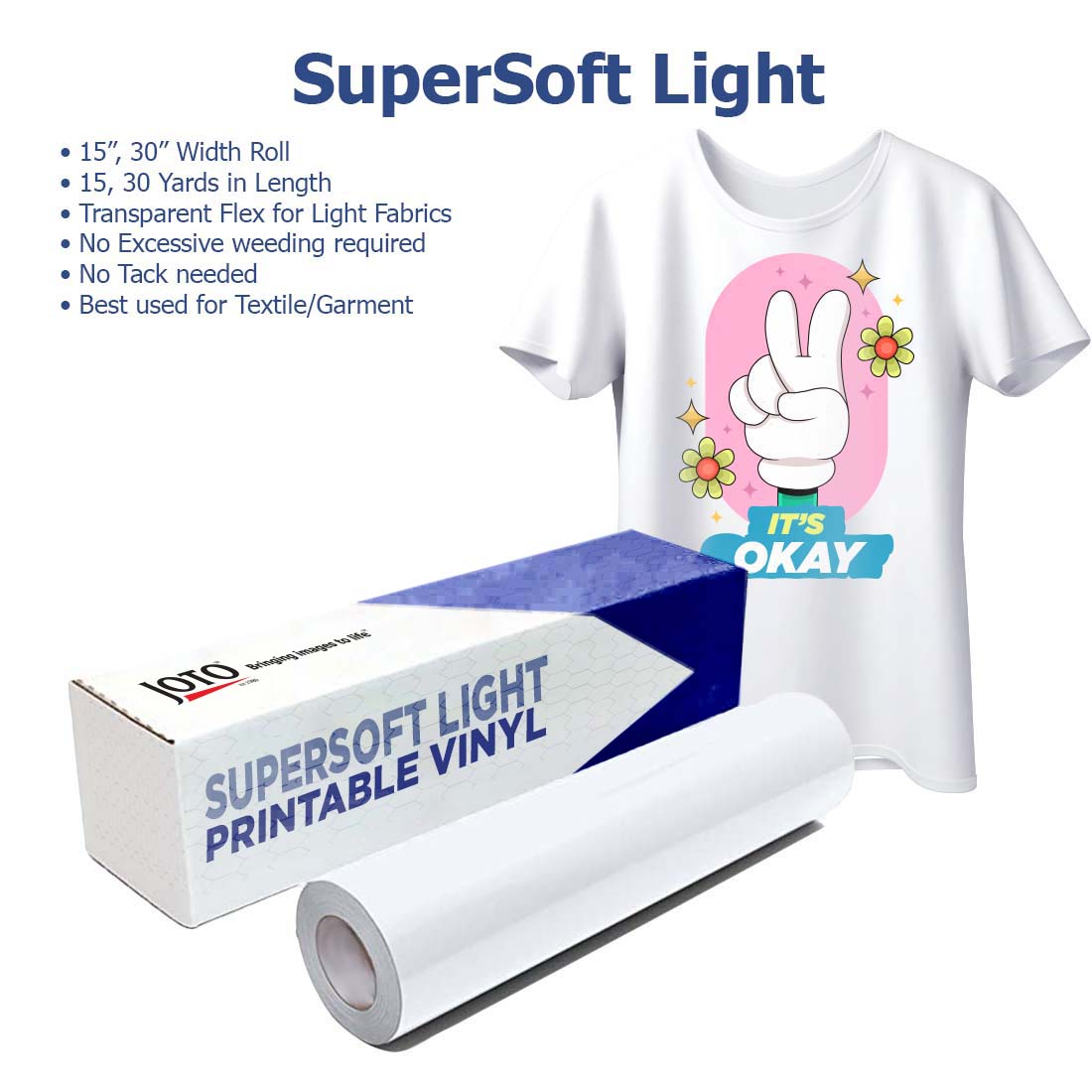
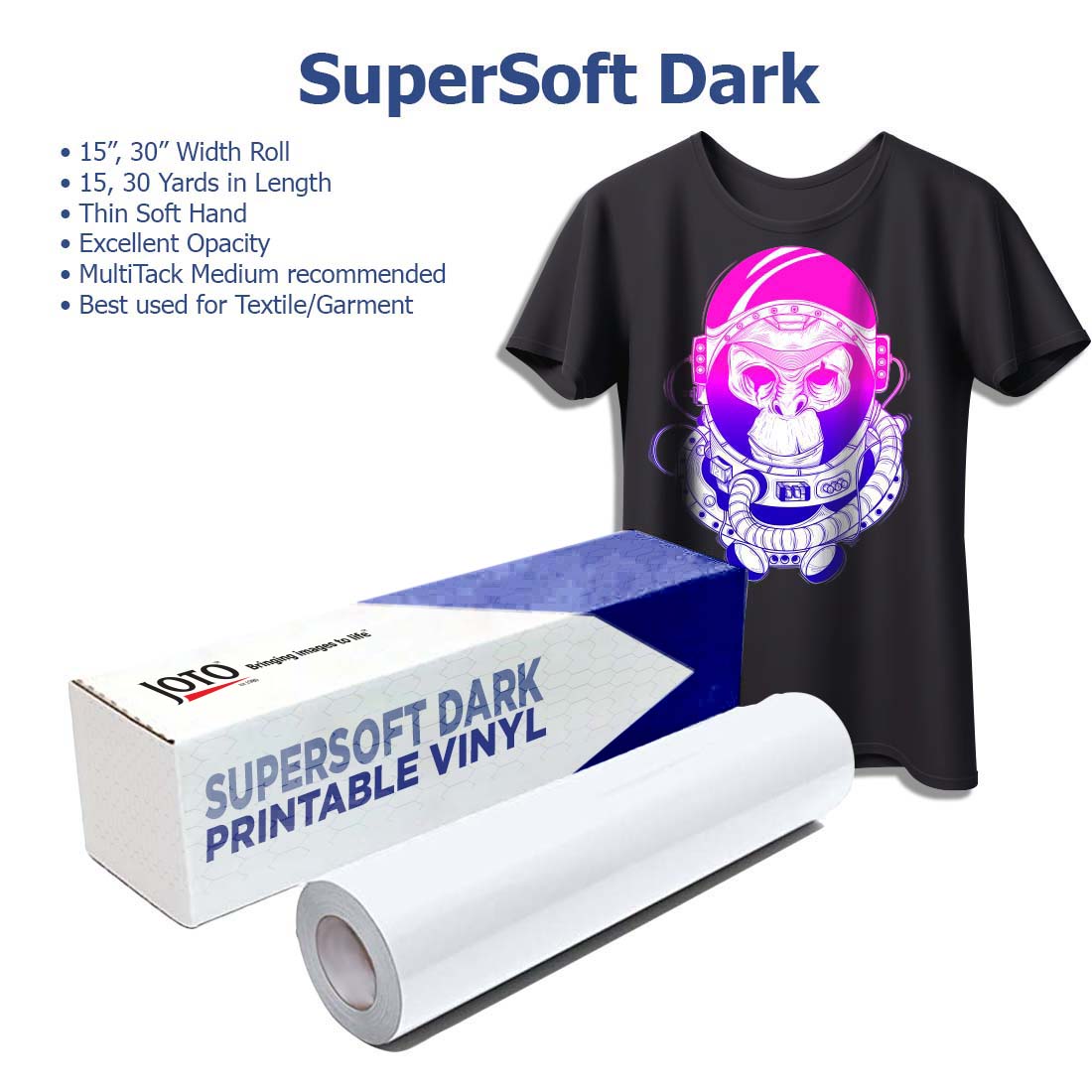
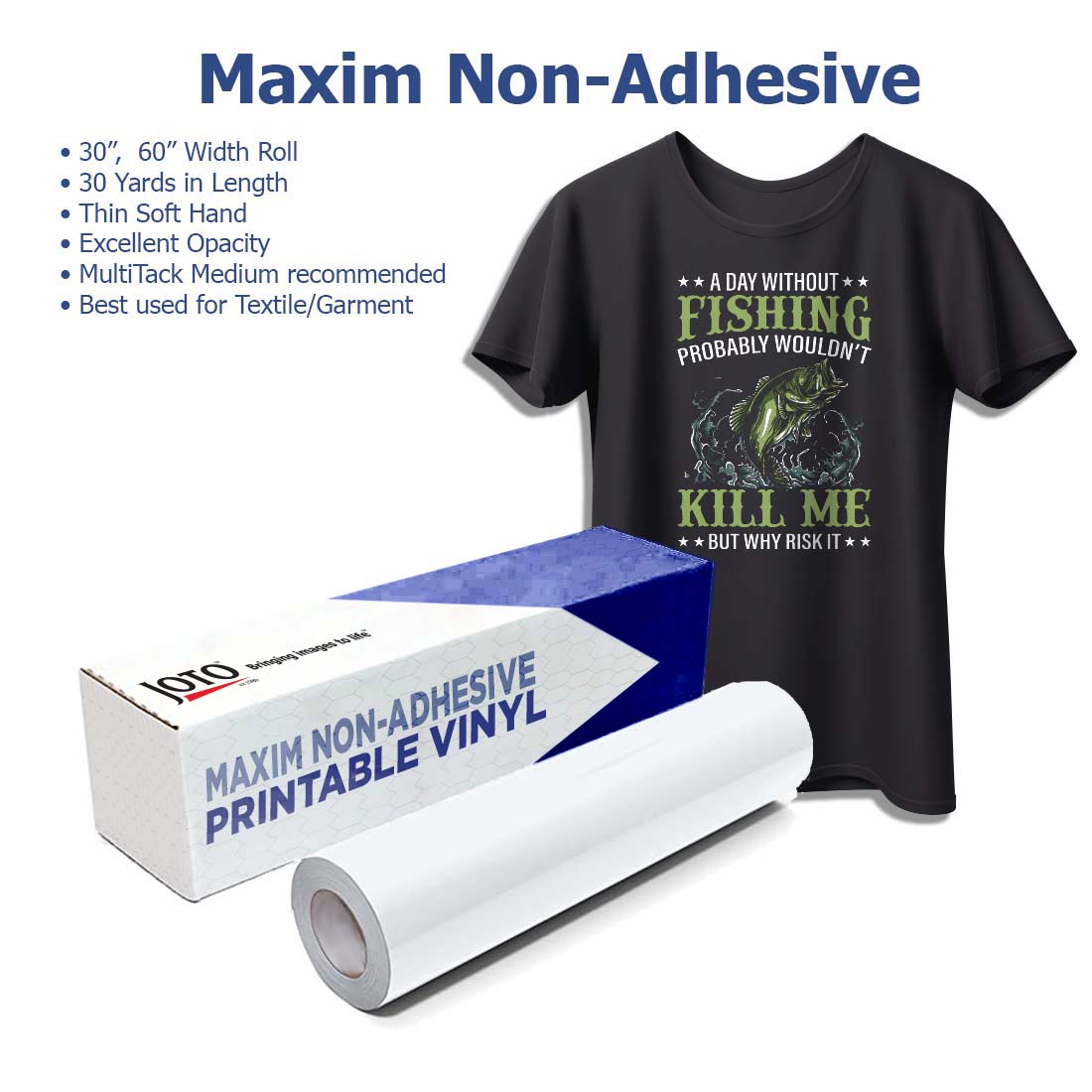
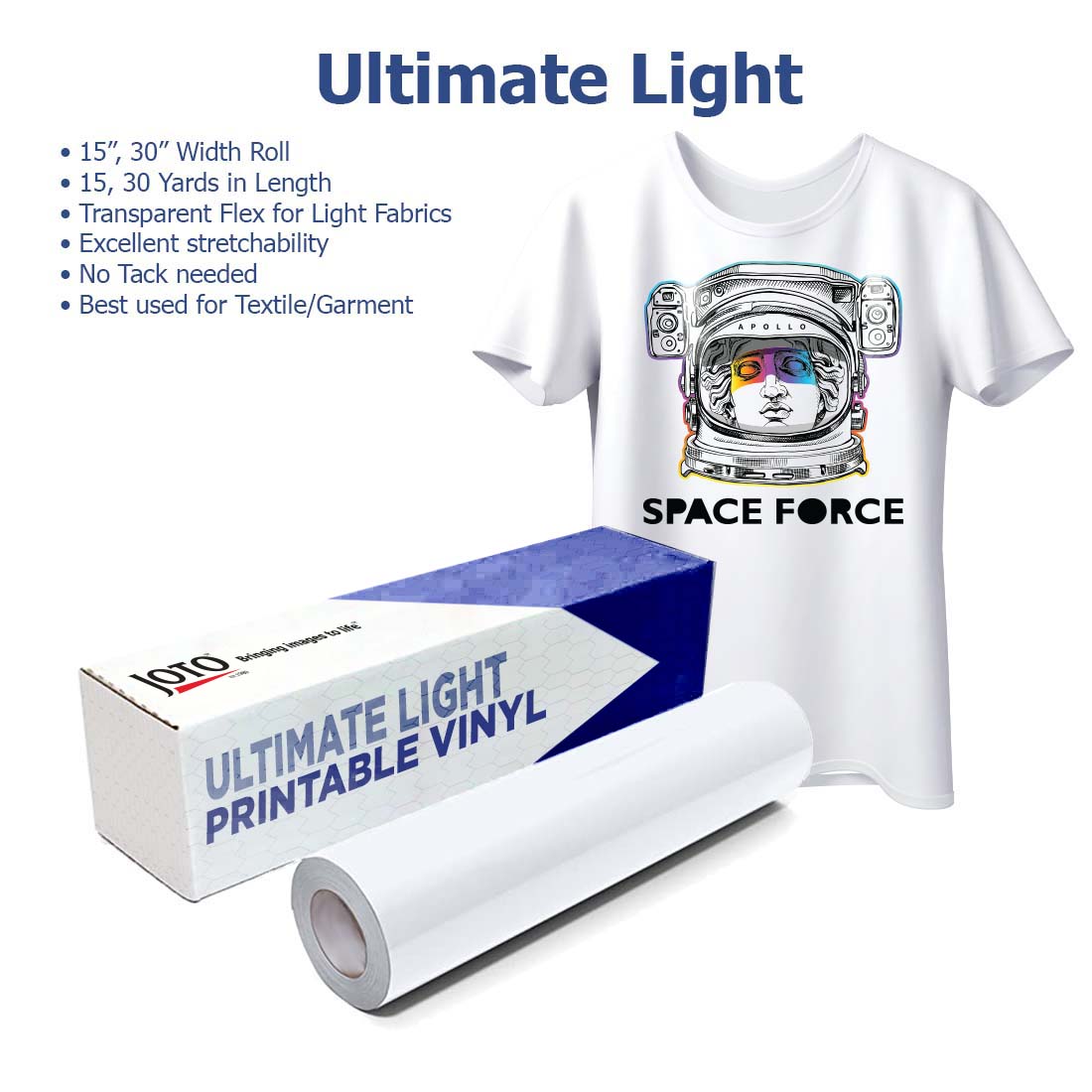
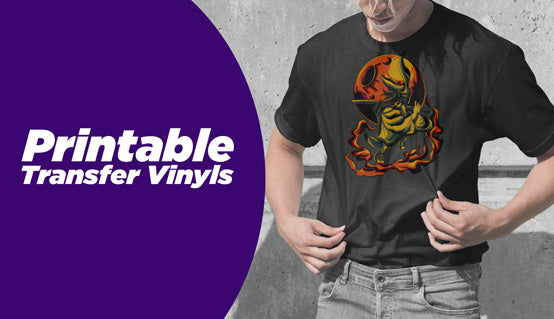
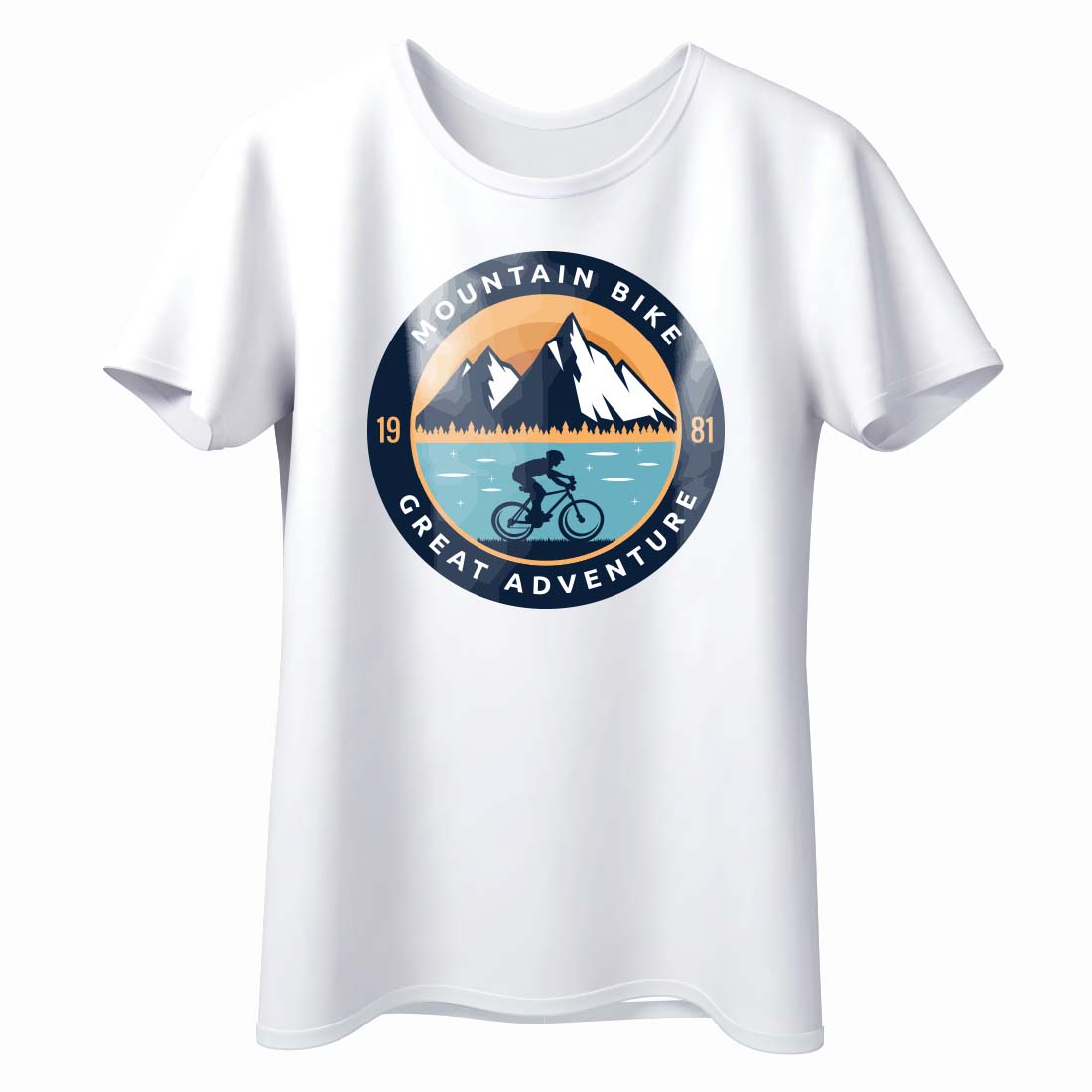
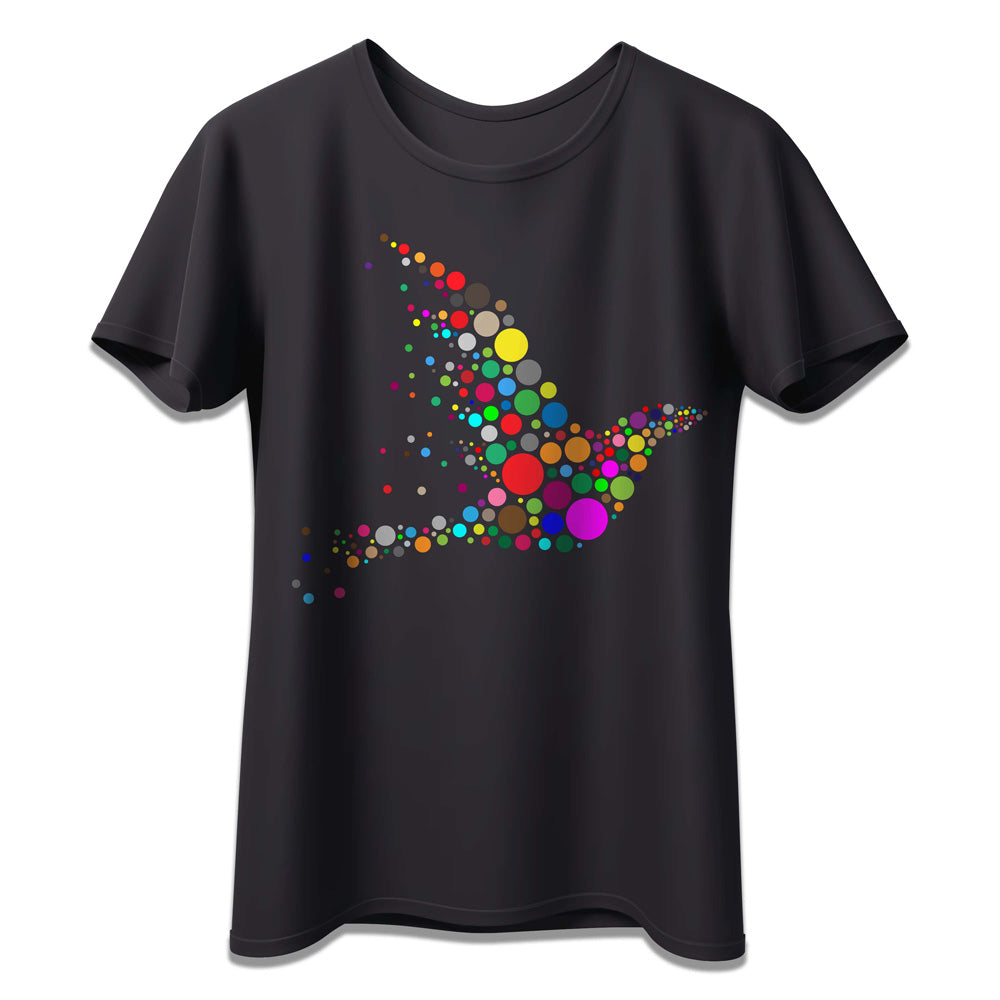
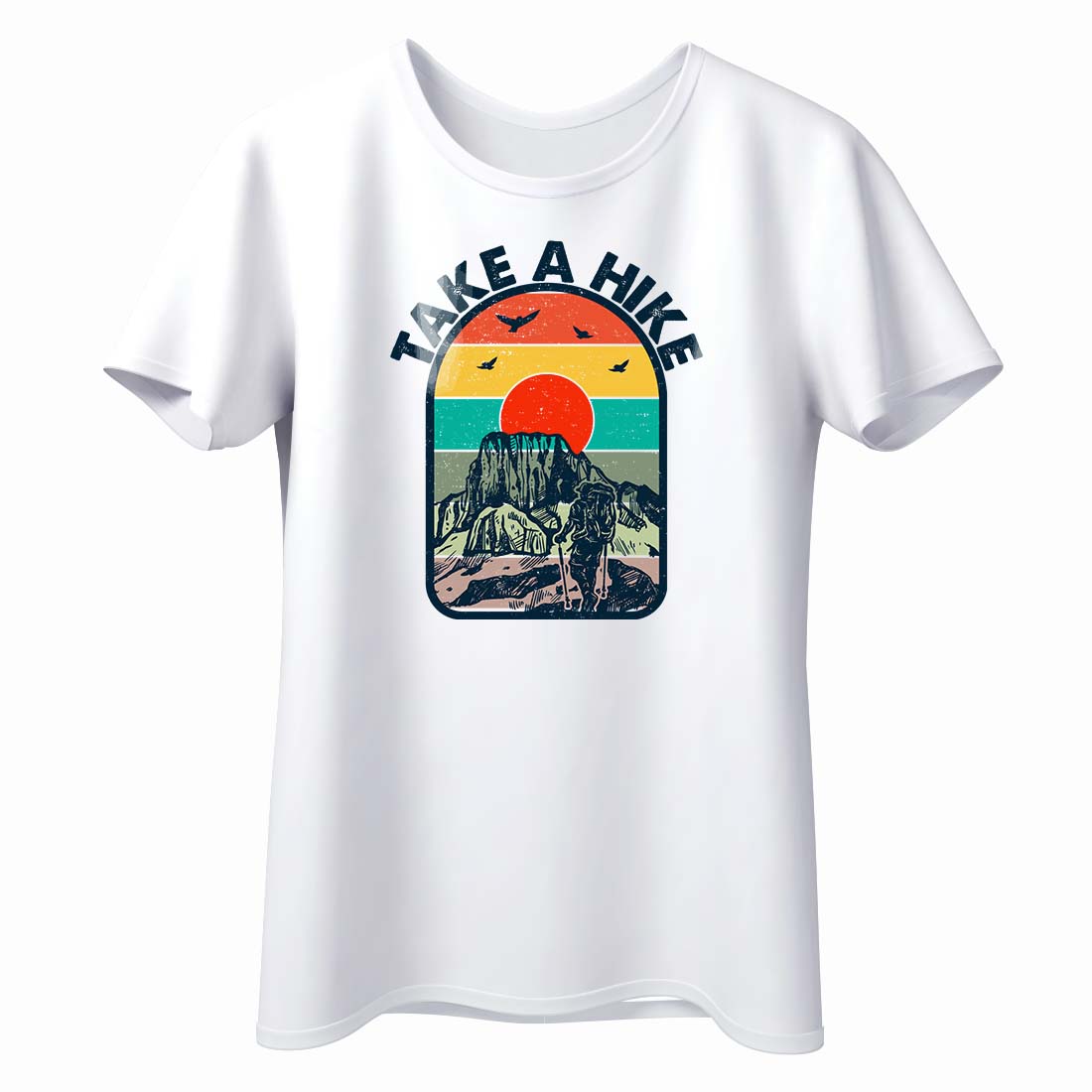
Printable heat transfer vinyls for custom apparel

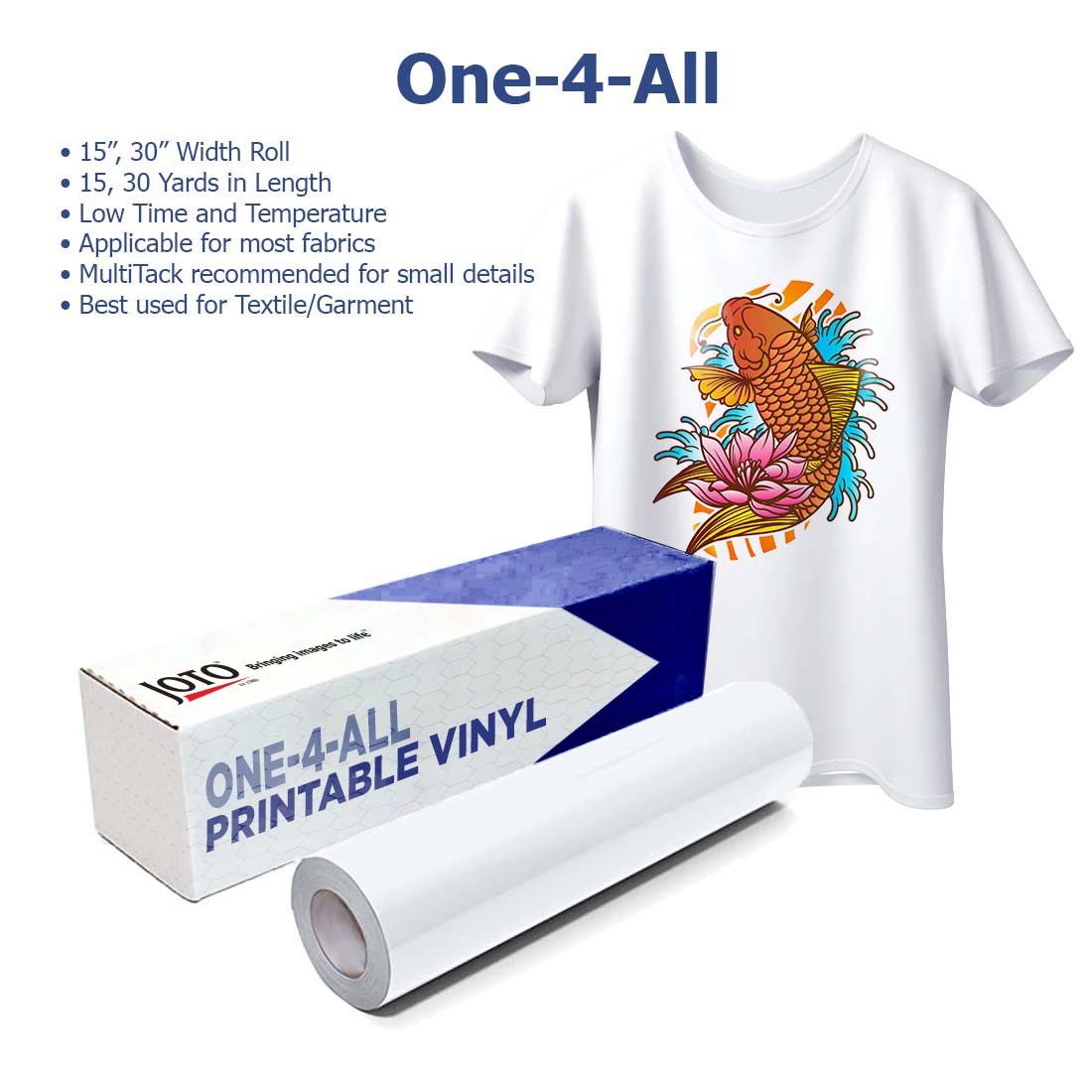
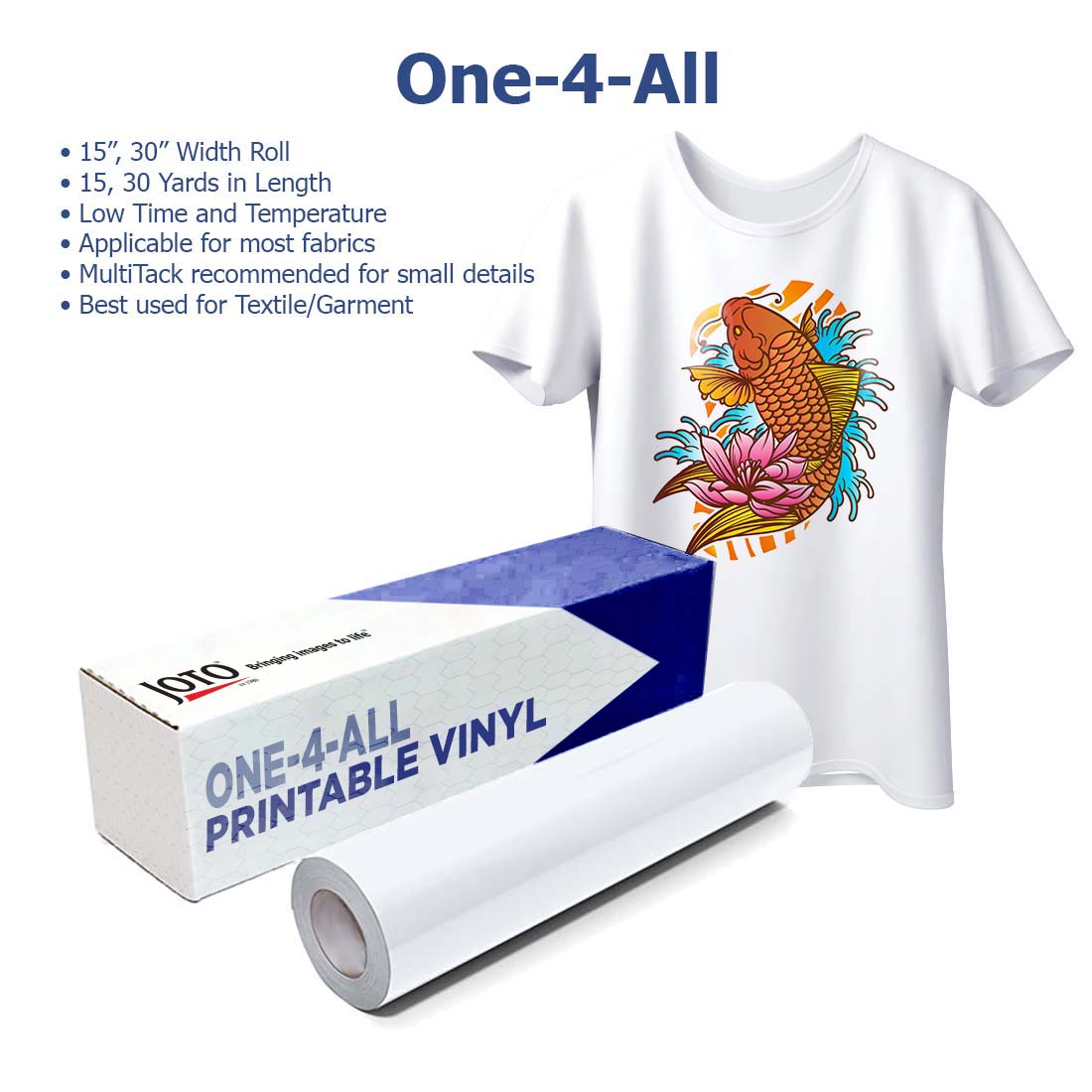
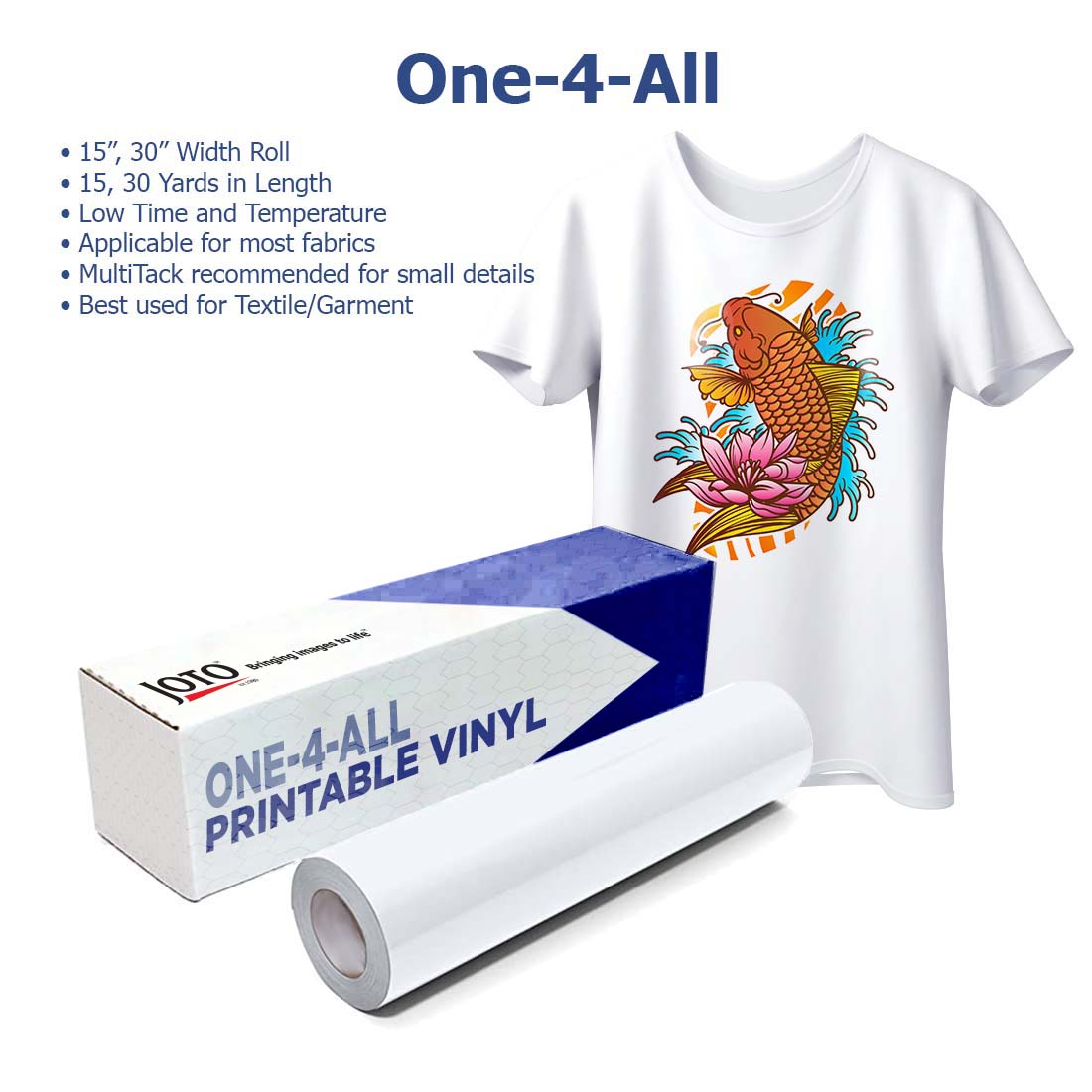
Printable heat transfer vinyls make it easy to create vibrant and durable designs on fabric.

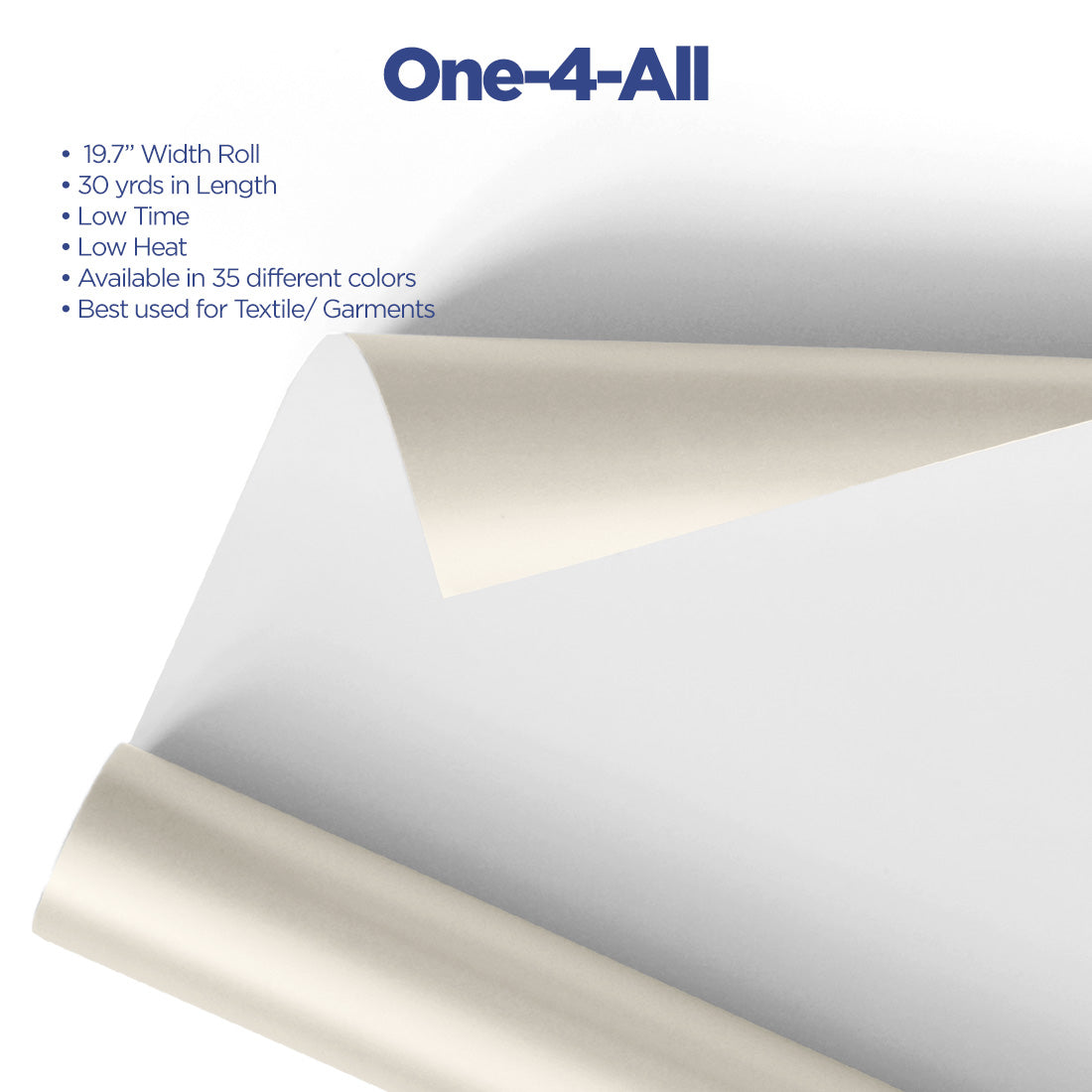
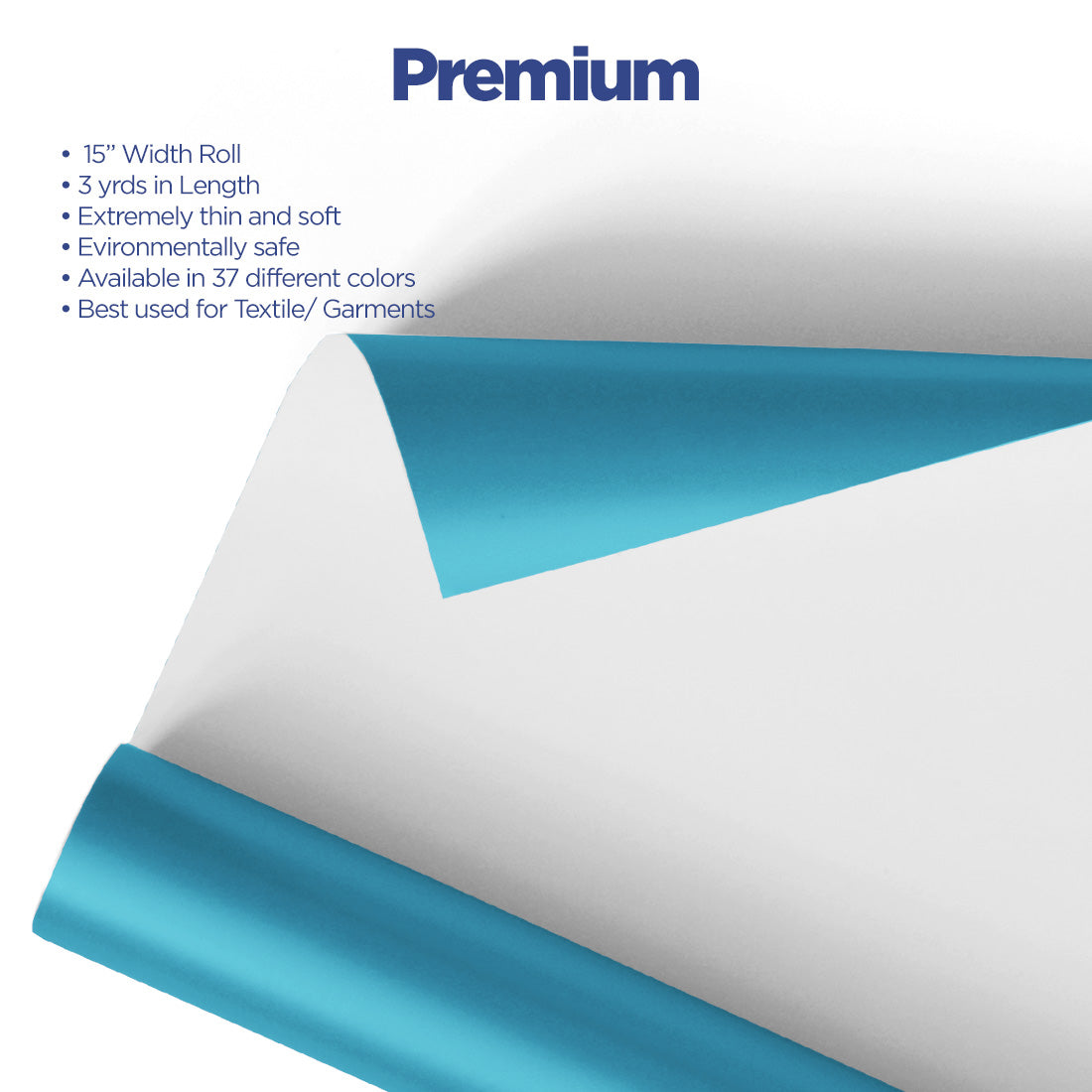
This collection offers flexible materials that cut, weed, and press smoothly on cotton, polyester, and blended garments. They deliver bold colors, sharp details, and reliable durability wash after wash. Perfect for small businesses, promotional products, or creative entrepreneurs, these vinyls help expand your customization options with ease. Lightweight yet strong, they save time by reducing errors and ensuring consistent results. With Joto’s expertise and fast delivery, you can produce apparel that looks professional and captures customer attention.
Frequently Asked Questions:

What is printable heat transfer vinyl and what types of designs is it made for?

Printable HTV is a white-coated vinyl material that accepts ink from an inkjet or solvent printer, allowing you to transfer full-color photographic or gradient designs onto fabric. Unlike cuttable HTV, it lets you print complex artwork directly — making it ideal for custom portraits, full-color logos, and photorealistic apparel prints without a DTG or DTF printer.

What ink types and printer settings produce the sharpest results on printable HTV?

Printable HTV works best with pigment-based inkjet inks (not dye-based, which bleed on the coating). Set your printer to the highest quality mode, disable color management from the printer driver (manage color in your RIP or design software instead), and allow prints to dry fully — at least 2 minutes — before cutting or pressing.

Is printable HTV compatible with solvent, eco-solvent, and latex wide-format printers?

Yes — printable HTV is available in formulations for desktop inkjet, eco-solvent, and latex printers. Always verify that the HTV brand you select is rated for your specific printer type. Aqueous (desktop inkjet) printable HTV is not compatible with solvent printers as the solvents will damage the coating.

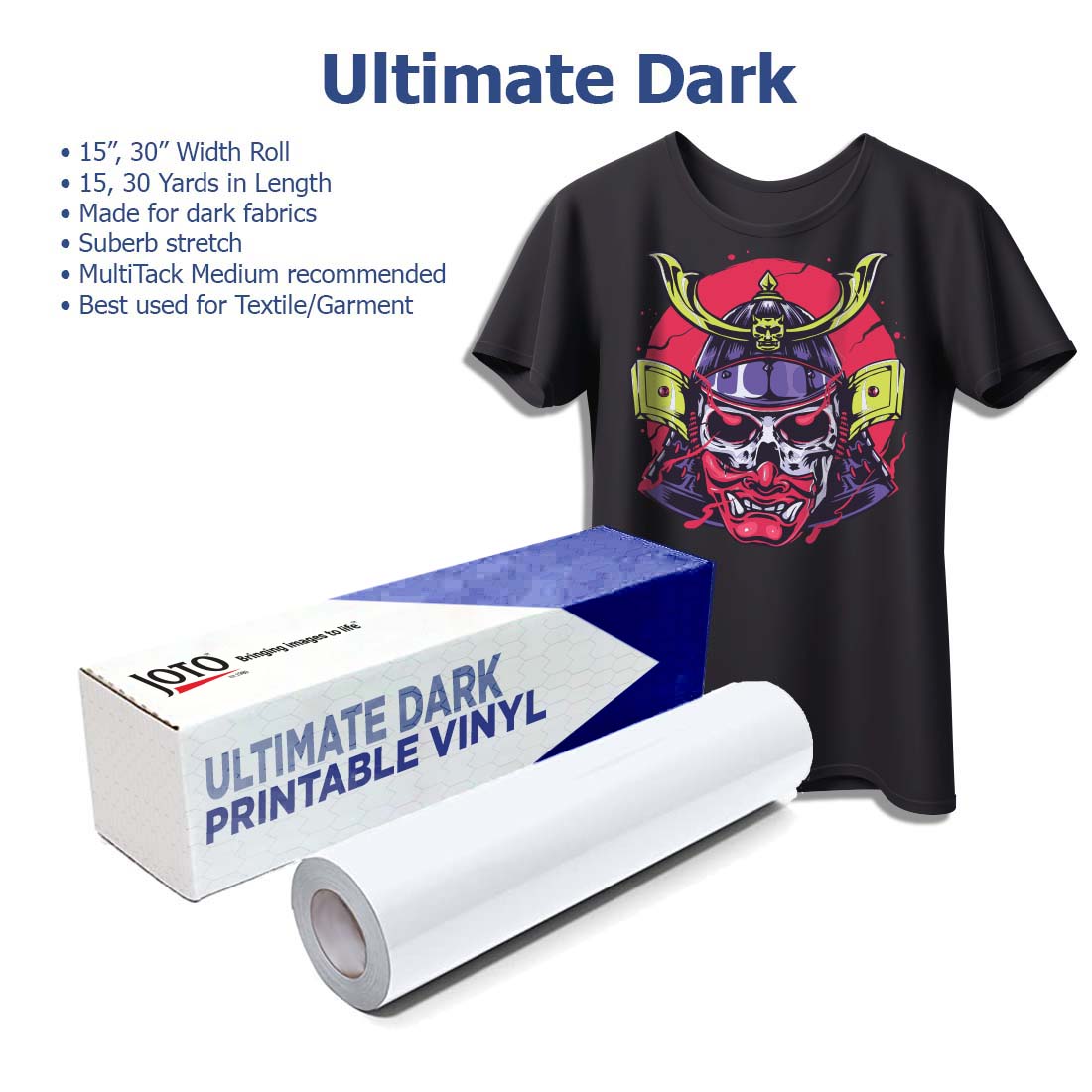
Why do colors look faded or washed out after pressing printable HTV onto a dark garment?

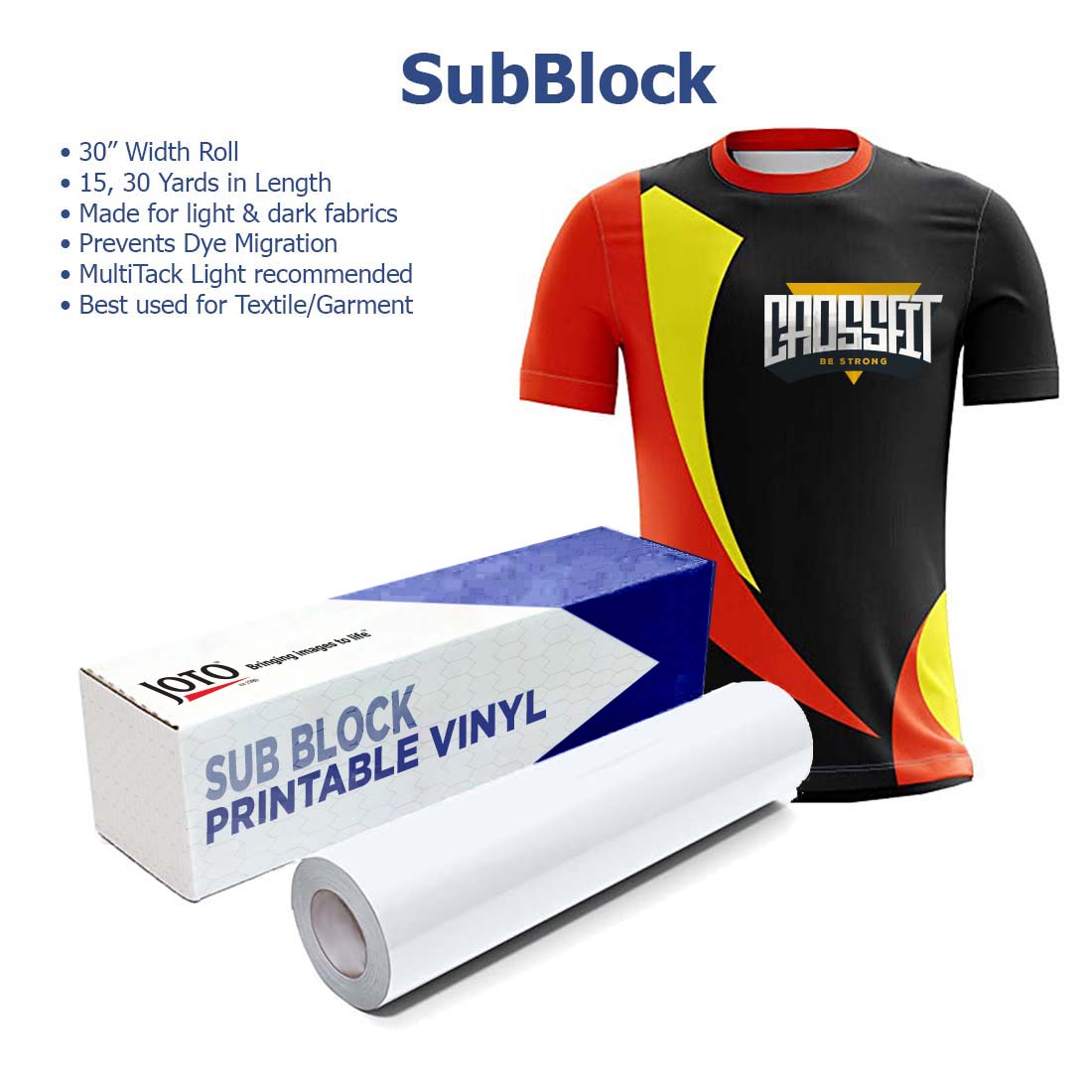
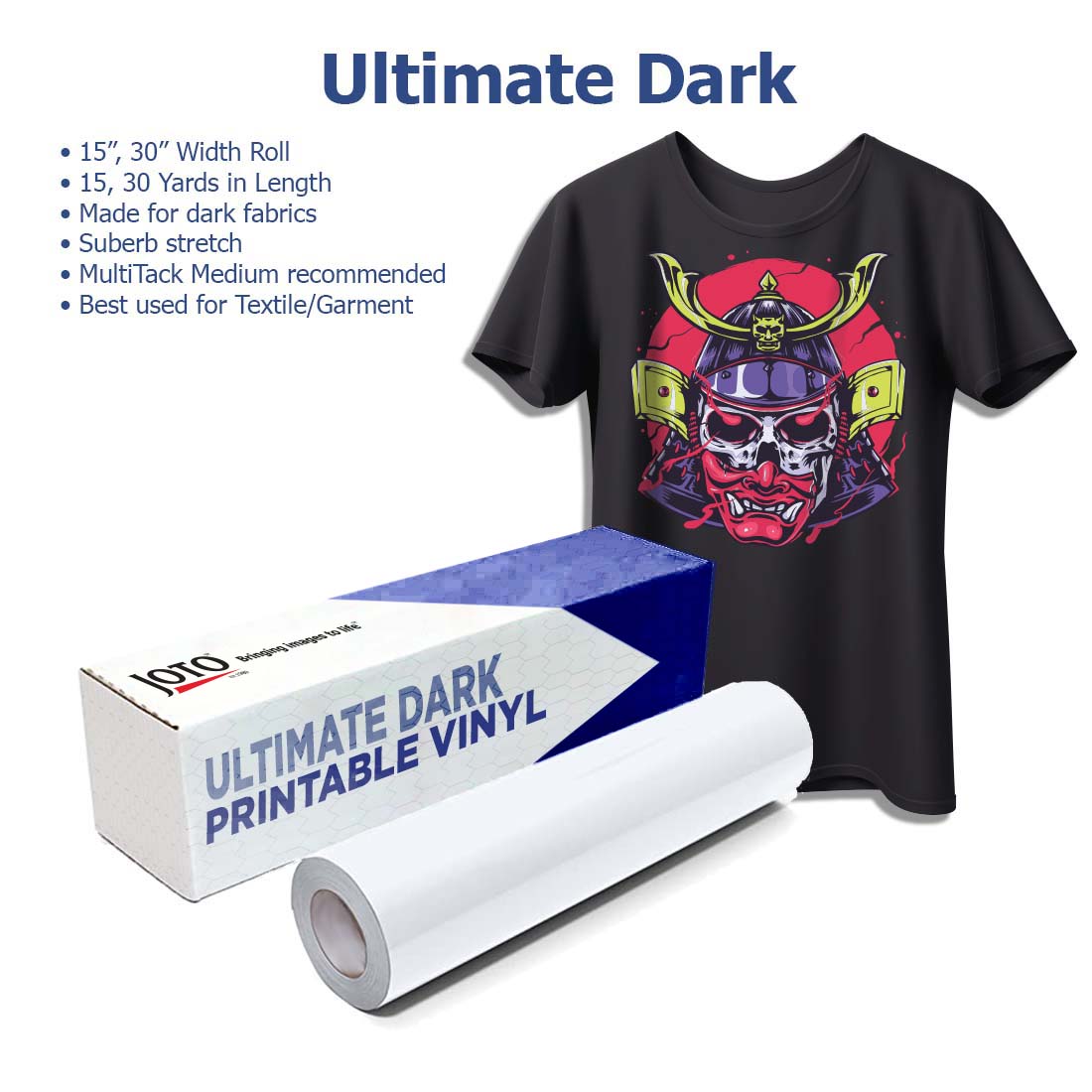
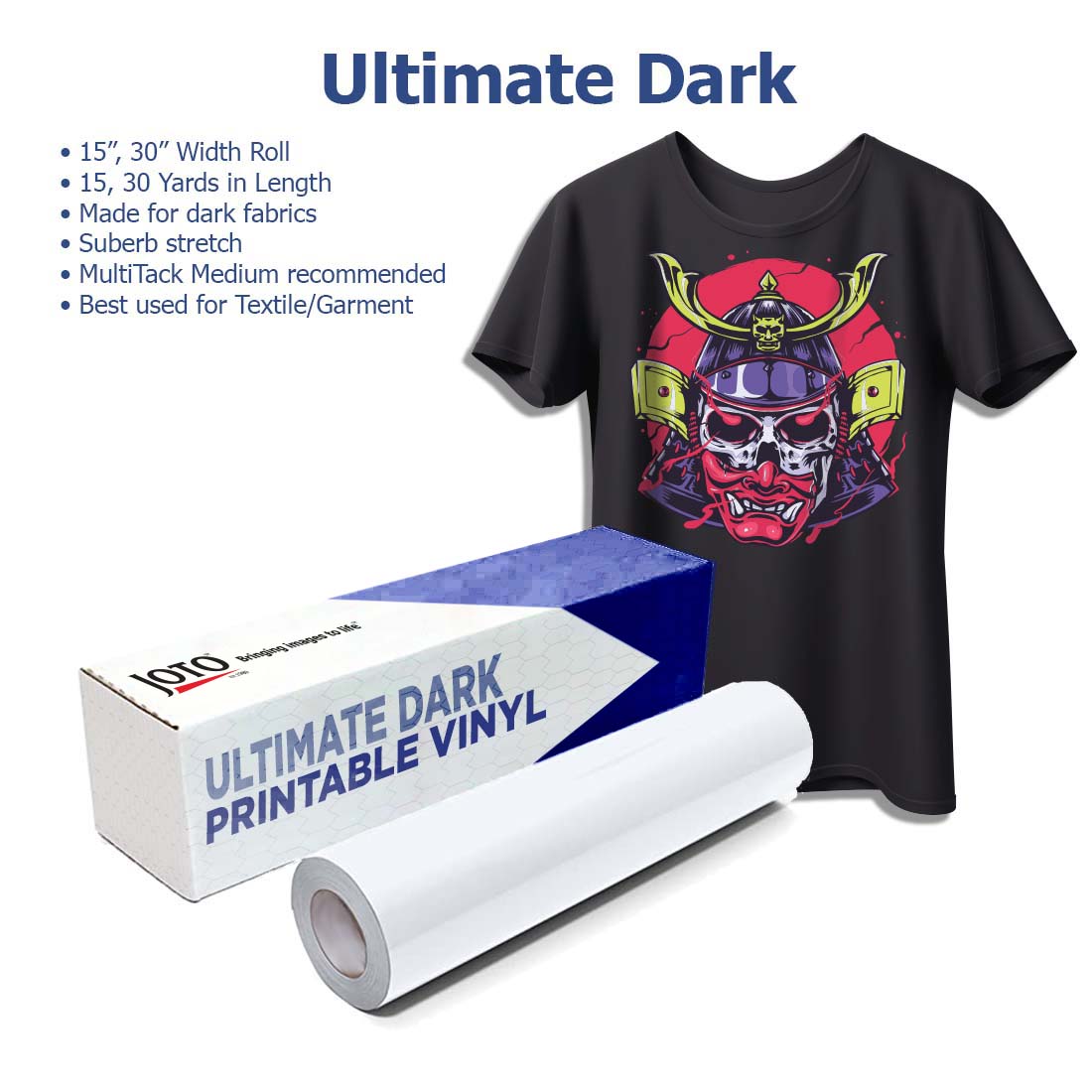
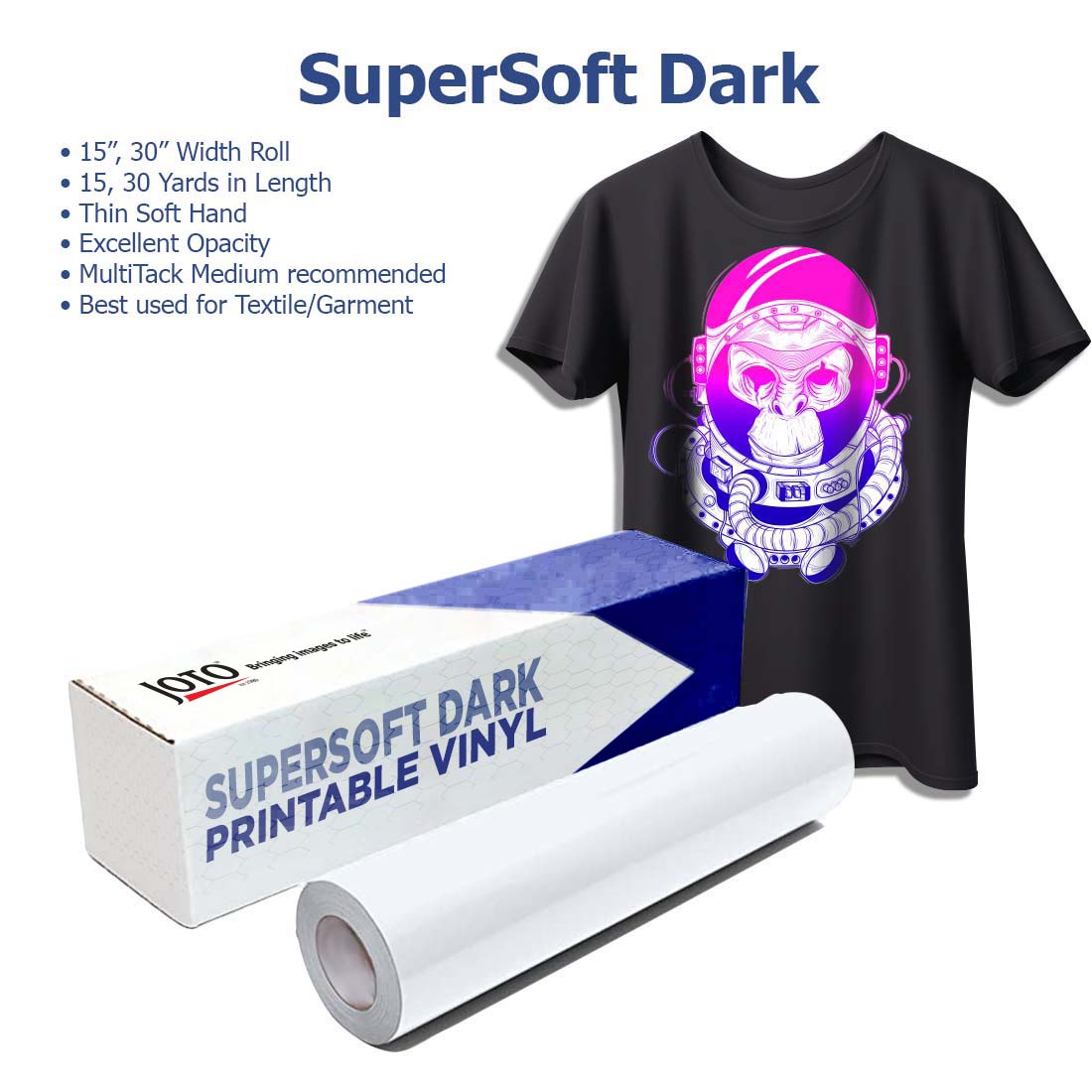
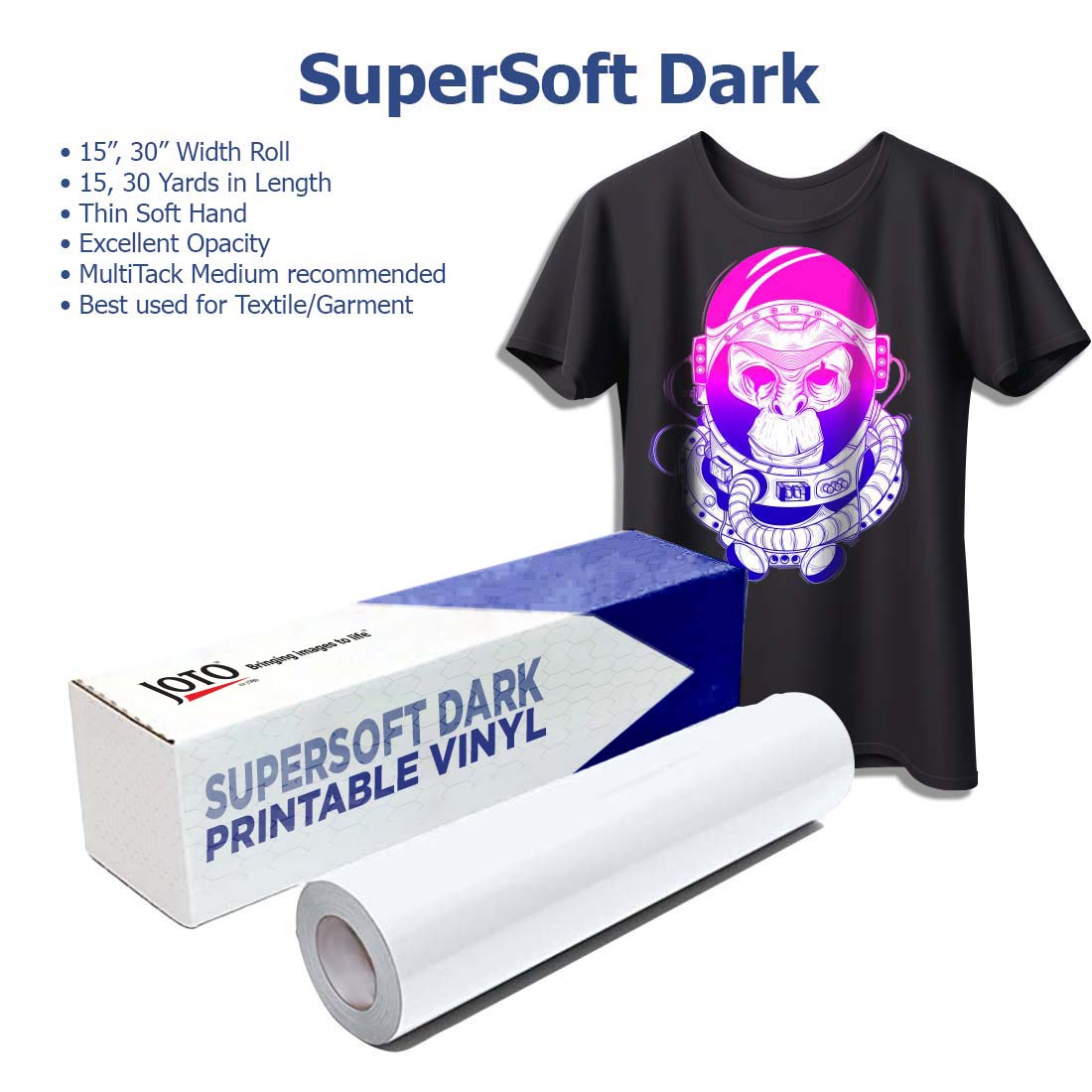
Printable HTV is semi-transparent, so printing on dark fabrics without a white base layer will result in muted colors. Use a layering approach — press a white cuttable HTV base first, then press the printed HTV on top — or source a printable HTV with a built-in white backing layer specifically designed for dark fabric applications.

How does the wash durability of printable HTV compare to screen printing?

Properly applied printable HTV typically withstands 30–50 wash cycles before showing visible fading, which is slightly lower than traditional screen printing. Wash durability improves significantly when the garment is washed inside out in cold water and air dried. For items requiring maximum longevity, a top-coat overlaminate can extend the print life considerably.

Is printable HTV cost-effective for small-batch custom orders compared to DTG printing?

For runs of 1–20 pieces with full-color designs, printable HTV offers a lower cost-per-print than DTG for most small shops — no pretreatment, no ink maintenance costs, and no minimum quantities. A desktop inkjet printer combined with printable HTV can produce a full-color transfer for under $1.50 in materials, making it highly accessible for hobbyists and small businesses alike.

What is the correct contour cut offset to set in your cutting software for printable HTV?

Add a 1–2mm bleed around your printed design before cutting to ensure no white HTV edge is visible after pressing. In your cutter's software, set the contour cut line 1.5mm outside the design boundary and run a test cut on a small area before cutting the full sheet. This eliminates the 'halo' effect that appears when cutting too close to the printed artwork.

What is the difference between printable HTV and DTF film, and why would I choose printable HTV?

Both produce full-color transfers, but printable HTV uses an inkjet printer and is cut-and-press ready at low startup cost, while DTF requires a dedicated DTF printer, white ink, powder, and curing equipment. Printable HTV is the better choice for businesses already owning an inkjet printer, or those with low volume and tight startup budgets. DTF has faster throughput and better durability at scale.

Does printable HTV contain PVC or other materials that raise environmental concerns?

Many traditional printable HTV products are PVC-based, which raises environmental concerns around disposal and production. Eco-friendly PVC-free alternatives are increasingly available and are worth specifying if your brand emphasizes sustainability. Look for REACH-compliant or Oeko-Tex certified options, and review the product safety data sheet for full material composition.

How do I prevent ink smearing when handling freshly printed printable HTV sheets?

Allow prints to air dry for at least 2–3 minutes before handling, and always pick up sheets by the edges — never touch the printed surface. Store printed sheets face-up in a flat stack with parchment paper separating each sheet to prevent ink transfer between layers. Rushing the drying step is the most common cause of smeared printable HTV prints.

Drawer Title
Similar Products