















Skip to content
en
CAD

Bloom Your Business Into Profit

Sublimation Kitchenware

Sublimation kitchenware for everyday creativity

Add color and personality to daily routines with sublimation kitchenware that transforms plain essentials into custom statement pieces.

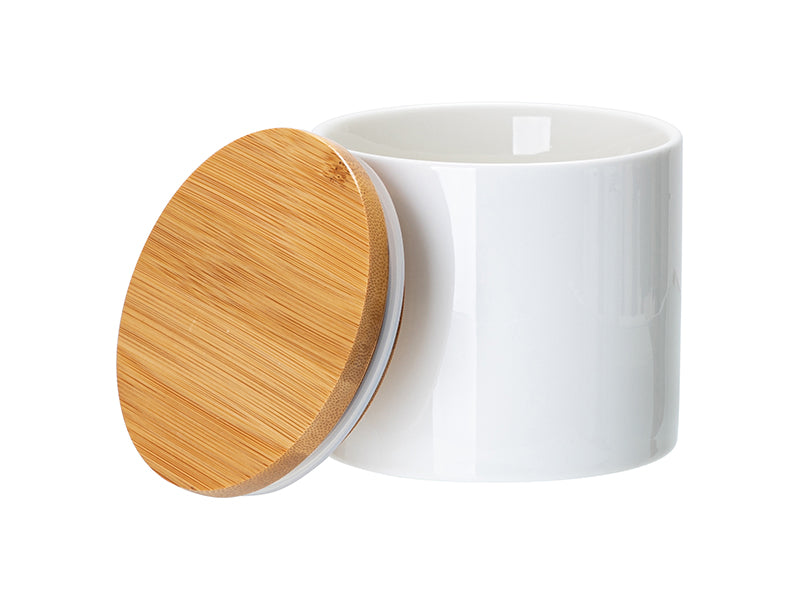
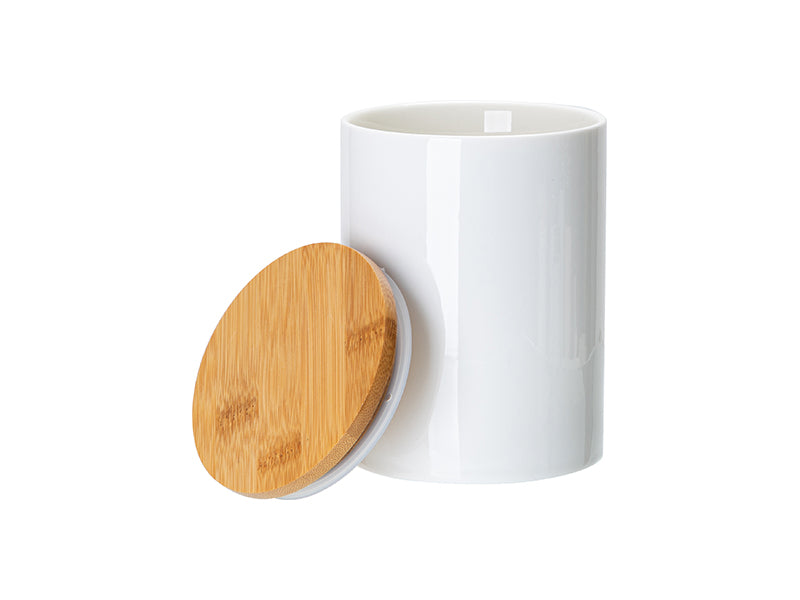
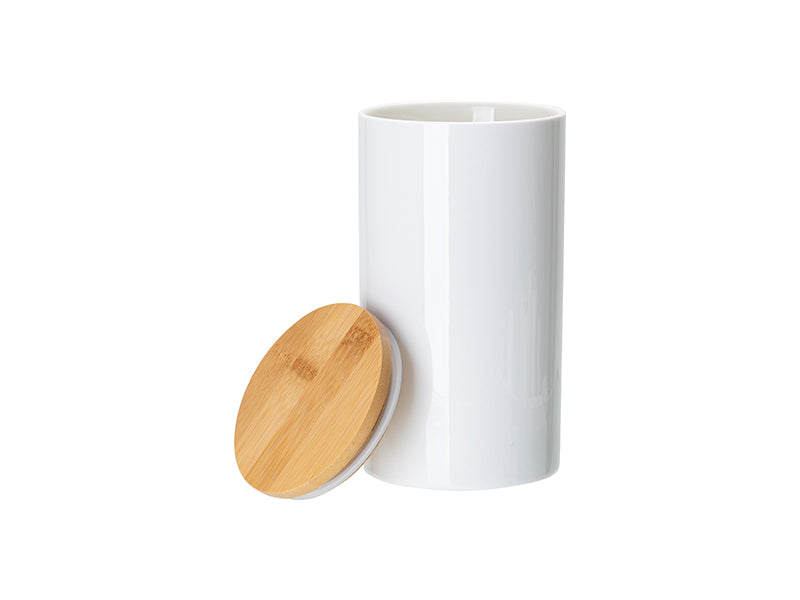
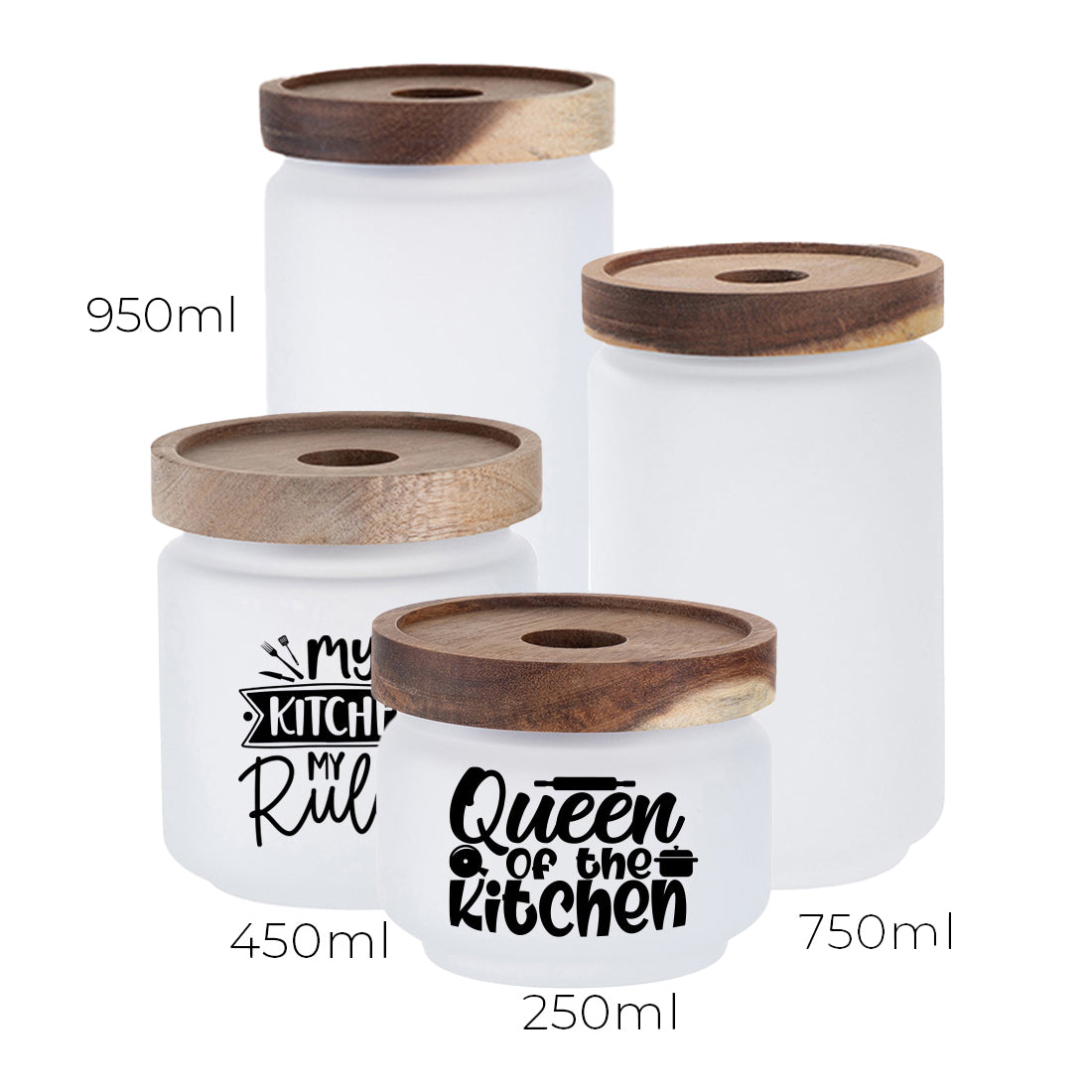
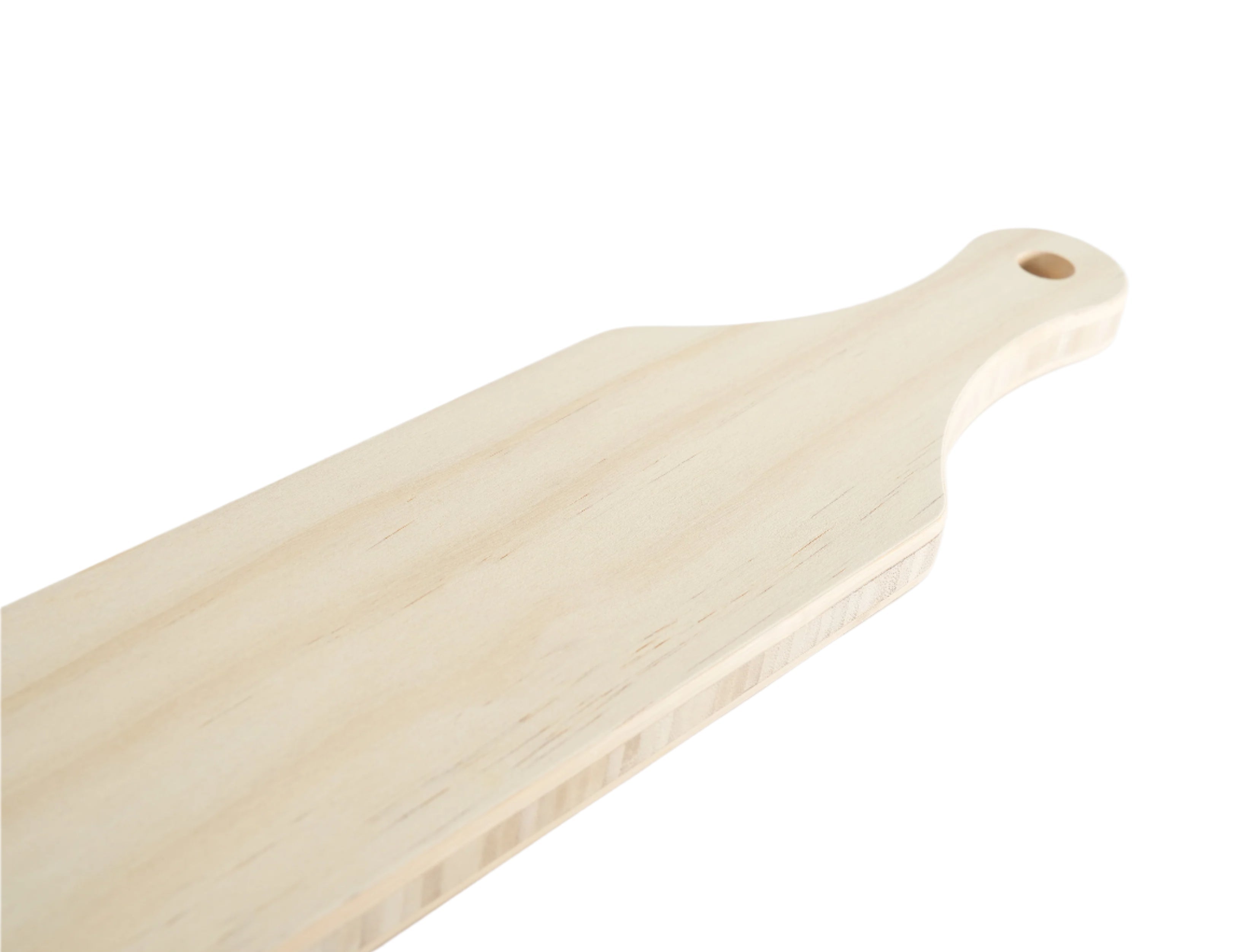
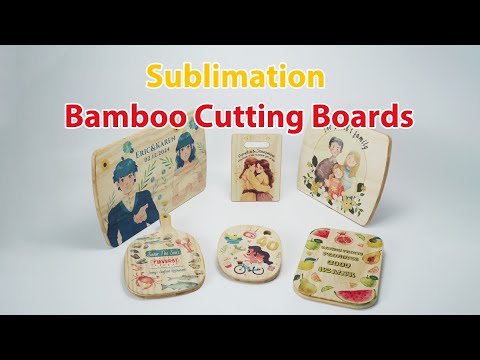
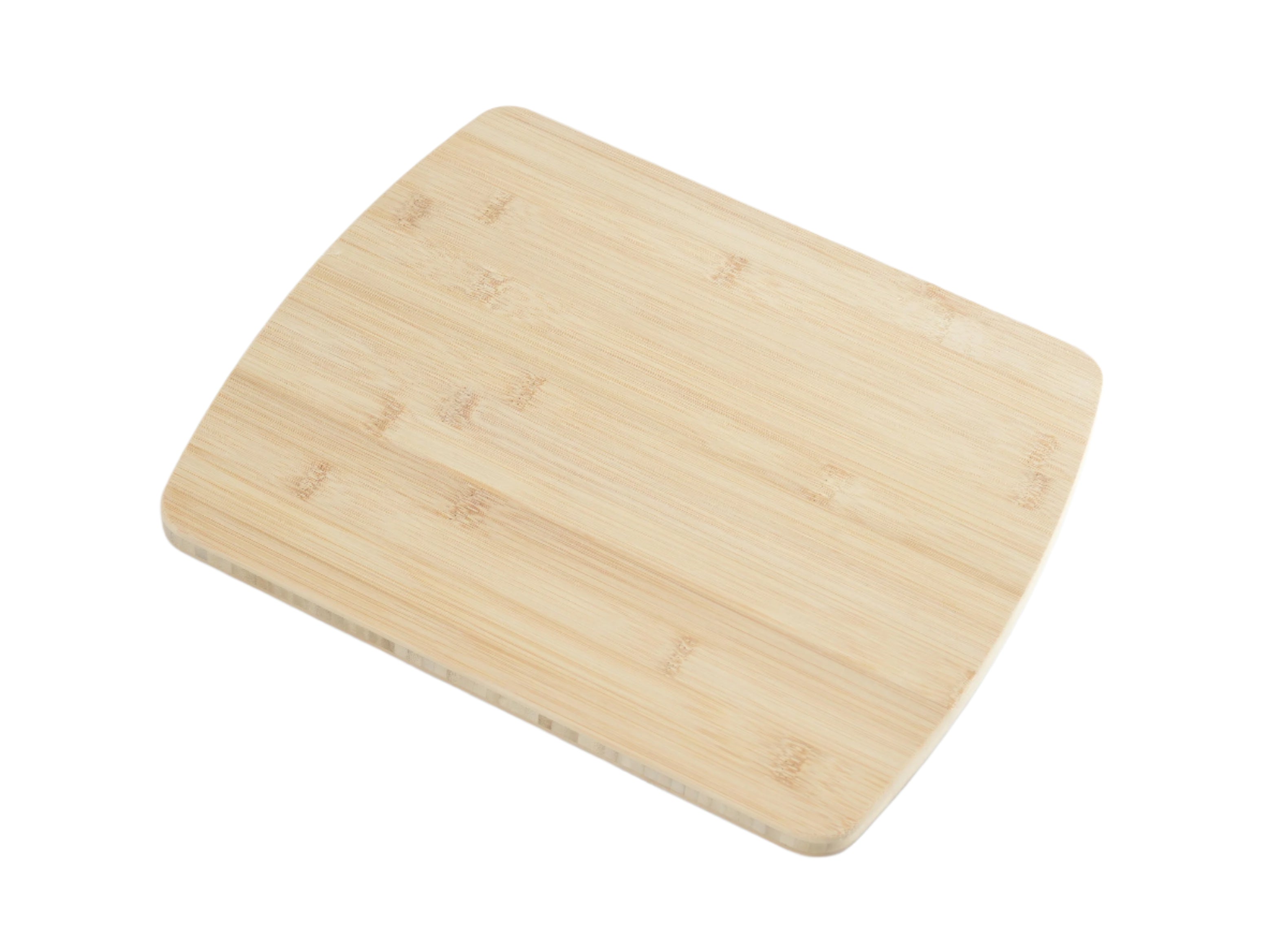
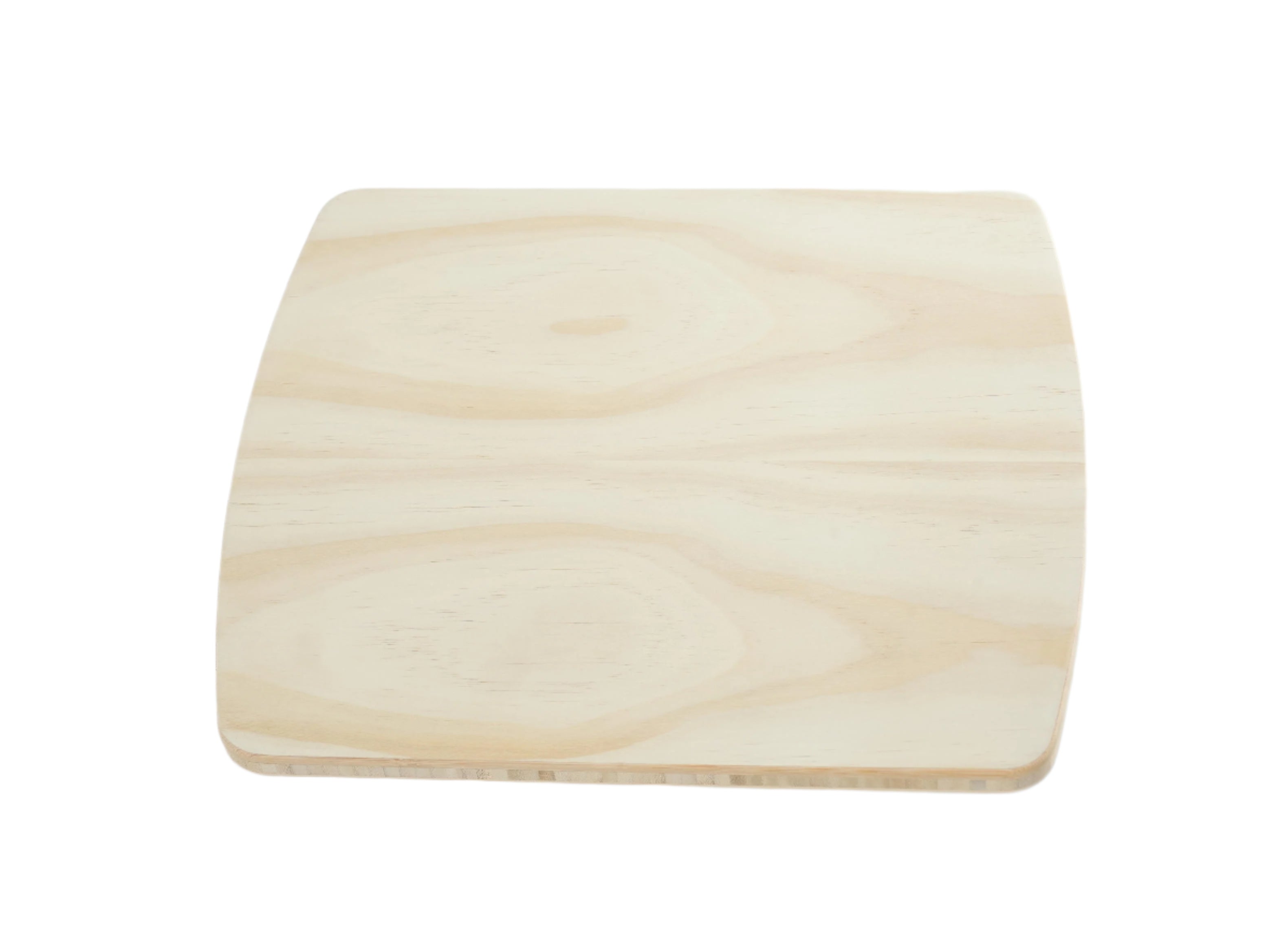
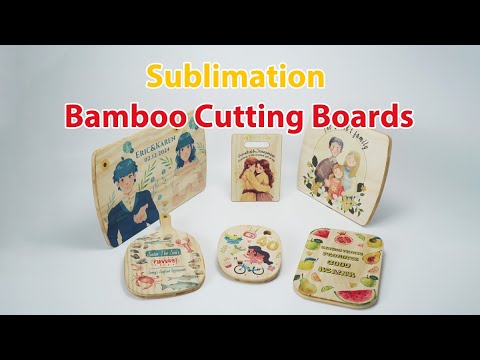
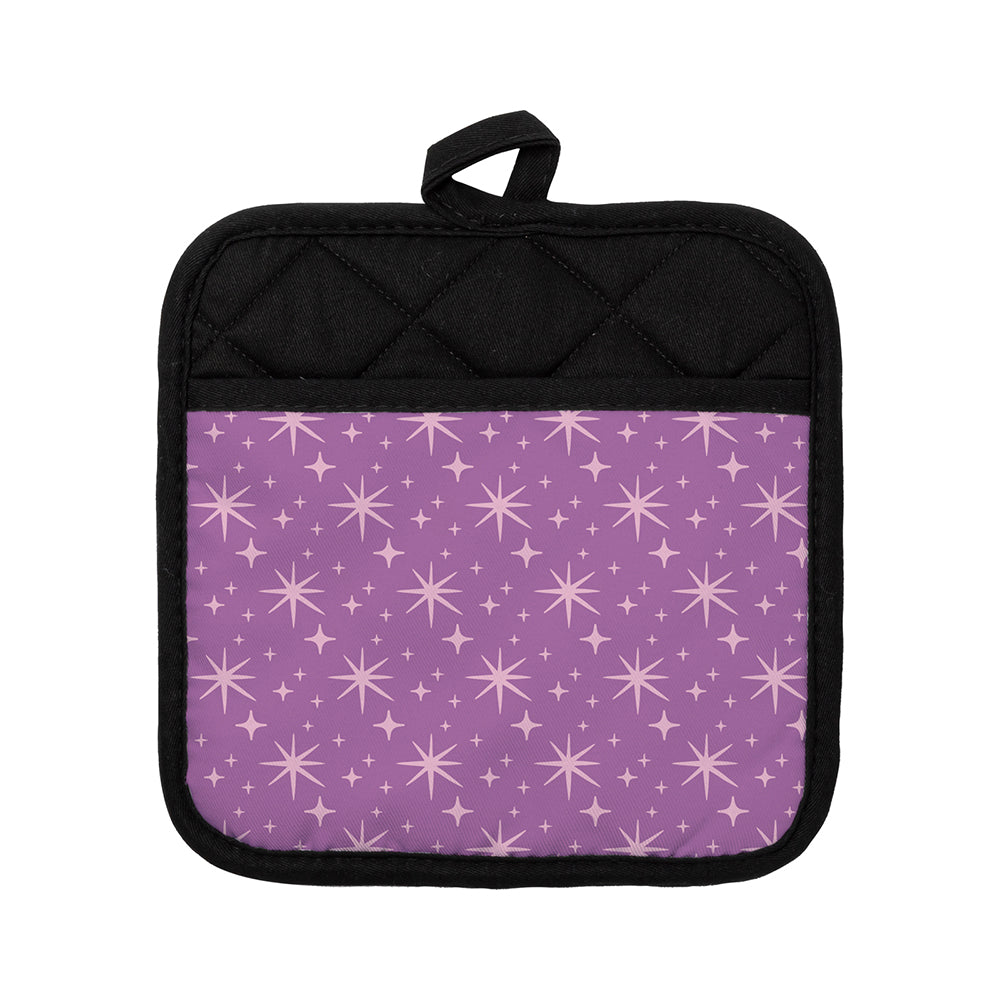
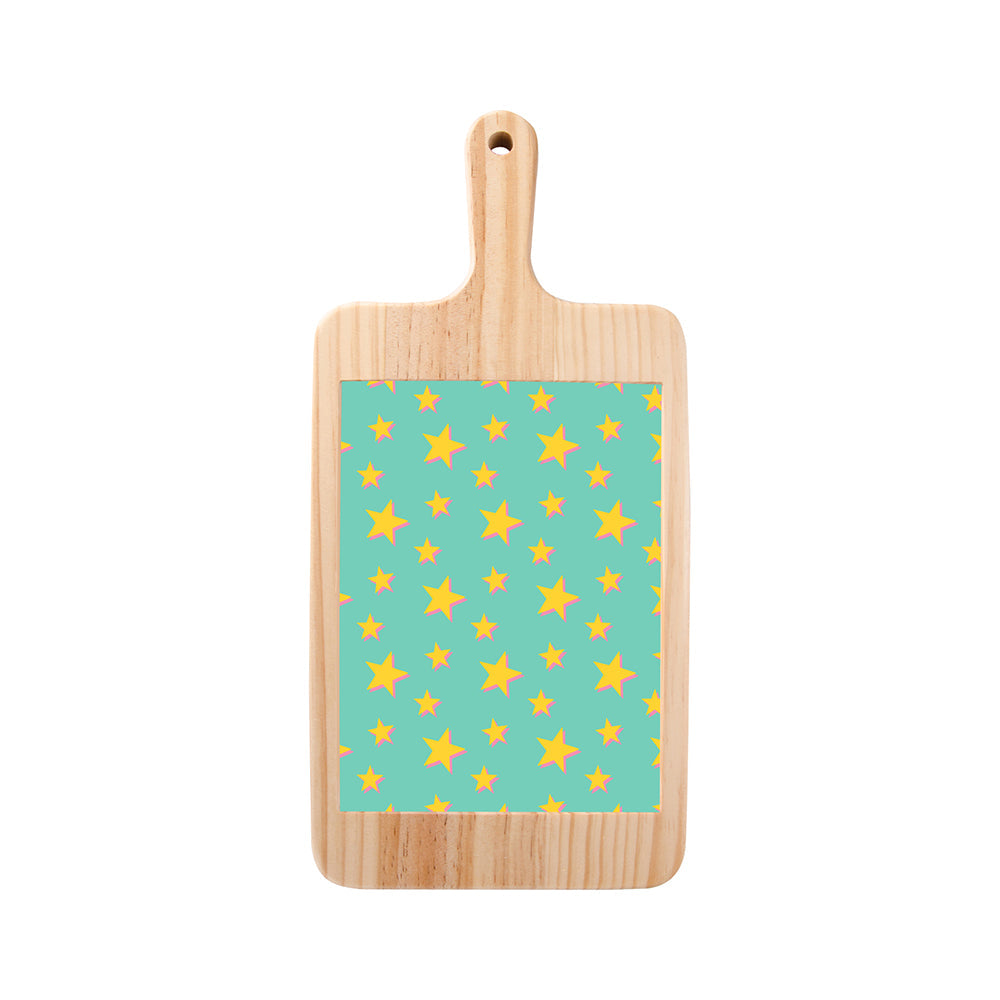
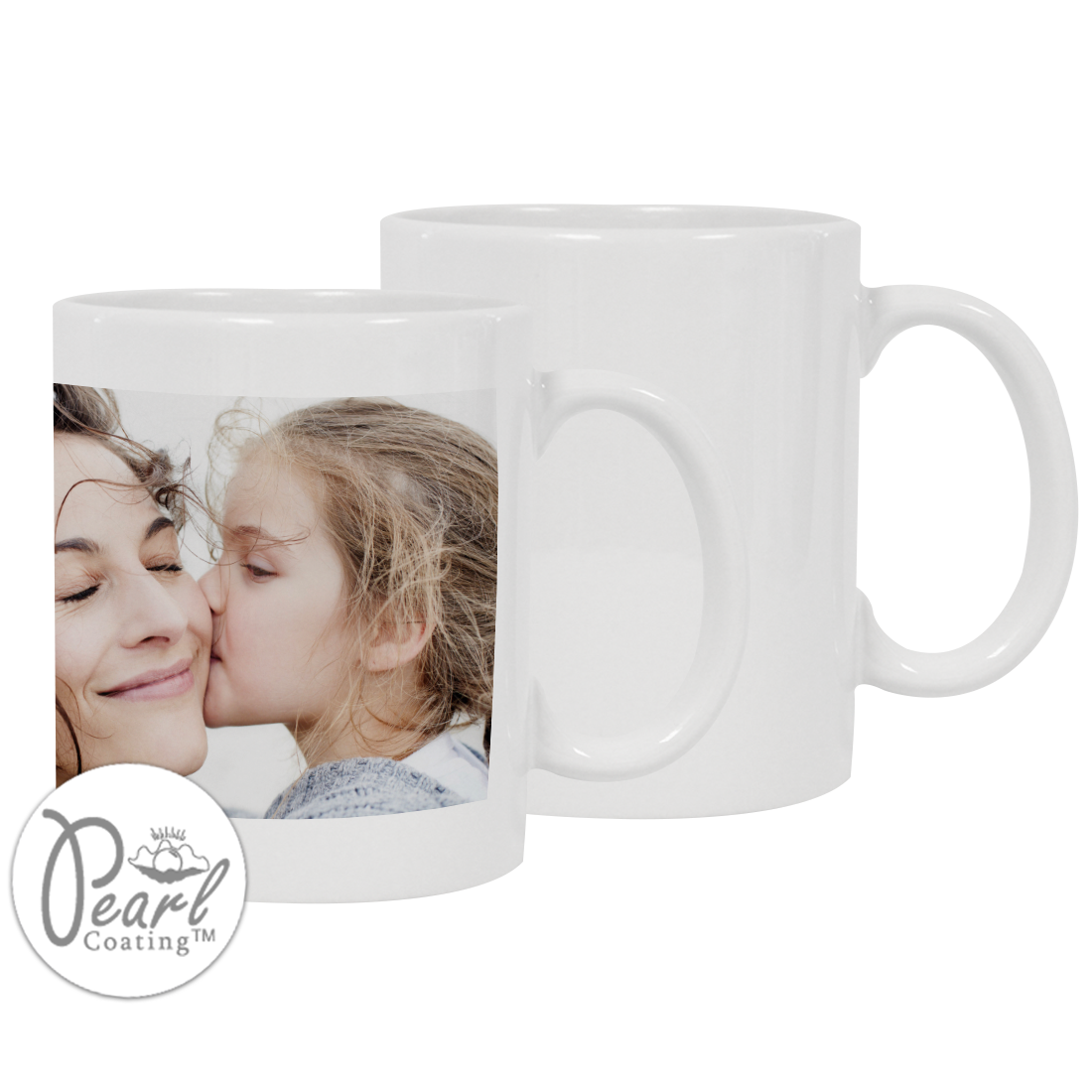
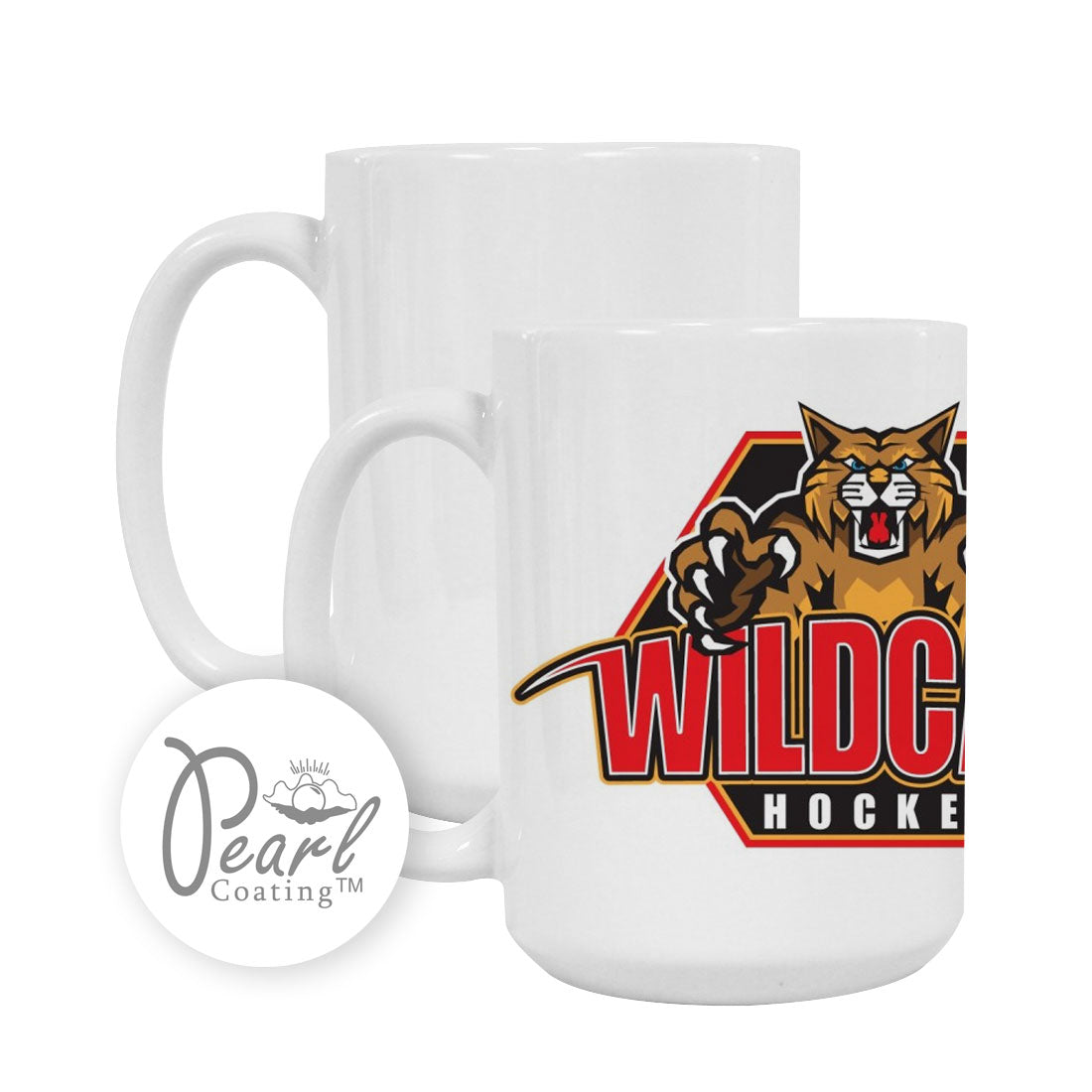
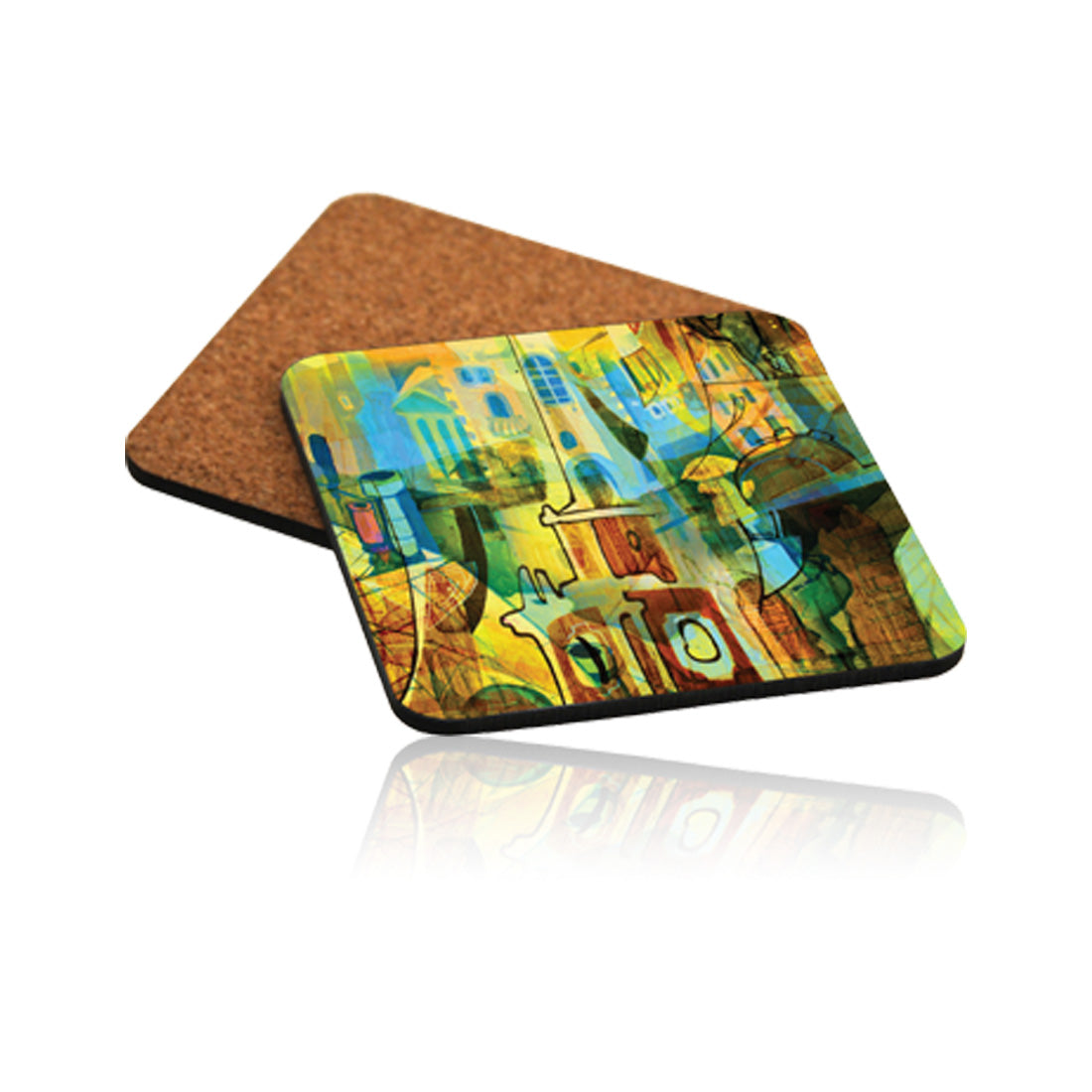
Sublimation kitchenware gives you the chance to create products that are both practical and personal. From mugs and cutting boards to serving trays and utensils, each blank offers a surface ready for vivid, long-lasting prints. Designs transfer with bright colors and sharp detail, making every item stand out. These products are perfect for personalized gifts, promotional items, or branded merchandise that customers will use every day. The durable coatings ensure prints stay crisp after repeated washing, while the wide range of options lets businesses offer something for every occasion. Easy to press and quick to customize, sublimation kitchenware fits into shops of any size. With Joto’s support and local stock across North America, you can deliver unique items that blend function with creativity, helping your customers enjoy daily moments with a personalized touch.
38 products

  • Sort by

Frequently Asked Questions:

What is sublimation kitchenware used for?

Sublimation kitchenware is used to create personalized, high-quality culinary items such as ceramic mugs, coasters, and stainless steel water bottles through the dye-sublimation process. By utilizing specialized heat presses and sublimation inks, high-resolution graphics are permanently embedded into the polymer-coated surfaces of the substrates. This technical application ensures that the resulting designs are exceptionally durable, microwave-safe, and resistant to fading or peeling even after repeated use. These professional-grade blanks are ideal for businesses looking to expand their product offerings with vibrant, custom kitchenware for promotional or retail markets.

What materials are required for sublimation kitchenware printing?

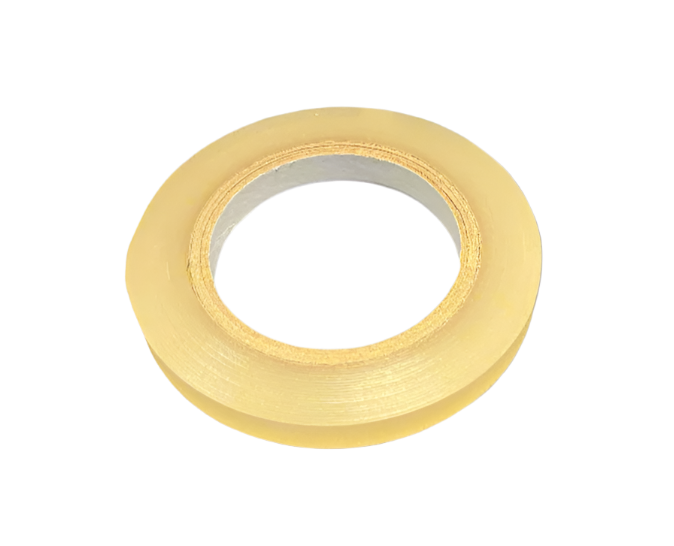
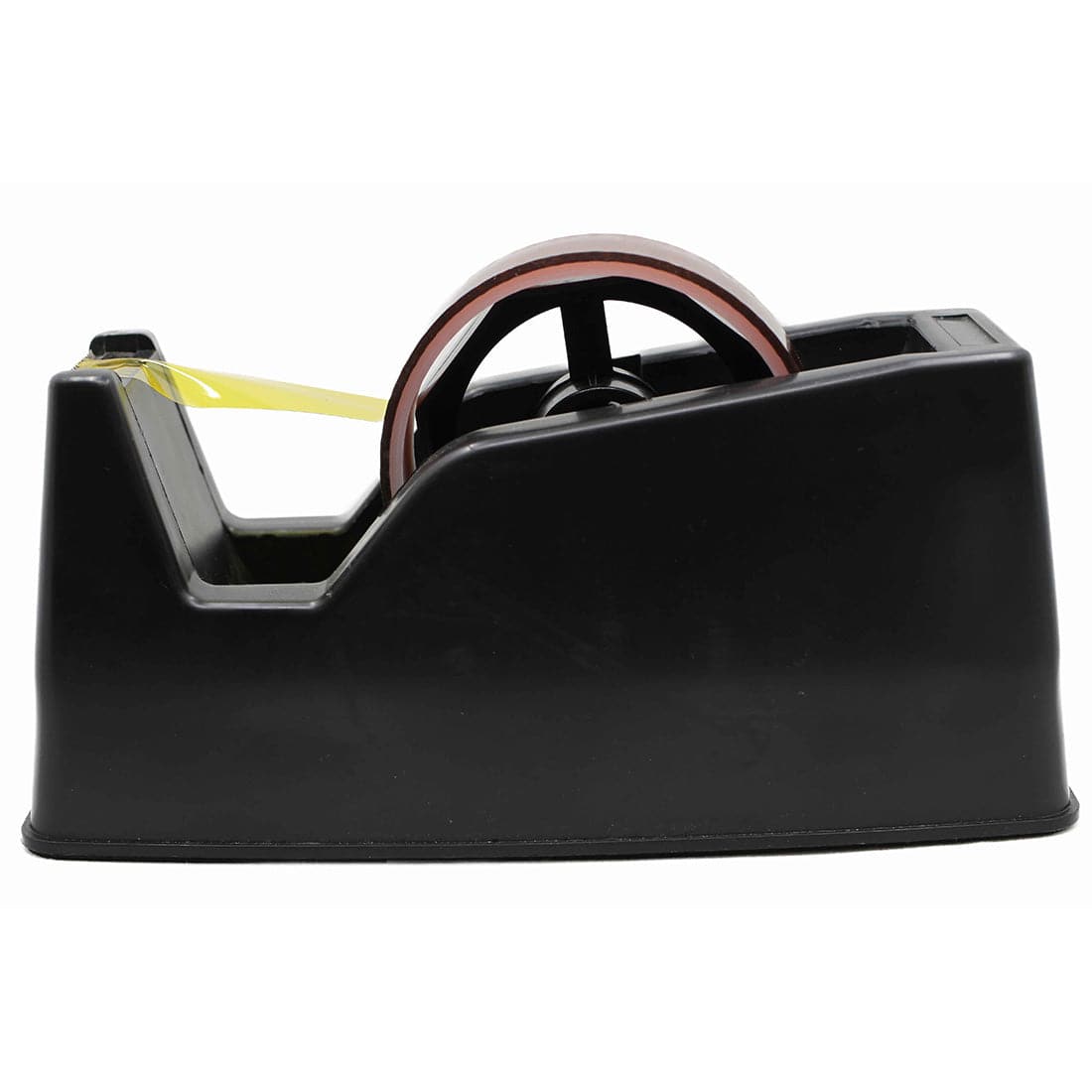
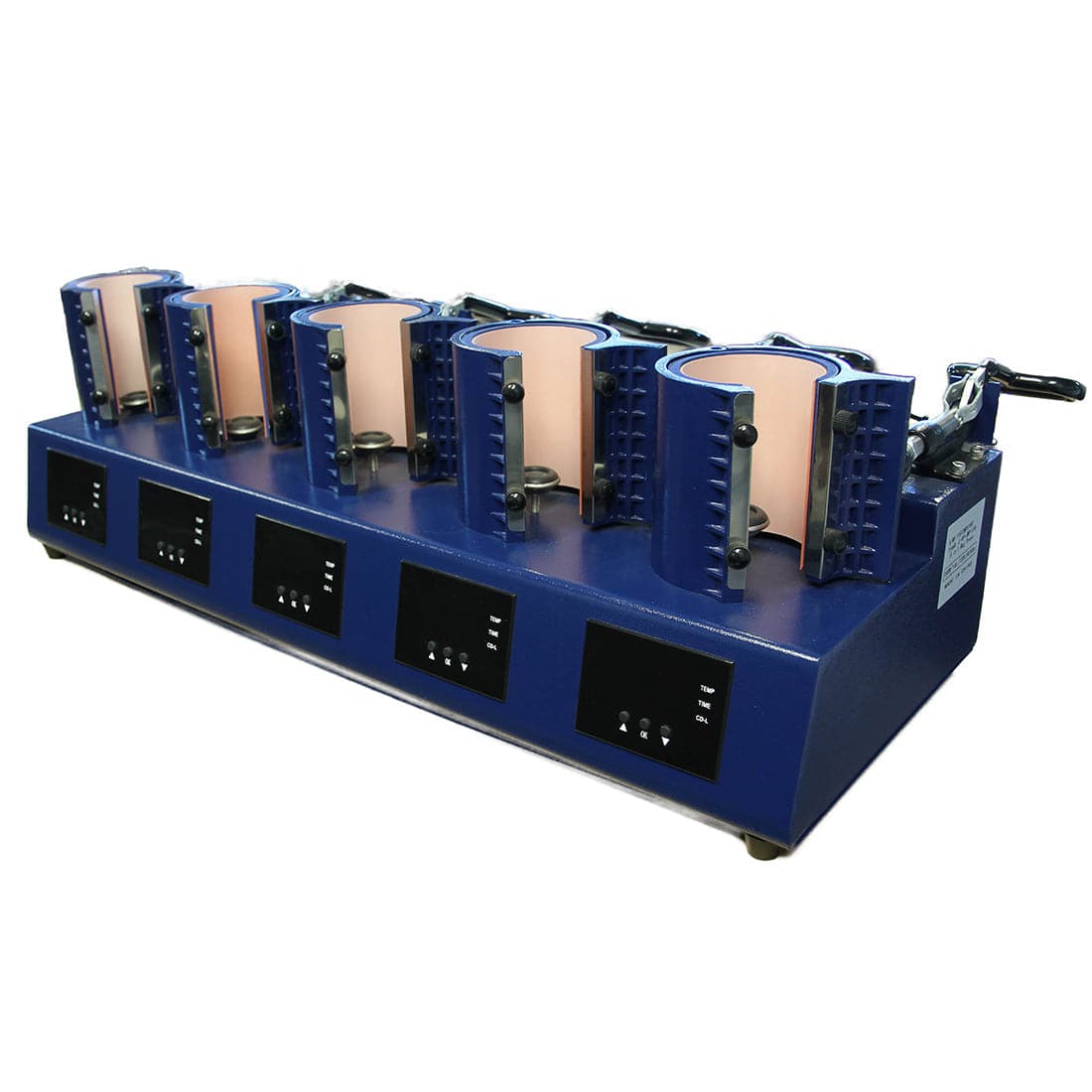
To achieve professional-grade results with sublimation kitchenware, you must utilize polymer-coated blanks such as ceramic mugs, glass cutting boards, or stainless steel tumblers designed to bond with dye-sublimation ink. Essential equipment includes a dedicated sublimation printer, high-quality sublimation transfer paper, and a specialized heat source like a mug press, tumbler press, or convection oven. Technical accuracy is maintained by using heat-resistant tape to secure designs and protective butcher paper to prevent ink sublimation onto your equipment's heating elements. These professional tools ensure vibrant, food-safe, and long-lasting custom kitchenware that resists fading and wear.

How can I properly care for and maintain my sublimation kitchenware to ensure the designs remain vibrant and durable over time?

To maintain the long-term vibrancy and durability of your sublimation kitchenware, it is recommended to hand wash items using a soft sponge and mild detergent to protect the integrity of the specialized polymer coating. Avoid using abrasive scouring pads or harsh industrial chemicals, as these can degrade the infused dye-sublimation ink layer and lead to premature fading of the design. While many Joto Imaging Supplies products are top-rack dishwasher safe, consistent hand washing ensures the technical longevity of the high-definition graphics and prevents potential thermal shock to the substrate. Following these maintenance protocols guarantees that your customized kitchenware remains a professional-grade showcase of color accuracy and print quality.

How do I transfer designs onto sublimation kitchenware using a heat press?

To transfer designs onto sublimation kitchenware, start by securing your printed transfer paper to the polymer-coated substrate using heat-resistant tape to prevent ghosting or image shifting during the process. Place the item into a calibrated mug press or oven using the specific temperature and dwell time settings required for the material, typically ranging from 375°F to 400°F. Ensure consistent pressure is applied to facilitate complete ink gasification and deep penetration of the dye into the surface for a vibrant, permanent finish. Utilizing professional-grade equipment and high-quality consumables from Joto Imaging Supplies ensures technically accurate results and superior color durability for all your custom kitchenware projects.
Why is my sublimation kitchenware printing with faded colors or blurry images?

Faded colors or blurry images on sublimation kitchenware typically result from improper heat press calibration or moisture absorption in the transfer paper. To ensure professional-grade vibrancy, verify that your equipment is reaching the precise temperature and pressure required for the specific polymer coating on the ceramic or glass substrate. Blurriness is often caused by "ghosting," which occurs if the transfer shifts during the gasification process; always secure your high-resolution graphics with heat-resistant tape to maintain sharp details. Consistent results require utilizing the correct ICC profiles and high-quality sublimation inks to optimize color density and prevent gassing out.

How can I achieve professional-grade color vibrancy and high-quality prints using Sublimation Kitchenware?

To achieve professional-grade color vibrancy on sublimation kitchenware, it is essential to utilize high-quality sublimation inks and transfer paper paired with precise ICC profiles tailored to your specific substrate. Accurate calibration of your heat press is critical; maintaining temperatures between 385°F and 400°F ensures full ink gasification while preventing the substrate yellowing often seen with over-exposure. Furthermore, using premium polymer-coated blanks ensures maximum ink absorption, resulting in a durable, high-definition finish that withstands regular use and dishwashing. By synchronizing these technical variables, you can consistently produce high-quality prints with industry-leading color depth and clarity.

How can investing in sublimation kitchenware help grow my business and increase profitability?

Investing in sublimation kitchenware allows your business to tap into the high-demand market for personalized home decor and functional gifts, significantly increasing your profit margins. By utilizing professional-grade sublimation printers and heat presses, you can produce durable, full-color designs on polymer-coated ceramic mugs, glass cutting boards, and stainless steel drinkware that resist fading and wear. This low-risk, cost-effective customization method requires minimal setup time, enabling efficient short-run production and the ability to offer high-value, bespoke products. Diversifying your inventory with these essential kitchen blanks at Joto Imaging Supplies empowers you to capture both individual retail sales and lucrative bulk corporate orders.

How should I store and handle sublimation kitchenware to ensure the longevity of the custom designs?

To ensure the longevity of custom sublimation kitchenware, store items in a cool, dry environment away from direct UV exposure to prevent premature fading of the dye-sublimation inks. When handling, avoid using abrasive cleaning pads or harsh chemical solvents that can compromise the specialized polymer coating and degrade the image clarity. For optimal results, we recommend hand-washing or utilizing top-rack residential dishwasher cycles to maintain the vibrant, high-resolution finish of your customized ceramics and stainless steel. Consistent adherence to these care protocols will preserve the molecular bond between the sublimation dyes and the substrate for long-term durability.

How does Sublimation Kitchenware compare to other customization methods like vinyl or screen printing?

Unlike vinyl or screen printing, sublimation kitchenware utilizes a molecular bonding process where dye-sublimation ink permeates the polymer coating of the substrate, resulting in a completely smooth, dishwasher-safe finish. While vinyl can peel and screen printing creates a raised texture that may crack over time, sublimation offers high-resolution, full-color photographic quality that is physically embedded into the item. This technical advantage ensures that customized mugs and tumblers maintain their professional-grade vibrancy and durability even after repeated commercial use. By choosing sublimation over traditional topical methods, businesses can provide superior, fade-resistant products that uphold the highest standards of brand authority.

How can I calibrate my heat press and adjust dwell times to prevent substrate yellowing while maintaining maximum ink gasification on high-density ceramic kitchenware?

To prevent substrate yellowing on high-density ceramic kitchenware, calibrate your heat press to the lower end of the recommended temperature range, typically around 385°F to 400°F. Precision timing is critical, so adjust your dwell times to ensure full ink gasification without over-exposing the polymer coating to excessive heat. Utilizing a digital pyrometer helps verify platen temperature accuracy, ensuring consistent, professional-grade sublimation results across all your ceramic blanks. By balancing these technical settings, you maintain vibrant color saturation and maximum durability while preserving the pristine white finish of the substrate.

Drawer Title
Similar Products