









Skip to content
en
CAD

 🌨️ Please expect delays due to weather conditions ❄️

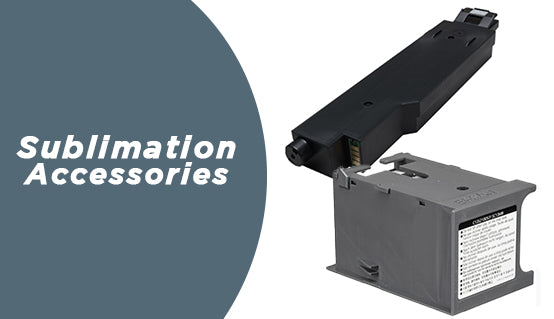
Sublimation Accessories

Sublimation accessories for seamless workflows

Boost efficiency and achieve perfect results with sublimation accessories that support every stage of the printing process.

These accessories provide the finishing touches that keep production consistent and professional. From heat resistant tapes and protective sheets to specialized tools and cleaning kits, these essentials help maintain quality while reducing errors and downtime. By equipping your shop with the right accessories, you ensure transfers remain sharp, colors stay vibrant, and equipment runs smoothly. Ideal for both newcomers and experienced businesses, sublimation accessories allow you to simplify daily tasks and focus on creativity. Whether you are pressing mugs, apparel, or signage, these tools support flawless results across a variety of substrates. Compact, reliable, and easy to use, they make a real difference in maintaining productivity. With Joto’s fast shipping and expert guidance, you can count on always having the proper accessories to deliver products that impress customers and keep them coming back.
Filter

14 products

  • Sort by

FAQs

What sublimation accessories does a new sublimation business need beyond a printer and heat press?

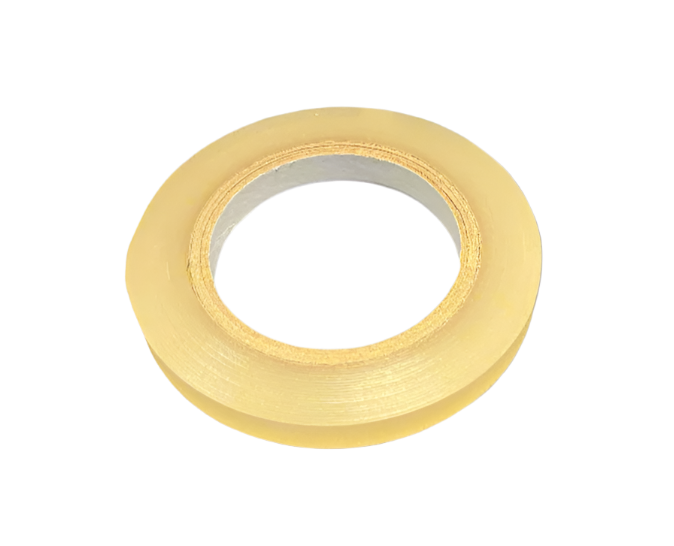
Essential sublimation accessories include heat-resistant tape, Teflon cover sheets, sublimation paper, an infrared thermometer for press calibration, a lint roller for garment prep, and pressing pillows for even pressure on seams. For mug production, silicone mug wraps are essential. These accessories ensure consistent transfer quality and protect both substrates and press equipment during production.
What temperature range should I verify with an infrared thermometer when calibrating a heat press for sublimation?

A press set to 400°F (204°C) should read within ±10°F across the entire platen surface when checked with an infrared thermometer. Check multiple points: center, all four corners, and midpoints along each edge. A variance greater than 15°F between zones causes uneven sublimation — bright areas where the platen is hotter and washed-out areas where it is cooler. Document baseline calibration readings and recheck monthly to track element degradation over time.

Is heat-resistant tape compatible with all sublimation substrates, or does it leave residue on certain coatings?

Quality sublimation tape is formulated to release cleanly from polyester fabric, coated ceramics, aluminum panels, and polymer-coated rigid substrates at standard sublimation temperatures without leaving adhesive residue. However, on very smooth or mirror-polished hard substrates, some tape brands leave slight residue at the tape edges — test a small piece on a corner of the substrate before applying to the full design area to verify clean release.

Why is my Teflon cover sheet leaving a shiny imprint on polyester garments after sublimation pressing?

Teflon imprinting on polyester is caused by pressing directly on the Teflon sheet with high temperature and pressure — the smooth, non-porous Teflon surface creates a heat-glazing effect on synthetic fibres. Switch to a silicone-coated pressing sheet, which has a slightly textured surface that does not transfer a glaze, or place a thin piece of parchment paper between the Teflon sheet and garment to break the direct contact that causes the sheen.

How durable are silicone mug wraps, and how many press cycles can they handle before losing pressure consistency?

Quality silicone mug wraps handle 500–1,000+ press cycles before showing significant elasticity loss. Replace a mug wrap when it no longer holds the transfer paper firmly against the mug surface under normal stretching, or when you notice reduced pressure areas visible as faded bands in the sublimated print. Inspect wraps monthly in production environments by stretching them over a mug without a transfer and observing whether they hold evenly at all points.

What is the cost saving of producing sublimation blank accessories in-house compared to buying pre-decorated stock?

Pre-decorated sublimation products carry a wholesale premium of 3–5x the blank cost to cover the decorator's production and margin. Decorating your own blanks using sublimation accessories reduces this to blank cost plus $0.20–$0.80 in ink, paper, and consumables per piece. For a shop producing 500 mugs per month, this difference represents $2,000–$4,000 in retained margin that would otherwise go to a third-party decorator.

What is the pro technique for using a pressing pillow to get even sublimation on polyester garments with thick seams?

Place a pressing pillow inside the garment beneath the print area to lift the transfer zone away from the back panel and above seam level. Use a pillow thickness that raises the print area approximately 3–5mm above the seam height — too thin provides no benefit, too thick reduces transfer pressure. The pillow also prevents ghost imaging on the reverse side of the garment during pressing, which is a common problem when pressing without a pillow inside garments.

What is the difference between silicone and Teflon cover sheets for sublimation, and when should I use each?

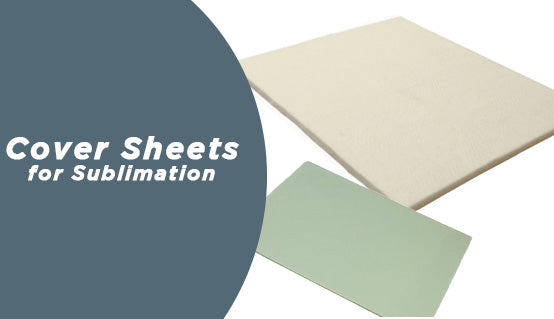
Teflon sheets are rigid, non-stick, and best for flat, hard-surface sublimation where maximum heat transfer and a clean, smooth surface are needed. Silicone sheets are slightly flexible and have a textured surface that prevents glaze marks on polyester and provides a small amount of cushion for delicate substrates. For garment sublimation, silicone sheets are preferred to avoid the heat-glaze effect on synthetic fibres. For hard goods like tiles and aluminum, either works equally well.

Is sublimation tape and Teflon sheet material free from PFOA and safe for regular use in a commercial workspace?

Teflon (PTFE) sheets used in sublimation are manufactured without PFOA in current production from major suppliers — PFOA was phased out of PTFE manufacturing globally by 2015. PTFE itself is chemically inert and considered safe at heat press operating temperatures up to 500°F (260°C). Sublimation tape adhesives are acrylic-based and non-hazardous under normal use conditions. Review SDS documents for your specific brand if PFOA-free certification is required for your compliance documentation.

How should I clean and store Teflon cover sheets to maximise their lifespan in a production environment?

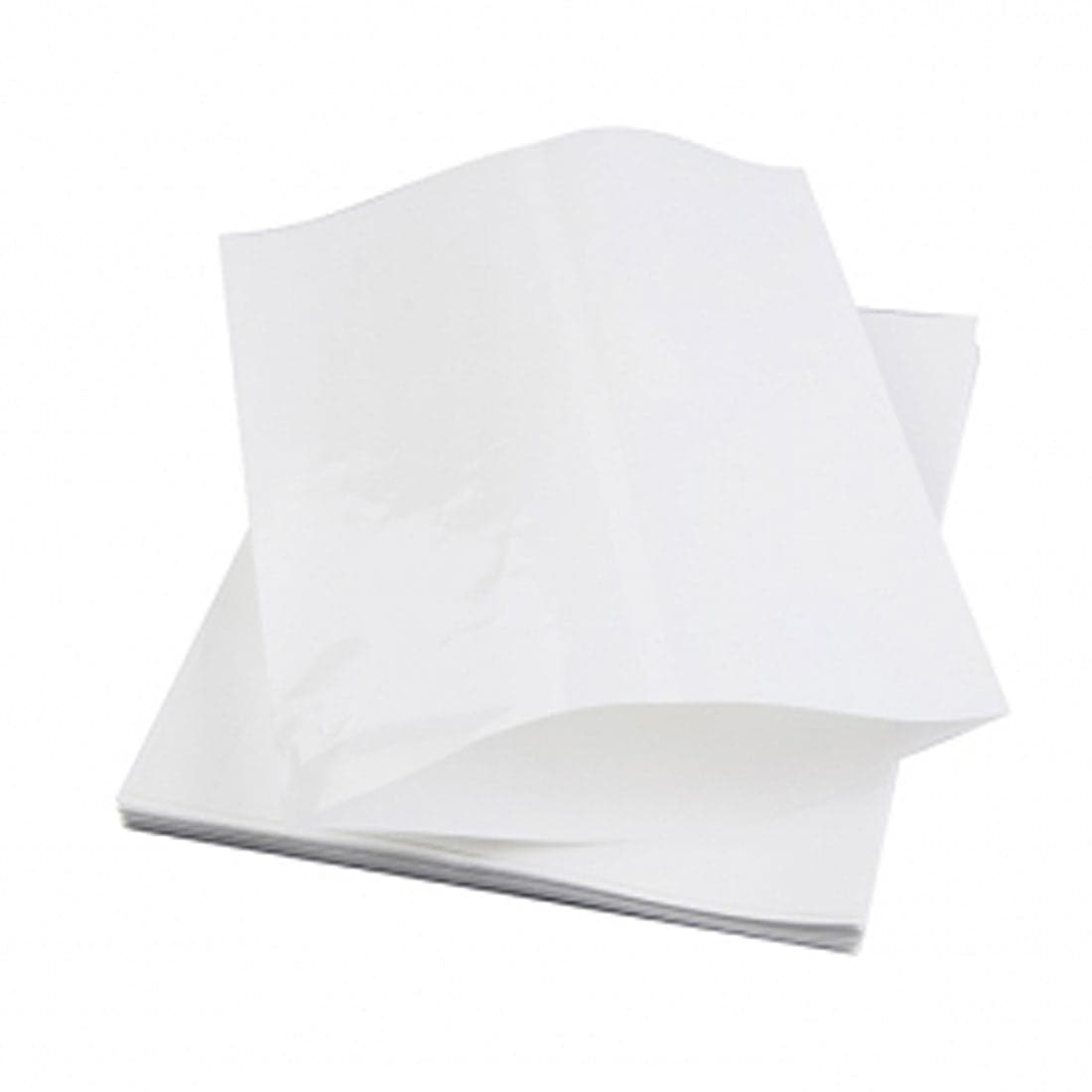
After each session, allow the sheet to cool completely then wipe with a dry microfibre cloth to remove ink residue and paper fragments. For stubborn ink deposits, press a clean sheet of copy paper at 300°F for 10 seconds — residue often transfers to the paper. Store Teflon sheets flat or rolled loosely; folding creates permanent crease lines that cause uneven contact during pressing. Replace sheets when discoloration or staining begins to transfer to garments or when the sheet develops tears or thin spots.

Drawer Title
Similar Products