

Skip to content
en
CAD

20% Off on premium paper

UV DTF

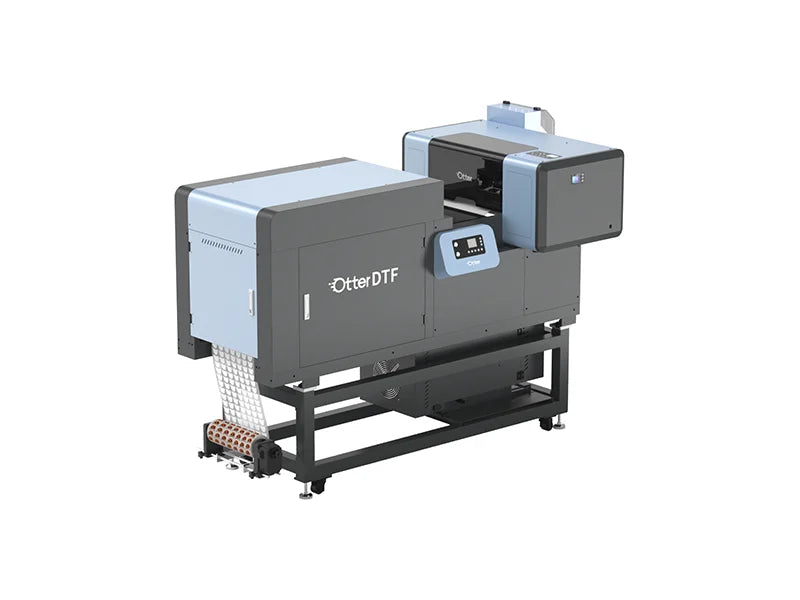
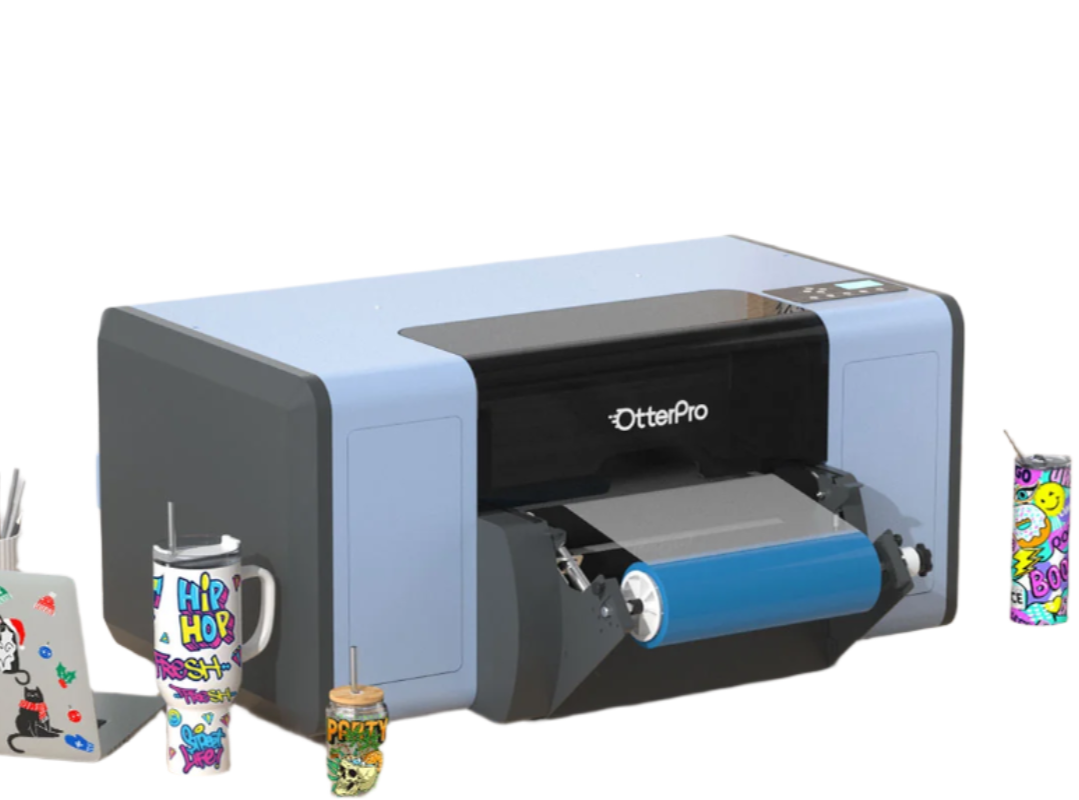
UV DTF OtterPro for premium transfers

Bring unmatched durability and stunning detail to hard surfaces with UV DTF OtterPro, the technology that makes custom decoration easier than ever.

The present collection is crafted for businesses that want to expand into high-quality decoration on glass, metal, wood, plastics, and more. With this technology, you can create transfers that adhere firmly and showcase vibrant colors with exceptional clarity. These products are designed to simplify production, allowing you to apply complex designs without the need for primers or coatings. Resistant to scratches, fading, and wear, OtterPro transfers ensure that every piece maintains a professional look over time. Whether producing custom drinkware, signage, or promotional merchandise, this system delivers consistency and versatility. Stocked locally in North America and supported by Joto’s expert team, UV DTF OtterPro helps your shop take on more projects with confidence. Elevate your capabilities and open new revenue streams with this powerful solution.
Filter

9 products

  • Sort by

Frequently Asked Questions:

What is UV DTF and how is it used for hard surface decoration?

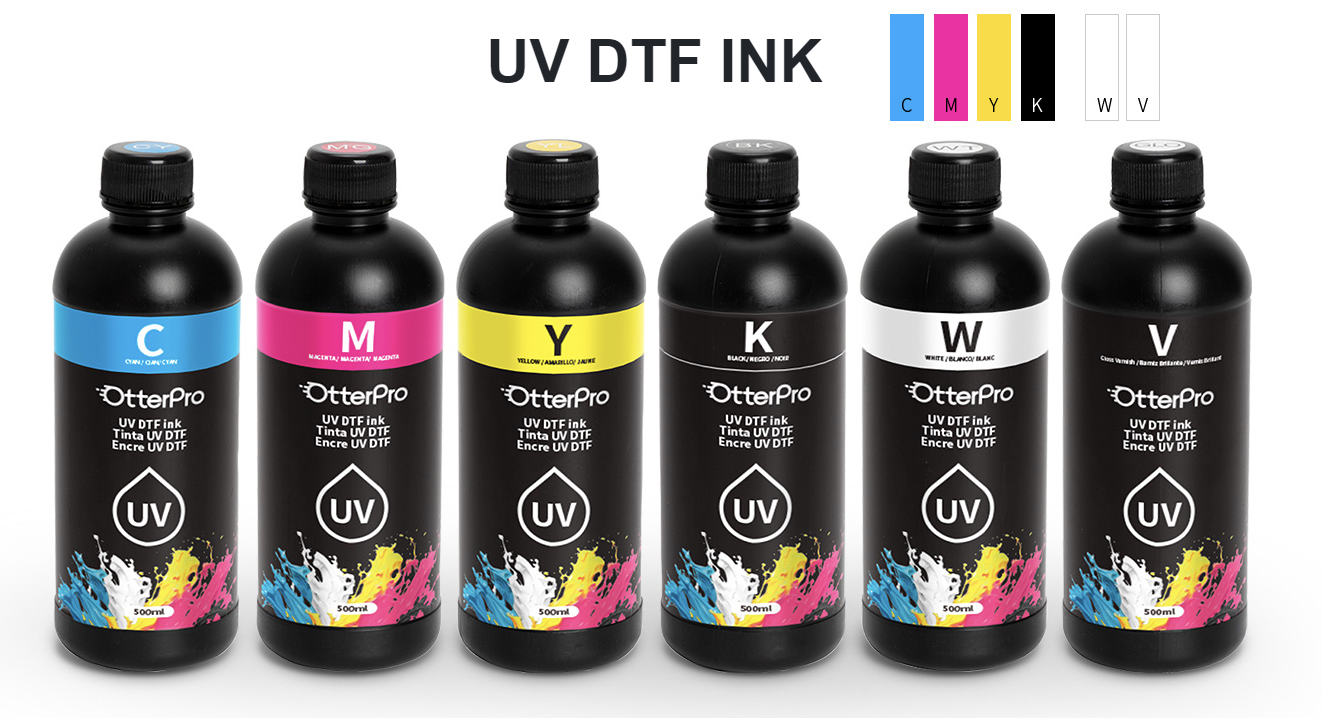
UV DTF technology is an advanced printing process that utilizes ultraviolet-curable inks to create durable, high-resolution transfers for non-porous hard surfaces. The method involves printing a design onto a specialized film with a white ink base and gloss varnish, which is then cold-transferred to irregular substrates like glass, metal, and acrylic without requiring a heat press. This versatile solution ensures exceptional adhesion and scratch resistance, making it ideal for permanent branding on objects that cannot withstand high temperatures. By streamlining the production of complex, full-color decals, UV DTF provides a professional-grade alternative to traditional vinyl and screen printing.

What surfaces and printer types are compatible with UV DTF technology for optimal transfer results?

UV DTF technology is optimized for high-resolution transfers onto a broad range of non-porous hard surfaces, including glass, metal, acrylic, varnished wood, and plastic. For professional results, this process requires a specialized UV LED printer equipped with Epson-compatible printheads capable of supporting CMYK, white ink, and varnish layers. These systems utilize UV-curable inks that instantly polymerize under ultraviolet light to ensure exceptional adhesion and scratch resistance on both flat and irregular substrates. By leveraging an A/B film transfer system, businesses can achieve durable, high-gloss branding on challenging curved or heat-sensitive items without the need for a heat press.

How can I ensure the long-term durability and proper maintenance of items customized with UV DTF transfers?

To ensure the long-term durability of items customized with UV DTF transfers, it is critical to allow the adhesive to bond completely for at least 24 to 48 hours before exposing the substrate to heavy use or moisture. Proper maintenance involves hand-washing decorated items with mild soap and a soft cloth, as industrial dishwashers and harsh chemical cleaners can degrade the UV-cured finish and weaken the adhesive bond. Additionally, protecting finished products from prolonged direct sunlight and extreme heat will prevent ink fading and maintain the structural integrity of the high-gloss transfer. Following these technical guidelines ensures that your UV DTF applications remain vibrant and scratch-resistant for the lifetime of the customized hard surface.

How do you properly print and apply UV DTF transfers to hard surfaces for a professional finish?

To achieve a professional finish with UV DTF transfers, first print your design onto the specialized A-film using a compatible UV LED printer and then laminate it with the B-film carrier. Before application, thoroughly clean the non-porous hard substrate with isopropyl alcohol to remove any oils or dust that could impede the pressure-sensitive adhesive bond. Carefully position the decal on the surface, use a squeegee with firm, even pressure to eliminate air bubbles, and slowly peel away the carrier film to reveal a durable, high-gloss graphic. This cold transfer process ensures exceptional adhesion and scratch resistance on irregular or cylindrical surfaces without the need for a heat press.

What are the most common causes of poor ink adhesion or film delamination when using UV DTF transfers?

Poor ink adhesion or film delamination in UV DTF transfers often results from inadequate UV lamp intensity or incorrect curing speeds that prevent the specialized inks from fully polymerizing. Contaminants such as oils, dust, or moisture on the substrate surface can also interfere with the chemical bond, leading to premature lifting or peeling of the decal. To ensure professional results, verify that your UV LED printer settings are calibrated for the specific film thickness and that environmental humidity is maintained between 40% and 60%. Consistent application pressure and allowing a full 24-hour dwell time for the adhesive to set are critical for achieving the high-quality, durable finish expected from Joto Imaging Supplies products.

How can I achieve maximum color vibrancy and professional print quality with UV DTF?

To achieve maximum color vibrancy and professional results with UV DTF technology, ensure your designs are high-resolution at 300 DPI and utilize the correct ICC color profiles within your RIP software. Optimize your printer settings by setting the resolution to at least 1440 DPI and adjusting white ink density to provide a solid, opaque base for CMYK layers on dark or transparent substrates. Maintain consistent printhead performance through regular nozzle checks and environmental control of temperature and humidity to prevent ink flow issues. Finally, calibrate your UV lamp intensity to ensure a full cure without over-curing, preserving the rich color saturation and scratch-resistant finish on various hard surfaces.

How can using UV DTF technology help your business reduce production costs and increase profit margins?

UV DTF technology significantly reduces production costs by eliminating the need for expensive screens, emulsions, and labor-intensive weeding processes required by traditional methods. The streamlined "print-laminate-peel-and-stick" workflow eliminates high-energy heat presses and pre-treatments, allowing for rapid fulfillment of short-run, custom orders on irregular or heat-sensitive substrates. By enabling high-resolution, durable transfers for premium hard goods like drinkware and electronics, businesses can achieve markups of 200–400% with minimal material waste. This high-efficiency system ensures a faster ROI by decoupling production from application and expanding customization capabilities into high-margin markets.

How should UV DTF transfers and films be stored to maintain adhesive quality and ensure user safety?

UV DTF films and transfers should be stored in a cool, dry environment with temperatures between 18°C and 25°C and humidity levels below 60% to prevent adhesive degradation and film curling. To maintain maximum shelf life and adhesive strength, keep the films tightly sealed in their original opaque packaging to protect them from direct sunlight and moisture contamination. For user safety and to avoid surface oils affecting the transfer, always handle the films with clean gloves in a well-ventilated workspace. Following these technical storage protocols ensures your UV DTF decals maintain their professional-grade adhesion and high-gloss finish for long-term durability.

How do UV DTF transfers compare to traditional screen printing or vinyl decals for custom hard surface decoration?

UV DTF transfers offer a superior alternative to traditional screen printing and vinyl decals by providing full-color, high-resolution graphics without the need for screens, weeding, or layering. Unlike vinyl, which can lift on complex curves, these UV-curable inks create a durable, "printed-on" finish that adheres to a wider variety of irregular or non-porous hard surfaces like glass, metal, and acrylic. The process significantly reduces labor costs and production time, making it more efficient for detailed, multi-color designs compared to the high setup costs of screen printing. This technology ensures excellent scratch resistance and a premium, raised varnish effect that enhances the value of custom hard goods.

How can you adjust UV lamp intensity and carriage speed to ensure a complete cure on irregular surfaces without causing heat-induced film distortion or loss of adhesive tack?

To achieve a complete cure on irregular UV DTF transfers without heat-induced distortion, start by reducing the UV lamp intensity to a medium-low setting while slightly decreasing the carriage speed. This adjustment allows for deeper ink polymerization at lower temperatures, which preserves the structural integrity of the PET film and maintains the essential tack of the adhesive layer. By fine-tuning these parameters, you ensure a durable, high-gloss finish that conforms perfectly to complex substrates without compromising bond strength. This technical calibration is vital for high-quality production on non-planar surfaces where precise thermal management is critical for professional results.

Drawer Title
Similar Products