












Skip to content
en
CAD

Bloom Your Business Into Profit

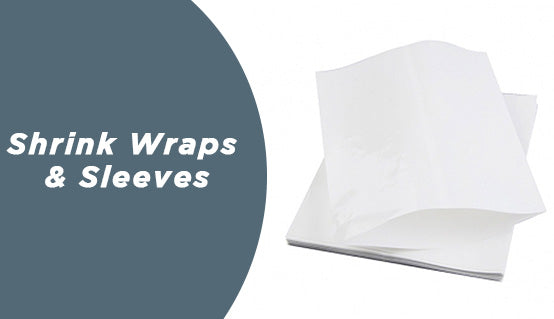
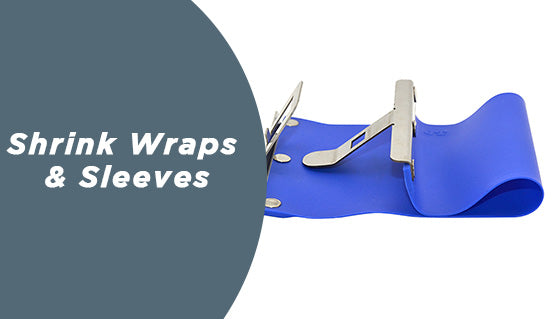
Shrink Wraps Sleeves

Shrink wraps and sleeves for flawless sublimation

Shrink wraps and sleeves keep your drinkware secure during pressing for vivid and lasting transfers.

This collection offers durable, heat-activated tools that simplify sublimation by holding mugs, tumblers, and bottles firmly in place. Easy to apply and remove, they prevent ghosting and misalignment while ensuring sharp colors and clear details. Lightweight yet strong, they reduce waste, save time, and support consistent quality in every project. Ideal for both beginners and busy shops, they bring efficiency and reliability to daily production. 
5 products

  • Sort by

Frequently Asked Questions:

What are sublimation shrink wrap sleeves used for?

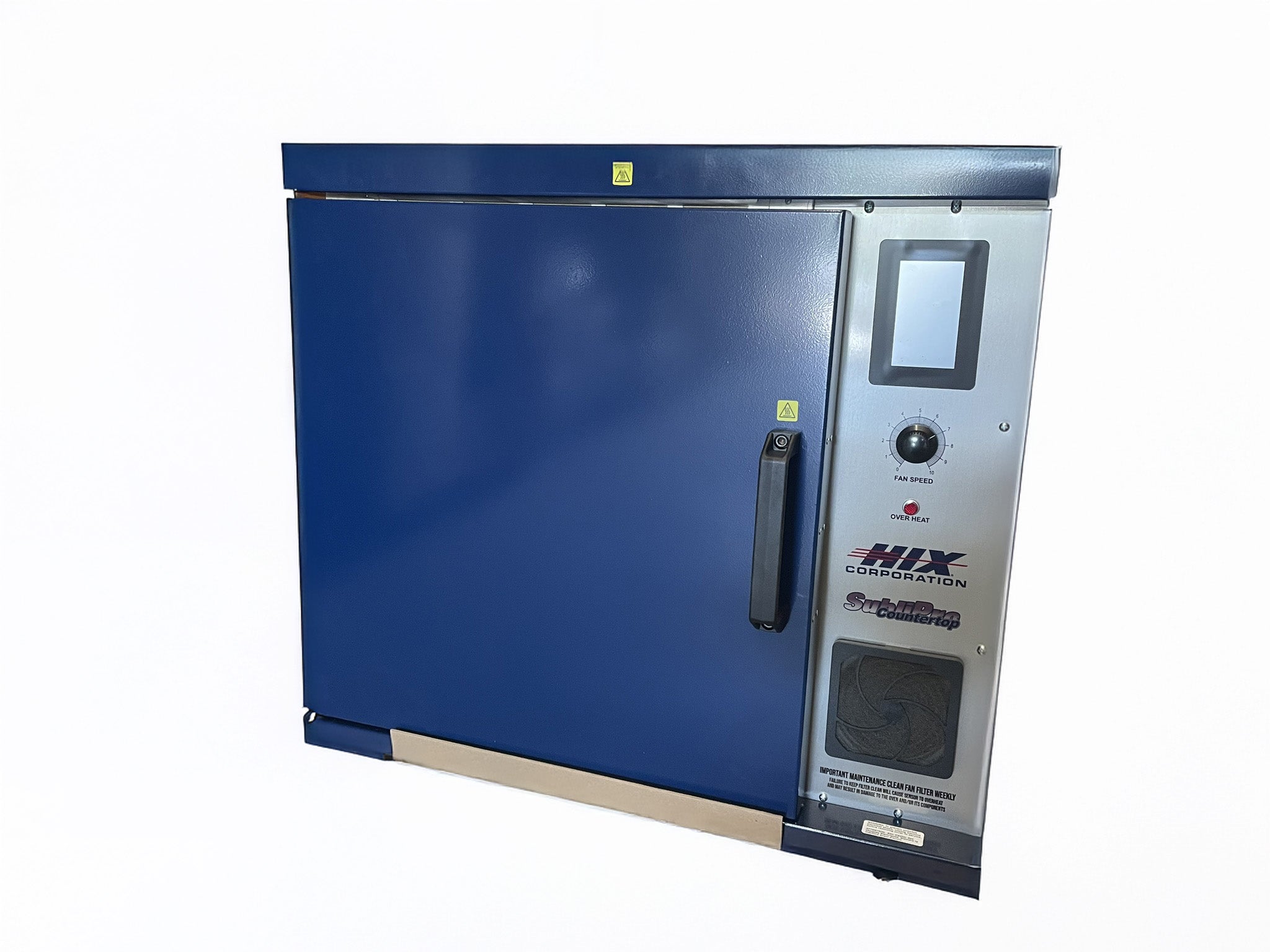
Sublimation shrink wrap sleeves are essential tools used to apply uniform pressure to irregular or non-flat substrates, such as tumblers, bottles, and ceramic mugs, during the heating process. When exposed to heat in a convection oven, these industrial-grade films contract tightly around the sublimation transfer, ensuring a snug fit and preventing ghosting for full-wrap designs. This method is particularly effective for achieving vibrant, edge-to-edge image transfers on items that cannot be easily accommodated by a standard heat press. By utilizing Joto’s premium shrink sleeves, professionals can maintain consistent quality and high-definition results across a diverse range of 3D drinkware blanks.

What types of substrates and materials are compatible with these sublimation shrink wrap sleeves?

Sublimation shrink wrap sleeves are compatible with a wide range of heat-stable substrates, including polyester-coated ceramic mugs, stainless steel tumblers, and aluminum water bottles. These industrial-grade sleeves are specifically designed to conform to irregular or tapered shapes, such as glassware and dog bowls, providing the uniform 360-degree pressure necessary for full-wrap designs. To ensure successful ink gasification, the material must be able to withstand convection oven temperatures between 375°F and 400°F without deforming. Utilizing these versatile sleeves allows for professional, edge-to-edge sublimation on complex items that standard heat presses cannot accommodate.

How can I ensure the long-term durability and proper care of my sublimation shrink wrap sleeves?

To ensure the long-term durability of your sublimation shrink wrap sleeves, store them in a cool, dry environment away from direct sunlight and high-heat sources to prevent premature contraction. Always handle these industrial-grade films with clean, oil-free hands to avoid surface contamination that can interfere with uniform heat distribution and ink transfer. During the sublimation process, verify your convection oven’s temperature with an external thermometer to ensure you do not exceed the material's heat threshold, which prevents the sleeves from melting or sticking to the substrate. Proper maintenance of your application tools ensures consistent, 360-degree pressure for high-quality, full-wrap results.

How do I use shrink wrap sleeves for sublimation?

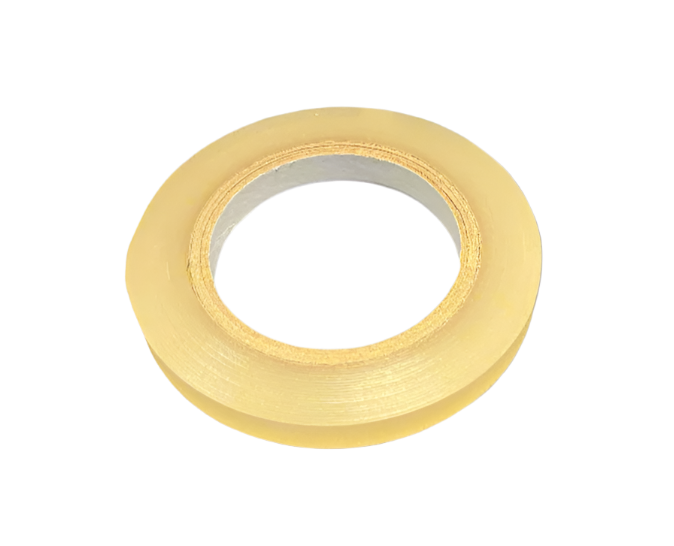
To use sublimation shrink wrap sleeves, first secure your printed transfer paper to the substrate using heat-resistant tape and slide the sleeve over the item. Apply heat using a heat gun to shrink the film tightly, ensuring uniform 360-degree pressure is applied to the transfer for edge-to-edge ink saturation. Place the prepared substrate into a convection oven at the recommended temperature and dwell time to facilitate the molecular bonding of the sublimation ink. Using industrial-grade shrink wrap from Joto Imaging Supplies prevents ghosting and ensures professional-quality results on irregular or tapered blanks.

How can I prevent my shrink wrap sleeves from melting or sticking to the substrate during the sublimation process?

To prevent shrink wrap sleeves from melting or sticking, ensure you are using high-quality, heat-resistant sleeves rated for sublimation temperatures up to 400°F. Utilize a calibrated convection oven and an external thermometer to verify that the internal temperature does not exceed the substrate's recommended settings, as hot spots in toaster ovens can cause localized melting. For glassware and sensitive coatings, pre-shrinking the sleeve with a heat gun ensures a tight, uniform fit that prevents air bubbles and plastic adhesion. Always remove the shrink wrap immediately after the heating cycle while the substrate is still hot to ensure a clean release and professional finish.

How can I achieve professional-quality color vibrancy with sublimation shrink wrap sleeves?

To achieve professional-quality color vibrancy when using sublimation shrink wrap sleeves, it is essential to ensure that the sleeves apply uniform, 360-degree pressure around the entire substrate. This consistent tension facilitates maximum ink release from the transfer paper into the polymer coating during the heating cycle in a convection oven. You should also verify that your oven is accurately calibrated to the recommended temperature and dwell time to prevent under-gassing or scorching the design. Using high-quality sublimation inks and premium transfer paper alongside these technical adjustments will result in a brilliant, high-definition finish for every custom item.

How can incorporating sublimation shrink wrap sleeves into your production process improve your business's cost-effectiveness and profit margins?

Integrating sublimation shrink wrap sleeves into your production process enhances cost-effectiveness by enabling full-wrap, edge-to-edge printing on irregular or tapered substrates using a standard convection oven. This method eliminates the need for expensive, specialized heat press attachments for every unique shape, significantly reducing initial capital investment and overhead costs. By achieving consistent 360-degree pressure, these sleeves minimize transfer errors and waste, ensuring high-quality, high-margin results that command premium retail pricing. Leveraging Joto’s technical-grade shrink sleeves allows businesses to scale production across diverse product lines while maintaining professional-grade durability and vibrant color reproduction.

How should I store and handle sublimation shrink wrap sleeves to ensure safe and high-quality results?

To maintain the material integrity of sublimation shrink wrap sleeves, store them in a cool, dry environment away from direct sunlight and heat sources to prevent premature contraction or degradation. Always handle the sleeves with clean, oil-free hands or lint-free gloves to ensure no contaminants interfere with the transfer process or cause surface defects on your substrates. When applying the film to tumblers or bottles, ensure the sublimation transfer is securely taped to prevent shifting before sliding the sleeve on smoothly to avoid tearing the industrial-grade material. Following these storage and prep protocols ensures that Joto’s shrink wrap provides the consistent, 360-degree pressure required for high-resolution, ghost-free full-wraps in your convection oven.

How do sublimation shrink wrap sleeves compare to other decoration methods for irregular substrates?

Sublimation shrink wrap sleeves outperform traditional decoration methods like vinyl or screen printing by providing 360-degree, edge-to-edge coverage on irregular or tapered substrates. Using a convection oven, these sleeves apply uniform heat and consistent pressure, ensuring that sublimation inks chemically bond with the polyester coating for a vibrant, scratch-resistant finish. This technical solution eliminates the limitations of flat heat presses, allowing for seamless full-wraps on complex items like tapered tumblers and glassware. By utilizing Joto’s high-quality shrink wraps, businesses can achieve professional, retail-grade results that far exceed the durability and precision of topical application methods.

How can I calibrate convection oven airflow and dwell times to ensure uniform shrink tension and eliminate ghosting on irregular or tapered sublimation substrates?

To calibrate your convection oven for irregular substrates, first ensure consistent airflow by avoiding overcrowding and placing items in the center of the rack to allow for uniform heat distribution. You must adjust dwell times based on the thermal mass of the substrate, typically ranging from 6 to 9 minutes at 375-400°F, while monitoring the shrink wrap tension to prevent shifting that causes ghosting. For tapered items, rotating the substrate halfway through the cycle helps eliminate cold spots and ensures the shrink sleeves apply even pressure for full ink saturation. Using a high-quality infrared thermometer to verify internal oven temperatures will maintain the technical accuracy needed for professional-grade sublimation results.

Drawer Title
Similar Products