





































Starting a DTF printing business isn't just about buying a printer. It's about building a complete system that works together. Miss one piece, and your entire operation stalls.
This guide breaks down exactly what you need, why you need it, and how to avoid the mistakes that cost beginners thousands of dollars.
The Core Equipment You Actually Need
A DTF printing business requires seven essential components. Each one plays a specific role. Skip any of them, and you can't produce finished transfers.
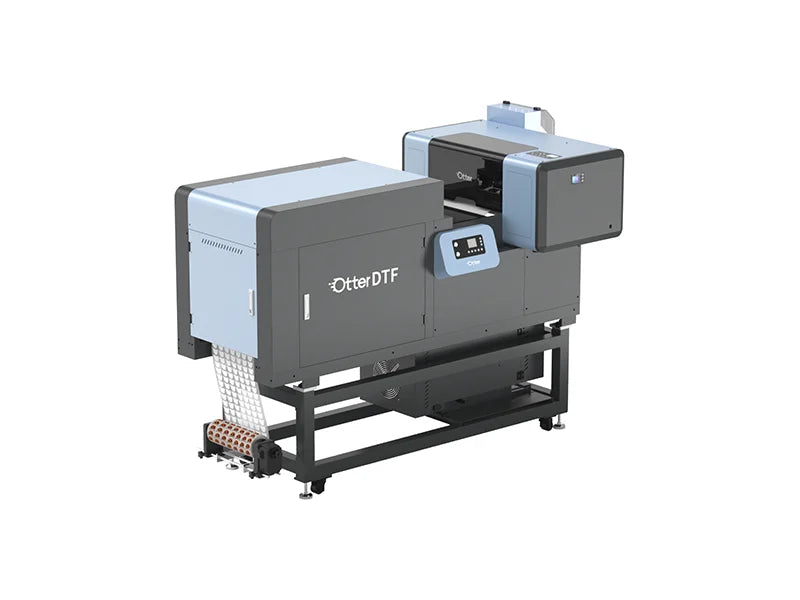
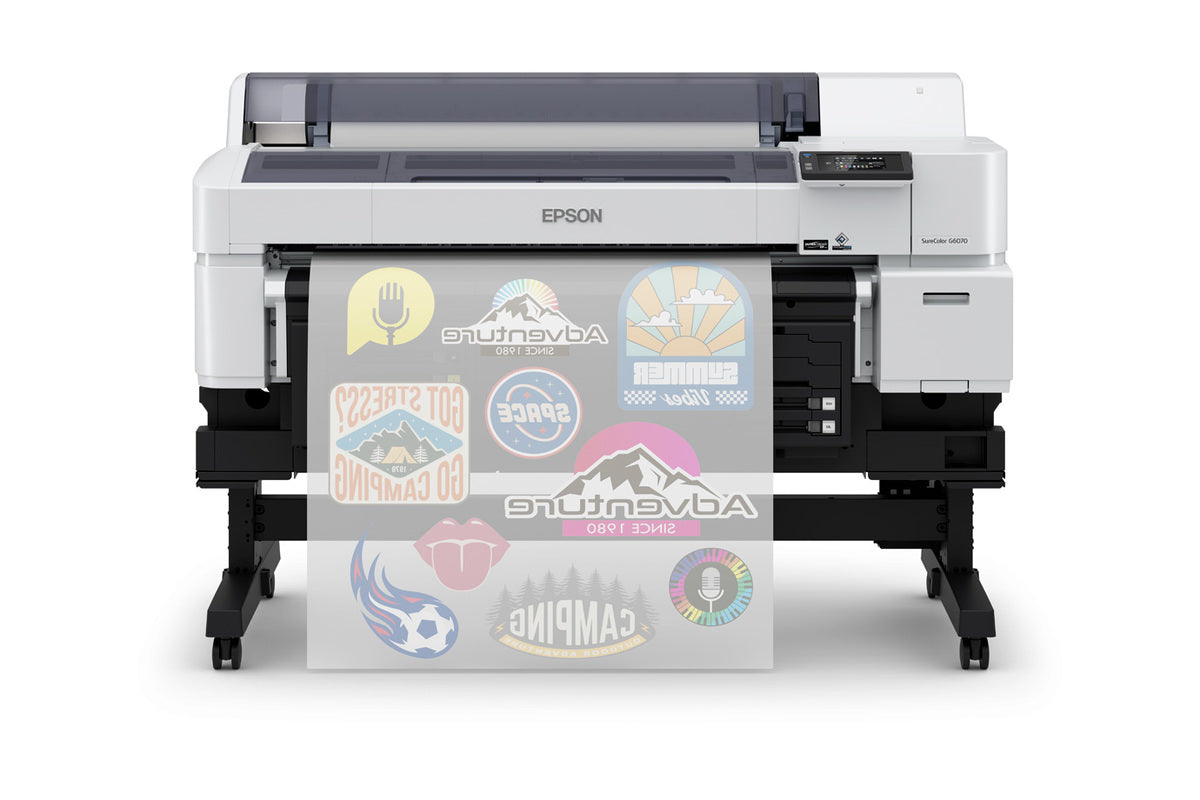
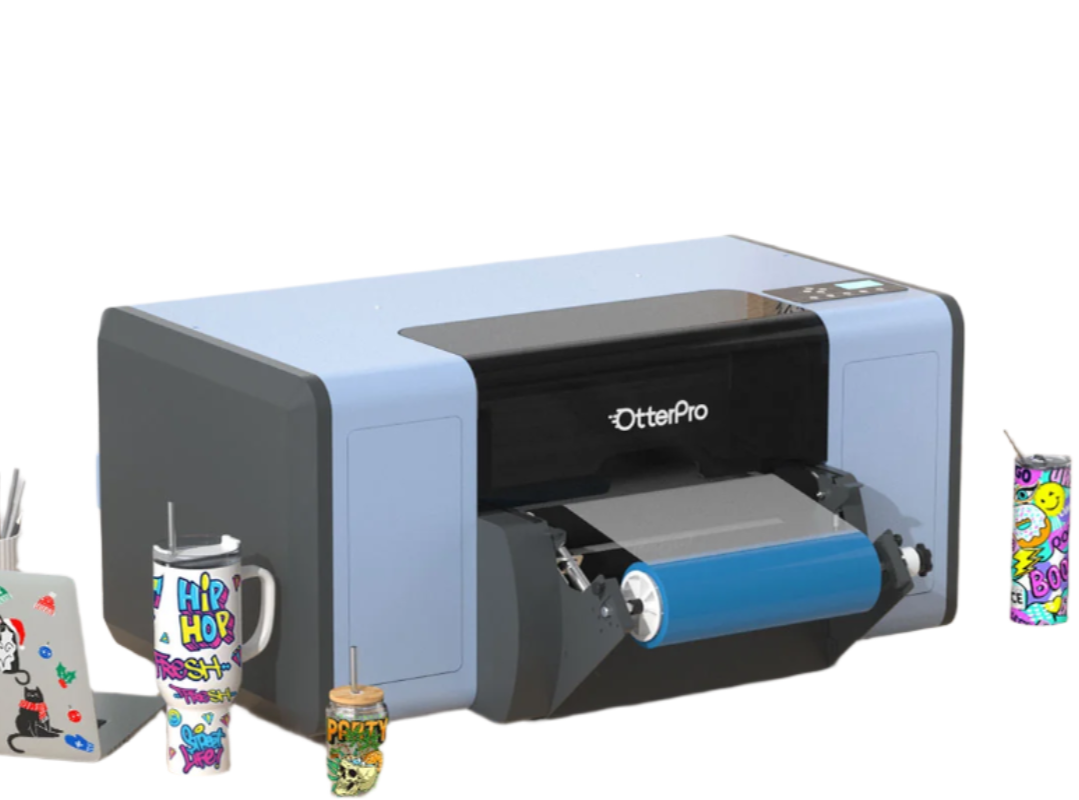
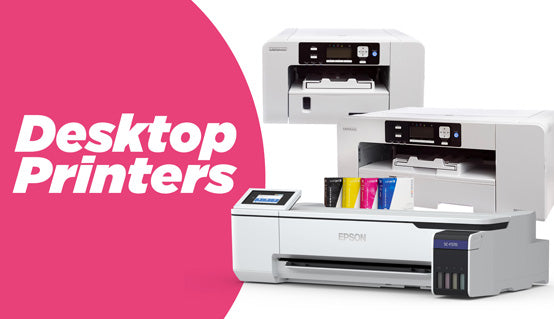
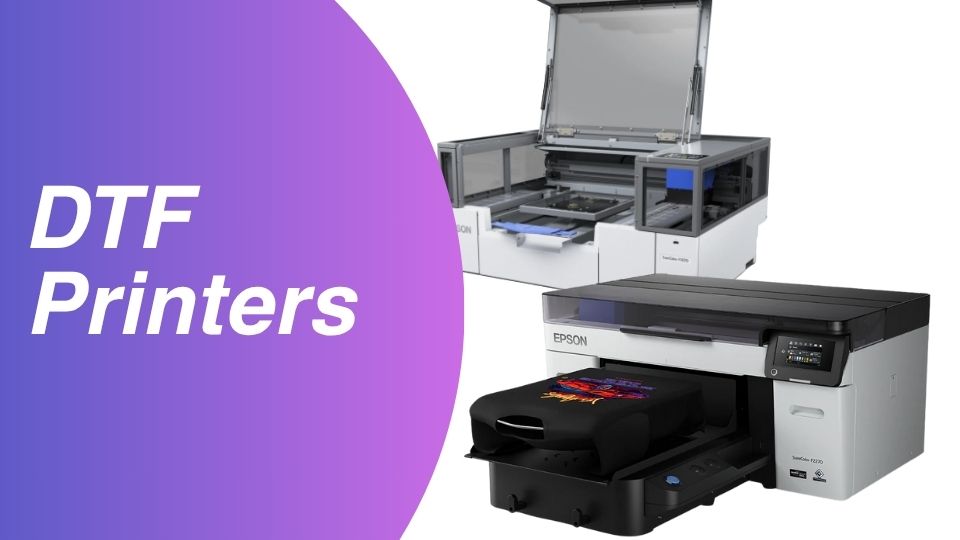
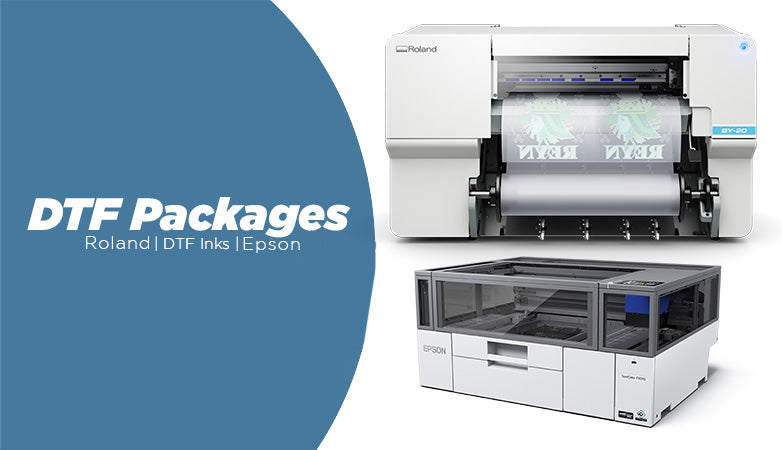
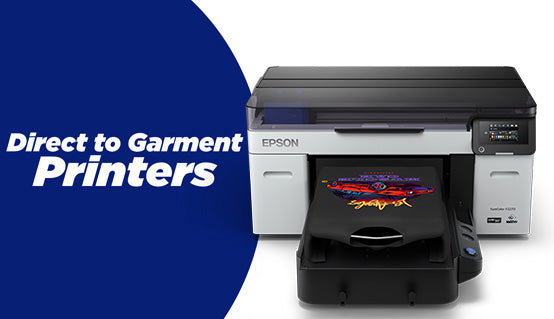
DTF Printer
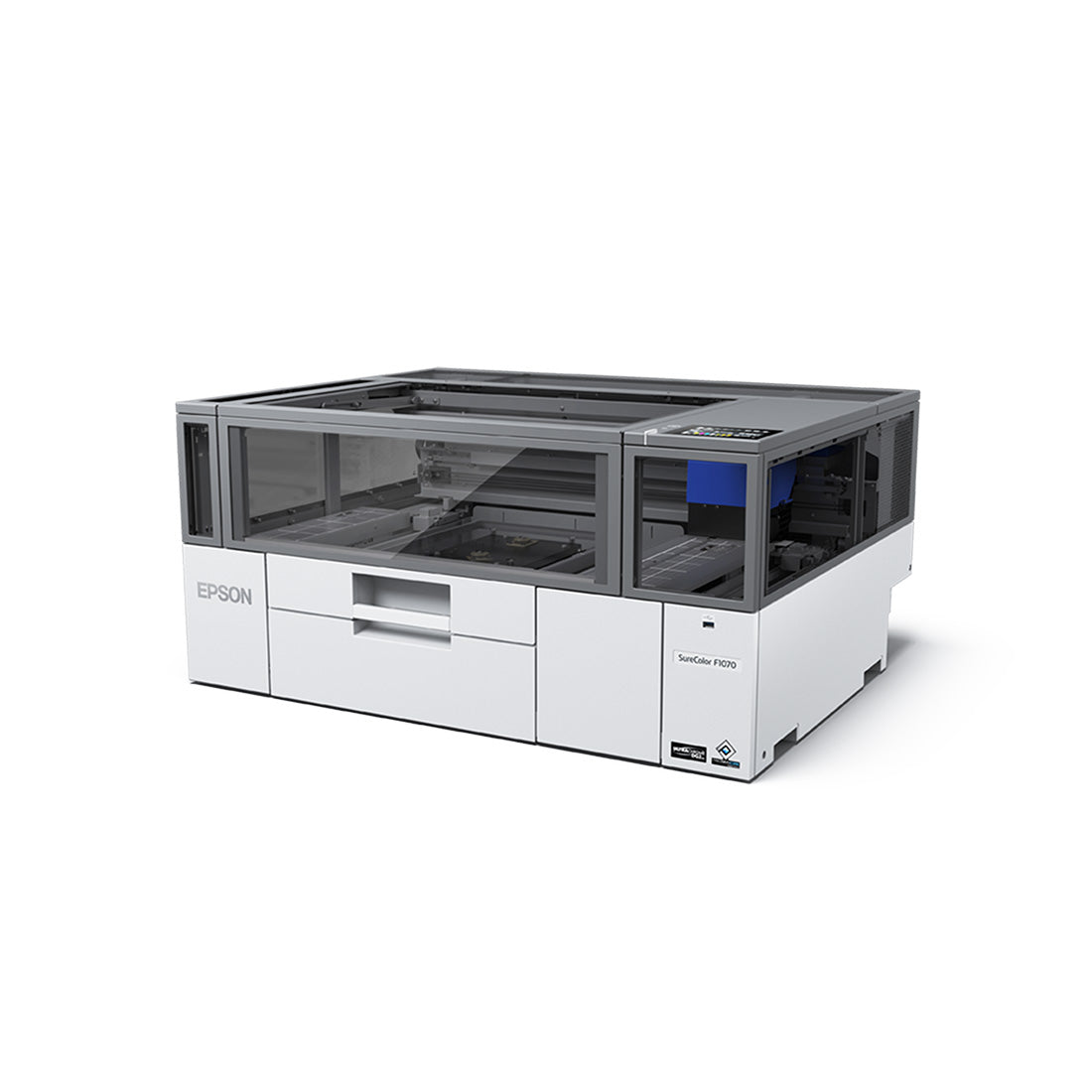
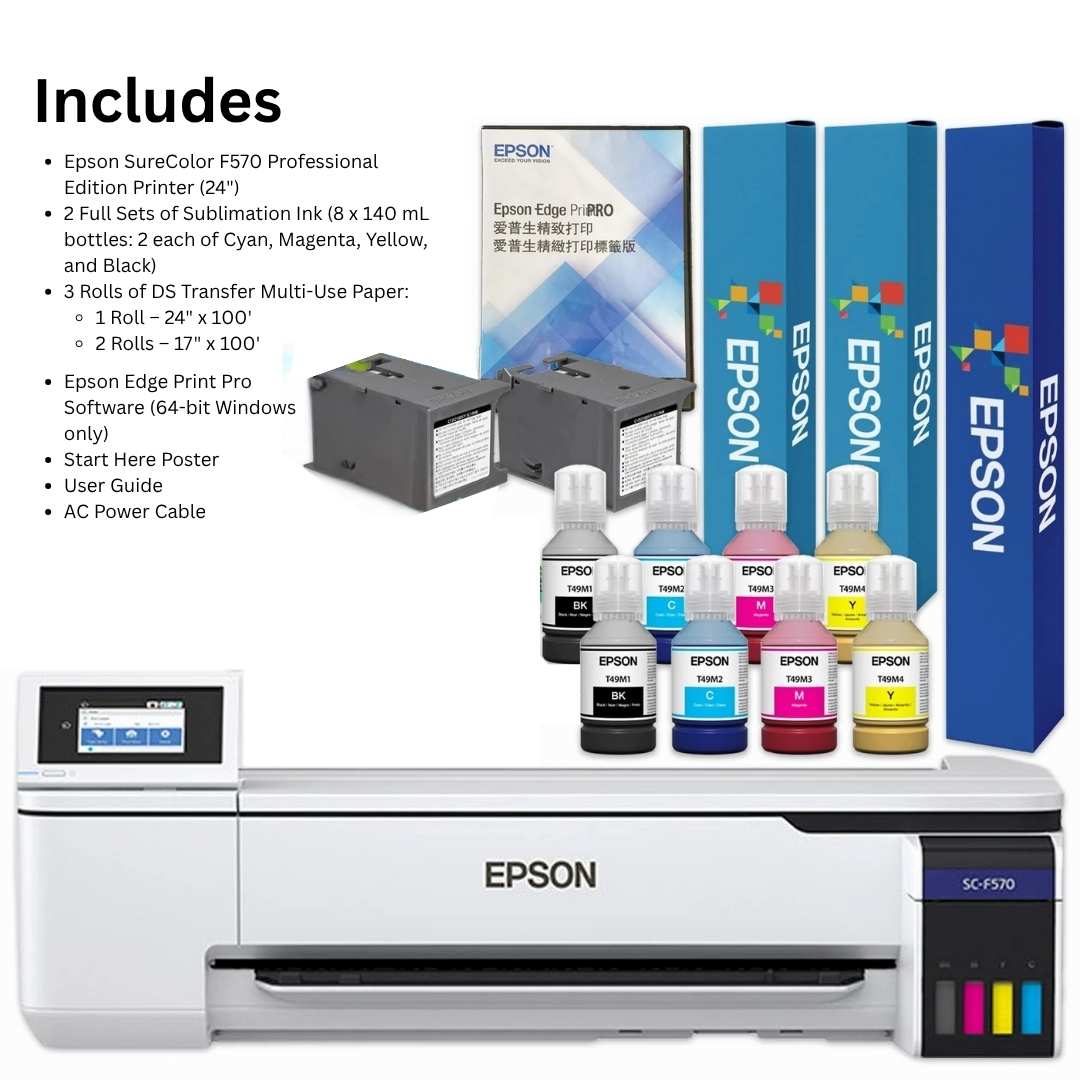
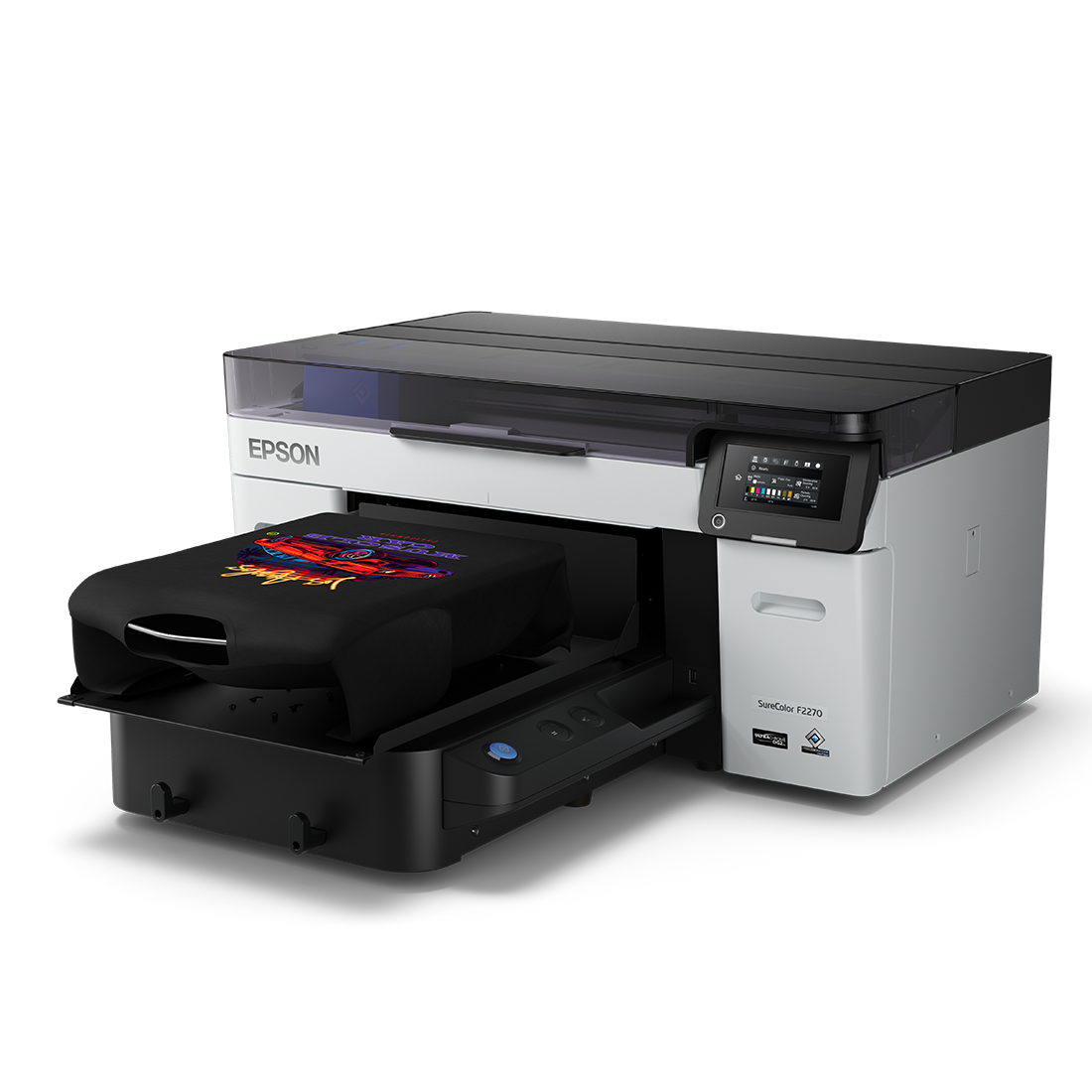
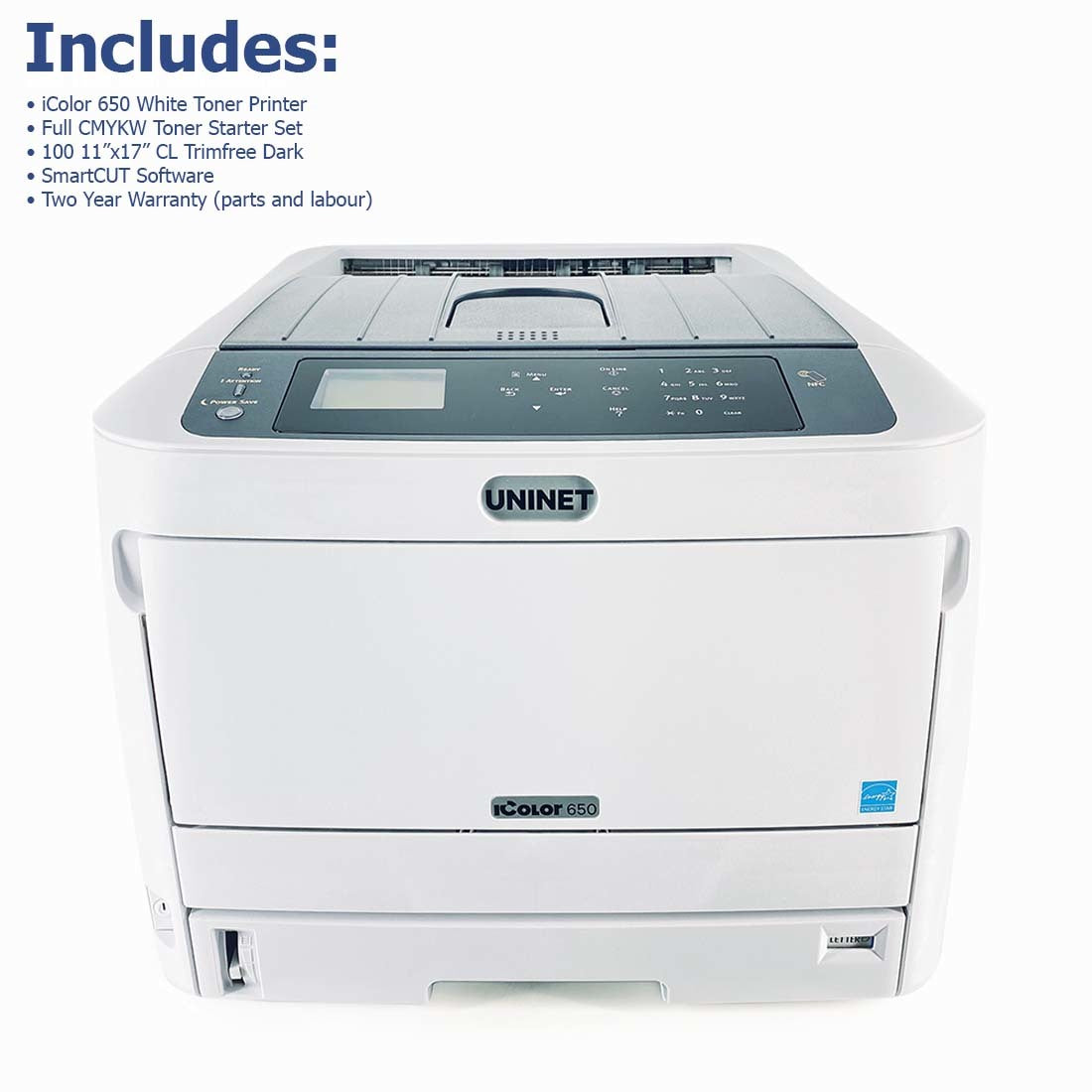
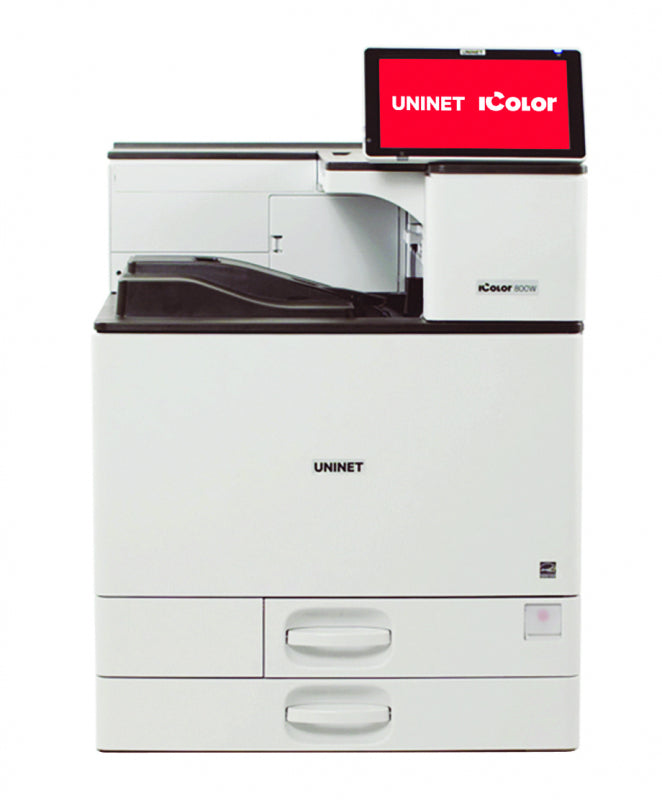
This is the machine that prints your design onto special film. DTF printers use a specific type of inkjet technology that handles white ink, which is critical for printing on dark fabrics.
Without a DTF printer, you have no way to create transfers. But buying only a printer means you still can't complete a single order.
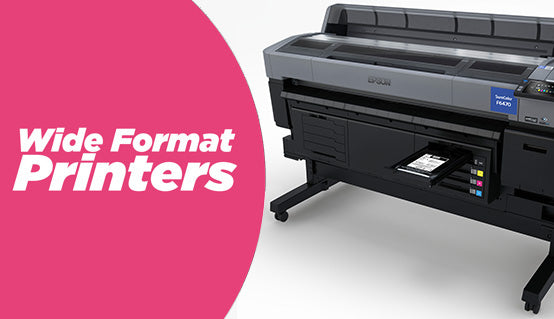
Entry-level DTF printers in Canada start around $5,000. Professional models run $15,000 to $30,000. The difference is print width, speed, and reliability.
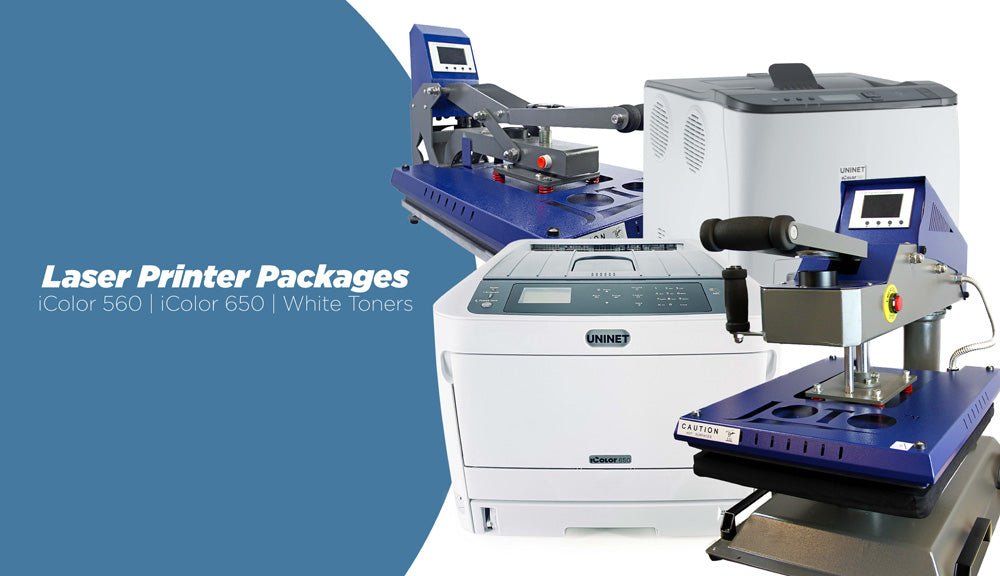
Heat Press
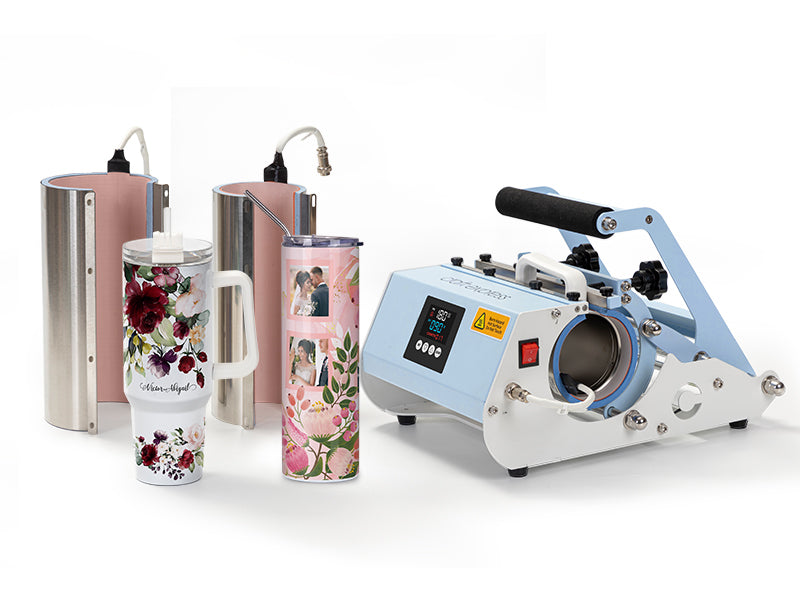
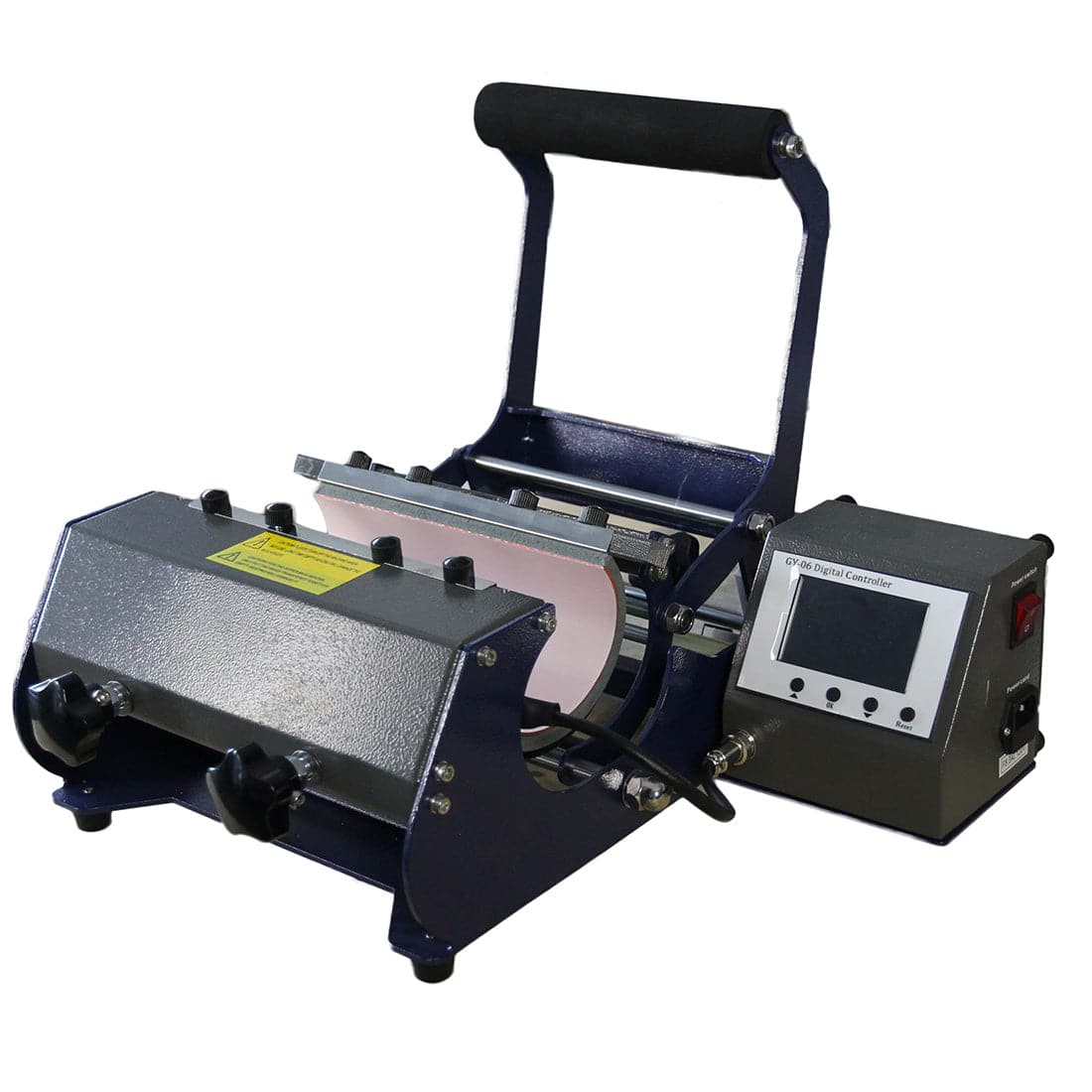
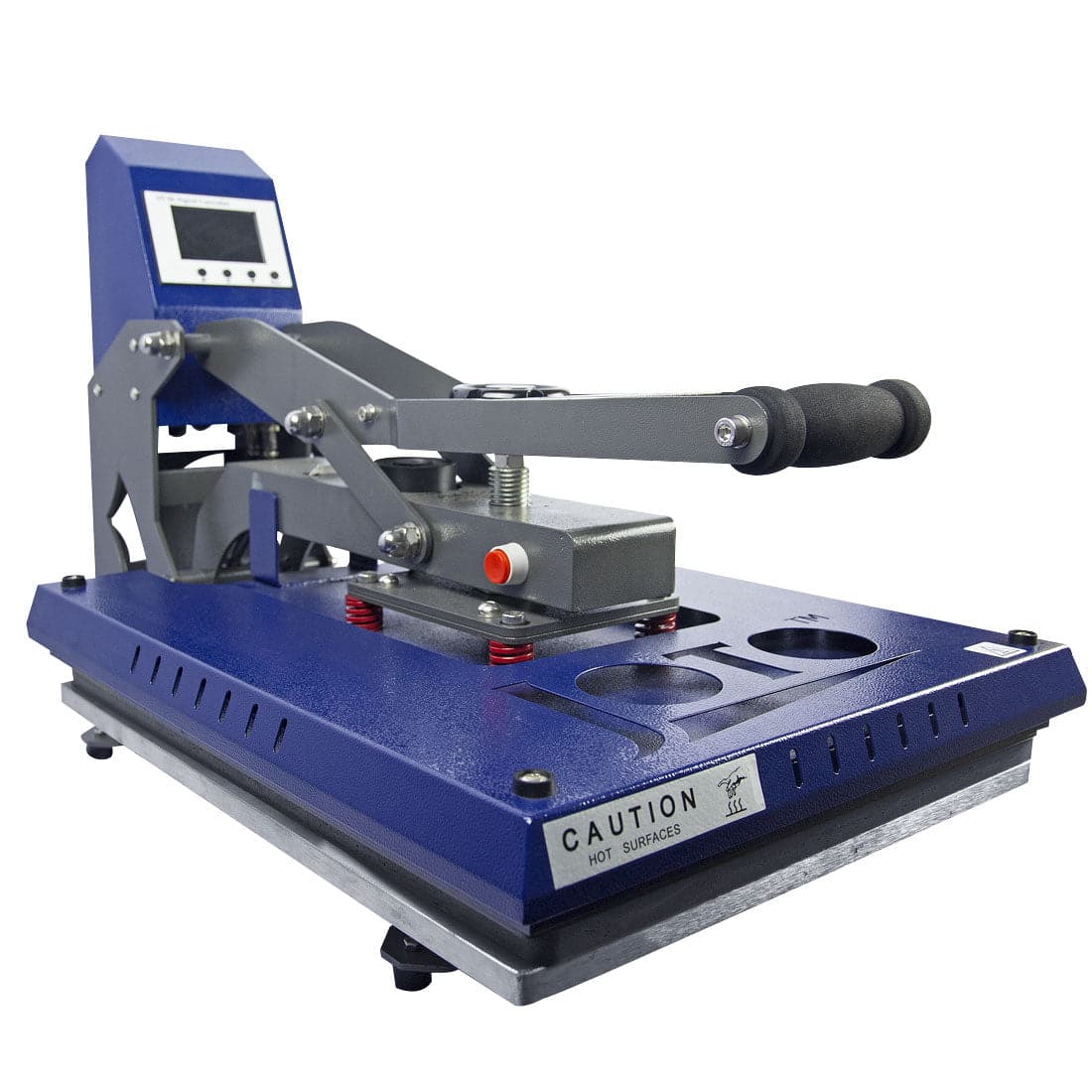
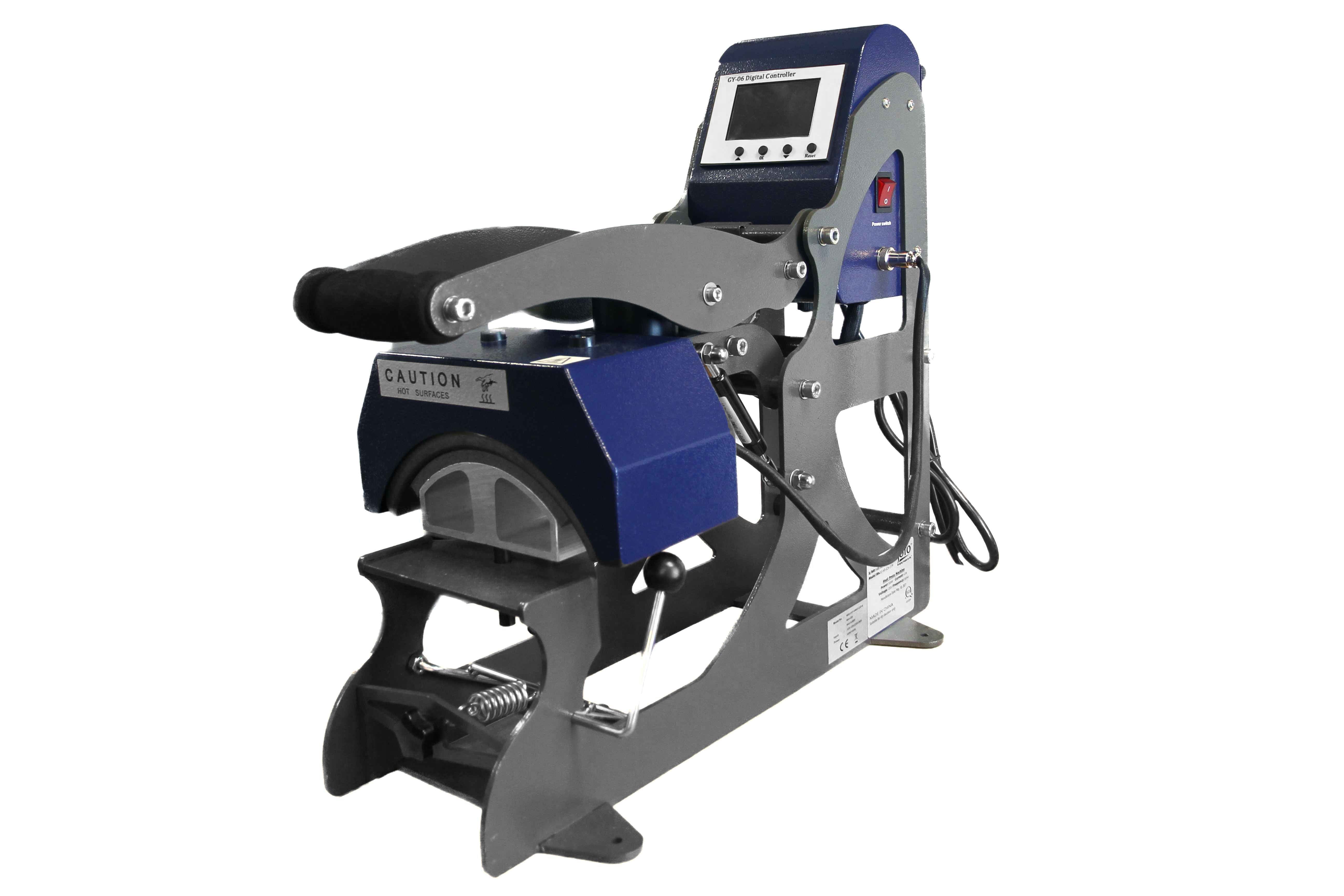
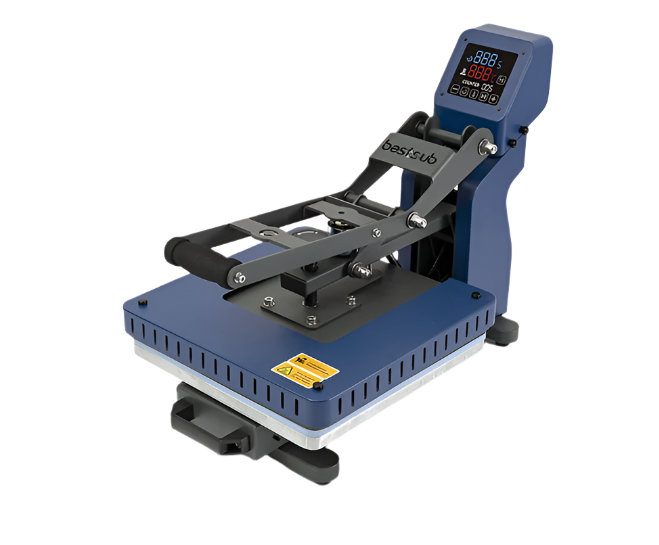
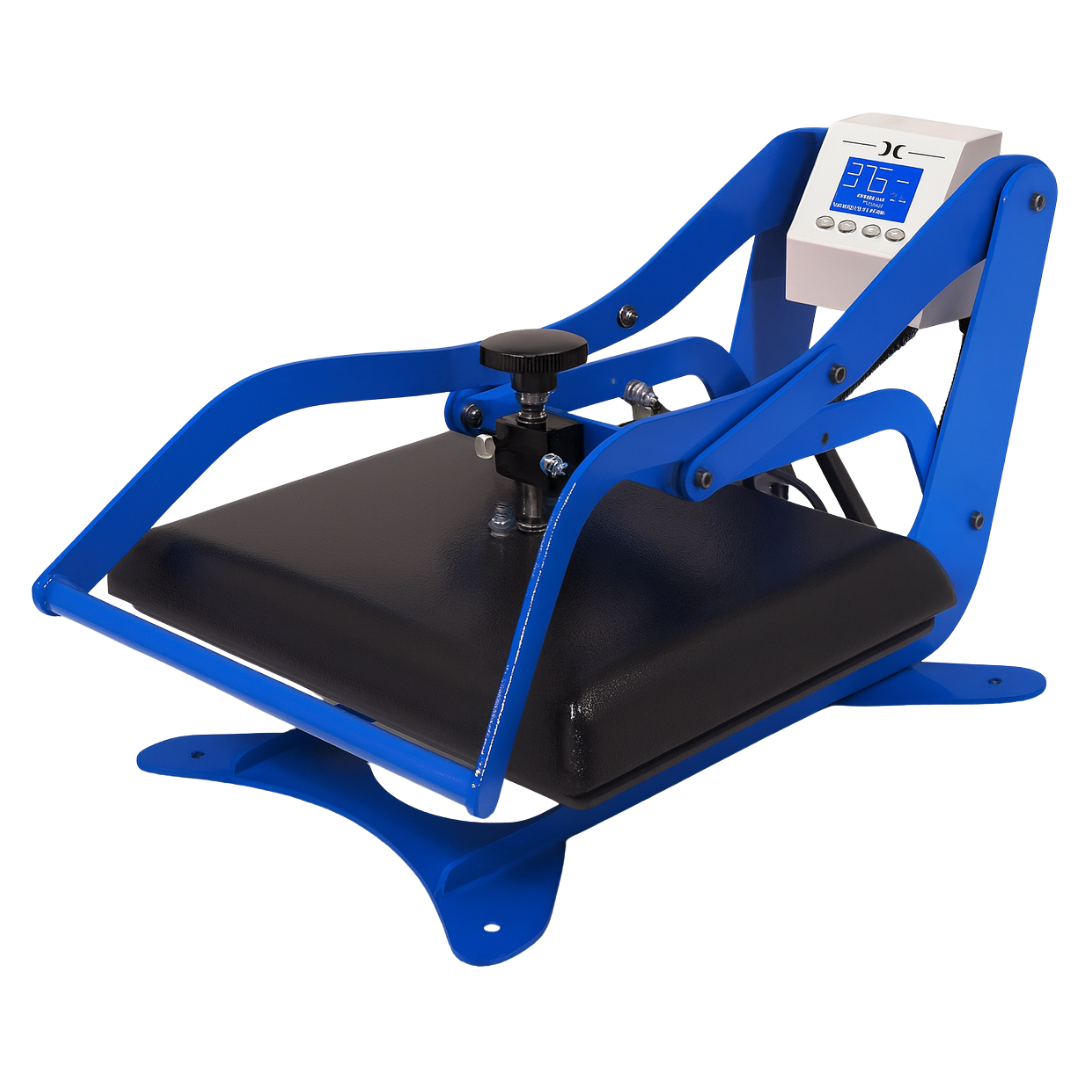
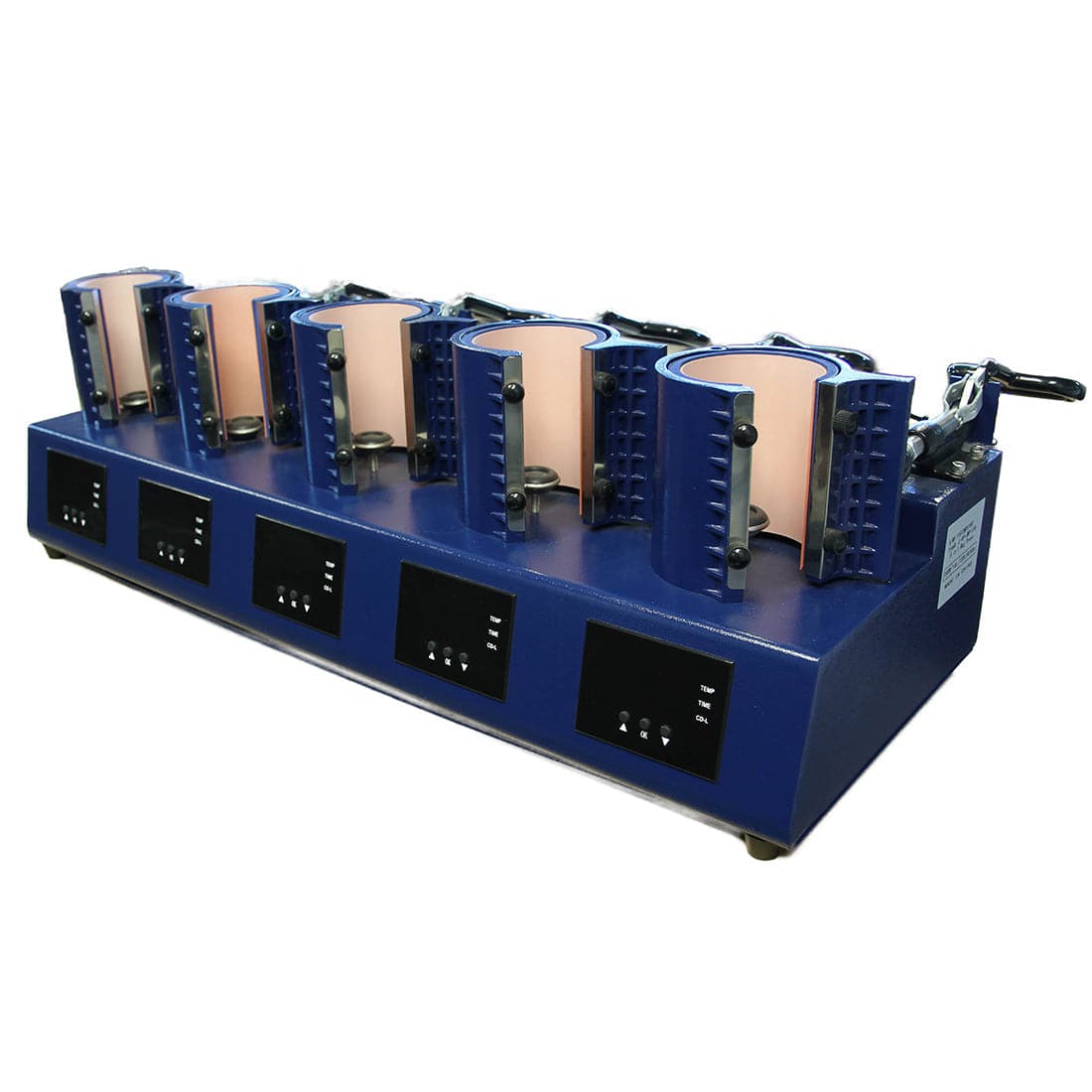
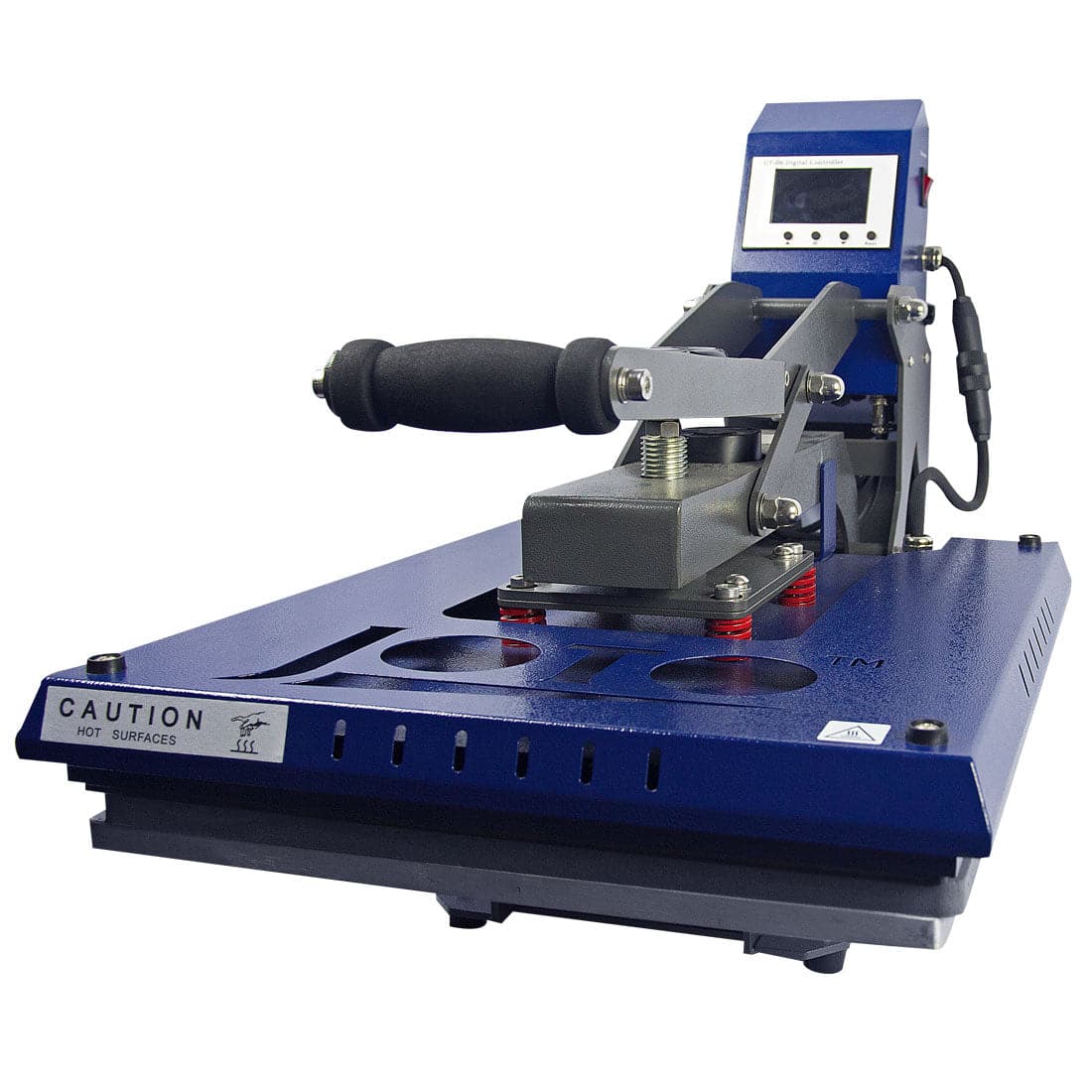
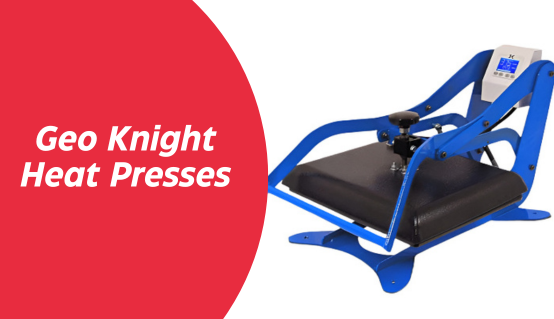
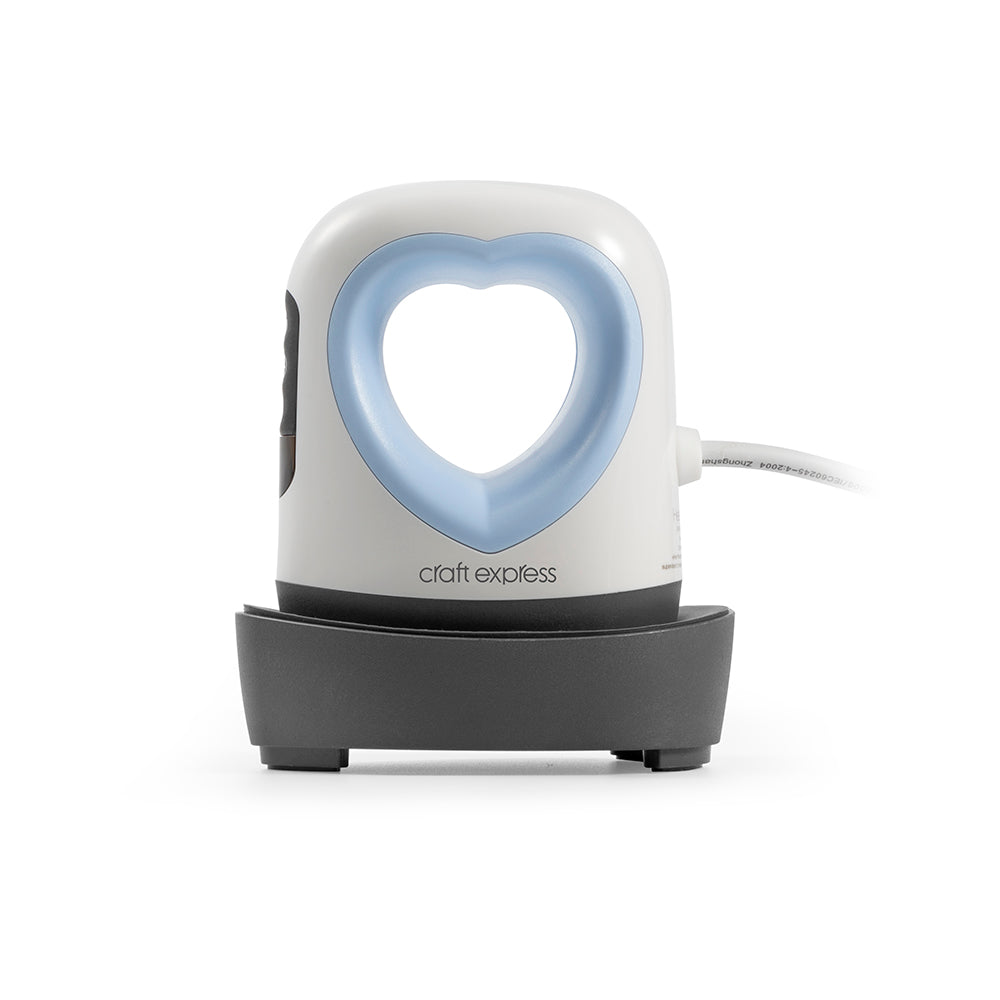
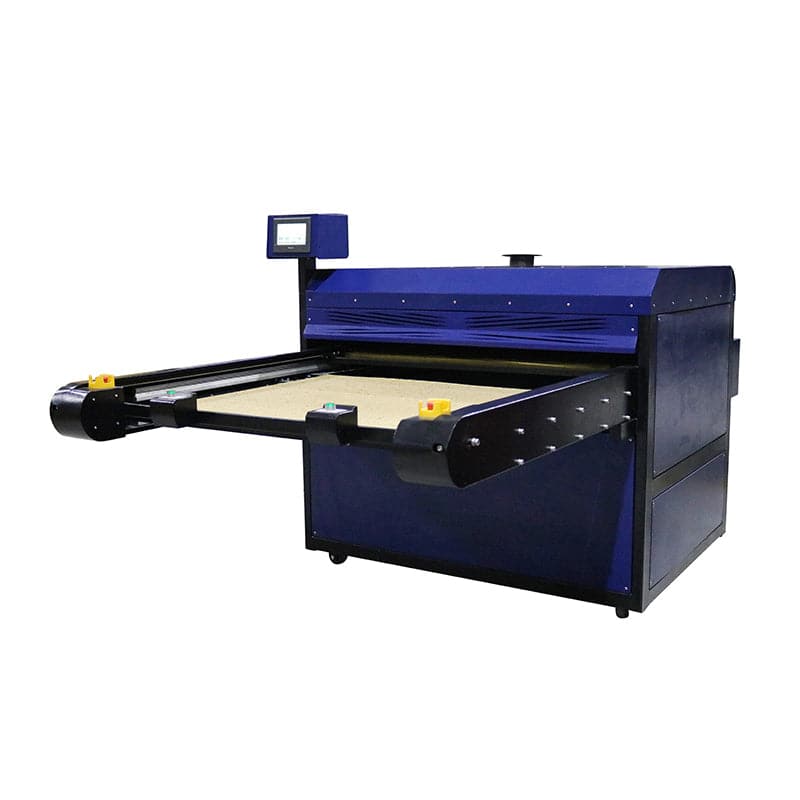
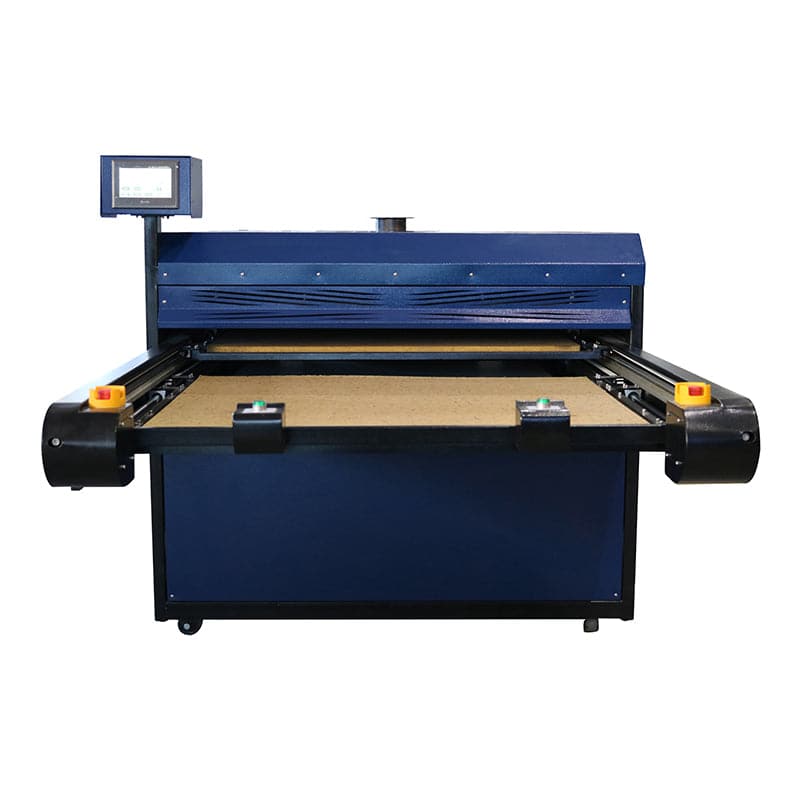
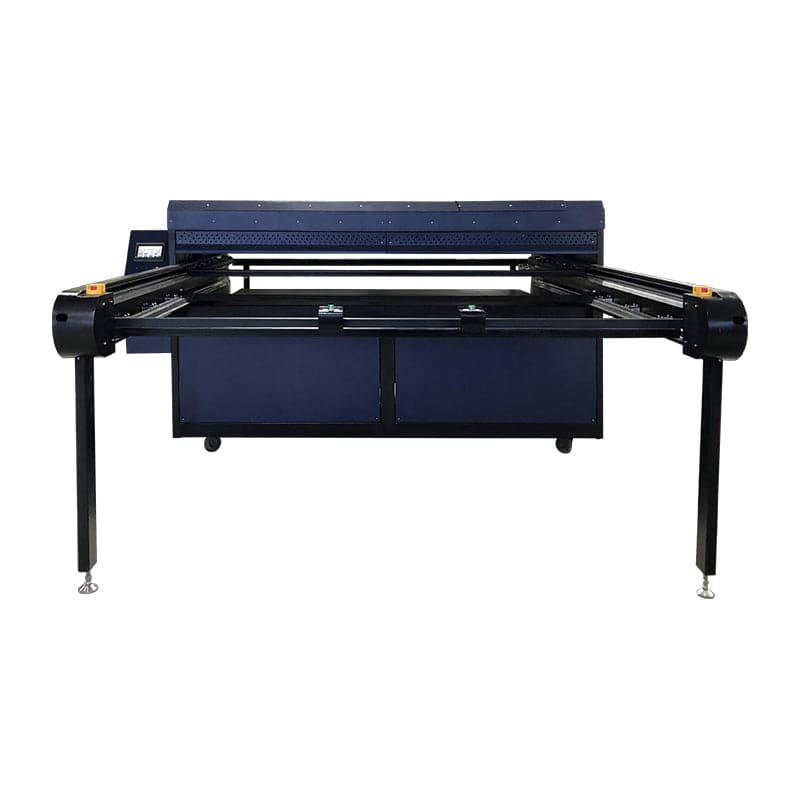
A heat press applies your printed transfer to the garment. It uses pressure and controlled heat to bond the ink to the fabric.
You need a heat press that reaches at least 160°C and applies even pressure across the entire platen. Cheap hobby presses create uneven transfers that peel or crack.
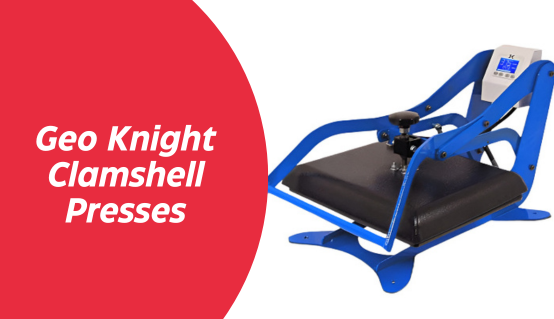
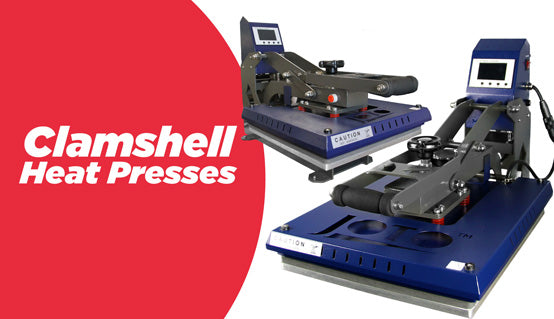
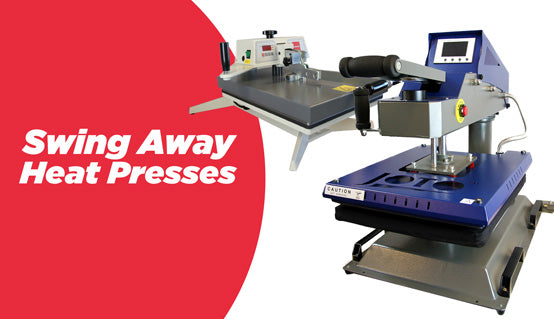
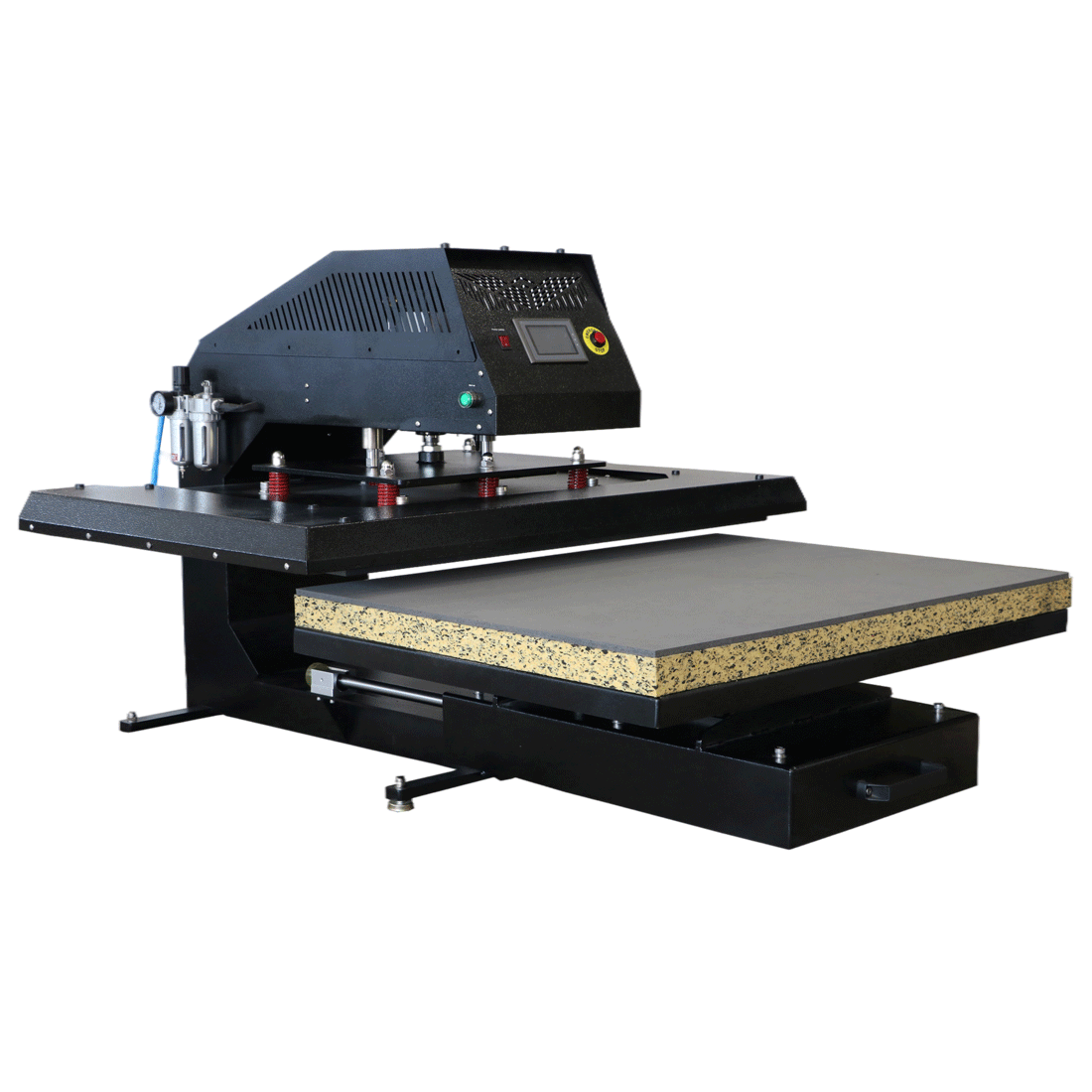
Clamshell presses work for small batches. Swing-away presses handle thicker items like hoodies. Budget $800 to $3,000 depending on size and quality.
DTF Film
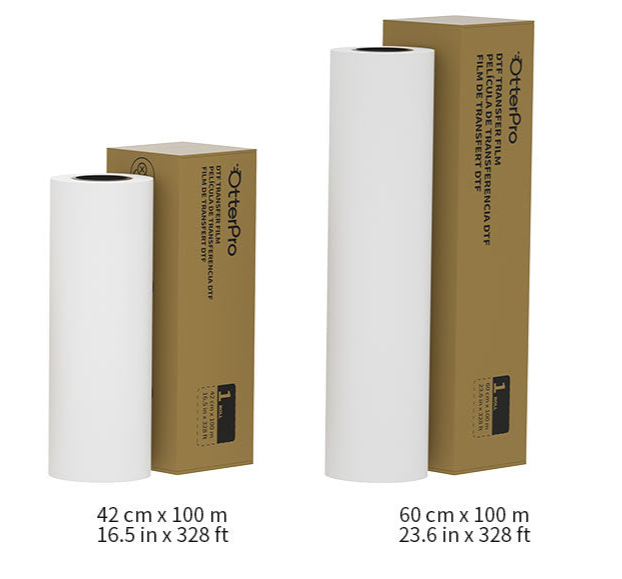
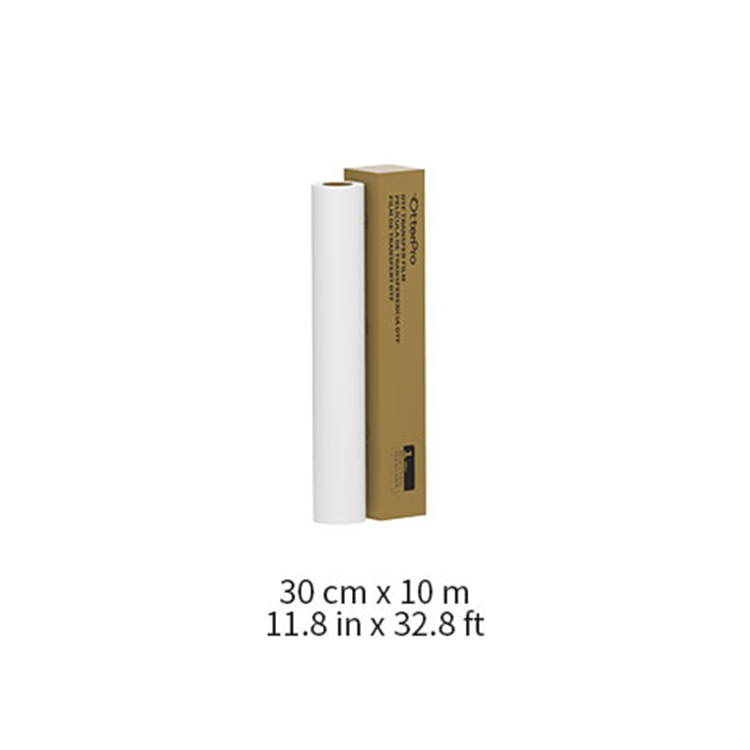
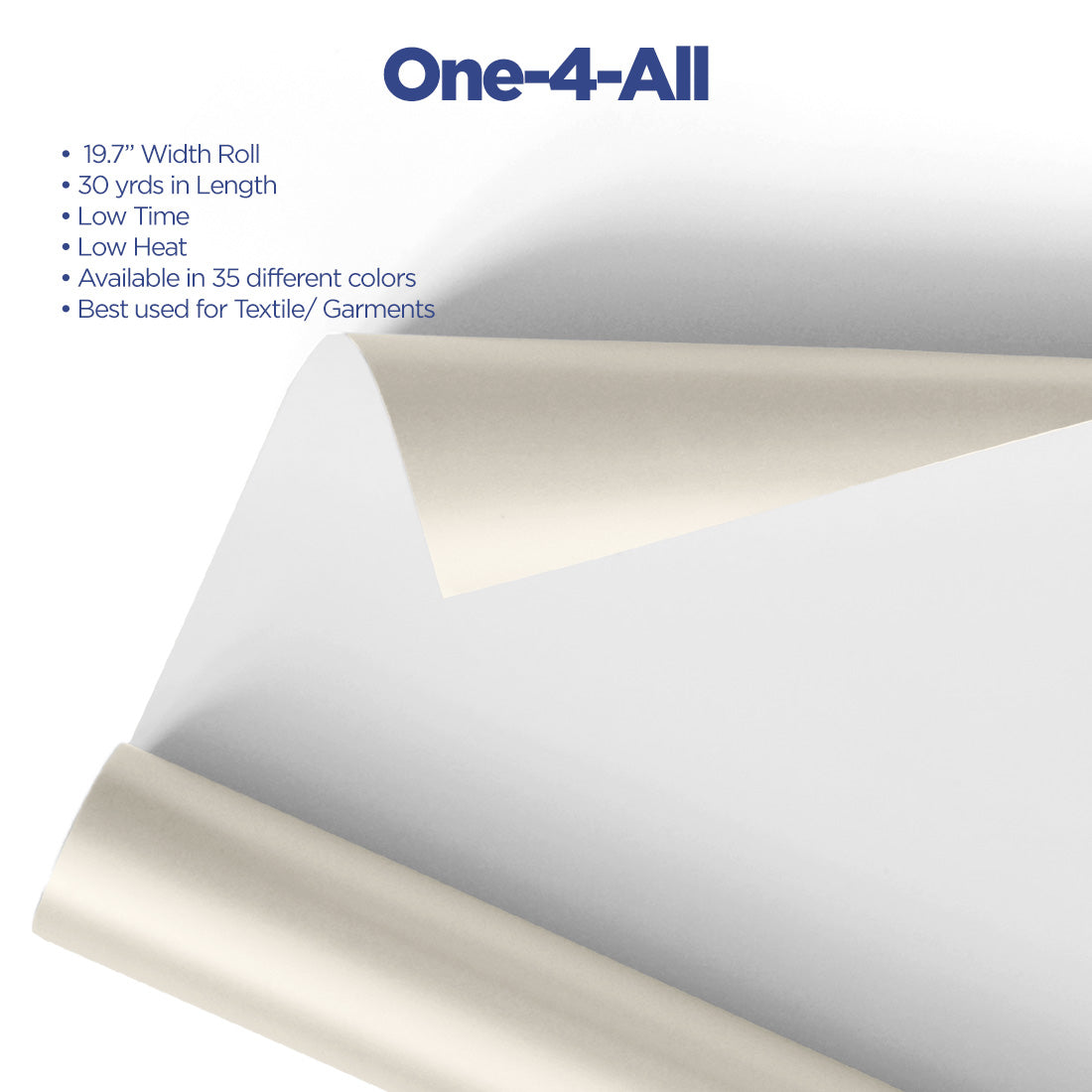
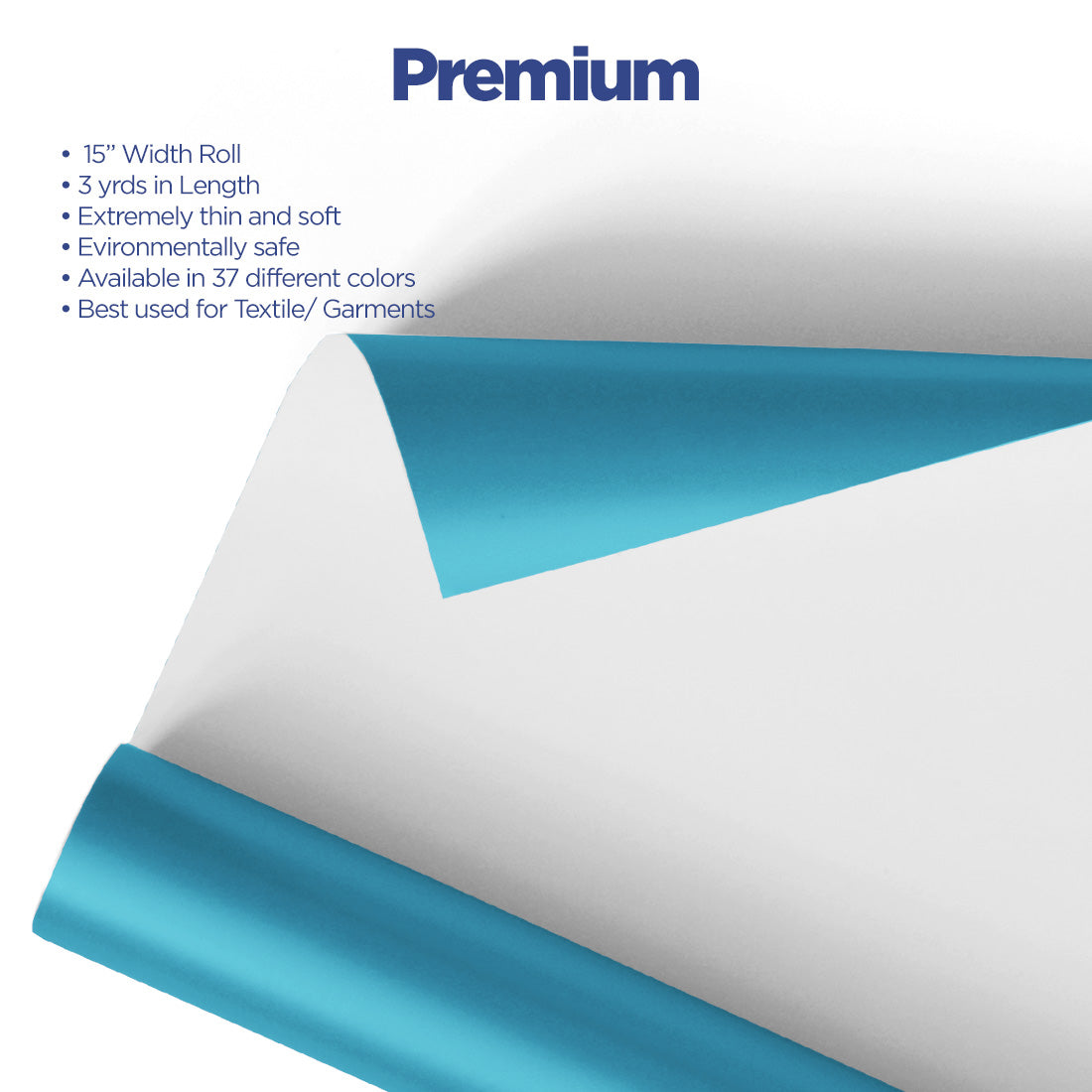
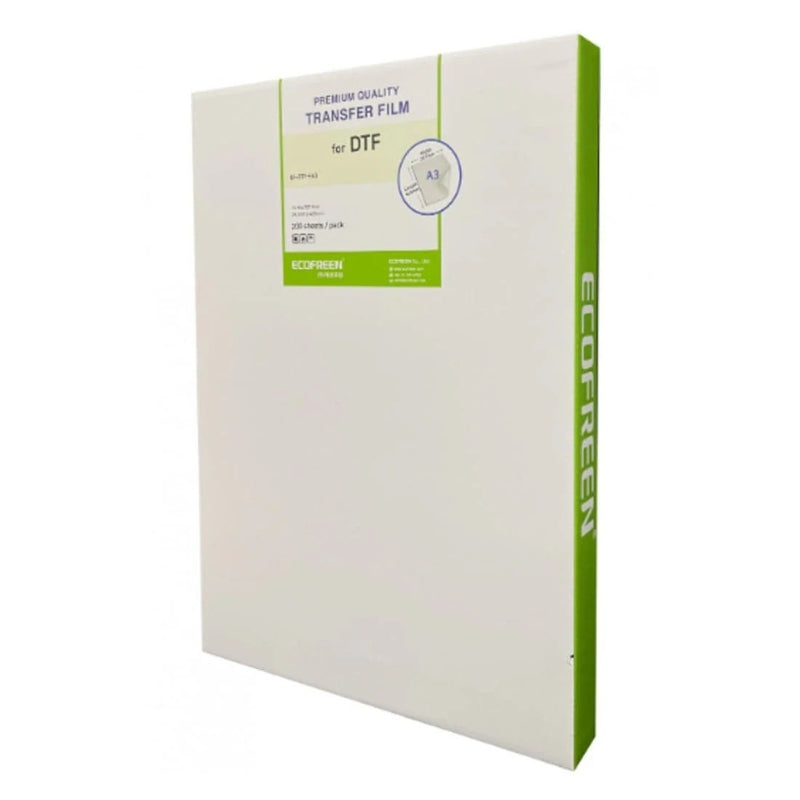
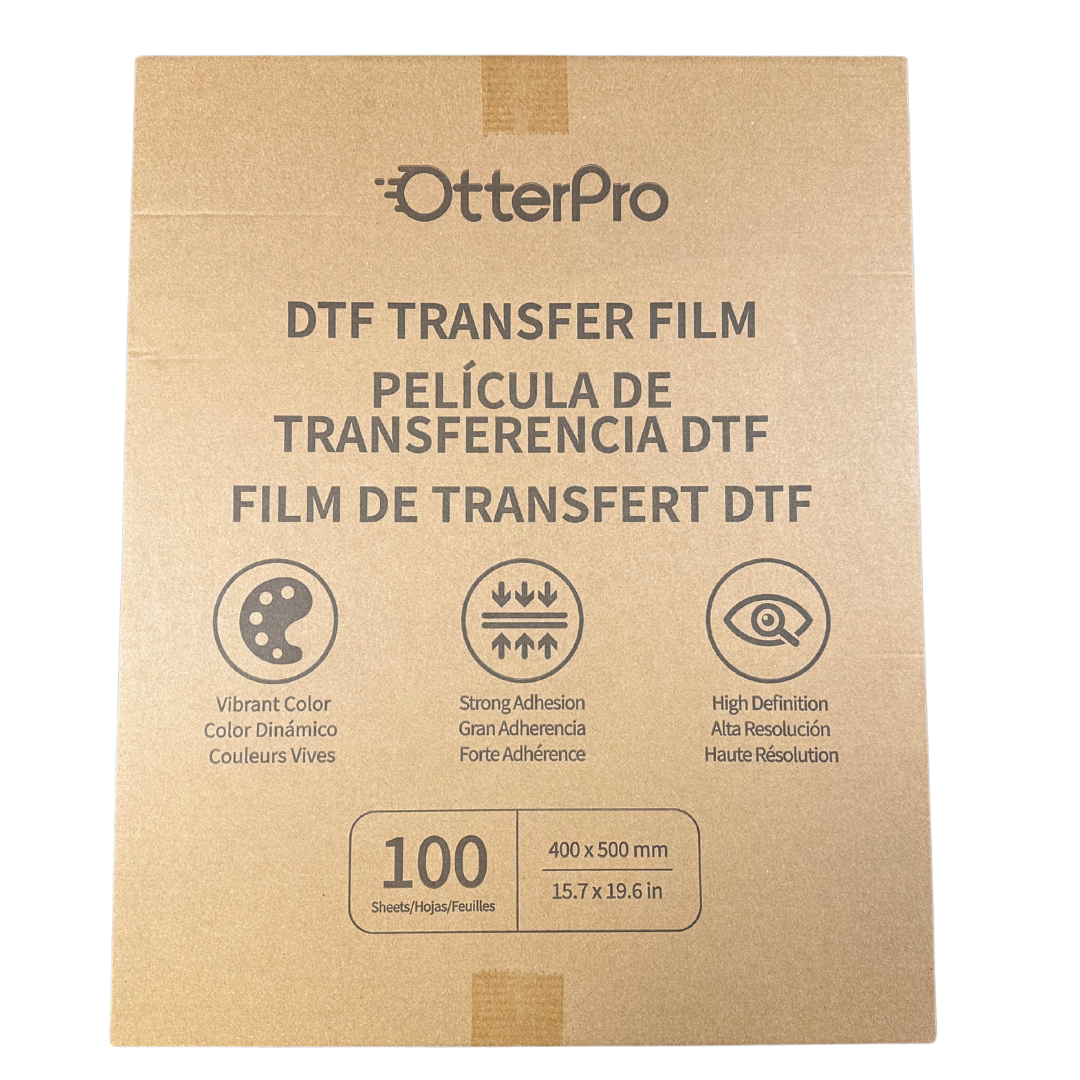
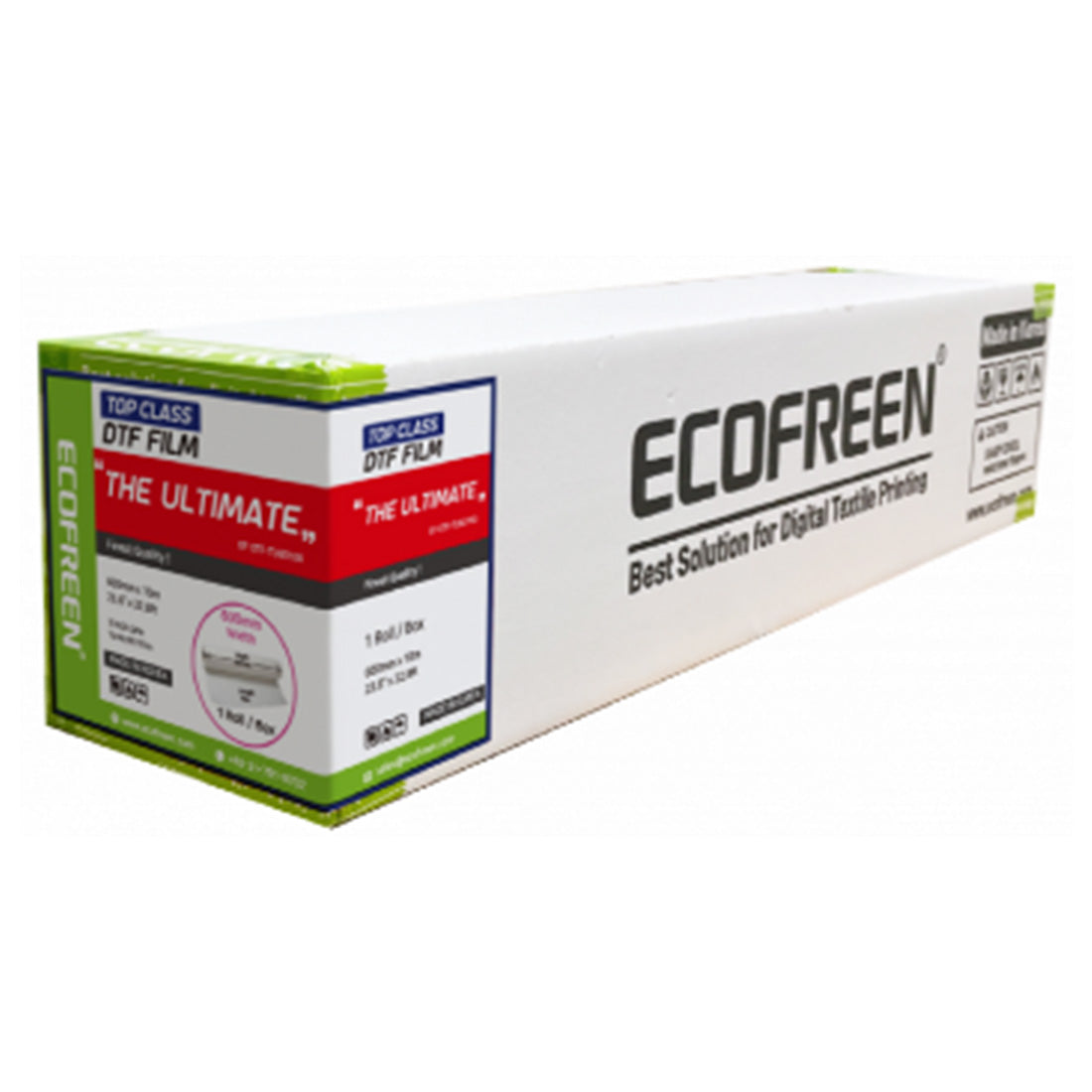
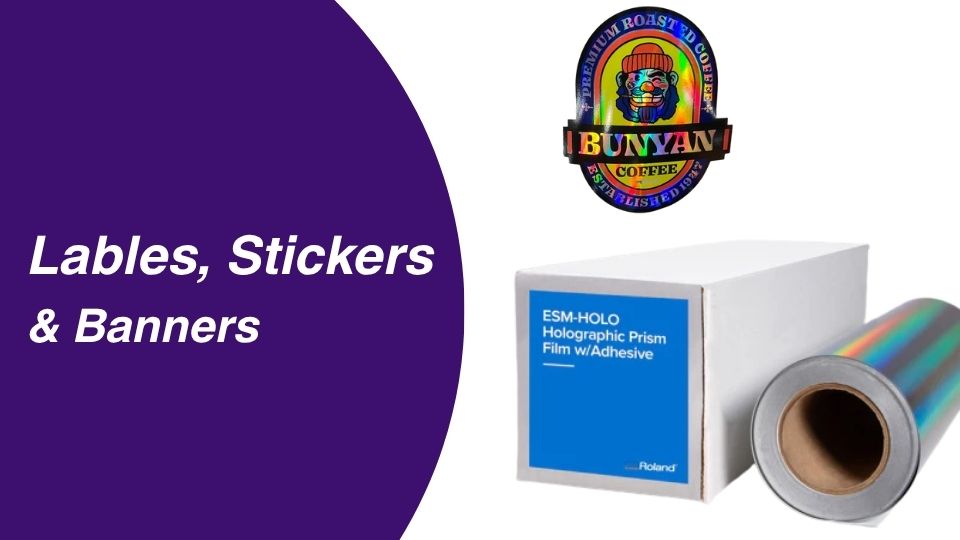
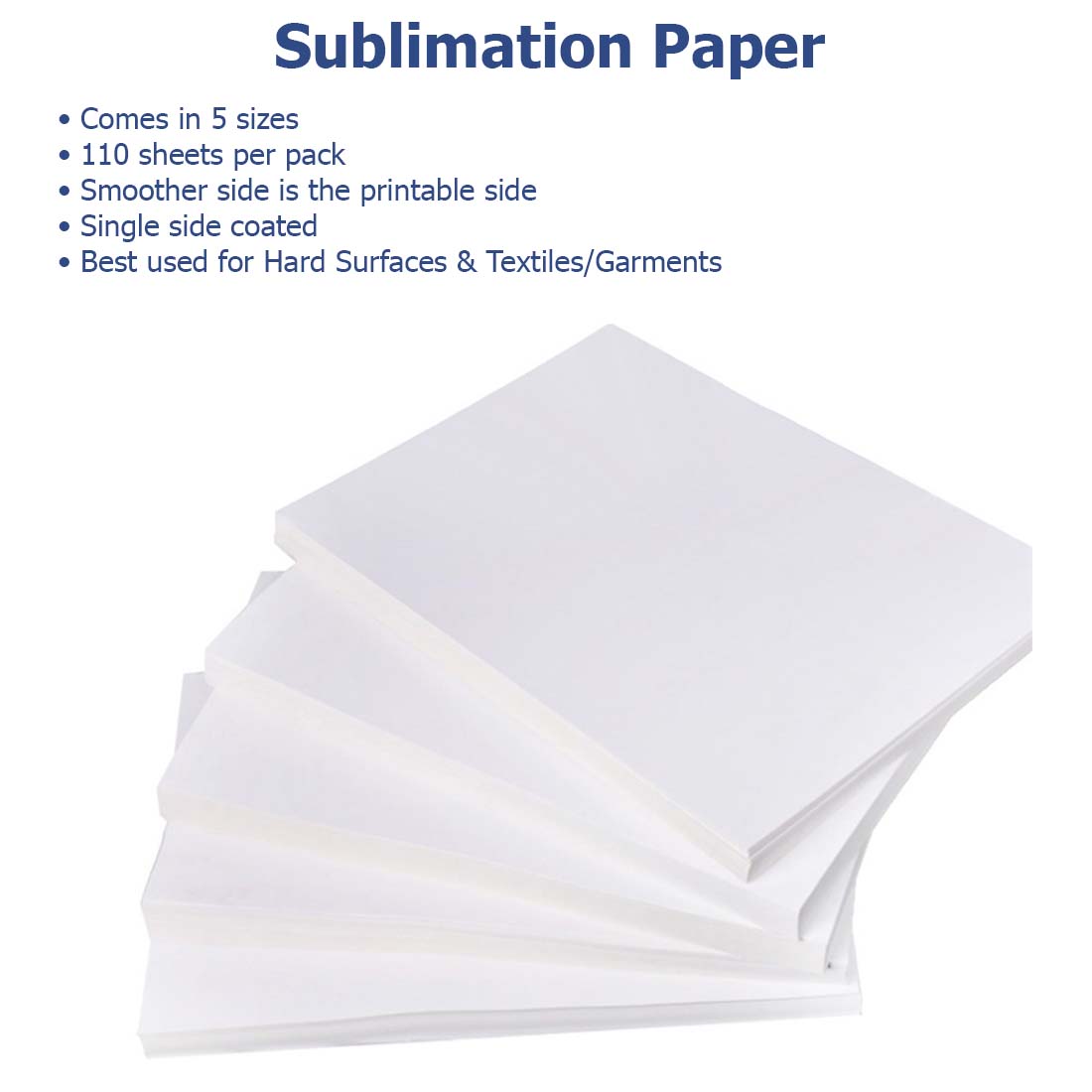
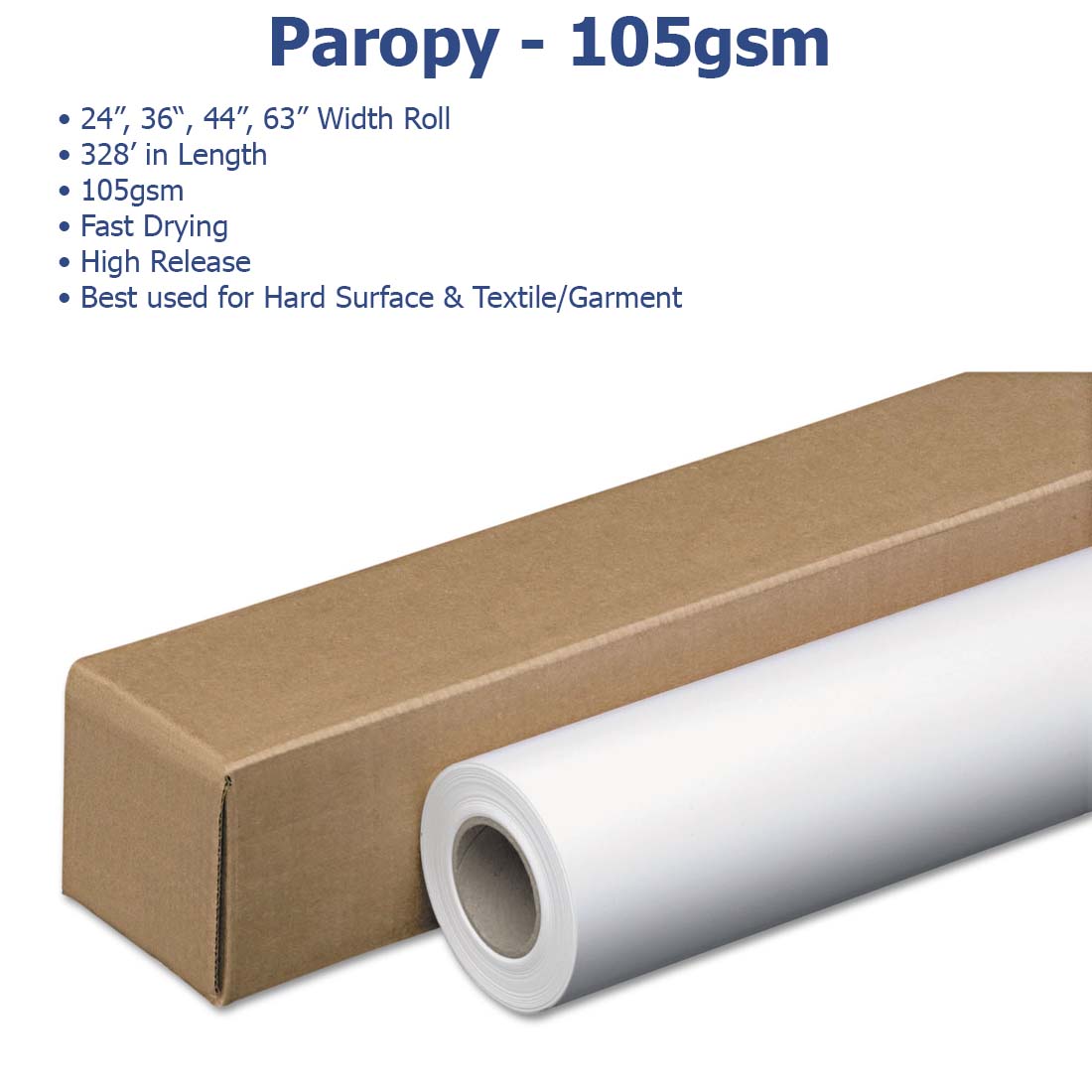
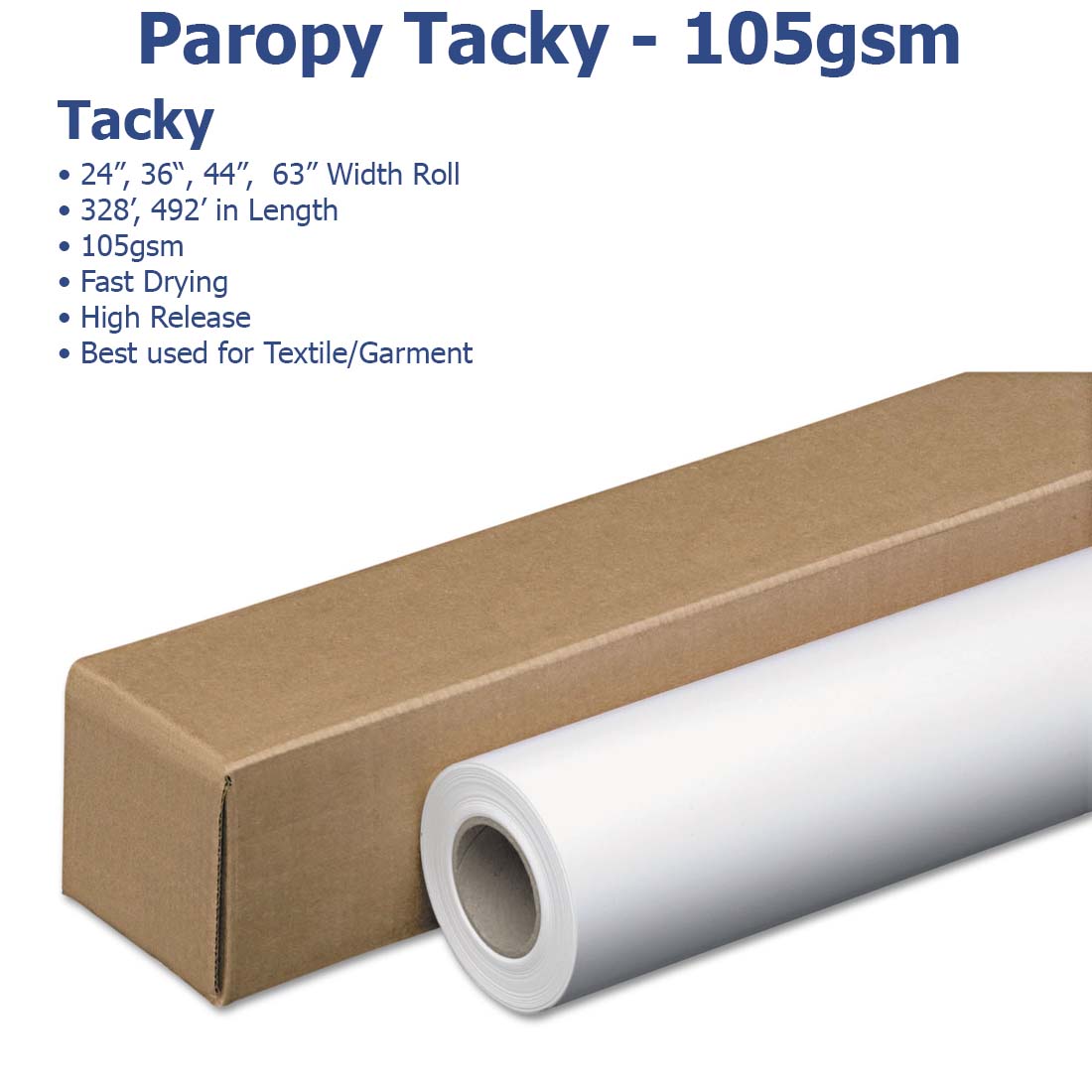
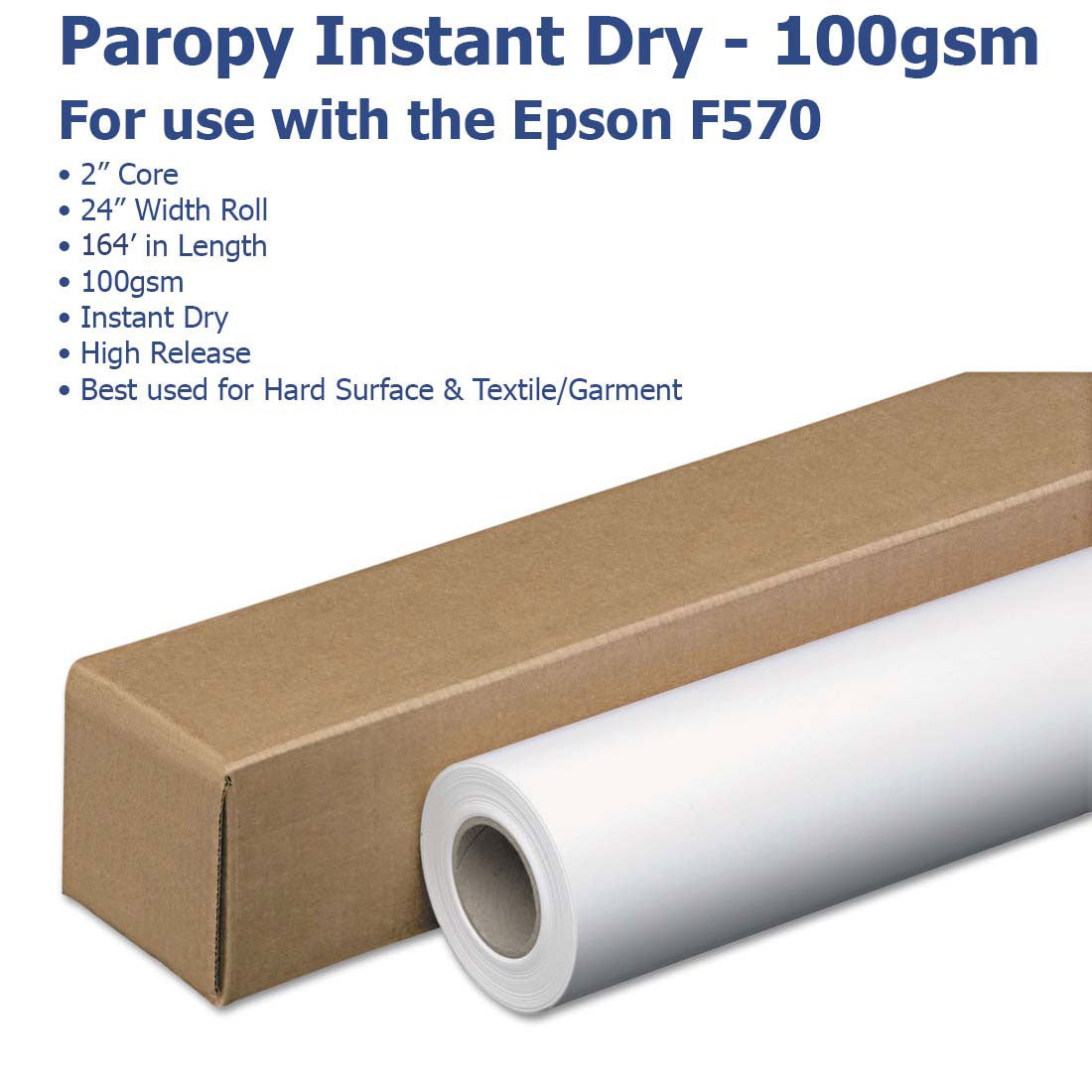
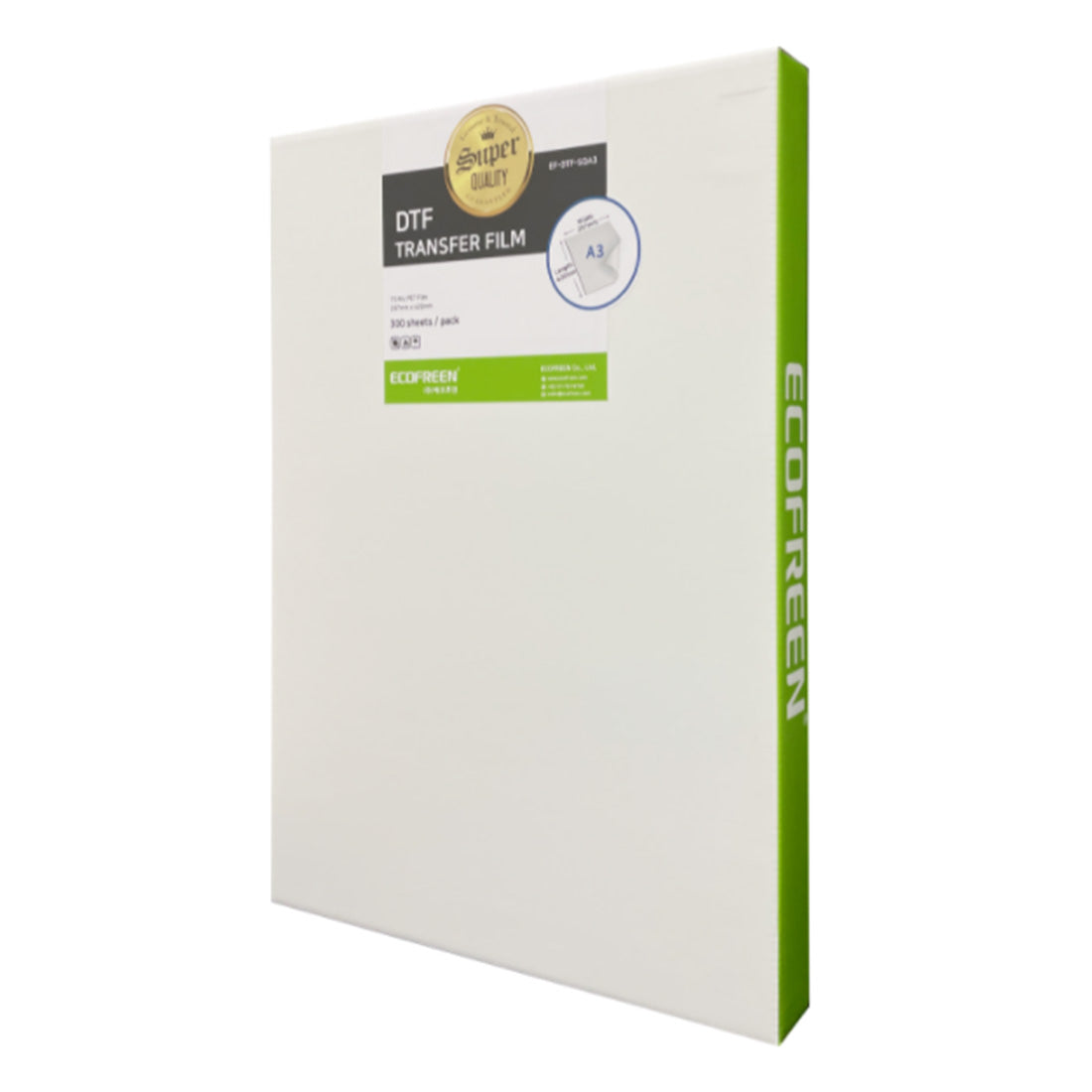
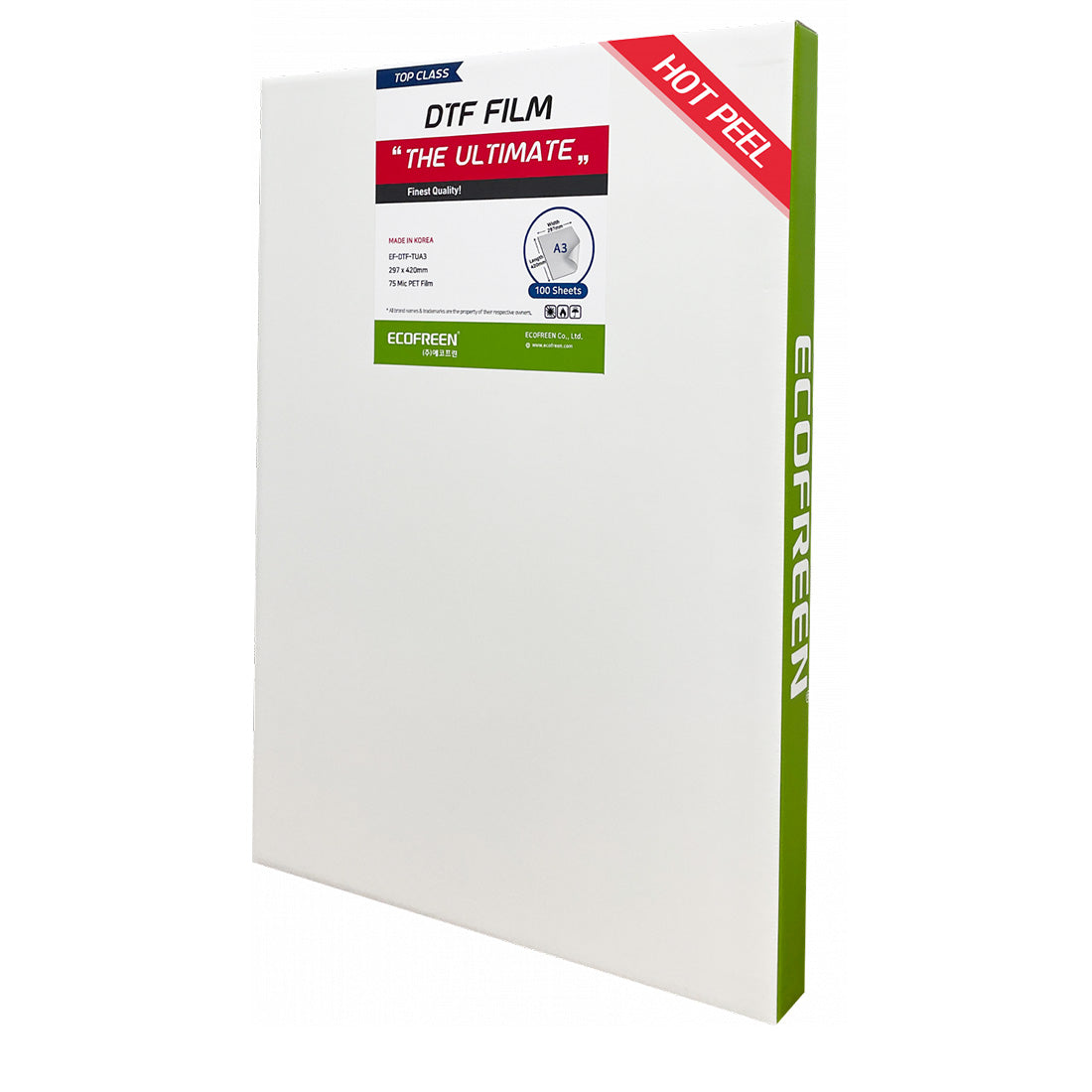
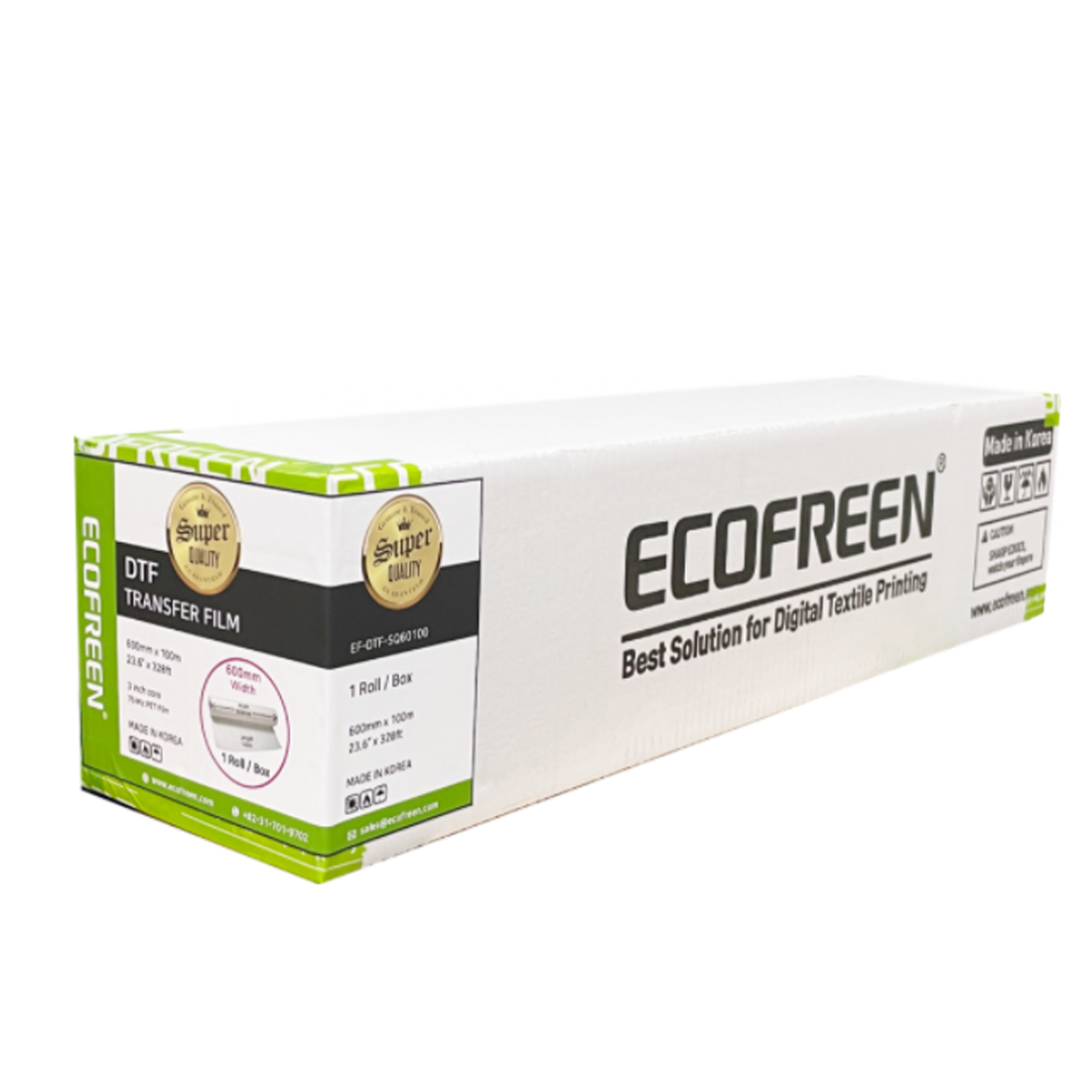
DTF film is the material you print on. It's coated to accept DTF inks and release cleanly when pressed onto fabric.
Regular transparency film doesn't work. You need film specifically made for DTF printing. Using the wrong film causes ink to smudge, powder to clump, or transfers to fail completely.
Film costs roughly $1.50 to $3.00 per linear meter. Most shops buy 100-meter rolls.
Adhesive Powder
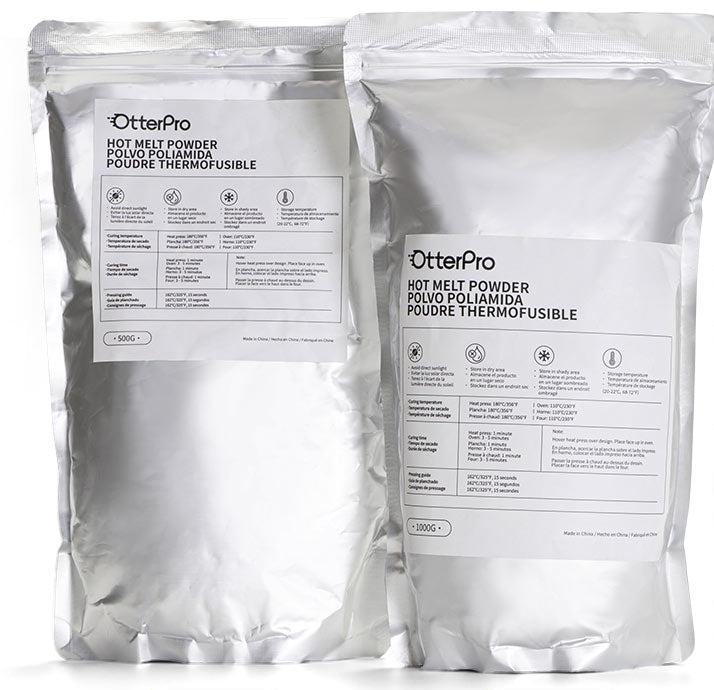
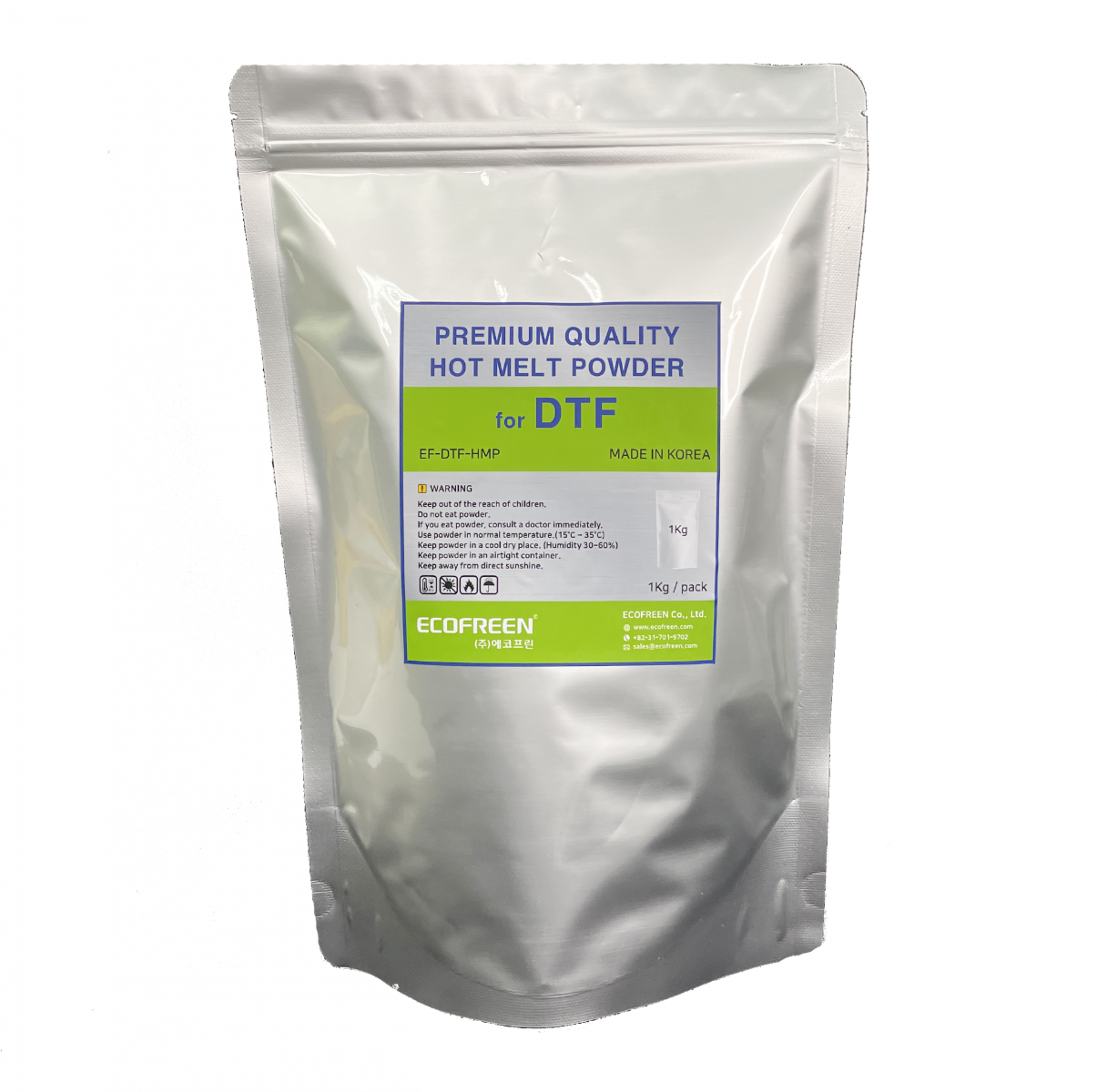
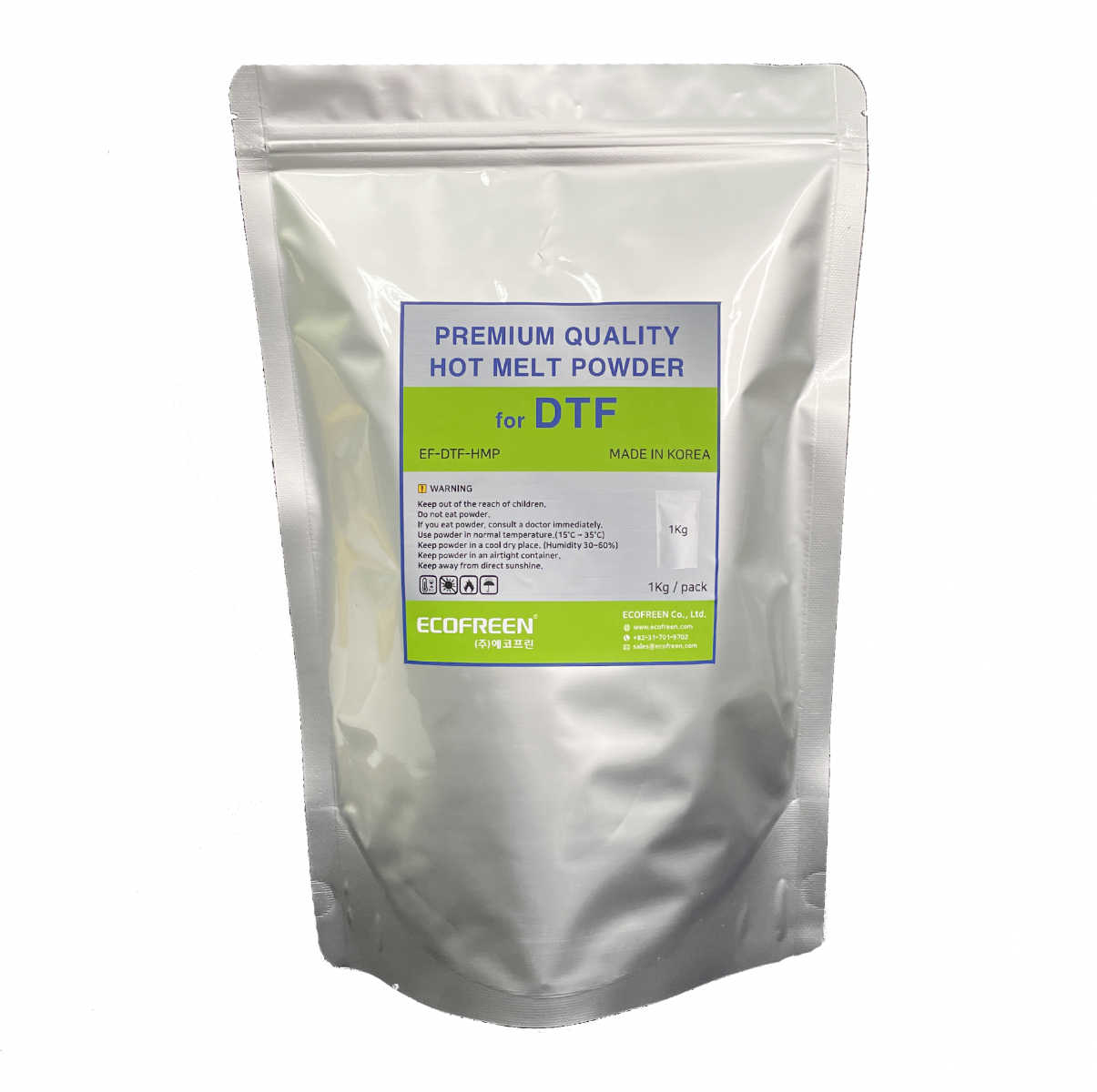
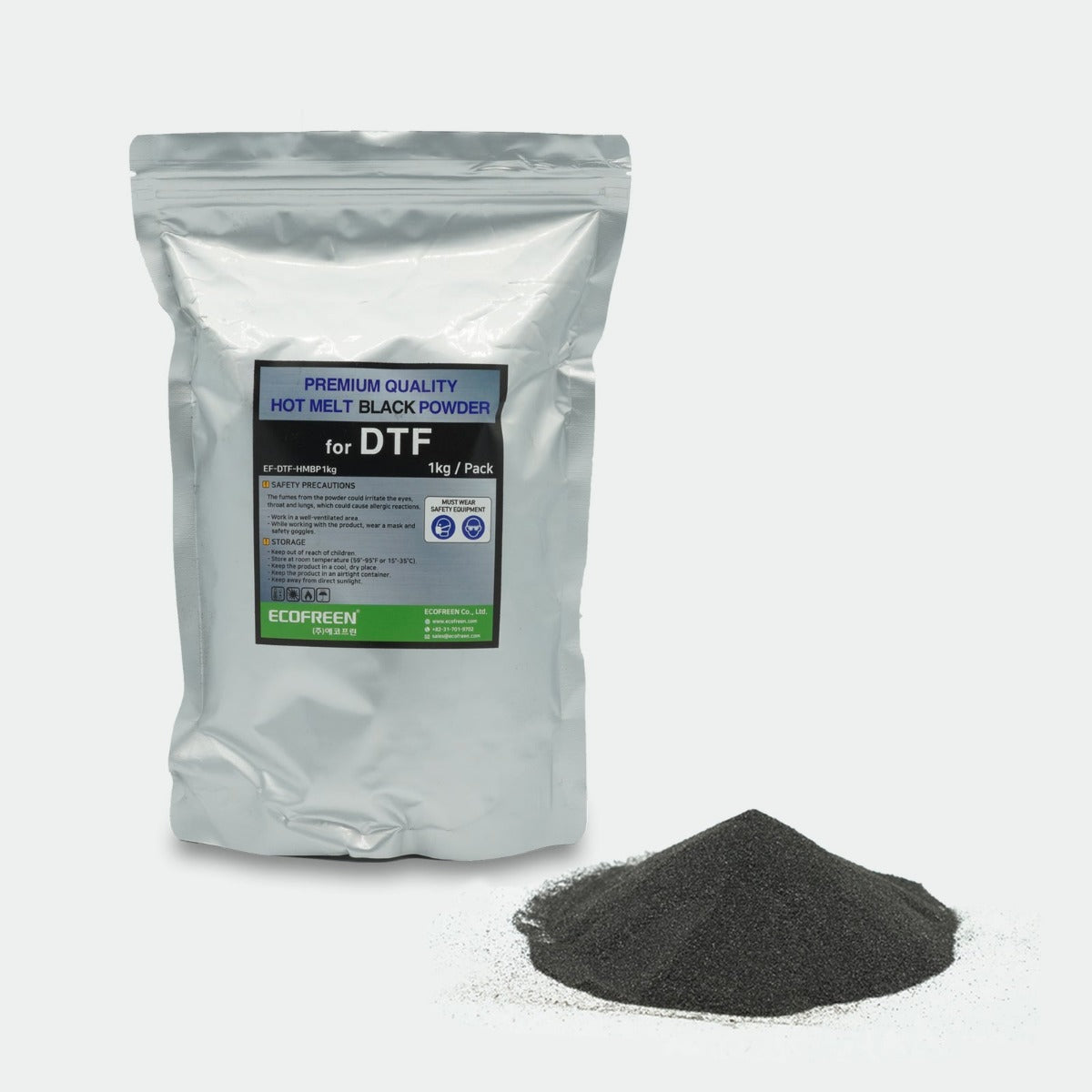
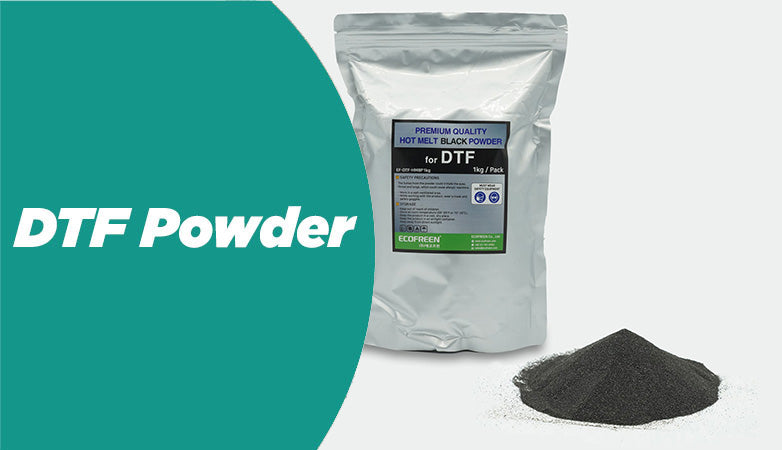
After printing, you apply hot melt adhesive powder to the wet ink. This powder is what actually bonds your design to the fabric when heat is applied.
Without powder, your design won't stick. Use too much, and the transfer feels stiff or cracks. Use too little, and it peels off after washing.
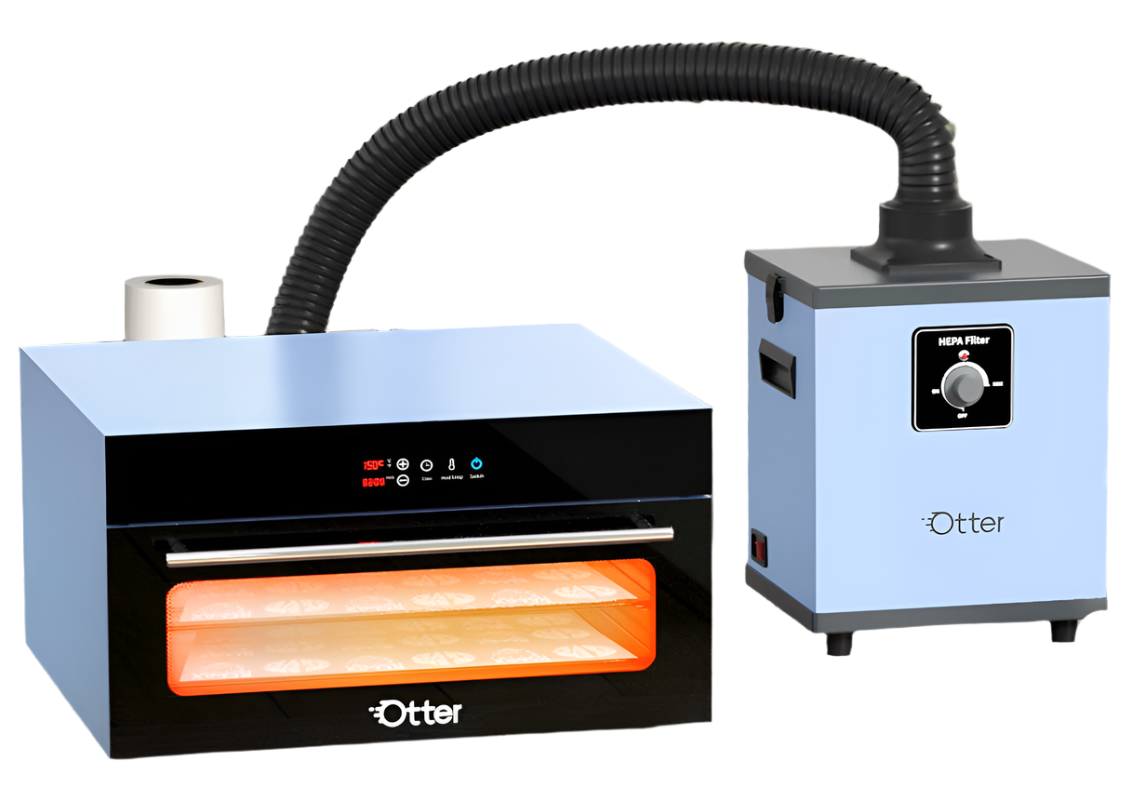
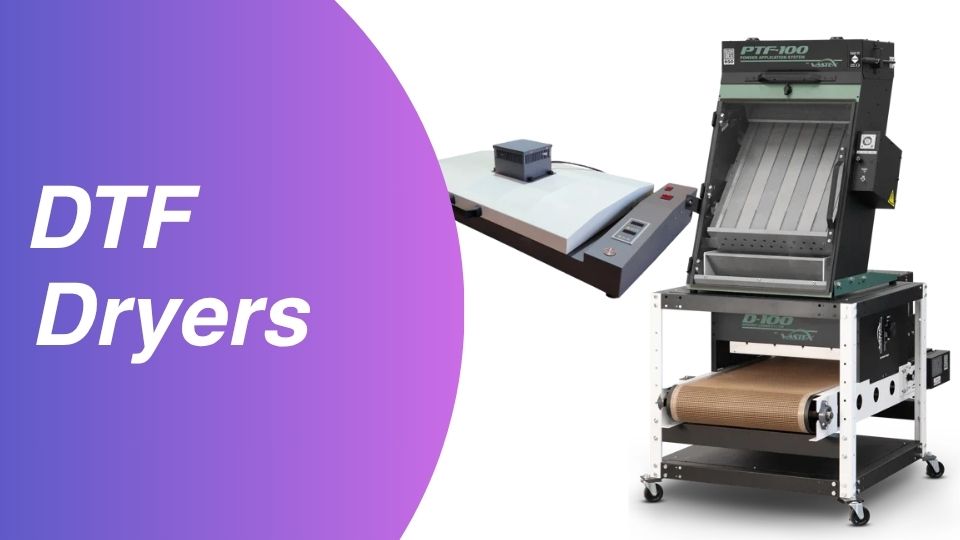
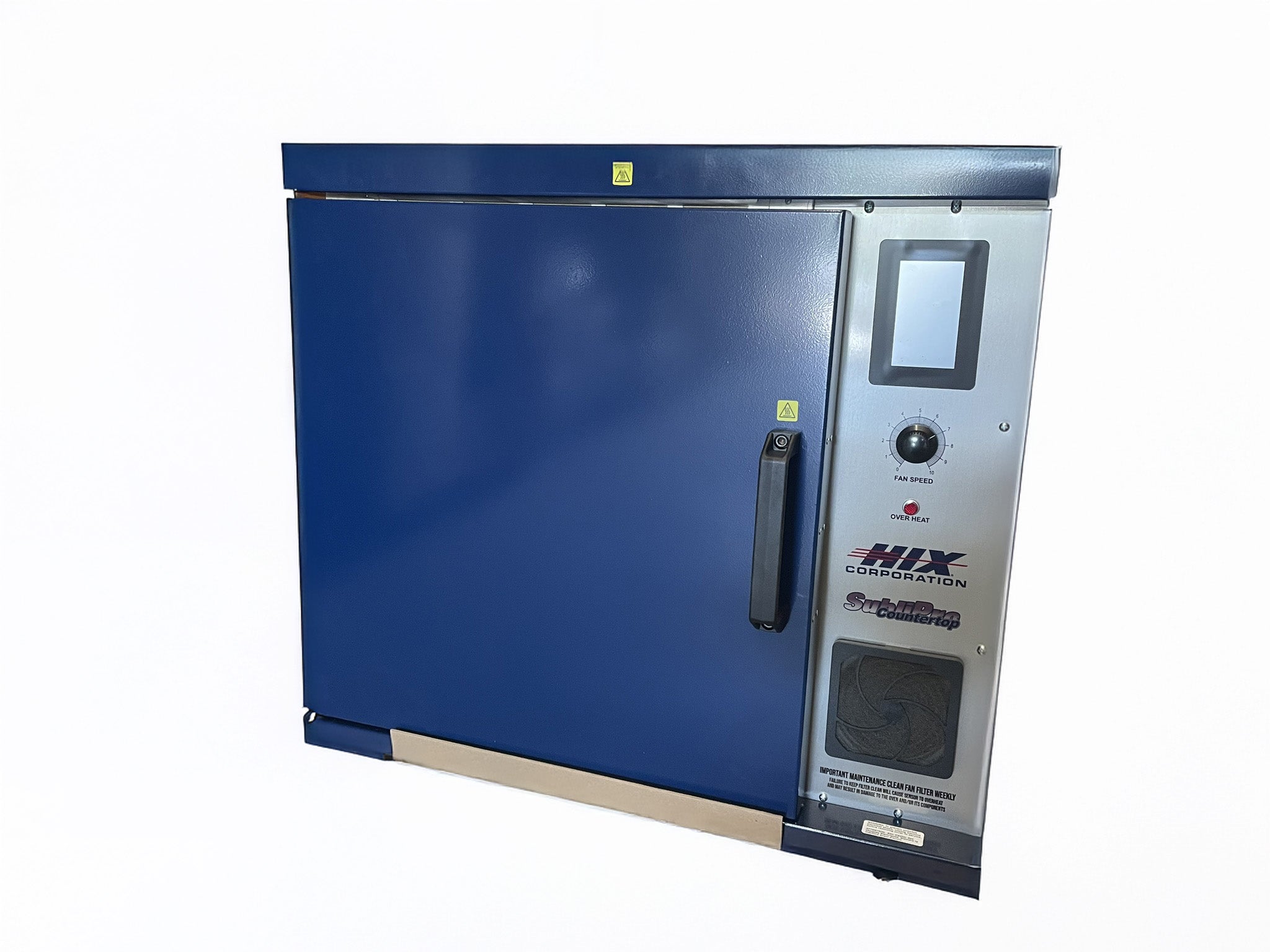
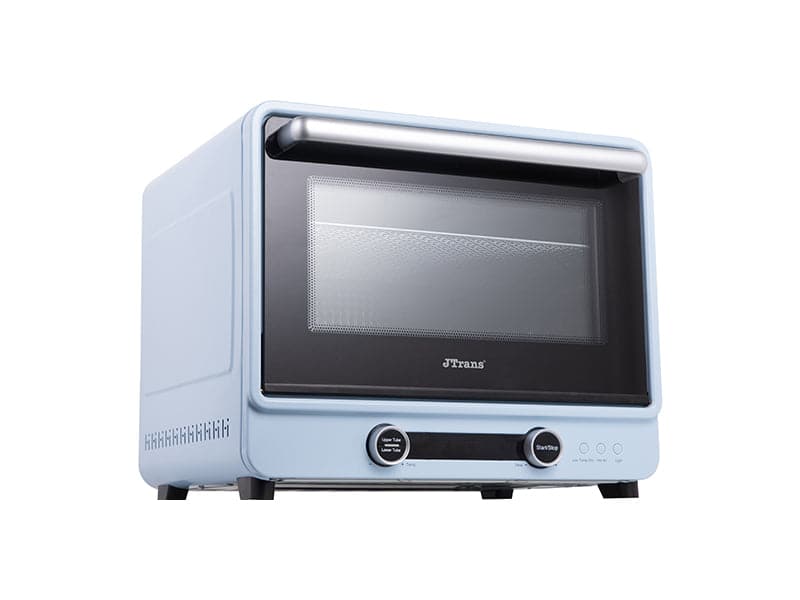
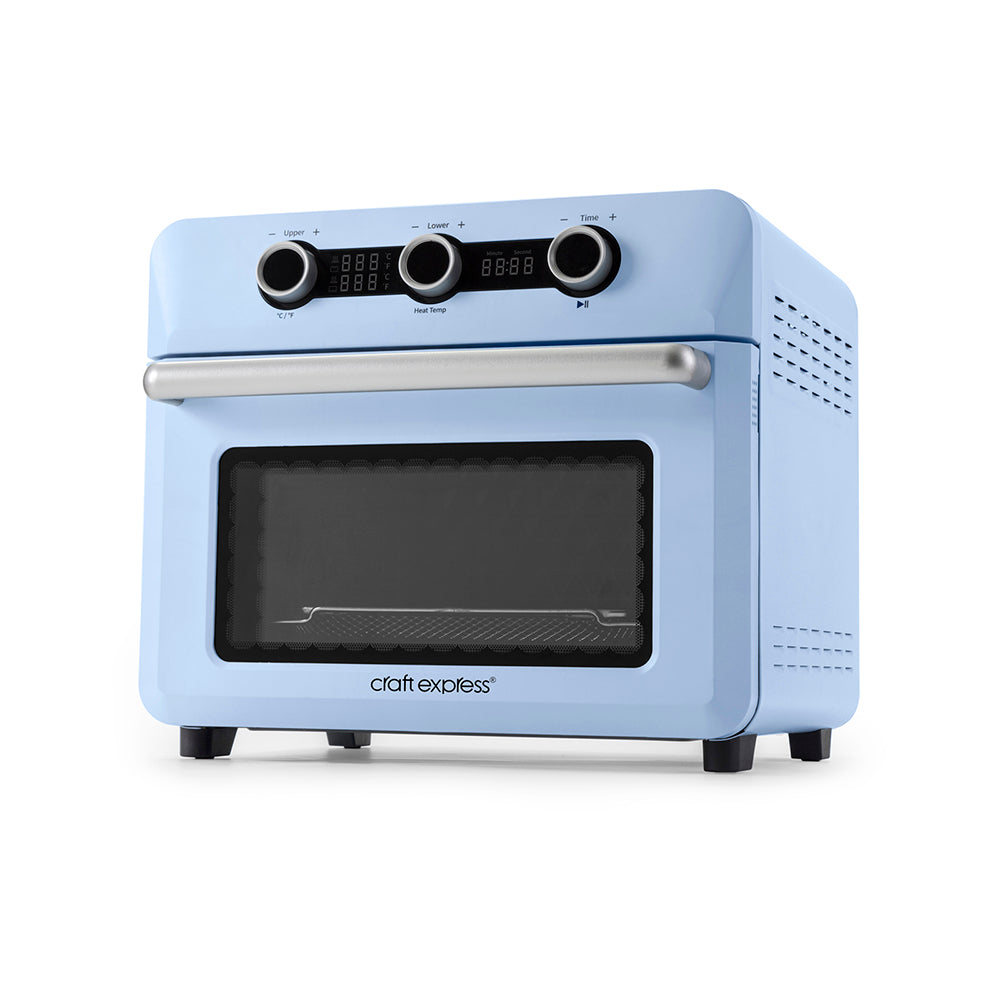
You'll also need a powder shaker to apply it evenly and a curing oven or heat tunnel to melt the powder onto the film. Budget $300 to $2,000 for powder application equipment, depending on automation level.
DTF Inks
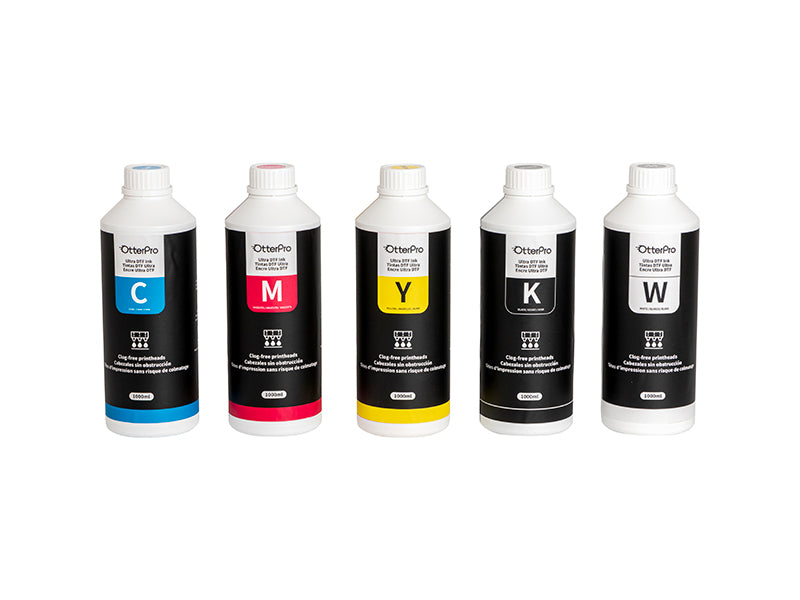
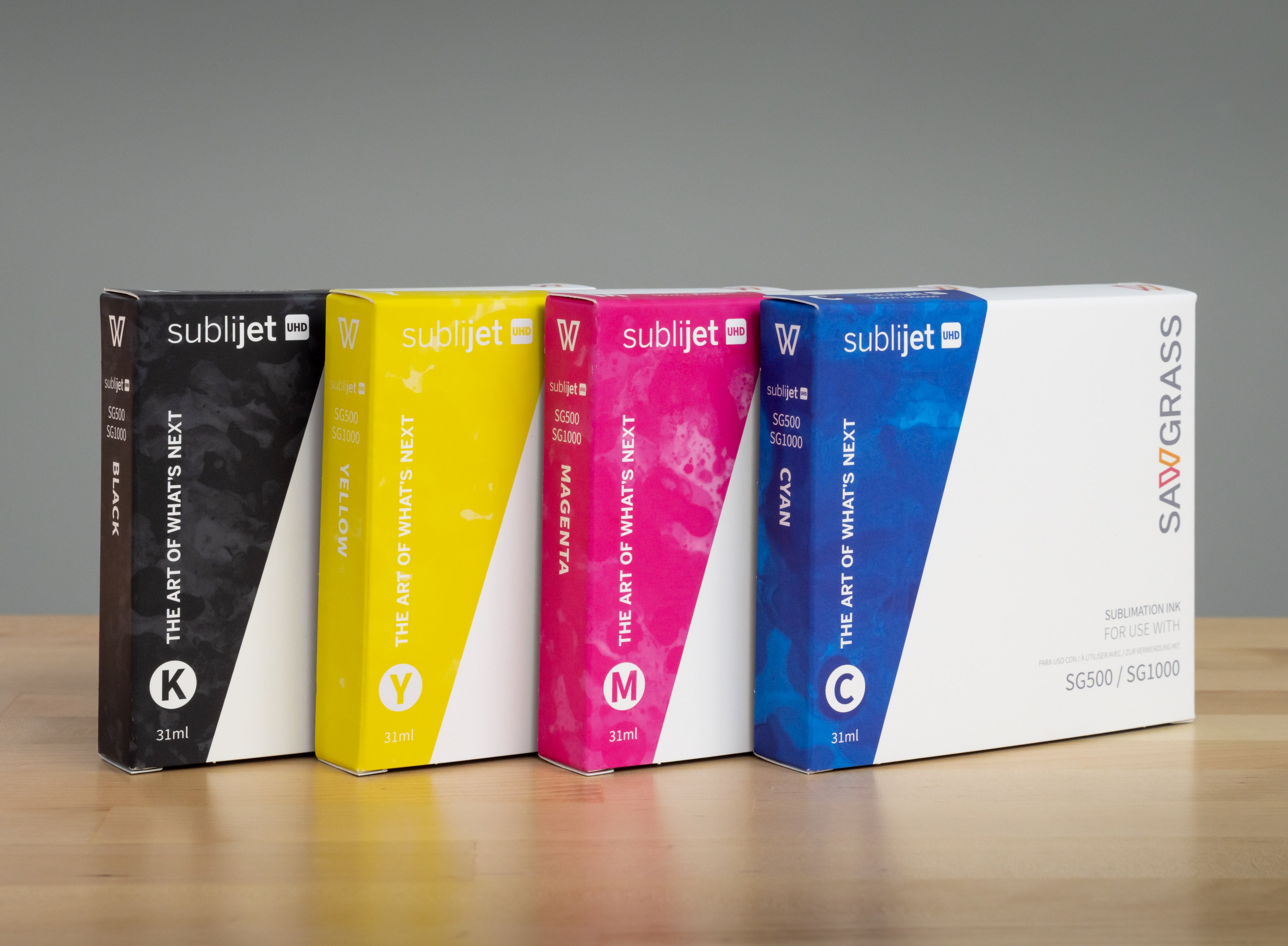
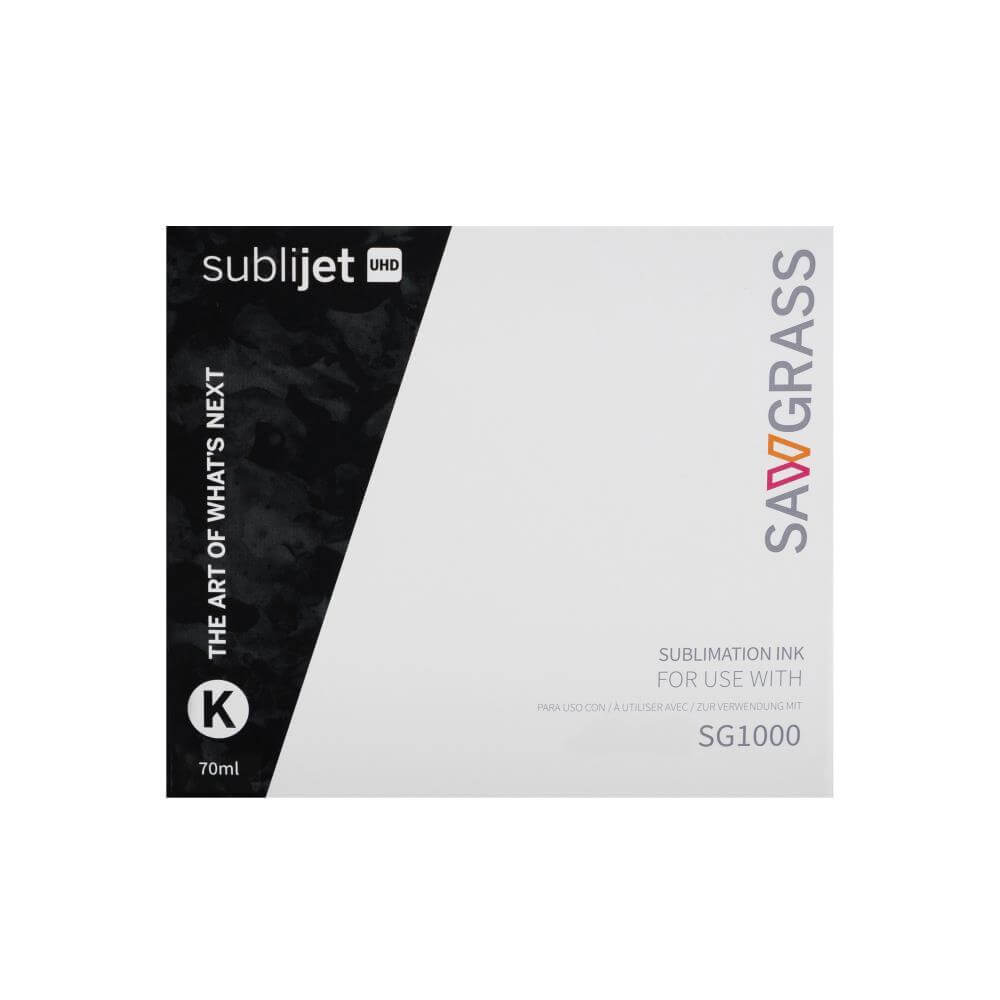
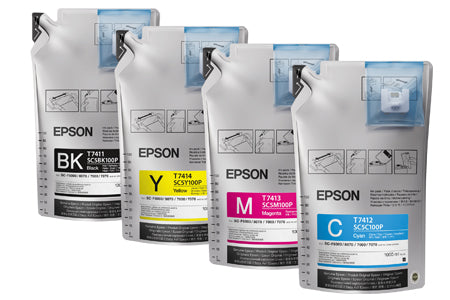
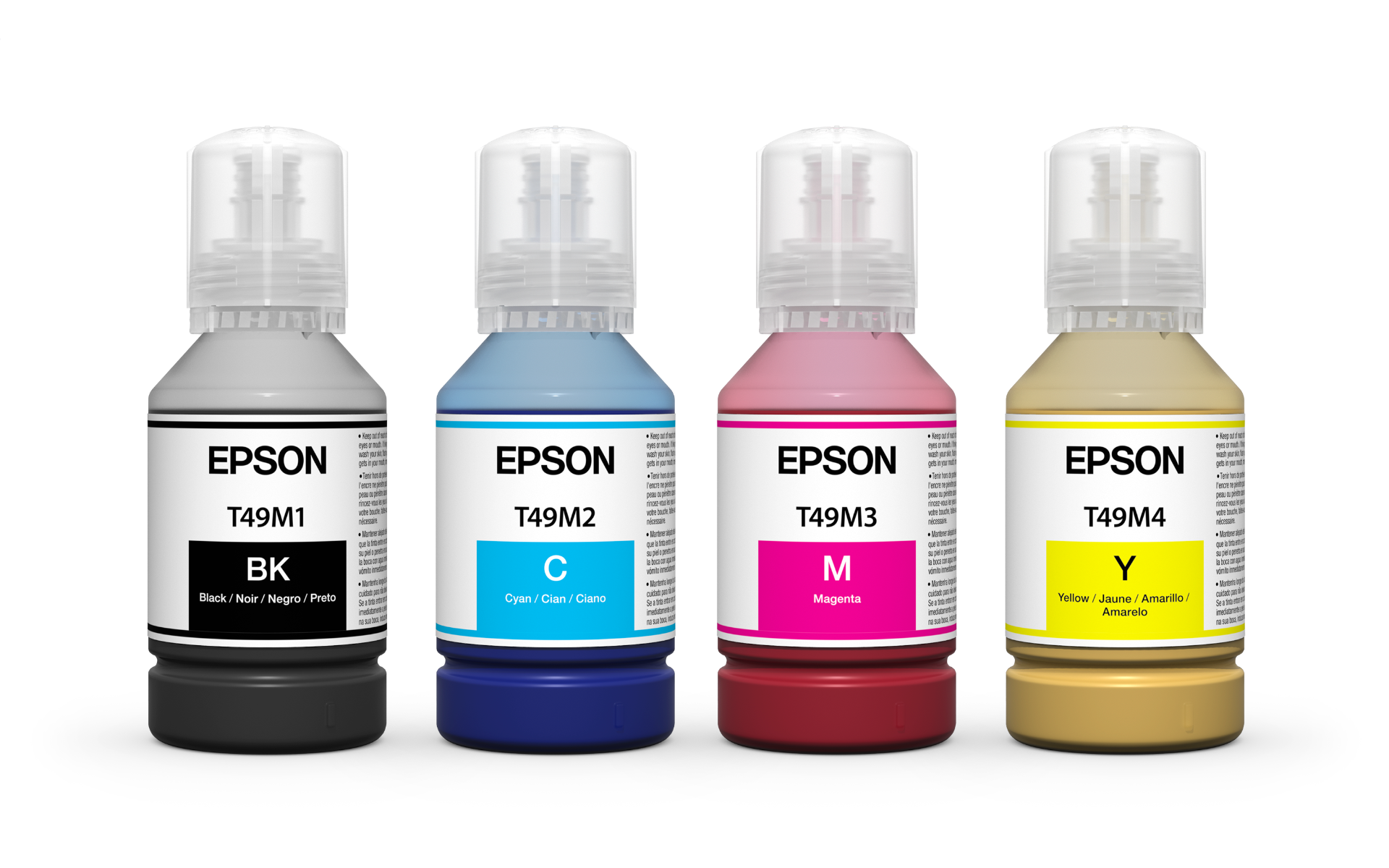
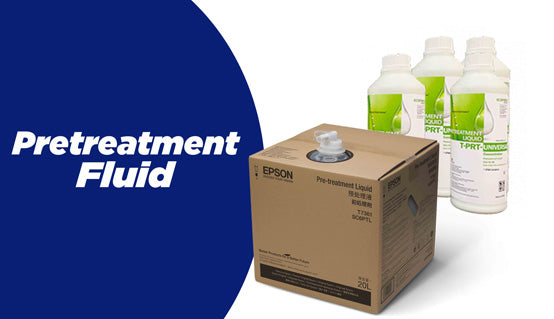
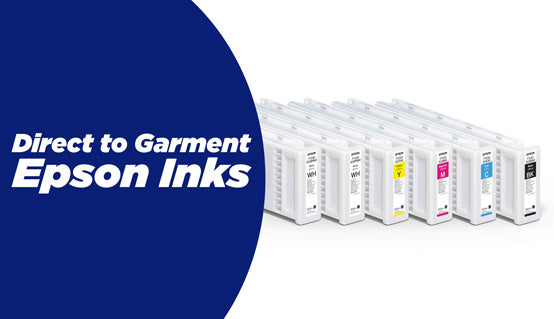
DTF printing requires CMYK inks plus white ink. The white ink acts as an underbase when printing on dark garments.
White ink settles and clogs easily. This is why DTF printers need circulation systems or daily maintenance. Ignore this, and you'll spend hundreds replacing printheads.
Ink costs vary, but expect $300 to $600 per liter set. A busy shop uses 1 to 3 liters per month.
RIP Software
RIP software (Raster Image Processor) controls your printer. It manages color profiles, white ink underbase, and print settings.
Most DTF printers include basic RIP software. Advanced options like Cadlink or ErgoSoft cost $500 to $2,000 but give you better color control and workflow automation.
Without proper RIP software, your colors will be off and your white ink coverage inconsistent.
Workspace and Ventilation
DTF printing produces heat and odor from the curing process. You need a dedicated workspace with proper ventilation.
A basement or garage works if you add exhaust fans or air filtration. Printing in an unventilated room causes headaches and violates workplace safety standards in Canada.
Budget $200 to $1,000 for ventilation equipment depending on your space size.
Three Starter Setups That Actually Work
| Setup | Weekly Volume | Investment | Best For |
|---|---|---|---|
| Beginner | 20–50 transfers | $7,000 – $10,000 | Testing demand, side hustle |
| Growing | 100–300 transfers | $13,000 – $21,000 | Consistent orders, local clients |
| Production | 500+ transfers | $25,000 – $50,000 | Scaling, wholesale, e-commerce |
Your equipment needs depend on your volume and goals. Here are three proven setups for different business stages.
Beginner Setup (Side Hustle)

This setup handles 20 to 50 transfers per week. It's designed for testing the market or running a side business from home.
- Entry-level DTF printer (24-inch width): $5,000 to $7,000
- 16x20-inch clamshell heat press: $800 to $1,500
- Manual powder shaker: $150 to $300
- Small conveyor dryer or heat gun: $300 to $800
- Basic RIP software (usually included with printer)
- Initial consumables (film, powder, ink): $500 to $800
Total investment: $7,000 to $10,000
This setup works if you're printing for local sports teams, small events, or custom orders. You'll do most tasks manually, which limits speed but keeps costs low.
Growing Setup (Consistent Orders)

This setup handles 100 to 300 transfers per week. It's for shops with steady demand who need better speed and consistency.
- Mid-range DTF printer (24 to 30-inch width): $8,000 to $12,000
- 16x24-inch swing-away heat press: $1,500 to $2,500
- Automatic powder shaker: $800 to $1,500
- Conveyor dryer with temperature control: $1,200 to $2,500
- Professional RIP software: $500 to $1,000
- Initial consumables: $1,000 to $1,500
Total investment: $13,000 to $21,000
This setup reduces manual labor and increases output. You can handle larger orders without working 12-hour days.
Production Setup (High Volume)

This setup handles 500+ transfers per week. It's designed for shops fulfilling wholesale orders or running e-commerce stores.
- Professional DTF printer (30 to 60-inch width): $15,000 to $30,000
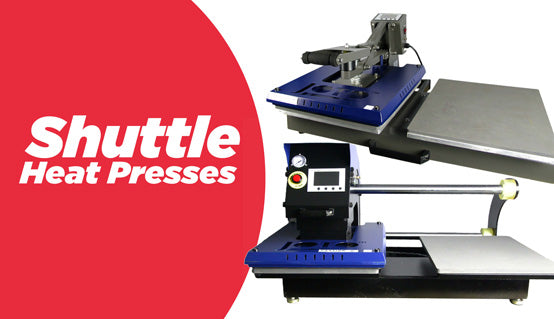
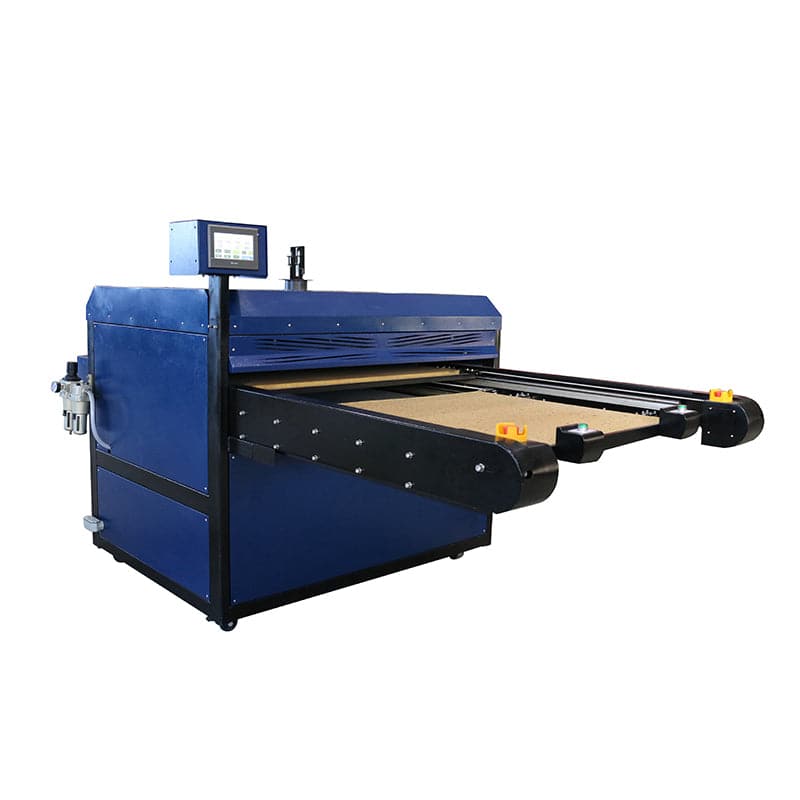
- Large-format or dual-platen heat press: $3,000 to $6,000
- Automatic powder application system: $2,000 to $4,000
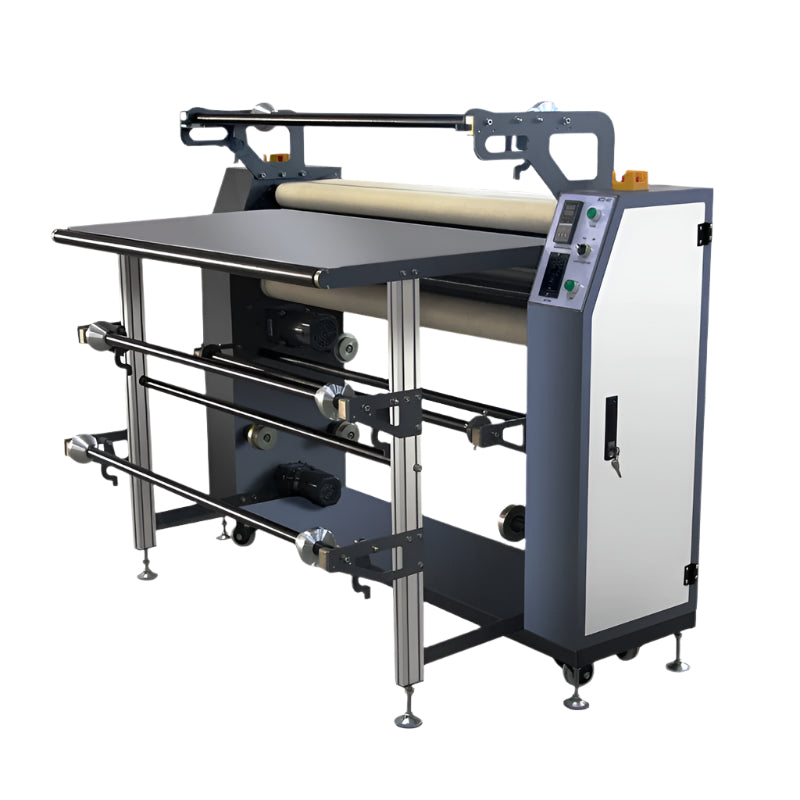
- Industrial conveyor dryer: $2,500 to $5,000
- Advanced RIP software with automation: $1,000 to $2,000
- Initial consumables: $2,000 to $3,000
Total investment: $25,000 to $50,000
This setup focuses on efficiency and scalability. You can run multiple jobs simultaneously and maintain consistent quality across large batches.
Common Mistakes That Cost Thousands
Most new DTF businesses make these mistakes. Here's what to watch for.
Buying Only the Printer
New buyers see a $5,000 printer and think that's the total investment. Then they realize they need a heat press, powder equipment, and consumables. By then, they're out of budget and can't complete orders.
Always calculate the full system cost, not just the printer price.
Ignoring Workflow Planning
DTF printing involves multiple steps: print, powder, cure, cut, press. If you don't plan how these steps connect, you create bottlenecks.
For example, buying a fast printer but a slow manual powder shaker means the shaker limits your entire operation. Balance your equipment speed across all stages.
Underestimating Consumable Costs
Film, powder, and ink are ongoing expenses. A busy shop spends $500 to $2,000 per month on consumables.
Factor these costs into your pricing. Otherwise, you're losing money on every order even if customers are paying.
No Space for Curing Equipment
Powder needs to be cured at 160°C to 170°C. This requires a conveyor dryer or curing oven, which takes up space and needs ventilation.
Trying to cure transfers with a heat gun works for 5 transfers. It doesn't scale to 50 or 500.
Skipping Ventilation
DTF curing produces fumes. Working in an unventilated space causes health issues and violates Canadian workplace safety regulations.
Install proper exhaust or air filtration before you start production. Retrofitting ventilation later costs more and disrupts operations.
How This Connects to Your Total Investment
The equipment breakdown above gives you the hardware costs, but your total startup investment includes more than just machines.
You also need to budget for business registration, consumable inventory, workspace setup, and working capital to cover your first month of operations before revenue starts coming in.
For a complete financial picture including all hidden costs most beginners miss, read our detailed guide on how much it costs to start a DTF printing business in Canada.
That article breaks down licensing fees, insurance requirements, bulk consumable purchases, and how to calculate your break-even point based on realistic pricing models.
Choosing Your Starting Point
Pick your setup based on your current situation, not your dream scenario.
If you have zero customers today, start with the beginner setup. Prove market demand before investing $20,000 in equipment you might not need yet.
If you already run a print shop or have consistent custom apparel orders, the growing setup makes sense. You'll recoup costs faster because you have existing cash flow.
If you're adding DTF to an established operation with existing wholesale accounts, the production setup is justified. You need the capacity to handle volume without creating bottlenecks.
There's also a fourth option: outsource your DTF printing while you build your customer base. This eliminates equipment investment entirely and lets you test pricing and marketing before committing capital.
Our comparison guide on DTF outsourcing vs in-house printing explains when outsourcing makes more financial sense than buying equipment, especially in your first 6 to 12 months.
What to Do Next
Now that you understand what a complete DTF system requires, your next step is choosing the specific printer that fits your setup.
Not all entry-level printers are equal. Some have better support in Canada. Others offer more reliable white ink systems. Price alone doesn't tell you which machine will still be running smoothly in 18 months.
Our guide to the best DTF printers for beginners in Canada compares the top models based on print quality, reliability, Canadian warranty coverage, and availability of local parts and service.
Read that guide to narrow down your printer options. Then come back to the setup frameworks above to calculate your total system cost including all supporting equipment.
A DTF printing business is a system, not a single machine. Plan every component, budget for the complete workflow, and choose equipment that matches your actual order volume today.
Frequently Asked Questions
How much does it cost to start a DTF printing business in Canada?
Most beginners start between $7,000 and $10,000. A growing setup ranges from $13,000 to $21,000, while production setups can exceed $25,000 depending on automation and capacity.
Can I start a DTF printing business from home?
Yes. Many businesses start in a garage or basement. You’ll need proper ventilation, space for curing equipment, and a stable electrical setup to operate safely.
What is the profit margin in DTF printing?
Typical cost per transfer ranges from $1 to $2.50. Selling prices range from $5 to $10, depending on size and volume, leaving strong margins when production is efficient.