


















Skip to content
en
CAD

Bloom Your Business Into Profit

DTF Films

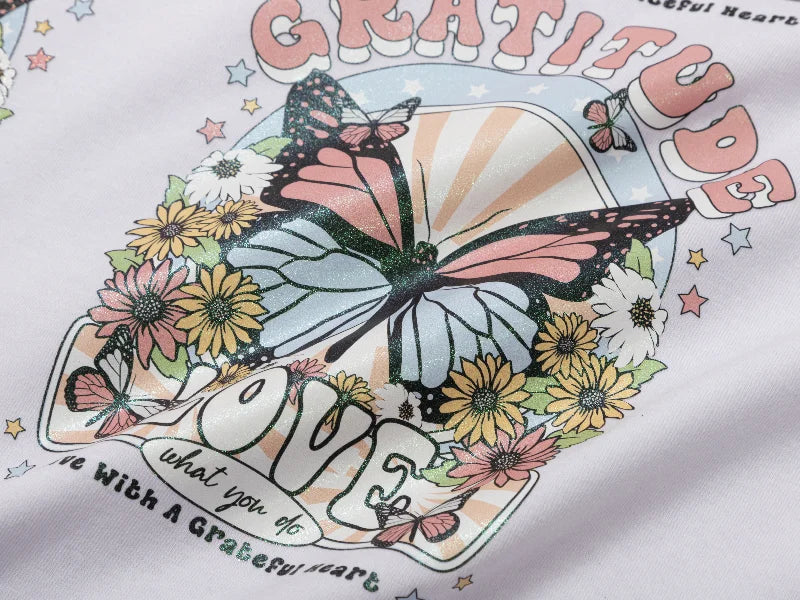
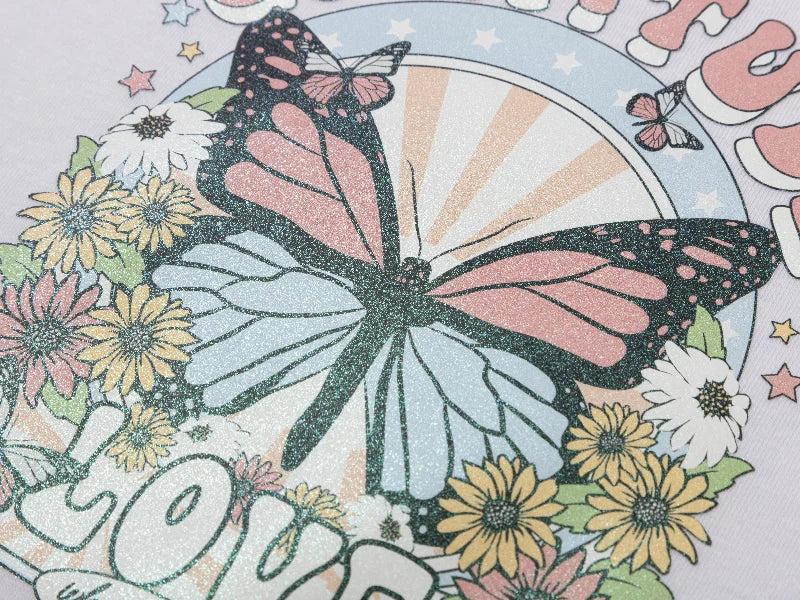
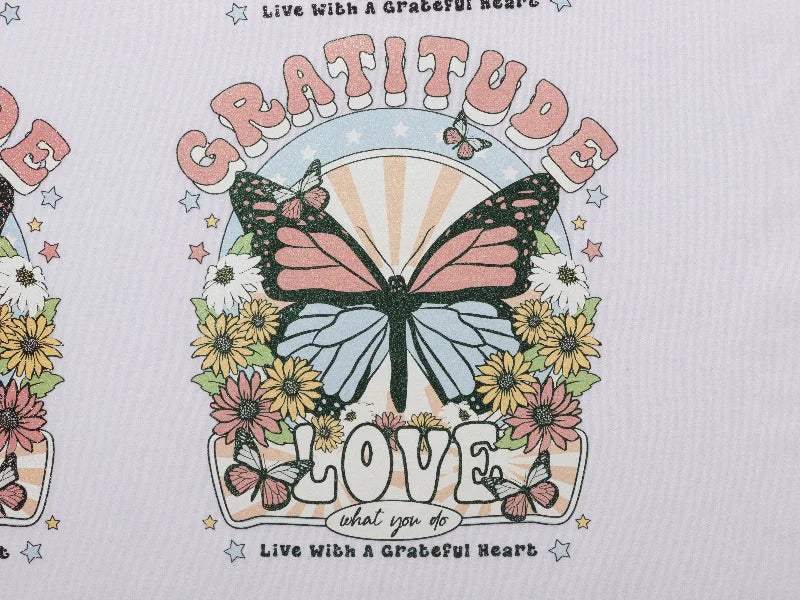
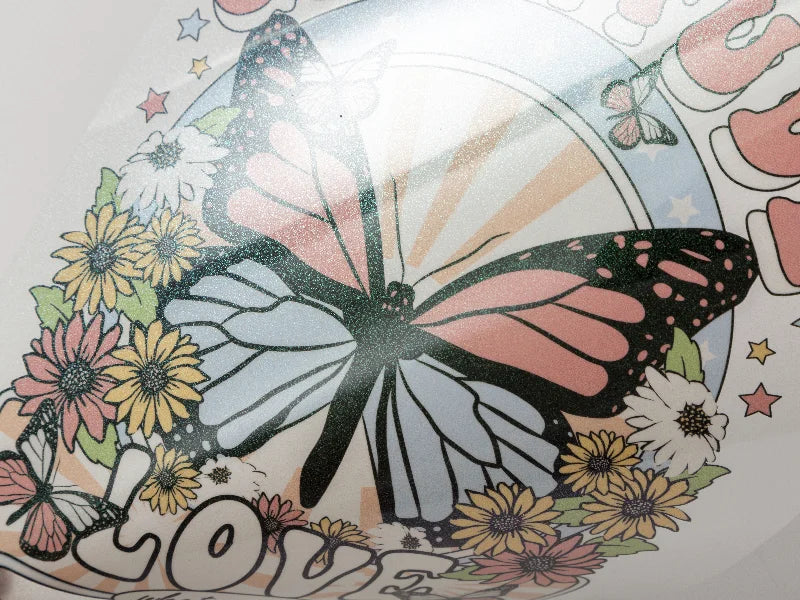
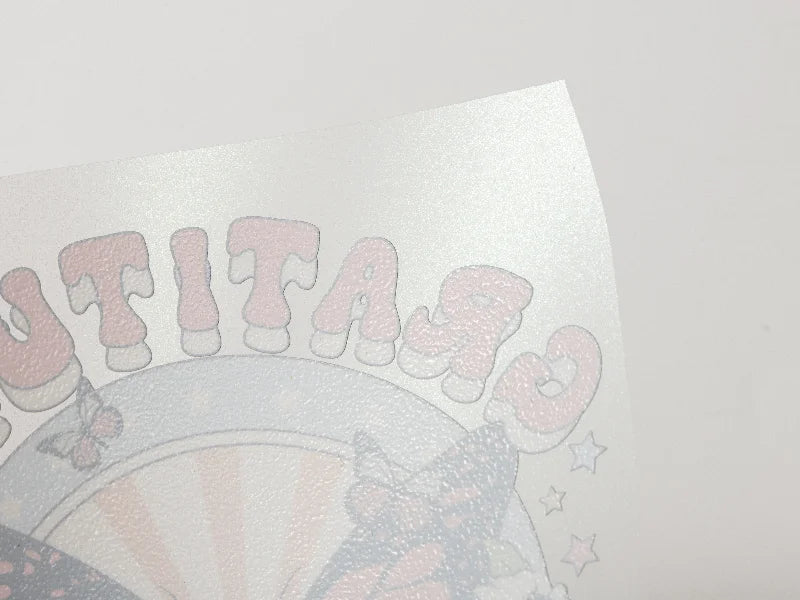
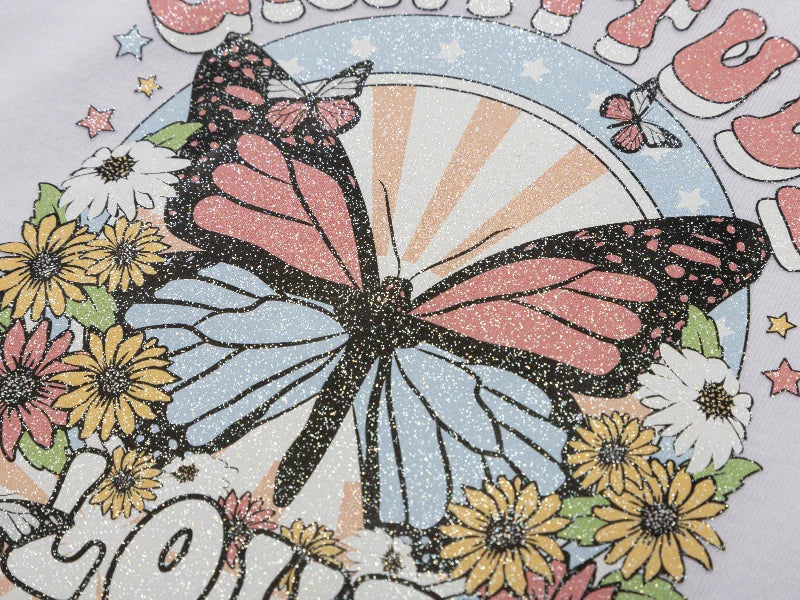
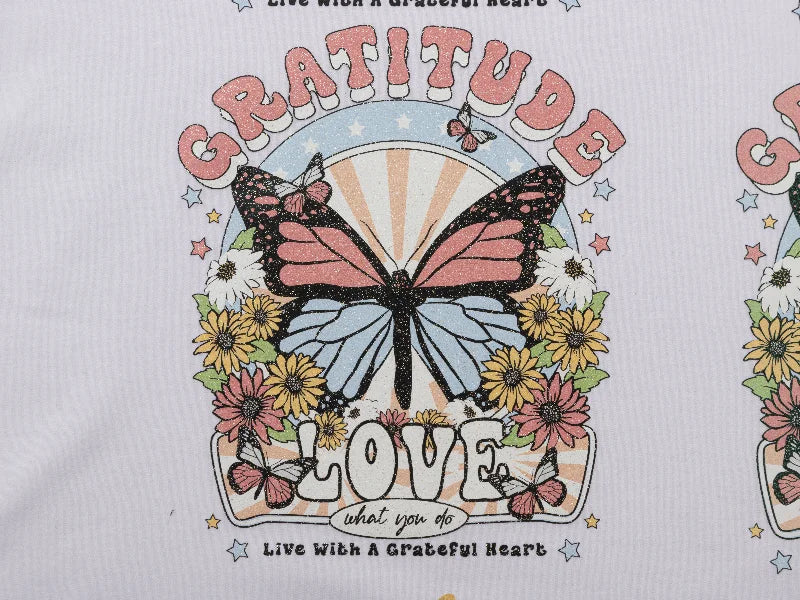
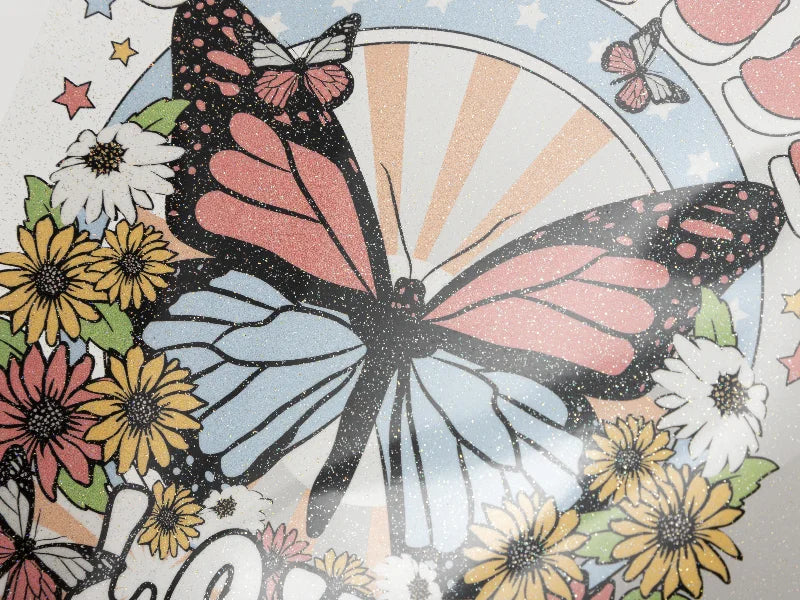
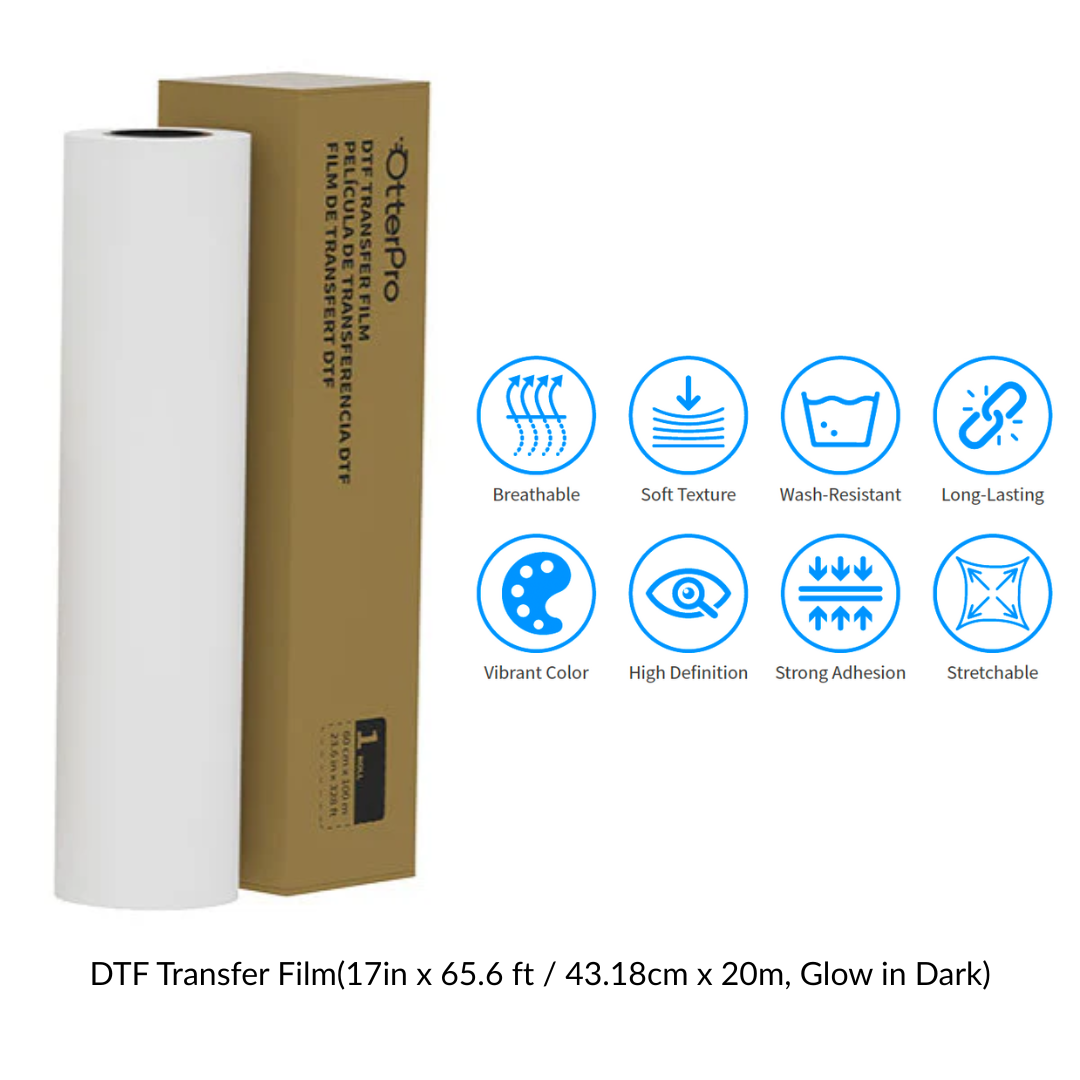
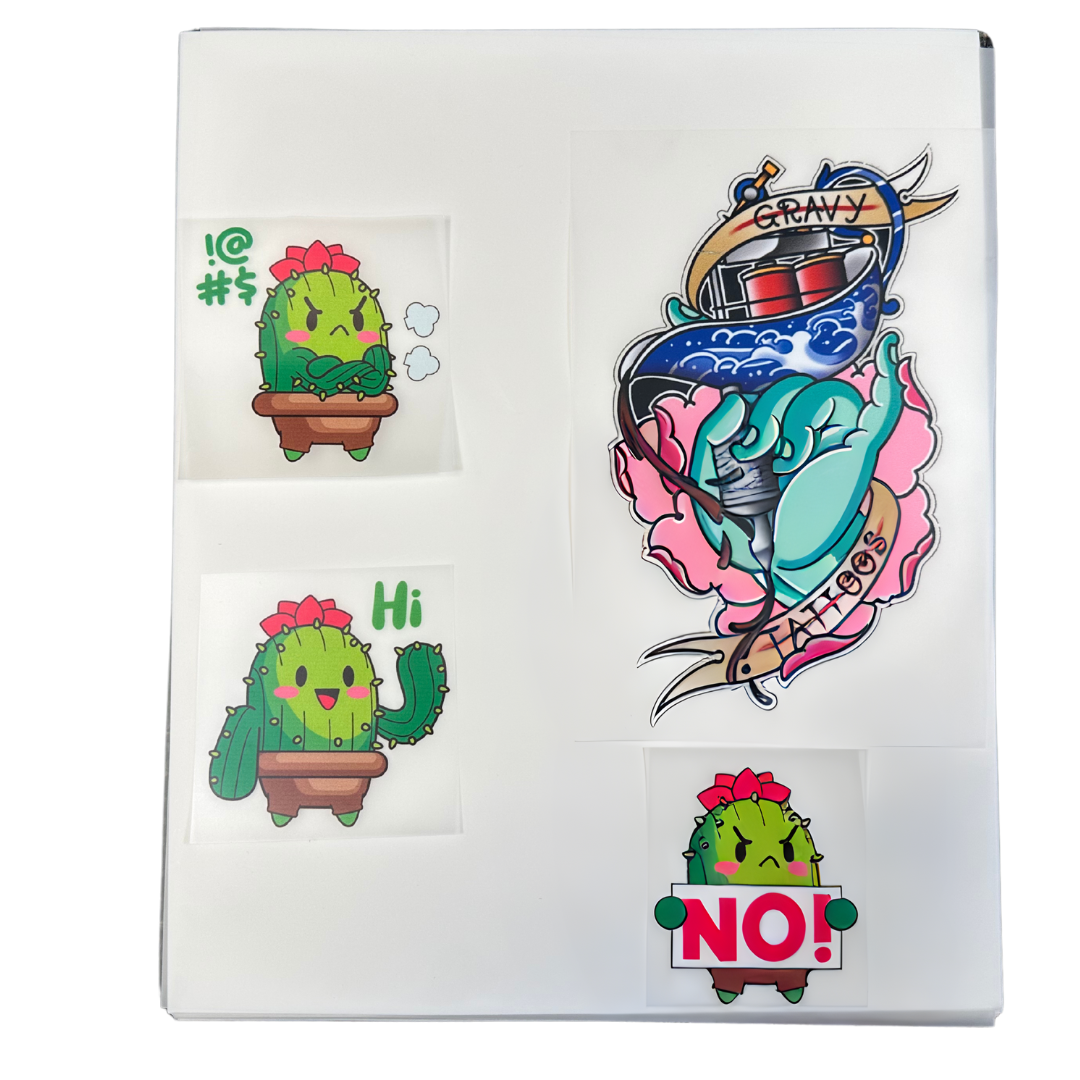
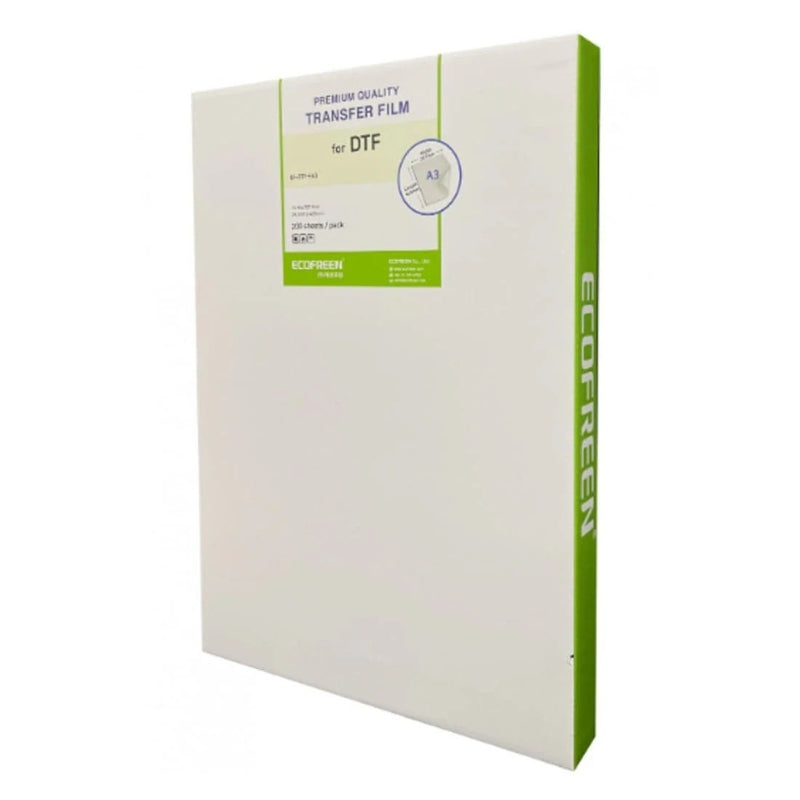
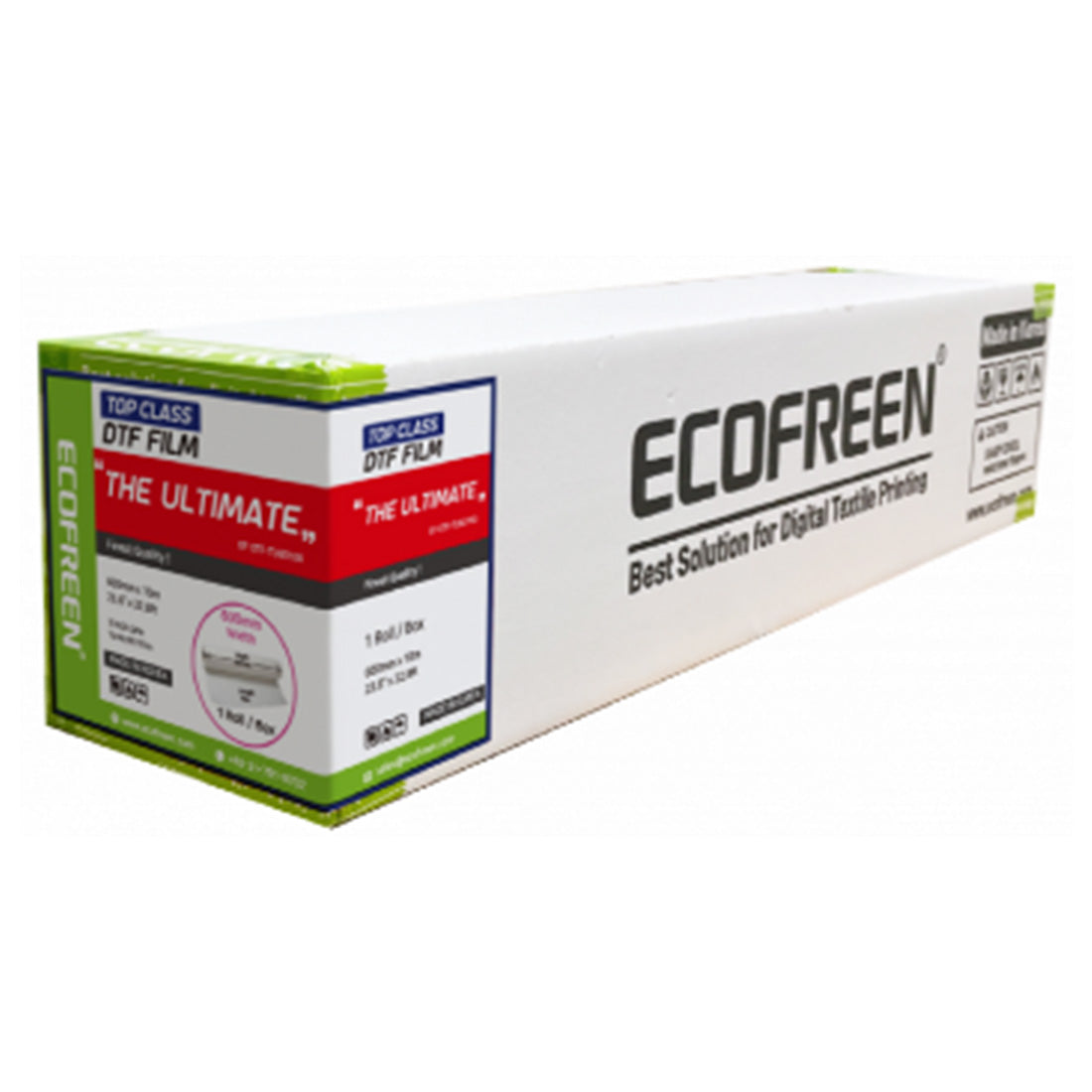
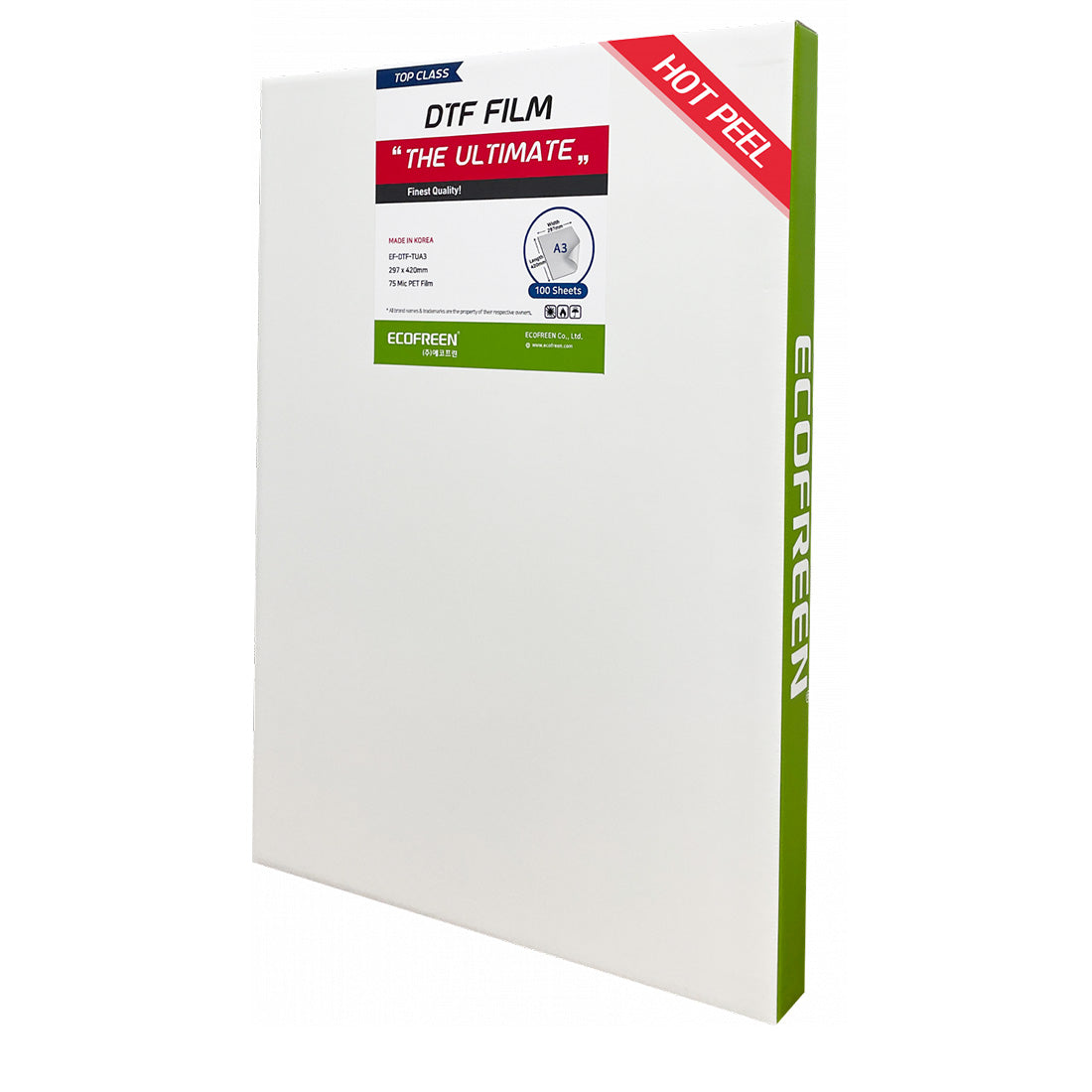
DTF Films – High-Quality Transfers for Vibrant, Long-Lasting Prints

Create professional, full-color transfers with our premium Direct-to-Film. Engineered for smooth ink absorption and flawless heat transfer, these films deliver bright, durable designs on a variety of fabrics.

Why Choose Our DTF Films:

  • Brilliant, High-Resolution Prints – Produces vivid, sharp images with exceptional detail.
  • Strong Adhesion & Durability – Designs stay bright and intact even after repeated washing.
  • Smooth Printing & Easy Release – Optimized coating ensures clean transfers and consistent results.
  • Versatile Fabric Compatibility – Works perfectly on cotton, polyester, blends, and more.

Whether you’re printing custom t-shirts, hoodies, or specialty apparel, our DTF Films help you achieve professional-quality prints that last. Shop now and take your garment printing to the next level!

Frequently Asked Questions:

What is DTF film and what role does it play in the direct-to-film transfer process?

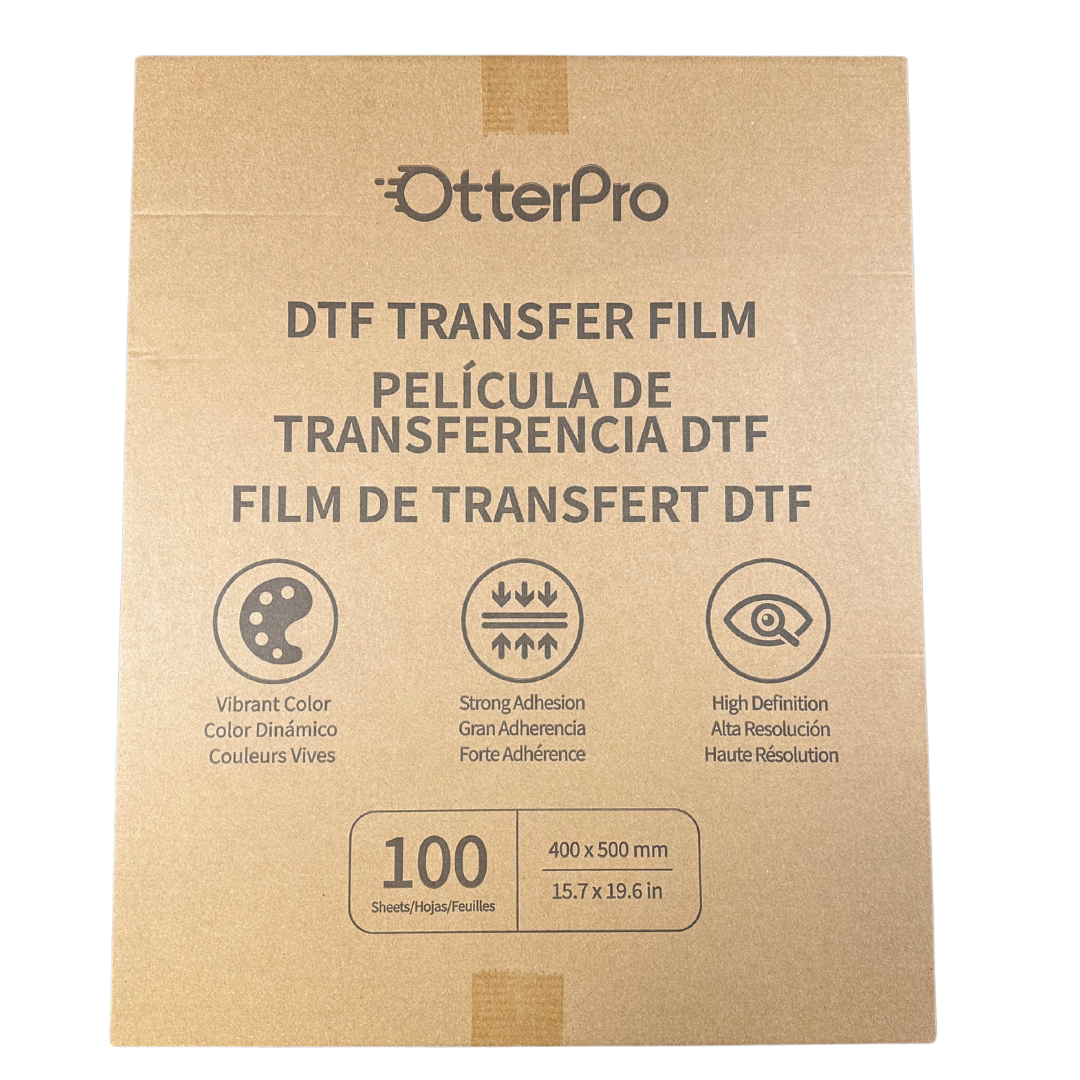
DTF film is a transparent PET (polyethylene terephthalate) carrier sheet onto which DTF inks are printed and adhesive powder is applied. After curing, the film holds the finished transfer until it is heat pressed onto the target fabric. The film's coating quality determines how cleanly the transfer releases from the carrier after pressing and how sharply detail is reproduced in the final print.

What film thickness and coating type produce the sharpest results on a 24-inch DTF printer at 720 dpi?

Most DTF printers perform optimally with 75-micron (0.075mm) PET film. Thinner film (50 micron) can feed inconsistently in some printers and wrinkles more easily during powder application; thicker film (100 micron) is more stable but costs more and can cause feed issues in printers with tight media paths. Use film with a matte coating on the print side — glossy film causes ink to bead rather than absorb, producing bleeding at fine edges.

Is DTF film compatible with all DTF printer brands, or does it need to match the printer manufacturer?

DTF film is largely printer-agnostic — most 75-micron matte PET films work across major DTF printer platforms from Epson-based to industrial units. The critical variable is coating absorbency: film must absorb DTF inks at the correct rate for your printer's ink drop size and printing speed. Run a short test print on any new film brand before committing to a full roll production run to verify ink adhesion, edge sharpness, and powder retention on that specific film-printer combination.

Why is the ink spreading or feathering at fine line edges on my DTF film prints?

Feathering at fine edges indicates the film's ink-absorbing coating is too aggressive or the ink density is too high for the film. Try reducing ink limits by 5–10% in your RIP software and test on the same film. If feathering persists, switch to a film with a tighter coating designed for high-density DTF inks. Also check that the film is stored correctly — moisture exposure causes coating swelling that makes ink absorption uncontrollably fast.

How long do cured DTF transfers stored on the film last before adhesion quality degrades?

Properly cured DTF transfers stored flat in a sealed bag at room temperature away from UV light remain fully usable for 6–12 months. After this period, the hot-melt adhesive gradually crystallises, reducing bond strength and wash durability after pressing. Label stored transfer batches with the production date and use a first-in, first-out rotation system. Transfers stored in high heat or humidity environments degrade significantly faster than this guideline suggests.

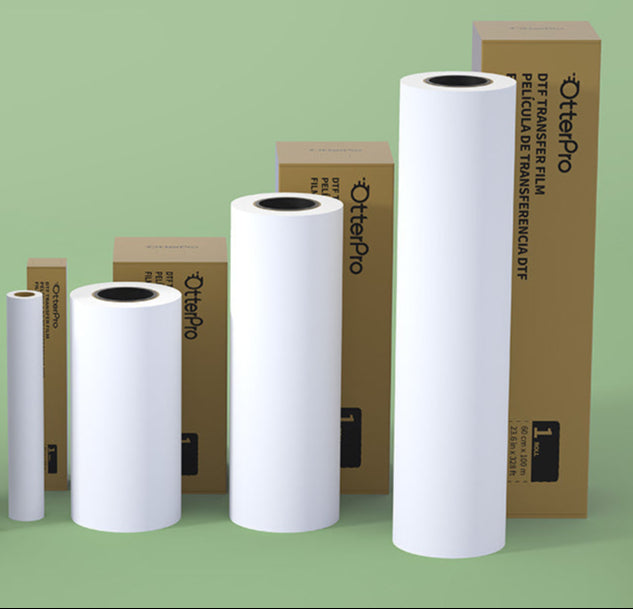
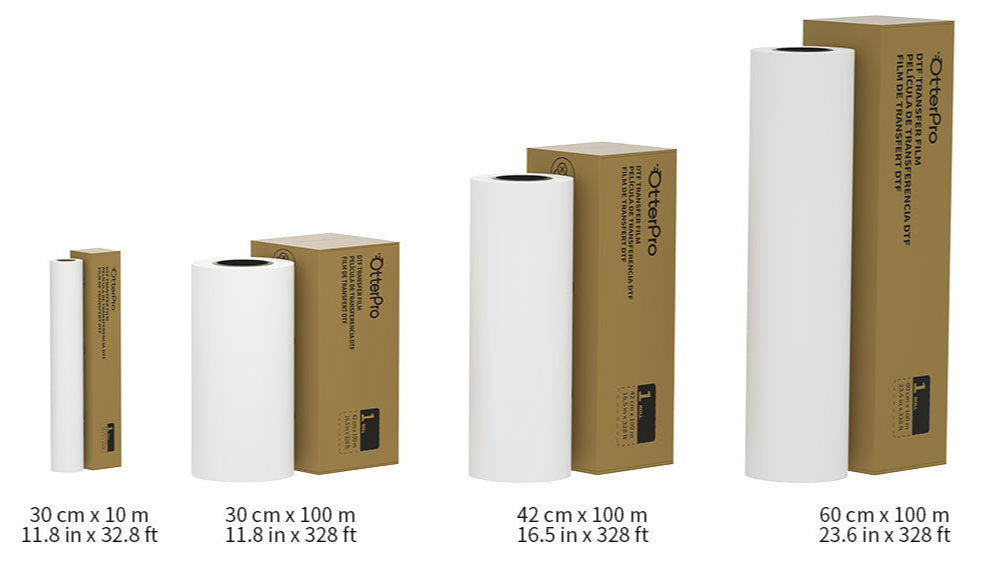
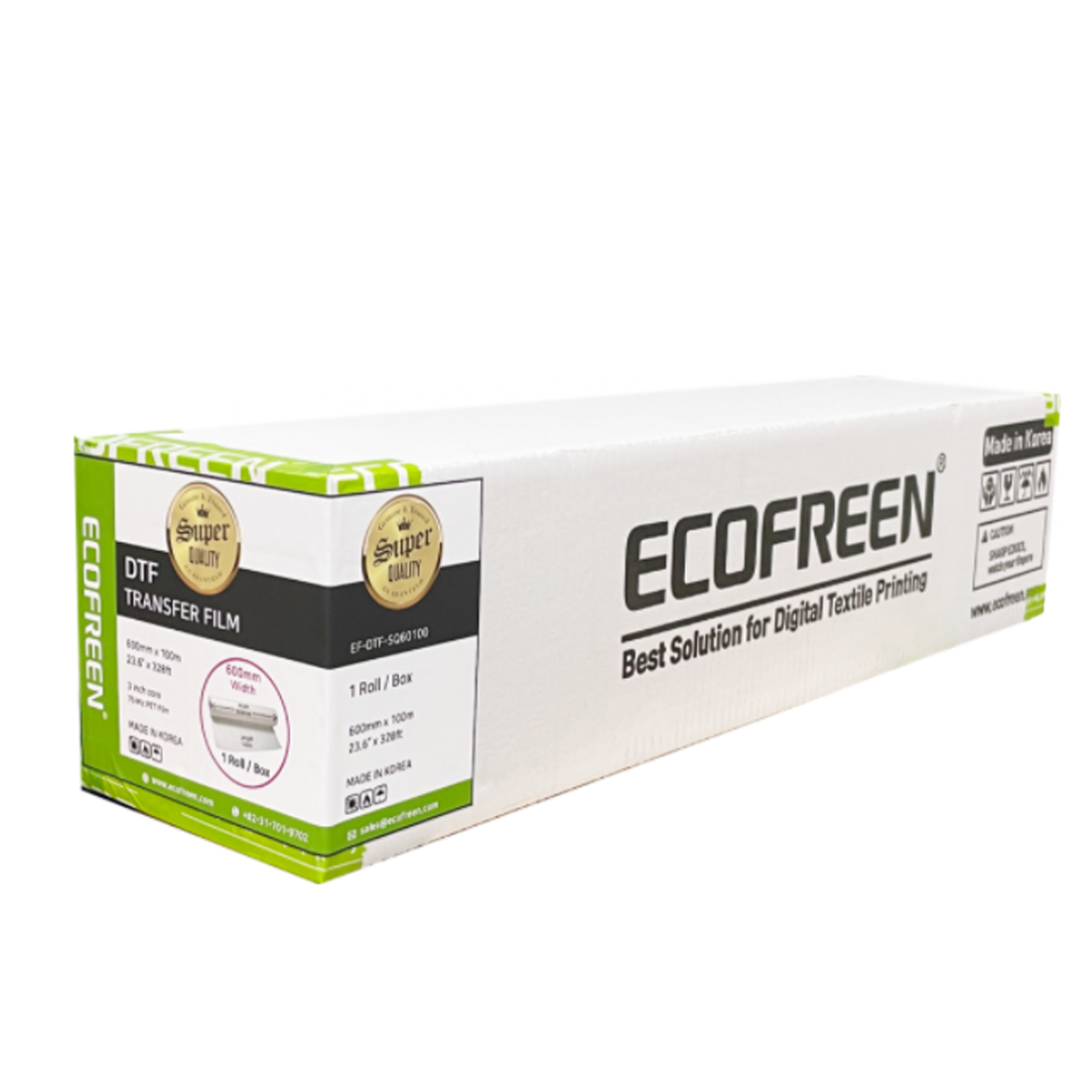
Is buying DTF film in bulk rolls more cost-effective than pre-cut sheets for a production print shop?

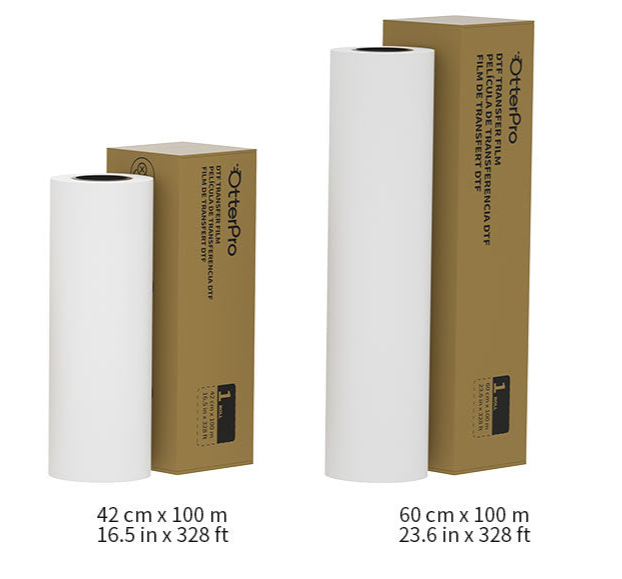
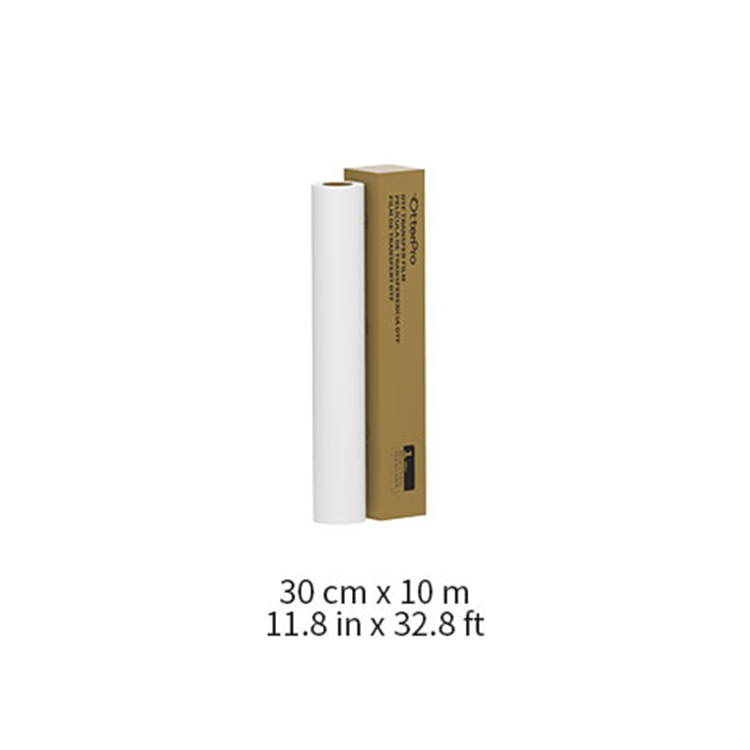
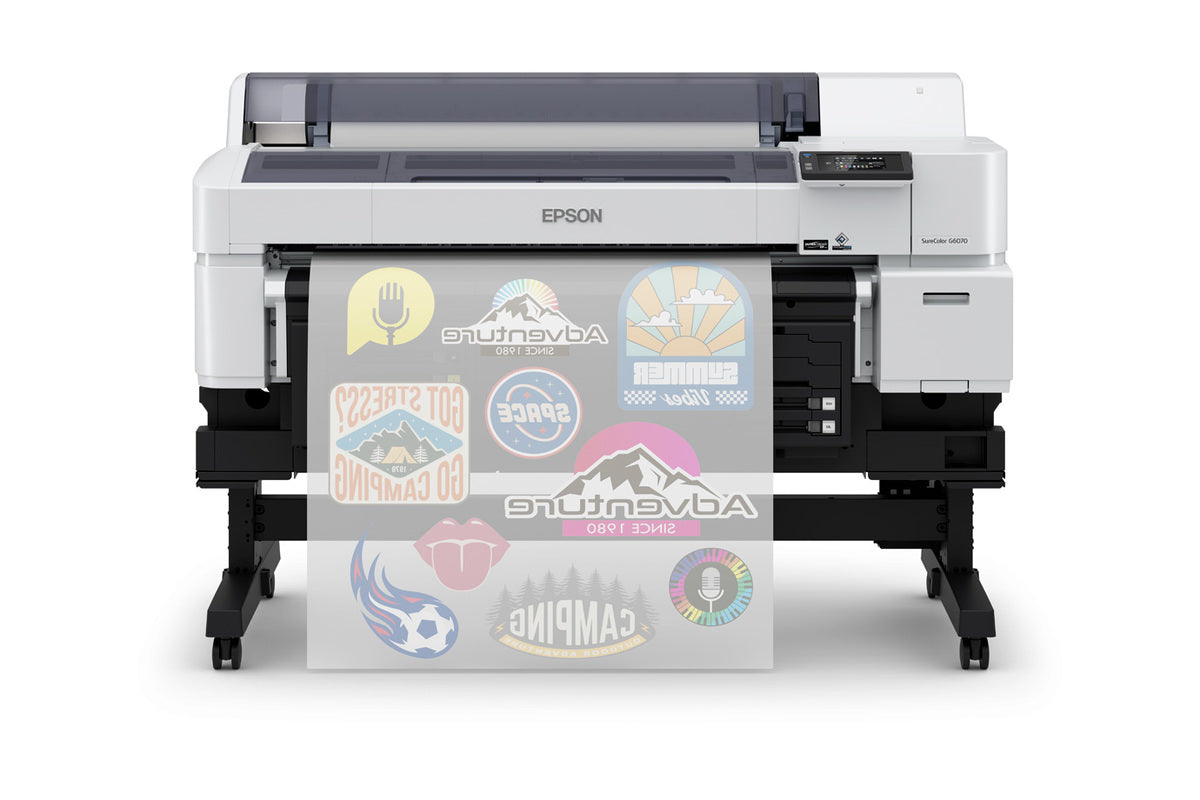
Roll film is consistently 30–50% lower in cost per square foot compared to pre-cut sheets and eliminates the manual cutting step for roll-fed printers. For a shop printing more than 50 letter-size transfers per day, switching from cut sheets to roll film typically saves $200–$500 per month in material costs at current film pricing. The trade-off is that roll film requires a printer with a roll feed mechanism — verify your printer's roll feed capability before purchasing bulk rolls.

What is the professional trick to prevent DTF film from curling upward at the edges after printing and before powder application?

Film curling after printing is caused by uneven moisture absorption in the coating layer — the printed side absorbs ink solvent and expands while the unprinted side does not. Work quickly: apply adhesive powder within 30–60 seconds of printing before the ink can dry unevenly. Pre-condition film rolls by storing them in the print room at the ambient temperature and humidity for 24 hours before use. A light anti-static pass with an ionising bar above the output tray also reduces curl caused by static charge differential.

What is the difference between cold-peel and hot-peel DTF film, and which produces better results on stretchy fabrics?

Cold-peel film must cool for 15–30 seconds after pressing before the carrier is removed, producing a slightly softer hand feel and better adhesion on most fabrics. Hot-peel film peels immediately after pressing, speeding production significantly. On stretchy fabrics like spandex and athletic wear, cold-peel film produces more reliable adhesion because the adhesive has time to fully bond while the fabric is held flat during cooling — hot-peel on stretch fabric risks partial delamination before the bond fully sets.

Are DTF films manufactured without hazardous substances that could affect worker safety during handling?

PET-based DTF films are considered low-hazard materials under normal handling conditions — PET is the same material used in food-safe bottles and packaging. The coating layer is proprietary but generally non-hazardous at room temperature. However, avoid heating film beyond its intended press temperature range, as PET degradation above 400°F (204°C) produces acetaldehyde vapours. Always cure DTF powder below 300°F (149°C) and press transfers within the recommended temperature range for the film.

How should I store DTF film rolls to prevent coating degradation and feeding problems?

Store DTF film rolls sealed in their original packaging in a cool, dry environment at 59–75°F (15–24°C) with humidity below 60%. Stand rolls vertically on their end caps or hang them on a roll holder — never lay rolls on their side for extended periods, as this causes permanent deformation of the roll core that leads to uneven film tension during printing. Keep film away from direct sunlight and heat sources, which degrade the ink-absorbing coating and cause the adhesive backing to pre-activate.

Drawer Title
Similar Products