














Skip to content
en
CAD

📦 Mississauga warehouse closed July 7–9. Orders shipping from ON may be delayed. Details at checkout.

OtterPro DTF Film


OtterPro DTF Film for Precise Printing

Produce flawless transfers with reliable OtterPro DTF Film.

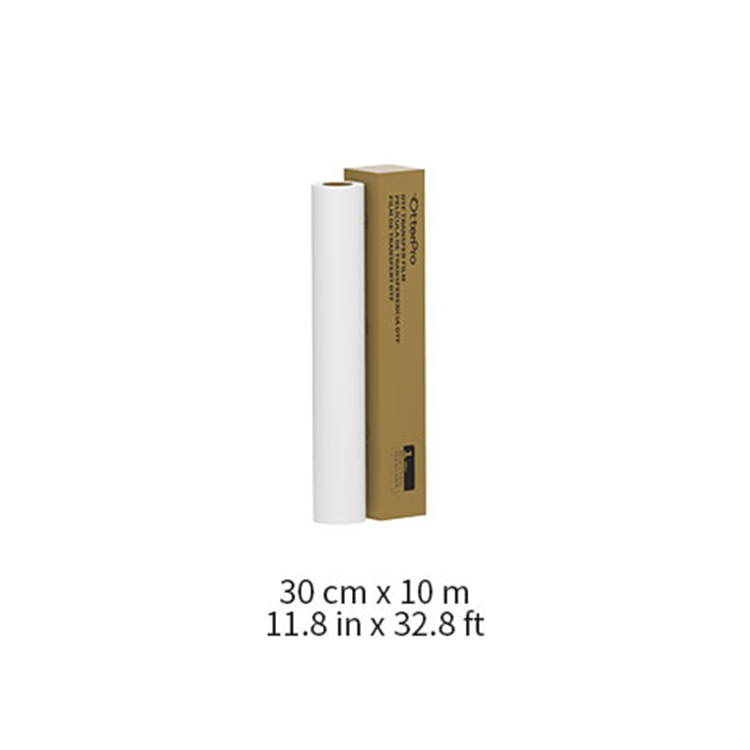
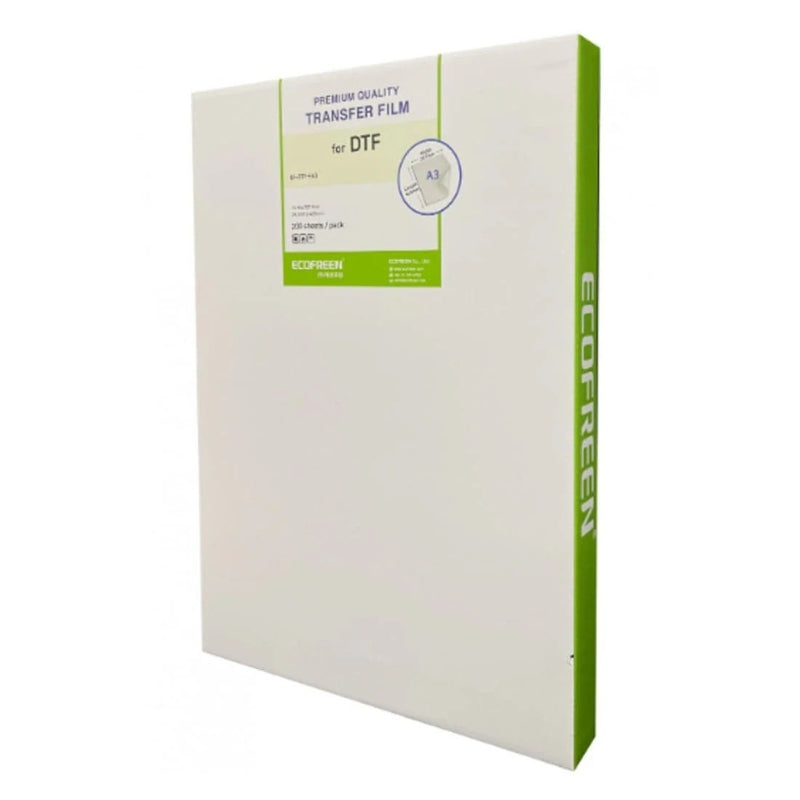
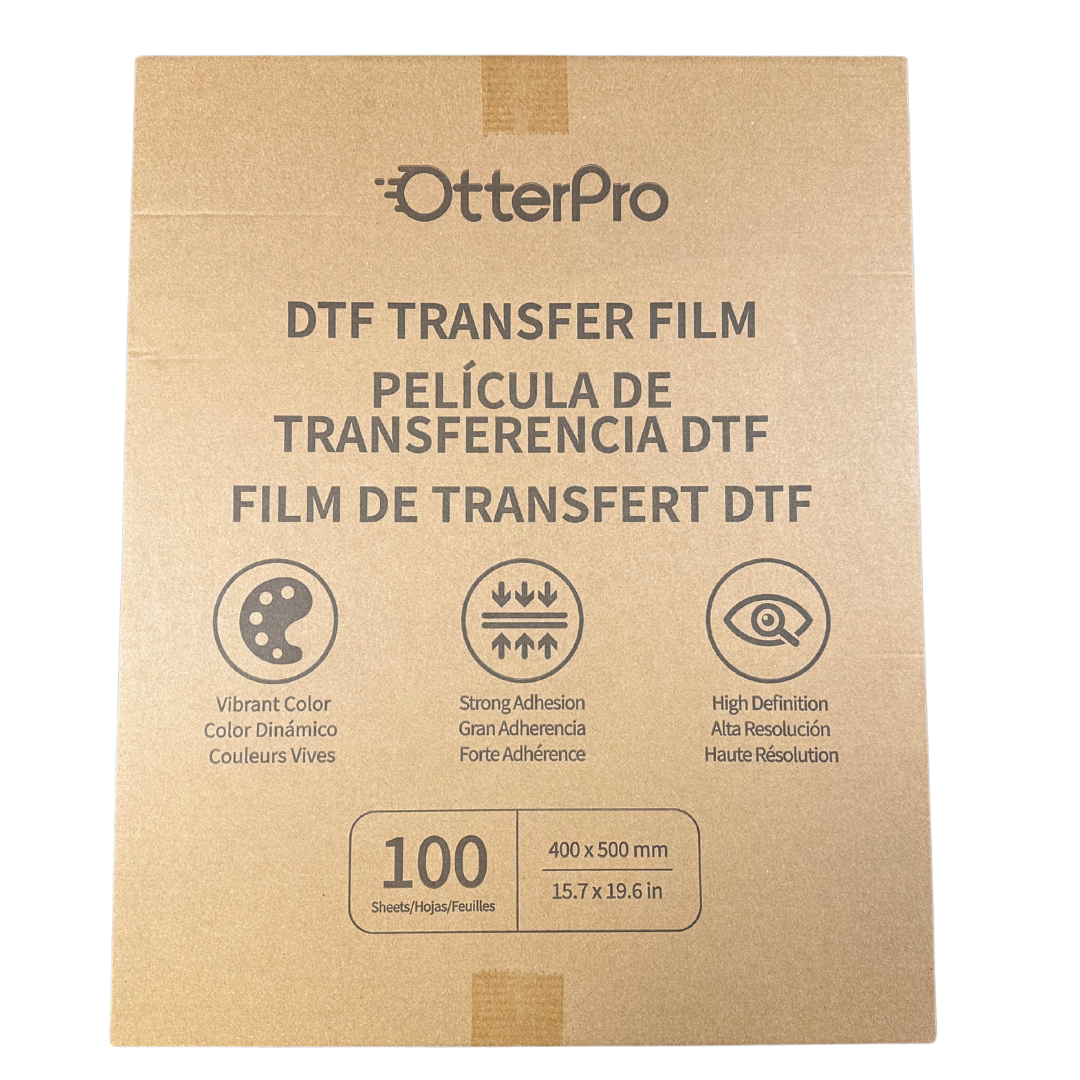
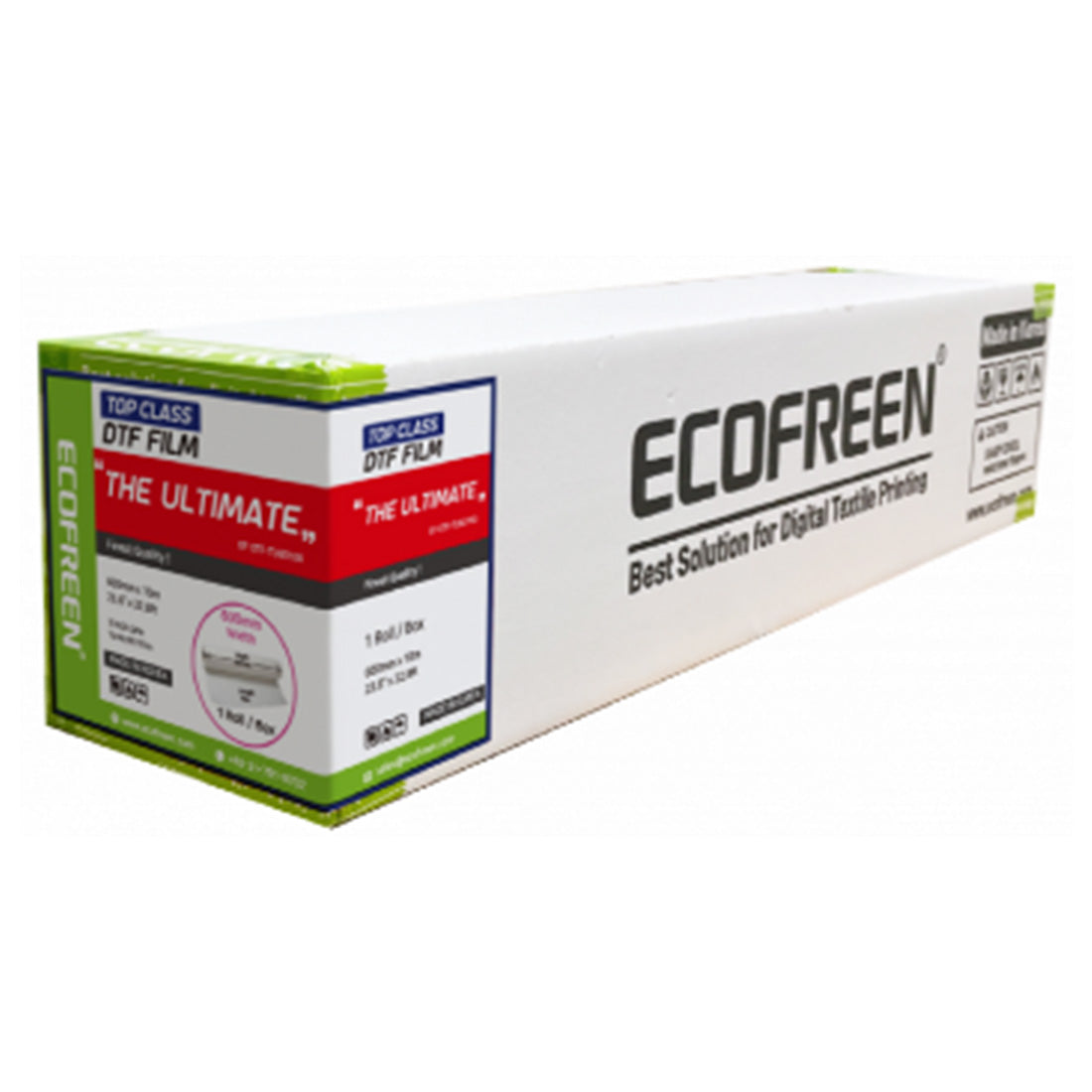
OtterPro DTF Film gives printers a dependable solution for vibrant, accurate designs. This film ensures smooth transfers, strong adhesion, and durable results that customers value. Print shops use it to expand product lines, improve quality, and meet demand with confidence. Easy to handle and consistent in performance, it supports efficient workflows and professional outcomes. With Joto Imaging Supplies, you also gain expert guidance, dependable stock, and fast shipping to keep your business productive and competitive.

0 products

  • Sort by

No Product Found

Frequently Asked Questions:

What is the primary use of OtterPro DTF Film in the digital transfer process?

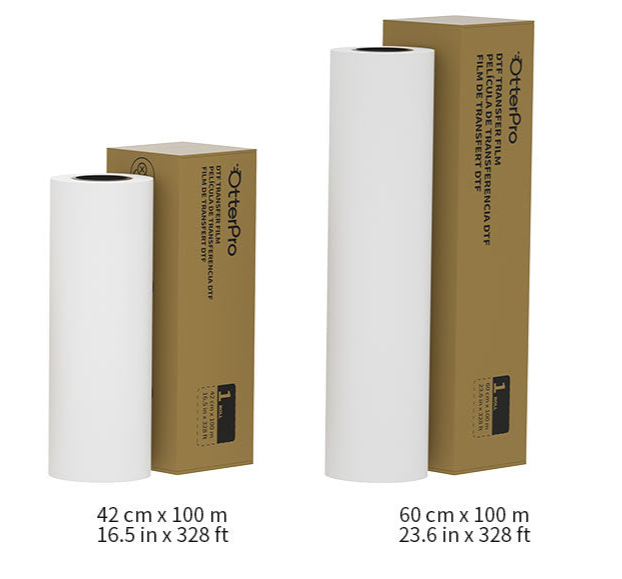
OtterPro DTF Film serves as the essential PET carrier sheet designed to hold wet pigment ink and adhesive powder during the initial stages of the Direct-to-Film printing process. This high-performance film features a double-sided matte, anti-static coating that ensures superior ink absorption and stable movement through the printer for high-definition results. Once the design is printed and cured, the film acts as the transfer medium, allowing for precise application onto a wide range of fabrics including cotton, polyester, and blends using a heat press. By utilizing this specialized film, professional decorators can achieve vibrant, wash-resistant transfers with a soft hand feel and exceptional durability.

What types of fabrics and inks are compatible with OtterPro DTF Film?

OtterPro DTF Film is engineered for maximum compatibility with high-quality textile pigment inks, specifically optimized for the OtterPro Ultra DTF series to ensure superior ink absorption and vibrant color output. This versatile PET carrier sheet provides exceptional adhesion across a wide range of fabrics, including cotton, polyester, nylon, silk, and various synthetic blends. By utilizing these professional-grade consumables, decorators can achieve durable, stretchable, and wash-resistant transfers on both light and dark textiles without the need for pretreatment. This system ensures high-definition results and consistent performance for diverse garment decoration applications.

How should OtterPro DTF Film be stored and handled to ensure optimal ink absorption and prevent material degradation?

To ensure optimal ink absorption and prevent material degradation, OtterPro DTF Film should be stored in a cool, dry environment with a stable relative humidity between 40% and 60%. Keep the PET carrier sheets in their original anti-static packaging when not in use to protect the specialized double-sided matte coating from moisture and dust contamination. Avoid exposing the film to direct sunlight or extreme temperature fluctuations, as these conditions can lead to oil migration and compromised ink adhesion during the printing process. Proper handling with clean, lint-free gloves will further prevent surface oils from affecting the high-resolution transfer quality and long-term durability of your DTF prints.

How do you properly apply and peel OtterPro DTF Film to ensure a high-quality transfer?

To properly apply OtterPro DTF Film, set your heat press to 300°F and pre-press the garment for 5 seconds to remove moisture and wrinkles. Position the film with the printed side down and apply medium to firm pressure for 10 to 12 seconds to ensure optimal adhesive bonding. Since OtterPro is a versatile double-sided matte film, you can perform a hot peel immediately for a matte finish or a cold peel after cooling for a stronger bond. Complete the process with a 5-second post-press using parchment paper to seal the design and guarantee long-term wash-resistance and durability.

What are the most common causes of ink bleeding or poor powder adhesion when using OtterPro DTF film?

Common causes of ink bleeding and poor powder adhesion when using OtterPro DTF film typically stem from excessive ink application, high environmental humidity, or improper curing temperatures. To prevent bleeding, ensure your RIP software is calibrated with the correct ink limits and ICC profiles to maintain precise dot placement and prevent oversaturation on the film surface. Poor powder adhesion often results from under-curing the thermoplastic adhesive or applying powder to ink that has already begun to dry, which compromises the bond between the ink layer and the fabric. Maintaining a stable production environment with controlled humidity levels and performing regular printhead maintenance are essential technical steps to ensure high-quality, durable DTF transfers.

How can I achieve professional-grade color vibrancy and high-resolution detail when using OtterPro DTF Film for digital transfers?

To achieve professional-grade color vibrancy and high-resolution detail with OtterPro DTF Film, ensure your source files are exported at a minimum of 300 DPI to maintain sharp lines and prevent pixelation. Utilizing high-quality OtterPro DTF inks and precision-engineered ICC profiles specifically tailored for your printer and substrate combination will further optimize color accuracy and saturation. Additionally, precise calibration of your curing temperature and heat press pressure ensures optimal ink gasification and a durable, vivid transfer on both light and dark fabrics. This technical approach guarantees retail-quality results with exceptional clarity and long-lasting wash resistance for every digital transfer project.

How does using OtterPro DTF Film enhance production efficiency and provide a cost-effective solution for professional garment decoration businesses?

OtterPro DTF Film enhances production efficiency by serving as a high-performance PET carrier that streamlines the printing and curing stages of the direct-to-film workflow. Its double-sided matte, anti-static coating ensures superior ink absorption and precise powder adhesion, reducing material waste and costly reprints for professional decorators. By enabling high-volume output with consistent color accuracy and durable transfer quality, this cost-effective solution allows businesses to maximize their ROI across diverse textile substrates. Integrating OtterPro DTF Film into your digital decoration process optimizes throughput while maintaining the professional-grade results essential for business growth.

What are the recommended storage conditions and safety precautions for OtterPro DTF Film to ensure its long-term durability and performance?

To ensure the long-term durability and performance of OtterPro DTF Film, store the media in a temperature-controlled environment between 65°F and 70°F with relative humidity levels maintained below 50%. It is critical to keep the film flat in airtight containers or resealable bags with silica gel packets to prevent moisture absorption and premature adhesive activation. Protect the rolls and sheets from direct sunlight, dust, and heat sources, as UV exposure and temperature fluctuations can degrade the coating and lead to oil return or ink rejection. Following these professional storage protocols maintains the integrity of the PET film and ensures consistent, high-quality transfers for all your digital imaging projects.

How does OtterPro DTF Film compare to other decoration methods in terms of final output and application efficiency?

OtterPro DTF Film provides superior final output compared to traditional screen printing or DTG by delivering high-resolution, vibrant graphics with a soft-hand feel and excellent stretchability. In terms of application efficiency, this premium DTF film eliminates the need for time-consuming weeding or complex pre-treatments, allowing for a streamlined workflow across various textile substrates like cotton, polyester, and blends. By utilizing OtterPro technology, professional decorators can achieve industrial-grade durability and color accuracy while significantly increasing throughput for complex multi-color designs. This makes OtterPro DTF Film a highly cost-effective and versatile solution for businesses looking to scale their garment decoration capabilities without compromising on professional quality.

How can I optimize the curing profile and humidity control for OtterPro DTF Film to prevent oil migration and ensure maximum wash durability on high-density synthetic textiles?

To prevent oil migration and ensure maximum wash durability on high-density synthetic textiles, optimize your curing profile by maintaining a consistent oven temperature between 110°C and 125°C for 2 to 3 minutes to facilitate complete TPU powder polymerization. Controlling ambient humidity levels between 40% and 60% is critical for OtterPro DTF Film to prevent excessive moisture absorption in the ink layer, which can interfere with the chemical bond during the heat press cycle. Additionally, utilizing a multi-stage curing process helps stabilize the specialized coating, ensuring high-resolution output and superior elasticity on performance fabrics. Implementing these technical parameters guarantees professional-grade adhesion and prevents the oily residue often associated with improper moisture management and under-cured DTF transfers.

Drawer Title
Similar Products