













Skip to content
en
CAD

📦 Mississauga warehouse closed July 7–9. Orders shipping from ON may be delayed. Details at checkout.

Paropy Heat Transfer Papers


Paropy transfer papers for vivid and lasting prints


High-performance papers designed to deliver sharp images and reliable results on every project.


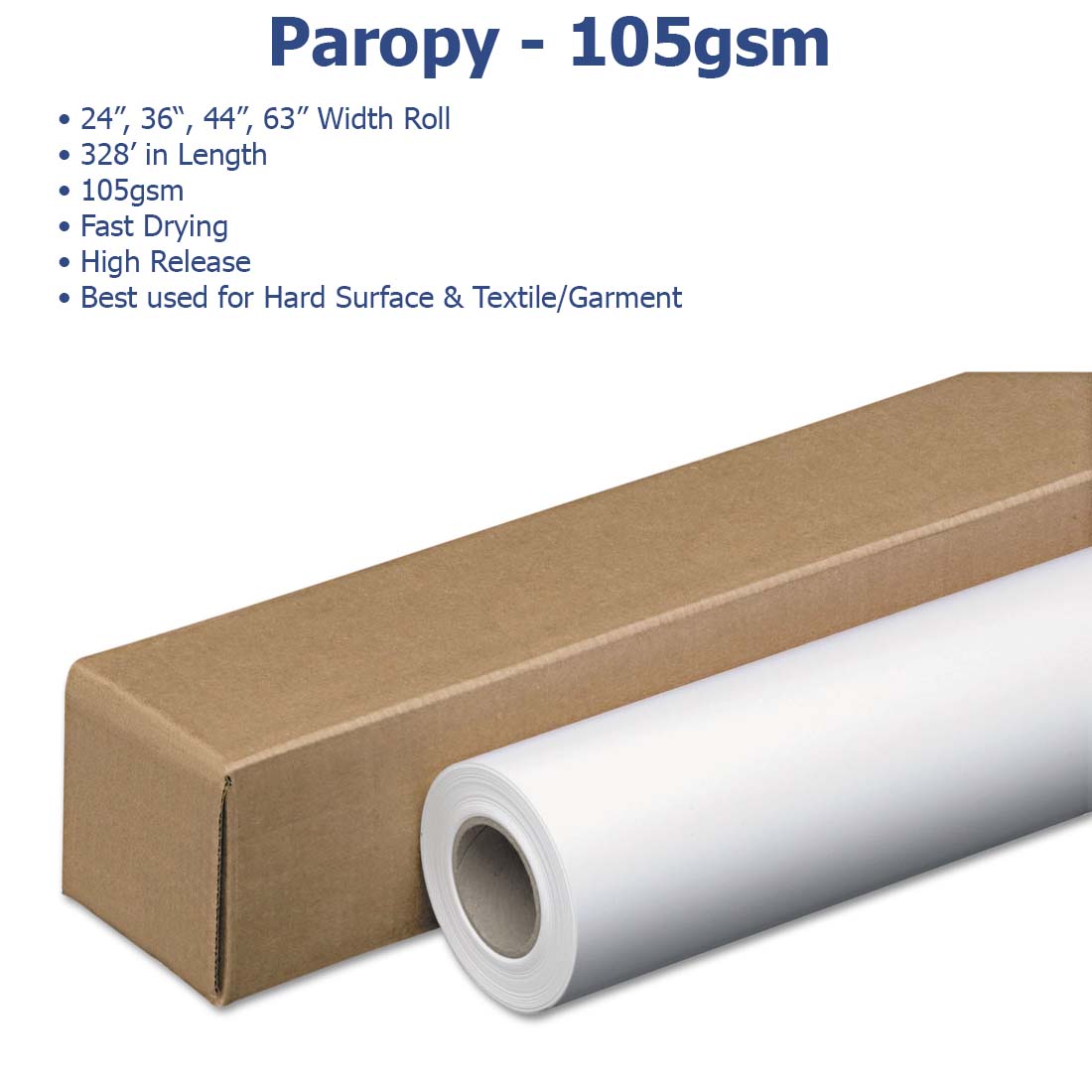
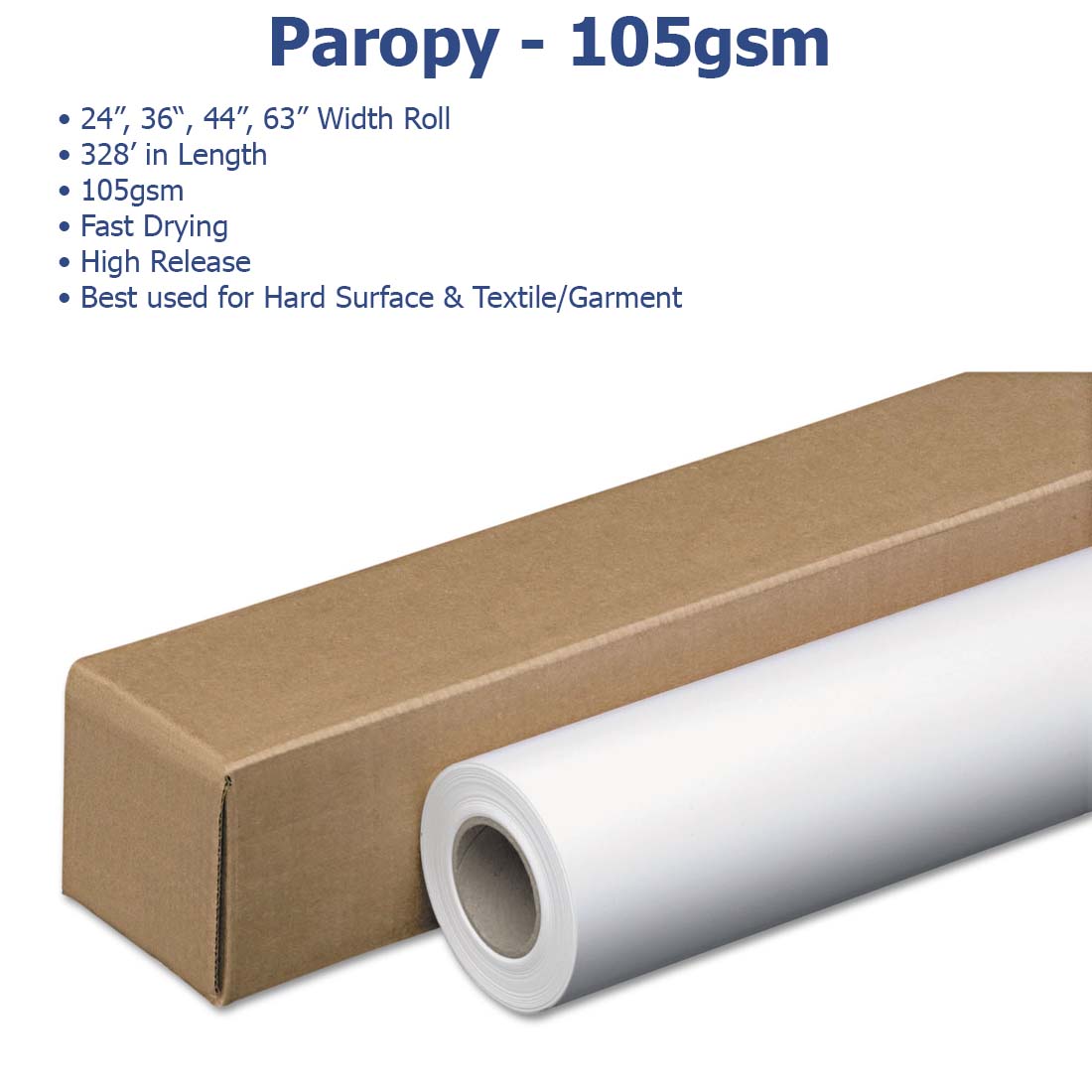
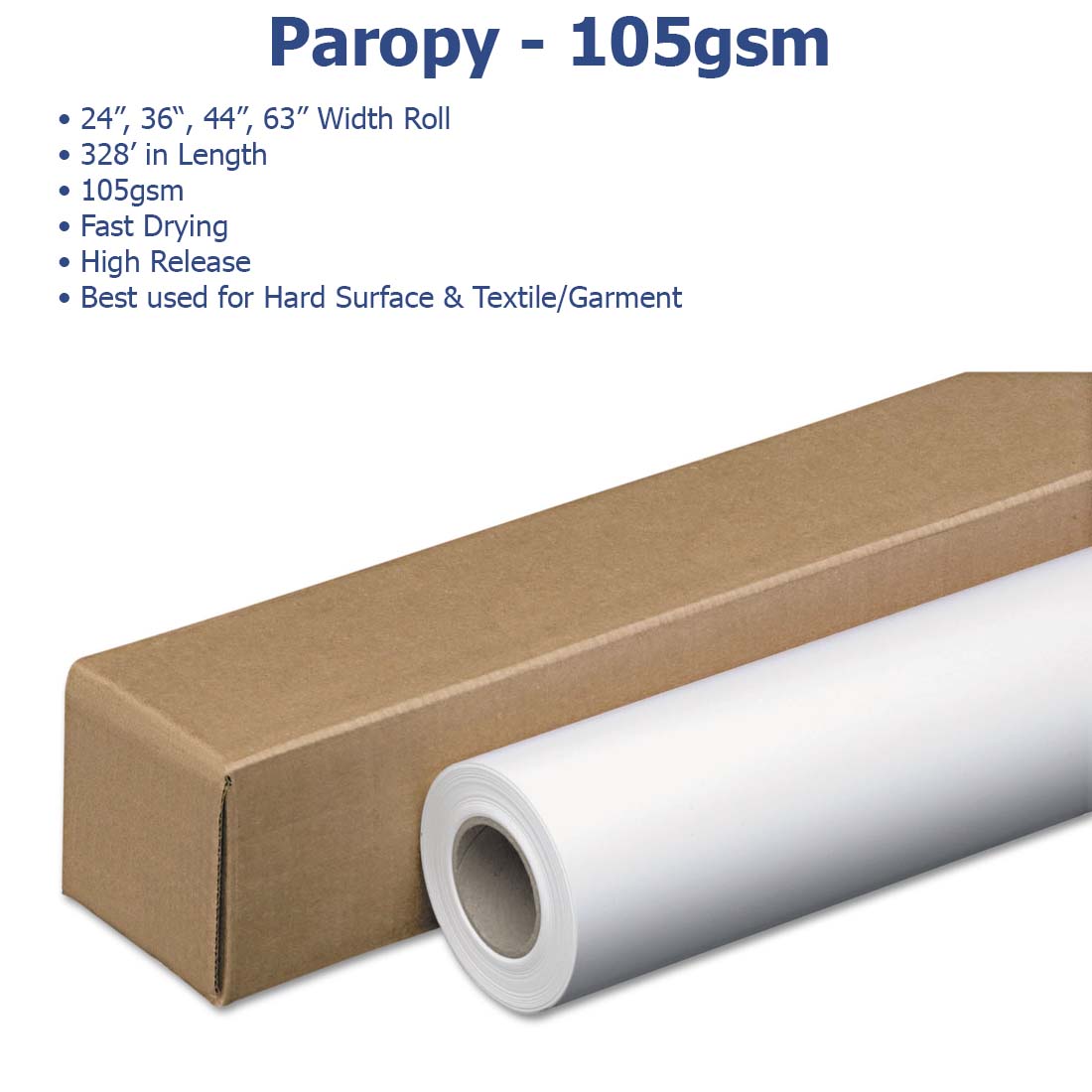
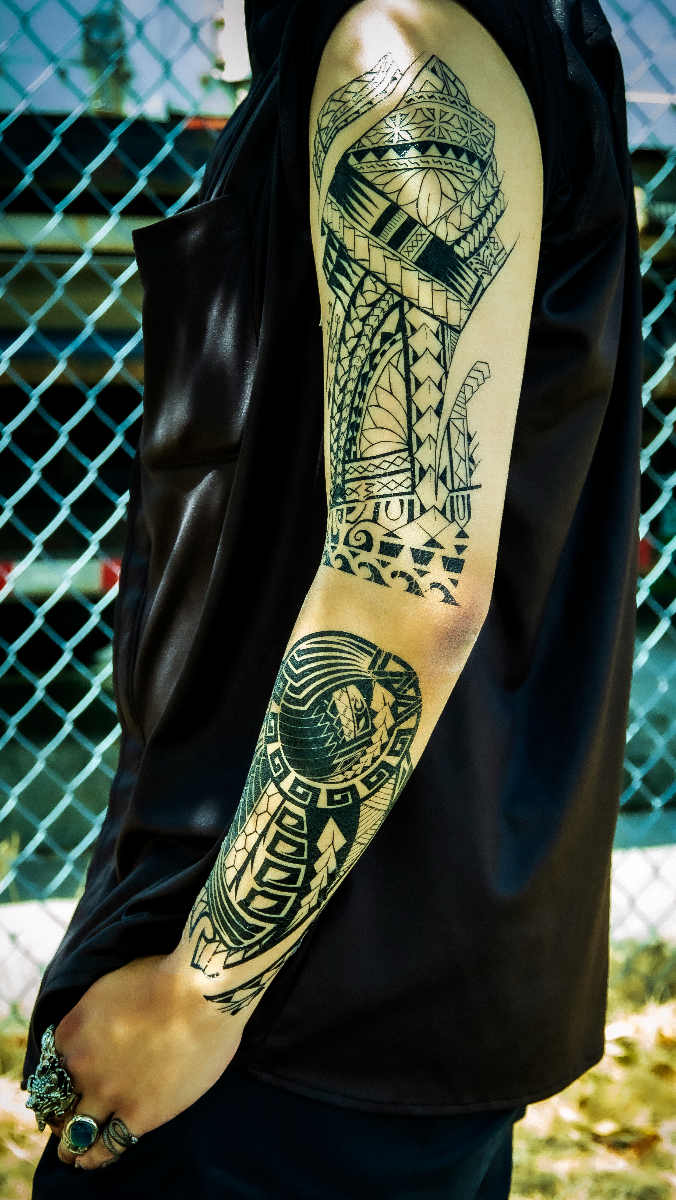
Our Paropy collection offers premium transfer papers trusted by print shops and creators worldwide. These Paropy papers ensure rich colors, crisp details, and excellent wash durability, making them perfect for apparel and promotional products. Designed for both light and dark fabrics, they give you flexibility to handle a wide range of orders with confidence.

Easy to use and compatible with standard equipment, they reduce waste and improve workflow efficiency. Whether you are producing small custom runs or large-scale jobs, Paropy helps maintain consistent quality from the first sheet to the last. Backed by Joto’s expertise and fast delivery, this collection supports your business with dependable performance and professional results.
Filter

28 products

  • Sort by

Frequently Asked Questions:

What are Paropy Heat Transfer Papers and how are they used for garment and substrate decoration?

Paropy Heat Transfer Papers are premium-grade transfer media engineered for high-quality garment and substrate decoration using laser or inkjet printers. These papers utilize advanced emulsion technology to transfer vibrant, full-color designs onto a variety of textiles, including cotton, polyester, and dark or light fabrics, as well as hard surfaces like wood and metal. By applying heat and pressure via a commercial heat press, the specialized coating bonds the ink directly to the material, ensuring a professional, durable finish with excellent wash fastness. This versatile product line allows businesses to produce custom apparel and promotional items efficiently while maintaining exceptional image clarity and color accuracy.

What printers and fabric types are compatible with Paropy Heat Transfer Papers?

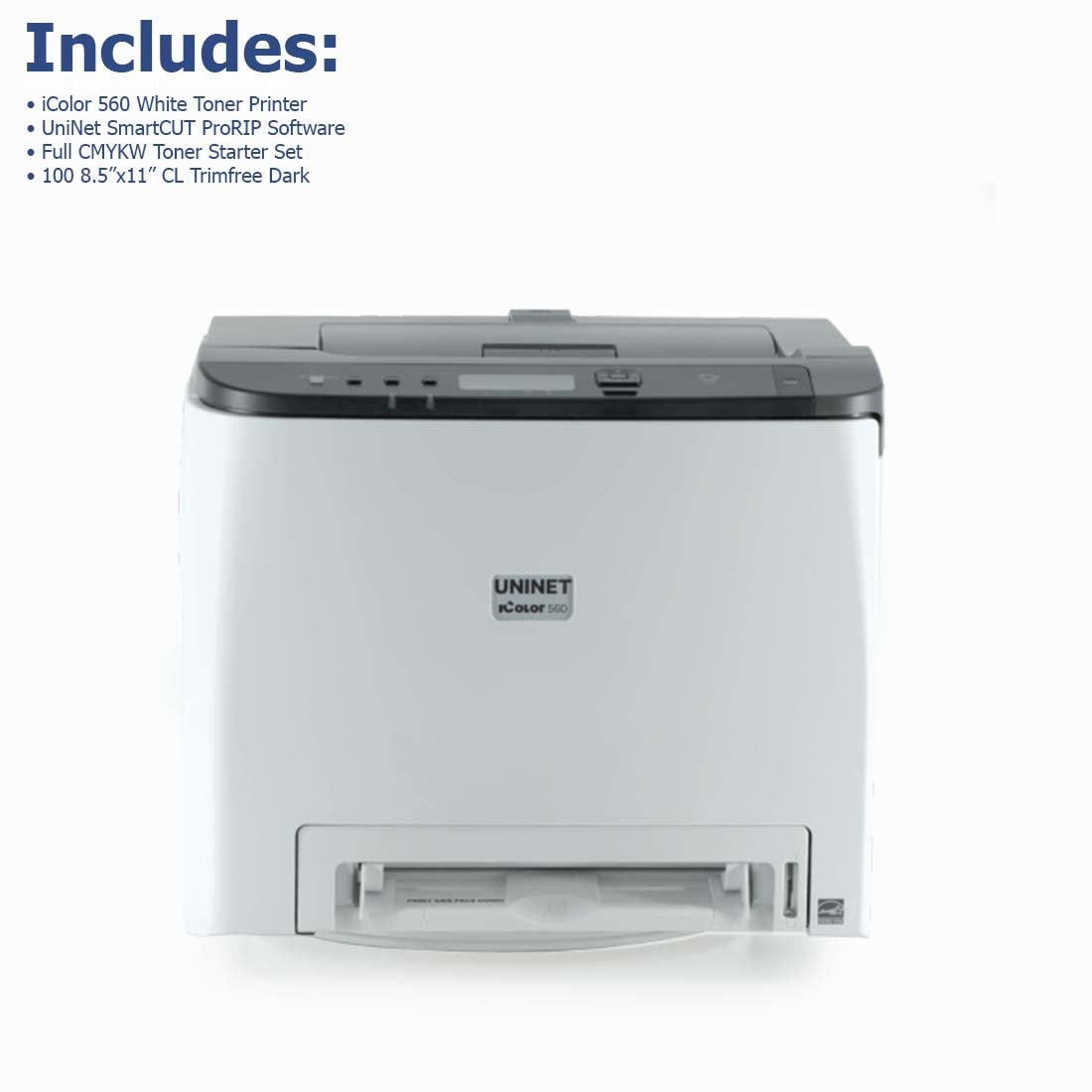
Paropy Heat Transfer Papers are engineered for high-performance compatibility with both inkjet and laser printer systems, including specialized white toner printers for dark substrates. These premium transfer media are designed to bond effectively with a wide range of textiles such as 100% cotton, polyester blends, and synthetic fabrics. Beyond apparel, the Paropy line includes specific formulations for both light and dark garments to ensure maximum opacity and color vibrancy across various fabric colors. By selecting the appropriate paper for your specific printer technology and garment composition, Joto Imaging Supplies ensures professional-grade durability and exceptional wash fastness.

How can I ensure the long-term durability and proper wash fastness of garments decorated with Paropy Heat Transfer Papers?

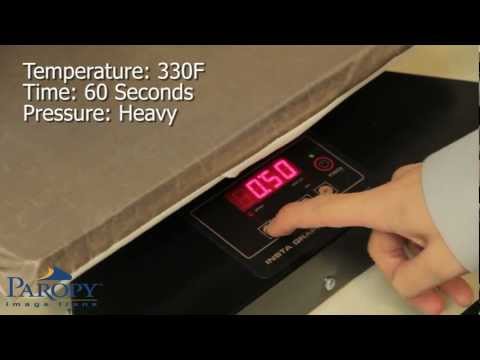
To maximize the wash fastness of garments decorated with Paropy Heat Transfer Papers, ensure the initial application adheres strictly to the recommended heat press settings for time, temperature, and heavy pressure. It is critical to allow the transfer to cure for at least 24 hours before the first laundering cycle to ensure the emulsion has fully bonded with the fabric fibers. For long-term durability, garments should be turned inside out and washed in cold water using mild detergents while avoiding bleach or harsh chemical additives. Tumble dry on a low-heat setting or hang to dry to preserve the vibrant color density and prevent the transfer from cracking or peeling over time.

How do you apply Paropy Heat Transfer Papers to garments and substrates for professional-quality results?

To apply Paropy Heat Transfer Papers, start by printing your design onto the specialized media using a compatible laser or inkjet printer, ensuring you follow the specific mirroring instructions for your paper type. Once printed, place the transfer onto the target garment or substrate and apply heat and pressure using a professional-grade commercial heat press according to the recommended temperature and dwell time. After the pressing cycle is complete, carefully peel the backing paper—either hot or cold as specified—to reveal a vibrant, high-definition graphic with superior wash fastness. This technical application process ensures a durable, retail-quality finish on a wide variety of textiles and hard surfaces.

What are the most common causes of poor transfer quality or peeling when using Paropy Heat Transfer Papers?

Poor transfer quality or peeling with Paropy Heat Transfer Papers typically results from incorrect heat press settings, such as insufficient temperature or inconsistent pressure across the platen. Ensuring the transfer is peeled at the designated temperature—either hot or cold depending on the specific paper type—is critical to preventing image distortion and edge lifting. Additionally, moisture in the fabric or using incompatible textiles can hinder the emulsion's ability to bond permanently with the fibers. Following Joto Imaging Supplies' precise application guidelines for time, temperature, and heavy pressure ensures professional results and maximum wash fastness for every garment decoration project.

How can I achieve maximum color vibrancy and professional print quality with Paropy Heat Transfer Papers?

To achieve maximum color vibrancy and professional print quality with Paropy Heat Transfer Papers, ensure you are using high-resolution artwork and the correct printer driver settings for the specific transfer media. Utilizing high-quality inks or toners alongside a precisely calibrated commercial heat press is essential for optimal ink fusion and brilliant color reproduction. For dark substrates, employing a white toner printer will provide the necessary opacity to maintain the design's integrity and saturation. Consistent application of the recommended temperature, heavy pressure, and dwell time will guarantee professional-grade results with exceptional image clarity.

How can using Paropy Heat Transfer Papers help my business reduce production costs and increase profit margins?

Paropy Heat Transfer Papers reduce production costs by eliminating the need for expensive screens, emulsions, and high-labor weeding processes required by traditional methods. These high-performance transfer media are engineered for maximum ink efficiency and rapid application, significantly decreasing energy consumption and turnaround times. By enabling low-cost, professional-grade customization on a wide variety of fabrics and substrates, Paropy allows businesses to maximize profit margins on both short-run and high-volume orders. This technical solution ensures superior wash fastness and color vibrancy while maintaining a streamlined, cost-effective workflow for custom apparel decorators.

What are the recommended storage conditions and safety precautions for Paropy Heat Transfer Papers to ensure their longevity and performance?

To ensure the longevity and peak performance of Paropy Heat Transfer Papers, store them in a cool, dry environment with a stable temperature between 68°F and 77°F and relative humidity levels around 50%. It is critical to keep the media in its original packaging or a resealable plastic bag when not in use to prevent moisture absorption and environmental contaminants from affecting the specialized emulsion coating. For optimal safety and print quality, handle the papers by the edges to avoid transferring oils from your skin and keep them away from direct sunlight or high-heat sources that can cause film curling. Adhering to these storage protocols ensures consistent ink fusion and professional-grade wash fastness for all your garment decoration projects.

How do Paropy Heat Transfer Papers compare to screen printing or direct-to-garment decoration methods for custom apparel?

Paropy Heat Transfer Papers offer a versatile and cost-effective alternative to screen printing and direct-to-garment (DTG) methods by eliminating the need for expensive emulsions, specialized pretreatments, or high-maintenance ink systems. Unlike screen printing, which requires high setup costs for multi-color designs, Paropy papers enable high-resolution, full-color transfers on demand with standard inkjet or laser printers. This technology provides superior production efficiency for short-run custom apparel while maintaining professional-grade wash fastness and a soft-hand feel across a wider range of fabric types. By streamlining the workflow and reducing material waste, Paropy allows decorators to achieve higher profit margins on complex graphics without the technical limitations of traditional decoration methods.

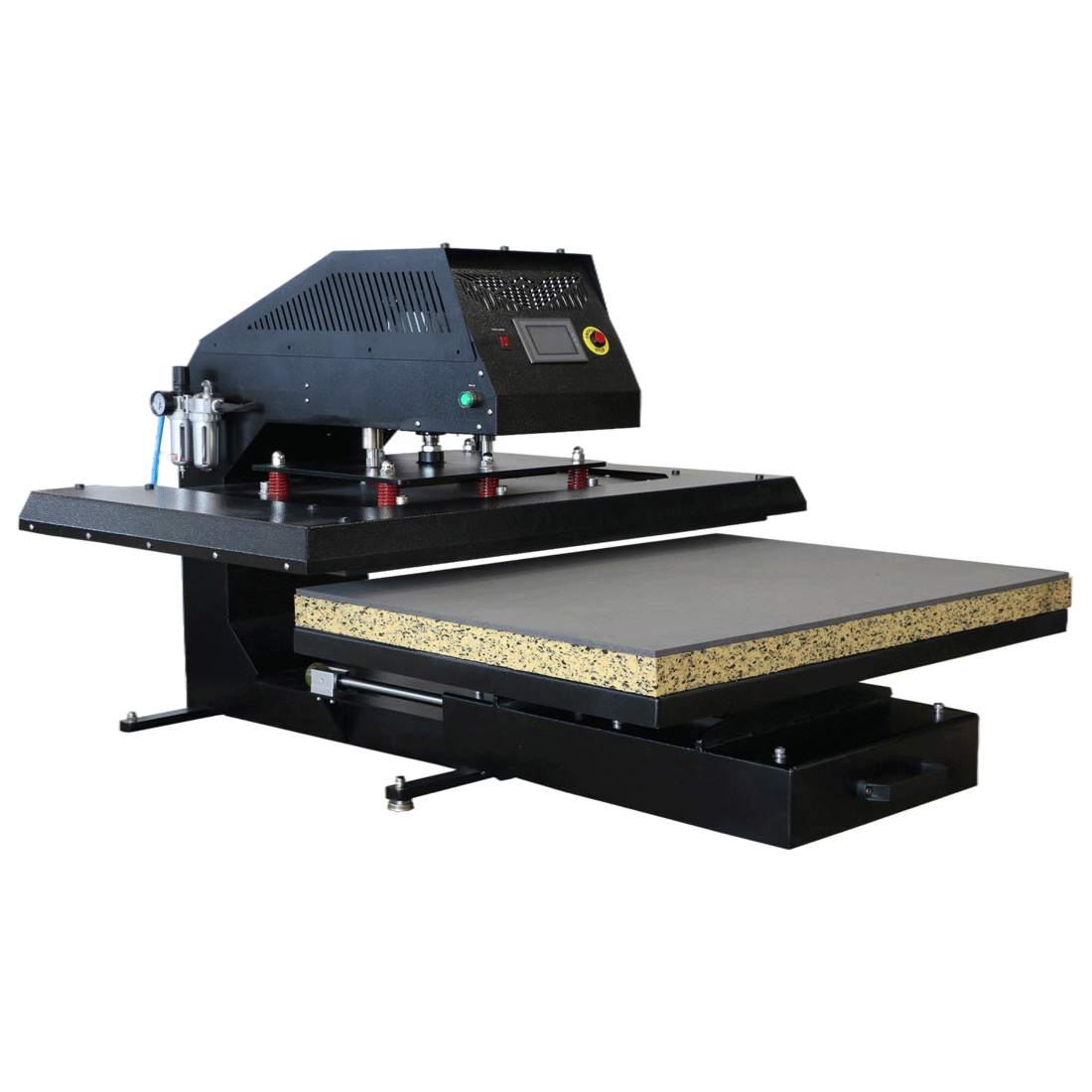
How can you fine-tune the dwell time and pressure settings on a pneumatic heat press to ensure consistent color depth and wash fastness across varying fabric thicknesses when using Paropy Heat Transfer Papers?

To fine-tune a pneumatic heat press for Paropy Heat Transfer Papers, begin by adjusting the PSI settings to ensure firm, even pressure that compensates for specific fabric thicknesses and ensures a complete emulsion bond. For thicker garments, slightly increase the dwell time by three to five seconds to allow the thermal energy to penetrate the fibers and achieve consistent color depth. Precise calibration of these parameters is critical to maximizing wash fastness and preventing the transfer from lifting or fading over time. Maintaining this technical balance between pressure and heat exposure ensures professional-grade results across various textile substrates while upholding the durability of the Paropy line.

Drawer Title
Similar Products