


















Skip to content
en
CAD

 🌨️ Please expect delays due to weather conditions ❄️

Sublimation Supplies

Sublimation Supplies – Everything You Need for Brilliant, Long-Lasting Prints

Get professional-quality results with our complete range of Sublimation Supplies, designed to keep your production smooth and your designs vibrant. Perfect for both beginners and experienced print shops, these supplies help you create custom products with ease and confidence.

Why Choose Our Sublimation Supplies:

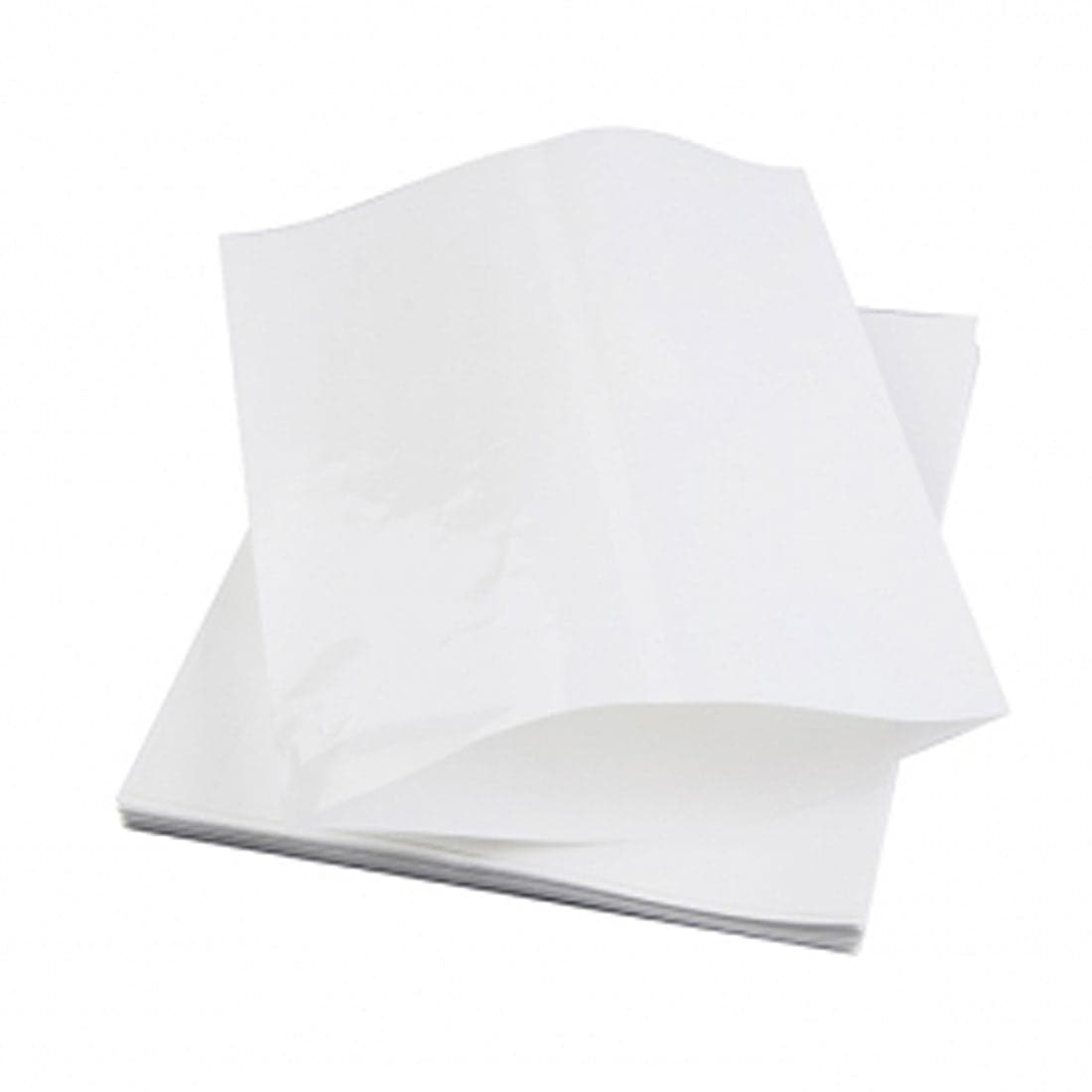
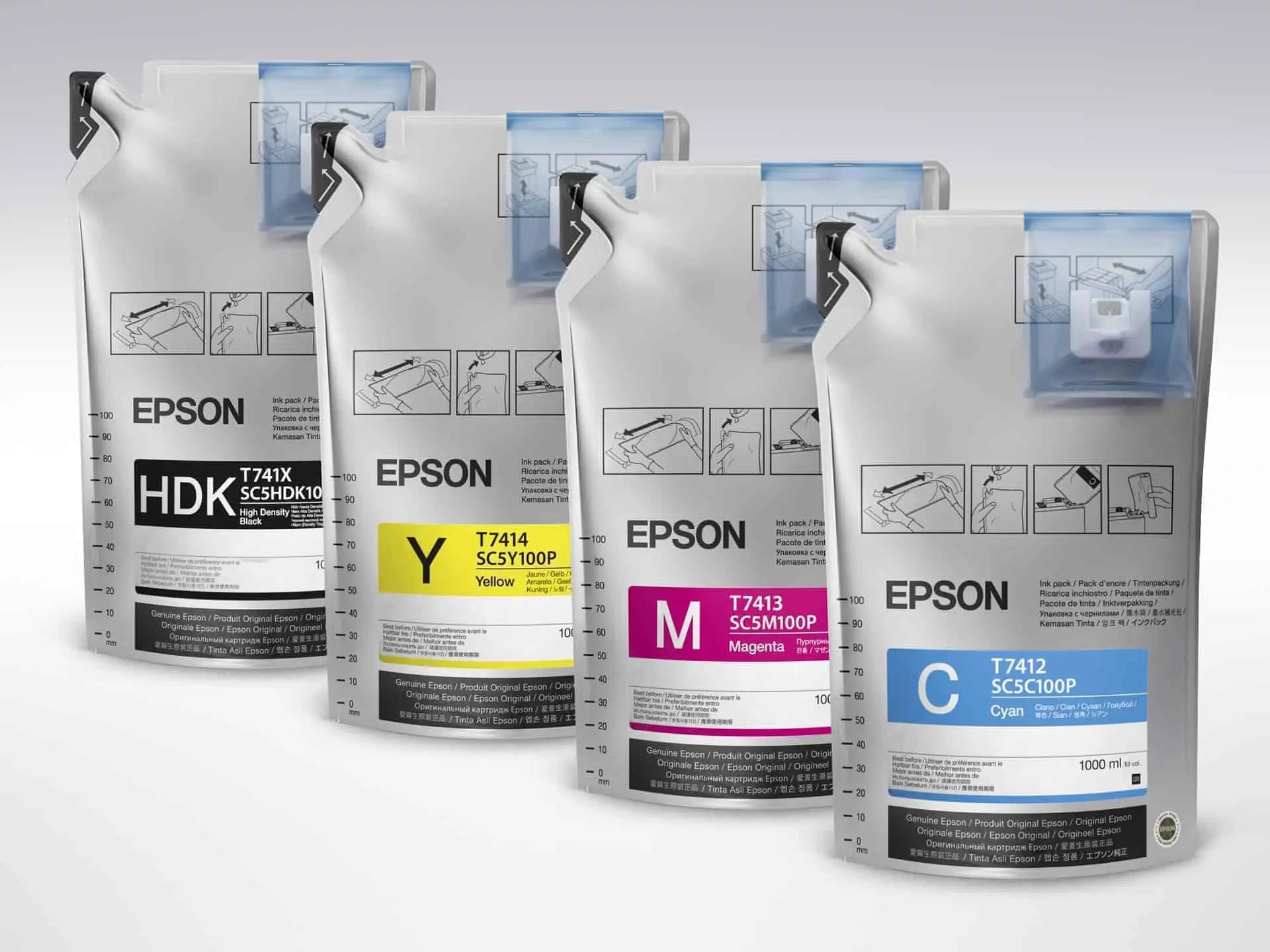
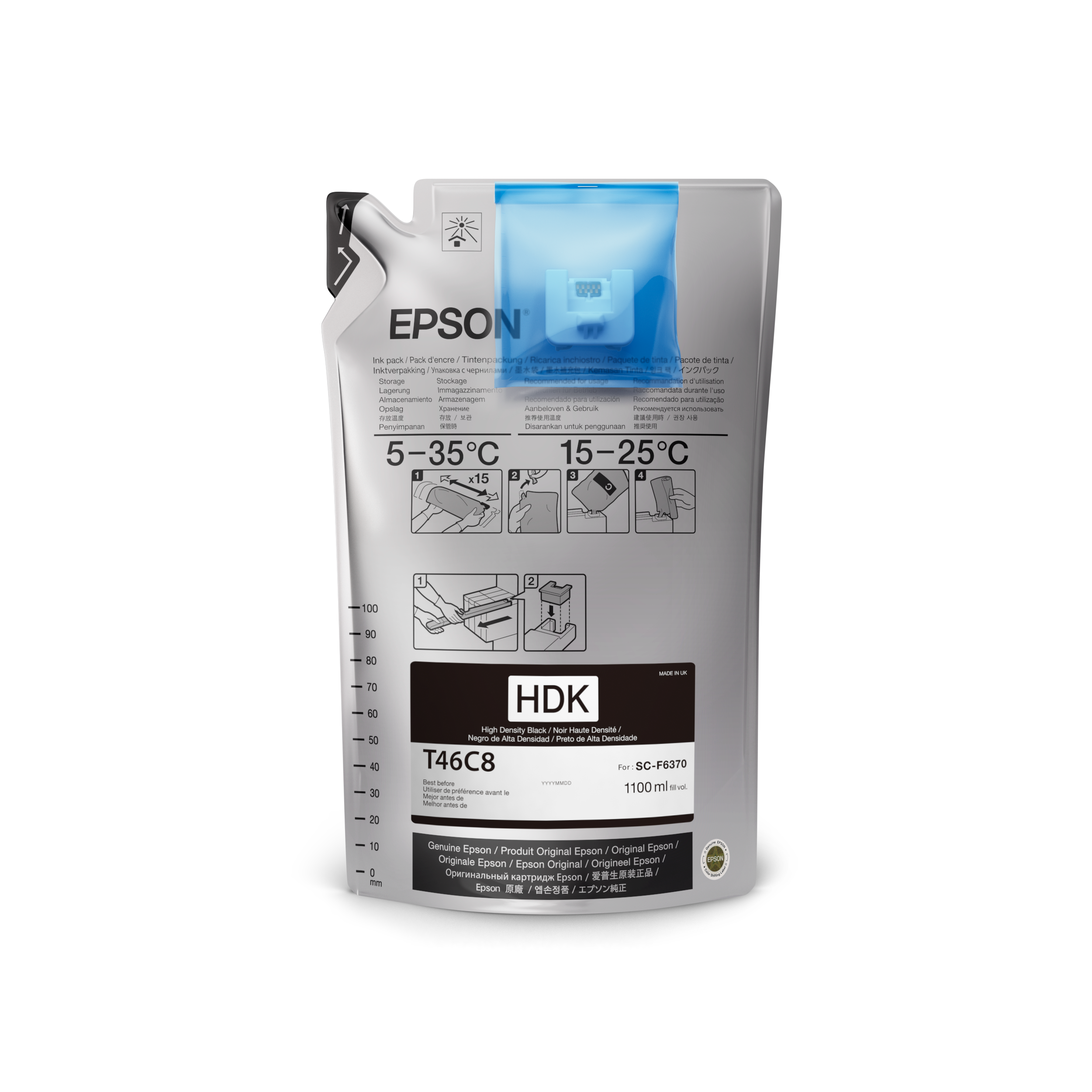
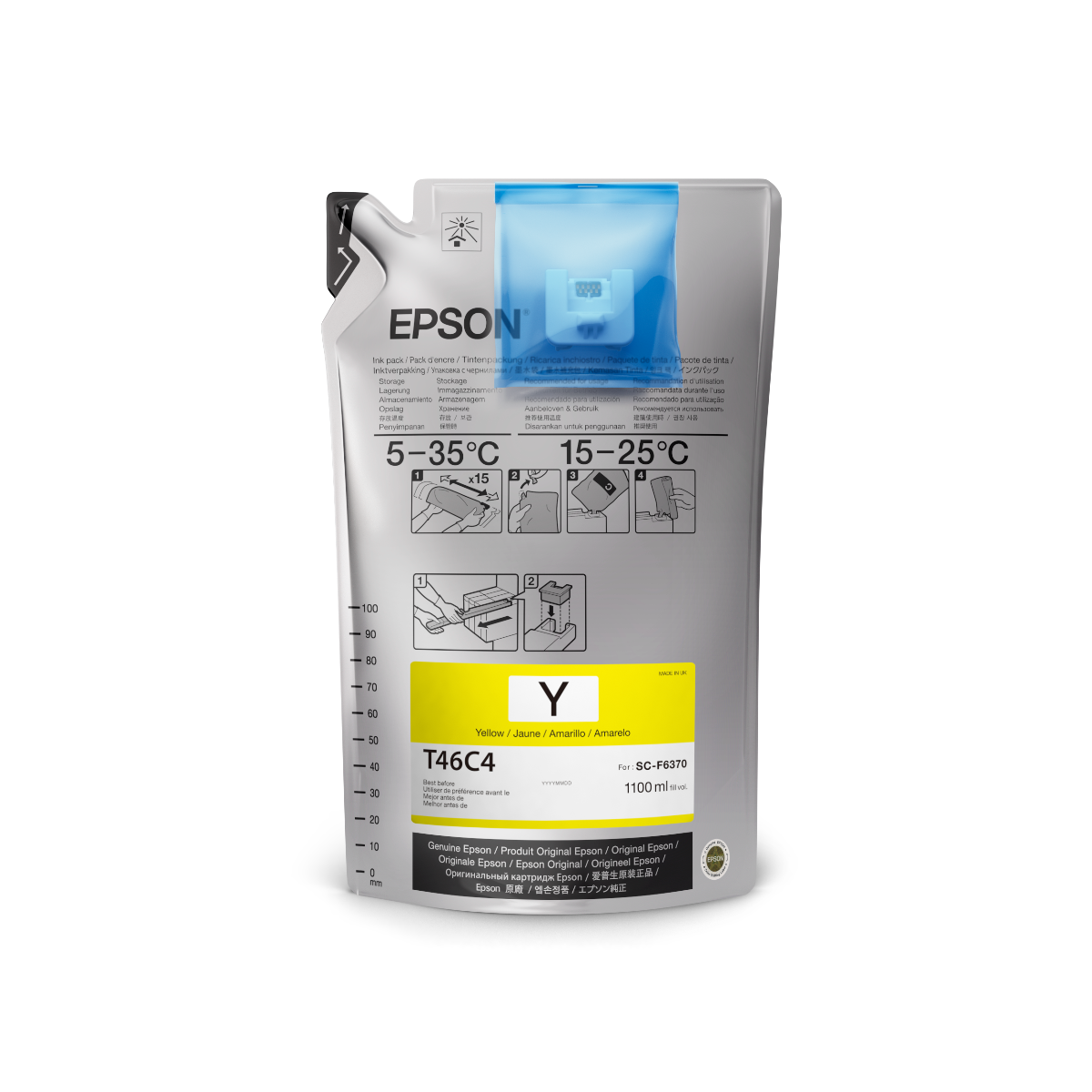
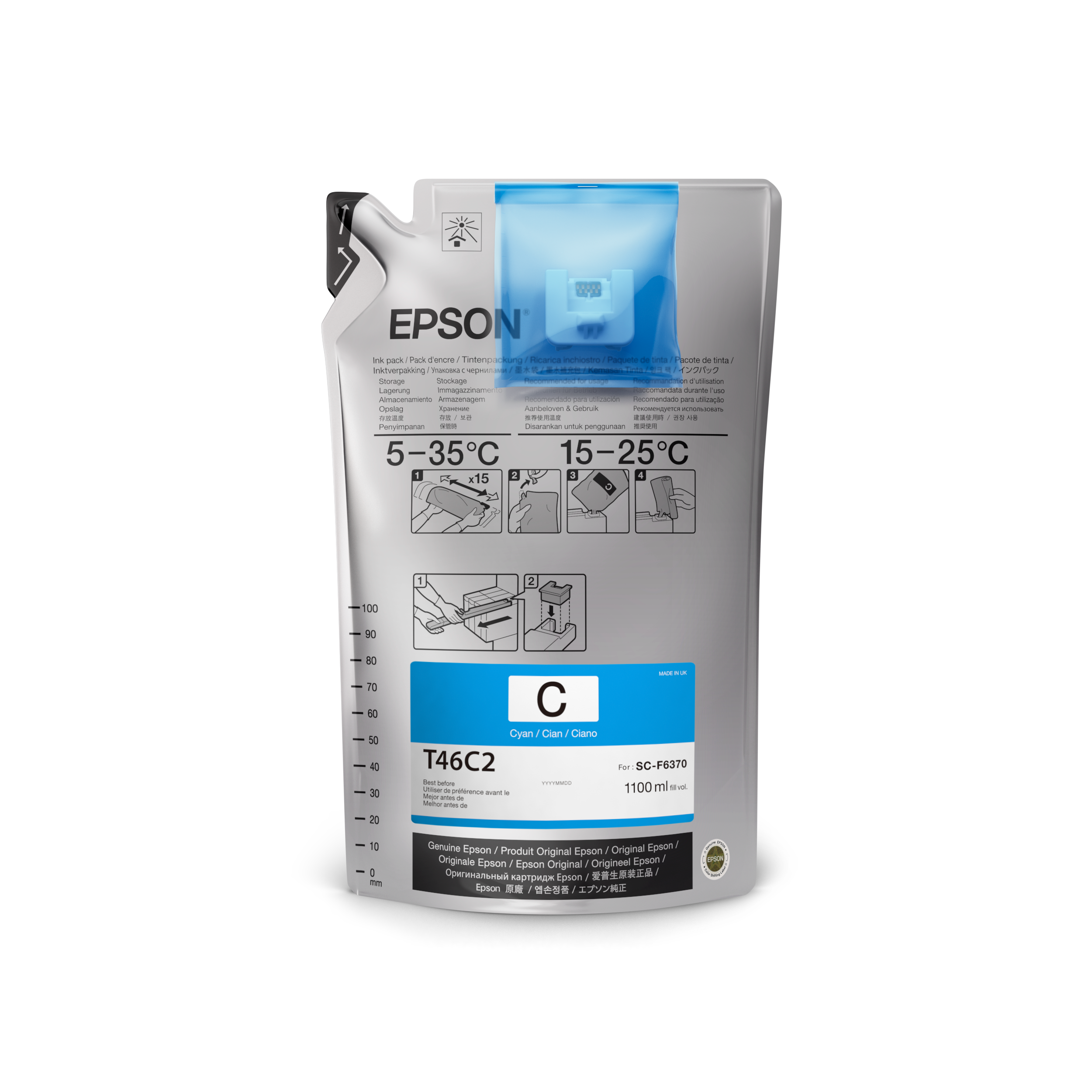
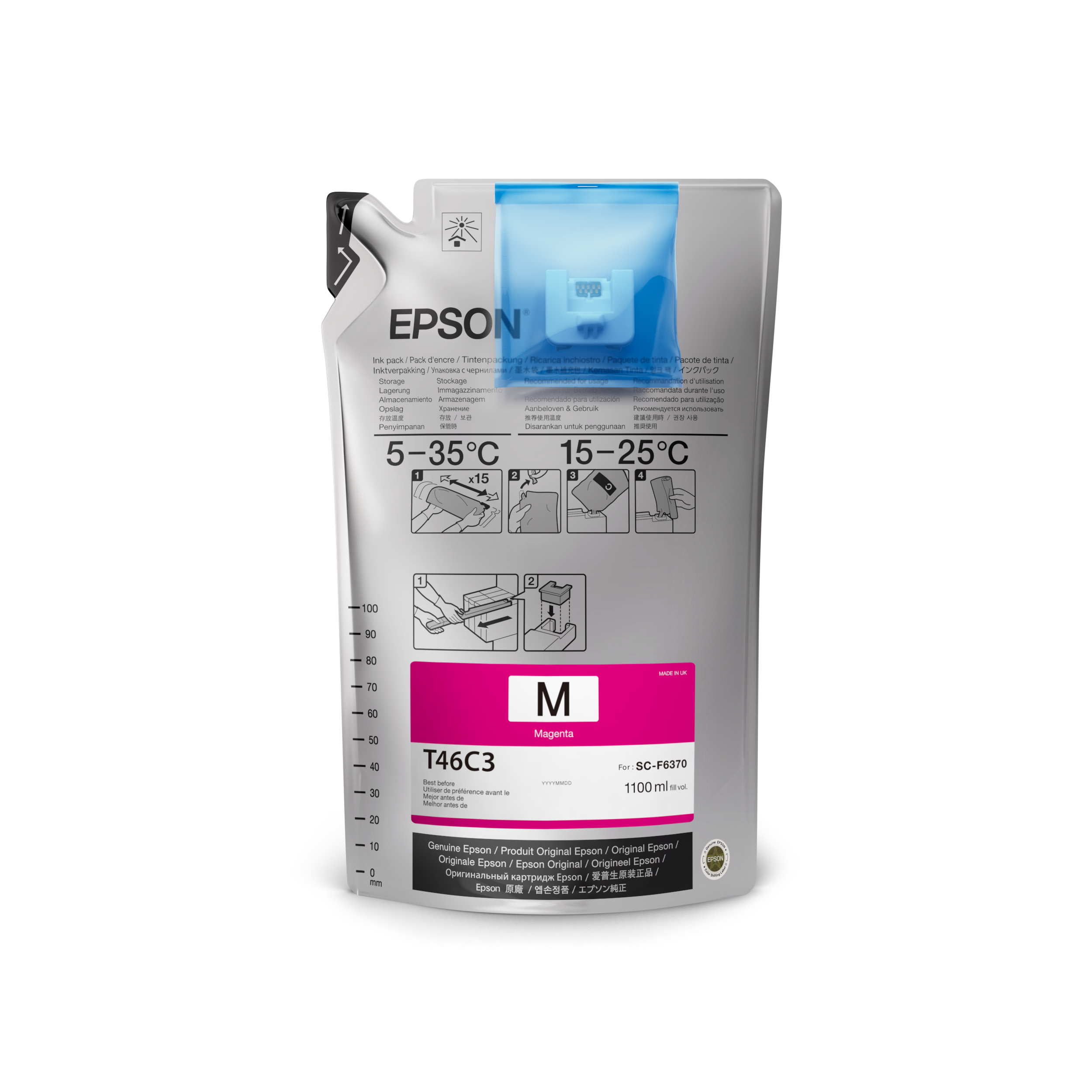
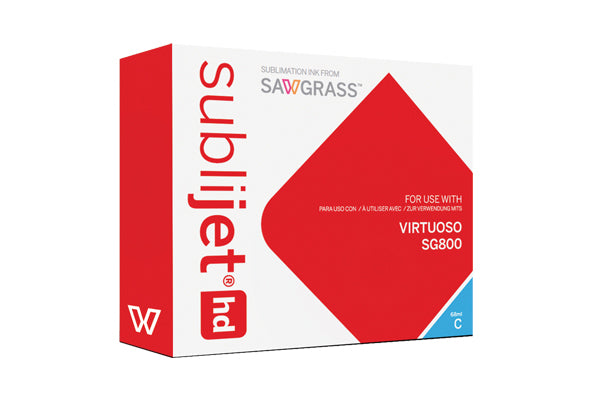
  • Premium Inks & Transfer Papers – Produce sharp, vivid prints that stay bright wash after wash.

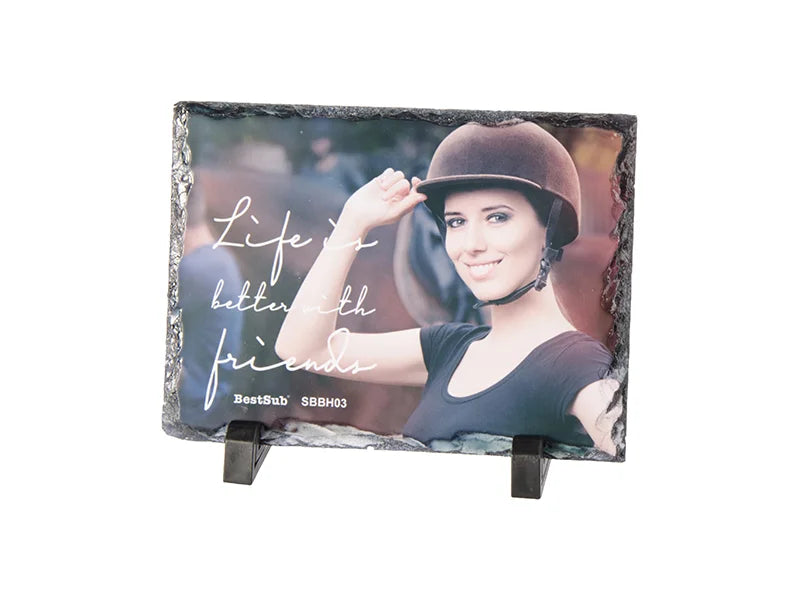
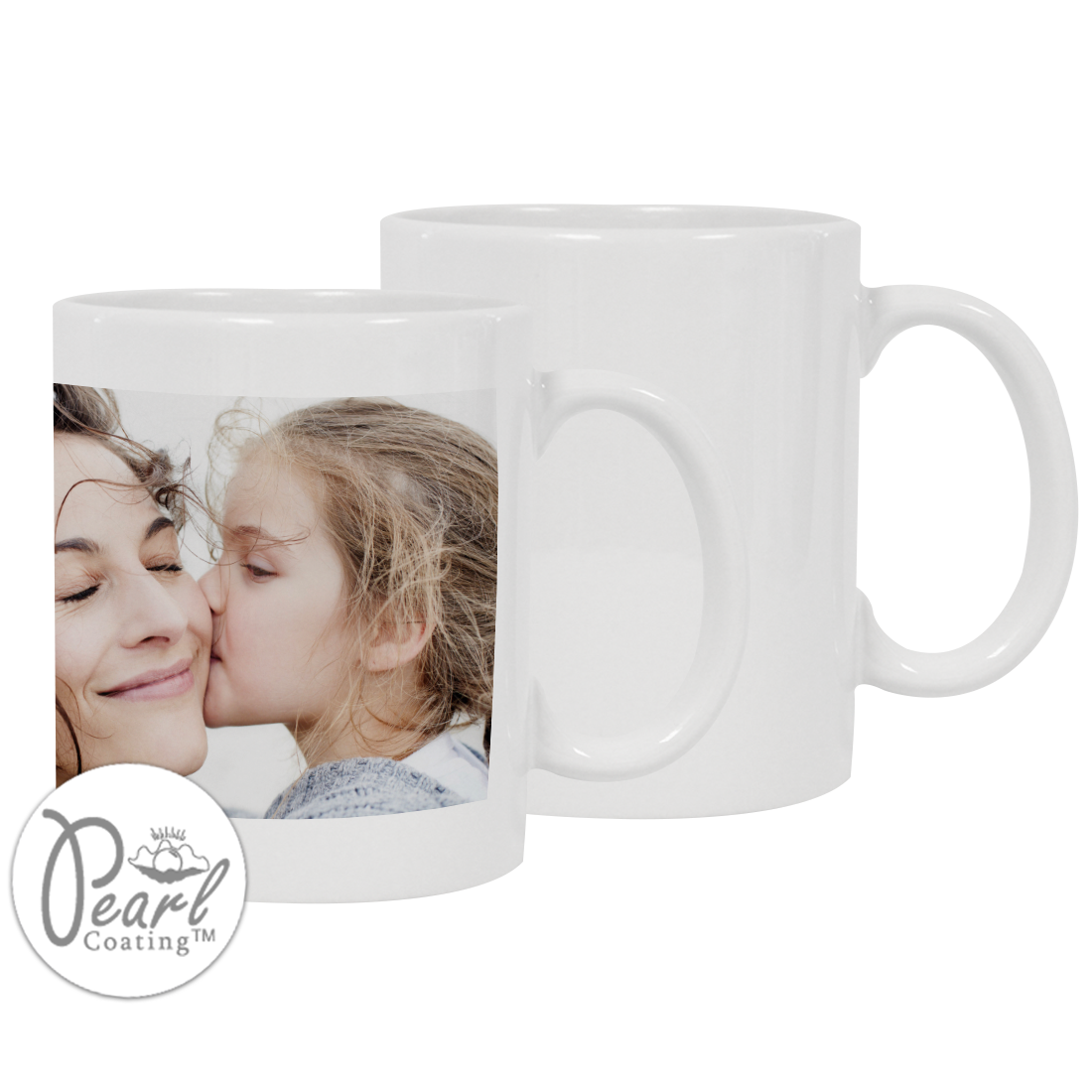
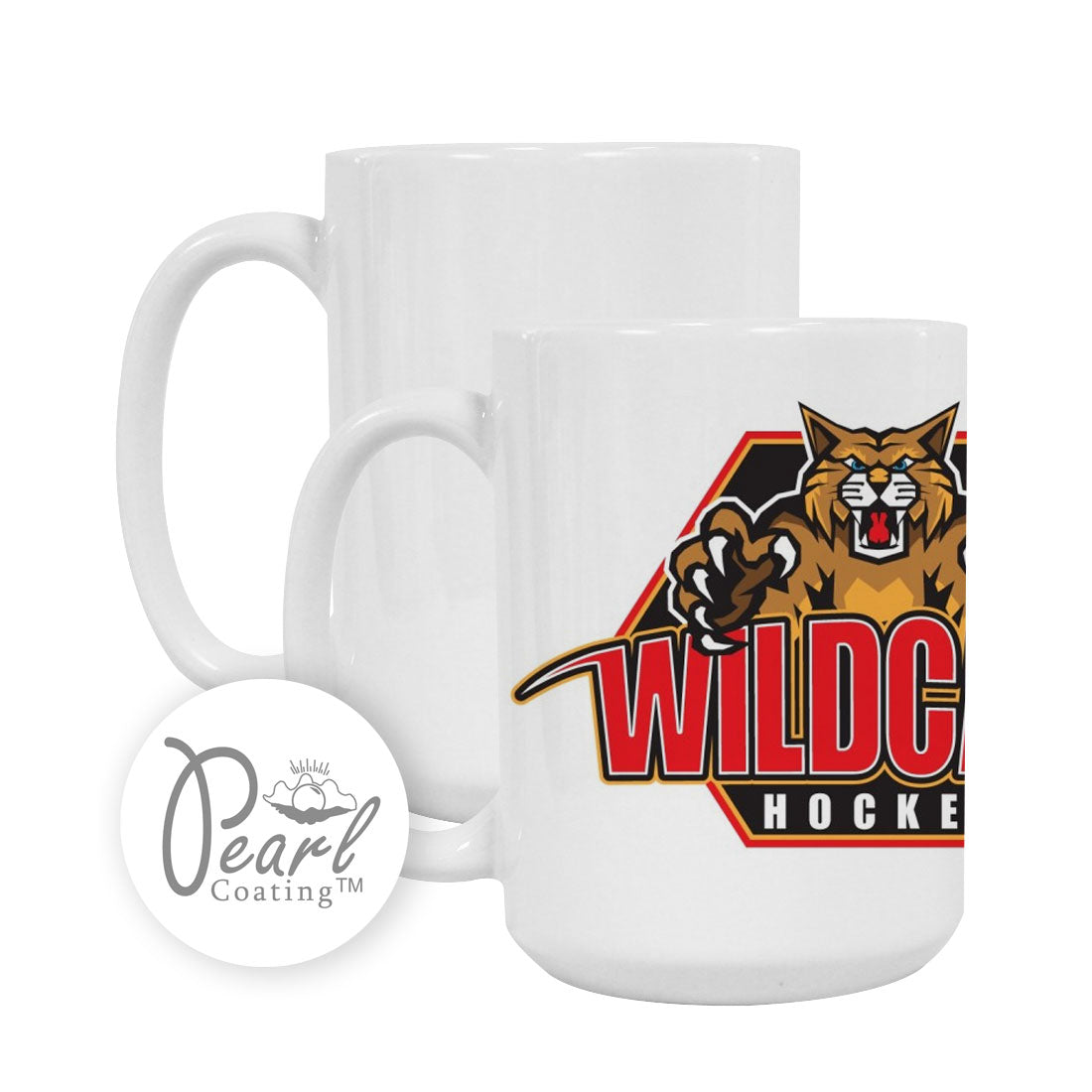
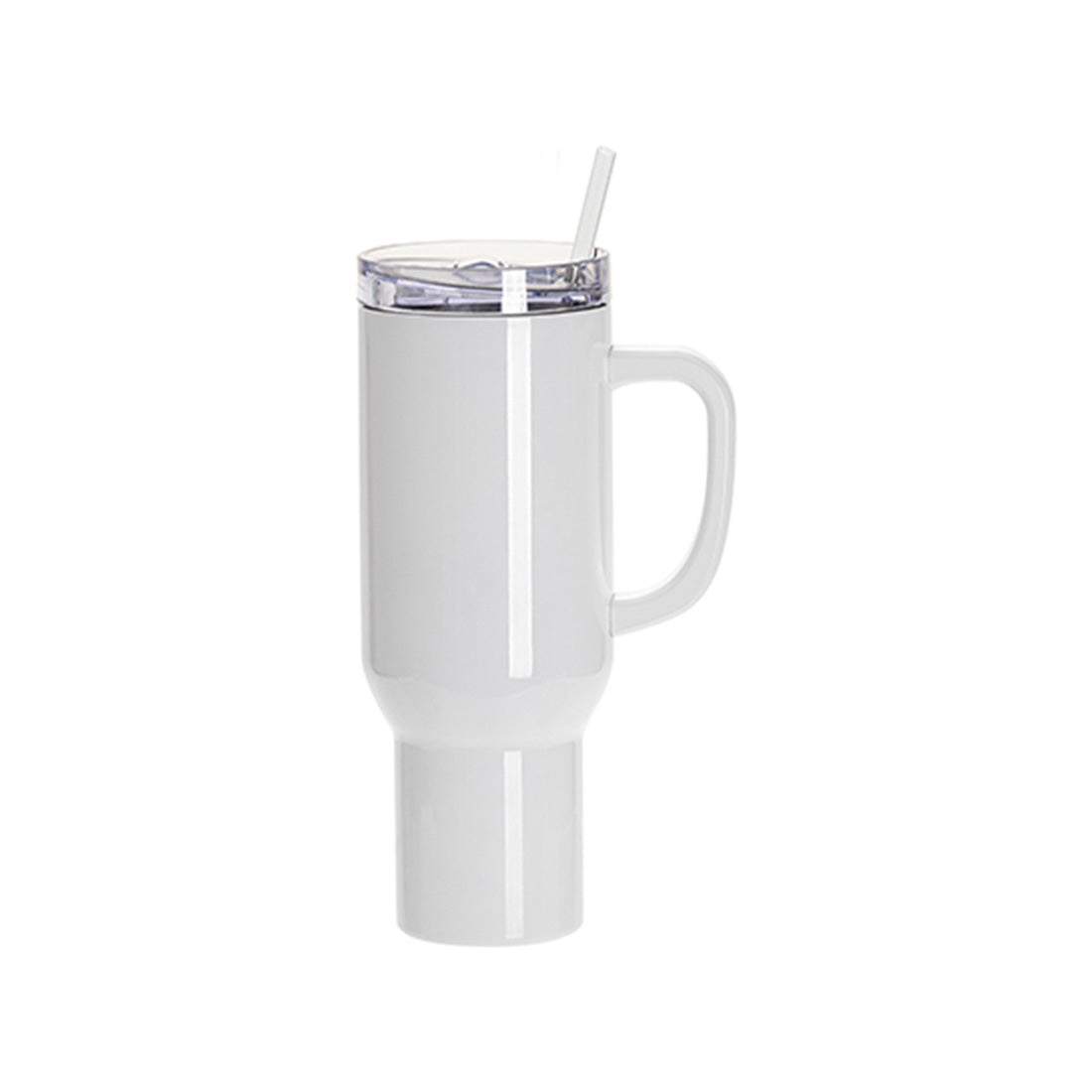
  • High-Quality Blanks – From drinkware and textiles to home décor items, all ready for flawless sublimation.

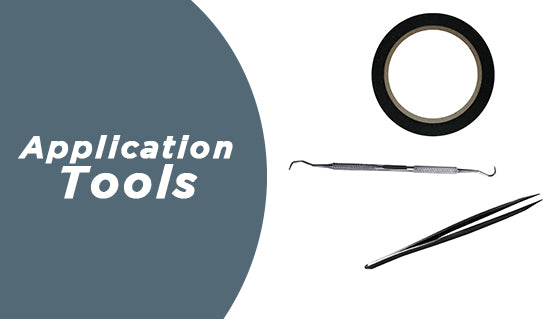
  • Essential Tools & Accessories – Heat press essentials, application tools, and maintenance products.

  • Reliable & Consistent Results – Supplies engineered for professional-grade performance every time.

Whether you’re launching a custom printing business or expanding your product line, our Sublimation Supplies give you everything you need for vibrant, durable, and professional-quality creations. Shop now and bring your designs to life with brilliant color!
Filter

78 products

  • Sort by

FAQs

What are sublimation supplies and what do I need to start a sublimation business?

Sublimation supplies are the consumable materials used in the sublimation decoration process: sublimation ink, sublimation transfer paper, and sublimation-ready blanks (mugs, shirts, panels, etc.). Together with a sublimation printer and heat press, these supplies form a complete production system for creating permanent, vibrant full-color prints on polyester and polymer-coated substrates.

What ink density and paper release settings produce the most vibrant sublimation output on polyester?

Print at 100% ink density without restricting ink limits for the most vivid sublimation output. Use an ICC color profile matched to your specific ink, paper, and printer combination to ensure colors print accurately. Press at 385–400°F (196–204°C) for 45–60 seconds at firm pressure — under-pressing is the most common cause of dull, washed-out sublimation results on polyester garments.

Are sublimation supplies compatible with both Sawgrass and Epson-based sublimation printers?

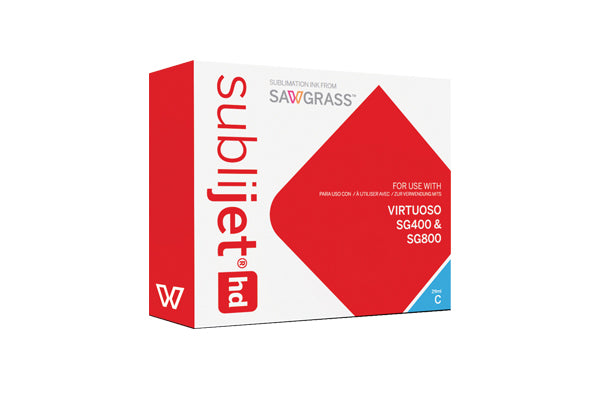
Sublimation papers and blanks are largely printer-agnostic, but sublimation inks are not interchangeable across platforms. Sawgrass printers require Sawgrass SubliJet-HD inks; Epson-based sublimation printers use third-party sublimation inks formulated for Epson print heads. Always match the ink to the printer platform — mismatched inks cause color inaccuracy, print head damage, and voided warranties.

Why are my sublimation prints coming out with a yellow or orange color cast on white polyester?

A yellow or orange cast almost always indicates a missing or incorrect ICC color profile. Ensure your RIP or print software is applying the correct profile for your ink and paper combination, and that color management is not being applied twice (once by the design software and again by the printer driver). Download and install the manufacturer-provided profile for your exact ink-paper-printer combination rather than using a generic profile.

How long do sublimation prints on polyester garments last before fading under regular washing?

Sublimation prints on quality polyester fabric are extremely durable — they typically withstand 100+ wash cycles with minimal color shift because the dye is embedded in the polymer fibers rather than sitting on the surface. Fading is more influenced by UV exposure during wear and outdoor use than by washing. Garments exposed to prolonged direct sunlight will fade faster than those used indoors or stored away from UV light.

What is the cost-per-print advantage of sublimation versus vinyl for a shop producing 100 custom shirts per month?

For full-color designs on polyester, sublimation typically costs $0.50–$1.50 per transfer in ink and paper at 100 units per month, significantly lower than the $2–$4 per piece for printable HTV at comparable coverage. Sublimation also eliminates weeding and layering labor. The trade-off is substrate restriction — sublimation only works on white or light polyester, while HTV works on any fabric color. For shops focused on polyester apparel and hard goods, sublimation has the better economics at this volume.

What is the professional trick for eliminating sublimation ghosting on polyester garments?

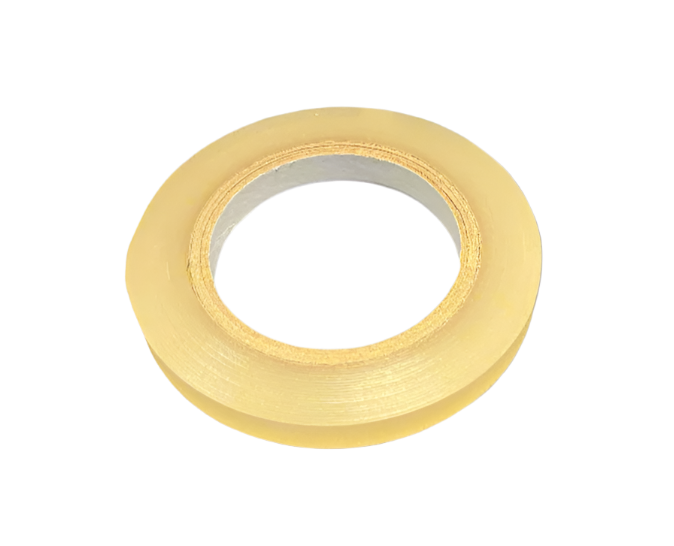
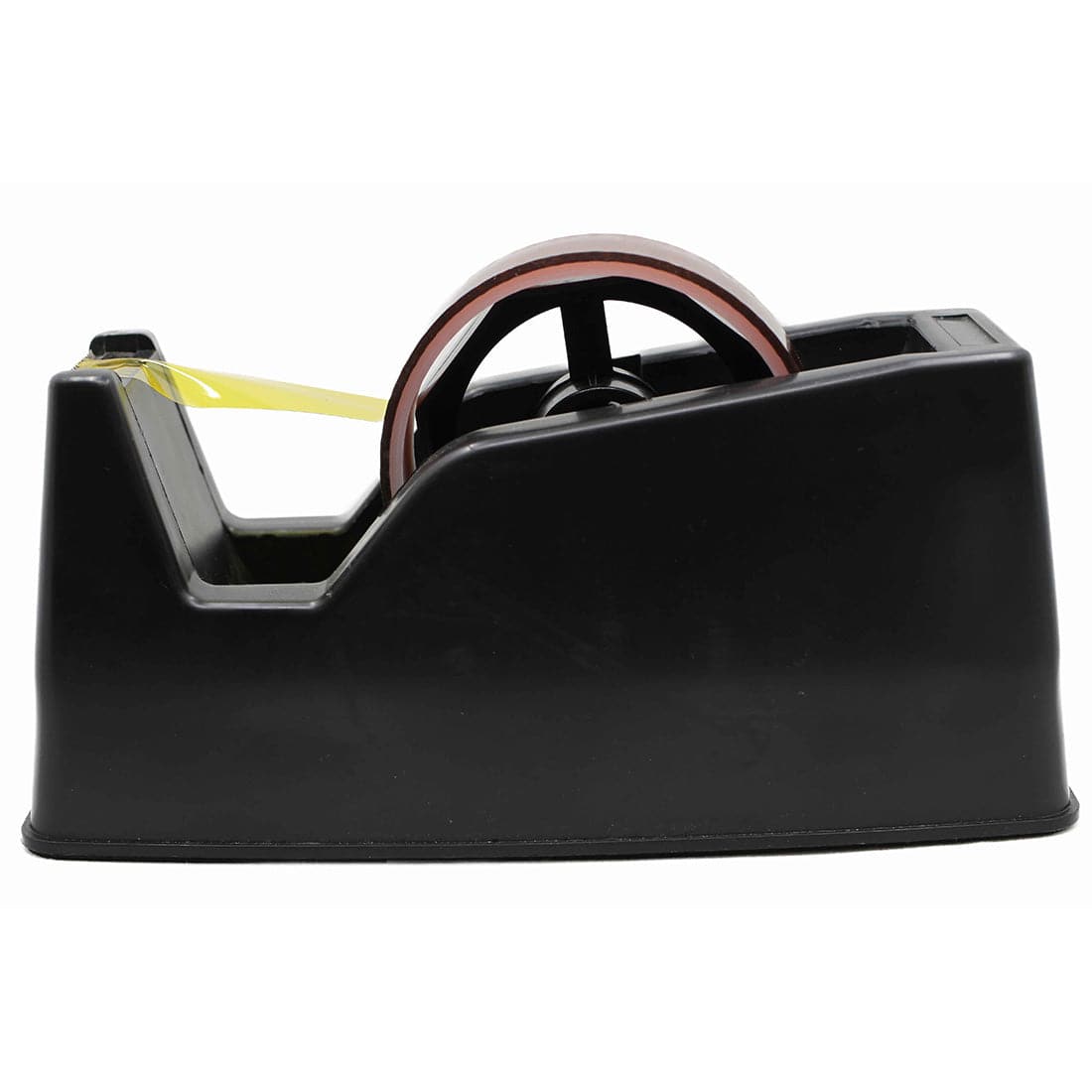
Ghosting is caused by the sublimation paper shifting between the moment the press opens and when the paper is peeled. To eliminate it: secure all four edges of the paper to the garment with heat-resistant tape before pressing, open the press slowly and evenly, and peel the paper in one smooth continuous motion immediately after pressing — do not set the garment down with the paper still attached. For large format prints, a second operator holding the paper taut during peel prevents shift on oversized designs.

What is the difference between sublimation and pigment ink printing for decorating hard substrates?

Sublimation ink converts to gas under heat and permanently bonds with the polymer coating on substrates like aluminum, ceramic, and coated wood — producing scratch-resistant, UV-stable prints with no surface texture. Pigment ink prints sit on the surface of the substrate and require a protective topcoat for durability. Sublimation produces a more durable, professional result on compatible hard goods; pigment printing offers more substrate flexibility but requires additional finishing steps.

Are sublimation inks safe to use in a shared workspace or home studio without special ventilation?

Sublimation inks are water-based and low-VOC during the printing phase. The heat-pressing step releases small amounts of sublimation vapors as the ink converts to gas — these are generally considered low-hazard at normal decorating volumes. Basic cross-ventilation (an open window or exhaust fan) is sufficient for home studios and small shops. Review the SDS for your specific ink brand for full handling guidance and threshold exposure limits.

How should I store sublimation ink cartridges to prevent drying and maintain colour accuracy?

Store sublimation ink cartridges at room temperature (65–75°F / 18–24°C) in a sealed bag away from direct sunlight and heat sources. Never store cartridges in a freezing environment — ink composition is permanently altered by freezing. Opened cartridges should be kept in the printer or resealed immediately after removal. Check expiry dates on cartridges; inks older than 12–18 months from manufacture can shift in color gamut, causing inaccurate output even with correct ICC profiles.

Drawer Title
Similar Products