





Skip to content
en
CAD

Bloom Your Business Into Profit

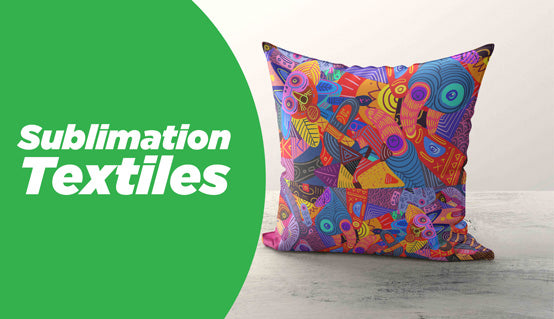
Sublimation Textiles


Sublimation textiles for everyday custom comfort


From fashion to functional accessories, sublimation textiles let you deliver vivid designs on soft, durable fabrics customers will use every day.


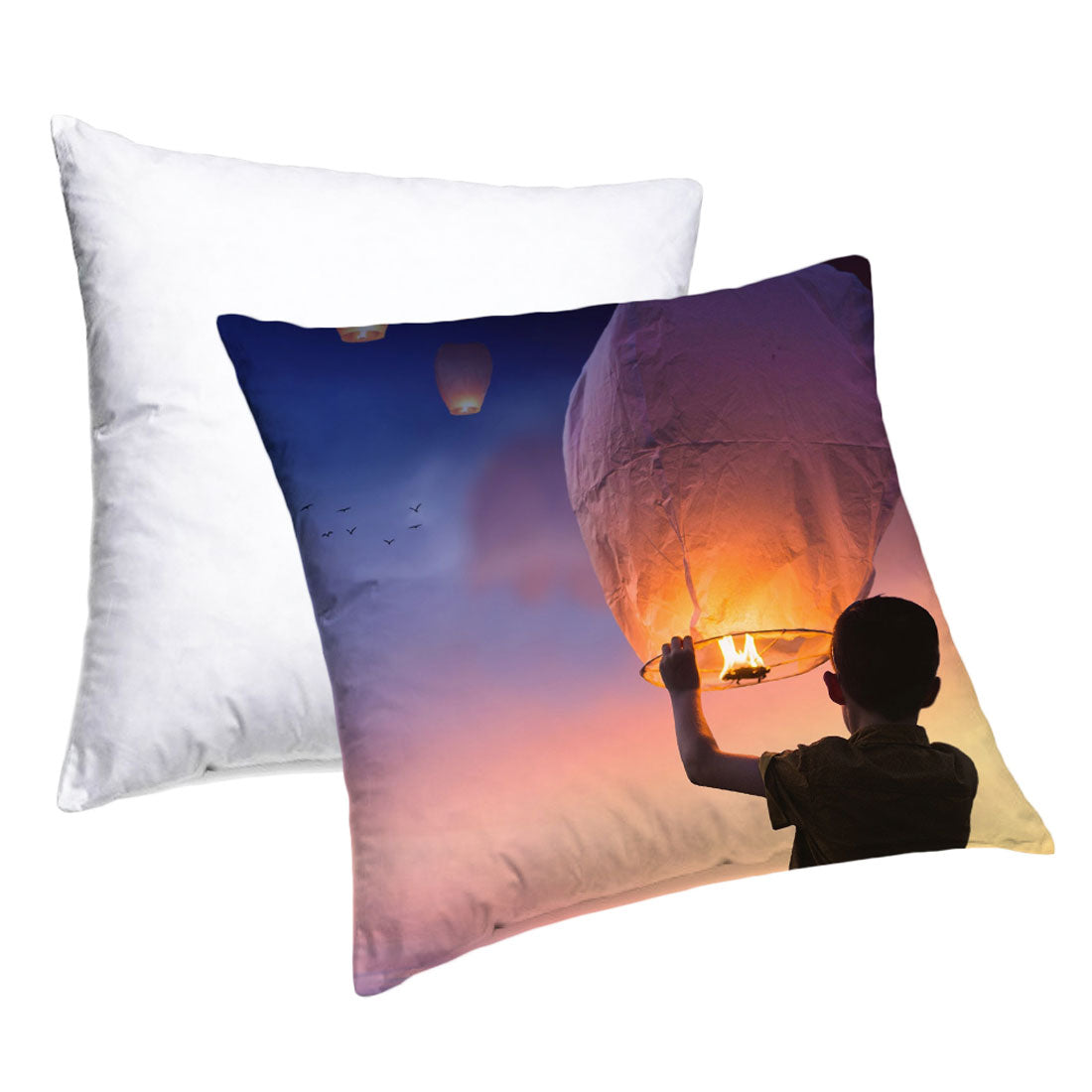
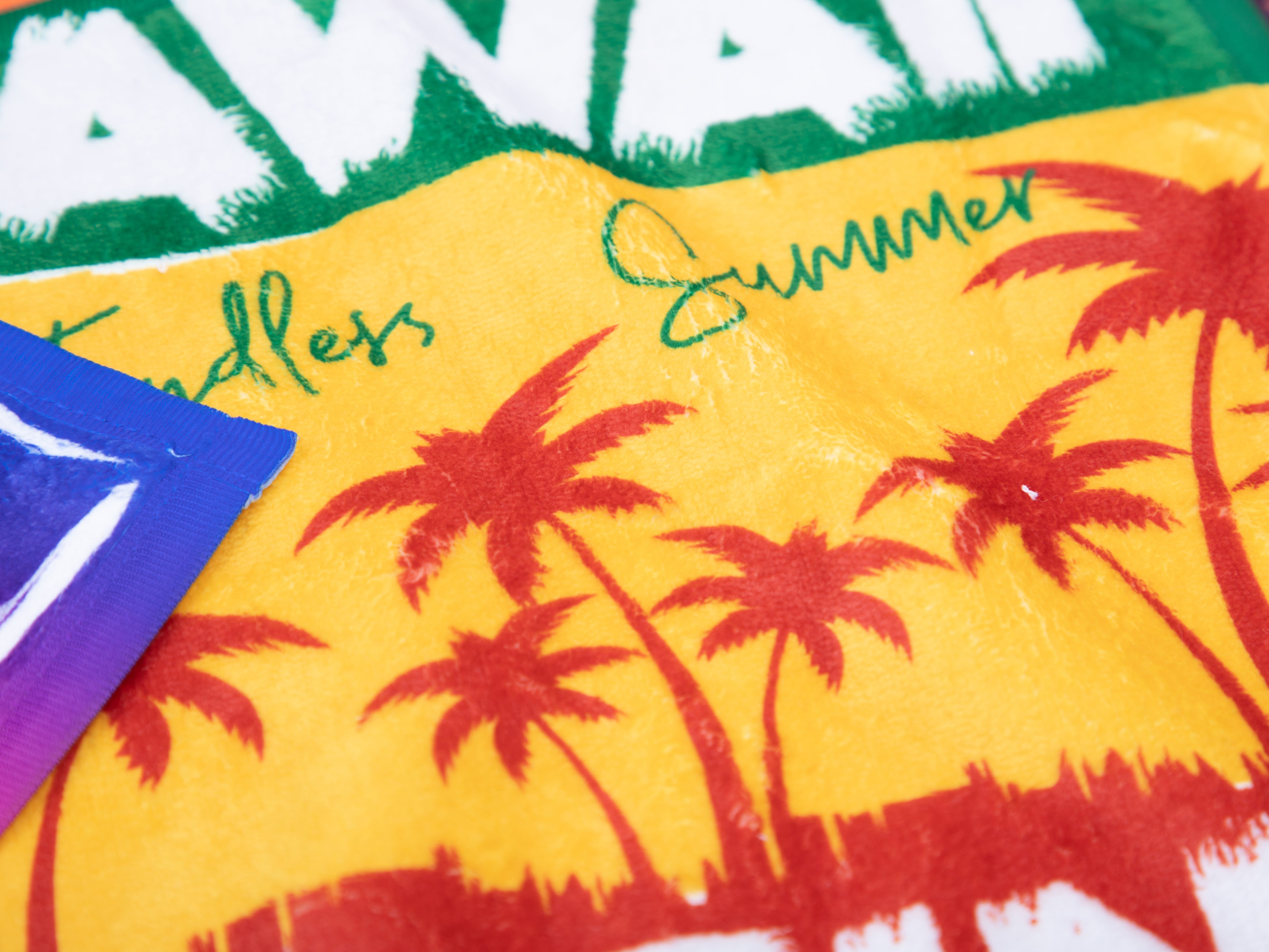
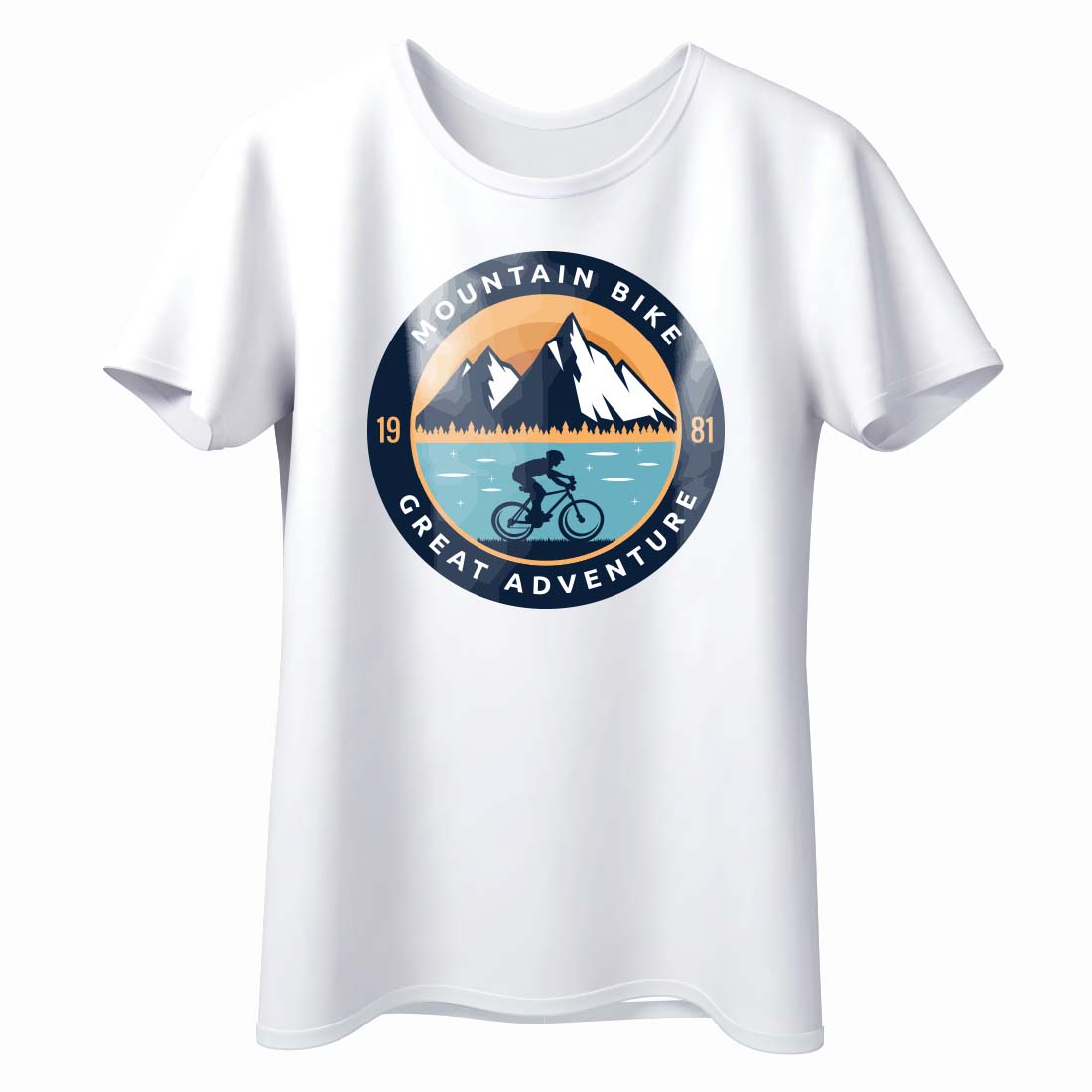
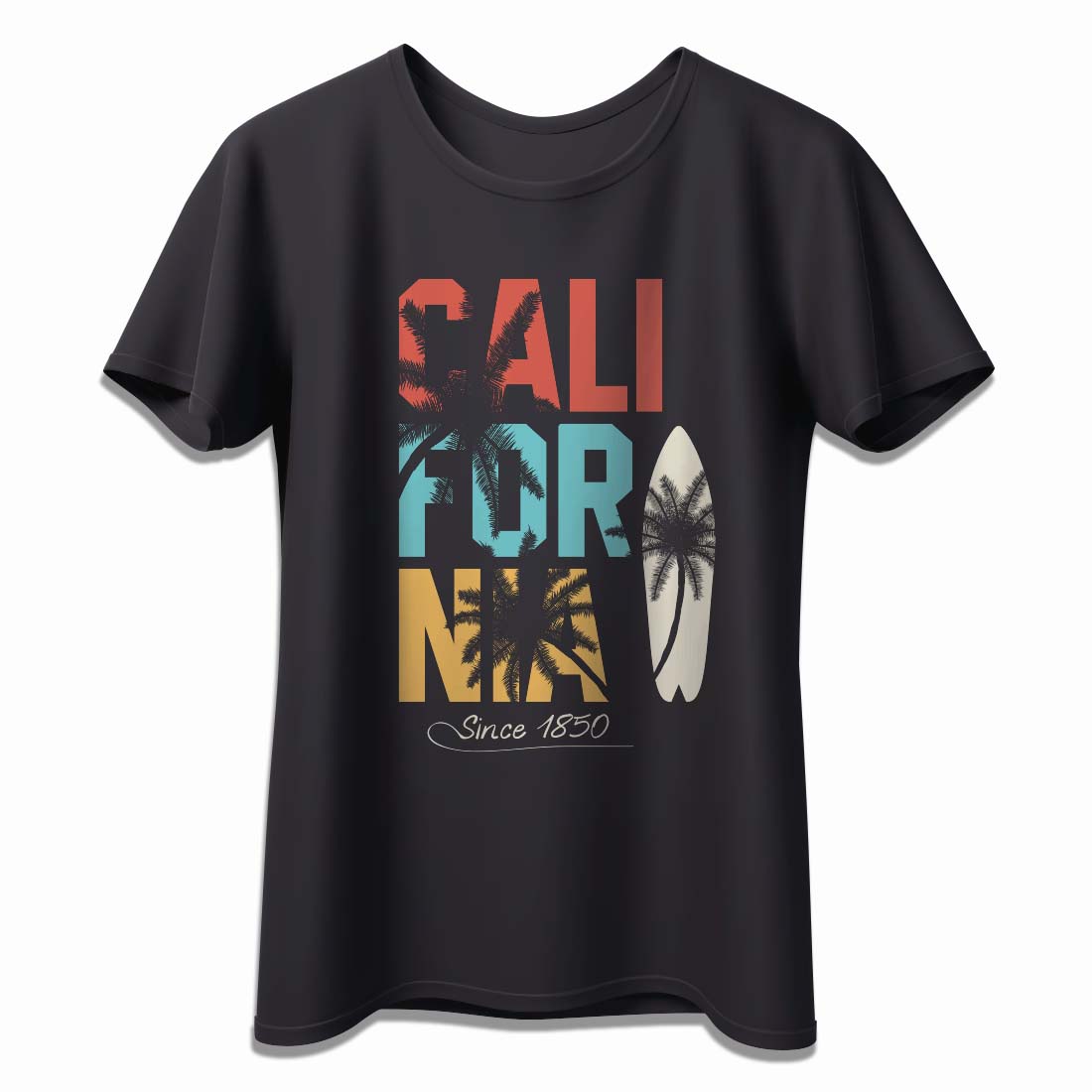
The sublimation textiles collection includes apparel blanks, tote bags, pillow covers, towels, aprons, and more, all designed with sublimation ready surfaces for brilliant, long lasting prints. Each piece supports sharp details and vibrant colors that stay vivid after repeated washes, making them ideal for personal gifts, branded merchandise, or promotional campaigns.

Apparel items offer endless creative opportunities, while home and lifestyle products expand customization beyond clothing. Lightweight and versatile, these blanks are compatible with Joto presses, ovens, and sublimation paper, ensuring consistent production quality. Stocked in North America with fast shipping and available volume discounts, sublimation textiles help print shops scale profitably. Add them to your catalog to provide customers with functional, stylish products that combine comfort and customization in one practical solution.
 

26 products

  • Sort by

Frequently Asked Questions:

What are sublimation textiles used for?

Sublimation textiles are high-performance polyester-based fabrics specifically engineered for creating vibrant, full-color custom apparel, soft signage, and personalized home decor. These materials are designed to withstand the high temperatures of a heat press, allowing dye-sublimation inks to bond directly with the synthetic fibers for a permanent and wash-fast finish. Common technical applications include production-grade activewear, durable team jerseys, and high-definition promotional banners that require exceptional color depth and detail. By utilizing these specialized textiles, businesses can deliver professional-quality products that will not crack, peel, or fade over time.

What are the material requirements for sublimation textiles?

Sublimation textiles must possess a high synthetic content, ideally 100% polyester, to ensure the dye gas effectively bonds with the polymer fibers for vibrant and permanent results. While blends with at least 65% polyester are acceptable for a vintage look, any natural fibers like cotton will not retain the dye, leading to significant fading after laundering. For professional-grade output, textiles should be white or light-colored, as the translucent sublimation inks rely on the base fabric's color and lack white ink capabilities for dark substrates. Always verify that the material can withstand the high heat-press temperatures, typically between 375°F and 400°F, required for successful dye gasification.

How can I properly care for and maintain sublimation textiles to ensure the long-term durability of the printed designs?

To ensure the long-term durability of printed sublimation textiles, it is essential to wash garments inside out in cold water using a mild, bleach-free detergent to prevent abrasive damage to the polyester fibers. Avoid using fabric softeners or high-heat drying cycles, as excessive thermal exposure can cause the sublimated dyes to migrate or fade over time. For optimal results, air drying or tumble drying on a low-heat setting is recommended to maintain the technical integrity and vibrant color saturation of the molecularly bonded ink. Following these professional care protocols at Joto Imaging Supplies guarantees that your custom apparel retains its high-resolution finish and wash-fastness through repeated use.

How do I print and apply sublimation transfers onto textiles?

To print and apply sublimation transfers onto textiles, start by printing your high-resolution design onto specialized sublimation transfer paper using a dedicated dye-sublimation printer and high-quality inks. Position the printed transfer face-down on a 100% polyester or high-poly blend fabric, ensuring the surface is clean and pre-pressed to remove moisture and wrinkles. Utilize a professional heat press calibrated to approximately 400°F (204°C) with medium pressure for 45 to 60 seconds to facilitate complete ink gasification into the textile fibers. Following these technical protocols at Joto Imaging Supplies ensures vibrant, wash-fast results with a soft-hand finish that will not crack or peel.

Why is my sublimation transfer on textiles coming out blurry or showing ghosted images?

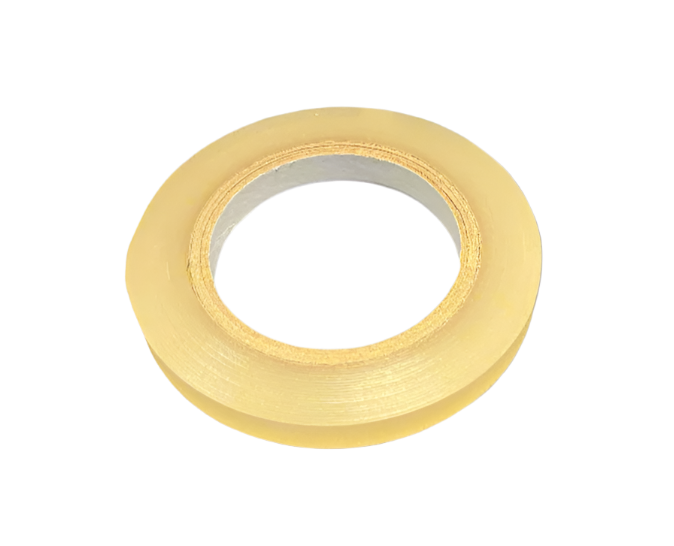
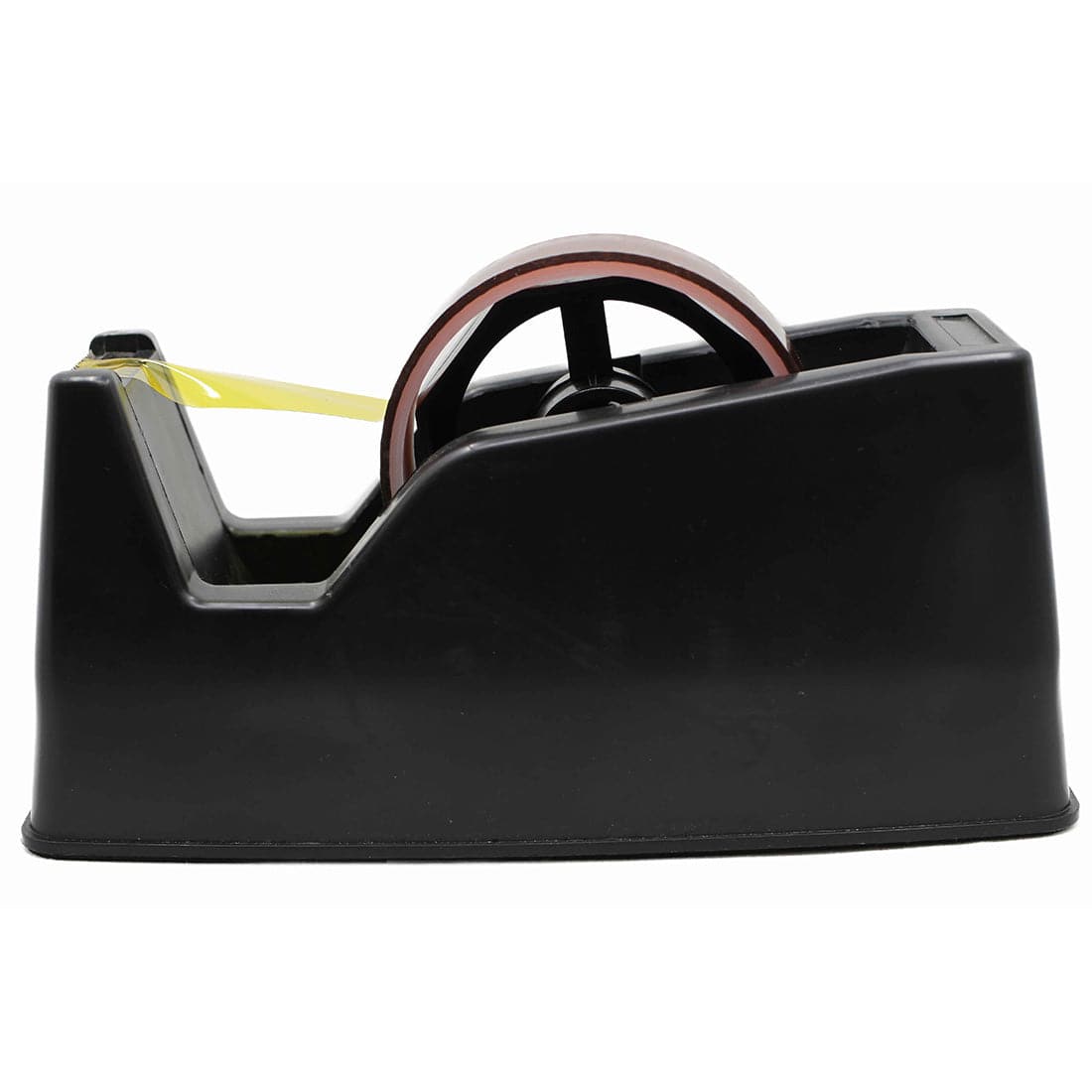
Blurry or ghosted images on sublimation textiles are typically caused by substrate shifting or moisture trapped within the fabric during the heat press cycle. To prevent this, ensure you are using high-quality heat-resistant tape or a light mist of repositionable adhesive spray to secure the transfer paper firmly to the polyester material. Additionally, pre-pressing your textiles for 5 to 10 seconds is a critical technical step to evacuate residual moisture and flatten fibers for a sharp, professional-grade transfer. Maintaining consistent pressure and avoiding vertical movement when opening the press will further eliminate the risk of ink gasification blurring your custom designs.

How can I achieve professional-grade color vibrancy and high-quality prints with Sublimation Textiles?

To achieve professional-grade color vibrancy on sublimation textiles, it is essential to utilize high-resolution design files and calibrated ICC profiles tailored to your specific ink and polyester fabric combination. You must maintain precise control over heat press variables, ensuring consistent temperature and firm pressure to facilitate full ink gasification into the synthetic fibers. Implementing a rigorous pretreatment and post-processing workflow will further enhance image clarity and long-term wash-fastness, preventing common issues like blurring or color shifting. These technical adjustments ensure that your custom apparel and soft signage maintain the sharp detail and saturated hues required for premium commercial output.

How can Sublimation Textiles help grow my business and increase profitability?

Integrating high-quality sublimation textiles allows your business to offer premium, full-color custom apparel and home decor with unmatched durability and vibrant detail. By utilizing the molecular bonding process on polyester fabrics, you can produce professional-grade items that resist cracking and fading, ensuring high customer satisfaction and repeat sales. This efficient digital decoration method is ideal for profitable short-run production and complex, high-definition designs that traditional screen printing cannot easily replicate. Expanding into specialized sublimation textiles ultimately diversifies your product catalog and increases your competitive edge in the custom garment market.

How should I store sublimation textiles and inks to ensure optimal print quality and prevent material degradation?

To maintain professional-grade print quality, store sublimation textiles in a cool, dry environment away from direct sunlight to prevent yellowing or moisture absorption. Sublimation inks should be kept in a climate-controlled space between 60°F and 80°F to preserve chemical stability and prevent nozzle clogging from sedimentation. Ensure all containers are tightly sealed and stored upright to protect against oxidation and atmospheric contaminants that can degrade color vibrancy. Following these storage protocols ensures your Joto Imaging Supplies materials remain technically sound for high-resolution, durable transfers.

How do sublimation textiles compare to other decoration methods like screen printing or direct-to-garment (DTG) printing?

Sublimation textiles offer superior durability compared to DTG or screen printing because the dye-based ink chemically bonds with polyester fibers, ensuring designs will not crack, peel, or fade. While DTG is optimal for high-detail designs on cotton and screen printing is cost-effective for high-volume runs, sublimation provides a soft, breathable hand-feel that is ideal for all-over prints and performance sportswear. However, unlike DTG or screen printing, sublimation is specifically limited to synthetic fabrics like polyester and light-colored substrates for optimal color vibrancy. Using a professional heat press and high-quality sublimation ink ensures these textiles maintain photographic-quality resolution through repeated wash cycles.

How can I optimize heat press dwell times and pressure settings to prevent ghosting and ensure deep ink penetration on high-density polyester sublimation textiles?

To optimize results on high-density polyester textiles, set your heat press to 380-400°F with medium to firm pressure (40 psi) for a dwell time of 45-60 seconds. Deep ink penetration is achieved by maintaining consistent pressure, while ghosting is prevented by securing the transfer paper with heat-resistant tape or a light mist of repositionable adhesive spray. Pre-pressing the garment for 5-10 seconds is essential to eliminate trapped moisture, and opening the heat press slowly and vertically avoids the vacuum effect that causes paper shifting. Following these technical protocols ensures vibrant, high-definition prints that are permanently embedded within the polymer structure of the sublimation textiles.

Drawer Title
Similar Products