






















































Running a printing company today requires more than great production capabilities. Many businesses invest heavily in equipment, materials, and staff training, but struggle to build a consistent pipeline of new customers. In many cases, the challenge is not production quality but marketing structure.
The printing industry has become increasingly competitive. Customers have more choices, and businesses often compare multiple suppliers before placing an order. At the same time, companies that need printing services are searching online, attending events, and looking for reliable partners who can help them produce branded merchandise, uniforms, promotional products, and other printed materials.
For printing companies, this means marketing needs to be proactive rather than passive. Instead of waiting for customers to discover your business, successful print shops develop systems for identifying potential clients, building relationships with local businesses, and generating qualified leads.
Joto Imaging Supplies has been serving the printing industry for nearly 40 years. Many of the insights in this guide come from conversations with print shops across North America and from the experience of Michael, who has worked with sublimation for over 16 years, serves as a sales representative for Joto across North America, and regularly demonstrates sublimation techniques through tutorials on the company’s YouTube channel. The marketing perspective is supported by Juan Yepes, Director of Marketing at Joto Imaging Supplies and recognized among the Top 15 marketers in Vancouver by Influence Digest.
The ideas below combine real-world print shop experience with structured marketing approaches used by both small printing businesses and larger commercial printers.
1. Use Google Maps as a Prospecting Tool

Many printing companies rely entirely on inbound leads. They wait for customers to search online, discover their website, and request a quote. While this approach can work, it often limits growth.
Google Maps can also be used as a prospecting tool to identify businesses that are likely to need printing services.
Start by searching for industries that frequently require branded merchandise or printed materials. Examples include:
- restaurants and cafés
- gyms and fitness studios
- construction companies
- real estate offices
- schools and educational institutions
- event venues
Zoom into your local area and begin building a simple prospect list. Many printing companies use a spreadsheet to track potential leads.
A basic prospecting sheet might include:
- business name
- address
- website
- contact email or phone number
- potential product opportunities
For example, a restaurant might need items such as branded mugs, custom coasters, staff uniforms, or promotional merchandise. A gym may require custom shirts, branded tumblers, or apparel for members.
Once a list of potential businesses has been created, the next step is outreach. Instead of sending generic messages, approach each business with a specific idea.
For example:
"Hi, I noticed your café recently opened in the area. We work with restaurants to produce branded mugs and coasters that customers often take home as souvenirs."
Specific product suggestions make the conversation more relevant and increase the chances of receiving a response.
Using Google Maps this way turns it into a local lead generation database, allowing printing companies to actively identify and approach potential customers rather than waiting for inquiries.
2. Optimize Your Google Business Profile (The Minimum Standard)
If Google Maps can help you find potential clients, your own Google Business Profile plays an equally important role in helping those clients discover your company.
For many businesses searching for printing services, the Google Business listing is the first impression they have of a print shop. Unfortunately, many printing companies set up a profile once and rarely update it.
At a minimum, every printing company should ensure the following information is accurate and complete:
- correct business address
- phone number and email contact
- current business hours
- link to the company website
- links to social media profiles
Photos are especially important. Potential customers want to see examples of real products, not just logos or stock images. Upload photos that demonstrate the type of work your business produces.
Examples of effective images include:
- custom printed mugs
- branded apparel such as t-shirts or hoodies
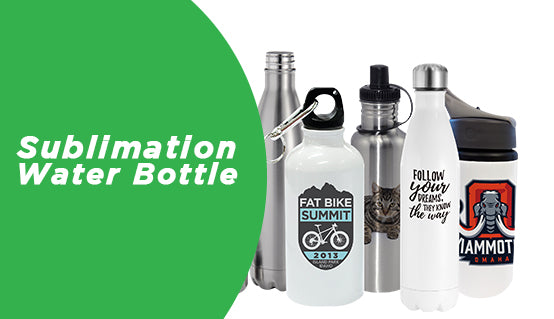
- sublimation drinkware
- promotional products with company logos
These photos help visitors quickly understand what your printing company specializes in.
Reviews also play a major role in building credibility. A profile with several positive reviews signals reliability and professionalism. Encouraging satisfied customers to leave reviews can significantly improve visibility and trust.
While optimizing a Google Business Profile may seem basic, it remains one of the most important foundations for local marketing. Many customers compare several printing companies before making contact, and a complete, professional profile helps ensure your business stands out.
3. Run PPC Campaigns Focused on Lead Generation
Paid advertising can be a powerful tool for printing companies, particularly those targeting business clients. However, the key is understanding that PPC campaigns should focus on lead generation, not immediate product sales.
Many printing businesses make the mistake of running ads that simply promote generic services such as "custom printing" or "promotional products." These messages are often too broad and fail to attract qualified leads.
A more effective strategy is to design campaigns around specific business needs.
Examples of targeted campaigns include:
- corporate merchandise printing
- custom uniforms for companies
- promotional mugs for events
- bulk promotional products for marketing campaigns
Each campaign should direct visitors to a landing page where they can request a quote, schedule a consultation, or learn more about the service.
For example, a campaign targeting corporate clients might promote branded mugs for events or company promotions. The landing page could include product examples, pricing ranges, and a simple form allowing businesses to request a quote.
This approach works particularly well for larger commercial printers that handle bulk orders. Instead of waiting for clients to search organically, PPC campaigns allow printing companies to actively capture demand from businesses looking for customized merchandise.
When managed properly, paid advertising becomes a structured lead generation channel that consistently introduces new potential clients to your printing company.
4. Create Industry-Specific Product Packages

Another effective marketing strategy is to design product packages tailored to specific industries. Instead of promoting individual products separately, printing companies can present complete solutions for particular types of businesses.
Restaurants provide a good example. A restaurant opening or rebranding often needs multiple printed items at the same time. Instead of marketing mugs, coasters, and staff shirts individually, a print shop could offer a Restaurant Branding Package that includes all of these elements.
For example, a restaurant package might include:
- branded mugs
- custom coasters
- staff uniforms or t-shirts
This approach simplifies the purchasing decision for the customer. Rather than choosing each product separately, the restaurant owner can select a ready-made solution designed specifically for their business.
Industry packages also make marketing easier. Instead of targeting "any business," printing companies can focus their messaging on specific industries such as restaurants, gyms, construction companies, or schools.
For example, gyms often sell branded apparel and merchandise to members. A gym merchandise package might include custom shirts, hoodies, and tumblers designed for resale or promotional giveaways.
By organizing products into clear industry-specific solutions, printing companies can communicate their value more effectively and increase the size of each order.
5. Build Local Partnership Networks
Advertising can bring customers, but partnerships can bring consistent business. Many successful printing companies grow by building relationships with businesses that regularly interact with their target customers.
The key idea is to think beyond direct partnerships and consider the partners of your partners.
For example, sports bars often host boxing fights, UFC events, or major sporting matches. These events attract people who are interested in sports and fitness. Gyms frequently promote their brand in places where sports fans gather, which creates a natural connection between bars and fitness businesses.
A printing company working with a sports bar could identify an opportunity to approach local gyms with a simple proposal. The gym might be interested in producing branded merchandise such as shirts, hoodies, or tumblers for members. The bar benefits from promoting local events, the gym gains visibility, and the printing company produces the merchandise.
The same idea applies to other industries. Event planners regularly organize corporate gatherings and promotional events. Marketing agencies often manage branding projects for companies launching new campaigns. Photographers may need products such as aluminum photo panels or customized items for clients.
These businesses already work with companies that need printed materials. By building partnerships with them, printing companies can create a network of referrals that generate steady work without relying entirely on advertising.
Over time, strong partnerships can become one of the most reliable sources of recurring orders.
6. Use Content to Educate the Market
One of the most effective ways to attract new customers is to educate them. Many people simply do not realize how many products can be customized through modern printing technologies.
Education expands demand because it helps customers discover ideas they had never considered before.
The most important factor when creating educational content is choosing the right format. Different formats work better depending on how you communicate and how your audience prefers to learn.
- If you enjoy writing, long-form content can be extremely effective. Blog articles and newsletters allow printing companies to explain techniques, product ideas, and business use cases in detail. Long-form content also performs well in search engines because it answers questions people are already researching online.
Video is another powerful educational format. Longer videos on platforms like YouTube allow printing companies to demonstrate production workflows and show how customized products are created step by step.
Michael regularly demonstrates sublimation through tutorials on Joto’s YouTube channel, and these demonstrations help entrepreneurs and small businesses understand how products such as mugs or drinkware are produced.

Short-form video works differently. Platforms such as Instagram Reels or TikTok favor quick demonstrations that capture attention in a few seconds. A short clip showing a mug being pressed or a shirt being printed can quickly communicate the value of customized printing.
7. Develop a Structured Cold Outreach Process
Aren't you tired of generic messages in your inbox? Your customers are too.
Many large commercial printers rely on direct outreach to generate business clients. While cold outreach may sound intimidating, it can be highly effective when done correctly.
The most important principle is specificity. Generic messages rarely receive responses. Instead of contacting businesses with a broad statement such as "we offer printing services," focus on a clear product idea.
A simple outreach process might look like this:
- Identify potential businesses using tools such as Google Maps or local directories.
- Research the business briefly to understand what they do.
- Contact them with a short message suggesting a relevant product idea.
- Offer to provide a quote or product samples.
For example, a printing company might contact a restaurant and suggest branded coasters or mugs that reinforce the restaurant’s brand identity. A construction company might be interested in uniforms or branded safety apparel for employees.
Cold outreach works best when the message shows that you understand the business and have a specific product idea that could benefit them.
Many printing companies discover that even a small number of successful outreach conversations can lead to long-term clients.
The key is not to use every format at once, but to choose the format that best fits your strengths and audience.
When customers understand what is possible with printing, they begin to imagine new ways to use customized products in their own businesses.
8. Create a Follow-Up System for Leads
Generating leads is only part of the process. Many sales opportunities are lost because businesses fail to follow up consistently.
Potential customers often become busy with other priorities, and a lack of immediate response does not necessarily mean they are not interested. A structured follow-up system ensures that potential clients remain aware of your services.
A simple follow-up structure could include:
- responding to inquiries within 24 hours
- sending a follow-up message three days later if no response is received
- reaching out again after one week
These messages do not need to be aggressive or repetitive. Instead, they can include additional product ideas, examples of previous work, or helpful information that might assist the customer.
Consistent follow-up demonstrates professionalism and keeps your company visible during the decision-making process. For printing companies working with business clients, this step can significantly increase the number of leads that eventually convert into orders.
9. Focus on Products That Are Easy to Sell
While printing companies can produce many different items, some products are consistently easier to market and sell. These products combine high demand, simple production, and wide applicability across multiple industries.
Examples include:
| Product | Printing Method | Typical Customers |
|---|---|---|
| Custom T-Shirts | DTF / HTV | Gyms, events |
| Mugs | Sublimation | Corporate gifts, tourism |
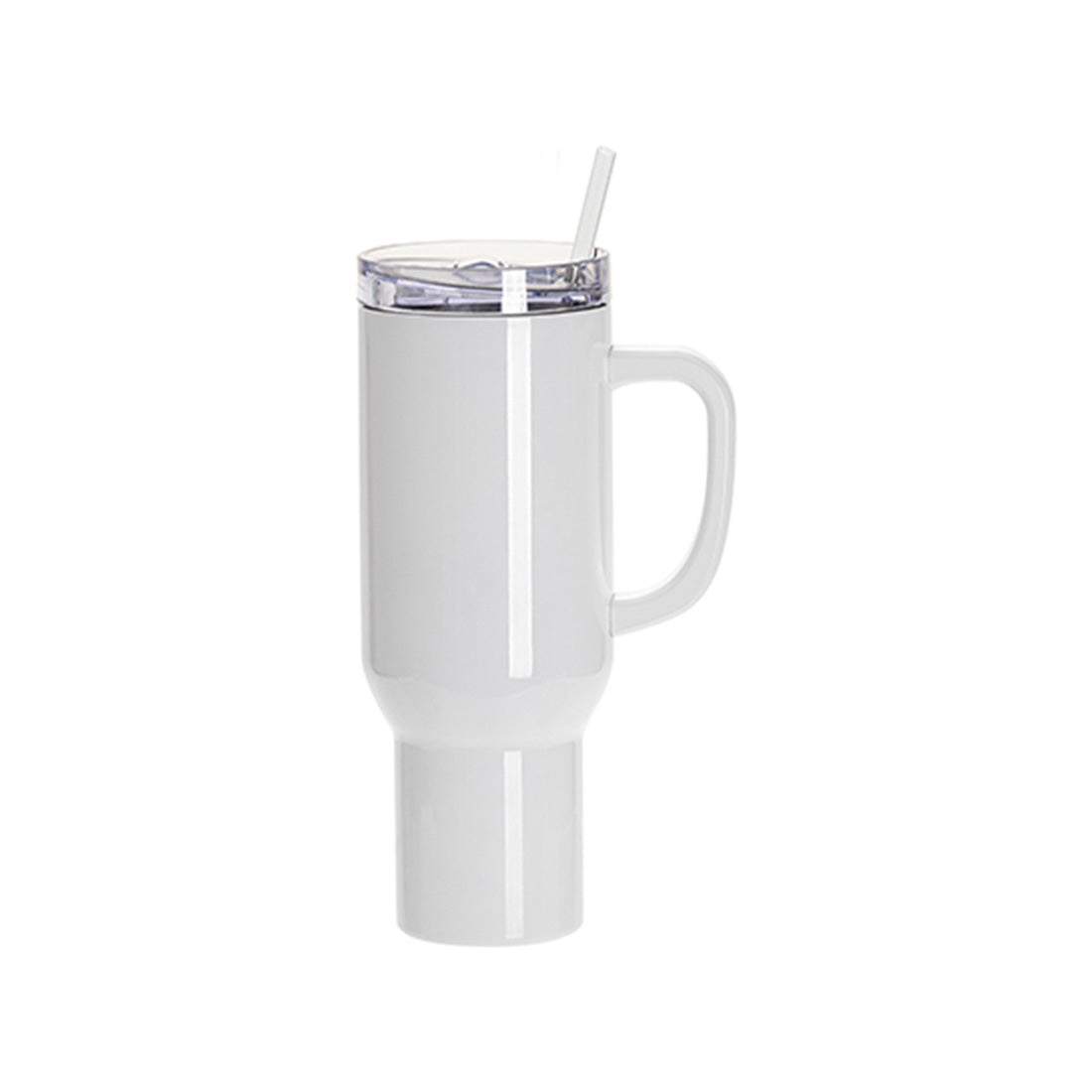
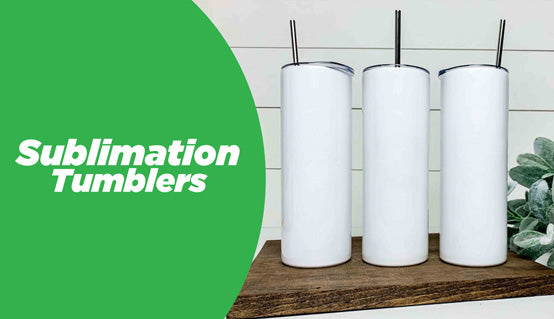
| Tumblers | Sublimation | Promotional products |
| Coasters | Sublimation | Restaurants, bars |
| Aluminum Photo Panels | Sublimation | Photographers |
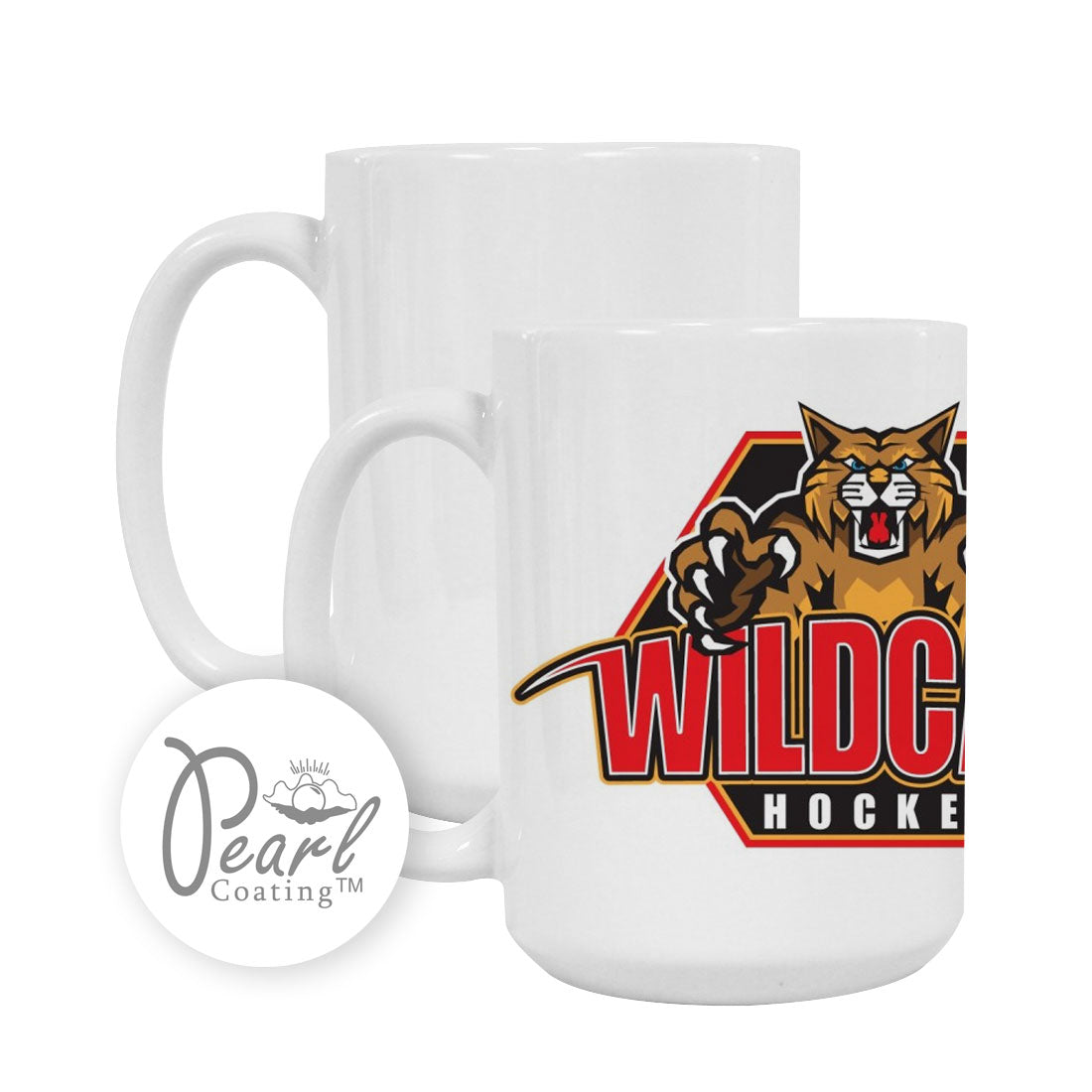
Among these products, mugs remain one of the most reliable items for many print shops. They work for large corporate orders, tourism merchandise, and personalized gifts.
Coasters are another interesting opportunity. Although they are small products, they often provide strong margins and are frequently ordered in large quantities. Restaurants and bars exist in nearly every neighborhood, and many of them regularly use branded coasters as part of their customer experience.
By focusing marketing efforts on products that already have clear demand, printing companies can simplify their messaging and generate more consistent sales.
Common Mistake: Trying to Implement Every Strategy at Once
One of the most common mistakes printing companies make is trying to implement too many marketing strategies at the same time.
A business might attempt to launch social media campaigns, run paid advertising, start a blog, build partnerships, and introduce new products all within a short period.
While each of these strategies can be effective, implementing them simultaneously often creates confusion and operational stress. Marketing efforts become scattered and it becomes difficult to measure results.
From a marketing perspective, a more effective approach is to implement one strategy at a time. Once a system begins producing results, the company can gradually expand to additional marketing channels.
This step-by-step approach allows printing companies to build sustainable growth rather than chasing every possible marketing tactic.
Conclusion
Marketing a printing company successfully requires more than occasional promotion. It requires a structured approach that combines proactive prospecting, strong relationships with local businesses, educational content, and consistent follow-up.
By identifying potential clients, creating targeted product packages, and focusing on products that are easy to market, printing companies can build a more predictable pipeline of customers.
For nearly four decades, Joto Imaging Supplies has worked alongside printing businesses across North America, supporting them with industry knowledge and solutions that help them grow.
With the right marketing strategies in place, printing companies can strengthen their local presence, attract more business clients, and generate consistent long-term sales.